Saltar al contenido principal

Anuncio Superior

Mostrando entradas con la etiqueta Chaos Magic. Mostrar todas las entradas

The Beat Beat Writer: Hacking Reality Through Word and Will

The Beat Writer Who Discovered Chaos Magick Before It Had a Name


EMERALD TABLE — Grimoire Record Servitor
⚔️ TypeSpell
📅 Date2026-07-26
📜 FileMC-2026-0248
Difficulty★★★★☆ Avanzado
Read time15 min
🔗 Related AppGoetian Seals Generator
cha0smagicklabs.com — Digital Grimoire of Chaos Magick

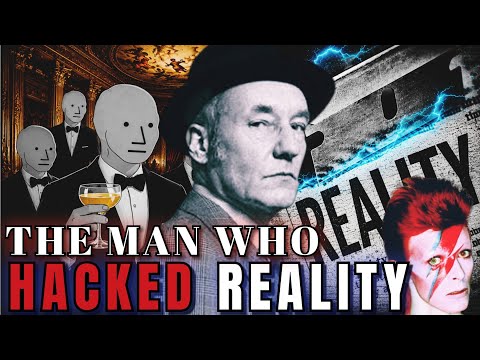
In the annals of outlaw literature and esoteric exploration, few figures loom as large or cast as long a shadow as William S. Burroughs. While his contemporaries were content to chart the familiar territories of human experience, Burroughs ventured beyond the page, wielding language itself as a weapon and a scalpel. He wasn't merely a novelist; he was a cartographer of the subconscious, a pioneer of techniques that would later echo in the chambers of chaos magic, digital culture, and our very understanding of perception.

This exploration delves into the heart of Burroughs' radical experiments, from the infamous Cut-Up Machine to the synergistic potential of the Third Mind. We'll trace his lineage through the arcane influences that shaped his thinking, revealing a mind that was not only ahead of its time but actively seeking to dismantle the boundaries of time and identity itself. Prepare to understand how a writer's quest for artistic truth became a blueprint for hacking reality, a blueprint that is more relevant today than ever before.

ServitorBurroughs and the Virus of Language

William S. Burroughs grappled with a profound insight: language, as it exists, is not merely a tool for communication but a parasitic entity. In his groundbreaking theories, particularly those explored in works like 'The Ticket That Exploded,' Burroughs posited that words act like viruses, infecting the minds of their users, dictating thought patterns, and ultimately controlling behavior. This isn't a poetic metaphor; for Burroughs, it was a literal diagnosis of the human condition. He saw syntax as a prison, grammar as a cage, and metaphors as chains binding us to predetermined realities. This understanding of language as a tangible, even biological, force set the stage for his radical attempts to break free.

He wasn't interested in simply describing the world; he sought to deconstruct the very framework through which we perceive it. If language was a virus, then the cure, or perhaps the inoculation, lay in disrupting its established patterns. This led him away from traditional narrative structures and towards experimental techniques designed to bypass the conscious mind and interface directly with the raw material of consciousness. His theories laid the groundwork for thinking about how information systems, whether linguistic or digital, exert control and how one might subvert them. This concept of language as a "virus" is a foundational idea that resonates deeply with practitioners of chaos magic and anyone interested in memetics or the psychology of belief.

The Cut-Up Machine: A Generator of New Realities

The Cut-Up technique, perhaps Burroughs' most famous experimental tool, was born from a desire to break the linear stranglehold of language. By physically cutting up existing texts and reassembling them in new orders, Burroughs (along with artists like Brion Gysin) created a method not just for generating novel prose but for accessing subconscious connections and unforeseen meanings. This wasn't mere random chance; it was a deliberate act of algorithmic creation, a way to force linguistic and conceptual collision, revealing hidden patterns that the conscious, controlling mind would typically filter out. The process became a form of externalized intuition, a feedback loop where the artist acted as a conduit for emergent meaning.

The Cut-Up Machine wasn't just a literary device; it was a reality-hacking tool. Burroughs believed that by altering the texts that shaped our perception of reality, one could, in turn, alter reality itself. He extended this technique beyond just prose, applying it to overheard conversations, dreams, and even the very structure of identity. Each piece of text, like a fragment of a sigil, was imbued with potential energy. When reassembled, these fragments could create startling juxtapositions, predictive visions, and entirely new conceptual frameworks. This process foreshadowed many later ideas in occultism and digital culture, including the generation of sigils and the understanding of hyperstition, where an idea or belief becomes real simply by being articulated and acted upon.

The Third Mind: Synergy Beyond the Self

Expanding on the Cut-Up technique, Burroughs proposed the concept of the "Third Mind." This wasn't about achieving a higher state of consciousness in the traditional sense, but about creating a synergistic entity born from the collision of two or more minds, or a mind and a text. It was a collaborative force, an emergent consciousness that could perceive truths inaccessible to the individual ego. Burroughs saw this as a way to break down identity barriers, particularly the rigid egoic self that he believed was the primary agent of linguistic control. The Third Mind was a collaborative cutting-up, a co-creation of a new perceptive faculty.

This idea of a merged consciousness, of a space where individual identities dissolve into a greater, more potent entity, is strikingly similar to concepts explored in various magical traditions, including some branches of chaos magic. The notion of creating entities through focused intent, whether they are servitors, egregore, or the manifestation of a collective will, finds a parallel in the Third Mind. It suggests that by strategically combining elements—be it texts, minds, or even digital algorithms—one can engineer new forms of awareness and agency. The "Third Mind" represents a powerful operational model for understanding how collective belief systems, shared experiences, and even synchronized digital interactions can forge new realities.

Dreamachine and the Architecture of Perception

The Dreamachine, developed in collaboration with Ian Sommerville, was a direct extension of Burroughs' theories on perception and consciousness. This stroboscopic device, designed to be viewed with closed eyes, emitted flickering light at specific frequencies. The intended effect was to induce altered states of consciousness, triggering hypnotic patterns in the brain that could lead to vivid, dream-like experiences while fully awake. It was an attempt to hack the visual cortex, to bypass the usual filters of the mind and create a direct interface with the subconscious.

Burroughs believed that the fixed, linear nature of waking consciousness was a form of self-imposed limitation. The Dreamachine was a technological key, designed to unlock those limitations. By disrupting sensory input, it forced the mind to generate its own internal reality, much like a dream. This resonates profoundly with magical practices that aim to induce altered states of consciousness as a gateway to accessing hidden knowledge or influencing external events. Techniques like gnosis, whether inhibitory or excitatory, aim to shift consciousness in ways that bypass the mundane, analytical mind. The Dreamachine, in its own way, offered a technological shortcut to such altered states, emphasizing that the architecture of our perception is not fixed but can be engineered and manipulated.

Echoes in the Digital Age: AI, Social Media, and Hyperstition

The ideas that William S. Burroughs explored decades ago—language as a virus, the power of algorithmic recombination, the manipulation of perception through media, and the creation of emergent realities—are no longer confined to the avant-garde fringes. They are the very fabric of our digital age. Social media platforms employ sophisticated algorithms that curate our realities, often in echo chambers that reinforce linguistic and ideological viruses. Artificial intelligence, in its ability to generate text, images, and even entire simulated worlds, embodies the spirit of the Cut-Up Machine on an unprecedented scale.

The concept of "hyperstition"—an idea or belief that brings about its own reality through its articulation and adoption—is something Burroughs was practicing before the term was coined. His writings, his techniques, his very persona, created a self-fulfilling prophecy, influencing countless artists, musicians, and even philosophers. Today, memetic warfare, viral content, and the rapid spread of both misinformation and transformative ideas online are all manifestations of this principle. The digital realm is a fertile ground for the "virus of language" to spread and mutate, but it also offers new tools for consciousness hackers to experiment with, to disrupt, and to create.

Burroughs as the Great Hacker

Viewing William S. Burroughs not just as a writer but as a "hacker of reality" offers a new lens through which to understand his legacy. He approached language, identity, and perception as systems to be understood, dismantled, and reassembled. His experiments with the Cut-Up Machine, the Third Mind, and the Dreamachine were not mere artistic provocations; they were practical technologies for altering consciousness and disrupting the mundane control mechanisms of society. He demonstrated that by understanding the underlying architecture of reality—be it linguistic, perceptual, or even digital—one could potentially reprogram it.

This aligns perfectly with the principles of practical magic and, specifically, chaos magic, which emphasizes belief as a tool and the practitioner's will as the primary engine of change. Burroughs, in his own unique way, was a pioneer in practical esotericism, showing that the quest for liberation from limiting paradigms could be undertaken through rigorous experimentation and a deep understanding of symbolic systems. His work serves as a testament to the idea that by manipulating the symbols that shape our world, we can indeed reshape the world itself.

Arsenal of the Modern Mage

  • Essential: Goetian Seals Generator — For those who understand that the power of symbols, ancient or modern, lies in their precise formulation and focused intent. Generate and explore sigils with the precision required for deep work.
  • Recommended Reading: Naked Lunch by William S. Burroughs. The foundational text that introduced many of his radical concepts to the world.
  • Further Exploration: Websites like houstonwehaveproblems.com (as mentioned in community comments context) or academic resources on memetics and cybernetics.
  • Technological Interface: Explore digital tools for text manipulation, image generation, and algorithmic art that echo the principles of the Cut-Up Machine.

FAQ: Frequently Asked Questions

Is William Burroughs considered an early Chaos Magician?

While Burroughs predates the formal codification of Chaos Magic as a movement, his methodologies—particularly the Cut-Up technique, his focus on belief as a malleable force, and his experimental approach to consciousness—contain many core principles later embraced by chaos magicians. He was undoubtedly exploring similar operational territories, viewing language and perception as systems to be manipulated for desired effects, which is the essence of practical magic.

How does the Cut-Up technique relate to sigil creation?

Both the Cut-Up technique and sigil creation involve distilling a complex intention into a symbolic form and then releasing it. The Cut-Up technique uses existing linguistic fragments to bypass the conscious mind and reveal subconscious truths or desires. Sigil creation involves condensing a specific statement of intent into a unique symbol, charging it with energy, and then forgetting it. Both are powerful methods for injecting will into the fabric of reality by bypassing mental filters. The Goetian Seals Generator, for instance, helps codify complex intentions into powerful symbolic forms, much like Burroughs sought to do with words.

Can these concepts of language viruses and perception hacking be applied today?

Absolutely. In fact, they are more relevant than ever. Social media algorithms, the spread of memes (linguistic and visual), AI-generated content, and the constant bombardment of information all operate on principles of linguistic infection and perception manipulation. Understanding these mechanisms, as Burroughs did, provides the tools to critically engage with them, resist unwanted programming, and use them consciously for personal or collective transformation.

What is the "Third Mind" and how can it be achieved?

The "Third Mind" is a concept proposed by Burroughs and Gysin, representing a synergistic emergent consciousness that arises from the collaboration of two or more minds, or a mind and an external system (like texts or technology). It's a state beyond individual ego where new perceptions and truths can emerge. It can be approached through collaborative creative acts, shared focused intention, and techniques that dissolve ego boundaries, much like certain meditative or ritualistic practices aim to do. The key is the deliberate merging and interplay of distinct elements to create something greater than the sum of its parts.

What is the significance of David Bowie in relation to Burroughs?

David Bowie was deeply influenced by William S. Burroughs, particularly his Cut-Up techniques and embrace of experimentalism. Bowie explicitly stated his admiration for Burroughs and incorporated elements of his work into his own music and persona. The "Thin White Duke" persona, for example, shares a certain detached, observational quality with Burroughs' characters. Bowie's own use of lyrical fragmentation and his exploration of identity through his music can be seen as a continuation of the artistic and philosophical path Burroughs pioneered. This cross-pollination of ideas highlights how Burroughs' experimental methods extended beyond literature to profoundly influence other art forms.

Why is deciphering one's name considered important by Burroughs?

Burroughs believed that names and language are not arbitrary but carry a fundamental energetic charge and a blueprint of destiny. He suggested that a person's true name, or the symbolic weight and history encoded within their given name, holds crucial information about their predispositions, their burdens, and their potential. By deconstructing the name, dissecting its sounds, associations, and cultural baggage, one could gain insight into their own programming and identify the linguistic and psychological chains that bind them. Understanding this "burden" is the first step toward consciously altering it.

Your Operation: Hacking Your Own Reality

Burroughs' work isn't just academic; it's profoundly practical. Here’s how to begin applying these principles:

  1. Embrace the Cut-Up: Take a piece of text—a newspaper article, a page from a book, even a transcript of your own recent conversation. Cut it into strips of words or phrases. Reassemble these fragments randomly. What emerges? Does it speak to a hidden desire, a suppressed fear, or a predictive insight? Write it down. Use the Goetian Seals Generator to perhaps turn the most potent phrase into a sigil.
  2. Confront Your Linguistic Programming: Pay attention to the words you use habitually. Do you curse a lot? Burroughs suggests this indicates a judgment or a limitation. Try to observe your inner monologue and spoken language. Identify words or phrases that seem to carry negative weight or dictate your actions. Can you consciously alter your internal dialogue?
  3. Explore Algorithmic Perception: Consciously observe the way your own digital consumption shapes your reality. How do social media algorithms feed you content? Are you aware of the "linguistic viruses" you are exposed to daily? Experiment with curating your feed, seeking out diverse perspectives, or even using tools that mimic the Cut-Up principle to recombine information in novel ways.
  4. Simulate the Third Mind: Engage in a collaborative creative project with a friend or even through online communities. The goal isn't necessarily to create a masterpiece, but to experience the dissolution of individual ego and the emergence of a shared, synergistic consciousness. See what arises when you combine your thoughts and intentions with others.
  5. Dream Logging: While you might not have a physical Dreamachine, consciously paying attention to your dreams is a direct way to interface with your subconscious. Keep a dream journal and analyze recurring symbols or themes, which can be seen as fragments of your own internal "cut-ups."

By systematically dissecting the tools that shape our reality—language, media, even our own identities—we can begin to hack them. This isn't about escaping reality, but about gaining conscious agency within it. It's about recognizing the systems that govern us and learning to manipulate them, rather than being manipulated by them. Each word, each symbol, each interaction is an opportunity for transformation.

Case Study: The Artist's Breakthrough

A practicing digital artist, struggling with creative block and feeling stifled by conventional art forms, stumbled upon the principles of Burroughs' Cut-Up technique. She began by taking her own descriptions of her artistic desires and cutting them into fragments. She then randomly reassembled them, creating absurd and nonsensical statements like "a psychic nebula dancing with a digital scream" or "the algorithm of longing blooming in neon." Initially, these fragments felt meaningless. However, she noticed certain juxtapositions held a strange resonance, an uncanny predictive quality.

She chose the most evocative phrase, "the algorithm of longing blooming in neon," and converted it into a preliminary sigil using a digital art program, laying the groundwork for a more refined symbol. She charged this developing sigil not through traditional ritual, but by immersing herself in the very digital aesthetic it represented—spending hours scrolling through glitch art, neon photography, and abstract computational visuals. This immersion, she felt, was her form of 'gnosis', a deliberate conditioning of her perception. The resulting artwork, when finally completed, was unlike anything she had created before, breaking through her block and marking a significant shift in her artistic output. She recognized that the CUT-UP had acted not just as a writing tool, but as a catalyst for a new conceptual language that then informed visual creation.

Cross-Disciplinary Connections: Information, Identity, and the Code

Burroughs' exploration of language as a virus and his techniques for disrupting perception are profoundly relevant to fields beyond literature and occultism. In computer science and information theory, his ideas touch upon concepts of data corruption, algorithmic bias, and the power of code to shape user experience. The internet, with its vast and often chaotic flow of information, can be seen as a literal manifestation of a cut-up environment. Social media platforms use algorithms—modern-day cut-up machines—to curate realities, often reinforcing existing biases or spreading "information viruses."

In psychology, his work resonates with theories of cognitive biases, the power of suggestion, and the malleability of identity. The constant exposure to curated information can create echo chambers that reinforce belief systems, making them impervious to external data—akin to a linguistic virus taking hold. Furthermore, his exploration of the "Third Mind" can be linked to concepts of collective consciousness, emergent behavior in complex systems, and the potential for shared digital spaces to foster new forms of group identity or even group intelligence. Ultimately, Burroughs' work highlights the interconnectedness of information, perception, and the construction of reality itself.

About the author: Frater Alek0s is a veteran practitioner and researcher in the field of chaos magick. His work focuses on the practical and experimental application of occult techniques for self-development and reality exploration, demystifying esotericism for the modern practitioner.

Conclusion: The Unending Experiment

William S. Burroughs was more than a writer; he was a visionary who foresaw the digital age's entanglement with language, consciousness, and control. His relentless experimentation with the Cut-Up, the Third Mind, and the destabilization of perception provided a toolkit for anyone seeking to understand or manipulate the systems that govern our lives. He challenged the very notion of fixed reality, suggesting that through deliberate intervention—through hacking the code of language and perception—we can rewrite our own narratives and, perhaps, reality itself.

The principles he unearthed are not relics of the past but living technologies. In an era saturated with algorithms, AI, and constant information flow, his methods offer a vital means of critical engagement. Whether you're an artist, a writer, a digital explorer, or a practitioner of the magical arts, Burroughs’ legacy is a call to experiment, to cut, to recombine, and to discover the hidden potentials that lie within the seemingly fixed structures of our world. The experiment is ongoing, and the tools he provided are as potent as ever.


Referencias

  1. Carroll, P. J. (1987). Liber Null & Psychonaut. Weiser Books.
  2. Spare, A. O. (1913). The Book of Pleasure. Self-published.
  3. Hine, P. (1992). Condensed Chaos: An Introduction to Chaos Magic. New Falcon Publications.
  4. Crowley, A. (1904). The Book of the Law. Self-published.
  5. Sherwin, R. (2018). The Chaos Magic Handbook. CreateSpace.
  6. Kraig, D. M. (1988). Modern Magick: Eleven Lessons in the High Magickal Arts. Llewellyn Publications.
  7. Morrison, G. (2003). Pop Magic! The Art of Shaping Reality. Disinformation.
  8. DuQuette, L. M. (2003). The Chicken Qabalah of Rabbi Lamed Ben Clifford. Weiser Books.
  9. Webb, D. (2015). Chaos Magick: A Practical Guide. Self-published.
  10. Tyson, D. (2006). The Power of the Written Word. Llewellyn Publications.
  11. Bonewits, I. (1971). Real Magic. Creative Age Press.
  12. Greer, J. M. (2003). The New Encyclopedia of the Occult. Llewellyn Publications.
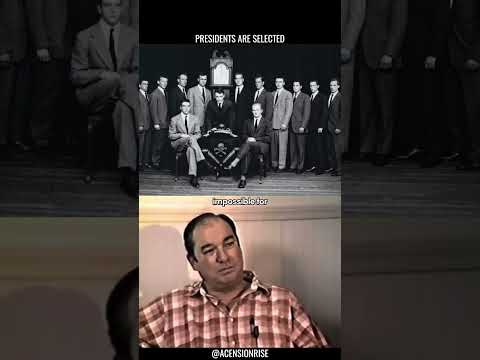
Presidents Are Selected, Not Elected: Deconstructing the Illusion of Choice

Presidents Are Selected | Bill Cooper


EMERALD TABLE — Grimoire Record Magitech
⚔️ TypeSpell
📅 Date2026-07-19
📜 FileMC-2026-0066
Difficulty★★★☆☆ Intermedio
Read time9 min
🔗 Related AppChaos Magick Sigil Generator
cha0smagicklabs.com — Digital Grimoire of Chaos Magick

The notion that presidents are elected is a cornerstone of modern democracy, a widely accepted narrative that shapes our political engagement. Yet, delve beneath the surface, and you'll find a growing undercurrent of dissent, a belief that the individuals who occupy the highest office are, in fact, *selected*. This isn't about a specific conspiracy theory, but rather a fundamental questioning of the democratic process itself, suggesting that the choice presented to voters is often an illusion, a carefully curated spectacle designed to maintain a particular order.

Peter J. Carroll, a key figure in Chaos Magic, famously stated, "Belief is a tool, not a belief" (Carroll, 1987). This principle is acutely relevant here. The belief that our vote is a genuine act of selection, a direct transfer of power to our chosen candidate, is a powerful belief system that underpins the current political structure. But what if this belief is merely a mechanism, a tool used by unseen forces to achieve specific outcomes? What if the real power lies not in the voting booth, but in the mechanisms that precede and frame the electoral process?

This exploration will dissect the "presidents are selected" argument, examining the societal and systemic factors that contribute to this perspective. We will look at how division is leveraged, how political parties function, and the potential for genuine change, all while keeping the core principle of belief as a tool at the forefront of our understanding.

MagitechThe Illusion of Choice: Democratizing Deception?

The core of the "presidents are selected" argument hinges on the idea that the choices presented to the public are, at best, limited, and at worst, entirely fabricated. This isn't to say that the candidates themselves are necessarily puppets, but rather that the system is designed to ensure that only certain types of candidates, those who align with established powers, can truly ascend.

Consider the immense resources and infrastructure required to run for president. The fundraising, the media campaigns, the party endorsements – these are not spontaneous occurrences. They are the result of intricate networks and established power structures. As one commentator noted, "There is no third party because the Uniparty has made it impossible to form a third party." This highlights how existing political frameworks can actively stifle dissenting voices and emergent movements, ensuring that the playing field remains tilted.

The power dynamics at play are not always overt. They can be subtle, embedded in the very fabric of our societal institutions. The concept of "grooming" mentioned by some observers suggests a long-term, developmental process, where individuals are nurtured and shaped over years, even decades, to fit a specific role within the political landscape. This implies a level of planning and foresight that extends far beyond the election cycle.

The Power of Division: A Uniparty's Advantage

One of the most persistent observations across political discourse is the profound societal division that seems to paralyze meaningful progress. Many believe this division is not accidental, but actively cultivated. "The division gives them the power!!!!!!" is a sentiment echoed by many who feel that infighting and partisan gridlock serve the interests of those who benefit from the status quo.

When the populace is engaged in constant conflict, debating minutiae and demonizing opposing viewpoints, the larger, systemic issues often remain unaddressed. This is where the concept of the "Uniparty" gains traction. It posits that while distinct parties may exist with differing platforms, they ultimately operate within a shared framework, serving common interests that transcend partisan lines. This shared interest, some argue, is the maintenance of the existing power structures.

The frustration is palpable: "People who vote Democrat or Republican just don't understand... They're being played for the sheep 🐑🐑 they are." This sentiment underscores a deep disillusionment with the traditional two-party system, viewed by some as a mechanism of control rather than genuine representation.

Raising Collective Consciousness: A Path to Unity?

If the current system is perceived as rigged or illusory, what then is the solution? Many believe the answer lies in raising collective consciousness and fostering unity. "We need to raise the collective consciousness. We need unity. We need to start agreeing to disagree and stop fighting eachother." This call for unity is not about eradicating differences, but about recognizing shared humanity and common goals that transcend superficial political divides.

This shift in consciousness is perhaps the ultimate act of magic. By collectively agreeing to shift our belief systems, we can fundamentally alter the perceived reality of the political landscape. If enough people stop believing in the illusion of selection, if they refuse to vote or enlist in a system they deem corrupt, the power of that illusion diminishes.

"Quit electing Quit Voting and Enlisting in the military," one observer audaciously suggests. This is a radical proposition, a form of non-cooperation that aims to starve the existing power structures of the energy and consent they rely upon. It’s a call to disengage from the spectacle and redirect energy towards building robust, alternative forms of community and governance from the ground up.

The Local vs. The National: A Nuance Worth Exploring

While the presidency and national politics are often seen as completely compromised, some still hold out hope for change at more local levels. "Having said that the local voting and even Senators could possibly still be won. Except, if certain groups or countries pay to make sure a certain person wins... When it comes to the Presidency it's completely lost."

This perspective introduces a crucial nuance. The scale of operations required to control a national election is exponentially larger and more complex than influencing local races. The theory suggests that while the presidency might be firmly in the hands of a select group, it might still be possible to influence or even win local elections with enough collective effort and integrity. This offers a glimmer of hope, suggesting that disengagement doesn't necessarily mean surrender, but perhaps a strategic redirection of focus to arenas where tangible influence is still possible.

The Influence of External Forces and Hidden Agendas

The idea that presidents are "selected" often involves the notion of external forces or hidden agendas guiding the process. This can range from powerful lobbying groups and defense contractors influencing policy through campaign donations and insider trading, to more esoteric beliefs about secret societies and cabals.

"The problem is they take insider trade info to keep quiet because it makes them lots of money and only their office buddies know. But take a look at the their investment portfolio and I'd bet it's all private sector aerospace and major defense contract companies. So when they sell war, they make money..." This points to a corrupt nexus of power where political decisions are driven by financial gain, particularly in industries that profit from conflict.

Australia's political landscape is also cited as an example where similar dynamics might be at play, with established parties seemingly working to discredit any emerging force that deviates from the norm. This reinforces the idea that the system, regardless of geographical location, seems geared towards maintaining control and suppressing genuine opposition.

The Oath and the Corporation: Activating the Illusion

The "Act of 1871" is often mentioned in these discussions, positing that it illegitimately transformed the United States into a corporate entity, with Washington D.C. operating as a separate jurisdiction. While historical and legal validity of this claim is debated, it speaks to a deep-seated feeling that the governance structure is fundamentally at odds with the interests of the populace.

Furthermore, the concept of an oath of office being superseded by other, more binding oaths – perhaps to secret societies or specific agendas – is also raised. "They take a oath before the oath of office so it doesnt mean noyhing." This implies a hierarchy of loyalties, where the publicly declared oath is merely a formality, overshadowed by secret commitments.

From Selection to Creation: The Magician's Role

If presidents are indeed selected, and the democratic process is an illusion, then what is the role of the practitioner? It is to understand the nature of this illusion and to actively work towards its dismantling or, at the very least, to navigate around it. This is where the principles of technomancy, and specifically the creation of sigils, can become profoundly useful.

Chaos Magick teaches us that the universe responds to focused intent, regardless of the perceived reality of the system. If the system selects, then our goal might be to create a counter-selection process, or to bypass it entirely.

For those who find the manual creation of sigils time-consuming or prone to error, digital tools can be invaluable. The Chaos Magick Sigil Generator is designed precisely for this purpose. It allows you to rapidly codify your intent, generate a unique symbol, and then focus your energy on the crucial act of charging and releasing it. This streamlines the process, letting you bypass the perceived limitations of the electoral system and directly influence the energetic currents that shape reality.

When working with the idea that presidents are selected, your intention could be to: * Create sigils that energetically "disrupt" the selection process for undesirable candidates. * Generate sigils that promote the emergence and success of genuinely incorruptible individuals, regardless of their party affiliation. * Craft sigils that foster unity and raise collective consciousness, weakening the divisive tactics used to maintain control. * Empower yourself and others to see through the illusion, thereby diminishing its power.

The key is to apply focused intent and belief as a tool, independent of the circus of national politics.

Mage's Arsenal

* Essential: Chaos Magick Sigil Generator — Quickly create and charge digital sigils to bypass the illusion of selection and directly influence outcomes. * Recommended: *Liber Null & Psychonaut* by Peter J. Carroll. Understanding belief as a tool is paramount. * For Reflection: News sources that present dissenting viewpoints or analyses that question mainstream narratives.

FAQ: Presidents Are Selected

Why do people believe presidents are selected rather than elected?

This belief stems from several observations: the immense power of established political parties and donor networks that seem to pre-ordain candidates, the feeling that divisive political tactics paralyze genuine progress, and the perceived impossibility of third parties or independent candidates gaining traction. It also touches upon the idea that the media landscape shapes public perception, focusing on charisma and narrative rather than policy or integrity.

What is the "Uniparty" theory?

The Uniparty theory suggests that, despite the appearance of partisan conflict, the major political parties actually operate in concert to maintain the existing power structures and serve common interests that transcend partisan labels. It implies that the fundamental direction of policy and governance remains consistent, regardless of which party holds office.

How can raising collective consciousness help?

Proponents believe that by shifting societal perception and fostering unity, people can undermine the power of division and distraction that allegedly benefits those in control. If enough individuals stop believing in the illusion of choice and actively work towards common goals, the existing systems of power may become less effective.

Is there any hope for change within the current system?

Some argue that while national-level elections might be heavily influenced or pre-determined, local elections and even senatorial races may still offer avenues for genuine influence. This suggests a strategic focus on local action and supporting incorruptible individuals in positions where systemic manipulation is less concentrated.

About the author: Frater Alek0s is a veteran practitioner and researcher in the field of chaos magick. His work focuses on the practical and experimental application of occult techniques for self-development and reality exploration, demystifying esotericism for the modern practitioner.

How can magic be applied to this issue?

Magic, particularly Chaos Magic, can be seen as a way to directly influence energetic currents. Practitioners can create sigils with intentions aimed at disrupting the selection process for undesirable candidates, promoting honest leadership, fostering societal unity, or empowering individuals to recognize and reject the illusion of choice. The focus is on direct intention and energetic manipulation rather than participation in a perceivedly compromised system.

Referencias

  1. Carroll, P. J. (1987). Liber Null & Psychonaut. Weiser Books.
  2. Spare, A. O. (1913). The Book of Pleasure. Self-published.
  3. Hine, P. (1992). Condensed Chaos: An Introduction to Chaos Magic. New Falcon Publications.
  4. Crowley, A. (1904). The Book of the Law. Self-published.
  5. Sherwin, R. (2018). The Chaos Magic Handbook. CreateSpace.
  6. Kraig, D. M. (1988). Modern Magick: Eleven Lessons in the High Magickal Arts. Llewellyn Publications.
  7. Morrison, G. (2003). Pop Magic! The Art of Shaping Reality. Disinformation.
  8. DuQuette, L. M. (2003). The Chicken Qabalah of Rabbi Lamed Ben Clifford. Weiser Books.
  9. Webb, D. (2015). Chaos Magick: A Practical Guide. Self-published.
  10. Tyson, D. (2006). The Power of the Written Word. Llewellyn Publications.
  11. Bonewits, I. (1971). Real Magic. Creative Age Press.
  12. Greer, J. M. (2003). The New Encyclopedia of the Occult. Llewellyn Publications.

Extreme Rituals and Sorcery: A Global Tapestry of Human Spirituality Explored

Collage of diverse cultural rituals


Dive into the shadowed corners of human practice, where belief manifests in rituals as strange as they are profound. Beyond the veneer of modernity, ancient traditions persist, shaping communities and offering unique answers to life's most fundamental questions—from warding off malevolent forces to healing the sick. This journey takes us across continents, revealing ceremonies that challenge our perceptions and highlight the astonishing diversity of human spirituality.

If this post is making you question your comfortable reality, you're on the right track. Subscribe for more jolts to your worldview and share this with someone who still thinks sorcery is just fantasy.

The Spectacle of Extremes: A Global Tapestry of Ritual

The human drive to connect with the unseen, to influence destiny, and to maintain cultural identity is a powerful force. Across the globe, this drive is expressed through an array of practices that, to the uninitiated, may appear bizarre or even terrifying. These are not mere performances; they are the lifeblood of cultures, the anchors of identity, and the means by which communities navigate the mysteries of existence.

Cultural Context and Commentary: Beyond the Spectacle

Exploring the vibrant spiritual landscape of Africa, we find traditions that are not relics of the past but living forces. The commentary highlights a keen interest in ancestral roots and cultural heritage, emphasizing that "Each people has its civilization." This sentiment resonates deeply, suggesting that a truly comprehensive exploration of global spirituality must acknowledge the richness of indigenous cultures. The omission of significant regions, like Haiti and Benin from certain explorations, is a notable gap, underscoring the need for respect and inclusivity when examining these diverse practices.

One powerful illustration of this cultural depth comes from the Lozi community's commemoration of their monarch's journey. This three-day festival is more than a historical reenactment; it's a vibrant affirmation of identity, leadership, and collective memory. Similarly, in Myanmar, the practice of the "giraffe women" wearing heavy metal necklaces speaks to the unique ways individuals adhere to traditional aesthetics and beliefs, even when they present significant physical challenges. This fascination with cultural practices extends to the profound impact of belief on the human psyche and society.

Quotes like "witchcraft is one of the worst moral and spiritual sufferings a person can experience" underscore the very real, often devastating, impact these beliefs can have on individuals. This sentiment is amplified by the observation, "It's scary to see how entire crowds can be led by ideologies," pointing to the powerful, and sometimes manipulative, influence of shared belief systems and charismatic leaders. The critique of certain religious markets, suggesting "Fernand Yodé possesses another gift, that of freeing wallets," touches upon the sensitive intersection of spiritual practice and economic gain—a theme that warrants careful consideration.

However, the allure of the exotic can sometimes overshadow the deeply personal and spiritual significance of these practices. While some viewers express fascination with "cool burials... bachelor parties... 😜😝Thank you!!! Long live the World! And long live one's home, at the same time!", others lament the loss of cultural diversity, noting that "Currently we are losing everything. A language dies every 15 days." This highlights a critical point: the preservation and understanding of these unique cultural expressions are vital for the survival of human heritage itself.

It's crucial to approach these diverse rituals with respect and an open mind, recognizing that what may seem "strange" to one culture is often a deeply meaningful and functional aspect of another. The power of plants in traditional healing, for instance, is a sentiment echoed by those who have "lived with my great-grandparents, and grandmothers, they aged well, they healed themselves with plants." This practical wisdom, often dismissed by Western medicine, represents a vast repository of knowledge.

The Power of Belief and Its Manifestations

The exploration of extreme rituals also prompts reflection on the nature of power and belief. The anecdote from a Nigerian family, detailing the tragic execution of a grandfather accused of being an evil spirit, serves as a stark reminder of the potent, and sometimes destructive, force of tribal customs and sorcery when wielded without critical examination. The belief that the grandfather's lack of outcry signified his "salvation" showcases the complex, often counter-intuitive logic embedded within these belief systems.

Ultimately, the world's most intense ceremonies are more than just spectacles; they are windows into the human soul, revealing our deepest fears, hopes, and the enduring quest for meaning. The diversity of these practices is not a sign of chaos, but a testament to humanity's boundless creativity and the myriad ways we strive to understand and shape our reality. The true magic lies not just in the rituals themselves, but in the shared human experience they represent.

The Sorcerer's Toolkit: Essential Gear for the Modern Occultist

To truly delve into the study and practice of these profound traditions, having the right resources is paramount. Just as a scholar needs books and an artist needs brushes, the modern occultist benefits greatly from tools that streamline research, enhance practice, and offer a gateway to deeper understanding.

  • Chaos Magick Sigil Generator App: This is practically essential for anyone looking to craft powerful personal symbols. It bypasses the tedious manual creation process, allowing you to focus on the intent and the gnosis. For creating your own sigils, it's incredibly efficient. The Chaos Magick Sigil Generator is an indispensable tool for this.
  • Grimoires and Occult Texts: Foundational texts like "Liber Null and Psychonaut" by Peter J. Carroll, "The Book of Lies" by Aleister Crowley, or "Modern Primitives" by R. U. Sirius offer theoretical frameworks and practical insights into chaos magic and related disciplines.
  • Journals for Recording Operations: A dedicated journal is non-negotiable for tracking rituals, sigil creations, dream work, and any other magical operations. This allows for analysis of results and refinement of techniques.
  • Meditation and Gnosis Aids: Tools that facilitate altered states of consciousness are invaluable. This could range from specific music or binaural beats to biofeedback devices that help achieve a profound state of gnosis, crucial for charging sigils and performing potent rituals.
  • Personal Talismans and Fetishes: Objects imbued with personal power are essential components of many magical traditions. These can be anything from custom-made amulets to specially consecrated items.

A Pragmatist's Verdict: The Reality of Extreme Rituals

Exploring extreme rituals and sorcery worldwide reveals a fascinating dichotomy. On one hand, these practices are deeply embedded cultural fabric, providing identity, social cohesion, and frameworks for understanding the world. They are the tangible expression of collective consciousness and ancestral wisdom. On the other hand, the potential for manipulation, psychological distress, and even physical harm is undeniable, as highlighted by accounts of coerced practices or devastating outcomes attributed to sorcery.

The key takeaway is that these practices, however alien they may seem, stem from fundamental human needs: the desire for control, for protection, for healing, and for connection. The methods may differ wildly, but the underlying intentions are often universal. For the modern practitioner, the lesson is not to adopt wholesale these often extreme practices, but to understand the psychological and cultural forces that drive them, and to apply their principles to personal development and conscious intent, always prioritizing safety, ethics, and genuine self-empowerment.

FAQ

What are the ethical considerations when studying extreme rituals?

It's crucial to approach the study of any ritualistic practice, particularly those considered "extreme," with respect, avoiding sensationalism or judgment. Focus on understanding the cultural context, the practitioners' intentions, and the potential psychological and social impacts, while maintaining a critical distance and prioritizing ethical research practices.

How can one differentiate between genuine spiritual practice and harmful manipulation?

Genuine spiritual practice typically empowers the individual, fosters critical thinking, and promotes well-being. Harmful manipulation, conversely, often involves coercion, exploitation (financial or otherwise), suppression of dissent, and an unsustainable reliance on a leader or dogma. Look for transparency, consent, and the encouragement of personal autonomy.

Are these extreme rituals still relevant in the modern world?

Many of these rituals, while perhaps less prevalent or practiced in modified forms, remain deeply relevant to the communities that uphold them, serving as vital cultural anchors, sources of identity, and means of navigating life's challenges. Their relevance lies in their continuous ability to provide meaning and structure within specific cultural contexts.

What is the role of 'sorcery' in these contexts?

'Sorcery' is often understood as a force that can be wielded for both beneficial and malevolent purposes, often tied to spiritual beliefs, healing practices, or community dynamics. Its perceived power is deeply intertwined with cultural understanding of spiritual forces and causality.

How can I learn more about the specific rituals mentioned?

Further research through anthropological studies, reputable documentaries, and academic papers on comparative religion and cultural practices will provide deeper insights. For practical application of related principles like sigil creation, digital tools can be a starting point.

About the author: Frater Alek0s is a veteran practitioner and researcher in the field of chaos magick. His work focuses on the practical and experimental application of occult techniques for self-development and reality exploration, demystifying esotericism for the modern practitioner.

Your Operation: Crafting Your Personal Sigil of Inquiry

Having explored the diverse and often intense world of global rituals, it's time to turn this outward observation into an inward practice. Your operation is to create a personal sigil representing the intention to understand the deeper motivations and underlying human needs behind seemingly bizarre practices. This is not about judging, but about comprehending the 'why' behind the 'what'.

  1. Define Your Intent: Clearly state your intention in simple terms. For example: "I will understand the common threads of human need within diverse spiritual practices."
  2. Symbolize the Intent: Break down your statement into individual letters or concepts. Form the Sigil: Combine, omit, and transform these elements into a unique, abstract symbol. For this, you can leverage digital tools. Our recommendation is the Chaos Magick Sigil Generator app. It simplifies the process, allowing you to input your intention and generate a visual representation swiftly. Focus on the design that resonates most with you.
  3. Charge the Sigil: Once you have your sigil, charge it through a state of gnosis. This could be through intense focus, a moment of emotional release, or any practice that temporarily suspends the conscious, critical mind. Consider what form of "extreme" or focused practice from your own life can serve as inspiration for this charge.
  4. Forget and Release: After charging, forget about the sigil. Allow your subconscious to work on it. Place it somewhere inconspicuous or destroy it physically, symbolizing its release into the ether.

This operation isn't about invoking spirits or performing grand ceremonies; it's about applying the principles of focused intention and symbolic representation to your own quest for knowledge and understanding. The results will manifest not in grand external events, but in a subtle shift in your perception and comprehension.

What are your thoughts on these extreme rituals? Do they represent a connection to something greater, or a descent into dangerous delusion? Share your insights in the comments below.

Practitioner's Note: True magick requires resources. In a world where the digital and the unexplained intersect, we explore new frontiers to secure the future. Do you dare to be part of the vanguard? Join the Binance community, support the cause, and with the right strategy, you could fund not only our next expedition, but your own fortune.

The Etsy Witch Phenomenon: From Baseball Blessings to Digital Curses


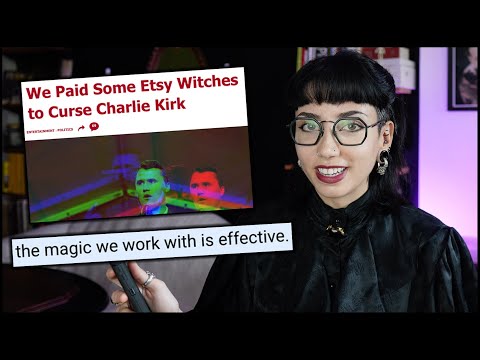
In the ever-shifting landscape of belief and digital commerce, a peculiar trend has emerged: individuals purchasing spells and curses from online platforms like Etsy. This phenomenon, often dismissed as mere superstition, has woven itself into the fabric of popular culture, influencing everything from sporting events to personal vendettas. But what lies beneath the surface of these transactions, and how does the modern digital marketplace amplify ancient practices of manifestation and hexing?

The allure of quick, potent solutions to life's problems – be it bad luck, toxic gossip, or a rival's downfall – has never been stronger. As digital storefronts become the new apothecary, the accessibility of such services raises profound questions about intent, belief, and the very nature of reality. Are we witnessing a resurgence of ancient magic, or a sophisticated form of placebo effect tailored for the modern consumer?

For those seeking to harness such energies, the traditional methods of spellcasting can be daunting. The meticulous preparation, the precise alignment of celestial bodies, and the deep dive into esoteric knowledge often present a barrier. This is where the convenience of digital platforms intersects with the desire for immediate impact. The promise of a "generational black magic curse (on sale)" or a "stop gossip & shut up" spell, delivered with a few clicks, taps into a primal desire for control and resolution.

This article delves into the heart of the "Etsy Witch" phenomenon, dissecting its cultural impact, the psychology behind the purchases, and the practical implications of wielding such digital tools for personal gain or harm. We will explore how these online transactions blur the lines between ancient ritual and e-commerce, and what it means for the future of magic in a technologically advanced world.

A vast, star-filled galaxy, symbolizing the cosmic and mystical potential of digital magic.

The Mariners' Miraculous Run and the Rise of the Etsy Witch

The Seattle Mariners' unprecedented season has become inextricably linked with the narrative of the "Etsy Witch." As the team achieved remarkable success, breaking long-standing records and securing a playoff spot for the first time in over two decades, fans noticed an unusual surge in individuals attending games adorned in witch attire and attributing the team's fortunes to spells purchased online. This bizarre alignment of sports and sorcery captured the public imagination, with a baseball announcer famously declaring, "The Etsy Witches are real!"

This narrative highlights a critical aspect of the phenomenon: the power of collective belief and its manifestation. For Mariners fans, the belief in an external magical intervention provided a sliver of hope during a drought of success. The supposed "spell" became a symbol, a rallying point that amplified team spirit. Whether the spells themselves held any inherent power or simply served as a psychological catalyst for the players and fans is a matter of debate, but their impact on the fan experience is undeniable.

This phenomenon is not merely about good luck charms; it extends to more complex intentions. Concepts like generational curses bought on a discount, or rituals conducted with specific, often nefarious, outcomes in mind, highlight the darker side of this trend. It prompts us to consider the ethical implications of engaging in magic, especially when transactional and readily available.

The Psychology of Digital Sorcery: Why We Buy Spells Online

Why do people turn to platforms like Etsy for magical services? The answer lies in a confluence of factors: desperation, convenience, and a modern interpretation of ancient desires. In a world where traditional institutions often fall short, and where personal agency can feel diminished, the idea of a readily available magical solution offers a potent allure. It's a shortcut, a way to bypass complex processes and achieve desired outcomes with minimal personal effort.

Consider the "Egg Cleanse" or 'limpia,' a traditional Mexican folk practice. While rooted in rich cultural history, its simplified online presentation often strips away the nuanced understanding, offering it as a quick fix for the "evil eye." Similarly, the concept of a "demon pact" being sold on a discount, or a ritual that is advertised but never actually performed by the seller, points to a deeper disillusionment. It's not just about the $10; it's about the lost potential, the dashed hope for a magical connection or a swift resolution.

The transactional nature of these services also reflects our consumerist culture. We expect to be able to purchase solutions. When faced with insurmountable problems, the idea of "buying" a curse or a blessing becomes a modern iteration of seeking aid from an oracle or shaman – but with the added convenience of a digital marketplace and the anonymity it provides. This has led to some unique situations, like the notion of "cursing someone's whole bloodline on a discount," which sounds like it belongs in a satirical fantasy novel rather than a real-world marketplace.

Technomancy and the Future of Spellcasting

The rise of the Etsy Witch is a clear indicator of the evolving relationship between technology and esoteric practices. This intersection, at its core, is what many are beginning to term Technomancy. The ability to perform rituals, cast spells, or seek divination through digital means is no longer science fiction; it is a burgeoning reality. From Sigilos Digitales to Digital Divination, the lines continue to blur.

The very act of purchasing a spell online is a form of Esoterismo Digital. It leverages the infrastructure of the internet to facilitate what were once deeply personal, often clandestine, practices. Services that promise to remove personal information from data broker sites, for example, are essentially employing a form of technologically-assisted cleansing, aiming to purify one's digital footprint. This mirrors the older concept of clearing negative energies, but applied to the modern digital realm.

The future of magic might well involve sophisticated applications of Magitech, blending technological innovation with ancient principles. Imagine personalized Rituales con IA that adapt to your energetic signature, or advanced Cybermancy tools that map and manipulate the digital ether. This evolution, pioneered by figures like Austin Osman Spare, who explored the intersection of symbols and the unconscious, now finds new expression in the digital space, pushing the boundaries of what we understand as magical practice and the Estado Gnóstico.

While the efficacy of these digital spells remains a subject of debate, their cultural impact is undeniable. They offer a glimpse into a future where the ancient art of magic is not only democratized but also integrated into the very technological fabric of our lives. The "Etsy Witch" phenomenon is not just a fleeting trend; it is a signpost pointing towards the continued evolution of how we interact with the mysteries of existence in the digital age.

"We cannot claim responsibility, but this shit definitely works." - A humorous, yet telling, sentiment often associated with the more potent manifestations of digital spellcasting.

The Practitioner's Verdict

The "Etsy Witch" phenomenon is a fascinating, often humorous, but ultimately significant cultural moment. It highlights our enduring desire for control, for solutions, and for a touch of the extraordinary in our everyday lives. While skepticism is warranted, dismissing these practices outright ignores their potent psychological and social impact. The Mariners' story is a prime example of how collective belief, amplified by online trends, can shape our perception of events and provide a much-needed sense of hope.

The ethical considerations are paramount. The ease of purchasing curses, even discounted ones, raises questions about intent and consequence. However, for many, these services serve as a form of emotional catharsis or personal empowerment, a way to engage with concepts of magic in a safe, albeit sometimes naive, manner. As technology continues to advance, the intersection of magic and the digital realm will only become more pronounced, pushing the boundaries of what we consider possible.

Mage's Arsenal

  • Chaos Magick Sigil Generator: Essential for creating personalized sigils, a core element in many digital spellcasting practices. This tool streamlines the intention-setting and manifestation process. Explore the App.
  • "Liber Null & Psychonaut" by Peter J. Carroll: A foundational text for modern chaos magic, exploring theoretical and practical aspects of will and manifestation.
  • "The Pictorial Key to the Tarot" by A.E. Waite: Understanding the archetypal symbolism of the Tarot is crucial for many forms of divination and spellwork.
  • A high-quality notebook and pen: For meticulously recording intentions, rituals, and results. The act of writing itself is a powerful tool for manifestation.
  • Reliable internet access: The bedrock upon which digital magic and e-commerce spell services function.

FAQ (Frequently Asked Questions)

  • Do Etsy spells actually work? The efficacy of Etsy spells is a complex question. While many believe in their power through faith, intention, and psychological reinforcement, others view them as placebo effects or elaborate scams. The outcome often depends on the practitioner's belief system and the seller's genuine intent (or lack thereof).
  • Is it ethical to buy curses? This is a deeply personal ethical question. From a chaos magic perspective, intent is paramount. However, casting spells with the intent to harm others can have unforeseen karmic or energetic consequences for the caster. Responsible practitioners focus on self-empowerment rather than malevolence.
  • Can I curse someone for free? In theory, yes. The power of spoken words and focused intent is well-documented in many magical traditions. However, "free" curses might lack the structured intention and energetic amplification that dedicated rituals or purchased services can provide, often leading to less potent or unpredictable results.
  • What is Technomancy? Technomancy is the art of blending technology with magical practices. It involves using digital tools, software, and the internet to perform rituals, cast spells, conduct divination, or manipulate energies, effectively bridging the gap between ancient magic and modern innovation.

Your Operation: The Digital Cleansing Ritual

Now, it's time to put theory into practice. Today, we'll perform a focused digital cleansing ritual to clear away any residual negative or stagnant energy that might be clinging to your digital life, inspired by the concept of removing personal information from data brokers.

  1. Set Your Intention: Find a quiet space. Close your eyes and visualize your digital presence as a bright, pure light. Focus on the feeling of relief and freedom from unwanted digital noise. Your intention is to cleanse and protect your digital footprint.
  2. Choose Your Symbol: For this, we’ll use a simple sigil. Combine the letters of a phrase like "DIGITAL PURITY" or "CLEANSED ONLINE." You can use the Chaos Magick Sigil Generator app to help you create a visually appealing and energetically charged sigil. Visualize this sigil.
  3. Energize the Sigil: Hold your phone with the sigil displayed, or a printout of it. Focus intently on your intention for digital purity. Breathe deeply, and with each exhale, imagine sending your focused intention into the sigil. You can do this by visualizing the sigil glowing brighter.
  4. Release and Forget: Once you feel the sigil is sufficiently charged, perform a charging technique. A common method is to stare at the sigil until you can no longer focus, then dismiss it from your mind, allowing your subconscious to work. This could involve a brief period of intense focus followed by a conscious effort to forget the sigil.
  5. Reinforce with Action: While the sigil works in the background, take one practical step to enhance your digital security. This could be updating a password, enabling two-factor authentication on a key account, or using a VPN for a set period.

This is a basic digital cleansing. Remember, consistent practice and a clear intention are key to any magical endeavor.


If this post is making you question your reality, you're in the right place. Subscribe for more reality-bending insights and share this with someone still believing in the digital ether purely for cat videos.

The world of digital magic is vast and often misunderstood. While some transactions might be scams, the underlying principles tap into powerful aspects of human psychology and belief systems. The Etsy Witch phenomenon, in its bizarre and often humorous manifestation, serves as a potent reminder that even in our hyper-connected, technological age, the ancient human desire for enchantment and control persists.

Now it's your turn. What are your thoughts on digital spellcasting? Have you ever purchased a service like this, or considered it? Share your experiences and predictions in the comments below!

Practitioner's Note: True magick requires resources. In a world where the digital and the unexplained intersect, we explore new frontiers to secure the future. Do you dare to be part of the vanguard? Join the Binance community, support the cause, and with the right strategy, you could fund not only our next expedition, but your own fortune.