Table of Contents
- MagitechWhat This Free Witchcraft Course Truly Offers: Beyond the Basics
- The Core Curriculum: Building Your Foundation in Protection Spells & Beyond
- The Witch's Arsenal: Tools for Your Journey
- Mastering the Art of Protection: Your Free Course on Spells and Techniques
- The Evolution of Protection Spells: From Ancient Wards to Digital Shields
- Beyond the Physical Realm: Understanding Energetic Protection
- FAQ: Your Questions About Protection Spells, Answered
- The Evolution of Protection Spells: From Ancient Wards to Digital Shields - A Deeper Look
- Building Your Personal Practice: Ethics, Ritual, and Adaptation
- Gemini Metadata and Telegram Integration
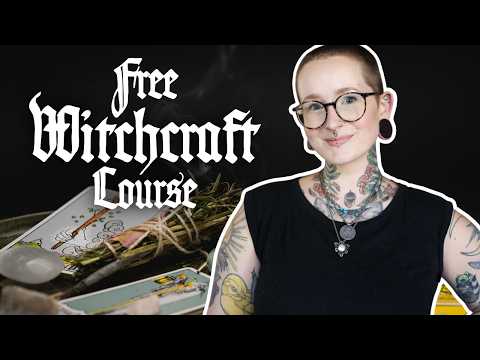
Are you standing at the threshold, feeling the call of the unseen, the whisper of ancient energies, yet overwhelmed by a sea of information, unsure where to begin? You seek a structured, comprehensive path to understanding witchcraft, a journey that respects your spirit without demanding a hefty price tag. You've arrived at the heart of it. This is not just an article; it's an orientation, a living curriculum, the starting blueprint for a deep, extensive exploration into the craft. This is your free course on protection spells and so much more, meticulously crafted to guide you from the first spark of curiosity to the confident hum of advanced practice.
If you want to put this into practice, Chaos Magick Sigil Generator guides you step by step.
The true magic lies not in expensive courses promising instant mastery, but in dedicated study, consistent practice, and the courage to forge your own unique path. Here, we offer the framework—the foundational knowledge, the practical techniques, and the philosophical underpinnings—all freely available. Think of this as opening a well-worn grimoire, one filled with years of lived experience, shared openly with fellow seekers. It's designed to be your constant companion, a reference you’ll return to, layer upon layer, as your practice deepens. We believe in empowering every individual with the tools and understanding to navigate their spiritual journey. Whether you're drawn to the protective arts, the currents of abundance, or the subtle arts of carisma, this course evolves with you.
The path of a witch is inherently personal, a dance between inherited wisdom and individual discovery. This comprehensive guide is built upon that understanding, offering a robust curriculum that can be adapted to your unique path, whether it bends towards Norse paganism, folk magic, or the wider expanse of eclectic witchcraft. We aim to demystify concepts, provide actionable steps, and foster a community where learning is transparent, accessible, and deeply rewarding. So, breathe deep, open your mind, and let’s begin this extraordinary journey together.
MagitechWhat This Free Witchcraft Course Truly Offers: Beyond the Basics
You might be wondering, what makes this "Ultimate Free Witchcraft Course" truly ultimate? It’s not about flashy promises or fleeting trends. It's about building a solid foundation, empowering you with knowledge, and fostering a sustainable, lifelong practice. This is a multi-year project, a living curriculum that grows and adapts based on the needs and curiosities of our community. It’s designed to be your constant companion, a place to return to as you evolve.
At its core, this course is about *empowerment*. We strip away the dogma and mysticism that can often obscure the practical realities of witchcraft. We focus on building your confidence, honing your skills, and helping you connect with your innate power. Whether your primary interest lies in mastering protection spells, exploring the intricate dance of abundancia, or cultivating your personal carisma, this course provides a structured yet flexible framework. We believe that understanding the underlying principles is key, which is why we delve into the ‘why’ behind every practice, not just the ‘how’.
This project is a commitment to accessibility. We understand that formal witchcraft education can be financially prohibitive. Our mission is to democratize this ancient and profound knowledge, making it available to anyone who feels the call, regardless of their background or financial situation. You'll find in-depth modules, practical exercises, and guided explorations designed to be as illuminating for the absolute beginner as they are for the seasoned practitioner seeking to refine their craft.
We are keenly aware that the landscape of spiritual and magical practice is vast and ever-changing. This course is built to be responsive. Your input is not just welcome; it’s essential. As you progress, you'll encounter opportunities to voice your specific curiosities, identify knowledge gaps, and suggest topics for future deep dives. This collaborative approach ensures that the curriculum remains relevant, comprehensive, and truly serves the evolving needs of our community. We are here to build this path *with* you, not just for you.
The Core Curriculum: Building Your Foundation in Protection Spells & Beyond
This course is structured to provide a gradual, layered understanding of witchcraft, from its foundational principles to advanced practices. Our focus is not on rote memorization, but on experiential learning and the development of critical thinking skills essential for any true practitioner. We aim to equip you with the tools to discern, adapt, and innovate within your own magical framework.
Module 1: The Lay of the Land — Understanding Witchcraft and Its Roots
Before we cast our first spell, we must understand the terrain. This foundational module explores the diverse definitions and historical contexts of witchcraft. We’ll examine its evolution across cultures and time, separating historical fact from folklore and misconception. You'll learn about the core philosophies that underpin many magical practices, including the concept of energy manipulation, the power of intention, and the importance of ethical considerations. This is where we lay the groundwork for a responsible and effective practice, understanding that true power comes with profound responsibility. We will touch upon the roots of protection spells within historical traditions, understanding their purpose and efficacy.
Module 2: The Witch's Toolkit — Essential Elements and Tools
Every craft requires its tools, and witchcraft is no exception. This module introduces you to the fundamental elements—earth, air, fire, water, and spirit—and how they are understood and utilized in magical practice. We'll explore common tools such as athames, wands, chalices, and representational tools like candles, crystals, herbs, and incense. More importantly, we’ll discuss how to choose, cleanse, consecrate, and attune yourself to these tools, making them extensions of your will and intention. We’ll also begin to explore how common tools can be used to enhance protection spells, from creating wards to blessing and empowering objects.
Module 3: The Inner Sanctum — Mastering Your Energy and Mind
The most potent tool in any witch's arsenal is their own being. This module focuses on developing your inner resources. We'll explore techniques for energy manipulation, grounding, centering, and raising energy. Visualization, meditation, and breathwork exercises will be key components, teaching you to harness your mind's power and cultivate a strong inner connection. Understanding the mind is crucial for powerful spellcasting, and this module will lay the foundation for advanced techniques later on. We will specifically look at how to strengthen your personal energetic field for protection spells.
Module 4: The Art of Intention — Crafting Spells That Work
Spellcraft is the art of directing focused energy towards a desired outcome. This module demystifies the process. We'll break down the essential components of a potent spell: clear intention, symbolic language, choice of timing, and the method of release. You'll learn how to craft effective spells for various purposes, with a significant focus on the principles behind effective protection spells, including personal wards, home protection, and shielding against unwanted influences. We'll explore how to imbue intent into objects, words, and actions.
Module 5: Working with the Divine and the Unseen**
Many paths in witchcraft involve working with higher powers, deities, spirits, or archetypal energies. This module explores the diverse ways practitioners connect with these forces. We'll touch upon invocations, evocations, and devotional practices, emphasizing respect, discernment, and the establishment of healthy boundaries. Understanding these dynamics is vital for a balanced practice, and we'll discuss how working with protective deities or spirits can bolster your protection spells.
Module 6: Building Your Personal Practice — Ethics, Ritual, and Adaptation
As you gain knowledge, so too does your responsibility. This module focuses on ethical considerations in witchcraft, including consent, intent, and the potential consequences of your actions. We'll explore how to structure personal rituals that resonate with your beliefs and goals, and how to adapt learned techniques to your unique life circumstances. Integrating protection spells into daily life and understanding when and how to use them responsibly will be a key takeaway. We will also discuss the importance of self-protection for practitioners and how to maintain your energetic hygiene.
Module 7: Advanced Concepts and Specializations
This ongoing module will delve into more specialized areas as the course progresses. Topics may include: explorations in technomancy and digital spellcraft, the creation and management of servitors, advanced sigil creation, deeper dives into specific traditions (like Norse paganism, folk magic, or exploring free courses on protection spells within specific contexts), and much more. This is where your journey truly becomes your own, where you can hone in on the areas that most resonate with your spirit.
The Witch's Arsenal: Tools for Your Journey
Every practitioner needs a reliable setup to practice effectively. While much of witchcraft relies on the inner self, specific tools can significantly enhance your practice, especially when focusing on potent protection spells.
* Essential: Chaos Magick Sigil Generator Chaos Magick Sigil Generator is an indispensable digital tool. Creating sigils is a cornerstone of many magical practices, and this generator streamlines the process, allowing you to encode your intent into powerful symbols with far greater speed and precision than manual methods. For anyone seeking to create potent, custom sigils for protective purposes, this app is a game-changer. It removes the guesswork in symbol creation, allowing you to focus on the crucial elements: intention and gnosis. This means you can design and "charge" a protective sigil in moments, rather than hours, freeing up your energy for other aspects of your magical work. Imagine needing a quick ward before a stressful meeting or an energetic shield before venturing into a crowded space – this tool makes that immediate creation possible. It’s perfect for beginners and experienced practitioners alike, offering a robust yet user-friendly interface.
* Recommended: Liber Null & Psychonaut by Peter J. Carroll This foundational text for Chaos Magick offers a practical, no-nonsense approach to magic that is invaluable for any serious practitioner. Carroll’s work emphasizes experimentation, belief as a tool, and the individual’s direct experience as the ultimate arbiter of magic. It provides a framework for understanding how sigils, gnosis, and intent truly function, which is critical for effective protection spells.
* Recommended: A Practice Journal or Grimoire Whether it’s a digital document or a physical notebook, a place to record your spells, rituals, observations, and insights is crucial. This acts as your personal record of what works for you, your failures and successes, and your evolving understanding. For protection spells, this journal can track what methods were most effective in different situations.
* Optional but Useful: A Set of Protective Herbs and Crystals Herbs like rosemary, lavender, sage, and dragon’s blood, and crystals such as black tourmaline, obsidian, amethyst, and clear quartz, have long been associated with protection. Understanding their properties and how to incorporate them into your spells or place them in your environment can significantly bolster your defenses.
* Optional but Useful: A Basic Set of Ritual Tools While not strictly necessary, tools like a dedicated athame (for directing energy), a chalice (for representing water and emotions), and a set of colored candles (each with its own correspondences) can add structure and symbolic weight to your workings, especially when casting more formalized protection spells.
Mastering the Art of Protection: Your Free Course on Spells and Techniques
Protection is a fundamental aspect of witchcraft, a necessary skill for maintaining energetic integrity and safely navigating the unseen realms. This course module is dedicated to equipping you with a robust understanding and practical application of various protection spells and techniques. Forget the fear-mongering and sensationalism; true magical protection is about building resilience, setting clear boundaries, and wielding your power consciously. This is where you'll find deep dives into what makes a free course on protection spells truly effective.
Understanding Energetic Vulnerability and Defense
Before we can protect, we must understand what we're protecting. This section explores the concept of energetic boundaries, how they can be compromised (through energetic leaks, psychic attacks, or simply by being in energetically dense environments), and the importance of energetic hygiene. We'll discuss common misconceptions about psychic attacks and provide a grounded perspective on maintaining your energetic well-being. You'll learn to discern between everyday energetic fatigue and genuine energetic intrusion.
Core Principles of Protection Spells
What makes a spell protective? It’s more than just saying the right words. We’ll break down the core principles: * Intention: The absolute clarity of your desire to be protected and the specific nature of that protection. * Symbolism: Utilizing symbols, colors, and materials that inherently carry connotations of safety, strength, and warding. * Energetic Sealing: Creating energetic boundaries that repels or absorbs negativity. * Empowerment: Infusing the spell with your personal power and conviction. * Release: Letting go of the spell after its casting, trusting in its efficacy without attachment.
Types of Protection Spells and Techniques
This is where the practical application begins. We'll cover a range of methods, from simple to more complex, allowing you to choose what best suits your needs and practice:
* Personal Wards and Shields: Learning to create invisible barriers around yourself. This includes visualization techniques, affirmations, and the use of personal talismans or sigils. We’ll explore methods for daily shielding that require minimal effort but provide constant energetic defense. * Home and Space Protection: Techniques for cleansing your living space of negative energies and establishing protective wards. This can involve physical items, energetic cleansing rituals, and the creation of protective sigils or symbols placed strategically. We’ll cover how to protect your home from unwanted entities or negative influences. * Object and Item Protection: Methods for safeguarding specific items, whether they are magical tools, personal possessions, or even digital assets, from misuse or energetic contamination. * Banishings and Cleansings: Techniques for removing unwanted energies or presences from yourself, your space, or objects. This includes various forms of energetic clearing rituals. * Baneful Magic Defense: Understanding how to protect yourself from curses, hexes, or energetic attacks launched with malicious intent. This is not about retaliation, but about neutralizing threats and reinforcing your energetic sovereignty. * Sigils for Protection: A deep dive into creating and charging sigils specifically designed for protection. We'll utilize the Chaos Magick Sigil Generator here, demonstrating how to translate your protection needs into powerful, discreet symbols. Imagine creating a pocket-sized personal shield sigil that you can activate at will, or a sigil to embed in your home's entryway warding off negativity. The generator makes this process accessible and efficient, allowing you to focus on the *power* of the sigil rather than the complex drawing.
Integrating Protection into Daily Life
Witchcraft isn't just for the altar. This section focuses on weaving protective practices into your everyday routine. This includes: * Energetic Hygiene: Simple daily practices to maintain your energetic health. * Mindful Awareness: Developing a heightened sense of your energetic surroundings. * Protective Affirmations: Using spoken or thought-form affirmations to reinforce your energetic boundaries. * Protective Visualization: Quick mental exercises you can do anywhere. * The Power of Boundaries: Understanding that energetic protection is also about setting clear personal boundaries in your relationships and interactions.
Ethical Considerations in Protection Magic
When does protection become aggression? We'll explore the ethical nuances of protective magic, ensuring your practices remain aligned with your personal code and do no harm. This includes understanding the difference between defense and retaliation, and the importance of intention in all your workings.
The Evolution of Protection Spells: From Ancient Wards to Digital Shields
The concept of protection, and by extension, protection spells, is as old as humanity itself. Across cultures and eras, humans have sought to shield themselves, their homes, and their loved ones from perceived threats—both mundane and mystical. Examining this history provides context for modern practices and reveals enduring principles.
Ancient civilizations were deeply invested in wards and enchantments. The Mesopotamians, for instance, used incantations, amulets, and ritualistic practices to ward off demons and disease. Babylonian clay tablets detail complex rituals involving spoken spells, symbolic gestures, and offerings to appease protective deities or to bind malevolent forces. In ancient Egypt, amulets bearing symbols of protection, such as the Eye of Horus or the Ankh, were ubiquitous. These were not mere trinkets but potent symbols believed to channel divine power and create energetic barriers. Hieroglyphic inscriptions within tombs and temples often served as protective spells, ensuring safe passage to the afterlife and guarding against disturbances. The very architecture of ancient cities and dwellings often incorporated apotropaic elements, like gargoyles on medieval European castles, designed to ward off evil spirits.
The Greeks and Romans also had a rich tradition of protective magic. They employed defixiones (curse tablets), talismans, and charms to protect against hexes, ill fortune, and physical harm. The use of specific deities like Hecate, the goddess of witchcraft, crossroads, and protection, was common. Roman soldiers often carried amulets inscribed with protective symbols or divine names for their safety in battle. Household spirits, like the Roman Lares and Penates, were invoked to protect the home and family.
In the medieval period, with the rise of Christianity, protective practices often became integrated with folk traditions. Saints like St. Benedict and St. Michael were invoked for protection, and prayers, relics, and blessed objects were used to ward off evil. However, alongside these religious practices, older folk magic persisted, often blending with Christian elements. This syncretism is a hallmark of many magical traditions. The Grimorium Verum, though later in its codified form, reflects this blend of ceremonial magic, demonology, and folk protective practices, offering spells purportedly for defense and banishment.
The Renaissance saw a resurgence of interest in Hermeticism, Kabbalah, and ancient mystery traditions. Figures like Agrippa and Dee explored complex systems of angelic and planetary magic, which often included sophisticated methods of protection and warding. The invocation of angelic forces for defense was a common theme in ceremonial magic during this era. This period also saw the codification of many grimoires that contained protective spells and rituals, often drawing from these earlier traditions.
As we move into more modern times, the principles remain, but the methods adapt. The concept of energetic hygiene and psychic self-defense gains prominence. With the advent of the digital age, the idea of protection has expanded to encompass digital security and energetic boundaries in online spaces. This is where the evolution towards technomancy and digital spellcraft becomes particularly relevant. While a physical ward might involve salt and herbs, a digital protection spell might utilize coded sigils, specific frequencies, or even AI-generated protective algorithms. The core principle of directing energy and intention remains, but the medium transforms. Understanding the historical roots of protection spells allows us to appreciate the enduring need for these practices and to innovate responsibly in the modern landscape.
Beyond the Physical Realm: Understanding Energetic Protection
In the world of witchcraft, particularly when discussing protection spells, the concept of "energy" is central. It’s not a mystical abstraction but a tangible force that can be perceived, manipulated, and influenced. Understanding this energetic interplay is fundamental to effective magical practice, especially for creating robust defenses.
What Exactly is "Energy" in Witchcraft?
When we talk about energy in a magical context, we’re referring to the fundamental force that animates all things. It's the spark of life in a living being, the subtle imprint left on an object, the vibration of a thought, and the pervasive field that connects everything. This force can be personal, drawn from within ourselves and our life force. It can also be drawn from the environment: from nature, celestial bodies, or even from collective human consciousness.
Think of it like this: just as physics describes laws governing matter and energy in the physical universe, magic operates on the principles of energy in subtler realms. Life force, chi, prana, spirit, the Holy Guardian Angel (as some traditions name it), or simply "potential"—these are all different conceptualizations of this universal animating force.
How Can We Become "Energetically Vulnerable"?
Our personal energy field, often referred to as an aura, acts as a protective shield against external influences. However, this field isn't always impenetrable. Several factors can lead to energetic vulnerability:
* Energetic Leaks: This can happen through sustained emotional distress, chronic fatigue, illness, or simply through prolonged exposure to draining situations or people. When your energy is depleted, your field thins, making you more susceptible to external energetic influences. * Lack of Boundaries: Energetic boundaries are like the skin of your aura. Without clear boundaries, it's easy for others’ emotions, thoughts, or even energetic patterns to leach into your own field. This is common in codependent relationships or when one is constantly exposed to negativity. * Psychic Noise: Modern life is a constant barrage of information, notifications, and stimuli. This "psychic noise" can disrupt your energetic coherence, making it harder to maintain a strong, stable field. It’s like static interfering with a clear signal. * External Energetic Attacks: While often sensationalized, direct energetic attacks can occur. These are typically intentional energetic assaults meant to deplete, harm, or influence an individual negatively. They are rare but not impossible, and understanding how to defend against them is part of advanced practice. * Environmental Factors: Certain places can hold dense or negative energies due to past events, intense emotions, or the presence of specific entities or residual energies. Walking into such an environment without proper energetic preparation can be draining.
Building an Impenetrable Energetic Defense
The good news is that maintaining strong energetic defenses is achievable for anyone willing to practice. It's not about becoming a fortress of isolation, but about cultivating a resilient, vibrant energy field that can naturally repel unwanted influences.
* Grounding and Centering: These are foundational practices. Grounding connects you to the Earth's stable energy, anchoring you and preventing energetic dissipation. Centering brings your dispersed energy back into your core. Regular practice of these simple meditations strengthens your energetic core. * Energetic Hygiene: This is akin to physical hygiene. It involves regular cleansing of your energy field, releasing stagnant or negative energies. This can be done through various methods like salt baths, smudging, sound baths, or simple visualization. * Boundary Setting: As mentioned, clear boundaries are crucial. This involves learning to say no, disengaging from toxic environments or relationships, and consciously choosing what energies you allow into your space and your being. Energetically, this means visualizing a protective sphere around yourself and actively reinforcing it. * Cultivating Personal Power: The stronger your own energy field, the less vulnerable you are. This involves practices that boost your vitality, confidence, and sense of self-worth. A strong, vibrant energy field naturally repels negativity. * Protective Visualization: Before engaging in potentially draining activities or entering charged environments, visualizing a protective shield or bubble of light around yourself can be incredibly effective. This is a form of directed mental energy that creates a temporary energetic barrier.
By understanding the nature of energy and practicing these techniques consistently, you can build a robust energetic defense that significantly enhances your overall well-being and magical efficacy. This is the first, most crucial step in any effective protection spells regimen.
FAQ: Your Questions About Protection Spells, Answered
Here, we address common queries that arise when embarking on the path of learning witchcraft and focusing on protective practices. My aim is to provide clear, actionable answers that demystify the process and empower your learning.
What are the most effective protection spells for beginners?
For beginners, simplicity and consistency are key. Start with grounding and centering exercises daily to strengthen your energetic base. Practice visualizing a protective shield of light around yourself before any activity that might feel draining or exposing. Utilize protective affirmations like "I am divinely protected" or "My energy is my own, and no negativity can penetrate it." Incorporating protective herbs like rosemary or sage into your home environment or carrying a small protective charm can also offer a tangible sense of security. The Chaos Magick Sigil Generator is also excellent for beginners; creating a simple sigil for personal protection and charging it can be a very accessible first step.
Can I use a free course on protection spells to learn everything I need, or do I need a formal teacher?
A good, comprehensive free course on protection spells can provide an excellent foundation and a structured learning path. Many practitioners have learned effectively through well-written books, online resources, and structured courses like this one. However, the learning journey is deeply personal. While this course offers extensive knowledge and practical guidance, the ultimate teacher is your own experience. As you progress, you may find mentors or teachers who resonate with your path, but a formal, paid education is not a prerequisite for becoming a skilled practitioner. Discernment, critical thinking, and consistent practice are your most valuable guides.
How often should I practice protection spells and techniques?
This depends on your lifestyle and perceived needs. For general well-being, daily grounding, centering, and visualization of your shield are highly beneficial. If you are in a particularly challenging or draining environment, or anticipate a difficult interaction, you might intentionally cast more specific protection spells or reinforce your shields more frequently. Think of it like showering: some days you need a quick rinse, other days a more thorough cleansing. The key is to develop a sensitivity to your own energetic state and respond intuitively. Consistency is more important than intensity.
What is the role of intention in protection spells?
Intention is the absolute cornerstone of all magic, and especially so for protection spells. A protection spell without a clear, firm intention is like a key without a lock—it has potential but lacks direction. Your intention must be explicit: "I intend to be shielded from negative energies," or "My home is protected from all unwanted influences." This clarity directs the energy you gather and shape, ensuring it manifests as true protection rather than scattered, ineffective power. Without clear intent, your spell might be weak, or worse, misdirected.
Are there any dangers associated with protection spells?
The primary danger in any magic, including protection spells, comes from fear, ego, and lack of discernment. Focusing excessively on potential threats can inadvertently draw negative attention or create a mindset of constant defense, which can be energetically draining. Some protection spells, particularly those involving banishing or binding, require careful handling to avoid unintended consequences or "pushback" if not performed correctly or ethically. It's crucial to understand the principles of energetic cause and effect and always act with clear, benevolent intent, even when defending yourself. Never attempt to harm or bind another being without considering the ethical implications and potential repercussions.
Can I use digital tools or apps for protection spells?
Absolutely. The digital realm is increasingly becoming a valid space for magical practice. Tools like sigil generators, such as the Chaos Magick Sigil Generator, can be incredibly useful for creating potent symbols of protection quickly and efficiently. You can use these sigils as digital wallpapers, embed them in your online communications, or even print them and use them in physical rituals. The energy you imbue into a digital sigil is just as valid as that put into a hand-drawn one, provided the intention and gnosis are strong. This is the essence of technomancy—adapting ancient principles to modern tools.
How do I know if my protection spells are working?
The effectiveness of any spell is often perceived subjectively. Notice any shifts in your environment or your personal energetic state. Do you feel more at ease in your home? Do you notice fewer unpleasant encounters? Do you feel more resilient when faced with challenging situations? Sometimes the effect is subtle—a feeling of calm, a sense of being "unseen" by negative influences. Trust your intuition. If you feel more secure and less energetically drained after casting a spell, it is likely working. Keep a journal to track your experiences and note any changes.
The Evolution of Protection Spells: From Ancient Wards to Digital Shields - A Deeper Look
The quest for security and shielding has been a constant thread throughout human history, shaping magical practices across the globe. Examining the historical evolution of protection spells reveals not just a desire for safety, but a sophisticated understanding of energetic principles that continue to inform modern witchcraft.
Ancient Mesopotamian civilizations, for instance, developed intricate systems of warding, employing spoken incantations and symbolic rituals to ward off malevolent spirits and disease. Clay tablets from this era detail spells designed to create protective barriers around homes and individuals, often invoking specific deities or using symbolic objects imbued with power. Likewise, the Egyptians masterfully blended religious belief with protective magic. Amulets featuring the Eye of Horus, symbolizing protection and regal power, or the Ankh, representing life and vitality, were commonly worn. These were not merely decorative; they were believed to channel divine energies, creating a potent energetic shield for the wearer, both in life and in the afterlife. Even the very structures of their tombs and temples were adorned with protective inscriptions and imagery, intended to safeguard the deceased and their earthly resting place.
The Greco-Roman world similarly embraced protective magic. The use of talismans, charms, and defixiones (curse tablets aimed at incapacitating enemies, thus a form of protection through offense) was widespread. Deities like Hecate, associated with crossroads, magic, and protection, were frequently invoked. Roman soldiers carried protective amulets into battle, and household spirits, such as the Lares, were appeased to ensure the safety and prosperity of the home. This practice of invoking protective forces and utilizing protective objects is a recurring theme across nearly all ancient cultures.
During the medieval period in Europe, protective practices often intertwined with Christian beliefs. The veneration of saints like Saint Michael the Archangel, known as a warrior against demonic forces, and Saint Benedict, whose medal is reputed to offer protection against evil, became common. Prayers, relics, and holy water were employed as potent wards. However, older folk traditions persisted, often syncretizing with these religious elements, leading to practices like the use of rowan wood, iron, or specific herbal charms for protection against witchcraft and ill fortune. This blend is often seen in what is now termed "folk magic."
The Renaissance marked a renewed interest in classical and Hermetic traditions. Scholars and magicians like Heinrich Cornelius Agrippa and John Dee delved into angelic magic, Kabbalistic systems, and planetary correspondences, developing complex methods of protection through ceremonial invocations and the creation of powerful talismans. The concept of planetary influences, for example, dictated optimal times and materials for casting protective spells, aiming to align magical intent with cosmic forces.
As we move into the modern era, the fundamental principles of protection persist, but their manifestation adapts to changing times. The rise of psychology and a focus on the individual’s inner world brought new dimensions to protection, emphasizing mental resilience and energetic hygiene. This shift paved the way for practices focusing on personal energy fields and shields. The digital revolution has introduced entirely new frontiers. The concept of digital security and energetic protection in online spaces has become increasingly important. This is where technomancy and the use of digital tools for protection come into play. Imagine creating potent protective sigils using software, like the Chaos Magick Sigil Generator, and using them as digital wallpapers, embedded in code, or even 3D printed. The underlying principle of intent and energy manipulation remains, but the medium evolves, offering new avenues for safeguarding oneself in an increasingly interconnected world. Understanding this historical trajectory helps us appreciate the timeless need for protection and the ingenious ways humans have sought to achieve it, from ancient amulets to modern digital shields.
Building Your Personal Practice: Ethics, Ritual, and Adaptation
The journey of a witch is deeply personal, a continuous unfolding of self-discovery steeped in practice and introspection. This module is dedicated to helping you integrate your learning into a sustainable, ethical, and personally resonant magical path. It’s about moving beyond theory and into the vibrant, living realm of your own craft, ensuring your journey with protection spells and all other magical endeavors is both powerful and responsible.
Ethical Considerations in Witchcraft
As you explore the power of witchcraft, particularly protection spells, you’ll encounter the profound importance of ethics. Magic, at its core, is about influencing energy and intention. This influence carries weight, and with power comes responsibility.
* The Law of Threefold Return (or Karma): Many traditions emphasize that what you send out energetically will return to you, often amplified. This principle encourages practitioners to act with benevolent intent, understanding that harmful magic can rebound. * Consent and Free Will: When working with others, even for protection, consent is paramount. Never impose magical services or protections on someone without their explicit agreement. Respecting free will is non-negotiable. * Discernment: It’s vital to discern between genuine energetic threats and your own fears or projections. Not every negative event is a magical attack, and a healthy dose of skepticism and self-awareness is crucial. This discernment is also key when assessing the legitimacy of other practitioners or sources of information. * Harm None: A common ethical guideline in many pagan and witchcraft traditions is "An it harm none, do what ye will." (While often attributed to the Wiccan Rede, its origins are debated and its interpretation varies). This principle encourages practitioners to consider the potential impact of their actions on themselves, others, and the wider world. When casting protection spells, this means focusing on warding off negativity rather than attacking or binding another entity. * Personal Responsibility: Ultimately, you are responsible for your actions and their consequences. This means owning your mistakes, learning from them, and continuously striving for ethical conduct.
Crafting Meaningful Personal Rituals
Ritual is the art of intentionally engaging with the sacred, the symbolic, and the energetic to create a desired shift. Personal rituals allow you to connect with your beliefs and goals on a deeper level.
* Simplicity is Key: Effective rituals don't need to be elaborate. A simple act of lighting a candle with specific intent, speaking an affirmation, or performing a cleansing breath can be a powerful ritual. * Symbolic Elements: Incorporate elements that hold personal meaning for you. This could be colors, elements, symbols, deities, or even specific music. For protection spells, this might involve using protective herbs, crystals, or symbols. * Sacred Space: Designating a specific space, even if it's just a corner of a room, for your magical work can help create a sacred container. Keep it clean, organized, and imbued with your intention. * Timing: While not always necessary, aligning your rituals with natural cycles—like lunar phases, solstices, or equinoxes—can add significant power. For protection, working during a waning moon (for banishing) or a new moon (for establishing new foundations) can be advantageous. * Invocation and Evocation: You might choose to invoke protective deities, spirits, or your higher self. The key is to do so with respect and clear intent. * The Cast, Charge, Release Cycle: Most rituals follow a pattern: preparing the space and yourself, casting the spell (gathering energy, directing intent), 'charging' the spell (infusing it with power, often through gnosis), and finally, releasing it to manifest, letting go of attachment. * Grounding and Closing: Always end your rituals by grounding yourself and closing the sacred space, releasing any excess energy and returning to your mundane awareness.
Adapting Techniques to Your Life
The beauty of witchcraft, especially in modern eclectic practice, is its adaptability. Not everyone can dedicate hours to elaborate ceremonies.
* Micro-Rituals: Integrate small, potent rituals into your daily life. This could be a brief shield visualization before leaving the house, a quick cleansing breath when entering a crowded space, or a short affirmation said while drinking your morning coffee. * Object-Based Magic: Utilize objects as focal points. An amulet charged with protective energy, a crystal placed in your home, or even a sigil drawn on a piece of paper can serve as constant reminders and anchors for your protective intent. The Chaos Magick Sigil Generator is perfect for creating discreet, powerful sigils that can be used in this way. * Environmental Magic: Focus on creating protective energies within your living or working space through cleansing, the use of specific plants, crystals, or by setting energetic boundaries. * Digital Magic: Explore the use of digital tools for protection. This could be creating digital sigils, using frequency generators for energetic clearing, or even setting up digital wards for your online presence. * Intuition as Your Guide: Above all, listen to your intuition. If a particular technique or tool doesn't resonate with you, it’s unlikely to be effective. Your intuition is your greatest guide in adapting methods to suit your unique path and energy.
By embracing ethical principles, crafting personal rituals, and adapting techniques to your authentic needs, you build a powerful and resilient magical practice that truly serves you.
The Chaos Magick Sigil Generator tool, part of the cha0smagicklabs ecosystem, is built exactly for this kind of work.
About the author: Frater Alek0s is a veteran practitioner and researcher in the field of chaos magick. His work focuses on the practical and experimental application of occult techniques for self-development and reality exploration, demystifying esotericism for the modern practitioner.
Gemini Metadata and Telegram Integration
Referencias
- Cunningham, S. (1988). Wicca: A Guide for the Solitary Practitioner. Llewellyn Publications.
- Gardner, G. (1954). Witchcraft Today. Rider & Company.
- Valiente, D. (1962). Witchcraft for Tomorrow. Rider & Company.
- Starhawk (1979). The Spiral Dance. Harper & Row.
- Hutton, R. (1999). The Triumph of the Moon. Oxford University Press.
- Grimassi, R. (2000). Encyclopedia of Wicca & Witchcraft. Llewellyn Publications.
- Buckland, R. (1974). Buckland's Complete Book of Witchcraft. Llewellyn Publications.
- Farrar, J. (1981). Eight Sabbats for Witches. Robert Hale.
- Carroll, P. J. (1987). Liber Null & Psychonaut. Weiser Books.
- Spare, A. O. (1913). The Book of Pleasure. Self-published.