Saltar al contenido principal

Anuncio Superior

Mostrando entradas con la etiqueta sigils. Mostrar todas las entradas

Egregore Symbols and Their Meanings: The Secret Architecture of Spiritual Realities

Every Occult Tradition Is a Bootstrapped Egregore. Here Is Why That Matters.


EMERALD TABLE — Grimoire Record Servitor
📖 Synopsis: Explores how occult traditions bootstrap power through collective belief, symbols, and rituals, forming egregores. Understand the mechanics of spiritual reality, the role of symbols, and gain agency in your practice by deconstructing and consciously engaging with these potent constructs.
⚔️ TypeSpell
✒️ AuthorFrater Alek0s — Chaos Mage
📅 Date2026-08-21
📜 Scroll MC-2026-0504
🌙 Moon phase🌓 First Quarter
Ruling element✨ Ether
Sphere / TraditionServitors
Difficulty★★★★☆ Avanzado
Read time18 min
🔗 Related AppChaos Magick Sigil Generator
“The symbol is the key, but the door opens because the hand that holds it remembers countless hands that have turned it before. ```”
⚠️ Requires prior experience with the grimoire's basic techniques.
cha0smagicklabs.com — Digital Grimoire of Chaos Magick

The very fabric of occult traditions, from the most ancient rites to the bleeding-edge of techno-magic, can be understood as bootstrapped egregores. This is not merely an academic distinction; it fundamentally reshapes our perception of spiritual power, validity, and our role as practitioners. Rather than asking if a tradition is "real" or "invented"—a binary that often misses the point—we can delve into a far more potent question: how does a spiritual system become experientially real and powerfully effective for its adherents? Understanding the mechanics of egregore bootstrapping reveals the hidden architecture of perceived realities and grants us agency in their construction. This exploration is critical because it clarifies where the power of these systems truly originates and, crucially, how much power we, as inheritors and creators, grant them.

If you want to put this into practice, Chaos Magick Sigil Generator guides you step by step.

ServitorThe Genesis of Egregore Bootstrapping

Egregore bootstrapping is the intricate process by which symbols, rituals, entities, cosmologies, and initiatory structures accumulate meaning, psychological potency, and perceived spiritual reality through sustained engagement from a collective of practitioners. Think of it as a feedback loop where belief fuels manifestation, and manifestation, in turn, reinforces belief. This isn't about abstract concepts floating in a void; it's about how shared intentions and focused practices give form and substance to the intangible. As Peter J. Carroll eloquently stated in Liber Null & Psychonaut (1987), the power of a magical act, and by extension, an entire tradition, lies not in its inherent metaphysical status but in the efficacy of its application and the belief it engenders within a specific context.

When we speak of "bootstrapping," we refer to a self-generating, self-reinforcing cycle. A tradition begins, perhaps with a few foundational ideas or practices. These are engaged with by a small group. Their shared experiences, interpretations, and focused energy begin to imbue the initial ideas with a palpable sense of meaning and power. This 'charged' system then attracts more adherents, who are drawn to its perceived efficacy and coherence. The new members contribute their own energy and interpretations, further solidifying and often expanding the original framework. This process can repeat exponentially, leading to the complex, multi-layered spiritual systems we recognize as traditions.

This isn't to say that spiritual traditions are mere "fictions." They are, however, profoundly shaped by the consciousness that engages with them. The egregore formed is a consensual hallucination, yes, but a consensual hallucination that can yield real-world, experientially verifiable results. The symbols associated with these traditions—whether ankhs from ancient Egypt, runic inscriptions of the Norse, pentagrams, or even abstract digital sigils—gain their power through this process. They become focal points for collective intention, anchors for psychic energy, and gateways to altered states of consciousness. Each symbol carries within it the echoes of countless minds that have focused upon it, imbuing it with a specific flavor of meaning and magical resonance. Understanding egregore symbols and their meanings is therefore not just an academic pursuit; it's a practical key to understanding how spiritual energy is generated and directed.

The Authority of Collective Belief

A cornerstone of egregore bootstrapping is the development of authority. How does a system of belief, often originating from a single visionary or a small group, come to be accepted as authoritative by thousands, even millions, over centuries? This authority is not usually granted by external, verifiable metaphysical decree, but rather earned through the perceived efficacy and consistency of the system itself. When a tradition consistently offers practitioners a framework for understanding the world, a method for achieving desired results (whether personal transformation, mundane success, or spiritual enlightenment), and a sense of belonging within a community, it naturally accrues authority.

Consider the vast corpus of occult philosophy and practice. Figures like Aleister Crowley, Austin Osman Spare, and Peter J. Carroll, while often controversial, established systems that generated significant experiential results for their followers. The power attributed to their systems, and the symbols they employed, stems from the continuous engagement and validation by their practitioners over time. The "authority" of thelema, for instance, is not derived from an ontological mandate from Aiwass (as posited in the Book of the Law), but from the thousands of individuals who have worked with its principles and experienced profound changes in their lives. The symbols, the rituals, the entire framework gain weight and perceived validity because they *work* for a community. This is the essence of bootstrapping: the system gains authority from the very people who engage with it.

In this vein, every occult tradition is, in a sense, a "bootstrapped egregore." The power isn't necessarily bestowed by some external, pre-existing spiritual hierarchy, but rather generated from within the collective consciousness of its participants. The authority is a construct, but a powerful one, capable of shaping reality for those who buy into it. This is why understanding egregore symbols and their meanings is so vital; these symbols are the very 'code' that binds the egregore together and allows for its transmission and continuation.

Historical Age vs. Metaphysical Validity

A common misconception in esotericism is that older traditions are inherently more powerful or valid than newer ones. While age can certainly contribute to the depth and complexity of an egregore—more time means more potential for accumulation of meaning and practice—it does not automatically equate to greater metaphysical validity. A 2000-year-old tradition that has stagnated, with a dwindling or uncritical following, may possess less experiential power than a 20-year-old system that is actively engaged with by a passionate community. The key is not antiquity, but the vitality and focus of the collective engagement.

The history of magic is replete with examples. Ancient Egyptian magic, while foundational to much Western esotericism, doesn't possess an inherent metaphysical edge over, say, modern chaos magick, simply by virtue of its age. The power of Egyptian rites lay in the deep collective belief and integration into daily life of its practitioners in ancient Egypt. Similarly, the power of chaos magick, a tradition that explicitly leverages the 'belief as a tool' paradigm, comes from its practitioners consciously and deliberately bootstrapping new egregores or adapting existing ones for rapid, experiential results. The symbols employed might be old or entirely novel, but their power is derived from the focused intent and collective engagement they receive.

This understanding challenges notions of absolute spiritual truth. What is experientially true for one egregore might be entirely ineffective or even harmful for another. The validity of a spiritual system is, to a large extent, determined by its effectiveness *for its practitioners*. This opens the door for critical evaluation. Instead of blindly accepting a tradition because of its age or lineage, we can assess its symbols and practices based on their capacity to produce the desired transformations or insights. Understanding egregore symbols and their meanings allows us to deconstruct these systems and understand their internal logic, rather than accepting them on blind faith.

The Power of Newly Constructed Systems

Conversely, newly constructed spiritual systems can, and often do, become experientially as powerful as ancient ones. This often occurs because the founders or early adopters of these systems are highly intentional about their creation. They may draw consciously from diverse sources, consciously imbue symbols with specific meanings, and deliberately cultivate a strong sense of community among adherents. This direct, conscious bootstrapping can lead to the rapid formation of potent egregores.

Consider the rise of technomancy or digital magick. Practitioners are actively creating and engaging with new symbols, rituals, and even digital entities (servitors or AI-driven egregores) using modern technology. The symbols might be algorithms, digital sigils generated by software, or even user interfaces designed to evoke specific states of consciousness. The bootstrapping process here is often accelerated due to the rapid communication and shared engagement facilitated by the internet. A practitioner using a tool like the Chaos Magick Sigil Generator, for example, is participating in the bootstrapping of egregores related to that software and the intentions encoded into it. The speed at which meaning and power can accrue in these digital spaces is remarkable.

The key here is not necessarily the novelty of the ideas, but the intensity and focus of the collective engagement. A potent new egregore can emerge from a small, dedicated group as effectively as one that has existed for millennia. The "invented" traditions, therefore, are not inherently less valid than the "ancient" ones. Their power comes from the same source: the focused consciousness and shared belief of their practitioners. Understanding egregious symbols and their meanings becomes paramount in these new creations, as practitioners deliberately craft these symbols to carry specific energetic signatures and intentions.

Value and Origin: A Difficult Question for Occultists

This brings us to a challenging question for any serious occultist: If a system, regardless of its origin (ancient or newly constructed), consistently produces genuine, tangible transformation—be it in consciousness, personal power, or the external world—does its historical origin determine its ultimate value? The framework of egregore bootstrapping suggests that the experiential results are paramount. If a tradition facilitates profound personal growth, spiritual insight, or the manifestation of desired outcomes, its "value" to the practitioner is undeniable, regardless of whether it was conceived in ancient Sumeria or generated last year on a coding forum.

However, this viewpoint can be unsettling. Many spiritual traditions derive their authority from claims of divine revelation, ancient lineage, or unique, unalterable truths passed down through generations. The idea that the power attributed to these traditions is, in large part, a product of collective human consciousness and engagement can feel like a demotion or even a debunking. It risks reducing the numinous to the psychological, the sacred to the consensual. Yet, understanding egregore bootstrapping doesn't necessarily *invalidate* occult traditions; it reframes where their power comes from.

The power isn't necessarily diminished by being "bootstrapped." Rather, it highlights that much of the perceived sacredness, authority, and efficacy of these systems is generated and sustained by the collective human mind. This can be seen as a form of empowerment. If we are the source of this power, we also have a greater degree of agency in shaping it. We can choose which egregores to engage with, which to help bootstrap, and which to consciously deconstruct or transform. The symbols associated with traditions, therefore, become less like divine dictates and more like potent tools or shared languages for consciousness exploration.

Reframing Power: From External Bestowal to Internal Generation

Understanding egregore bootstrapping fundamentally shifts our perspective on where spiritual power resides. It suggests that power is not solely, or even primarily, an external force bestowed upon us by ancient gods or hidden masters. Instead, it is largely an emergent property of collective consciousness, amplified and directed through shared symbols and practices. The egregores are the energetic and symbolic structures that facilitate this amplification and direction.

This perspective doesn't necessarily dismiss the existence of planes of consciousness, spiritual entities, or archetypal forces. Rather, it suggests that our interaction with these realms and entities is heavily mediated, and often co-created, by the egregores we participate in. The devil, the angelic host, the pantheon of gods, even the abstract forces of the universe—our experience of them is filtered through the lenses of the egregores we belong to or actively build. The symbols associated with these beings—whether demonic seals or angelic names—become focal points for accessing and directing the energy of these egregores.

The implication for practitioners is profound. It means that our own beliefs, intentions, and practices are not merely passive reception of external power but active contributions to its generation and manifestation. When we engage with a sigil, a chant, a ritual, or even a complex cosmological map, we are not just tapping into pre-existing power; we are, in part, contributing to its ongoing creation and reinforcement. This is the essence of the "bootstrapping"—we are simultaneously the bootstrappers and the bootstrapped. The egregore, and the symbols that define it, are alive because we, the practitioners, keep them alive through our focused engagement.

The Symbolism of Egregore Construction

Egregore symbols are the visual, auditory, or conceptual anchors that hold these collectively constructed realities together. They are mnemonic devices, energetic potentiators, and conceptual gateways. When we speak of egregore symbols and their meanings, we are talking about the entire symbolic language through which a tradition communicates its worldview, its cosmology, and its magical practices. Every symbol within a tradition—from the simplest geometric shape to the most complex deity iconography—is imbued with layers of meaning derived from generations of engagement.

Consider the process of creating a new egregore. A practitioner or group might consciously choose or design symbols that represent specific intentions, desired qualities, or archetypal forces. These symbols are then used repeatedly in rituals, meditations, or affirmations. The Chaos Magick Sigil Generator, for instance, is a tool designed to aid in the creation of sigils, which are a form of personal or group egregore symbol. By abstracting a statement of intent into a unique glyph, practitioners are engaging in the foundational act of egregore bootstrapping: creating a novel symbol charged with a specific purpose.

The meaning assigned to these symbols is not static. It evolves over time, influenced by new interpretations, cultural shifts, and the ongoing experiences of practitioners. What a symbol meant to a medieval alchemist might be understood differently by a modern technomancer. Both interpretations can be valid within their respective contexts, contributing to the multifaceted nature of the egregore. The power of these symbols lies not in their fixed, objective meaning, but in their capacity to evoke specific states of consciousness and direct intention effectively.

Practical Implications: Deconstruction and Agency

Understanding egregore bootstrapping offers practitioners a powerful lens for deconstruction and agency within their chosen paths. Instead of being passive recipients of dogma or ancient lore, practitioners can become more conscious architects of their own spiritual experience. This involves asking critical questions:

  • What is the historical and psychological origin of the symbols and practices I engage with?
  • How much of the perceived power of this tradition comes from collective belief and practice (egregore bootstrapping), and how much from external, verifiable sources (if any)?
  • How are the symbols within this tradition used to shape consciousness and direct intention?
  • What power do I, as an individual practitioner, contribute to this egregore?
  • Can I consciously adapt, transform, or even create egregores that better serve my evolving path?

This approach doesn't necessitate abandoning established traditions. Instead, it encourages a more informed, intentional, and critical engagement. It allows practitioners to harness the power of established egregores more effectively by understanding their internal mechanics, while also empowering them to create new systems or adapt existing ones to their specific needs and intentions. By deconstructing the process of egregore formation, we gain agency over the very forces that shape our perceived reality.

The Danger of Unexamined Egregores

Conversely, unexamined engagement with egregores can be detrimental. Traditions that become dogmatic, stifle critical thinking, or demand blind faith can trap practitioners in systems that no longer serve their growth. These can become parasitic or overly rigid structures that drain energy rather than fostering it. The power of an egregore can become self-serving, perpetuating its own existence at the expense of its adherents' well-being and development. This is particularly true when the symbols and narratives of the egregore are used to induce fear, dependence, or unquestioning obedience. Understanding egregore symbols and their meanings allows us to identify these potentially harmful dynamics.

For example, an egregore built on fear of damnation or external judgment can exert immense control over individuals, even if the underlying metaphysical claims are dubious. The symbols associated with such an egregore—hellfire, demons, divine wrath—become potent triggers for psychological manipulation. Similarly, an egregore focused on absolute obedience to a charismatic leader or a rigid dogma can stifle individual will and critical thought, essentially becoming a psychic prison. Recognizing that these structures are, at least in part, bootstrapped by collective consciousness helps liberate practitioners from their potentially oppressive aspects.

The Practical Application: Creating and Engaging with Egregoric Symbols

So, how does one practically engage with this understanding? For starters, by becoming more conscious of the symbols you encounter and use in your practice. When you encounter a new tradition or symbol system, ask yourself: What intentions are being encoded? Who is generating the energy behind this? What kind of reality is this symbol designed to evoke and sustain?

If you are working with established traditions, seek to understand the historical and psychological layers of their symbols. Don't just memorize meanings; explore their origins and evolution. If you are creating your own path, be deliberate. Choose or design symbols that genuinely resonate with your intentions. Use them consistently in your practice. Focus your energy and belief into them. This conscious act of creation and engagement is the core of bootstrapping.

The Chaos Magick Sigil Generator is an excellent tool for this purpose. It allows for the rapid creation of unique symbols derived from your stated intentions. By using such tools, you are directly participating in the process of egregore bootstrapping, creating a personalized symbolic nexus for your magical work. The problem many face is the time and effort required to create effective symbols manually, leading to frustration and inconsistent results. The agitation then arises from seeing others achieve results with symbols they have easily generated. The solution is clear: leverage tools that streamline this process, allowing you to focus on the crucial aspects of magical practice—intent, gnosis, and release. The Chaos Magick Sigil Generator automates the often-tedious aspect of symbol generation, saving you valuable time and energy that can be reinvested into deeper practice.

Egregore Symbols and Their Meanings: A Living Language

Ultimately, egregore symbols and their meanings are not static relics of the past. They are a living, dynamic language of consciousness. Every time a practitioner engages with a symbol, they contribute to its ongoing evolution, its energetic charge, and its perceived reality. This makes the study and practice of occult traditions an incredibly active and participatory endeavor. The power is not just "out there"; it is also within us, and between us, constantly being co-created and reinforced.

Understanding this process empowers us. We can choose to engage with egregores that uplift, enlighten, and support our growth. We can become conscious creators of our own spiritual realities, leveraging the power of symbols and collective belief to manifest our desired outcomes. The journey into the occult is a journey into the architecture of consciousness itself, and egregores are one of its most potent, and often hidden, blueprints.

FAQ: Delving Deeper into Egregore Bootstrapping

What exactly is an egregore?

An egregore is a collective thought-form or psychic entity created and sustained by the focused belief and energy of a group of people. It acts as a repository of meaning, intention, and power associated with that group's shared ideas, symbols, and practices. Think of it as a shared psychic construct that can influence its creators and adherents.

How do egregore symbols gain their meaning and power?

Egregore symbols gain their meaning and power through repeated association, focused intention, and collective belief from practitioners. When a symbol is consistently used in rituals, meditations, or affirmations by a group with a shared purpose, it becomes energetically charged and imbued with layers of meaning specific to that group's egregore.

Can I create my own egregore?

Yes, absolutely. Creating your own egregore involves consciously defining a purpose, designing or choosing resonant symbols, and then consistently focusing your intention and energy into that symbol or system through practice. Tools like sigil generators can assist in symbol creation, but the core of egregore creation lies in sustained, focused engagement.

Does the age of a tradition affect the power of its egregore symbols?

Not necessarily. While age can lead to a deeper accumulation of meaning and practice over time, the vitality and focus of the current practitioners are often more critical. A new, actively engaged egregore can be as powerful, if not more so, than an ancient one that has become stagnant or unexamined. Power is generated by current engagement.

Is it possible to be influenced by egregores without believing in them?

This is a complex question. While belief is a primary engine for egregore bootstrapping and influence, our participation in collective reality means we are often subtly influenced by surrounding egregores even without conscious belief. For instance, societal norms, dominant cultural narratives, and widely accepted symbols—which are all forms of egregores—shape our perceptions and behaviors to varying degrees, regardless of our direct belief in their underlying metaphysical claims.

How does understanding egregore symbols help in my magical practice?

Understanding egregore symbols and their meanings equips you with critical insight into how spiritual systems function. It allows you to: critically evaluate traditions, consciously engage with or create symbols that align with your intentions, avoid being passively influenced by potentially harmful or unhelpful egregores, and ultimately, gain greater agency and effectiveness in your magical work by understanding the mechanics of belief and energetic accumulation.

About the author: Frater Alek0s is a veteran practitioner and researcher in the field of chaos magick. His work focuses on the practical and experimental application of occult techniques for self-development and reality exploration, demystifying esotericism for the modern practitioner.

Mage's Arsenal

  • Essential: Chaos Magick Sigil Generator - Instantly create potent sigils and focus your intentions for egregore construction.
  • Recommended: Liber Null & Psychonaut by Peter J. Carroll - For a foundational understanding of chaos magick principles, including belief as a tool.
  • Recommended: The Book of Pleasure by Austin Osman Spare - Explore early concepts of sigil creation and willpower.
  • Recommended: The Golden Bough by James George Frazer - A seminal work on comparative mythology and the origins of ritualistic practices.
  • For Deeper Study: Works by Carl Jung on archetypes and the collective unconscious.

The core of magical practice is the focused application of will and belief. The Chaos Magick Sigil Generator is an indispensable tool for any modern practitioner seeking to harness the power of symbols efficiently. It helps bypass the inherent difficulties and time constraints of manual sigil creation, allowing you to move directly to charging and releasing, thereby accelerating your egregore creation or engagement process.

Have you ever felt a tradition's power deeply, or conversely, felt its limitations? Share your experiences with egregore symbols and their meanings in the comments below. What symbols have you found particularly potent, and why do you think they hold such power? If this exploration into the architecture of belief and magical reality resonated with you, consider sharing it with fellow seekers who might benefit from a more conscious approach to their practice.

The Chaos Magick Sigil Generator tool, part of the cha0smagicklabs ecosystem, is built exactly for this kind of work.

If you found this exploration into the foundational mechanics of spiritual power illuminating, consider sharing it with fellow practitioners. Understanding how egregores are built is crucial for conscious magical work.


Referencias

  1. Hine, P. (1992). Condensed Chaos: An Introduction to Chaos Magic. New Falcon Publications.
  2. Carroll, P. J. (1987). Liber Null & Psychonaut. Weiser Books.
  3. D'Andrade, B. (2017). Creating Magical Entities: A Complete Guide to Creating Thoughtforms. Evolved Publishing.
  4. Kraft, K. (2005). Servitors and Constructs. Self-published.
  5. Webb, D. (2012). The Servitor: A Practical Magickal Guide. Self-published.
  6. Tyson, D. (2014). The Demon's Gate: Creating and Controlling Spirits. Self-published.
  7. Asprem, E. (2014). The Problem of Disenchantment. SUNY Press.
  8. Bogdan, H. (2007). Western Esotericism and Rituals of Initiation. SUNY Press.
  9. Spare, A. O. (1913). The Book of Pleasure. Self-published.
  10. Crowley, A. (1904). The Book of the Law. Self-published.
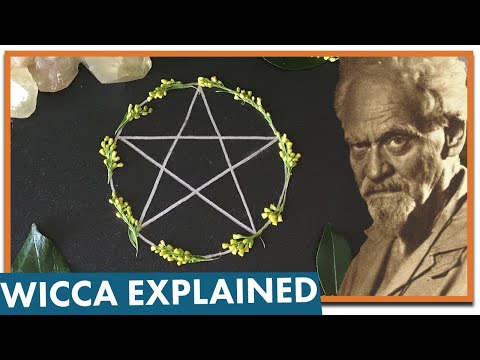
What is Wicca? Paganism and Witchcraft Explained

What is Wicca?


EMERALD TABLE — Grimoire Record Solar
📖 Synopsis: Uncover the core beliefs, interconnectedness, and distinct practices of Wicca, Paganism, and Witchcraft. This comprehensive guide clarifies historical roots, modern expressions, festivals, and the role of personal gnosis and magical tools in these evolving spiritual paths.
⚔️ TypeSpell
✒️ AuthorFrater Alek0s — Chaos Mage
📅 Date2026-08-13
📜 Scroll MC-2026-0465
🌙 Moon phase🌘 Waning Crescent
Ruling element✨ Ether
Sphere / TraditionChaos
Difficulty★★★★★ Archimago
Read time21 min
🔗 Related AppChaos Magick Sigil Generator
“The divine whispers in the rustling leaves, dances in the moonlight, and blooms in the heart of every seeker who listens with intent and acts with reverence. ```”
⚠️ High-rank practice: requires absolute mastery of the art.
cha0smagicklabs.com — Digital Grimoire of Chaos Magick

Wicca, Paganism, and Witchcraft are often used interchangeably, but they represent distinct yet interconnected spiritual paths. For many, these terms evoke images of ancient rituals, nature worship, and perhaps a touch of mystery. But what truly lies at the heart of these contemporary spiritual movements? In this comprehensive exploration, we delve into the origins, beliefs, practices, and modern expressions of Wicca, Paganism, and Witchcraft, aiming to demystify these often misunderstood traditions and illuminate their profound connection to nature, personal empowerment, and the cyclical rhythms of life. This deep dive is designed not just to inform, but to inspire a deeper understanding and appreciation for these enduring spiritual paths.

You can experiment with all of this in a guided way using Chaos Magick Sigil Generator.

If you want to put this into practice, Chaos Magick Sigil Generator guides you step by step.

Wicca, in particular, has carved out a significant space in modern spirituality, often associated with reverence for the Earth, the divine feminine, and a celebratory approach to life's cycles. Paganism, by contrast, is a much broader umbrella term encompassing a diverse array of pre-Christian indigenous religions from around the world, emphasizing nature worship and polytheism. Witchcraft, while often conflated with Wicca, is more accurately understood as a set of magical and spiritual practices that can be, and often are, integrated into Wiccan and other Pagan traditions. This article seeks to clarify these distinctions, explore their common ground, and provide a foundational understanding for anyone curious about what is Wicca, Paganism, and Witchcraft.

SolarWhat is Wicca? Unpacking the Core Beliefs

Wicca is a contemporary Pagan religion that often appears to be a revival of older witchcraft traditions. It is important to note that Wicca, as a distinct religion, is relatively modern, with its roots tracing back to the mid-20th century, primarily through the work of Gerald Gardner. Gardner, an Englishman, claimed to have been initiated into a witchcraft coven in the 1930s and subsequently developed Wicca based on his own spiritual experiences, research into folk magic, and interpretations of historical witchcraft accusations. This has led to what is Wicca, Paganism, and Witchcraft, a complex question with many layers of interpretation and practice.

At its theological core, Wicca is typically duotheistic, revering a God and a Goddess. These deities are often seen not as anthropomorphic figures in the Abrahamic sense, but as immanent forces of nature and cosmic principles. The Goddess is frequently associated with the moon, the cycles of life and death, and the nurturing, creative aspects of divinity. She is honored in her various forms: Maiden (youth and new beginnings), Mother (fertility and maturity), and Crone (wisdom and endings). The God, often depicted with horns, is linked to the sun, the wild, fertility, and courage. He embodies the active, masculine principle of the cosmos and is seen as complementary to the Goddess. Many Wiccans also acknowledge a pantheon of other deities, drawing from various mythologies, or embrace a more panentheistic view where the divine is seen as both within and beyond the universe.

The concept of immanence is central to Wiccan theology: the divine is not solely a distant creator but is present within all things, especially in nature. This immanent divinity is why the natural world holds such profound significance for Wiccans. The changing seasons, the phases of the moon, the growth of plants, the patterns of animal life – all are seen as manifestations of the divine. This deep connection to nature fosters a strong environmental ethic among Wiccans. The understanding that what happens to the Earth happens to us, as we are intrinsically part of it, drives a commitment to ecological stewardship and sustainability. As Ethan Doyle White notes in his seminal work, "Wicca: History, Belief, and Community in Modern Pagan Witchcraft," the religion's emphasis on the immanent divine has consistently fostered a deep reverence for the natural world and its cycles (Doyle White, 2016).

Wiccan ethics are often summarized by the Wiccan Rede, a poetic statement of principles. A widely quoted verse states: "An it harm ye none, do what ye will." This principle emphasizes personal responsibility and the importance of not causing harm to oneself or others. It's a directive for self-determination and ethical action, suggesting that one's will should be guided by a consideration for the well-being of all sentient beings. This ethical framework encourages introspection and mindful decision-making in all aspects of life, from personal interactions to spiritual practices. The understanding of reciprocal action, often encapsulated in the "Law of Threefold Return" or "Rule of Three," suggests that whatever energy a practitioner sends out into the world will return to them threefold, amplified. This belief reinforces the importance of positive intent and ethical conduct. This concept is further explored in "The Triumph of the Moon" by Ronald Hutton, where he delves into the historical development and ethical underpinnings of modern pagan witchcraft (Hutton, 2019).

Paganism: A Broad Tapestry of Ancient and Modern Traditions

Paganism is a far broader category than Wicca. It's an umbrella term that encompasses a diverse range of polytheistic, animistic, and nature-based spiritual traditions that largely originated before the rise of Christianity and Islam. While often characterized by their reverence for nature and polytheistic pantheons, Pagan traditions are incredibly varied, reflecting the rich cultural tapestries of the regions from which they emerged. This diversity is what makes defining Paganism as a monolithic entity challenging and, frankly, inaccurate.

Historically, "Pagan" was a term used by early Christians to describe those who practiced non-Abrahamic religions, particularly polytheistic faiths common in the Roman Empire. Today, Neo-Paganism refers to modern revivals and reconstructions of these ancient traditions, as well as new spiritual paths inspired by them. These can include Hellenismos (revival of ancient Greek religion), Asatru (revival of Norse traditions), Kemeticism (ancient Egyptian religion), Celtic Reconstructionism, and various indigenous traditions from Europe, Africa, and the Americas. Each of these paths has its own unique mythologies, pantheons, rituals, and ethical frameworks. For instance, Hellenistic practitioners might focus on the gods of Olympus like Zeus, Hera, and Athena, while followers of Asatru honor Odin, Thor, and Freyja. Ancient Egyptian devotees might engage with deities such as Ra, Isis, and Osiris.

A common thread running through many Pagan traditions is the concept of animism – the belief that spirits inhabit all things: rocks, rivers, trees, animals, and celestial bodies. This animistic worldview fosters a deep sense of interconnectedness with the natural world and encourages a respectful, reciprocal relationship with the environment. Rituals often involve honoring these spirits, seeking guidance, and participating in the natural cycles of the Earth. The work of Sabina Magliocco in "Witching Culture: Folklore and Neopaganism in America" highlights how modern Pagans often draw inspiration from folk traditions and the perceived animistic qualities of the natural world (Magliocco, 2004).

Polytheism is another prevalent characteristic of many Pagan paths, recognizing multiple gods and goddesses, each with distinct attributes, domains, and mythologies. These deities are often seen as aspects or manifestations of a greater divine source, or as independent powers. The relationship between humans and these deities is typically one of reverence, negotiation, and mutual respect, rather than absolute submission. Rituals and offerings are common ways to honor and commune with these divine beings. The interaction with deities is often personal and experiential, encouraging a direct relationship rather than one mediated solely by dogma or clergy. The acknowledgment of a divine presence in multiple forms allows for a rich and varied spiritual landscape.

It's crucial to distinguish between historical Paganism and modern Neo-Paganism. While Neo-Paganism draws inspiration from ancient traditions, it is a modern religious movement shaped by contemporary contexts, scholarship, and the personal experiences of its practitioners. The reconstructionist movements, in particular, strive to accurately revive ancient practices based on available historical and archaeological evidence, but this is often balanced with modern interpretations and adaptations. As Patricia Iolana argues in her essay "Pagan Scholarship from a Pagan Perspective," the integration of scholarly research with personal spiritual experience is vital for authentic modern Pagan practice (Iolana, n.d.).

Witchcraft: Practices and Power

Witchcraft, at its most fundamental level, refers to a broad spectrum of magical practices and beliefs. It is less a specific religion and more a discipline or a set of skills that can be incorporated into various spiritual frameworks, including Wicca, other Pagan paths, or even secular or personal spiritual systems. The term itself carries a heavy historical burden, often associated with fear, persecution, and superstition due to centuries of witch hunts and negative propaganda. However, in contemporary understanding, witchcraft is largely reclaimed as a path of personal empowerment, connection with nature, and conscious engagement with the forces of the universe.

Modern witchcraft encompasses a vast array of techniques, including spellcasting, divination, herbalism, energy work, and ritual. Spellcasting, for instance, often involves focusing intention through symbolic actions, tools, and words of power to effect change in accordance with one's will. This can range from simple charms for protection to complex workings for manifestation or healing. Divination methods, such as Tarot, runes, scrying, or astrology, are used to gain insight into present circumstances, explore potential future outcomes, or seek guidance from the divine or the subconscious mind. Herbalism in witchcraft involves the use of plants and their energetic properties for healing, ritual, and spell work, recognizing the inherent magical qualities of the plant kingdom.

Energy work is a cornerstone of many witchcraft practices. It involves manipulating and directing subtle energies – often referred to as chi, prana, or simply "energy" – for purposes of healing, protection, or spellcasting. This can include grounding oneself to the Earth, shielding from negative energies, or directing energy towards a specific goal. Ritual, a structured form of symbolic action, is used to create sacred space, invoke deities or energies, focus intention, and facilitate altered states of consciousness necessary for magical work. Rituals can be elaborate public ceremonies or simple personal practices performed in solitude.

The concept of "immanent divinity" or "immanent magic" is often present in witchcraft. This means that magic is not seen as an external force being manipulated, but as an inherent aspect of the universe and of oneself, which can be consciously accessed and directed. The belief that one possesses inherent magical potential is a key aspect of empowerment in witchcraft. The work of Leon A. van Gulik on "The Blind Moondial Makers" explores how creativity and renewal, even in seemingly simple crafts, can be seen as expressions of magical principles (van Gulik, 2019). Simultaneously, practitioners often emphasize the importance of intention and visualization in directing this energy effectively. The understanding that the mind, through focused will and emotion, can influence reality is a foundational element.

Is Witchcraft compatible with Paganism and Wicca? Absolutely. Many Wiccans identify as witches, and many Wiccans practice witchcraft as an integral part of their religious path. Similarly, individuals practicing other forms of Paganism may also identify as witches and engage in witchcraft practices. However, not all witches are Wiccan, and not all Pagans practice witchcraft. This distinction is important for understanding the landscape of modern spiritualities. For example, a solitary practitioner might blend elements from various traditions, creating a personal path of witchcraft that is distinctly their own, drawing from folk magic, ceremonial magic, or even technomancy. The act of creating and charging sigils using digital tools, for instance, is a modern manifestation of witchcraft that can be integrated into any spiritual framework.

The Interconnection: Wicca, Paganism, and Witchcraft

While distinct, Wicca, Paganism, and Witchcraft are deeply interconnected, often overlapping and informing one another. Wicca can be seen as a specific, formalized religion within the broader landscape of Neo-Paganism. Witchcraft can be viewed as a set of practices that can be, and often are, employed by Wiccans and other Pagans, but also by individuals outside of these specific religious affiliations. This dynamic interplay allows for a rich and evolving spiritual ecosystem.

Many Wiccans consider themselves to be Pagan because Wicca is a modern Pagan religion. However, not all Pagans are Wiccan. A follower of Hellenismos, for example, is Pagan but not necessarily Wiccan. Likewise, while many Wiccans practice witchcraft and identify as witches, the practice of witchcraft is not exclusive to Wicca. An eclectic witch might draw from various magical traditions, including Wicca, but might not adhere to all Wiccan theological tenets or affiliations. This eclecticism allows individuals to craft a spiritual path that resonates deeply with their personal experiences and beliefs. The personal nature of spiritual exploration is a common theme across these traditions.

The emphasis on nature, personal experience, and ethical responsibility forms a common thread. In a world often characterized by rigid dogma and disconnection from the natural world, these paths offer a way to reconnect with the Earth, the divine in its many forms, and the innate power within oneself. The ability to adapt and evolve, as seen in the integration of digital tools like sigil generators into traditional witchcraft practices, showcases the dynamic nature of these spiritual paths. Tools such as the Chaos Magick Sigil Generator allow practitioners to create and charge sigils with unparalleled ease and speed, proving that even ancient practices can find new life in the digital age. This technological integration is a testament to the adaptable and ever-evolving nature of modern spiritual practices, including those rooted in Wicca, Paganism, and Witchcraft.

The journey into understanding what is Wicca, Paganism, and Witchcraft is a path of exploration, personal discovery, and often, profound connection. It encourages a mindful engagement with the world, a respect for all life, and an acknowledgment of the subtle energies that weave through existence. Whether one finds resonance with the duotheistic framework of Wicca, the diverse polytheism of Paganism, or the empowering practices of witchcraft, the underlying principles often point towards a more conscious, connected, and empowered way of living. The emphasis on personal integrity, self-awareness, and ethical action empowers individuals to take an active role in their spiritual lives and their impact on the world.

Wiccan Festivals and Sabbats

A significant aspect of Wiccan practice is the observance of festivals known as Sabbats. These eight festivals mark the turning of the Wheel of the Year, celebrating the changing seasons and the cycles of life, death, and rebirth. They are divided into two groups: the Greater Sabbats (also known as Cross-Quarter Days) and the Lesser Sabbats (Solstices and Equinoxes).

The Lesser Sabbats, or Solar Festivals, include:

  • Winter Solstice (Yule): Celebrated around December 21st, marking the longest night of the year and the rebirth of the Sun God. It's a time for introspection, honoring the darkness, and anticipating the return of light.
  • Spring Equinox (Ostara): Occurring around March 20th, this festival celebrates the balance of day and night and the burgeoning of spring, symbolizing fertility, new growth, and new beginnings.
  • Summer Solstice (Litha): Around June 21st, celebrating the longest day of the year and the peak of the Sun God's power. It's a time for joy, abundance, and harnessing solar energy.
  • Autumn Equinox (Mabon): Celebrated around September 22nd, marking the second harvest and the balance of day and night before the descent into darkness. It's a time for gratitude, reflection, and preparing for winter.

The Greater Sabbats, or Cross-Quarter Days, have more ancient folk origins and are often more intensely celebrated:

  • Samhain: Celebrated around November 1st, marking the Wiccan New Year and the thinning of the veil between worlds. It's a time to honor ancestors, reflect on the past year, and confront mortality.
  • Imbolc: Observed around February 1st, signaling the first stirrings of spring and the return of longer days. It honors the Goddess in her aspect as the Maiden and is associated with purification, inspiration, and hope.
  • Beltane: Celebrated around May 1st, marking the height of spring and the union of the God and Goddess. It's a festival of fertility, passion, creativity, and joyous celebration.
  • Lammas (Lughnasadh): Observed around August 1st, marking the first harvest and the sacrifice of the grain god. It's a time for gratitude, acknowledging abundance, and preparing for future harvests.

These festivals are typically celebrated with rituals, feasts, and community gatherings. The specific practices can vary widely among different Wiccan traditions and individual practitioners, but they generally involve honoring the divine in nature and marking the passage of time.

The Role of the Book of Shadows

Often referred to as the BOS, the Book of Shadows is a personal grimoire containing the private rituals, spells, correspondences, insights, and lore of a Wiccan or witch. It is not a standardized text like the Bible or the Quran; rather, it is a unique and evolving document that reflects the individual practitioner's spiritual journey and magical discoveries. For many, the BOS is a sacred repository of personal wisdom and magical knowledge.

Traditionally, a Book of Shadows might contain sections on:

  • Rituals: Detailed descriptions of ceremonies for Sabbats, Esbats (full moon rituals), initiations, blessings, consecrations, and spell workings
  • Spells: Recipes for spells, including ingredients, steps, chants, and correspondences (e.g., planetary hours, colors, herbs)
  • Correspondences: Information on herbs, crystals, essential oils, colors, planets, elements, deities, runes, tarot cards, and their associated magical properties
  • Divination: Notes on methods like Tarot, runes, astrology, scrying, or pendulum work
  • Deities and Spirits: Information on pantheons, specific deities honored, and methods of invocation or evocation
  • Personal Reflections: Journal entries, dream records, insights from meditations, and magical experiences
  • Ethical Guidelines: Personal interpretations of the Wiccan Rede and other ethical principles

In the digital age, many Wiccans and witches maintain their Books of Shadows electronically, using apps or word processing documents. This offers advantages in terms of searchability, ease of editing, and security. For example, using a secure digital platform or password-protected files can be an effective way to maintain the privacy and personal nature of a Book of Shadows, especially when dealing with sensitive information or personal spell workings. While the medium may change, the essence of the BOS as a living document of personal magical exploration remains constant.

Wicca vs. Witchcraft vs. Paganism: Clarifying the Terms

To reiterate and solidify understanding, let’s explicitly address the common points of confusion regarding what is Wicca, Paganism, and Witchcraft. Drawing from the insights of scholars like Ethan Doyle White and Ronald Hutton, and the lived experiences of practitioners:

  • Paganism: This is the broadest term, referring to a diverse group of polytheistic, nature-based religions and spiritualities that are largely indigenous to Europe and other parts of the world, predating Abrahamic religions. It's an umbrella that covers many traditions, including Wicca, Hellenismos, Asatru, Druidry, and more. A common thread is reverence for nature and often polytheistic or animistic beliefs.
  • Wicca: This is a specific religion that emerged in the mid-20th century, primarily credited to Gerald Gardner. It is *a* Pagan religion, typically duotheistic (God and Goddess), with specific theological concepts, ethics (like the Wiccan Rede), and a structured cycle of festivals (Sabbats and Esbats). Not all Pagans are Wiccan.
  • Witchcraft: This refers to a set of magical practices and beliefs that can be incorporated into various spiritual paths. Historically, it was often associated with folk magic and sometimes persecuted. Today, it's often reclaimed as a path of personal empowerment, nature connection, and will-working. One can be a Wiccan witch, a Pagan witch (practicing other Pagan traditions), or a witch who doesn't identify as Wiccan or Pagan. For instance, technomancy, the use of technology in magical practice, has become a significant aspect of modern witchcraft, enabling practitioners to create digital sigils using tools like the Chaos Magick Sigil Generator, a tool that facilitates focused intention and symbolic creation for modern practitioners. This demonstrates how witchcraft can adapt and integrate new methodologies.

Understanding these distinctions is key to appreciating the richness and diversity within modern spiritual landscapes. It allows for a more nuanced conversation about what these paths mean to their followers and how they continue to evolve in the 21st century. The personal journey of each practitioner is unique, and the labels we use are often less important than the genuine spiritual connection and ethical conduct they represent.

Beyond the Stereotypes: The Reality of Modern Practice

It's essential to move beyond the sensationalized stereotypes often depicted in popular media. The reality of modern Wicca, Paganism, and Witchcraft is far more nuanced and personal. While some traditions may involve elaborate rituals and specific theological frameworks, many practitioners engage with these paths in deeply personal and often solitary ways. The emphasis on personal gnosis, direct experience with the divine, and ethical self-governance are hallmarks of many contemporary spiritual seekers.

The idea that all Wiccans or Pagans worship the devil is a gross mischaracterization, often stemming from historical persecution and misunderstanding. As previously discussed, Wiccan theology typically centers on a God and Goddess, often associated with natural forces, rather than an Abrahamic devil figure. Similarly, while some darker or more challenging paths exist within the broader spectrum of witchcraft and Paganism, they do not represent the entirety of these traditions.

Furthermore, the notion of Wicca or Paganism being a hierarchical, dogmatic religion is also a misconception. While some covens and traditions have established structures and initiatory paths, many practitioners are solitary and forge their own spiritual paths through personal study, intuition, and experimentation. The flexibility and adaptability of these paths are part of their appeal to many modern individuals seeking spiritual fulfillment outside of mainstream organized religions. The ability to integrate personal insights and learnings, as documented in a personal Book of Shadows, reflects this emphasis on individualized spiritual development.

For those considering exploring Wicca, Paganism, or Witchcraft, approaches such as using digital tools for symbolic creation, like the Chaos Magick Sigil Generator, can be an accessible entry point to understanding intention and manifestation. This application simplifies the complex process of creating sigils, enabling users to focus on the energetic charge and release, a core magical concept applicable across many traditions. By removing some of the technical hurdles of traditional sigil creation, such tools allow for a more direct engagement with the psychological and energetic elements of magical practice. This technological integration exemplifies how modern witchcraft adapts ancient principles for contemporary practitioners.

FAQ: Understanding Wicca, Paganism, and Witchcraft

What is Wicca?

Wicca is a modern Pagan religion that typically reveres a God and Goddess, emphasizes divine immanence in nature, and follows an ethical principle of "An it harm ye none, do what ye will." It is characterized by seasonal festivals (Sabbats) and often personal magical practice.

Is Wicca the same as Paganism?

No. Paganism is a broad umbrella term for many polytheistic and nature-based religions that largely predate Abrahamic faiths. Wicca is a specific religion that falls under the Pagan umbrella. Not all Pagans are Wiccan.

What is the difference between Wicca and Witchcraft?

Wicca is a religion, while witchcraft is a set of magical practices. Many Wiccans are witches, and they practice witchcraft as part of their religion. However, one can practice witchcraft without being Wiccan, and not all Pagans practice witchcraft.

Are Wiccans devil worshippers?

No. This is a common misconception. Wiccan theology typically centers on the worship of a God and Goddess, often associated with natural forces, rather than devil worship. The concept of a devil figure is largely rooted in Abrahamic traditions.

How do Wiccans worship?

Wiccan worship often involves rituals performed outdoors or in sacred space, honoring the God and Goddess, celebrating the seasons (Sabbats), and observing lunar cycles (Esbats). Practices include meditation, chanting, spellcasting, divination, and communing with nature.

Is Wicca a real religion?

Yes. Wicca is recognized as a religion by many governments and organizations worldwide. It has its own theology, ethics, practices, and community structures, though it is diverse and decentralized.

What is Witchcraft?

Witchcraft is a broad term for magical practices, often emphasizing personal empowerment, connection to nature, and the manipulation of subtle energies. It can include spellcasting, divination, herbalism, and ritual, and can be practiced within various spiritual frameworks, including Wicca and other Pagan traditions.

What is Paganism?

Paganism is an umbrella term for diverse polytheistic, animistic, and nature-based religions and spiritualities, many of which have ancient roots. Neo-Paganism refers to modern revivals or new spiritual paths inspired by these traditions.

Can I practice Wicca if I'm not initiated?

Yes. While some Wiccan traditions have formal initiatory paths, many Wiccans are solitary practitioners who learn and practice independently. Personal study, intuition, and ethical practice are highly valued.

What is the Law of Threefold Return?

This is a Wiccan principle suggesting that whatever energy a practitioner sends out into the world will return to them threefold, often amplified. It encourages positive intent and responsible magical action.

What is a Book of Shadows?

A Book of Shadows (BOS) is a personal grimoire where a witch or Wiccan records their rituals, spells, correspondences, insights, and magical discoveries. It is a sacred, living document unique to the individual.

How has technology impacted modern witchcraft?

Technology has introduced new tools and methods, such as digital sigil generators like the Chaos Magick Sigil Generator, online communities, and digital resources for study. This integration allows for greater accessibility and adaptation of ancient practices to contemporary life.

About the author: Frater Alek0s is a veteran practitioner and researcher in the field of chaos magick. His work focuses on the practical and experimental application of occult techniques for self-development and reality exploration, demystifying esotericism for the modern practitioner.

Your Next Steps: Integrating Understanding into Practice

Understanding what is Wicca, Paganism, and Witchcraft is just the beginning of a rich spiritual journey. The core principles of reverence for nature, personal responsibility, and the pursuit of divine connection resonate deeply with many seekers today. Whether you are drawn to the structured festivals of Wicca, the diverse pantheons of Paganism, or the empowering practices of witchcraft, the path is one of continuous learning and personal evolution.

If you are interested in harnessing your personal will and intention through symbolic creation, exploring the use of digital tools can offer a fascinating gateway. The process of crafting a sigil, whether digitally or through traditional means, is a powerful exercise in focus and manifestation. By using resources like the Chaos Magick Sigil Generator, you can streamline the creation process and dedicate more energy to the crucial steps of charging and releasing your intention. This practical application allows you to translate theoretical knowledge into tangible magical experience. Remember, the journey is as important as the destination, and each step taken with intention and integrity contributes to your spiritual growth.

The Chaos Magick Sigil Generator tool, part of the cha0smagicklabs ecosystem, is built exactly for this kind of work.

Have you explored Wicca, Paganism, or Witchcraft in your own spiritual journey? What aspects of these traditions resonate most with you? Share your experiences, insights, or questions in the comments below. If this exploration into ancient spiritual paths has sparked your curiosity, consider sharing this knowledge with others who might benefit from a clearer understanding. Blessed be.


Referencias

  1. Cunningham, S. (1988). Wicca: A Guide for the Solitary Practitioner. Llewellyn Publications.
  2. Gardner, G. (1954). Witchcraft Today. Rider & Company.
  3. Valiente, D. (1962). Witchcraft for Tomorrow. Rider & Company.
  4. Starhawk (1979). The Spiral Dance. Harper & Row.
  5. Hutton, R. (1999). The Triumph of the Moon. Oxford University Press.
  6. Grimassi, R. (2000). Encyclopedia of Wicca & Witchcraft. Llewellyn Publications.
  7. Buckland, R. (1974). Buckland's Complete Book of Witchcraft. Llewellyn Publications.
  8. Farrar, J. (1981). Eight Sabbats for Witches. Robert Hale.
  9. Carroll, P. J. (1987). Liber Null & Psychonaut. Weiser Books.
  10. Spare, A. O. (1913). The Book of Pleasure. Self-published.