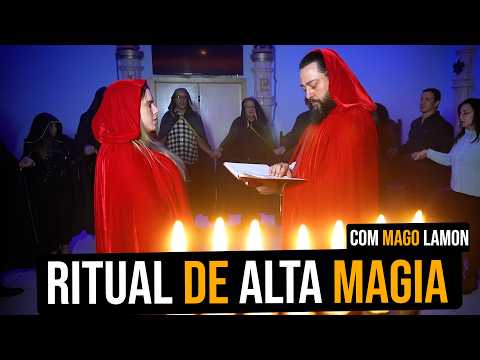
Are you curious about high magic rituals and their profound symbolism? This guide offers a practical exploration of a rare and deeply symbolic High Magic ritual conducted within a Masonic Temple during the Winter Solstice, a potent portal for transformation. We’ll dissect the elements, intentions, and the unique setting, revealing how ancient traditions and esoteric philosophies converge.
Unveiling the Masonic Temple Setting
A Masonic Temple, often steeped in history and symbolic architecture, provides a unique backdrop for high magic practices. While Freemasonry itself is an initiatory order focused on moral and spiritual development, its temples can serve as consecrated spaces for various esoteric traditions to convene. The structured environment, rich with symbolism, aids in focusing intent and channeling energies, making it an ideal location for a ritual aimed at profound transformation. This sacred space amplifies the intention of the practitioners, drawing upon centuries of tradition and concentrated energetic work.
The Winter Solstice: A Gateway of Transformation
The Winter Solstice, occurring around December 21st in the Northern Hemisphere, is universally recognized as a powerful energetic portal. It marks the longest night and shortest day, symbolizing a period of introspection, death of the old, and the nascent rebirth of light and potential. In esoteric traditions, it's a prime time for rituals focused on:
* Deep introspection and shadow work: confronting and integrating darker aspects of the self.
* Shedding old patterns: releasing what no longer serves to make way for new growth.
* Setting intentions for the coming solar cycle: planting seeds for future manifestation.
* Connecting with the archetypal forces of death and rebirth.
Performing a High Magic ritual during this time leverages its inherent potent energies for amplified results.
The Core of the Ritual: Elemental and Spiritual Invocations
This specific ritual, led by Mago Lamon, a master within the Hermetic Order of the Greater Mysteries, focused on invoking the fundamental forces of the universe. The Four Elements—Earth, Water, Air, and Fire—were called upon to establish balance, harmony, and energetic alignment within the consecrated space. These elements represent the building blocks of all manifested reality, and their invocation is a cornerstone of many magical systems, used to ground, purify, energize, and inspire.
Beyond the elements, the ritual also involved the evocation of spiritual intelligences. This included archangels and ruling forces associated with the Hermetic tradition. These beings, often viewed as intermediaries between the divine and the material, are invoked to lend their specific qualities and power to the ritual's intent, guiding and safeguarding the process, and ensuring the ritual's objectives are met within a structured, symbolic framework.
Expanding the Circle: Pet's Energetic Harmonization
A particularly touching and inclusive aspect of this ritual was the dedicated moment for the energetic harmonization and protection of participants' pets. This highlights a sophisticated understanding of magical practice, recognizing that the energetic field extends beyond the human occupants. By extending the ritual's blessings to animal companions, the practitioners acknowledge their integral role in the household's energetic ecosystem and demonstrate a compassionate, holistic approach to magic. This practice enriches the overall intention, weaving a more comprehensive tapestry of well-being.
Wisdom Shared: High Magic, Initiation, and Esoteric Foundations
Throughout the ceremony, wisdom was shared, and reflections offered on the core principles of High Magic. This involves complex, often ceremonial magical practices that aim for significant spiritual transformation and the attainment of higher consciousness. Discussions also touched upon the nature of initiatory paths—journeys of self-discovery and spiritual growth that often involve progressive levels of knowledge and experience. The symbolic underpinnings present in Western esoteric traditions, from Hermeticism to Kabbalah, were underscored, demonstrating the rich intellectual and spiritual heritage informing these practices.
The Intersection of Esotericism and Freemasonry
While the ritual was conducted within a Masonic Temple, it's crucial to understand the context. Freemasonry, as a discrete and initiatory order, served here not as the subject of exposition, but as the sacred venue. The practice itself dialogued with ancient knowledge, hermetic philosophy, and the universal quest for consciousness expansion. This collaboration showcases how diverse esoteric traditions can find common ground and utilize shared symbolic spaces for profound magical work, suggesting a broader, interconnected web of spiritual inquiry.
Your Operation: Applying the Principles
Consider the energy of the Winter Solstice. What aspects of your life require deep introspection or release? What new seeds do you wish to plant for the coming cycle? Reflect on the core elements—Earth, Water, Air, and Fire—and how they manifest or can be balanced within your personal space.
Question for the community: What are your personal experiences or reflections on the symbolism of the Four Elements in ritual work? Share your insights in the comments below.
Mage's Arsenal
* Unofficial Rider Waite Tarot: For intuitive insights and charting energetic currents.
* Chaos Magick Sigil Generator: To craft personal sigils for intent manifestation.
* Mago Lamon's Works: Books or lectures on Hermeticism and High Magic.
* Corpus Hermeticum and The Kybalion: Foundational texts for understanding Hermetic principles.
* Personal Altar: A space for focused intention and elemental representation.
FAQ
⚡ Exploration & Magical Technology: This article is part of the cha0smagicklabs.com ecosystem, Frater Alek0s' digital laboratory where technology and occultism converge. Explore tools, apps, and resources for the 21st-century magician.
Q: Is High Magic restricted to specific orders like Freemasonry?
A: While Freemasonry provides a structured, symbolic environment, High Magic is a broad discipline accessible to dedicated practitioners across various traditions and solitary paths. The temple setting amplifies certain energies, but the core practice is about intention and will.
Q: Can women participate in rituals within Masonic Temples?
A: Traditional Freemasonry is typically for men, but many esoteric orders with hermetic traditions that *may* use Masonic Temples as venues are co-educational. The Hermetic Order of the Greater Mysteries, mentioned here, is noted as being for both men and women seeking traditional esotericism.
Q: How can one begin studying High Magic?
A: Begin with foundational texts like the Corpus Hermeticum and The Kybalion. Study the symbolism of the elements and the Qabalah. Practice meditation and develop your willpower, then explore guided rituals through reputable teachers and orders.
Q: What is the significance of the staff used in the ritual?
A: In ritual magic, a staff often symbolizes authority, spiritual will, and the connection to divine power, acting as a conduit for channeling energy and directing intent.
The scent of ozone and ancient parchment filled the air. The sigil for arcane knowledge, freshly charged, pulsed with an almost visible energy. The very fabric of reality seemed to hum with potential. This wasn't just history; it was the pulse of a hidden current that reshaped the Western world.
The Renaissance – a period often painted as solely the triumph of cold reason over medieval superstition. A convenient narrative, but one that conveniently ignores the seismic shift that occurred. You're about to discover how this era was, in fact, a profound reawakening of magical currents, a fervent embrace of Hermeticism, and the rebirth of the mythical prisca theologia, a primordial wisdom that captivated the era's most brilliant minds and iconic artists.
This isn't about dusty textbooks and polite academic discourse. This is an excavation into the deep currents that powered innovation and artistic expression. We'll dissect the flawed, often politically motivated, narratives that have distorted this pivotal epoch.
If this post is making you question everything you thought you knew, you're on the right path. Subscribe for more intellectual shocks to your system and share this with someone who still believes the Renaissance was just about pretty paintings.
The Renaissance wasn't a sudden break from the past; it was a deliberate, often clandestine, reinterpretation and revival of ancient knowledge systems. Far from a mere triumph of "reason," this period saw a conscious effort to reintegrate magical and esoteric traditions that had been suppressed or driven underground.
The prevailing historical narrative often sanitizes the Renaissance, presenting a sanitized version that aligns with modern secular ideals. However, dig beneath the surface, and you'll find a period deeply steeped in Hermeticism, Neoplatonism, and various forms of *prisca theologia* – the idea of a singular, ancient divine wisdom predating all known religions. This wasn't a rejection of the divine, but an attempt to access it through channels previously deemed heretical or forbidden.
Think of it as a high-stakes rebranding operation. The core principles of magic, divination, and spiritual technology didn't disappear; they were repackaged, recontextualized, and reintroduced into intellectual and artistic circles. This allowed practitioners to explore these concepts under the guise of scholarly inquiry, effectively circumventing the rigid doctrines of the established Church.
The implications of this intellectual and spiritual resurgence are profound. It laid the groundwork for much of what we now consider the foundations of modern Western thought, art, and science – albeit through a lens that often erases its esoteric origins.
Ficino's Florence: The Hermetic Crucible
For anyone serious about understanding the resurgence of magic in the West, the Florentine Academy, under the guidance of Marsilio Ficino, is ground zero. This wasn't just an academic salon; it was a nexus where the forbidden knowledge of antiquity was resurrected and reimagined.
Ficino's monumental task was the translation of the Corpus Hermeticum, a collection of ancient philosophical and religious writings attributed to Hermes Trismegistus, a syncretic figure combining the Greek god Hermes and the Egyptian god Thoth. This foundational text became the bedrock for much of the Renaissance's esoteric revival. It offered a sophisticated framework for understanding the cosmos, the divine, and humanity's place within it, all through a decidedly magical lens.
The Corpus Hermeticum essentially provided the intellectual scaffolding for a new magical worldview. It spoke of a divine unity, the power of the human mind to influence reality, and the correspondences between the microcosm (humanity) and the macrocosm (the universe). This resonated deeply with thinkers who were chafing under the constraints of scholastic theology.
Here's the critical insight: Ficino and his circle weren't just passively translating ancient texts. They were actively *applying* the principles within them. This period marked a pivotal shift from purely theoretical philosophy to a more pragmatic, experimental approach to the divine and the occult. They sought not just to understand magic, but to *practice* it.
The translation and dissemination of the Corpus Hermeticum acted like a powerful catalyst, igniting a widespread interest in Hermetic philosophy and, by extension, practical magic across Europe. It opened the floodgates for further exploration into what were considered arcane arts.
The Re-emergence of Practical Magic
The academic revival of Hermeticism was merely the prelude. The true impact of this era was the tangible reintroduction of practical magical arts into Western culture. This wasn't about abstract philosophy; it was about harnessing occult forces for tangible results.
Practices like talismanic magic, astrology, and the channeling of divine inspiration through oracles, such as the Orphic Hymns, were not just tolerated but actively incorporated into the Renaissance mindset. These weren't seen as superstitious relics but as potent tools for understanding and influencing the world.
Consider talismanic magic: the creation of objects imbued with specific energies to achieve desired outcomes. This involved intricate knowledge of planetary correspondences, symbolic language, and the precise timing of rituals. Astrologers, far from being mere prognosticators, were seen as cosmic navigators, using celestial patterns to understand earthly events and human destinies. The Orphic Hymns, devotional poems invoking various deities, were utilized not just for worship but as powerful tools for invoking specific energies and states of consciousness.
The appeal of these practices lay in their promise of direct access to spiritual power and knowledge, bypassing the intermediaries and dogma of established religious institutions. They offered a sense of agency and control in a world often perceived as chaotic and unpredictable.
The ability to create or acquire these magical tools and practices became a hallmark of the era. For those seeking to truly engage with the energies of the cosmos, these were not optional extras but essential components of a comprehensive spiritual and intellectual toolkit. The temptation to leverage these powerful techniques for personal or societal gain was immense.
Pico della Mirandola: Expanding the Arcane Horizon
If Ficino opened the door, Giovanni Pico della Mirandola kicked it down. His ambition was not merely to understand Hermeticism but to synthesize *all* recognized systems of ancient wisdom, believing they all pointed to a single, ultimate truth.
Pico della Mirandola, a towering intellect of the Renaissance, was fascinated by the idea of a unifying, primordial theology. He delved deeply into a vast array of traditions, including Neoplatonism, Aristotelianism, Kabbalah, astrology, and alchemy, alongside Hermeticism. His magnum opus, the Oration on the Dignity of Man, is a testament to this syncretic vision, portraying humanity as a being capable of ascending to the divine through knowledge and will.
His deep dive into Kabbalah, in particular, was groundbreaking. The Jewish mystical tradition offered a complex symbolic system, a divine map of creation and consciousness, and powerful techniques for spiritual ascent and divine communion. Pico saw in Kabbalah a key that unlocked deeper layers of understanding within Hermeticism and other traditions.
This wasn't just an academic exercise. Pico believed that by understanding these diverse systems, one could achieve a profound connection with the divine and even unlock latent human potential. This integration of previously disparate systems was a bold move, aiming to create a universal philosophy that transcended religious boundaries. He saw the practice of Kabbalah not just as a philosophical pursuit but as a powerful method for spiritual transformation and the acquisition of true gnosis.
Pico’s work amplified the magical current of the Renaissance, demonstrating that these esoteric disciplines were not isolated phenomena but interconnected branches of a universal secret doctrine. His embrace of systems like Kabbalah further legitimized and popularized the study of occult sciences among the educated elite, pushing the boundaries of what was considered acceptable intellectual inquiry.
Botticelli's Brush: Art as Arcane Cipher
The influence of this magical and esoteric revival wasn't confined to philosophical treatises and grimoires; it permeated the very fabric of Renaissance art, most notably in the works of Sandro Botticelli.
Paintings like "The Birth of Venus" and "Primavera" are often analyzed through a lens of mythology and classical allegory. However, a deeper examination reveals layers of hidden meaning, intricate symbolic language, and direct references to Hermetic philosophy, Neoplatonic ideals, and even Kabbalistic concepts. These weren't just beautiful decorations; they were potent visual spells, designed to evoke specific states of consciousness and convey profound esoteric truths.
Consider "Primavera." The figures, the flora, the composition – each element is imbued with symbolic weight. The arrangement of figures, the specific plants depicted, and the overall narrative can be interpreted as an allegorical representation of Neoplatonic love, the cycle of nature, and the journey of the soul towards the divine. Botticelli was not just an artist; he was an initiate, using his canvas as a medium for transmitting occult wisdom.
The art of the period serves as a critical piece of evidence, demonstrating how deeply these magical and philosophical currents were woven into the cultural tapestry. It shows that the Renaissance elite wasn't just *thinking* about magic; they were *living* it, expressing it through the highest forms of cultural output.
This integration of esoteric symbolism into art provided a visual language for complex magical and philosophical ideas that might have been too dangerous or too esoteric to express openly. It allowed this hidden knowledge to circulate, influencing perceptions and inspiring further exploration, even among those who might not have been direct practitioners.
Practitioner's Verdict: The Enduring Legacy
The Renaissance wasn't a fleeting historical blip; it was the catalyst for a permanent shift in Western consciousness. The magic that re-emerged then never truly left.
Pros: The Renaissance reintegration of magic and esoteric wisdom democratized access to spiritual knowledge. It fostered a culture of experimentation and inquiry that, intentionally or not, paved the way for scientific advancements and individualistic thought. The emphasis on the power of the human will and intellect continues to resonate.
Cons: The deliberate obfuscation of these magical roots has led to a desacralized worldview, where many of the profound insights of the era are dismissed as mere superstition. This has created a void that is often filled with superficial self-help trends or dogmatic religious interpretations that ignore the deeper mystical currents. Furthermore, the historical narrative has been heavily manipulated to serve specific ideological agendas, often denigrating the Church's role while promoting heretical ideas under the guise of progress.
The legacy is undeniable. From the foundational principles of modern science and psychology to the resurgence of interest in occultism today, the Renaissance effectively embedded a powerful magical current into the Western psyche. It proved that the exploration of altered states, symbolic language, and the harnessing of intangible energies are not fringe activities but fundamental pathways to understanding reality itself.
Mage's Arsenal
Chaos Magick Sigil Generator App (Essential): For anyone looking to harness the power of intention in the modern age, digital tools are indispensable. This app streamlines the creation of potent sigils, allowing you to focus on visualization and energy projection rather than intricate manual design. It's a 21st-century take on ancient principles of sympathetic magic.
The Corpus Hermeticum by Hermes Trismegistus: The foundational text that reignited Western esotericism. Essential for understanding the intellectual bedrock of the Renaissance magical revival.
Oration on the Dignity of Man by Giovanni Pico della Mirandola: A powerful articulation of Renaissance humanism and its embrace of diverse mystical traditions, including Kabbalah.
The Marriage of Heaven and Hell by William Blake: While from a later period, Blake’s work is deeply infused with the spirit of Renaissance esoteric thought, offering a radical reinterpretation of biblical narratives and divine concepts.
Books on Renaissance Art History with an esoteric focus (e.g., Edgar Wind's Pagan Mysteries in the Renaissance): Essential for understanding how magical concepts were visually encoded.
A robust system for managing and organizing your research, whether digital or physical. For anyone exploring complex financial or technological frontiers related to esoteric concepts, platforms that support secure transactions and exploration of the digital ecosystem, like , can be surprisingly relevant for acquiring niche resources or managing energies invested in occult research.
FAQ: The Rebirth of Magic
Q: Was the Renaissance truly a magical period, or is this an overstatement? A: While the term "magic" carries various connotations, the Renaissance definitively saw a revival and integration of practices and philosophies that were then, and often still are, classified as magical. This included Hermeticism, astrology, talismanic magic, and the exploration of altered states of consciousness, all of which were deeply influential.
Q: How did the Church react to this resurgence of magic? A: The Church's reaction was complex and often contradictory. While officially condemning many occult practices, influential figures within the clergy, including scholars and even some ecclesiastical leaders, were deeply involved in studying and sometimes practicing these arts. The line between scholarly inquiry, religious devotion, and forbidden magic was often blurred.
Q: Is there a direct link between Renaissance magic and modern occultism? A: Absolutely. The foundational texts and ideas rediscovered and popularized during the Renaissance, such as Hermeticism and Kabbalah, form the bedrock of much of modern Western occultism, including traditions like ceremonial magic, Rosicrucianism, and even elements of modern witchcraft and chaos magic.
Q: Can Renaissance magic be applied today? A: The principles underlying Renaissance magical practices—intention, symbolism, the power of belief, and the understanding of correspondences—are timeless. While the specific rituals and cosmologies may differ, the core mechanics of influencing reality through focused will and symbolic action remain relevant for contemporary practitioners.
Your Operation: Explore the Origins
Your mission, should you choose to accept it, is to delve deeper. The prevailing historical narratives are often deliberate distortions, designed to obscure the true roots of Western thought and practice. Your task is to become a historical archaeologist of the occult.
For your operation, select one specific artwork or philosophical text from the Renaissance era (e.g., Botticelli's Primavera, Ficino's Theologia Platonica, Pico della Mirandola's Oration on the Dignity of Man). Research its potential esoteric meanings. What symbols are present? What philosophical or magical concepts does it reference? Document your findings and consider how these ideas might still resonate or be applied today. Remember, true understanding comes from direct engagement, not passive acceptance of dogma.
The history of magic isn't a forgotten relic; it's a living current that flows beneath the surface of our reality. Understanding its resurgence during the Renaissance is key to understanding its enduring power.
Practitioner's Note: True magick requires resources. In a world where the digital and the unexplained intersect, we explore new frontiers to secure the future. Do you dare to be part of the vanguard? Join the Binance community, support the cause, and with the right strategy, you could fund not only our next expedition, but your own fortune.
The truth about Tarot is often obscured by a veil of superstition and commercialization. Many perceive it solely as a tool for predicting the future, a mystical dice roll for life's uncertainties. However, the profound depth of the Tarot lies not in foretelling what will be, but in illuminating what is and what could be within ourselves. The cards, in their essence, are a potent medium for introspection, a symbolic language that mirrors the archetypal journey of the human psyche.
The historical and philosophical underpinnings of the Tarot are far richer than simple divination. While the direct mapping of the Tarot to the Qabalah's Tree of Life is a later development, primarily solidified by the Golden Dawn in the late 19th century, the inherent symbolic resonance between these systems is undeniable. These correspondences, though not part of the Tarot's original design, highlight a universal pattern: coherent symbolic systems often align. The 22 Major Arcana, for instance, can be seen as portable stained-glass windows of profound spiritual and psychological concepts, a visual representation of the soul's journey. The Minor Arcana, with their 52 cards, echo the 52 weeks of the year, the four seasons, and the duality of day and night, further embedding the cards within natural cycles.
This video delves into that crucial distinction: Tarot as a mirror to the inner world, a tool for self-reflection and personal development, rather than an external oracle. It challenges the notion that fate is predetermined, suggesting instead that the cards offer insights into the patterns and energies at play within us, empowering us to make conscious choices. The symbology within each card is fluid, capable of conveying multiple messages depending on the reader's intention and the context of the reading. This is where the true power of Technomancy, the art of influencing reality through symbolic systems and advanced understanding, truly begins to surface.
The commercialized version of Tarot, often seen in quick readings focused on external validation or predicting specific outcomes, misses the mark entirely. As many practitioners have noted, individuals often seek answers outside themselves, perpetuating a cycle of dependency. True Tarot work encourages looking inward, understanding personal responsibility, and recognizing that the answers often lie within one's own consciousness. The cards become a dialogue partner, a focal point for meditation, and a means to engage in dialectics with one's own psyche. This is the essence of Magitech, where ancient wisdom interfaces with modern psychological understanding.
The Deeper Layers of Tarot
The Tarot is not merely a collection of images; it's a sophisticated symbolic language. The Major Arcana represent significant archetypal stages of the human experience, often aligning with the 'Hero's Journey'. The Minor Arcana, broken down into suits, represent different facets of our mundane existence: Wands for passion and creativity, Cups for emotions and relationships, Swords for intellect and conflict, and Pentacles for the material world and practical matters. The numbers within the suits also carry significance; for example, the transition from the 'absolute stability' of the four to the 'breaking' and transformative energy of the five.
This intricate system allows for nuanced interpretation. A card like the Three of Cups, while often seen as a celebration, can also signify a coming together for solemn purposes like a funeral or a collective effort on a specific case, illustrating the multifaceted nature of symbolic interpretation. The key lies in the reader's ability to remain clear, receptive, and intuitive, allowing the symbols to speak and resonate with the querent's inner knowledge.
"Tarot helped me diagnose my childhood trauma. It also helped me through the darkest time of my life."
The ability to connect with the Tarot on this deeper level can be transformative. It can provide validation for existing intuition, clarify cycles and patterns that might otherwise go unnoticed, and offer a framework for understanding complex life events. This is not about predicting the future, but about understanding the present and making empowered choices for a desired future. The use of the Tarot as a tool for personal development, rather than pure fortune-telling, is where its true integrity lies.
Harnessing the Power: The Role of Intent and Practice
The ethical application of Tarot is paramount. The intentions of the reader are crucial. While any symbolic system can be used for less benevolent purposes, the core of Tarot practice, when approached with integrity, is to illuminate and empower. The concept of Ceremonial Magick, when applied to Tarot, involves not just drawing cards, but engaging with their symbolism in a focused, intentional manner, often through ritual or dedicated meditation.
For those seeking to move beyond superficial readings and truly integrate the Tarot into their lives, dedicated study is essential. Understanding the deeper correspondences, such as the Tarot's connection to the Tree of Life and its pathwork, unlocks a far more profound level of insight. This is where the symbolic systems of Tarot and Qabalah intersect, offering a robust framework for self-discovery and spiritual growth. The practice of Digital Divination, while modern, builds upon these ancient principles, using technology to enhance the symbolic exploration.
"Having a connection through the cards to spirit has changed my life."
The development of intuition is central to this process. The more one engages with the symbols, the more they become a language of the soul, a conduit for inner wisdom and guidance. This intuitive development, often amplified by practices like meditation and the cultivation of a clear, receptive mind, allows the reader to channel messages not just from external sources, but from the deepest parts of the self, the 'higher self' or the universal consciousness.
To truly master this art, a structured approach is beneficial. Understanding the relationship between the Major Arcana (representing subjective energies and paths) and the Minor Arcana (representing objective energies and spheres) is a vital step. This systematic study ensures that the practice remains grounded and effective, moving beyond mere chance into a realm of intentional symbolic manipulation, a form of rudimentary Esotericism Digital.
Arsenal del Mago
Unofficial Rider Waite Tarot: Essential for exploring the classic Rider-Waite symbolism in a comprehensive and accessible digital format. This app allows for instant deck generation, card meanings, and layout analysis, streamlining the process and enabling focus on intuitive interpretation. Explore Tarot Now.
"The Qabalah Course" by The Esoteric Cross: For those who wish to deeply understand the intricate connections between Qabalistic principles and Tarot symbolism.
"78 Degrees of Wisdom" by Rachel Pollack: A foundational text for serious Tarot study, offering profound insights into the cards' meanings and history.
Journals for recording readings and synchronicities: Crucial for tracking personal progress and observed patterns.
A quiet space for contemplation: The symbolic power of Tarot is best accessed in an environment free from distraction.
Veredicto del Practicante
The Tarot is far more than a parlor trick or a crystal ball. It is a sophisticated psychological tool, a symbolic map of consciousness, and a catalyst for personal transformation. When approached with respect, intention, and a commitment to inner exploration, the Tarot offers profound insights that can guide us through life's complexities. The true value lies not in predicting the future, but in understanding ourselves and our potential, empowering us to shape our own destinies. For those ready to delve deeper than the surface, engaging with the correspondences and dedicating oneself to practice is the only path forward. It is a journey of self-discovery, illuminated by ancient symbols.
Preguntas Frecuentes
Is Tarot just for fortune-telling? No, while fortune-telling is a popular application, the deeper purpose of Tarot is for self-reflection, psychological insight, and personal development.
Are the correspondences between Tarot and the Tree of Life historically accurate? The direct mapping is a later development, primarily from the Golden Dawn, but the symbolic resonance between coherent systems is a recurring phenomenon.
How can I use Tarot for personal growth? Focus on understanding the archetypal meanings, journaling your readings, and using the cards as prompts for introspection and exploring your own inner landscape.
What is the significance of the Minor Arcana's number of cards? The 52 cards can be seen to correspond to natural cycles, such as the 52 weeks in a year, embedding the Tarot within the rhythms of existence.
Tu Operación: El Ciclo de la Intención
Your operation begins now. Choose a card from your deck—or use our digital Tarot tool to draw one at random. Meditate on its primary symbolism for five minutes. Then, for the next 24 hours, consciously look for that symbol or its underlying theme in your daily life. Document any synchronicities or insights you encounter. This exercise aims to bridge the gap between symbolic understanding and lived experience, demonstrating how the Tarot reflects the world around and within you.
Practitioner's Note: True magick requires resources. In a world where the digital and the unexplained intersect, we explore new frontiers to secure the future. Do you dare to be part of the vanguard? Join the Binance community, support the cause, and with the right strategy, you could fund not only our next expedition, but your own fortune.
The alignment of celestial bodies at the moment of our birth is more than just a horoscope prediction; it's a cosmic fingerprint, a complex tapestry woven with archetypal energies. Many dismiss astrology as mere superstition, a collection of vague pronouncements. Yet, beneath the surface of popular horoscopes lies a profound symbolic language, a remnant of ancient wisdom traditions where theology and astrology were once inseparable disciplines. This exploration delves into the deeper meanings of the zodiacal signs, moving beyond simplistic personality traits to uncover the potent symbolic forces at play. We'll examine how these symbols, when understood correctly, can serve not as determinants of fate, but as maps for self-awareness and tools for deliberate action in our own lives. The question isn't whether the stars *compel* us, but how we can *consciously engage* with these powerful archetypes. Understanding these symbols is the first step in harnessing their energy, rather than being passively swept along by them. For those seeking to truly transform their reality, a deeper dive into cosmic symbolism offers a potent avenue for self-discovery. This is where Chaos Magick Sigil Generator becomes an invaluable tool, allowing you to translate abstract intentions into potent digital sigils, mirroring the symbolic language of the cosmos.
The Zodiacal Archetypes: More Than Just Birthdays
The twelve zodiacal signs represent fundamental archetypes of human experience and consciousness. They are not meant to pigeonhole individuals into rigid categories but to offer insights into the dynamic interplay of energies within the psyche. Each sign embodies a unique set of potentials, challenges, and modes of expression. For instance, Aries, often seen as the "first" sign in many calendrical systems, symbolizes initiation, raw energy, and the primal drive to act. Cancer, on the other hand, represents the primal urge for security, emotional depth, and the nurturing instinct. These are not just personality quirks; they are fundamental forces that shape our perception and interaction with the world. The idea that the zodiacal signs represent a spiritual awakening or a connection to something greater is not new. For millennia, cultures have looked to the heavens for guidance, understanding the celestial movements as reflections of a grander cosmic order. This is why techniques like I Ching Oracle can offer profound insights by tapping into a different, yet related, system of symbolic divination and wisdom.
Historical Echoes: Astrology and Theology as One
The historical fragmentation of disciplines has led many to view astrology and theology as separate, often conflicting, fields. However, for much of human history, they were considered two sides of the same coin. Ancient scholars saw the celestial movements not as mere physical phenomena but as divine pronouncements, reflections of a cosmic intelligence. The study of the stars was intrinsically linked to understanding the divine will and the nature of reality. This unified worldview meant that astrological symbolism was deeply integrated into religious and philosophical thought. Recognizing this historical connection is crucial for understanding the depth of astrological symbolism. It suggests that the patterns we observe in the heavens are not arbitrary but are imbued with meaning that can inform our spiritual journey. The desire to bridge these ancient understandings with modern practice is a driving force for many seekers today.
Hemispheric Considerations: A Universal Language?
A common point of contention in astrological discussions is the perceived bias towards the Northern Hemisphere. While many astrological frameworks originated in regions with distinct seasonal cycles, it's essential to consider the universality of the underlying archetypes. The energies represented by each sign—initiation, nurturing, intellect, transformation—are not confined by geography. The experience and expression of these energies might differ based on environmental factors and cultural context, but their fundamental nature remains. This hemispheric consideration highlights the importance of adapting these ancient systems to our modern, globalized understanding of reality. It reminds us that while symbolism can be a powerful guide, its application requires discernment and an awareness of context.
Symbols in Depth: The Crab, The Ram, and The Scales
Let's delve into the symbolic richness of a few signs:
* Cancer (♋): Often misunderstood as simply emotional, Cancer embodies the deep waters of the subconscious, the need for security, and the power of instinct. The Crab, with its protective shell, symbolizes the dual nature of Cancer: the vulnerable interior and the defensive exterior. It represents the primal urge to protect what is cherished, be it home, family, or one's inner world. For those born under this sign, there's a profound connection to the ebb and flow of life, a sensitivity to the unseen currents that govern existence.
* Aries (♈): The Ram, a symbol of pioneering spirit and untamed energy, represents Aries' role as the initiator. Aries is the spark that ignites action, the courage to confront challenges head-on. The symbolism of a horn in both worlds suggests an entity that bridges the physical and spiritual realms, a guardian of thresholds. This primal energy, when understood, can be channeled into powerful acts of creation and transformation.
* Libra (♎): Representing balance, harmony, and the pursuit of justice, Libra embodies the meticulous weighing of forces. The Scales symbolize the constant effort to find equilibrium between opposing elements, whether in relationships, decisions, or internal states. This sign speaks to the inherent duality of existence, the interplay of light and dark, life and death, the physical and the spiritual.
The Checkerboard Floor: A Symbolry of Duality
The checkerboard floor, a recurring motif in esoteric traditions, is a potent symbol of duality. The alternating black and white squares represent the fundamental polarities of existence: spirit and matter, day and night, good and evil, light and shadow. Its presence often signifies a threshold, a place where these opposing forces meet and are acknowledged. For the practitioner, understanding this symbolism is key to navigating the complexities of reality. It suggests that true mastery lies not in denying one polarity but in understanding and integrating both. This concept of balancing opposing forces is echoed in the very nature of symbolism itself, which seeks to represent deeper truths through tangible forms.
Practical Application: From Symbol to Action
Understanding these profound symbols is only the first step. The true power lies in applying this knowledge to one's own life. When we recognize these archetypal energies within ourselves, we can begin to consciously direct them. Rather than feeling controlled by these forces, we can learn to wield them. This is where the practice of Technomancy and Magitech becomes exceptionally relevant. By leveraging digital tools, we can create concrete representations of our intentions, mirroring the ancient practice of using symbols to manifest desired outcomes.
For creating potent digital sigils that capture and amplify your intentions, I highly recommend exploring the capabilities of Chaos Magick Sigil Generator. This tool allows you to bypass cumbersome manual methods and directly translate your will into a digital form, perfect for modern magical operations.
The insights gained from exploring astrological symbolism can also be enhanced by other forms of divination. For those interested in the wisdom of the East, the I Ching Oracle offers not just predictions but profound philosophical guidance on navigating change and making complex decisions.
Mage's Arsenal
* Essential - Chaos Magick Sigil Generator (https://play.google.com/store/apps/details?id=com.cha0smagick.sigilgeneratorfinal): For translating intention into powerful digital symbols.
* Highly Recommended - I Ching Oracle (https://play.google.com/store/apps/details?id=com.app.ichingoracle): For ancient wisdom and guidance on navigating change.
* Recommended - Book of Wisdom Vol. 1 & 2 (Classic texts for deep dives into esoteric knowledge. Specific editions may vary; seek out reputable publishers for comprehensive versions).
* Recommended - Book of Symbolism (A comprehensive guide to universal symbols across cultures. Again, seek quality editions).
* Recommended - Austin Osman Spare's Works (For foundational understanding of sigil creation and chaos magic principles).
FAQ
* Q: How can I tell if I'm truly experiencing an "awakening" or just wishful thinking?
A: True awakening often involves a profound shift in perception, a questioning of deeply held beliefs, and a move towards greater personal responsibility. It's less about *feeling* special and more about a tangible change in your actions and your engagement with reality.
* Q: Are these astrological symbols fixed, or can they evolve?
A: While the archetypes themselves are considered enduring, their expression and our understanding of them can evolve. Personal experience and cultural shifts continually add layers to their interpretation.
* Q: What does "fear the creator and not the created" mean in this context?
A: This refers to focusing your reverence and energy on the ultimate source of creation (the divine, the absolute) rather than becoming fixated on its manifestations or secondary powers (e.g., specific deities, energies, or even earthly authorities).
* Q: Some people feel "not human." What does this signify?
A: This can indicate a feeling of profound disconnect from conventional reality, a sense of being an observer, or a deep spiritual calling that transcends earthly concerns. It might also point to a strong identification with the spiritual or esoteric realms, as suggested by the Aries symbol bridging worlds.
Your Operation: A Symbol Study
Choose one zodiacal symbol that resonates with you – perhaps your own sun sign, or one that has recently caught your attention. Take time to meditate on its core meanings and historical associations. Then, using the Chaos Magick Sigil Generator, create a sigil that represents your personal understanding or intention related to that symbol's energy. For example, if you chose Cancer, your sigil might represent your intention to cultivate inner security or emotional resilience. Focus on the intention, generate the sigil, and then consciously decide how you will "charge" and "launch" this digital manifestation into your reality. Document your process and any perceived shifts.
As you delve deeper into these symbolic languages, remember that true power comes from grounded action. The cosmic blueprints are there, but it is you who must draw the final design and make it manifest. For those on the path of exploration and seeking to navigate the digital frontiers of this knowledge, exploring the frontiers of the digital ecosystem can provide significant insights into resource management and the flow of value.
Practitioner's Note: True magick requires resources. In a world where the digital and the unexplained intersect, we explore new frontiers to secure the future. Do you dare to be part of the vanguard? Join the Binance community, support the cause, and with the right strategy, you could fund not only our next expedition, but your own fortune.
"The lips of wisdom are closed, except to the ears of understanding." - Hermes Trismegistus
The ether hums with a forgotten language, a symphony of principles that have echoed through millennia, shaping the very fabric of consciousness. Hermeticism, a philosophy so ancient it predates recorded history, isn't just a collection of dusty texts; it's a living, breathing blueprint for understanding the self, the universe, and the potent connection between them. Forget the esoteric jargon and the mystical haze; we're about to dissect the operational mechanics of Hermetic thought, transforming abstract concepts into practical tools for your inner transformation. This isn't just knowledge; it's a key to unlocking your own divine potential.
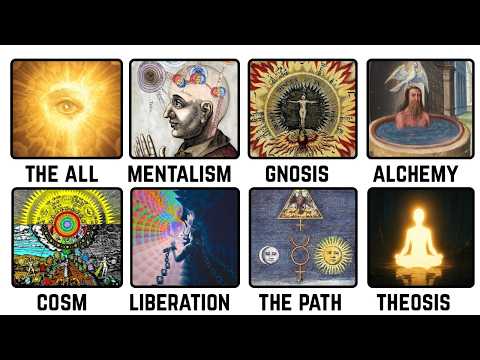
At the heart of Hermeticism lies the concept of "The All" – the singular, undifferentiated Source from which all existence springs. Imagine a boundless ocean of pure potentiality, prior to any wave or current. This is The All. It is the One, the Monad, the ultimate reality that is both everything and nothing. Understanding this primal unity is the first step in grasping the interconnectedness of all things. From this infinite Source, all creation emanates, not as a separation, but as an outward flow of its own divine essence. Recognizing this connection allows you to tap into a universal wellspring of energy and insight. This is the foundational principle that underpins every subsequent concept in Hermetic philosophy.
Gnosis: The Unfiltered Current of Direct Knowing
Gnosis, in the Hermetic context, is not mere intellectual knowledge; it's direct, intuitive apprehension of truth. It's the 'knowing' that bypasses the analytical mind and resonates directly with your core being. Think of it as a sudden, profound flash of insight, a download of information that feels intrinsically true. While books and teachers can provide signposts, true Gnosis is an internal revelation. It's the key to understanding your own spiritual nature and the underlying order of the cosmos. Many practitioners describe achieving Gnosis through intense meditation, focused intention, or during moments of profound crisis or synchronicity. The pursuit of Gnosis is a central tenet of the Hermetic path, urging practitioners to look inward for ultimate truth rather than relying solely on external doctrines.
Mentalism: The Universe as a Thought-Form
The second Hermetic principle states, "The All is Mind; The Universe is Mental." This is Mentalism, a profound concept that asserts reality itself is a manifestation of thought. Your thoughts, beliefs, and perceptions actively shape your experienced reality. If the universe is mental, then by mastering your own mind, you gain a significant degree of control over your circumstances. This isn't about wishful thinking but about understanding the power of focused intention and conscious creation. Consider how your own mental states influence your life: anxiety can breed negative outcomes, while optimism can attract opportunities. Hermeticism takes this a step further, positing that the collective consciousness also contributes to the universal mental landscape. To truly harness this principle, one must cultivate mental discipline, learn to direct their thoughts purposefully, and understand the subtle energies that thoughts command. If you find yourself struggling to manifest desired outcomes, a deep dive into your mental patterns might be the most potent magical intervention you can undertake. Understanding [mentalism applications] can be a game-changer.
The Great Work: Your Personal Spiritual Alchemy
The Great Work, or Spiritual Alchemy, is the ultimate goal of the Hermetic practitioner. It's the process of transforming the base elements of one's personality—the fears, limitations, and illusions (often symbolized by lead)—into the pure gold of spiritual enlightenment and self-mastery. This is not about transmuting physical metals, but about the profound inner metamorphosis of your being. It involves confronting your shadow self, integrating fragmented aspects of your psyche, and purifying your intentions and actions. This journey requires immense dedication, self-awareness, and a willingness to engage in rigorous spiritual practices. Working with spiritual alchemy can feel daunting, but foundational texts like The Kybalion offer crucial insights into its principles. For those seeking structured guidance to accelerate their Great Work, exploring spiritual coaching or advanced meditation techniques can provide the necessary framework and support.
The Macrocosm & Microcosm: As Above, So Below
This principle eloquently captures the interconnectedness of all planes of existence. The universe (Macrocosm) is a reflection of the individual (Microcosm), and vice versa. Whatever operates in the grand cosmic scheme is mirrored within your own being, and your inner world influences the outer reality. Understanding this means recognizing that the laws governing the stars also govern your internal energetic and psychological landscape. When you delve into astrology basics, for instance, you're not just studying celestial bodies; you're studying a symbolic language that reflects universal principles applicable to your own life. This principle empowers you to observe your inner world to understand outer phenomena, and vice versa. It's a call to self-examination, urging you to see the divine spark within yourself as a miniature universe.
Liberation from Fate: Weaving Your Own Destiny
While Hermeticism acknowledges the existence of 'Fate' or a predetermined cosmic order, it also emphasizes the potential for liberation. This liberation is achieved not by defying fate, but by understanding its mechanisms and consciously aligning yourself with higher principles. By mastering the aforementioned principles—especially Mentalism and the Great Work—you gain the ability to influence your trajectory. You learn to navigate the currents of destiny rather than being swept away by them. This involves cultivating free will, making conscious choices aligned with your highest purpose, and understanding the karmic implications of your actions. It’s the art of becoming the conscious creator of your reality, rather than a passive recipient of circumstance. For those seeking to actively rewrite their destiny, delving into the practice of sigil magick can be an incredibly potent tool for directing focused intention.
Charting the Hermetic Path: A Practical Roadmap
The Hermetic path is not a linear journey with a guaranteed endpoint, but an ongoing process of self-discovery and spiritual evolution. It begins with an awakening of curiosity, a recognition that there is more to reality than meets the eye. This leads to contemplation and study, drawing from ancient texts and modern interpretations alike. The practical application comes through focused practices such as meditation, ritual, and the conscious application of the Hermetic principles in daily life. It demands discipline, patience, and a persistent willingness to confront one's own limitations. This path is deeply personal, and while the external framework of Hermeticism provides structure, the true transformation occurs within the individual. Learning to integrate these profound concepts requires consistent effort, and many find immense value in resources that offer curated knowledge, such as esoteric book recommendations or structured online courses on occult philosophy.
Theosis: The Ultimate Unfolding of the Self
Theosis, often translated as 'deification' or 'becoming like God,' represents the apex of the Hermetic journey. It's the ultimate realization of your divine nature, the full integration of the Microcosm with the Macrocosm. It's not about ego inflation, but about the complete unveiling of the divine spark that has always resided within you. This state signifies perfect harmony, ultimate wisdom, and complete liberation from the limitations of the lower self. Theosis is the profound understanding and embodiment of the truth that you are a divine being experiencing a human existence. It is the culmination of the Great Work, where the practitioner fully aligns with The All. To reach such profound states of being, consistent engagement with practices that purify the mind and elevate consciousness, such as advanced rituals and deep contemplative practices, is essential.
Arsenal of the Modern Alchemist
To navigate the Hermetic path effectively in the modern age, certain tools and resources can significantly accelerate your progress. While the true power lies within, external aids can serve as powerful catalysts for your inner work.
Foundational Texts: "The Kybalion" by Three Initiates is indispensable for grasping the core principles. For deeper dives into esoteric traditions that heavily influenced Hermeticism, consider "The Emerald Tablet" and the works of Aleister Crowley, particularly "Liber O vel Manus et Cercvli."
Astrology & Tarot: A deep understanding of symbolic languages is crucial. A comprehensive Tarot deck (like the Thoth or Rider-Waite-Smith) and an astrological ephemeris or reliable astrology software will help you decode the Macrocosm/Microcosm connection.
Journaling & Recording: A dedicated "Grimoire" or journal is vital for tracking your experiments, insights, and synchronistic events. For digital natives, encrypted journaling apps can serve a similar purpose.
Meditative Aids: High-quality meditation apps or guided audio programs can assist in achieving the focused states of mind necessary for Gnosis and Mentalism.
Energetic Tools: While not essential, tools such as specific crystals known for enhancing intuition or dedicated ritual tools can help focus your intent during practice.
Taller Práctico: A Simple Mentalism Exercise
This exercise focuses on the principle of Mentalism, allowing you to directly experience the power of directed thought. It requires minimal resources and can be performed anywhere.
Find a Quiet Space: Sit or stand comfortably in a place where you won't be disturbed for 5-10 minutes. Close your eyes.
Centering and Stillness: Take a few deep, slow breaths. Focus on your breath, allowing your mind to settle. Let go of any immediate thoughts or distractions. Visualize your breath flowing in and out, bringing calm and focus.
Choose an Object: Select a simple, common object in your immediate environment – a pen, a book, a cup. Focus your attention entirely on this object. Observe its color, shape, texture, and any other discernible qualities.
Imbue with Intention: Now, with all your focused will, mentally imbue this object with a simple, positive intention. For example, if you chose a pen, you might intend for it to aid in writing down clear and powerful ideas. If you chose a book, intend for it to impart wisdom to whoever opens it. Hold this intention firmly in your mind for 1-2 minutes. Visualize the intention flowing from you into the object, like a subtle energy.
Release and Observe: Release the object and your intention. Open your eyes. Take a moment to notice any subtle shifts, however small, in how you perceive the object or the surrounding environment.
Record: Immediately after, open your journal and record your experience. What was the object? What intention did you imbue? How did you feel during the exercise? Did you notice any subtle changes in your perception of the object or its surroundings? This documentation is crucial for tracking your progress with the principle of Mentalism.
Preguntas Frecuentes
Is Hermeticism a religion? No, Hermeticism is a philosophical and spiritual tradition, a system of thought and practice rather than a dogma-based religion.
Do I need to be initiated to study Hermeticism? While formal initiations exist within some Hermetic orders, the core principles are accessible to anyone through study and personal practice. Your own inner revelation (Gnosis) is the primary form of initiation.
How does Hermeticism relate to other occult traditions like Wicca or Ceremonial Magic? Hermeticism provides a foundational philosophical framework that heavily influences many other esoteric and magical systems. Its principles are often integrated into diverse practices.
Is it possible to truly "liberate from fate"? Hermeticism suggests liberation comes not from escaping fate, but from conscious alignment and mastery, allowing you to steer your destiny with wisdom and intention, rather than being a victim of circumstance.
Your Operation: Manifest Your Intent Through Visualization
Now, put the principle of Mentalism and your burgeoning understanding of the Hermetic path into immediate action. Choose a personal goal or aspiration that you wish to manifest. This could be anything from improving a particular skill (like practicing your journaling consistently) to attracting a specific opportunity.
For the next seven days, dedicate 15 minutes each morning to a potent visualization exercise:
Start with Stillness: Begin by grounding yourself, much like in the practical exercise. Breathe deeply, clear your mind, and bring yourself to a calm, centered state.
Visualize the Outcome: Vividly imagine yourself having already achieved your goal. See the details, feel the emotions associated with this success. What does it look like? Who is with you? What are you doing? Immerse yourself in this mental image as if it were your present reality.
Embody the State: Don't just *see* it; *feel* it. Embody the energy of someone who has already achieved this goal. Do you feel confident? Peaceful? Empowered? Project this feeling outwards.
Release with Trust: After your visualization, release the intention into the universe with trust. Do not obsess over the ‘how’ or ‘when’. Trust that your focused mental energy is setting the wheels in motion, aligning with the principle that "The Universe is Mental."
Record your experiences, any synchronicities, or shifts in your own mindset in your journal. This isn't just a mental exercise; it's an operation of conscious creation, an act of weaving your reality according to the profound principles of Hermeticism. Keep this up, and observe the subtle, yet powerful, shifts that begin to manifest in your life.
The Hermetic path is a journey of radical self-discovery and empowerment. By understanding and actively applying these core concepts, you're not just learning about an ancient philosophy; you're learning to wield the fundamental laws of existence for your own conscious evolution. The All awaits your recognition, Gnosis your direct experience, and your own Great Work your dedicated practice.
Practitioner's Note: True magick requires resources. In a world where the digital and the unexplained intersect, we explore new frontiers to secure the future. Do you dare to be part of the vanguard? Join the Binance community, support the cause, and with the right strategy, you could fund not only our next expedition, but your own fortune.
El olor a ozono y a la energía contenida en miles de horas de práctica llenaba el aire, pero la habitación permanecía extrañamente silenciosa. Habías recitado los encantamientos, visualizado los símbolos con una claridad que te sorprendió, incluso sentiste ese cosquilleo familiar en tus dedos. Sin embargo, la manifestación se sentía tan lejana como la Luna misma. ¿Intención imperfecta? ¿Falta de fe? Si has estado allí, has ejecutado rituales de la Orden de la Golden Dawn, como el famoso LBRP o el Medio Pilar, y te has preguntado por qué la energía simplemente no se mueve, la respuesta podría no estar en tu mente, sino en tu cuerpo.
La verdad es que tu sistema nervioso, esa intrincada red biológica que gestiona tu respuesta al mundo, puede estar operando en un modo de supervivencia silencioso. Cuando esto sucede, tu cuerpo y tu mente se bloquean en un estado de alerta constante, un campo de energía "anti-magick" que hace que la manifestación sea, técnicamente hablando, imposible. No importa cuán profunda sea tu intención o cuán perfecta sea tu visualización; si tu sistema está atascado en "lucha o huida", tu subconsciente está demasiado ocupado tratando de protegerte para responder a tus deseos más elevados.
Este post desvela el eslabón perdido entre las antiguas prácticas herméticas y la ciencia moderna de la regulación del sistema nervioso, inspirándose en la Teoría Polivagal. Exploraremos por qué la respuesta de "lucha o huida" apaga tu receptividad espiritual y, lo que es más importante, cómo puedes utilizar bio-hacks específicos para transformar tu cuerpo en un instrumento afinado para la alta magia. Prepárate para entender la conexión oculta entre el nervio vago y la Gran Obra.
Has memorizado los gestos, las palabras de poder, las secuencias arquetípicas. Te has sumergido en los textos de la Golden Dawn, has estudiado los diagramas del Árbol de la Vida y has dedicado innumerables horas a la meditación y la visualización. A pesar de toda esta dedicación, persisten las dudas: las manifestaciones tardan, las energías no fluyen como deberían o, peor aún, sientes una desconexión profunda durante tus prácticas. ¿Es tu intención lo suficientemente fuerte? ¿Estás visualizando correctamente? Este artículo sugiere que el problema, a menudo, tiene raíces más profundas: biológicas.
El Socio Silencioso en Cada Ritual
En cada práctica mágica, hay un participante silencioso, pero fundamental: tu cuerpo. La magia no es solo una cuestión de la mente o del espíritu; está intrínsecamente ligada a nuestra fisiología. El sistema nervioso autónomo (SNA), responsable de regular funciones corporales involuntarias, juega un papel crucial en nuestra capacidad para interactuar con la realidad de maneras no ordinarias. Ignorar este "socio silencioso" es como intentar navegar un océano en un barco diseñado para un estanque.
El Bloqueo Biológico: El Estado Simpático
Cuando tu sistema nervioso se encuentra en un estado de desregulación, a menudo dominado por el sistema nervioso simpático (SNS), tu cuerpo entra en modo de supervivencia. Esto se manifiesta como "lucha o huida", una respuesta evolutiva diseñada para afrontar amenazas inmediatas. En este estado, tu organismo prioriza la supervivencia sobre cualquier otra función, incluida la receptividad mágica o la manifestación consciente. Las energías sutiles, los flujos cósmicos y las resonancias psíquicas se vuelven inaccesibles porque tu biología te tiene anclado a una realidad de peligro percibido. Es un bloqueo fundamental que ninguna cantidad de fuerza de voluntad puede superar por sí sola si no se aborda la causa raíz.
"La voluntad siempre encuentra un camino. A veces con esfuerzo, a veces con un ritual a medianoche. Hablemos de la tuya, y de cómo tu cuerpo podría estar cerrando la puerta."
Teoría Polivagal vs. El Árbol de la Vida
La Teoría Polivagal, desarrollada por el Dr. Stephen Porges, describe las jerarquías del sistema nervioso: dorsal vagal (inmovilidad/desconexión), simpático (lucha/huida) y ventral vagal (conexión/seguridad). Curiosamente, existe una resonancia fascinante entre estos estados biológicos y los principios ocultos. El Árbol de la Vida, con sus Sephiroth y senderos, representa un mapa de la conciencia y la existencia. La desregulación simpática puede ser vista como un estado de "caída" o aislamiento de las esferas superiores. Comprender esta interconexión es clave. Mientras que los rituales tradicionales pueden apuntar a ascender por el Árbol, si tu sistema nervioso está bloqueado en el nivel simpático, el acceso a esas esferas se vuelve inmensamente difícil. La Teoría Polivagal nos proporciona un marco para entender y, lo que es más importante, para modificar nuestro estado interno de manera que podamos realmente interactuar con las energías que buscamos invocar.
Hackeando el LBRP y el Medio Pilar
El Ritual Menor del Pentagrama (LBRP) y el ritual del Pilar Medio son pilares de muchas prácticas mágicas, diseñados para purificar el espacio y cargar al mago con energías específicas. Sin embargo, si tu sistema nervioso está en un estado de hiperactivación simpática, estos rituales pueden sentirse como ejercicios en el vacío. La clave para desbloquear su potencial reside en preparar tu fisiología *antes* de la práctica. Esto implica no solo la intención, sino la *regulación* del sistema nervioso. ¿Cómo hacerlo?
En lugar de forzar la visualización, enfócate en anclarte en el momento presente utilizando anclajes somáticos. Esto puede incluir técnicas de respiración profunda que activen el nervio vago, movimientos lentos y conscientes, o incluso la simple sensación de tus pies en el suelo. Al calmar la respuesta de "lucha o huida", creas un estado receptivo donde la energía puede fluir libremente, haciendo que el LBRP y el Medio Pilar sean herramientas exponencialmente más potentes. El objetivo es pasar de un estado de "obligación" a uno de "flujo".
Ejercicios Prácticos para Desarrollar el "Músculo Vagal"
Desarrollar la capacidad de regular tu sistema nervioso es como construir músculo en el gimnasio: requiere práctica constante y específica. Aquí tienes algunos ejercicios prácticos, inspirados en la Polyvagal Theory, que puedes integrar en tu día a día para potenciar tu práctica mágica:
Respiración Diafragmática Lenta: Siéntate o acuéstate cómodamente. Coloca una mano en tu pecho y la otra en tu abdomen. Inhala profundamente por la nariz, sintiendo cómo tu abdomen se expande (tu mano abdominal se eleva más que tu mano pectoral). Exhala lentamente por la boca, como si soplaras a través de una pajita. El objetivo es que la exhalación sea más larga que la inhalación. Haz esto durante 3-5 minutos.
Escaneo Corporal con Compasión: Sin juzgar, recorre tu cuerpo mentalmente, notando cualquier sensación, tensión o emoción. Cuando encuentres áreas de tensión, envíales amablemente un pensamiento de calma o aceptación. No intentes cambiar nada, solo observa con una actitud compasiva. Esto ayuda a salir del modo de supervivencia y a reconectar con tu cuerpo.
Sonidos Vales: El canto, tarareo o incluso el canto de un Ohm largo y sostenido pueden estimular el nervio vago. Prueba a tararear suavemente o a emitir sonidos vocales de baja frecuencia. Siente la vibración en tu garganta y tu pecho.
Movimientos Suaves y Conscientes: Realiza movimientos lentos y deliberados, como estiramientos suaves, yoga o incluso caminar conscientemente, prestando atención a las sensaciones físicas. Esto promueve la sensación de seguridad en el cuerpo y ayuda a liberar la tensión acumulada.
Conexión Social (Segura): Pasar tiempo con personas de confianza, compartir una comida o simplemente tener una conversación agradable puede activar el sistema de apego ventral vagal. Sin embargo, si te encuentras en relaciones tóxicas, esto puede ser contraproducente. Elige la conexión que te haga sentir seguro.
Integrar estas prácticas, incluso durante unos pocos minutos al día, puede tener un impacto profundo en tu capacidad para acceder a estados elevados de conciencia y para que tus rituales se manifiesten con mayor potencia. Este es el principio de 'hackear' tu sistema nervioso para que trabaje *a favor* de tu magia, no en contra.
Arsenal del Mago
Para profundizar en la alquimia entre biología y lo oculto, te recomiendo encarecidamente explorar los siguientes recursos. No son meras lecturas, son herramientas indispensables para el practicante moderno:
"Condensed Chaos" por Phil Hine: Una excelente introducción a la magia del caos, que a menudo roza la simplicidad brutal necesaria para la efectividad.
"The Kybalion" por Los Tres Iniciados: Aunque a menudo se critica por ser una simplificación del Hermetismo, sus principios son fundamentales y resuenan profundamente con la interconexión de todas las cosas.
"Polyvagal Theory in Therapy" por Stephen Porges y Deb Dana: Para quienes deseen una comprensión más profunda de la ciencia detrás de la regulación del sistema nervioso. Entender la biología es poder.
Tarot Rider-Waite-Smith: Un mazo clásico cuya iconografía es accesible y rica en simbolismo arquetípico, útil para el autoconocimiento y la adivinación.
Diario de Práctica Mágica: Tan importante como cualquier grimorio. Documentar tus rituales, tus estados corporales (cómo te sentías fisiológicamente) y los resultados te permitirá ver patrones y refinar tu enfoque.
Tener acceso a estas herramientas es fundamental. Claro, puedes intentar improvisar, pero la maestría reside en el estudio y la aplicación diligente de conocimientos probados. La inversión en libros como "Liber Null & Psychonaut" o cursos de redes neuronales y neurociencia aplicada a la conciencia no es un gasto, es equipar tu arsenal con las municiones adecuadas para la Gran Obra.
Preguntas Frecuentes (FAQ)
¿Cuánto tiempo se tarda en notar los efectos de la regulación del sistema nervioso? Los efectos pueden variar. Algunos practicantes sienten cambios sutiles en semanas, mientras que otros pueden necesitar meses de práctica consistente. La paciencia y la diligencia son clave.
¿Puedo hacer estos ejercicios si sufro de ansiedad o trauma? Sí, de hecho, estos ejercicios están diseñados para ayudar a personas con ansiedad, trauma y otras condiciones relacionadas con la desregulación del sistema nervioso. Sin embargo, siempre es recomendable consultar con un profesional de la salud mental si tus síntomas son severos. La magia y la sanación a menudo van de la mano.
¿Hay algún riesgo en intentar estas técnicas? Los riesgos son mínimos si se abordan con una mentalidad de experimentación consciente y sin forzar. El objetivo es la auto-regulación, no la inducción forzada de estados. Escucha a tu cuerpo.
¿Cómo puedo saber si mi sistema nervioso está desregulado? Los signos comunes incluyen sentirse abrumado fácilmente, irritabilidad crónica, fatiga, patrones de sueño irregulares, dificultad para concentrarse, o sentirte constantemente en guardia.
Tu Operación: Hackea Tu Sistema Nervioso
Ahora es el momento de poner el conocimiento en práctica. Elige UNA de las técnicas de "músculo vagal" presentadas anteriormente. Dedica los próximos 7 días a practicarla de forma consistente, preferiblemente en un momento tranquilo del día, antes de tu práctica mágica habitual o como un ritual independiente.
Tu operación específica:
Selección: Elige un ejercicio (respiración, escaneo corporal, etc.).
Práctica Diaria: Realiza el ejercicio seleccionado durante 5 minutos, cada día, durante 7 días.
Observación: Durante esta semana, presta atención a cómo te sientes *antes*, *durante* y *después* de la práctica de tu ejercicio.
Registro: Anota tus observaciones en tu diario de práctica mágica. ¿Notas alguna diferencia en tu estado de ánimo, tu nivel de energía, tu capacidad de concentración, o tu receptividad mágica?
Al final de la semana, reflexiona sobre tus notas. ¿Cómo ha afectado esta simple práctica a tu estado interno y, potencialmente, a tu magia? Este es el primer paso para integrar tu biología en tu obra mágica.
Practitioner's Note: True magick requires resources. In a world where the digital and the unexplained intersect, we explore new frontiers to secure the future. Do you dare to be part of the vanguard? Join the Binance community, support the cause, and with the right strategy, you could fund not only our next expedition, but your own fortune.
The Alchemical Spark: Hermeticism Meets Modern Manifestation
The air crackles not just with potential, but with the palpable weight of intention. Imagine a potent sigil, humming with focused will, ready to imprint itself upon the fabric of existence. This isn't mere wishful thinking; it's the practical application of principles that have echoed through millennia of occult inquiry. Many are familiar with the Law of Attraction, a popular echo of deeper currents. Yet, the true power lies in moving beyond passive wishing to active, alchemical transmutation. This is where the wisdom of Hermes Trismegistus, the legendary sage of Thoth, intersects with the potent mechanism of the Law of Assumption.
We are not dabbling in vague spiritualisms here. This exploration delves into a specific, powerful Hermetic ritual designed for concrete results. Think of it as a meticulously crafted alchemical process, not for transforming lead into gold, but for transmuting your deepest intentions into tangible reality. Whether you're a solitary practitioner seeking to deepen your daily work or a student of grander systems, the insights gleaned here offer a powerful toolkit for personal manifestation.
Whispers of Hermes: Core Principles for Intentional Alchemy
Hermeticism, at its heart, is the study of cosmic correspondences and the inherent unity of all things. The famous maxim, "As Above, So Below," is not just a poetic phrase; it’s a blueprint. It suggests that the macrocosm mirrors the microcosm, and our inner state directly influences our outer reality. Understanding this connection is the first step in wielding intentional energy effectively.
The Principle of Mentalism: The All is Mind. The universe is fundamentally mental. Your thoughts, beliefs, and consciousness are creative forces. What you hold in your mind, you can bring into being. This is the bedrock upon which all manifestation techniques are built.
The Principle of Correspondence: As Above, So Below. As mentioned, the inner world (mind, spirit) profoundly mirrors the outer world (physical reality). Understanding this relationship allows us to consciously influence our external circumstances by mastering our internal landscape.
The Principle of Vibration: Nothing Rests; Everything Moves; Everything Vibrates. Everything in existence, from the densest matter to the most abstract thought, is in motion. Your intentions, when properly focused and charged, are simply vibrations that attract similar frequencies.
These principles, espoused in texts like The Kybalion, are the philosophical scaffolding for any serious work with intention. They provide the context for the ritual that follows, transforming it from a mere exercise into a profound act of aligning your will with the fundamental forces of the cosmos.
The Alchemical Crucible: A Step-by-Step Hermetic Ritual
This ritual is designed for clarity and impact, drawing from the systematic approach favored by initiatory orders. While specific correspondences, such as planetary hours or incense, can enhance the potency, the core mechanics focus on focused intention and energetic charging. For the committed solitary worker, this offers a potent method to infuse daily practice with deliberate manifestation.
Preparation of the Sacred Space: Find a quiet place where you will not be disturbed. Light a candle to represent the divine spark and a source of illumination. If you have specific incense that resonates with your intention (e.g., sandalwood for grounding, frankincense for spiritual connection), use it now. Clear your mind of mundane distractions.
Defining Your Intention: This is paramount. Your intention must be clear, concise, and stated in the present tense as if it has already occurred. Avoid vague desires. Instead of "I want more money," formulate "I am a magnet for financial abundance, and wealth flows to me effortlessly." Write this intention down on a small piece of paper.
The Hermetic Invocation (Focus on the Inner Light): Sit comfortably. Close your eyes and visualize a pure, white light descending from the heavens, filling your entire being. Imagine this light as the divine essence, the All-Mind, permeating your consciousness. Breathe deeply and feel the presence of this cosmic energy within you.
Charging the Intention: Hold the piece of paper with your written intention in your dominant hand. Visualize the white light you just embodied flowing into your arm, through your hand, and into the paper. As you do this, intensely feel the emotion of already having achieved your intention. If it's abundance, feel the security, joy, and freedom that comes with it. If it's a specific outcome, feel the satisfaction of its completion. Chant or repeat your intention silently or aloud for several minutes, imbuing it with your emotionalized will.
The Symbolic Imprint (Sigil Creation - Optional but Recommended): You can choose to transform your written intention into a sigil. This involves taking the letters of your intention and condensing them into a unique symbol. This process, which can be explored further in works like Condensed Chaos, removes the conscious mind's limitations and implants the intention directly into the subconscious. Once created, charge the sigil with the same focused energy as the written intention.
Sealing the Work: Once you feel the intention is fully charged (this can take anywhere from a few minutes to longer, depending on your focus), you must seal the work. This is often done by a symbolic act of "forgetting" or banishing. You might tear up the paper (if not sigilized), burn it safely and scatter the ashes, or perform a brief banishing ritual (such as the Lesser Banishing Ritual of the Pentagram, if you are familiar with Golden Dawn or similar systems). The key is to release the charged intention to the universe. This is a critical step for solitary practitioners to avoid "over-thinking" the manifestation.
Integration into Daily Life: Live as if your intention has already manifested. This is where the Law of Assumption becomes your most potent ally.
This ritual, rooted in Hermetic principles, bypasses the analytical mind and speaks directly to the creative forces within and around you. The systematic nature makes it ideal for those who appreciate structure in their magical practice.
Assuming the Mantle: The Law of Assumption as a Catalyst
The Hermetic ritual primes your intention, imbuing it with energy. However, for that intention to crystallize into reality, you must embody the state of its fulfillment. This is the domain of the Law of Assumption, popularized by Neville Goddard. It posits that your imagination is the only reality, and to manifest anything, you must assume the feeling of the wish fulfilled. It’s not about *trying* to manifest; it’s about *living from the end*.
After performing the ritual, carry the feeling of your manifested desire throughout your day. Imagine what it would be like, what you would see, hear, and feel if your intention was already a fact. This sustained mental and emotional state acts as a powerful attractor, drawing circumstances and opportunities that align with your assumed reality. For those who have explored the middle pillar meditations within the Golden Dawn System, this is akin to inhabiting the sphere of your desire.
Veredict of the Practitioner: Is This Hermetic Ritual Truly Potent?
This Hermetic ritual is a formidable tool, particularly for the solitary practitioner accustomed to structured practice. Its strength lies in its direct application of fundamental magical principles and its integration with the psychological power of assumption.
Pros:
Clarity and Focus: The step-by-step nature makes it accessible and repeatable.
Psychological Alignment: Seamlessly combines energetic charging with the Law of Assumption, addressing both the 'how' and the 'being'.
Adaptable: Can be tailored with personal correspondences, sigils, and preferred banishing techniques.
Empowering: Shifts the practitioner from a passive observer to an active co-creator of their reality.
Cons:
Requires Discipline: Consistency in assumption is key. Any doubt or lingering disbelief can dilute the effect.
Mindset Dependent: Its effectiveness is directly proportional to the practitioner's ability to sustain belief and internalize the assumed reality.
Conclusion: This ritual is not a casual exercise; it's a serious working. When performed with conviction and followed by consistent assumption, it offers a direct pathway to actualizing intentions. It’s a potent method for anyone looking to move beyond aspirational thinking into tangible manifestation, especially those who appreciate the underlying logic of Hermetic philosophy.
Arsenal of the Magus: Essential Tools for the Hermetic Journey
The Kybalion: A foundational text for understanding Hermetic philosophy.
Condensed Chaos: Explores modern approaches to sigil magic and chaotic magic principles.
The Golden Dawn: A comprehensive (and dense) exploration of ceremonial magic, with vast correspondences and rituals.
Tarot Deck (e.g., Rider-Waite or Thoth): For divination and symbolic introspection, aiding in the clarification of intentions.
Journal and Pen: Essential for recording intentions, sigils, ritual outcomes, and personal insights.
Candle: A focal point for energy and intent.
Quality Incense: To set the atmosphere and align with your intention.
Frequently Asked Questions
Q1: I'm a solitary practitioner. Can I perform this ritual effectively alone? Absolutely. This ritual is specifically designed with solitary practitioners in mind, emphasizing personal focus and inner work. The key is your personal will and belief.
Q2: What if I don't know how to create a sigil? You can start by simply writing your intention clearly. As you gain confidence, explore resources on sigil creation. The act of writing the intention and charging it is powerful in itself.
Q3: How long should I wait to see results? Manifestation is not always on a set timeline. Some results are near-instantaneous, while others unfold over weeks or months. The most crucial element is maintaining the assumed state of your fulfilled desire.
Q4: Can I use this ritual for multiple intentions at once? While possible, it's generally more effective to focus on one primary intention per ritual. Spreading your energy too thin can dilute its potency. Once one intention has manifested or is well underway, you can initiate another.
Q5: What is the significance of the "forgetting" or banishing part of the ritual? This step is crucial for releasing the intention to the universe without the conscious mind interfering with doubt or over-analysis. It allows the subconscious and higher forces to work unimpeded.
Your Operation: Manifesting with the Hermetic Current
Now, the knowledge has been laid bare. The principles of Hermeticism, the structure of a potent ritual, and the psychological engine of the Law of Assumption are at your disposal. The true magic, however, unfolds in the doing. Consider this your immediate assignment:
Identify One Clear Intention: What is one desire you hold that you are ready to pour your focused energy into? Be specific. Write it down.
Perform the Ritual: Set aside time to enact the Hermetic ritual as described. Immerse yourself in the process, charging your written intention with focused emotion and will.
Assume the Feeling: For the next 24-48 hours, actively live from the end. Feel what it would be like to have your intention fulfilled. Notice opportunities, synchronicities, and feelings that align with this assumed reality.
Record Your Experience: Document the ritual, your assumptions, and any subsequent events or feelings in your journal. This record is invaluable for understanding your own magical process.
This is not just about achieving a single outcome; it's about cultivating a conscious relationship with the creative forces of the universe. The power to transform your reality resides within your own mind and will. Now, go forth and practice.
Practitioner's Note: True magick requires resources. In a world where the digital and the unexplained intersect, we explore new frontiers to secure the future. Do you dare to be part of the vanguard? Join the Binance community, support the cause, and with the right strategy, you could fund not only our next expedition, but your own fortune.