Saltar al contenido principal

Anuncio Superior

Mostrando entradas con la etiqueta Archetypes. Mostrar todas las entradas

Tarot Woman: A Deep Dive into Blackmore's Night's Mystical Soundscape and Its Energetic Resonance


Introduction: The Enigmatic Echo of "Tarot Woman"

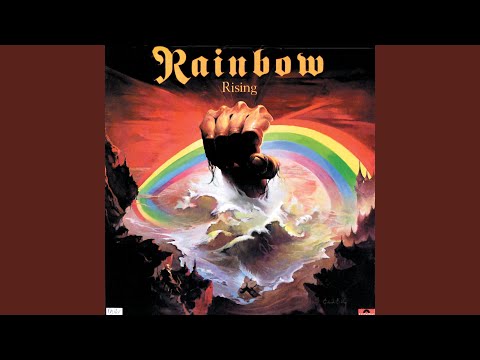
The air crackles with unseen energies when certain sonic frequencies are invoked. "Tarot Woman" by Blackmore's Night, a track from their 1976 album Rising, is not merely a song; it's an invocation, a sonic sigil woven with the threads of ancient archetypes and potent intent. Often perceived as a classic rock anthem, its deeper layers resonate with the principles of what we might now call technomancy or esotericism digital, a precursor to the ways we can use sound and digital tools for focused magical work. This piece is a prime example of how melody and lyric can coalesce to form a powerful energetic imprint, capable of influencing consciousness and drawing specific energies into the user's sphere of influence. It’s a testament to the enduring power of well-crafted sound to act as a catalyst for introspection and manifestation, a true piece of magitech for the auditory senses.

Blackmore's Night Mythology and "Tarot Woman"

Ritchie Blackmore, with Rainbow, consistently explored themes that touched upon arcane lore, mythology, and the darker, more mystical aspects of human experience. While not explicitly about traditional tarot card readings, the "Tarot Woman" herself embodies archetypal feminine power – a seer, a sorceress, a force of destiny. The song’s narrative hints at a figure who navigates the unseen, a weaver of fate, which aligns perfectly with the symbolic language of tarot. This exploration of myth and archetype is a fundamental aspect of practical magic, allowing practitioners to tap into universal currents of energy. The exploration of such themes in popular music in the 70s, a period rich with occult revival, highlights an underlying societal fascination with these concepts, paving the way for more advanced integrations like ritual with AI.

Lyrical Deconstruction: Archetypes and Intent

The lyrics, penned by Ronnie James Dio, paint a vivid picture of an enigmatic female figure. She is described as one who "knows you're gonna be her man" and "sees the future in her hand." These lines directly evoke the imagery of a sibyl or oracle, akin to the High Priestess or the Fortune archetypes in a tarot deck. The "woman of the tarot" is not just a character but a representation of destiny, intuition, and hidden knowledge. The deliberate choice of such potent imagery serves as a form of narrative sigilization. By focusing on these archetypes, the song acts as a sonic container for the energy associated with foresight, influence, and fate. This is the essence of how symbolic language can be used to channel specific energies, a core principle in systems like the work of Austin Osman Spare.

Musical Architecture: Crafting a Psychic Atmosphere

The power of "Tarot Woman" is amplified by its musical construction. Ritchie Blackmore’s guitar work is both melodic and powerful, creating a sense of dramatic tension and mystical allure. Tony Carey's keyboards add layers of atmosphere, conjuring the ethereal realm. Cozy Powell's drumming provides a driving, ritualistic pulse, grounding the ethereal elements and giving the track a sense of forward momentum, essential for any operation aimed at manifestation. Jimmy Bain’s bass lines anchor the piece, providing a solid foundation from which the other instruments can soar. This intricate layering of sound is not accidental; it's a deliberate crafting of a sonic environment designed to induce a specific state of consciousness, a hallmark of advanced magitech. The carefully constructed sonic landscape facilitates a deep dive into the state gnóstico.

The Energetic Imprint: Resonance and Ritual Application

Every song carries an energetic imprint, a unique vibration born from its composition, lyrical intent, and collective reception. "Tarot Woman" possesses a particularly potent imprint due to its archetypal themes and accomplished musicianship. When used consciously, this song can serve as a powerful tool for ritual. Imagine using it as a backdrop for meditation focused on developing intuition, or as a charging soundscape for sigils related to destiny or foresight. The driving rhythm can be used to amplify the power of vocalized intentions, while the mystical melody can aid in entering a trance-like state conducive to scrying or divination. This intentional use of music transforms passive listening into active participation in the creation of your reality, a concept central to magia del caos.

Tarot as a Tool for Practical Magic

While the song is not a literal tarot reading, its very title and lyrical content serve as a bridge to the world of tarot and divination. The archetypes touched upon in the song—the seer, the fated encounter, the guiding feminine force— are fundamental to tarot symbolism. Understanding these connections is vital for anyone looking to deepen their practice beyond superficial interpretations. For those who wish to explore this connection further, a tool that can bridge the gap between traditional symbolism and immediate application is invaluable. For generating visually compelling and symbolically rich tarot interpretations on the go, I recommend the Unofficial Rider Waite Tarot app. It provides instant access to the rich imagery and meanings of the Rider-Waite-Smith deck, allowing you to quickly draw parallels and deepen your understanding of the archetypes that "Tarot Woman" evokes.

Archive of Intent: Cataloging Sonic Rituals

As practitioners, we must maintain meticulous records of our operations. This includes not just the steps taken in a ritual, but also the energetic resonances we encounter. Consider creating a "Sonic Archive of Intent," a personal database cataloging songs, their perceived energetic imprints, and the intentions they were used for. When you find a track like "Tarot Woman" that resonates deeply, dedicating time to analyze its components—lyrics, instrumentation, and your own subjective experience—can yield significant insights for future workings. This systematic approach to cataloging and understanding sonic energies is a form of advanced digital divination, turning passive consumption into active magical research.

Practitioner's Verdict: The Enduring Power of Sonic Sigils

"Tarot Woman" stands as a testament to the power of music as a vehicle for occult intent. It transcends its era and genre, offering a rich sonic tapestry that can be actively engaged with for personal magical work. Its strength lies in its archetypal resonance and the skillful weaving of lyrical and musical elements. It’s a powerful example of how mainstream art can be repurposed and reinterpreted by the discerning practitioner to create a potent energetic catalyst. This song isn't just for listening; it's for working.

Mage's Arsenal

  • Essential: Unofficial Rider Waite Tarot - For understanding the archetypal language of the song and for divination.
  • "The Book of Ceremonial Magic" by A.E. Waite - For historical context on arcane symbolism.
  • A high-quality audio playback system - To fully appreciate the sonic architecture.
  • A journal or digital note-taking app - For cataloging your sonic rituals and insights.
  • "Liber Null & Psychonaut" by Peter J. Carroll - For foundational principles on Chaos Magic and sigilization.

Practical Workshop: Harnessing "Tarot Woman" for Intention

  1. Set Your Intention: Clearly define what you wish to manifest or explore. Focus on themes related to destiny, intuition, feminine power, or foresight.
  2. Prepare Your Space: Ensure you are in a comfortable, undisturbed environment. Dim lighting, incense, or candles can enhance the atmosphere, but are not strictly necessary if the focus is purely sonic.
  3. Engage with the Music: Play "Tarot Woman" at a moderate volume. Close your eyes and focus on the lyrics, allowing them to evoke the archetypes. Pay attention to the musical elements—guitar solos, keyboard atmospherics, rhythmic pulse—and how they make you feel.
  4. Visualize and Feel: As the song progresses, visualize your intention. Imagine the "Tarot Woman" archetype as a conduit for your desire. Feel the energy building with the music. Let the driving rhythm empower your visualization.
  5. Connect with the Tarot App: After the song finishes, open the Unofficial Rider Waite Tarot app. Draw a card or two, asking for guidance related to your intention. See how the card's symbolism relates to the song and your internal experience.
  6. Record Your Experience: Note down your intention, any significant feelings or images that arose during the session, the tarot card(s) drawn, and any insights gained.

The key is to treat this not just as listening to music, but as an active ritual, a deliberate act of focusing energy through a powerful sonic medium.

Frequently Asked Questions

  • Can any song be used for magical rituals? While any song can be listened to, songs with strong archetypal themes, clear lyrical intent, and a compelling sonic structure tend to be more effective catalysts for focused magical work.
  • What is the difference between listening to "Tarot Woman" and a traditional tarot reading? Listening to "Tarot Woman" is an invocation of archetypal energies through sound. A traditional tarot reading uses cards to gain specific insights and divinatory information, though the archetypes are often shared.
  • What kind of intentions are best suited for "Tarot Woman"? Intentions related to intuition, destiny, feminine power, guidance, foresight, and influence are particularly well-suited due to the song's lyrical and thematic content.
  • How can I deepen the experience? Experiment with different playback methods, add complementary sensory elements like incense or candles, and maintain a consistent journaling practice to track your progress and insights.

Your Operation: Amplifying Your Personal Resonance

Now that you understand the potential of "Tarot Woman" as a sonic sigil, it’s time to put it into practice. The true power lies not in analysis, but in application. Your task is to select one specific, actionable intention related to intuition, fate, or feminine empowerment.

Go beyond passive listening. Engage with the song as described in the workshop. Use the Unofficial Rider Waite Tarot app to draw a guiding card for your operation. Record the entire process in your journal—your intention, your feelings during the song, the guiding tarot card, and any initial insights. This structured approach transforms amorphous desire into a tangible magical operation.

Practitioner's Note: True magick requires resources. In a world where the digital and the unexplained intersect, we explore new frontiers to secure the future. Do you dare to be part of the vanguard? Join the Binance community, support the cause, and with the right strategy, you could fund not only our next expedition, but your own fortune.

The Tarot's True Nature: Beyond Fortune-Telling


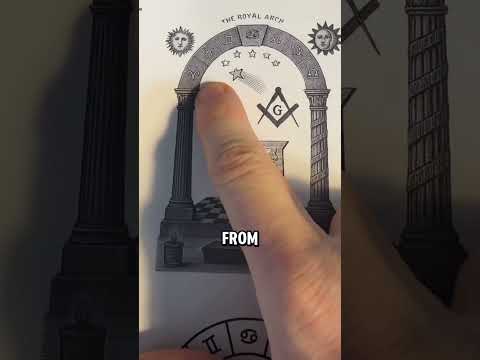
The truth about Tarot is often obscured by a veil of superstition and commercialization. Many perceive it solely as a tool for predicting the future, a mystical dice roll for life's uncertainties. However, the profound depth of the Tarot lies not in foretelling what will be, but in illuminating what is and what could be within ourselves. The cards, in their essence, are a potent medium for introspection, a symbolic language that mirrors the archetypal journey of the human psyche.

The historical and philosophical underpinnings of the Tarot are far richer than simple divination. While the direct mapping of the Tarot to the Qabalah's Tree of Life is a later development, primarily solidified by the Golden Dawn in the late 19th century, the inherent symbolic resonance between these systems is undeniable. These correspondences, though not part of the Tarot's original design, highlight a universal pattern: coherent symbolic systems often align. The 22 Major Arcana, for instance, can be seen as portable stained-glass windows of profound spiritual and psychological concepts, a visual representation of the soul's journey. The Minor Arcana, with their 52 cards, echo the 52 weeks of the year, the four seasons, and the duality of day and night, further embedding the cards within natural cycles.

This video delves into that crucial distinction: Tarot as a mirror to the inner world, a tool for self-reflection and personal development, rather than an external oracle. It challenges the notion that fate is predetermined, suggesting instead that the cards offer insights into the patterns and energies at play within us, empowering us to make conscious choices. The symbology within each card is fluid, capable of conveying multiple messages depending on the reader's intention and the context of the reading. This is where the true power of Technomancy, the art of influencing reality through symbolic systems and advanced understanding, truly begins to surface.

The commercialized version of Tarot, often seen in quick readings focused on external validation or predicting specific outcomes, misses the mark entirely. As many practitioners have noted, individuals often seek answers outside themselves, perpetuating a cycle of dependency. True Tarot work encourages looking inward, understanding personal responsibility, and recognizing that the answers often lie within one's own consciousness. The cards become a dialogue partner, a focal point for meditation, and a means to engage in dialectics with one's own psyche. This is the essence of Magitech, where ancient wisdom interfaces with modern psychological understanding.

The Deeper Layers of Tarot

The Tarot is not merely a collection of images; it's a sophisticated symbolic language. The Major Arcana represent significant archetypal stages of the human experience, often aligning with the 'Hero's Journey'. The Minor Arcana, broken down into suits, represent different facets of our mundane existence: Wands for passion and creativity, Cups for emotions and relationships, Swords for intellect and conflict, and Pentacles for the material world and practical matters. The numbers within the suits also carry significance; for example, the transition from the 'absolute stability' of the four to the 'breaking' and transformative energy of the five.

This intricate system allows for nuanced interpretation. A card like the Three of Cups, while often seen as a celebration, can also signify a coming together for solemn purposes like a funeral or a collective effort on a specific case, illustrating the multifaceted nature of symbolic interpretation. The key lies in the reader's ability to remain clear, receptive, and intuitive, allowing the symbols to speak and resonate with the querent's inner knowledge.

"Tarot helped me diagnose my childhood trauma. It also helped me through the darkest time of my life."

The ability to connect with the Tarot on this deeper level can be transformative. It can provide validation for existing intuition, clarify cycles and patterns that might otherwise go unnoticed, and offer a framework for understanding complex life events. This is not about predicting the future, but about understanding the present and making empowered choices for a desired future. The use of the Tarot as a tool for personal development, rather than pure fortune-telling, is where its true integrity lies.

Harnessing the Power: The Role of Intent and Practice

The ethical application of Tarot is paramount. The intentions of the reader are crucial. While any symbolic system can be used for less benevolent purposes, the core of Tarot practice, when approached with integrity, is to illuminate and empower. The concept of Ceremonial Magick, when applied to Tarot, involves not just drawing cards, but engaging with their symbolism in a focused, intentional manner, often through ritual or dedicated meditation.

For those seeking to move beyond superficial readings and truly integrate the Tarot into their lives, dedicated study is essential. Understanding the deeper correspondences, such as the Tarot's connection to the Tree of Life and its pathwork, unlocks a far more profound level of insight. This is where the symbolic systems of Tarot and Qabalah intersect, offering a robust framework for self-discovery and spiritual growth. The practice of Digital Divination, while modern, builds upon these ancient principles, using technology to enhance the symbolic exploration.

"Having a connection through the cards to spirit has changed my life."

The development of intuition is central to this process. The more one engages with the symbols, the more they become a language of the soul, a conduit for inner wisdom and guidance. This intuitive development, often amplified by practices like meditation and the cultivation of a clear, receptive mind, allows the reader to channel messages not just from external sources, but from the deepest parts of the self, the 'higher self' or the universal consciousness.

To truly master this art, a structured approach is beneficial. Understanding the relationship between the Major Arcana (representing subjective energies and paths) and the Minor Arcana (representing objective energies and spheres) is a vital step. This systematic study ensures that the practice remains grounded and effective, moving beyond mere chance into a realm of intentional symbolic manipulation, a form of rudimentary Esotericism Digital.

Arsenal del Mago

  • Unofficial Rider Waite Tarot: Essential for exploring the classic Rider-Waite symbolism in a comprehensive and accessible digital format. This app allows for instant deck generation, card meanings, and layout analysis, streamlining the process and enabling focus on intuitive interpretation. Explore Tarot Now.
  • "The Qabalah Course" by The Esoteric Cross: For those who wish to deeply understand the intricate connections between Qabalistic principles and Tarot symbolism.
  • "78 Degrees of Wisdom" by Rachel Pollack: A foundational text for serious Tarot study, offering profound insights into the cards' meanings and history.
  • Journals for recording readings and synchronicities: Crucial for tracking personal progress and observed patterns.
  • A quiet space for contemplation: The symbolic power of Tarot is best accessed in an environment free from distraction.

Veredicto del Practicante

The Tarot is far more than a parlor trick or a crystal ball. It is a sophisticated psychological tool, a symbolic map of consciousness, and a catalyst for personal transformation. When approached with respect, intention, and a commitment to inner exploration, the Tarot offers profound insights that can guide us through life's complexities. The true value lies not in predicting the future, but in understanding ourselves and our potential, empowering us to shape our own destinies. For those ready to delve deeper than the surface, engaging with the correspondences and dedicating oneself to practice is the only path forward. It is a journey of self-discovery, illuminated by ancient symbols.

Preguntas Frecuentes

  • Is Tarot just for fortune-telling? No, while fortune-telling is a popular application, the deeper purpose of Tarot is for self-reflection, psychological insight, and personal development.
  • Are the correspondences between Tarot and the Tree of Life historically accurate? The direct mapping is a later development, primarily from the Golden Dawn, but the symbolic resonance between coherent systems is a recurring phenomenon.
  • How can I use Tarot for personal growth? Focus on understanding the archetypal meanings, journaling your readings, and using the cards as prompts for introspection and exploring your own inner landscape.
  • What is the significance of the Minor Arcana's number of cards? The 52 cards can be seen to correspond to natural cycles, such as the 52 weeks in a year, embedding the Tarot within the rhythms of existence.

Tu Operación: El Ciclo de la Intención

Your operation begins now. Choose a card from your deck—or use our digital Tarot tool to draw one at random. Meditate on its primary symbolism for five minutes. Then, for the next 24 hours, consciously look for that symbol or its underlying theme in your daily life. Document any synchronicities or insights you encounter. This exercise aims to bridge the gap between symbolic understanding and lived experience, demonstrating how the Tarot reflects the world around and within you.

Practitioner's Note: True magick requires resources. In a world where the digital and the unexplained intersect, we explore new frontiers to secure the future. Do you dare to be part of the vanguard? Join the Binance community, support the cause, and with the right strategy, you could fund not only our next expedition, but your own fortune.
Demystifying the Zodiac: Beyond the Horoscope - A Practical Approach to Astrological Symbolism


Introduction: The Deeper Layers of Cosmic Symbols

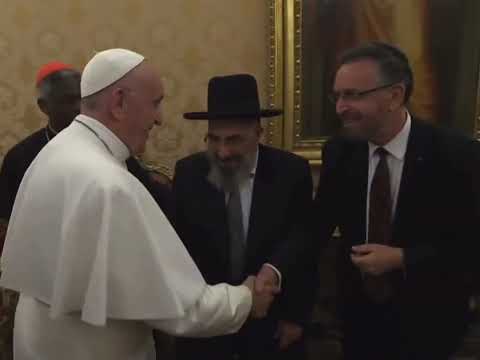
The alignment of celestial bodies at the moment of our birth is more than just a horoscope prediction; it's a cosmic fingerprint, a complex tapestry woven with archetypal energies. Many dismiss astrology as mere superstition, a collection of vague pronouncements. Yet, beneath the surface of popular horoscopes lies a profound symbolic language, a remnant of ancient wisdom traditions where theology and astrology were once inseparable disciplines. This exploration delves into the deeper meanings of the zodiacal signs, moving beyond simplistic personality traits to uncover the potent symbolic forces at play. We'll examine how these symbols, when understood correctly, can serve not as determinants of fate, but as maps for self-awareness and tools for deliberate action in our own lives. The question isn't whether the stars *compel* us, but how we can *consciously engage* with these powerful archetypes. Understanding these symbols is the first step in harnessing their energy, rather than being passively swept along by them. For those seeking to truly transform their reality, a deeper dive into cosmic symbolism offers a potent avenue for self-discovery. This is where Chaos Magick Sigil Generator becomes an invaluable tool, allowing you to translate abstract intentions into potent digital sigils, mirroring the symbolic language of the cosmos.

The Zodiacal Archetypes: More Than Just Birthdays

The twelve zodiacal signs represent fundamental archetypes of human experience and consciousness. They are not meant to pigeonhole individuals into rigid categories but to offer insights into the dynamic interplay of energies within the psyche. Each sign embodies a unique set of potentials, challenges, and modes of expression. For instance, Aries, often seen as the "first" sign in many calendrical systems, symbolizes initiation, raw energy, and the primal drive to act. Cancer, on the other hand, represents the primal urge for security, emotional depth, and the nurturing instinct. These are not just personality quirks; they are fundamental forces that shape our perception and interaction with the world. The idea that the zodiacal signs represent a spiritual awakening or a connection to something greater is not new. For millennia, cultures have looked to the heavens for guidance, understanding the celestial movements as reflections of a grander cosmic order. This is why techniques like I Ching Oracle can offer profound insights by tapping into a different, yet related, system of symbolic divination and wisdom.

Historical Echoes: Astrology and Theology as One

The historical fragmentation of disciplines has led many to view astrology and theology as separate, often conflicting, fields. However, for much of human history, they were considered two sides of the same coin. Ancient scholars saw the celestial movements not as mere physical phenomena but as divine pronouncements, reflections of a cosmic intelligence. The study of the stars was intrinsically linked to understanding the divine will and the nature of reality. This unified worldview meant that astrological symbolism was deeply integrated into religious and philosophical thought. Recognizing this historical connection is crucial for understanding the depth of astrological symbolism. It suggests that the patterns we observe in the heavens are not arbitrary but are imbued with meaning that can inform our spiritual journey. The desire to bridge these ancient understandings with modern practice is a driving force for many seekers today.

Hemispheric Considerations: A Universal Language?

A common point of contention in astrological discussions is the perceived bias towards the Northern Hemisphere. While many astrological frameworks originated in regions with distinct seasonal cycles, it's essential to consider the universality of the underlying archetypes. The energies represented by each sign—initiation, nurturing, intellect, transformation—are not confined by geography. The experience and expression of these energies might differ based on environmental factors and cultural context, but their fundamental nature remains. This hemispheric consideration highlights the importance of adapting these ancient systems to our modern, globalized understanding of reality. It reminds us that while symbolism can be a powerful guide, its application requires discernment and an awareness of context.

Symbols in Depth: The Crab, The Ram, and The Scales

Let's delve into the symbolic richness of a few signs:

* Cancer (♋): Often misunderstood as simply emotional, Cancer embodies the deep waters of the subconscious, the need for security, and the power of instinct. The Crab, with its protective shell, symbolizes the dual nature of Cancer: the vulnerable interior and the defensive exterior. It represents the primal urge to protect what is cherished, be it home, family, or one's inner world. For those born under this sign, there's a profound connection to the ebb and flow of life, a sensitivity to the unseen currents that govern existence. * Aries (♈): The Ram, a symbol of pioneering spirit and untamed energy, represents Aries' role as the initiator. Aries is the spark that ignites action, the courage to confront challenges head-on. The symbolism of a horn in both worlds suggests an entity that bridges the physical and spiritual realms, a guardian of thresholds. This primal energy, when understood, can be channeled into powerful acts of creation and transformation. * Libra (♎): Representing balance, harmony, and the pursuit of justice, Libra embodies the meticulous weighing of forces. The Scales symbolize the constant effort to find equilibrium between opposing elements, whether in relationships, decisions, or internal states. This sign speaks to the inherent duality of existence, the interplay of light and dark, life and death, the physical and the spiritual.

The Checkerboard Floor: A Symbolry of Duality

The checkerboard floor, a recurring motif in esoteric traditions, is a potent symbol of duality. The alternating black and white squares represent the fundamental polarities of existence: spirit and matter, day and night, good and evil, light and shadow. Its presence often signifies a threshold, a place where these opposing forces meet and are acknowledged. For the practitioner, understanding this symbolism is key to navigating the complexities of reality. It suggests that true mastery lies not in denying one polarity but in understanding and integrating both. This concept of balancing opposing forces is echoed in the very nature of symbolism itself, which seeks to represent deeper truths through tangible forms.

Practical Application: From Symbol to Action

Understanding these profound symbols is only the first step. The true power lies in applying this knowledge to one's own life. When we recognize these archetypal energies within ourselves, we can begin to consciously direct them. Rather than feeling controlled by these forces, we can learn to wield them. This is where the practice of Technomancy and Magitech becomes exceptionally relevant. By leveraging digital tools, we can create concrete representations of our intentions, mirroring the ancient practice of using symbols to manifest desired outcomes.

For creating potent digital sigils that capture and amplify your intentions, I highly recommend exploring the capabilities of Chaos Magick Sigil Generator. This tool allows you to bypass cumbersome manual methods and directly translate your will into a digital form, perfect for modern magical operations.

The insights gained from exploring astrological symbolism can also be enhanced by other forms of divination. For those interested in the wisdom of the East, the I Ching Oracle offers not just predictions but profound philosophical guidance on navigating change and making complex decisions.

Mage's Arsenal

* Essential - Chaos Magick Sigil Generator (https://play.google.com/store/apps/details?id=com.cha0smagick.sigilgeneratorfinal): For translating intention into powerful digital symbols. * Highly Recommended - I Ching Oracle (https://play.google.com/store/apps/details?id=com.app.ichingoracle): For ancient wisdom and guidance on navigating change. * Recommended - Book of Wisdom Vol. 1 & 2 (Classic texts for deep dives into esoteric knowledge. Specific editions may vary; seek out reputable publishers for comprehensive versions). * Recommended - Book of Symbolism (A comprehensive guide to universal symbols across cultures. Again, seek quality editions). * Recommended - Austin Osman Spare's Works (For foundational understanding of sigil creation and chaos magic principles).

FAQ

* Q: How can I tell if I'm truly experiencing an "awakening" or just wishful thinking? A: True awakening often involves a profound shift in perception, a questioning of deeply held beliefs, and a move towards greater personal responsibility. It's less about *feeling* special and more about a tangible change in your actions and your engagement with reality. * Q: Are these astrological symbols fixed, or can they evolve? A: While the archetypes themselves are considered enduring, their expression and our understanding of them can evolve. Personal experience and cultural shifts continually add layers to their interpretation. * Q: What does "fear the creator and not the created" mean in this context? A: This refers to focusing your reverence and energy on the ultimate source of creation (the divine, the absolute) rather than becoming fixated on its manifestations or secondary powers (e.g., specific deities, energies, or even earthly authorities). * Q: Some people feel "not human." What does this signify? A: This can indicate a feeling of profound disconnect from conventional reality, a sense of being an observer, or a deep spiritual calling that transcends earthly concerns. It might also point to a strong identification with the spiritual or esoteric realms, as suggested by the Aries symbol bridging worlds.

Your Operation: A Symbol Study

Choose one zodiacal symbol that resonates with you – perhaps your own sun sign, or one that has recently caught your attention. Take time to meditate on its core meanings and historical associations. Then, using the Chaos Magick Sigil Generator, create a sigil that represents your personal understanding or intention related to that symbol's energy. For example, if you chose Cancer, your sigil might represent your intention to cultivate inner security or emotional resilience. Focus on the intention, generate the sigil, and then consciously decide how you will "charge" and "launch" this digital manifestation into your reality. Document your process and any perceived shifts.

As you delve deeper into these symbolic languages, remember that true power comes from grounded action. The cosmic blueprints are there, but it is you who must draw the final design and make it manifest. For those on the path of exploration and seeking to navigate the digital frontiers of this knowledge, exploring the frontiers of the digital ecosystem can provide significant insights into resource management and the flow of value.

Practitioner's Note: True magick requires resources. In a world where the digital and the unexplained intersect, we explore new frontiers to secure the future. Do you dare to be part of the vanguard? Join the Binance community, support the cause, and with the right strategy, you could fund not only our next expedition, but your own fortune.
The Black Cube and the Cosmic Serpent: Deconstructing Saturn's Influence in Religion


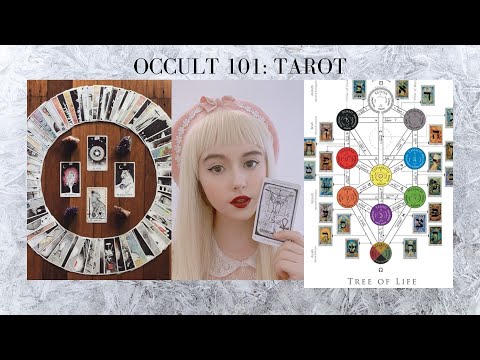
The air crackles with the weight of ancient whispers. We stand at a crossroads, peering into the shadowy origins of religious doctrine, a complex tapestry woven with threads of control, astronomical observation, and the primal fear of the unknown. The figure of Saturn, often relegated to a distant planet in our modern sky, looms large in this ancestral narrative. It’s a celestial body that has been inextricably linked to the very foundations of religious belief, a cosmic architect of our spiritual and societal structures.

In this exploration, we delve into the profound, often unsettling, connections between Saturn and the religious systems that have shaped human civilization. From the symbolism embedded in sacred texts and rituals to the psychological underpinnings of faith, we unearth the hidden currents that have guided us, for better or worse. This isn't about demonizing any particular faith; it's about understanding the archetypal forces at play, the raw energies that have been channeled, and sometimes, misguidedly controlled, for millennia. The ancients looked to the heavens, and in the predictable, cyclical march of the planets, they found patterns that mirrored life on Earth. Saturn, with its slow, deliberate orbit, became a potent symbol of order, discipline, karma, and the inevitable consequences of our actions. It was the great teacher, the taskmaster, the embodiment of structure itself. But this structure, when weaponized, can become a cage.

The insights of figures like Jordan Maxwell, though he has since passed, resonate with a startling prescience, particularly when we observe today's societal trends. His lectures, often provocative, cut through the dogma to reveal underlying patterns. He spoke of how Saturn’s influence permeated various ancient cultures, often misunderstood or deliberately obscured by later religious interpretations. The reverence for a celestial body that governed time, agriculture, and destiny was a potent force, easily co-opted by those seeking to establish systems of control. The very names of our days of the week – Friday (Venus), Saturday (Saturn), and Sunday (Sun) – are a testament to the enduring legacy of this planetary reverence, a constant reminder of the cosmic influences that have always been woven into the fabric of our lives.

The Serpent in the Garden: Saturn's Archetypal Reign

"The thing that hath been, it is that which shall be; and that which is done is that which shall be done: and there is no new thing under the sun."

This ancient wisdom from Ecclesiastes rings true when we examine the cyclical nature of power and control. The serpent, a recurring motif in many creation myths and religious narratives, often symbolizes knowledge, transformation, or temptation. In some Gnostic traditions, as noted by Carl Jung, Sophia's descent led to the begotten of Saturn, who was identified with Yahweh. This highlights a complex, often dualistic interpretation of the divine, where creation and order are intertwined with a darker, more serpentine influence. Irenaeus's historical accounts underscore the Gnostic view of Saturn as a figure of significant, albeit sometimes problematic, divine origin.

The "black cube" associated with Saturn is another powerful symbol that has entered the modern discourse. While its precise origins and interpretations are debated, it evokes a sense of restriction, a contained force, or perhaps a portal to different dimensions of consciousness. When we consider that some ancient civilizations, like the Aztecs and Maya, did not depict their deities with horns, unlike certain interpretations in other cultures, it emphasizes the varied symbolic language used across different belief systems. The idea that "everything is created as an instrument of control by the ancient reptilians" is a strong statement reflecting a deep-seated suspicion of external forces dictating existence, often linked to the aforementioned serpentine imagery found in places like the Vatican.

However, it's crucial to approach such grand theories with critical thinking. While patterns of control and celestial influence are undeniable, attributing all religious structures to a singular, external malevolent force oversimplifies the rich tapestry of human spirituality. The message of figures like Jesus, for instance, is often seen as a radical act of liberation, emphasizing the sacredness of the individual and speaking out against oppression. The church, as an institution, may have deviated from this spirit, but the core tenets of love and freedom remain potent. The misinterpretation of symbols, like the horns worn by Native American warriors signifying strength and bravery, rather than moon worship, highlights the dangers of superficial analysis and the need for meticulous research from credible sources.

Reclaiming Your Sovereignty: Beyond the Cosmic Cage

The pervasive theme is one of control versus liberation. Many religious narratives, intentional or not, can foster a sense of dependence and external authority. The fear of a punitive deity, the adherence to rigid dogma, and the suppression of individual will are all tools that can be used to maintain societal order, but at the cost of personal empowerment. Today, we see this manifesting not just in traditional religious structures but in the pervasive influence of technomancy and the digital ecosystem, where new forms of control are subtly emerging. Understanding the historical patterns of Saturnian influence offers us a critical lens through which to view these contemporary forces.

The question then arises: if every religion is perceived as a system of control, what is the alternative? Secularism is one path, focusing on human reason and ethics. However, pure secularism can sometimes leave a void in the human need for meaning and connection. The challenge lies in synthesizing the wisdom of ancient traditions with a modern understanding of psychology, astronomy, and the burgeoning field of digital divination. We must learn to discern the archetypal energies from the dogmatic interpretations. The key is to engage with these forces consciously, rather than being passively dictated by them. This involves deep personal introspection, critical analysis of information, and a firm commitment to one's own inner authority.

Your Operation: Charting Your Own Spiritual Course

In the spirit of reclaiming your spiritual sovereignty, your operation is this: Identify one aspect of traditional religious symbolism or practice that resonates with you, and then research its potential Saturnian or archetypal roots. This could involve examining the symbolism of the cross, the crescent moon, or specific deities. Then, using an oracle tool, ask yourself: "How can I best harness the energy of discipline and structure (Saturn's positive aspect) in my life without falling into rigidity or external control?"

For those seeking to deeply engage with the symbolic language of the cosmos and harness its energies with precision, the practice of sigil creation is invaluable. It allows for the direct encoding of intention into a potent symbol. To streamline this process and ensure accuracy, I often rely on tools that can quickly generate and visualize these intricate designs. Our own Chaos Magick Sigil Generator app has proven to be an indispensable asset, allowing me to focus on the intent rather than the tedious mechanics of design, ensuring that each sigil is a direct manifestation of will.

Mage's Arsenal

  • Essential: Chaos Magick Sigil Generator - For direct intention encoding and symbolic creation.
  • "The Golden Bough" by James George Frazer - A foundational work on comparative mythology and religion.
  • "The Mystical Significance of the Sabbatic Goat" by Manly P. Hall - Explores esoteric symbolism and the goat imagery often linked to occult traditions.
  • "The I Ching Oracle" app - For understanding cycles of change and seeking guidance through ancient wisdom.
  • "Cosmos" by Carl Sagan - For a scientific perspective on our place in the universe, providing a counterpoint to mystical interpretations.

Veredicto del Practicante

The enduring influence of Saturn on religious thought and practice is undeniable. While historical analysis often points to its role in establishing order, discipline, and karma, it's crucial to remain vigilant against its potential misuse for control and manipulation. The key is not to reject these ancient energies but to understand them and integrate them consciously into our spiritual practice. The true path lies in recognizing the divine spark within oneself, a concept often obscured by institutional dogma. We must embrace critical thinking, personal experimentation, and the wisdom gained from diverse cultures and disciplines, including the insights offered by technomancy and digital tools like sigil generators and oracles, to chart our own authentic spiritual course.

FAQ

  • What is the significance of Saturn in ancient religions? Saturn was often associated with time, discipline, karma, agriculture, and the establishment of cosmic and societal order.
  • How did Gnostic traditions view Saturn? Some Gnostic texts identified Saturn with the creator deity Yahweh, highlighting a complex, dualistic view of the divine.
  • What is the "black cube" associated with Saturn? It's a debated symbol, often interpreted as representing restriction, containment, or a portal to other dimensions of consciousness.
  • Are all religions systems of control? While many religious institutions can exhibit controlling tendencies, their core messages and origins are varied, with some emphasizing liberation and individual empowerment.
  • What is Technomancy? It refers to the practice of using technology, such as AI and digital tools, in magical or spiritual work.

Practitioner's Note: True magick requires resources. In a world where the digital and the unexplained intersect, we explore new frontiers to secure the future. Do you dare to be part of the vanguard? Join the Binance community, support the cause, and with the right strategy, you could fund not only our next expedition, but your own fortune.
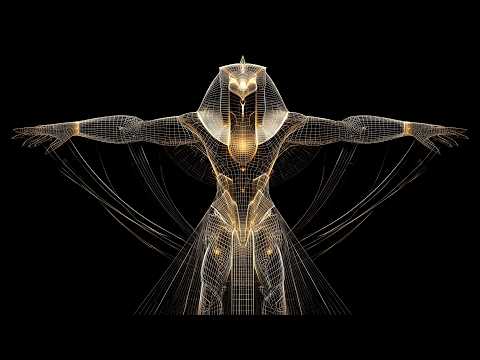
What Is Tarot? A Practical Key to the Universe for the Modern Practitioner


The scent of aged paper, the subtle hum of unseen energies, the weight of symbolism in your hand – Tarot. For some, it's mere fortune-telling. For others, a theatrical prop. But for the serious practitioner, the Tarot is far more: it is a pictorial key, a map of consciousness, and a potent tool for navigating the intricate pathways of reality. This isn't about predicting a fixed future; it's about understanding the forces at play, both within you and in the wider matrix of existence. Let's peel back the layers, stripping away the superstition to reveal the raw, practical power of the Tarot.

Historical Whispers: The Tarot's Esoteric Roots

While its exact origins are shrouded in the mists of time, the Tarot didn't spring fully formed into being. Its journey likely began as a deck of playing cards in 15th-century Europe, gradually evolving into the esoteric marvel we recognize today. Figures like Eliphas Levi, Papus, Stanislas de Guaita, and Oswald Wirth, pioneers in the occult revival, recognized its profound symbolic depth. They saw beyond the game, linking the cards to Kabbalistic principles, astrology, and the very archetypes of the collective unconscious that Carl Jung would later explore. This isn't just a deck; it's a visual language, a system designed to communicate with the deeper self and the universe.

The Architecture of the Arcana: Major and Minor

At its core, a standard Tarot deck is divided into two main sections: the Major Arcana and the Minor Arcana. Think of it as a grand narrative or a comprehensive system. The Major Arcana represents the significant life lessons, spiritual archetypes, and major turning points, while the Minor Arcana mirrors the events and circumstances of everyday life, broken down into four suits.

The Major Arcana: Archetypes of the Soul's Journey

Comprising 22 cards, the Major Arcana are the trump cards, the archetypal figures that populate the landscape of the human psyche and spiritual development. From the naive yet potent leap of The Fool, representing new beginnings and a leap of faith (often linked to Diogenes or a similar archetype of embracing simplicity), to the profound culmination of The World, symbolizing completion and integration, these cards speak of universal human experiences. Cards like The Magician, The High Priestess, The Emperor, and The Empress aren't just static images; they are active forces, embodiments of will, intuition, structure, and nurturing power. Understanding these archetypes is crucial for anyone delving into Technomancy or seeking to understand the foundational energies that shape our reality.

The Minor Arcana: The Flow of Daily Existence

The 56 cards of the Minor Arcana are divided into four suits, typically Wands, Cups, Swords, and Pentacles (or variations thereof). Each suit corresponds to a different aspect of human experience: Wands to creative energy, passion, and action; Cups to emotions, relationships, and intuition; Swords to thought, conflict, and challenges; and Pentacles to the material world, finances, and the physical body.

The numbered cards (Ace through 10) represent the progression of experiences within each suit, from the emergence of a new potential (Ace) to the culmination or challenge of a cycle (10). The Court Cards—Page, Knight, Queen, and King—represent individuals, personalities, or specific modes of approaching these energies. The interplay between these suits and numbers provides the granular detail, the "what-ifs" and the daily dynamics, that complement the grander themes of the Major Arcana.

Tarot as a Tool for Technomancy and Self-Discovery

The true power of Tarot isn't in passive prediction; it's in active engagement. It serves as a sophisticated interface for the subconscious mind, a means to access insights that might otherwise remain buried. Think of each card as a glyph, a piece of code in a larger symbolic operating system. By learning to read these glyphs, you begin to understand the underlying logic of your experiences. This is where Digital Divination can truly shine, and where tools can augment the process. For instance, consulting detailed astronomical charts or Kabbalistic correspondences can deepen understanding, but the sheer volume of information can be overwhelming. This is precisely why utilizing specialized tools can streamline the process, allowing you to focus on the core of the operation. For example, the Lunar Phase Calculator can provide critical timing insights for your readings, ensuring your practice aligns with potent energetic cycles.

The Book of Thoth: A Deeper Dive into Symbolic Language

For those seeking a more advanced, intellectually rigorous approach, Aleister Crowley's The Book of Thoth is an essential, albeit dense, text. It offers a comprehensive exploration of the Tarot through the lens of the Great System of Magick, integrating Kabbalah, astrology, and a unique symbolic framework. It's not entry-level reading; it requires dedication and a willingness to grapple with complex metaphysics. Understanding the celestial intelligences and the angelic and demonic hierarchies associated with each minor arcana card, as detailed by Crowley and others like Eliphas Levi, reveals layers of intricate power that can be harnessed by the dedicated practitioner. This complexity underscores why practical tools for organization and reference are so valuable.

Crafting Your Own Deck: Imprinting Your Intent

The superstition that one cannot buy their own Tarot deck is just that – a superstition, often rooted in historical stigma against playing cards and divination. Creating your own deck, however, offers a unique and powerful avenue for personal connection and energy imprinting. As some practitioners wisely note, making your own deck is a profound way to infuse your personal energy and intent into the very fabric of the tool. This act of creation can be as significant as any ritual. For those embarking on this path, a tool that aids in the design and generation of symbols is invaluable. The Chaos Magick Sigil Generator can be a powerful ally in this process, allowing you to translate your intentions into unique visual forms that can then be incorporated into your hand-crafted cards.

Practical Application: Beyond Divination

While Tarot's divinatory aspect is well-known, its applications extend far beyond predicting the future. It is a powerful tool for shadow work, self-reflection, and creative inspiration. Each card presents a symbolic narrative, an archetype that can be explored through meditation, journaling, or even artistic expression. For instance, meditating on The Hermit can illuminate periods of introspection and the search for inner wisdom, while The Tower can serve as a catalyst for understanding necessary upheaval and destruction of limiting structures in your life. This is where the practice of Rituals with IA, while nascent, starts to intersect with ancient symbolic systems – using structured symbolic inputs to catalyze specific mental states or manifestations. Exploring the symbolic connections between Tarot and other esoteric systems, like the I Ching or Norse Runes, further expands its utility. Tools like the I Ching Oracle can offer complementary perspectives, enriching your understanding of cyclical change and destiny.

"The Tarot is a pictorial representation of the forces of the universe and of the path of human consciousness through them."

Practitioner's Verdict

The Tarot is not a passive oracle but an active partner in self-exploration and magical practice. Its strength lies in its depth, its intersection with various esoteric traditions (Kabbalah, astrology), and its ability to act as a tangible representation of abstract concepts. While the "new age fluff" often associated with Tarot can be misleading, its core as a symbolic system and an archetypal map is undeniable and incredibly potent for serious practitioners. The key is to approach it with a critical, experimental mindset, seeking understanding and practical application rather than absolute pronouncements.

Mage's Arsenal

  • Essential: Chaos Magick Sigil Generator (Link) - For creating unique symbols and sigils as visual anchors for intent, perfect for custom decks or personal magical operations.
  • The Book of Thoth by Aleister Crowley - For advanced study of Tarot symbology and its integration with Magick.
  • 78 Degrees Of Wisdom by Rachel Pollack - A comprehensive and accessible guide to Tarot.
  • Lunar Phase Calculator (Link) - For timing rituals and readings with cosmic alignments.
  • I Ching Oracle (Link) - For complementary divinatory insights and understanding cyclical change.
  • Goetian Seals Generator (Link) - Useful if exploring the deeper, more challenging aspects of the Tarot's connections to ceremonial magic.

FAQ

  • Can I really buy my own Tarot deck?
    Absolutely. The idea that you cannot buy your own deck is a modern superstition. The most powerful deck for you is the one you connect with and use consistently.
  • What's the difference between Tarot and Oracle decks?
    Tarot decks follow a structured system of 78 cards with Major and Minor Arcana, rich in symbolism and historical esoteric connections. Oracle decks are far more varied, with custom structures and themes, often focusing on specific spiritual messages or archetypes outside the traditional Tarot framework.
  • How do I start learning Tarot if I'm a complete beginner?
    Start with a deck that calls to you visually. Focus on understanding the Major Arcana first, then gradually integrate the Minor Arcana. Meditate on individual cards, journal your thoughts, and practice simple spreads like a three-card pull.
  • Can Tarot be used for something other than predicting the future?
    Yes, and this is where its true power lies. It's an excellent tool for self-reflection, shadow work, understanding personal archetypes, creative inspiration, and as a symbolic language for magical operations.

Your Operation

Take a moment to select a single card from a Tarot deck (yours or a digital representation). Study its imagery intently. What emotions does it evoke? What thoughts arise? Now, consider this card not as a prediction, but as a symbol of an energy currently active within you or your immediate environment. How can you consciously engage with or transform this energy through a simple act of will or intention, perhaps by designing a sigil representing your chosen focus for this energy using our Chaos Magick Sigil Generator, or by performing a brief contemplation exercise?

Practitioner's Note: True magick requires resources. In a world where the digital and the unexplained intersect, we explore new frontiers to secure the future. Do you dare to be part of the vanguard? Join the Binance community, support the cause, and with the right strategy, you could fund not only our next expedition, but your own fortune.
Godform Assumption: The Golden Dawn Ritual They Don't Teach Beginners


Introduction: Beyond Prayer

Many approach magick like making a casual phone call to the cosmos: they offer a prayer, a hopeful whisper into the void, and wait for a spirit to answer. In the hallowed halls of the Golden Dawn's Inner Order, however, the approach is fundamentally different. We don't simply knock on the door; we build the temple within. We don't ask for connection; we become the connection. This isn't about pleading for divine favor; it's about embodying divine authority. This is the essence of Godform Assumption, a technique that transcends beginner's supplications and ventures into the heart of High Magick. It's about engineering a pneumatic astral shell, a vessel for divine consciousness, and stepping into it to rewrite your very operating system.

The modern occult landscape often presents simplified versions of complex rituals. We see endless content on sigil creation, basic banishing rituals, and even introductory courses on astrology. While these are valuable stepping stones, they rarely touch upon the profound, transformative practices that lie at the core of true magical mastery. This post aims to demystify one such practice: Godform Assumption, a cornerstone of ceremonial magick that allows the practitioner to temporarily embody the qualities and consciousness of a specific deity or divine principle. This is not merely a visualization exercise; it’s a psycho-spiritual technology designed to fundamentally alter one's energetic and conscious state. To truly grasp this, we must delve into the mechanics that underpin this potent operation, much like understanding the architecture of a sophisticated AI before attempting to run complex algorithms.

The Mechanics of Godform Assumption

At its core, Godform Assumption involves the conscious and deliberate identification with and embodiment of a specific divine entity or archetype. This is far removed from simple role-playing or daydreaming. It requires a deep understanding of the chosen deity's attributes, symbolism, mythology, and energetic signature. Think of it as advanced technomancy: you are not just using a tool; you are *becoming* the tool, infusing your own consciousness with the specified parameters.

The process can be broken down into several critical phases:

  1. Intention Setting: Clearly define *why* you are performing this operation. Are you seeking to embody Thoth for wisdom and knowledge, Horus for courage and victory, or Isis for nurturing and protection? The clarity of your intention is paramount, as it will direct the energetic flow.
  2. Deity Study: Immerse yourself in the chosen deity. This involves studying their myths, symbols, associated planets, elements, colors, and even their name and sacred geometry. This isn't academic research; it's energetic reconnaissance. Understanding Austin Osman Spare's work on sigilization is foundational here, as it teaches how to imbue symbols with intent.
  3. Energetic Resonance: Through meditation, visualization, and ritual, begin to attune your own energy field to the vibration of the deity. This might involve chanting their name, meditating on their symbols, or performing specific movements associated with them.
  4. The Assumption: This is the climax of the operation. Through a precise sequence of visualization, breathwork, and potentially spoken invocation, you consciously 'step into' the identity of the deity. You are no longer merely *thinking about* Horus; you are *being* Horus for the duration of the ritual. This often involves visualizing yourself transforming, or a divine form overlaying your own.
  5. Embodied Manifestation: Once assumed, you embody the traits and consciousness of the deity. Your actions, thoughts, and even your posture will reflect this divine frequency. This is where the true power lies, as you channel their specific qualities into your reality.
  6. Release and Integration: After the operation, it is crucial to consciously release the assumed godform, returning to your individual human consciousness. This is typically done through a specific ritual of release, ensuring you integrate the experience without residual energetic entanglement. This prevents a kind of psychic overload or identity diffusion.

This process requires significant discipline and preparation. It’s akin to preparing an advanced pilot for a complex flight simulation that involves overriding standard controls with experimental ones, pushing the boundaries of human capability. The initial stages of this ritual can feel like a strain on the nervous system, a sensation some have described when encountering intense spiritual entities. However, with proper technique, this is not possession, but a controlled assumption.

Engineering Your Divine Shell

The concept of a "pneumatic astral shell" might sound esoteric, but it’s a practical metaphor for an energetic construct. Think of it as designing a sophisticated avatar in a virtual reality, but one that interacts with the subtle energies of existence. You are not just imagining a form; you are constructing a temporary energetic body, imbued with specific capabilities. This is where the principles of technomancy and digital divination begin to merge with ancient practices.

The key is to move beyond passive belief and engage in active creation. Instead of a telephone call where you hope someone picks up, you are building a direct line of communication by *becoming* the operator on the other end. This involves a meticulous understanding of the symbolisms associated with the chosen deity. For instance, if embodying Thoth, the Egyptian god of wisdom, scribes, and magic, one would study his ibis-headed iconography, his role as the recorder of divine decrees, and his association with the moon and writing.

The process is iterative and often requires a deep dive into specialized texts. While basic sigil generation is accessible, crafting a sophisticated 'divine frequency' requires more than just intent. It necessitates precise energetic engineering. For practitioners looking to streamline this intricate process, tools designed for the generation of complex magical symbols, such as the Chaos Magick Sigil Generator, can be invaluable. They allow for the rapid creation of precise sigils and visualizations that can serve as focal points for the assumption, ensuring geometric accuracy and energetic potency.

Overriding Your Nervous System with Divine Frequency

This is perhaps the most challenging and transformative aspect of Godform Assumption. It’s about introducing a 'divine frequency' that overrides your mundane human nervous system. This is not about suppressing your humanity, but about temporarily overlaying it with a higher, more potent energetic signature. Imagine a sophisticated piece of software designed to run on standard hardware; Godform Assumption is like installing a new, advanced operating system that enhances and recalibrates the existing functions.

The experience can be intense, and some describe it as feeling their nervous system becoming overloaded, especially during initial encounters with powerful spiritual entities or when attempting complex assumptions. This is not a sign of failure or possession, but an indication that your current energetic framework is expanding to accommodate a new paradigm. Think of it like a biohacker optimizing their own biological systems for peak performance; you are recalibrating your internal 'hardware' to receive and transmit higher vibrational data. This is where the concept of the 'gnostic state' becomes incredibly relevant, as achieving this state of altered consciousness is crucial for the successful integration of divine frequencies. The ability to enter and maintain such states is the mark of an advanced practitioner.

For those who find it challenging to consistently achieve the necessary states of consciousness or to maintain the precise energetic focus required for such advanced work, structured guidance can be immensely beneficial. Exploring resources that delve into the intricacies of consciousness and energy manipulation is key. Many practitioners find that having access to tools that aid in focusing intent and energy, especially for creating complex symbolic representations, significantly enhances their ability to perform such advanced operations. This is where the careful selection of your magical arsenal becomes crucial.

Practical Application: Your Operation

The fundamental principle behind Godform Assumption is the conscious manipulation of consciousness itself. It's about stepping outside your habitual self and temporarily adopting a more powerful, archetypal identity. This is not a novice practice, and it requires a solid foundation in core magical principles, such as effective banishing rituals and a deep understanding of your own psyche. A Tibetan Buddhist practice of generating oneself as a yidam deity, for example, requires extensive preliminary purification and is not for beginners.

Consider this: if you want to embody Horus, the god of the sky, kingship, and protection, you must first understand what Horus represents. You need to absorb his mythology, his symbolism (the falcon, the Eye of Horus), and his energetic qualities (authority, divine sight, fierce protection). Then, through a structured ritual, you would invoke this essence, not as a prayer, but as an invitation to merge. You would visualize a falcon-headed form, feel its power coursing through your veins, and align your intent with its divine purpose.

This is where the practical tools of a modern magician come into play. While inner work is paramount, external aids can significantly enhance your ability to focus and manifest. For instance, understanding the subtle shifts in energetic tides can inform the timing of your operations. The Lunar Phase Calculator can help you align your rituals with auspicious periods, ensuring greater potency and resonance. Beyond timing, the ability to precisely generate and visualize complex symbols is equally vital. Tools like the Chaos Magick Sigil Generator can help you create potent personal sigils that serve as anchors for your divine assumption.

Even seemingly mundane actions can be transformed into profound magical operations when approached with the right mindset. The act of replenishing resources, whether for your magical practice or for your daily life, can be experienced as an act of divine providence and abundance. The key is to imbue the action with intent and awareness, transforming it from a routine task into a manifestation of divine will. Some have reported feeling like a god when restocking supplies, a testament to how intention can elevate everyday actions.

Mage's Arsenal

  • Essential: Chaos Magick Sigil Generator - For precisely crafting the symbolic anchors and energetic focal points required for Godform Assumption.
  • The Complete Golden Dawn System of Magic by Israel Regardie - The foundational text for understanding the Golden Dawn system.
  • Liber Null by Peter J. Carroll - For an introduction to Chaos Magick principles and techniques that inform advanced practices.
  • A high-quality journal and writing implements - For meticulous recording of your operations, intentions, and results.
  • Access to detailed deity lore and mythology - Whether through books or reputable online encyclopedias.
  • Lunar Phase Calculator - To strategically time your operations with cosmic rhythms.

Frequently Asked Questions

  • Is Godform Assumption dangerous for beginners? Godform Assumption is an advanced technique. While not inherently dangerous if approached with respect and preparation, beginners are strongly advised to build a solid foundation in basic magickal practices, such as banishing rituals and energy work, before attempting this.
  • How long should I maintain the assumed Godform? The duration varies greatly depending on the practitioner's skill and the specific goal of the operation. It can range from a few minutes to several hours. The key is to maintain conscious awareness and control throughout the process and to release the form properly afterwards.
  • What happens if I can't 'feel' the divine frequency? This is common, especially initially. Consistency and patience are key. Continue with your deity study, energetic attunement exercises, and practice the assumption ritual regularly. Focus on the symbolic representation and the intent, the feeling will often follow with persistent practice.
  • Can I combine Godform Assumption with other practices? Yes, many advanced practitioners integrate Godform Assumption with other magical systems, such as Tantric Buddhism or systems involving yidam deities, provided they have the necessary preparatory work and understanding. The core principles of embodiment and energetic transference are often universal.
  • How do I ensure I'm not being possessed? Proper Godform Assumption is about conscious embodiment, not involuntary possession. The key differences lie in intent, control, and the ritual of release. You are the active agent, choosing to adopt the form. At the end of the operation, you consciously release it, returning to your own identity.

The journey into High Magick is a path of transformation. Godform Assumption is a powerful gateway, allowing you to transcend limitations and tap into archetypal forces. It demands discipline, study, and courageous experimentation. Embrace the process, engineer your divine shell, and prepare to experience reality on an entirely new frequency.

Your Operation

Choose a deity or a powerful archetype that resonates with your current goals. Dedicate time to study their attributes and symbolism. Then, design a simple, focused ritual where you will attempt to embody their essence for a short period (e.g., 15-30 minutes). Record your intention, the deity chosen, the key symbols you used, and any sensations, thoughts, or insights you experienced during and after the assumption. How did it feel to temporarily step out of your habitual self?

Practitioner's Note: True magick requires resources. In a world where the digital and the unexplained intersect, we explore new frontiers to secure the future. Do you dare to be part of the vanguard? Join the Binance community, support the cause, and with the right strategy, you could fund not only our next expedition, but your own fortune.

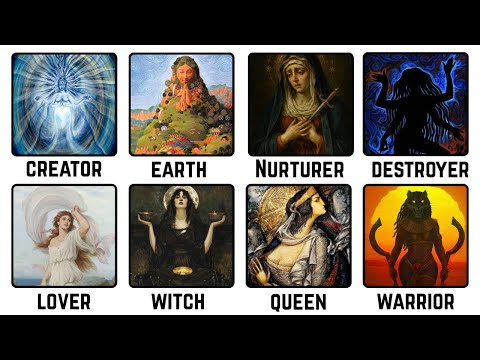
Unveiling Every Divine Feminine Archetype: A Pragmatic Exploration for Modern Practitioners


The tapestry of the human psyche is interwoven with powerful, recurring patterns. These aren't mere characters in ancient myths; they are the very architecture of our inner experience, potent forces shaping our reality. The Divine Feminine, far from being a simplistic notion of "niceness," is a complex spectrum of energies. Understanding these archetypes is not about blind belief, but about recognizing and harnessing these forces within ourselves. This exploration delves into the core feminine archetypes, dissecting their psychological and spiritual functions to equip you for your own practice, moving beyond mere storytelling into actionable self-mastery.

Tabla de Contenidos

The Creator / Cosmic Mother: The Prime Mover

Before anything can manifest, it must first be conceived. The Creator archetype embodies pure potential, the primordial force of genesis. Think of it not as a gentle nurturer, but as a raw, unbridled power that sparks existence into being. This isn't about passive creation; it's the dynamic impulse that initiates all things. Psychologically, it represents our capacity for original thought, innovation, and the sheer will to bring something new into the world. It’s the cosmic breath that ignites stars and, on a personal level, the surge of inspiration that drives breakthroughs. Understanding this archetype means recognizing the inherent power of intention at its most foundational level. For those seeking to initiate new projects or overcome inertia, attuning to the Creator energy is paramount. This raw power is often explored in advanced texts on cosmology and the origins of consciousness.

The Earth Mother: Foundation and Sustenance

Once created, life requires grounding and sustenance. The Earth Mother is the archetype of the physical realm, the provider of resources, and the anchor of reality. She represents fertility, abundance, and the nurturing embrace of the planet itself. Psychologically, this archetype connects us to our physical bodies, our need for security, and our capacity to sustain ourselves and others. It's the energy that allows life to flourish, providing the dense, tangible energy necessary for existence. This archetype is deeply tied to the cycles of nature, growth, and the physical expression of abundance. Many cultures represent this through deities associated with agriculture and the land. Exploring the connection between elemental forces and archetypal expression, particularly earth and water, can offer profound insights into this energy. If you find yourself disconnected from your physical reality or struggling with grounding, invoking the Earth Mother’s energy can be profoundly stabilizing.

The Nurturer / Caregiver: The Heart of Compassion

The Nurturer embodies empathy, compassion, and selfless care. This is the energy that tends to wounds, soothes distress, and fosters growth through gentle attention. Psychologically, it’s our capacity for deep connection, unconditional love, and the drive to protect and heal. While sometimes associated with a milder form of feminine energy, the Nurturer's power lies in its unwavering dedication and its ability to create a safe haven. It’s the energy that allows communities to thrive and individuals to feel seen and supported. This archetype also highlights the importance of self-care; to nurture others effectively, one must first tend to their own inner wellspring. Many find solace and guidance through practices dedicated to the Nurturer, often involving elements of healing practices and emotional regulation.

The Destroyer / Transformer: The Catalyst for Change

Often misunderstood and feared, the Destroyer archetype is not about malice, but about necessary transformation. This is the force of dissolution that clears away the old to make way for the new. Think of wildfire clearing a forest to allow new growth, or the shedding of old skin for a serpent. Psychologically, it represents our capacity to let go of outmoded beliefs, limiting patterns, and attachments that no longer serve us. It is the energy of radical change, catharsis, and rebirth. Without this archetype, stagnation sets in, preventing evolution. Embracing the Destroyer means understanding that endings are integral to new beginnings. This potent energy is explored in depth by figures like Carl Jung in his work on individuation, and its raw power is often represented by fierce goddesses like Kali. Understanding these transformative cycles is key to navigating personal and collective upheaval.

The Lover / Muse: The Embodiment of Desire and Connection

The Lover archetype is the embodiment of passion, sensuality, and deep connection. It is the force that draws us together, ignites desire, and inspires creativity. Psychologically, it represents our capacity for intimacy, aesthetic appreciation, and the drive to experience pleasure and beauty. This archetype is not solely about romantic love; it's about the passionate engagement with life itself, the pursuit of art, beauty, and profound connection in all its forms. It's the muse that sparks artistic creation and the deep bond that fuels relationships. For practitioners, understanding the Lover archetype can unlock greater creativity and capacity for meaningful connection. The exploration of desire and its role in the spiritual path is a complex subject, often touched upon in esoteric philosophy.

The Witch / Seer: Master of Intuition and Mystery

The Witch archetype is the custodian of intuition, mystery, and the untamed aspects of the feminine. She operates beyond the confines of logic, accessing inner knowing and symbolic understanding. Psychologically, this archetype connects us to our subconscious, our psychic abilities, and our capacity for nonlinear insight. It's the power of the intuitive leap, the seer who perceives hidden truths and navigates the unseen realms. This archetype embodies wisdom gained through experience and a deep connection to the natural world and its hidden currents. It's about knowing without needing explicit proof, trusting the inner voice. For those looking to enhance their intuition and understanding of subtle energies, engaging with the Witch archetype is essential. The misunderstood history of witchcraft also presents a fascinating lens through which to examine societal reactions to feminine power and knowledge.

The Queen / Sovereign: The Pillar of Authority and Order

The Queen archetype represents authority, leadership, and the establishment of order. She governs with wisdom, integrity, and a clear vision. Psychologically, this archetype connects us to our inner sense of sovereignty, our ability to set boundaries, manage resources, and lead with purpose. It’s about taking responsibility for one's domain, whether that's a personal life, a family, or a larger community. The Queen is not about domination, but about dignified command and the harmonious structuring of life. She embodies the capacity for self-rule and the ability to create a functional and prosperous environment. Cultivating the Queen's energy can empower individuals to take charge of their lives with confidence and clarity. Mastering this archetype often involves understanding principles of leadership and organizational psychology.

The Warrior / Protector: The Force of Vigor and Defense

The Warrior archetype is the embodiment of strength, courage, and the determined will to protect what is valuable. This is the energy that confronts challenges head-on, defending oneself and one’s principles with vigor and strategic action. Psychologically, it represents our capacity for assertiveness, resilience, and the drive to overcome obstacles. While often associated with masculine energy, the Divine Feminine Warrior is a fierce protector, a guardian of sacred spaces and truths. She fights battles not for conquest, but for preservation and justice. Engaging this archetype means developing the courage to stand firm, protect boundaries, and persevere through adversity. This is not about aggression, but about the powerful defense of life and spirit. Resources on self-defense psychology and martial discipline can shed light on the practical application of this energy.

Integrating the Archetypes: The Path to Wholeness

The true power of the Divine Feminine lies not in embodying a single archetype, but in integrating all of them. These are not separate entities, but facets of a complex whole. An imbalance occurs when one archetype dominates to the exclusion of others, or when they are suppressed. For instance, an unchecked Nurturer might lead to burnout, while a suppressed Warrior might result in a victim mentality. The goal is fluidity—the ability to call upon the appropriate energy for any given situation. This is the essence of psychological and spiritual integration, a journey towards becoming a more complete and resilient individual.

Practical Application: Harnessing Archetypal Power

How do we actively engage with these archetypes? It begins with recognition. Observe these energies in your own life and in the dynamics around you. Journaling about your experiences, identifying which archetypes are most prominent for you and which are underdeveloped, is a potent first step. Visualization practices, meditation, and even creative expression can be tailored to engage specific archetypes. For example, when experiencing creative block, visualize the Creator’s spark. When needing to set boundaries, call upon the Queen’s authority. When facing a difficult decision, seek the Witch’s intuition. This isn’t about adopting a persona; it’s about consciously accessing and embodying these innate potentials.

Arsenal del Mago

  • Books: "Women Who Run With the Wolves" by Clarissa Pinkola Estés (essential for understanding the narrative and psychological depth of feminine archetypes), "The Hero with a Thousand Faces" by Joseph Campbell (for understanding archetypal patterns across genders and cultures), and "The Kybalion" for foundational principles of Hermetic philosophy.
  • Tools: A well-chosen Tarot deck (like the Rider-Waite-Smith or Thoth, for their rich symbolic language), a dedicated journal for archetype tracking, and high-quality art supplies for creative expression.
  • Resources: Online courses on Jungian psychology, mytho-poetic studies, and guided meditations focusing on specific archetypes.

Preguntas Frecuentes

  • ¿Son los arquetipos del Feminino Divino solo para mujeres? No, los arquetipos son patrones universales de la psique humana y son relevantes para todas las personas, independientemente de su género.
  • ¿Qué sucede si un arquetipo se siente "negativo" o "peligroso"? Los arquetipos no son inherentemente buenos o malos; son energías con potencial para la manifestación constructiva o destructiva. El "peligro" a menudo surge de su desequilibrio o supresión, o de una falta de habilidad para manejarlos conscientemente.
  • ¿Cómo distingo entre un arquetipo y un simple rasgo de personalidad? Los arquetipos son patrones psíquicos primordiales, mucho más profundos y universales que los rasgos de personalidad individuales, que son influenciados por experiencias personales y entorno.
  • ¿Pueden los arquetipos manifestarse en mi vida diaria? Absolutamente. Desde la energía creativa que utilizas en tu trabajo hasta la forma en que cuidas a tus seres queridos, los arquetipos están constantemente operando y manifestándose en tus acciones, pensamientos y emociones.

Tu Operación: Definir Tu Equilibrio Arquetípico

Ahora, lleva este conocimiento a la práctica. Dedica tiempo a la introspección. Reflexiona sobre el contenido de este artículo y pregúntate: ¿Cuáles de estos arquetipos resuenan más fuertemente contigo en este momento de tu vida? ¿Cuáles sientes que están subdesarrollados o en desequilibrio? Haz una lista y define una acción concreta, una pequeña "operación" para invocar el arquetipo que deseas fortalecer o equilibrar en la próxima semana. Puede ser tan simple como dedicar 10 minutos al día a una meditación específica, escribir un diario sobre tu experiencia con un arquetipo particular, o realizar una acción que encarne el arquetipo que necesitas. Documenta tus observaciones. La verdadera maestría no reside en el conocimiento, sino en la aplicación consciente.

Practitioner's Note: True magick requires resources. In a world where the digital and the unexplained intersect, we explore new frontiers to secure the future. Do you dare to be part of the vanguard? Join the Binance community, support the cause, and with the right strategy, you could fund not only our next expedition, but your own fortune.

The Most Terrifying Historical Figures Mistaken for Witches: A Pragmatic Analysis


Unveiling the "Witch": Beyond Folklore and Fear

The air crackles with whispers of ancient power, of women wielding forces beyond comprehension. The term "witch" conjures images of cackling crones, dark rituals, and pacts with the infernal. But what if these terrifying figures aren't born of supernatural malevolence, but of very human fears, social control, and the manipulation of narrative? This exploration delves into historical figures branded as "witches," not to perpetuate sensationalism, but to dissect the socio-political mechanisms at play and understand how such archetypes are constructed and wielded. We move beyond the folklore to examine the reality of fear, power, and societal anxieties.

The Witchcraft Accusations: A Lens on Societal Fears

The history of witchcraft accusations is deeply intertwined with periods of significant social upheaval, religious fervor, and patriarchal control. It's crucial to understand that the concept of "witch" has evolved dramatically. During periods like the European witch trials, accusations were often a convenient tool to eliminate undesirables, silence dissent, or scapegoat marginalized individuals. The "witch" became a nexus for anxieties surrounding disease, famine, and perceived moral decay. From a pragmatic standpoint, these accusations were less about actual supernatural incursions and more about the human tendency to externalize problems and seek simple, often brutal, solutions.

The idea of pacts with demonic entities, while central to witch trial confessions, often stemmed from intense psychological pressure, torture, and deeply ingrained religious dogma. Understanding these confessions requires a critical lens, acknowledging the role of coercive interrogation and the desire to conform to the expected narrative of guilt. It’s a stark reminder of how belief systems, when weaponized, can lead to devastating persecutions.

Case Studies: When Fear Manufactured "Witches"

Let's dissect some historical figures who have been painted with the brush of witchcraft, exploring the underlying realities and the myths that took hold.

Agnes Sorel: The Royal Favorite Under Scrutiny

Her posthumous condemnation and the efforts to strip her of her titles by Charles VII's successor, Louis XI, point to political machinations rather than supernatural transgressions. The convenience of a dead scapegoat, especially one associated with the previous regime, was a powerful political tool. The narrative surrounding her influence was reinterpreted through a lens of suspicion, common in eras where women held unconventional power.

Elizabeth Báthory: The Blood Countess and Enduring Myths

Elizabeth Báthory, a Hungarian countess from the late 16th and early 17th centuries, is infamous for the legend that she bathed in the blood of virgins to retain her youth. This gruesome tale, while captivating, is more accurately viewed as a potent blend of historical fact and embellishment. Báthory and her servants were indeed accused of torturing and murdering hundreds of young women. However, the extent of her supposed supernatural practices, like blood-bathing, is largely unsubstantiated and likely a product of the sensationalism that surrounded her trial.

The enduring power of the Báthory myth lies in its primal fear factor. It taps into our deepest anxieties about corruption, abuse of power, and the potential for monstrosity within the seemingly civilized.

Her noble status likely afforded her a degree of protection initially, but the sheer volume of accusations and the testimonies against her eventually led to her confinement. The details of her crimes are horrific, but attributing them to "witchcraft" rather than extreme sadism and abuse of power simplifies a complex, albeit depraved, human reality. Studying figures like Báthory offers insights into the darker aspects of human psychology and the ways societies grapple with evil. The narrative of the "Blood Countess" has become a cornerstone of gothic horror, far removed from the actual legal proceedings.

Merga Bien: The Spanish "Witch" and Social Control

Merga Bien, a woman accused and convicted of witchcraft in Logroño, Spain, in the 17th century, represents a more common archetype of witch trials. Her case, documented in legal records, highlights the societal pressures and fear that fueled these accusations. Modern analysis suggests that many of Bien's alleged confessions were likely coerced through torture, a standard practice during the Spanish Inquisition. The accusations against her – cursing crops, bewitching individuals, and participating in Sabbats – reflect the prevailing fears and superstitions of the era.

The case of Merga Bien underscores the role of social control. Accusations often targeted those who were already marginalized, such as the poor, the elderly, or those who deviated from social norms. The notion of "good witches" vs. "bad witches" or "good sorcerers" is a modern reinterpretation that doesn't fully align with the historical context where any perceived deviation could be branded as heresy or witchcraft. We see similar patterns when examining the persecution of the Templars; their wealth and influence made them targets, with accusations of heresy and sodomy serving to justify their downfall.

Marie Laveau: The Voodoo Queen and Cult of Personality

Marie Laveau, a prominent Voodoo practitioner in 19th-century New Orleans, is a fascinating figure who blurred the lines between shamanism, religious leader, and folk healer. While the term "witch" wasn't her primary designation, the mystique surrounding her practice and the fear some held of Voodoo placed her within a similar cultural archetype. Laveau was a powerful social figure, blending African spiritual traditions with Catholicism and exercising considerable influence over both the Black and white communities.

Her reputation was a complex tapestry woven from genuine spiritual efficacy, shrewd social navigation, and perhaps a touch of manufactured mystique. She provided remedies, spiritual guidance, and allegedly even advised on criminal matters. The enduring legends about her powers and her ability to appear in multiple places at once speak to a powerful cult of personality. Her story highlights how individuals who operate outside mainstream religious and social structures, especially those with unique spiritual practices, can become subjects of fascination and fear, often labelled with terms that fit contemporary anxieties, including "witchcraft."

Modernity's Echoes: The "Witch" in Contemporary Society

Today, the concept of the "witch" has seen a significant resurgence, often reclaimed as a symbol of female empowerment, independence, and connection to nature. Contemporary movements like Wicca and Neo-Paganism embrace the term, divorcing it from its historical persecution. However, the archetypal image of the terrifying figure still lingers in popular culture, often used to represent female power that is perceived as dangerous or untamed. The contrast between historical persecution and modern reclamation is a testament to how cultural narratives evolve.

The question of whether "witches" exist today, in the historical sense, is complex. If we define witchcraft by its historical accusations – malevolent pacts, curses, and supernatural harm – then it's unlikely in the form it was once understood. However, if we consider individuals who actively practice spiritual traditions, perform rituals, and channel energy for personal or communal goals, then yes, such practitioners exist. The key difference lies in intent, method, and societal context. Modern practitioners often emphasize ethical practice and personal growth, a far cry from the demonic pacts of old.

Practitioner's Verdict: Deconstructing the "Witch" Archetype

The historical figures associated with "witchcraft" are not supernatural entities but complex human beings caught in the crosscurrents of fear, power, and societal control. Their stories serve as potent case studies in how narratives of the "other" are constructed and perpetuated. The terror associated with these figures often stems from their defiance of established norms, their perceived or actual wield of influence, or simply their status as convenient scapegoats.

For the modern practitioner, understanding these historical narratives is not about fear but about recognizing the enduring power of archetypes and the psychological mechanisms of accusation and control. The "witch" archetype, stripped of its sensationalism, becomes a symbol of the untamed feminine, of forbidden knowledge, and of the power that exists outside conventional structures. It's a potent reminder that true power often resides in the ability to define one's own narrative, rather than being defined by the fears of others. This historical context is vital for anyone seeking to understand the deeper currents of magic and belief; ignoring it is akin to practicing without a foundational understanding of one's chosen discipline.

Arsenal of the Practitioner

  • "The Trial of the Witches: A Study of the European Witch Hunts" by Norman Cohn - Essential for understanding the historical context and societal drivers of witch trials.
  • "The Golden Bough" by James George Frazer - While dated, it offers broad anthropological perspectives on magic, religion, and ritual across cultures.
  • "The Witch: A History of Fear, from Ancient Rome to the Present Day" by Ronald Hutton - A comprehensive academic overview of the phenomenon.
  • Historical legal documents from specific witch trials (e.g., Logroño trials, Salem Witch Trials) - For a direct look at accusations and confessions.
  • Academic journals on history, anthropology, and sociology focusing on folklore and superstition.

Practical Workshop: Analyzing Historical Narratives for Personal Power

Deconstructing historical narratives is a powerful exercise in critical thinking and self-empowerment. Here’s how to apply it:

  1. Identify a contemporary "witch hunt": This doesn't have to be literal. Look for instances where individuals or groups are demonized or ostracized based on fear, misunderstanding, or prejudice (e.g., media hysteria around certain figures, social media pile-ons).
  2. Analyze the accused: What characteristics, actions, or beliefs make them targets? Are they powerful, influential, or simply different?
  3. Examine the accusers/narrative creators: Who benefits from this demonization? What societal anxieties are being projected onto the accused? What evidence (or lack thereof) is presented?
  4. Deconstruct the narrative: Separate fact from speculation, proven actions from rumor, and genuine threat from manufactured fear.
  5. Find your power: How does understanding these patterns help you navigate your own life, protect yourself from manipulation, and recognize true power versus projected fear in others?

Frequently Asked Questions

Q: Are there any historical accounts that definitively prove witchcraft as depicted in folklore?
A: No. Historical accounts of "witchcraft" are overwhelmingly tied to accusations, confessions (often coerced), and folklore. There is no verifiable, empirical evidence of humans performing supernatural feats in the manner depicted in myths.

Q: What is the difference between a witch and a sorcerer?
A: Historically, the distinction has been fluid and often gendered, with "witch" commonly applied to women and "sorcerer" to men. In modern practice, the terms are often reclaimed and may refer to practitioners of specific magical traditions or those who identify with the archetypal "witch" or "sorcerer" figure.

Q: How did social status affect accusations of witchcraft?
A: While anyone could be accused, social status played a complex role. Powerful individuals might be accused through political machinations or jealousy (like some interpretations of Agnes Sorel), while those with no power (the poor, elderly women) were often easier targets for mass accusations and persecution due to their perceived vulnerability and lack of social protection.

Q: What is the significance of figures like Marie Laveau in understanding witchcraft narratives?
A: Marie Laveau, as a prominent spiritual leader with practices outside the mainstream, demonstrates how individuals wielding significant influence through unconventional means can become subjects of both awe and fear, often being categorized under broader, fear-driven labels like "witchcraft" by those who don't understand or accept her traditions.

Your Operation: Deconstruct a Modern Myth

Select a figure or phenomenon from contemporary culture that is being demonized or sensationalized, analogous to historical "witchcraft" accusations. This could be a controversial public figure, a fringe belief system, or a perceived social threat. Analyze the narrative surrounding this phenomenon using the framework we've explored: identify the accusers, the nature of the accusations, the underlying societal fears, and the potential benefits of perpetuating the negative narrative. Document your analysis. What does this modern "witch hunt" reveal about our current societal anxieties and power structures?

Practitioner's Note: True magick requires resources. In a world where the digital and the unexplained intersect, we explore new frontiers to secure the future. Do you dare to be part of the vanguard? Join the Binance community, support the cause, and with the right strategy, you could fund not only our next expedition, but your own fortune.