Saltar al contenido principal

Anuncio Superior

Mostrando entradas con la etiqueta Practical Magic. Mostrar todas las entradas

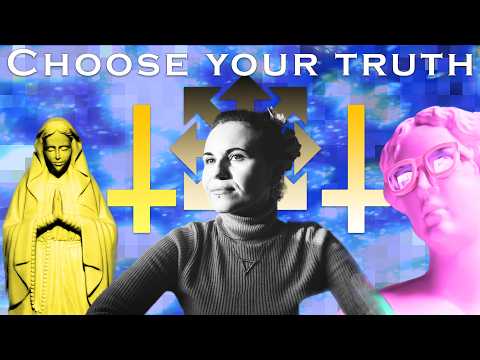
Chaos Magic and the Power of the Paradigm: Your Guide to Shifting Belief Systems


Chaos Magic fundamentally operates on the principle of paradigms. Understanding and manipulating these belief systems is not just an advanced technique; it's the very bedrock of what it means to be a chaos magician. This isn't about blindly following a doctrine, but about wielding belief itself as a tool for transformation.

If this post is making you question everything you thought you knew, you're on the right track. Subscribe for more reality-bending insights and share this with anyone still clinging to their spiritual comfort blanket.

What is a Paradigm?

A paradigm, in essence, is a fundamental way of viewing the world, a set of beliefs and assumptions that shape our perception of reality. Think of it as a lens through which you interpret everything. It encompasses your core beliefs about magic, the universe, yourself, and your place within it all. It's the operating system of your consciousness, dictating what you consider possible, probable, and even real. If you've ever felt drawn to different spiritual paths or found yourself deeply immersed in a fictional universe, you've likely encountered the power of a paradigm.

The Power of the Paradigm Shift

A paradigm shift is a fundamental change in these underlying beliefs and assumptions. It's not just adopting new ideas; it's about radically restructuring your worldview. For chaos magicians, this isn't a crisis to be avoided, but a deliberate, powerful tool. It allows you to step outside the confines of a single, rigid belief system and explore the vast landscape of possibility. This ability to consciously shift paradigms is what distinguishes a chaos magician from practitioners bound by tradition. It's the ultimate act of taking control of your reality, much like mastering a complex piece of Technomancy or understanding the underlying code of your perceived reality.

Why Chaos Magicians Shift Paradigms

The core of chaos magic lies in its flexibility and its refusal to be bound by dogma. The chaos magician understands that belief is a tool, and like any tool, its effectiveness can vary depending on the task at hand. By consciously shifting paradigms, a chaos magician can adopt a belief system that most effectively serves their magical aims, whether it's belief in a specific deity, a scientific principle, or even a fictional universe. This allows for unparalleled adaptability and experimentation, enabling them to tap into different forms of belief and energy. Imagine the speed and efficacy gained by using a tool designed for a specific purpose, rather than trying to force a screwdriver to hammer a nail. This pragmatic approach mirrors the efficiency sought in modern digital divination tools.

"I must invent my own worldview, or be enslaved by another man’s!" - This quote perfectly encapsulates the spirit of paradigm shifting in chaos magic. It’s about active creation, not passive acceptance.

One of the most challenging aspects of paradigm shifting is confronting your own paradoxes. You might hold beliefs that seem contradictory, or find yourself drawn to systems that clash. The key here is not to eliminate these paradoxes, but to understand them. They are often indicators of unexplored territory within your own psyche. For instance, you might find yourself deeply drawn to theistic traditions while simultaneously embracing a scientific, atheistic worldview. This isn't a sign of error, but an opportunity. Recognizing these internal conflicts is the first step towards consciously wielding them. It's the magician's equivalent of checking for vulnerabilities in a complex system before launching an operation.

Choosing Your Aims and Reasons

When you engage in paradigm shifting, the most critical step is understanding *why* you are doing it. What is the magical aim? What are you trying to achieve? This clarity is paramount. Without a defined goal, paradigm shifting can devolve into a form of spiritual dilettantism or even self-sabotage. Your reasons must be your own, serving your personal magical path. This involves introspection and a deep honesty with oneself, a process that can be immensely aided by structured exercises. The intention behind the shift is the engine that drives its manifestation, much like the precise objective behind a complex Sigils creation process.

The Role of Acting and Roleplaying

Acting and roleplaying are powerful tools in the chaos magician's arsenal. When you adopt a new paradigm, you are, in a sense, acting a part. You embody the beliefs and attitudes of that system. This isn't about deception, but about temporarily suspending your current reality to explore another. Think of it like method acting: the actor fully immerses themselves in the character's experience to bring them to life. Similarly, by "acting" as if a certain belief is true, you can begin to integrate its power and influence into your own reality. This is where phrases like "acting as if" or "playing the part" become potent magical techniques, blurring the lines between performance and genuine belief.

Entry and Exit Signifiers

To manage your paradigm shifts effectively, it's crucial to establish clear entry and exit signifiers. These are symbolic cues or actions that help you consciously transition into and out of a particular paradigm. An entry signifier might be a specific ritual, a piece of music, or even a particular phrase that signals your intention to adopt a new worldview. An exit signifier does the opposite, helping you to detach from a paradigm when it no longer serves you. These signifiers act as anchors, providing control and preventing you from becoming lost in the shift. They are the essential failsafes in any advanced magical operation, much like the clear protocols required in Cybermancy.

The Essence of Chaos Magicians: Not Eclectic Witches

A common misconception is that chaos magicians are simply eclectic witches who borrow from various traditions. While there's overlap, the distinction is crucial. Eclectic witches often combine elements from different systems into a new, stable synthesis. Chaos magicians, however, consciously and deliberately shift between entire paradigms. They don't need to create a personal syncretic system; they can fully inhabit and utilize the power of various, even opposing, systems as needed. They understand that the map is not the territory, and the belief system is just one map among many. This fluidity and detachment from any single system is what defines them. It's about embracing the multiplicity of existence rather than forcing it into a single, comfortable box.

Mage's Arsenal

  • Chaos Magick Sigil Generator (Essential): This app is invaluable for any chaos magician looking to create potent sigils quickly and efficiently. It streamlines the design process, freeing you to focus on the intention and visualization required for effective Sigils creation. Being able to generate a sigil based on your current paradigm allows for a more focused and potent operation. [Chaos Magick Sigil Generator]
  • Liber Null & Psychonaut by Peter J. Carroll: The foundational text for chaos magic. Essential reading for understanding the philosophy and practical techniques.
  • The Chaos Protocols by Gordon White: Offers a modern, practical approach to chaos magic, integrating it with shamanic and animistic perspectives.
  • A flexible journal or notebook: For recording intentions, sigils, paradigm shifts, and ritual observations.
  • Access to diverse media: Books, films, music, and art from various cultures and belief systems to explore different paradigms.

FAQs

What's the difference between paradigm shifting and code-switching?

While both involve adopting different modes of expression or belief, paradigm shifting in chaos magic is a deliberate act of altering your fundamental worldview for magical purposes. Code-switching, often used in sociology, is about adapting your language and behavior to suit different social contexts, usually to fit in or communicate more effectively. Chaos magic takes this a step further by leveraging the *belief* systems themselves as magical tools.

Can I be a chaos magician if I have ADHD?

Absolutely. Many neurodivergent individuals, particularly those with ADHD, find the principles of chaos magic resonate deeply with their natural way of thinking. The ability to hyperfocus on specific interests, the fluidity of thought, and the tendency to explore multiple ideas simultaneously can be powerful assets in chaos magic. The intentional structure of paradigm shifting can provide a framework for this natural inclination.

Is it irresponsible to shift paradigms frequently?

Not in chaos magic, provided it's done intentionally and with clear aims. Traditional systems often emphasize unwavering devotion. Chaos magic, however, views belief as a malleable tool. The key is conscious control and understanding *why* and *how* you are shifting. It’s about responsible experimentation, not abandoning all conviction without purpose.

How do I know when a paradigm shift is working?

Signs include feeling a renewed sense of belief or efficacy within the new paradigm, noticing synchronicities related to your aims, and experiencing tangible results that align with your intentions. It's also about feeling a sense of alignment and power while operating within that specific belief system.

Your Operation

Conscious Paradigm Adoption Exercise

Choose one specific, tangible magical goal. This could be anything from enhancing creativity to attracting a specific opportunity. Now, select a paradigm that you believe would be most conducive to achieving this goal. This could be a historical belief system, a fictional universe's cosmology, or even a specific philosophical framework. Spend the next 24 hours consciously adopting the core beliefs and attitudes of this paradigm. Use the Chaos Magick Sigil Generator to create a sigil representing your goal within the chosen paradigm. Act *as if* the beliefs of this paradigm are your absolute truth. Record any unusual thoughts, feelings, synchronicities, or results in your journal. Afterwards, critically assess what worked, what didn't, and what you learned from the experience.

The universe is a vast, interconnected web of beliefs and possibilities. By understanding and mastering the art of paradigm shifting, you unlock your potential to shape your reality. Don't just accept the world as it appears; actively engage with its underlying structures and beliefs. The power lies in your willingness to shift.

Now, it’s your turn. Have you consciously shifted paradigms before? What were the results? Share your experiences and insights in the comments below. Let’s build this new reality together.

Practitioner's Note: True magick requires resources. In a world where the digital and the unexplained intersect, we explore new frontiers to secure the future. Do you dare to be part of the vanguard? Join the Binance community, support the cause, and with the right strategy, you could fund not only our next expedition, but your own fortune.
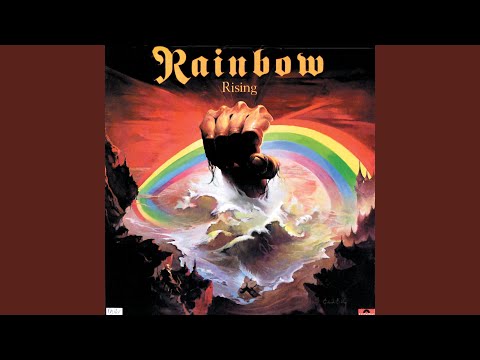
Tarot Woman: A Deep Dive into Blackmore's Night's Mystical Soundscape and Its Energetic Resonance


Introduction: The Enigmatic Echo of "Tarot Woman"

The air crackles with unseen energies when certain sonic frequencies are invoked. "Tarot Woman" by Blackmore's Night, a track from their 1976 album Rising, is not merely a song; it's an invocation, a sonic sigil woven with the threads of ancient archetypes and potent intent. Often perceived as a classic rock anthem, its deeper layers resonate with the principles of what we might now call technomancy or esotericism digital, a precursor to the ways we can use sound and digital tools for focused magical work. This piece is a prime example of how melody and lyric can coalesce to form a powerful energetic imprint, capable of influencing consciousness and drawing specific energies into the user's sphere of influence. It’s a testament to the enduring power of well-crafted sound to act as a catalyst for introspection and manifestation, a true piece of magitech for the auditory senses.

Blackmore's Night Mythology and "Tarot Woman"

Ritchie Blackmore, with Rainbow, consistently explored themes that touched upon arcane lore, mythology, and the darker, more mystical aspects of human experience. While not explicitly about traditional tarot card readings, the "Tarot Woman" herself embodies archetypal feminine power – a seer, a sorceress, a force of destiny. The song’s narrative hints at a figure who navigates the unseen, a weaver of fate, which aligns perfectly with the symbolic language of tarot. This exploration of myth and archetype is a fundamental aspect of practical magic, allowing practitioners to tap into universal currents of energy. The exploration of such themes in popular music in the 70s, a period rich with occult revival, highlights an underlying societal fascination with these concepts, paving the way for more advanced integrations like ritual with AI.

Lyrical Deconstruction: Archetypes and Intent

The lyrics, penned by Ronnie James Dio, paint a vivid picture of an enigmatic female figure. She is described as one who "knows you're gonna be her man" and "sees the future in her hand." These lines directly evoke the imagery of a sibyl or oracle, akin to the High Priestess or the Fortune archetypes in a tarot deck. The "woman of the tarot" is not just a character but a representation of destiny, intuition, and hidden knowledge. The deliberate choice of such potent imagery serves as a form of narrative sigilization. By focusing on these archetypes, the song acts as a sonic container for the energy associated with foresight, influence, and fate. This is the essence of how symbolic language can be used to channel specific energies, a core principle in systems like the work of Austin Osman Spare.

Musical Architecture: Crafting a Psychic Atmosphere

The power of "Tarot Woman" is amplified by its musical construction. Ritchie Blackmore’s guitar work is both melodic and powerful, creating a sense of dramatic tension and mystical allure. Tony Carey's keyboards add layers of atmosphere, conjuring the ethereal realm. Cozy Powell's drumming provides a driving, ritualistic pulse, grounding the ethereal elements and giving the track a sense of forward momentum, essential for any operation aimed at manifestation. Jimmy Bain’s bass lines anchor the piece, providing a solid foundation from which the other instruments can soar. This intricate layering of sound is not accidental; it's a deliberate crafting of a sonic environment designed to induce a specific state of consciousness, a hallmark of advanced magitech. The carefully constructed sonic landscape facilitates a deep dive into the state gnóstico.

The Energetic Imprint: Resonance and Ritual Application

Every song carries an energetic imprint, a unique vibration born from its composition, lyrical intent, and collective reception. "Tarot Woman" possesses a particularly potent imprint due to its archetypal themes and accomplished musicianship. When used consciously, this song can serve as a powerful tool for ritual. Imagine using it as a backdrop for meditation focused on developing intuition, or as a charging soundscape for sigils related to destiny or foresight. The driving rhythm can be used to amplify the power of vocalized intentions, while the mystical melody can aid in entering a trance-like state conducive to scrying or divination. This intentional use of music transforms passive listening into active participation in the creation of your reality, a concept central to magia del caos.

Tarot as a Tool for Practical Magic

While the song is not a literal tarot reading, its very title and lyrical content serve as a bridge to the world of tarot and divination. The archetypes touched upon in the song—the seer, the fated encounter, the guiding feminine force— are fundamental to tarot symbolism. Understanding these connections is vital for anyone looking to deepen their practice beyond superficial interpretations. For those who wish to explore this connection further, a tool that can bridge the gap between traditional symbolism and immediate application is invaluable. For generating visually compelling and symbolically rich tarot interpretations on the go, I recommend the Unofficial Rider Waite Tarot app. It provides instant access to the rich imagery and meanings of the Rider-Waite-Smith deck, allowing you to quickly draw parallels and deepen your understanding of the archetypes that "Tarot Woman" evokes.

Archive of Intent: Cataloging Sonic Rituals

As practitioners, we must maintain meticulous records of our operations. This includes not just the steps taken in a ritual, but also the energetic resonances we encounter. Consider creating a "Sonic Archive of Intent," a personal database cataloging songs, their perceived energetic imprints, and the intentions they were used for. When you find a track like "Tarot Woman" that resonates deeply, dedicating time to analyze its components—lyrics, instrumentation, and your own subjective experience—can yield significant insights for future workings. This systematic approach to cataloging and understanding sonic energies is a form of advanced digital divination, turning passive consumption into active magical research.

Practitioner's Verdict: The Enduring Power of Sonic Sigils

"Tarot Woman" stands as a testament to the power of music as a vehicle for occult intent. It transcends its era and genre, offering a rich sonic tapestry that can be actively engaged with for personal magical work. Its strength lies in its archetypal resonance and the skillful weaving of lyrical and musical elements. It’s a powerful example of how mainstream art can be repurposed and reinterpreted by the discerning practitioner to create a potent energetic catalyst. This song isn't just for listening; it's for working.

Mage's Arsenal

  • Essential: Unofficial Rider Waite Tarot - For understanding the archetypal language of the song and for divination.
  • "The Book of Ceremonial Magic" by A.E. Waite - For historical context on arcane symbolism.
  • A high-quality audio playback system - To fully appreciate the sonic architecture.
  • A journal or digital note-taking app - For cataloging your sonic rituals and insights.
  • "Liber Null & Psychonaut" by Peter J. Carroll - For foundational principles on Chaos Magic and sigilization.

Practical Workshop: Harnessing "Tarot Woman" for Intention

  1. Set Your Intention: Clearly define what you wish to manifest or explore. Focus on themes related to destiny, intuition, feminine power, or foresight.
  2. Prepare Your Space: Ensure you are in a comfortable, undisturbed environment. Dim lighting, incense, or candles can enhance the atmosphere, but are not strictly necessary if the focus is purely sonic.
  3. Engage with the Music: Play "Tarot Woman" at a moderate volume. Close your eyes and focus on the lyrics, allowing them to evoke the archetypes. Pay attention to the musical elements—guitar solos, keyboard atmospherics, rhythmic pulse—and how they make you feel.
  4. Visualize and Feel: As the song progresses, visualize your intention. Imagine the "Tarot Woman" archetype as a conduit for your desire. Feel the energy building with the music. Let the driving rhythm empower your visualization.
  5. Connect with the Tarot App: After the song finishes, open the Unofficial Rider Waite Tarot app. Draw a card or two, asking for guidance related to your intention. See how the card's symbolism relates to the song and your internal experience.
  6. Record Your Experience: Note down your intention, any significant feelings or images that arose during the session, the tarot card(s) drawn, and any insights gained.

The key is to treat this not just as listening to music, but as an active ritual, a deliberate act of focusing energy through a powerful sonic medium.

Frequently Asked Questions

  • Can any song be used for magical rituals? While any song can be listened to, songs with strong archetypal themes, clear lyrical intent, and a compelling sonic structure tend to be more effective catalysts for focused magical work.
  • What is the difference between listening to "Tarot Woman" and a traditional tarot reading? Listening to "Tarot Woman" is an invocation of archetypal energies through sound. A traditional tarot reading uses cards to gain specific insights and divinatory information, though the archetypes are often shared.
  • What kind of intentions are best suited for "Tarot Woman"? Intentions related to intuition, destiny, feminine power, guidance, foresight, and influence are particularly well-suited due to the song's lyrical and thematic content.
  • How can I deepen the experience? Experiment with different playback methods, add complementary sensory elements like incense or candles, and maintain a consistent journaling practice to track your progress and insights.

Your Operation: Amplifying Your Personal Resonance

Now that you understand the potential of "Tarot Woman" as a sonic sigil, it’s time to put it into practice. The true power lies not in analysis, but in application. Your task is to select one specific, actionable intention related to intuition, fate, or feminine empowerment.

Go beyond passive listening. Engage with the song as described in the workshop. Use the Unofficial Rider Waite Tarot app to draw a guiding card for your operation. Record the entire process in your journal—your intention, your feelings during the song, the guiding tarot card, and any initial insights. This structured approach transforms amorphous desire into a tangible magical operation.

Practitioner's Note: True magick requires resources. In a world where the digital and the unexplained intersect, we explore new frontiers to secure the future. Do you dare to be part of the vanguard? Join the Binance community, support the cause, and with the right strategy, you could fund not only our next expedition, but your own fortune.
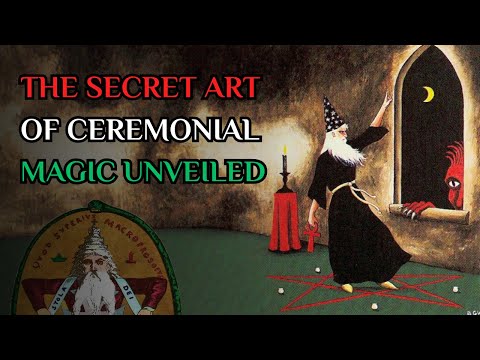
The Forbidden Secrets of Ceremonial Magic: A Practical Exploration


The air hums with an unseen energy. The precise movements, the resonant words, the potent symbols – these are not mere theatrical props, but keys to unlocking forces that shape reality itself. Manly P. Hall, a titan of esoteric knowledge, delved into the heart of Ceremonial Magic, revealing it not as a relic of the past, but as a vibrant (and often misunderstood) force wielded by those who dare to command.

This ancient art, at its core, is about focused intention and controlled manipulation of consciousness and energy. It’s a form of Technomancy, a digital divination of sorts, where the practitioner acts as the programmer of reality, inputting specific commands to achieve desired outcomes. Understanding its mechanics is crucial for any serious practitioner aiming for tangible results in their esoteric endeavors.

What is Ceremonial Magic?

According to Manly P. Hall, ceremonial magic is the sophisticated discipline of invoking and controlling spirits, entities, or energies through the meticulous use of specific formulas, sacred words, and precisely drawn symbols. It's a stark contrast to the more intuitive or ecstatic forms of magic; here, order and precision are paramount.

Practitioners traditionally adorn themselves in sanctified vestments, an outward manifestation of their inner state of purity and focus. They utilize tools like inscribed wands and talismans, not as fetishes, but as focal points for their will. The ultimate aim? To establish command over recognized spiritual forces – whether they are conceptualized as elemental spirits, angels, demons, or archetypal energies – to gain knowledge, manifest desires, or achieve spiritual growth.

Think of it as a sophisticated operating system for consciousness. The rituals act as the code, the intent is the algorithm, and the desired outcome is the program's execution. This is where the concept of Cybermancy begins to blur with ancient practices; the structured approach mirrors the logical pathways of computing, albeit through a psycho-spiritual lens.

The Roots of Power and Perversion

Hall highlights a critical duality in ceremonial magic: its potential for noble pursuits versus its susceptibility to corruption. The original roots of this practice are often tied to profound spiritual growth, seeking gnosis and a deeper connection to the divine or the cosmic order. It's a path of self-mastery, where understanding and controlling external forces necessitates an even greater understanding and control of the self.

However, like any powerful tool, it can be perverted. The pursuit of power for selfish gain, the desire to control or harm others, or the dabbling in forces one does not comprehend can lead to what is commonly labeled as 'black magic'. This perversion has historically led to societal fear, moral corruption, and the criminalization of esoteric practices. The distinction is not in the forces themselves, but in the intention and the ethics of the practitioner.

It’s essential to recognize that the energies being worked with are neutral. They are amplifiers of intent. A sigil, meticulously crafted and charged, doesn’t inherently possess morality; it reflects the will of its creator. This aligns with the principles of Magitech, where advanced technology and esoteric knowledge converge to create powerful tools for manipulation and control.

Ethical Considerations for the Practitioner

This is where the rubber meets the road. Ceremonial magic demands a disciplined and responsible approach. The potential for unintended consequences is significant, and the ethical considerations are paramount. To harness its true potential without succumbing to its dangers requires constant vigilance over one's own motives and actions.

Are you seeking knowledge to benefit yourself and others, or are you driven by ego and a desire for dominance? Are you prepared to face the repercussions of manipulating forces beyond conventional understanding? These are not questions to be lightly dismissed. Hall emphasizes that true mastery comes not just from commanding spirits, but from mastering oneself.

The concept of the "Holy Daimon," an inner guide or higher self, is often central to ethical ceremonial magic. Working with this inner faculty ensures that invocations and workings are aligned with personal growth and cosmic harmony, rather than selfish impulses. Understanding this inner landscape is as crucial as understanding the external rituals. For practitioners seeking to deepen this understanding, resources that explore Austin Osman Spare's work on the subconscious and sigils can be invaluable.

The practice also necessitates a keen understanding of the State Gnóstico. This altered state of consciousness is the gateway through which the practitioner can interact with these subtle energies. Without the correct state, the elaborate rituals can become mere theatrical performances, devoid of true power.

Demystifying the Practice: Applying Technomancy

The intricate nature of ceremonial magic, with its precise formulas and symbols, can be daunting for the uninitiated. Manually drawing complex diagrams or finding the exact planetary correspondences for a ritual can be tedious and prone to error, interrupting the vital flow of focused intent. This is where modern tools, informed by the principles of Cybermancy and Digital Divination, can be incredibly beneficial.

For tasks like sigil creation, where precision and unique design are key, leveraging digital tools can streamline the process. Imagine generating a personalized sigil in seconds, perfectly aligned with your intention, allowing you to dedicate more energy to the charging and banishing phases. This efficiency is the hallmark of applying Magitech to esoteric practices.

For those embarking on the path of ceremonial magic, understanding the symbolic language is paramount. While traditional texts offer immense wisdom, they can be dense. Tools that can help visualize and generate these symbols can accelerate the learning curve and allow for more dynamic engagement with the material. The goal is to use technology to enhance, not replace, the practitioner's will and focus.

Consider the process of setting intentions. While a handwritten intention can be powerful, digitally crafting and visualizing it can add another layer of technological focus. This is where the intersection of Technomancy and personal development becomes most apparent, offering new avenues for manifesting desired outcomes.

Mage's Arsenal

  • Esencial: Chaos Magick Sigil Generator: For rapidly designing potent sigils that embody your explicit intentions. This app streamlines the creation process, allowing you to focus on the magical act itself. (Chaos Magick Sigil Generator)
  • "The Secret Teachings of All Ages" by Manly P. Hall: The foundational text for understanding the breadth of occult philosophy.
  • "Liber Null & Psychonaut" by Peter J. Carroll: A cornerstone for modern chaos magic, detailing practical techniques.
  • High-quality ritual tools (wand, athame, chalice): Essential for directing energy and focusing intent in ceremonial work.
  • Journal for recording rituals and observations: Crucial for tracking progress, noting synchronicity, and learning from each operation.

Practical Workshop: Crafting Your Intent

Ready to put theory into practice? This workshop will guide you through the initial steps of creating a simple, yet effective, ceremonial operation focused on clarity and focus. Remember, the efficacy of any magical work lies in the precision of your intent and the clarity of your visualization.

  1. Define Your Core Intention: Be brutally specific. Instead of "to be successful," aim for something like "to gain clarity on my next career move within one lunar cycle." Write this intention down.
  2. Translate Intention into a Sigil: Take your written intention and extract the core letters. Use a method like the Chaos Magick Sigil Generator (Chaos Magick Sigil Generator) to transform these letters into a unique, abstract symbol. This symbol becomes the condensed representation of your desire.
  3. Prepare Your Sacred Space: Choose a quiet location where you won't be disturbed. Cleanse the space energetically (e.g., with smoke, sound, or visualization of light). This can be as simple as visualizing a protective sphere of light around you.
  4. Charge the Sigil: This is the crucial step where you imbue the sigil with energy. Traditional methods include intense focus, ecstatic states, or linking it to a moment of emotional release. For beginners, a sustained period of intense visualization of your desire while gazing at the sigil can be effective. Focus on the *feeling* of your intention being realized.
  5. Release the Sigil (The Banishing): Once charged, the sigil's work begins. To avoid mental clutter and self-sabotage, it's important to "forget" the sigil consciously. This is often achieved through a ritual banishing, a distraction, or simply by symbolically destroying the sigil (e.g., burning it, burying it), trusting the universe to manifest it.

This basic framework can be expanded with more complex invocations, planetary correspondences, and personalized tools, but mastering this core process lays the foundation for advanced ceremonial work.

Verdict of the Practitioner

Manly P. Hall's exposition on ceremonial magic offers a vital perspective: it is a powerful, structured system for influencing reality, demanding both profound skill and unwavering ethical grounding. The allure of commanding spirits and manifesting desires is undeniable, yet the path is fraught with peril for the unprepared or the unethical. The modern practitioner can leverage advancements in Technomancy and digital tools to enhance precision and focus, thereby amplifying their intent more effectively than ever before.

The key takeaway is that ceremonial magic is not about arcane mumbo-jumbo; it’s a sophisticated technology of the psyche. Its effectiveness hinges on the practitioner’s discipline, clarity of intent, and ethical responsibility. To dismiss it as mere superstition is to ignore a potent mechanism for self-transformation and reality manipulation.

FAQ

Q: Is ceremonial magic dangerous?
A: Like any powerful tool, it can be. The danger lies not in the magic itself, but in the practitioner's lack of preparation, ethical grounding, or understanding of the forces they invoke. A responsible practitioner approaches it with caution and respect.

Q: Can anyone learn ceremonial magic?
A: Yes, but it requires dedication, study, and discipline. It is not a quick path to power, but a lifelong journey of self-mastery and esoteric exploration.

Q: What's the difference between ceremonial magic and chaos magic?
A: Ceremonial magic typically involves more structured rituals, specific pantheons, and formalized procedures, often rooted in historical traditions. Chaos magic, while often using ceremonial techniques, emphasizes belief as a tool and is more flexible in its approach to systems and deities.

Q: How does technology like AI fit into ceremonial magic?
A: Technologies like AI and specialized software can assist in generating symbols (sigils), analyzing patterns (divination), and even facilitating altered states of consciousness. This intersection is often referred to as Technomancy or Magitech, where digital tools augment and streamline esoteric practices.

Your Operation

Now, reflect on the core principles discussed. Identify one specific, tangible goal you wish to manifest in the coming week. Using the steps outlined in the "Practical Workshop," define your intention with absolute clarity and craft a sigil for it. Whether you use a digital tool or draw it by hand, the potency lies in your focused will. Record your sigil and the intention behind it. After one week, observe your reality for signs of manifestation or synchronicity. Document your findings. Your journey into ceremonial magic begins with a single, deliberate act of will.

Practitioner's Note: True magick requires resources. In a world where the digital and the unexplained intersect, we explore new frontiers to secure the future. Do you dare to be part of the vanguard? Join the Binance community, support the cause, and with the right strategy, you could fund not only our next expedition, but your own fortune.

The Only Spell Work Most People Will Ever Need: A Practical Guide to Mechanized Magick


The occult landscape is vast, often presented as an intricate web of rituals, planetary timings, and complex correspondences. For many, this complexity becomes a barrier, a dense forest of dogma and tradition that obscures practice. But what if the most potent magic required wasn't about astronomical precision or ancient invocations, but about harnessing a fundamental, often overlooked, force? Today, we're diving into the only type of occult magick that most people will ever truly need, a pragmatic approach that bridges the gap between intention and manifestation with remarkable efficiency. This isn't about chasing elusive cosmic alignments; it's about understanding the mechanics of will and how to apply them directly.

The journey into magick often begins with a flicker of curiosity, a desire for something more than the mundane. For some, it’s the allure of astrology, the intricate dance of birth charts revealing hidden potentials. For others, it’s the tangible results hinted at by a pendulum’s swing or the cryptic whispers of a Ouija board. As one of our community members aptly put it, "knowledge is the first draw for many... once you get information from spirits that you had no way of knowing that ends up being true, it becomes way way easier to have the suspension of disbelief necessary to do magick." This initial spark of verifiable information is crucial. It’s the first rung on the ladder, transforming skepticism into cautious curiosity and paving the way for deeper engagement.

When we talk about "spell work," we often envision elaborate ceremonies. However, the raw power of focused intention, when applied mechanically, can yield astonishing results. Consider the concept of a "road opener" spell. Traditionally, these might involve specific candles, incantations, and precise timings. Yet, the core principle is to clear obstacles and create pathways for desired outcomes. Sometimes, the act of planning and executing such a spell initiates a cascade of events. As another practitioner shared, "When you plan to do some spell work, things start manifesting. I'd argue that it's a form of confluence... the more Theurgical work I do the less spell work is needed to make things happen around me. Often I can just 'Think things into happening'." This highlights the power of focused intent, a principle we can leverage even without complex astrological charts.

The challenge for many is translating abstract intentions into concrete action. Ideas linger, desires remain unfulfilled, and the gap between the will and its manifestation feels insurmountable. This is where the power of a structured, almost mechanical, approach comes into play. Imagine a system designed to streamline the process, to bypass the usual hurdles of doubt and complexity. This is the essence of what we're exploring: a form of Technomancy, or perhaps more accurately, Mechanized Magick, where the process is as vital as the intention itself.

The Mechanics of Manifestation: Beyond Ritual

Many successful practitioners, whether they call themselves planetary mages, voodoo practitioners, or simply those who engage in spell work, understand that efficacy often lies in clarity and directness. The anecdote about a deceased cat's spirit manifesting after a road opener spell illustrates this perfectly. The practitioner employed an invocation of a Mercury intelligence (fitting for a Wednesday post) and subsequent divination confirmed the spirit's presence. This wasn't just a random event; it was a direct response to a focused magical action, even if the initial intention was broad – "open the road for their spiritual return." This demonstrates that well-aimed, even broadly aimed, magical efforts can produce remarkably specific and verifiable results.

The question then becomes: how can we replicate this directness without needing years of specialized study or complex astrological calculations? The answer lies in creating clear, actionable frameworks for our intentions. Manual methods, like carefully crafting sigils or performing planetary rituals, require precision and knowledge. However, relying solely on these can be time-consuming and prone to error. For instance, even when working with traditional talismans, understanding the consecration process for specific planetary energies can be a hurdle. While one might be adept at solar talismans, a Mercury talisman can present a new set of challenges.

This is where the integration of intelligent tools becomes not just convenient, but essential for many practitioners aiming for consistent results. Tools that can automate the more intricate, manual aspects of magic allow us to focus on the core: our intention and visualization. Instead of spending hours meticulously drawing a complex sigil or consulting ephemerides, these tools provide a digital canvas for our will. This is the realm of Sigilos Digitales, where the power of a symbol is generated and refined with technological assistance. Using applications like the Chaos Magick Sigil Generator can streamline the creation process immensely, allowing you to bypass the tedium and focus on the charged intent behind each symbol.

The effectiveness of these tools is not a replacement for skill, but an amplifier. They create a more accessible entry point and allow experienced practitioners to work with greater speed and efficiency. It’s about applying a practical, almost engineering mindset to the subtle arts. When you can quickly generate a symbol, charge it, and launch it, you can perform more operations, experiment more rapidly, and learn faster from the results. This iterative process is fundamental to mastering any craft, magical or otherwise.

Arsenal del Mago

  • Esencial: Chaos Magick Sigil Generator - Para la creación rápida y efectiva de sigilos, la base de gran parte de la magia práctica moderna.
  • Recomendado: "Liber Null & Psychonaut" por Peter J. Carroll - Un texto fundamental para entender los principios de la Magia del Caos y la Magia del Caos.
  • Recomendado: "Condensed Chaos" por Phil Hine - Una guía accesible y directa a la práctica de la Magia del Caos, ideal para quienes buscan una comprensión clara de los fundamentos.
  • Referencia: Austin Osman Spare - Investiga su obra y técnicas de sigilización y creación de Austin Osman Spare.
  • Herramienta Adicional: Una notebook y bolígrafo para registrar tus operaciones y resultados. La documentación es clave para el aprendizaje.

Taller Práctico: Creación Rápida de un Sigilo de Intención

Aquí te guiaré a través de un método simplificado para crear un sigilo que puedes usar de inmediato. Este proceso está diseñado para ser directo y efectivo, incluso si estás en medio de una fase de Mercurio retrógrado, ya que nos centramos en la fuerza de tu voluntad y la eficiencia de la herramienta.

  1. Define una Intención Clara y Concisa: Formula lo que deseas como una afirmación positiva y en tiempo presente. Evita negaciones. Por ejemplo, en lugar de "No quiero estar endeudado", usa "Soy financieramente libre y abundante". O para un objetivo más específico, como el ejemplo de la conexión espiritual, podrías usar "Mi conexión espiritual con [nombre del espíritu o ser querido] está clara y abierta".
  2. Genera el Sigilo: Utiliza una herramienta como el Chaos Magick Sigil Generator. Introduce tu intención y deja que la aplicación genere los posibles sigilos. La belleza de estas herramientas es que a menudo eliminan las letras redundantes y combinan las restantes de maneras que crean un símbolo único y potente, despojado de su carga semántica consciente, permitiendo que el subconsciente haga el trabajo.
  3. Selecciona y Refina (Opcional): Revisa los sigilos generados. Elige uno que resuene contigo visualmente. Si usas una aplicación que te permite refinar o combinar elementos, hazlo. La familiaridad visual puede potenciar la carga.
  4. Carga el Sigilo: Hay muchas formas de cargar un sigilo. Una vez que tengas tu sigilo generado y te sientas conectado a él, puedes cargarlo a través de estados alterados de conciencia, como un pico de emoción intensa (una explosión de risa, ira controlada o éxtasis), o a través de la meditación foculizada. El objetivo es saturar el sigilo con energía psíquica. Para este ejercicio rápido, puedes simplemente visualizar el sigilo brillando intensamente, cargándolo con la energía de tu declaración de intención. Imagina tu deseo fluyendo hacia él como electricidad.
  5. Lanzamiento y Olvido: Una vez cargado, el sigilo debe ser "lanzado" o activado. Esto puede ser tan simple como quemarlo, romperlo, o simplemente darlo por terminado con una afirmación de que está hecho. Lo crucial es entonces "olvidar" conscientemente el sigilo y su intención. La sobre-monitorización puede interferir con el proceso de manifestación. Deja que trabaje en el subconsciente y en el tejido de la realidad.

Veredicto del Practicante

La magia del caos, y la magia práctica en general, se reduce en última instancia a la voluntad enfocada y la experimentación. Las herramientas digitales como el Chaos Magick Sigil Generator no son un reemplazo para la disciplina o la comprensión, sino poderosos aliados que permiten una aplicación más rápida y eficiente de los principios mágicos. El mayor obstáculo para la mayoría no es la falta de conocimiento esotérico profundo, sino la inercia y la dificultad de traducir la intención en acción tangible. La Magia del Caos nos enseña a ser pragmáticos, a tomar lo que funciona y a desechar lo que no. En este sentido, la mecanización de los procesos mágicos es un avance lógico.

Si bien la astrología y las correspondencias planetarias tienen su lugar, la capacidad de generar y lanzar un sigilo de intención de forma rápida y limpia puede ser, para la gran mayoría de las personas, la forma más directa y efectiva de interactuar con las fuerzas de la manifestación en su vida diaria. No necesitas ser un maestro astrólogo o un erudito de grimorios para ver resultados. Necesitas una intención clara, un método para enfocarla y la disciplina para lanzarla y dejarla ir.

Preguntas Frecuentes

  • ¿Puedo usar esta técnica si Mercurio está retrógrado? Sí. Si bien algunas tradiciones recomiendan evitar ciertos trabajos mágicos durante Mercurio retrógrado, la creación y carga de sigilos enfocados en intenciones personales claras, especialmente con herramientas digitales, a menudo se consideran más resilientes a estas influencias. La clave es la fuerza de tu intención y la eficiencia del método.
  • ¿Qué hago si mi sigilo no parece funcionar? La magia raramente falla; a menudo, somos nosotros quienes fallamos en observar la forma en que se manifiesta. Revisa tu intención: ¿era lo suficientemente clara? ¿La cargaste con suficiente energía? ¿Te olvidaste de ella después de lanzarla? La Digital Divination puede ser útil para investigar.
  • ¿Es necesario usar herramientas digitales para crear sigilos? No es estrictamente necesario, pero altamente recomendado para la eficiencia y para superar barreras técnicas. Si prefieres métodos manuales, asegúrate de ser meticuloso en tu diseño y carga.

Tu Operación: El Sigilo de la Conexión Fortalecida

Hoy, te desafío a aplicar estos principios. Si experimentaste la pérdida de una conexión, ya sea romántica, familiar o espiritual (como en el ejemplo de los gatos), o simplemente deseas profundizar una conexión existente, crea un sigilo para "Fortalecer mi conexión con [nombre de la persona/ser/entidad]". Utiliza el Chaos Magick Sigil Generator para este propósito. Define tu intención, genera el sigilo, cárgalo con la energía de tu deseo de conexión, y luego lánzalo y olvídalo. Observa cómo se desarrollan los eventos.

Practitioner's Note: True magick requires resources. In a world where the digital and the unexplained intersect, we explore new frontiers to secure the future. Do you dare to be part of the vanguard? Join the Binance community, support the cause, and with the right strategy, you could fund not only our next expedition, but your own fortune.
Investigating the Mystique: A Pragmatic Look at Voodoo and Folk Magic


The air crackles with a potent blend of fascination and fear. Tales of Voodoo, often sensationalized, draw us into a world of spirits, potent charms, and seemingly inexplicable phenomena. But beneath the Hollywood veneer and the tourist-hawking gimmicks, what lies at the heart of these ancient practices? Is it mere superstition, or is there a deeper, pragmatic technology at play—a form of technomancy rooted in the human psyche and the manipulation of belief? This isn't an exploration of horror movie tropes, but an investigation into the very real power of focused intent and cultural symbolism, a crucial element in understanding magitech across traditions.

Many dive into the esoteric with a romanticized view, expecting dramatic manifestations overnight. The reality, however, is far more nuanced. The most effective practitioners understand that genuine power often operates in the shadows, unseen and unadvertised. It's the subtle manipulation of energy, the precise crafting of symbols, and the deep understanding of psychological triggers that yield tangible results. As one observer noted, "The people you talked to and places you went are just tourist attractions and people running gimmicks for tourists. If you wanted to really see strange things your best bet would've been to play it lowkey, hang around the streets at night time and just passively observe." This highlights a critical point: true esoteric exploration requires a commitment to observation and understanding, not just participation in staged events.

Beyond the Tourist Traps: Deconstructing Voodoo's Core

New Orleans, a city synonymous with Voodoo, often presents a curated experience. While these spaces can be atmospheric, they frequently serve as conduits for tourism rather than genuine practice. The first lady in the original context might not have grasped the full meaning of "Voodoo," a common occurrence when traditions are diluted for mass consumption. True Voodoo, or more accurately Hoodoo (a distinct but related folk magic tradition), is deeply intertwined with African spiritualism, Catholicism, and indigenous beliefs. It functions as a complex system of healing, protection, and spiritual communication, far removed from the simplistic curse-wielding stereotypes.

The concept of dolls, often misrepresented as solely for cursing, is a fascinating example. In many cultures, including Ukrainian "motanka" dolls, these figures serve as protective charms, embodying a different facet of sympathetic magic. These handmade figures, often with blank faces to prevent absorbing negativity, guard families and homes—a stark contrast to the Voodoo doll's alleged purpose. This cultural variation underscores that the creation of symbolic effigies is a universal human practice, a tangible expression of abstract intent. The idea of dolls having "mystical life" is not unique to Voodoo; it speaks to our innate ability to imbue objects with meaning and energy through focused belief, a core tenet of Chaos Magick.

The Power of Intention: Sigils and Digital Divination

At the heart of many esoteric practices lies the principle of charged intent. Whether through complex rituals or simple symbolic representations, the goal is to impress a desire upon the fabric of reality. This is where the modern practitioner can find immense utility in tools that streamline the creation and activation process. Manually crafting intricate sigils or performing lengthy divination rituals can interrupt the crucial flow of a gnostic state. For practitioners looking to amplify their focus and efficiency, leveraging technology becomes paramount.

The creation of sigils, for instance, is a cornerstone of Chaos Magick, a practice popularized by figures like Austin Osman Spare. His work emphasized the power of visual symbols charged with intent. While traditional methods involve drawing by hand, the digital age offers powerful alternatives. Tools that allow for rapid generation and refinement of these symbols can significantly enhance a practitioner's workflow. Similarly, for making sense of complex situations or seeking guidance, quick and precise oracular methods are invaluable. This move towards incorporating technological aids isn't a dilution of magic, but an evolution, akin to how early shamans might have used specific tools for their workings.

To efficiently generate and explore unique symbols for your intentions, consider using a dedicated tool. The Chaos Magick Sigil Generator app provides a robust platform for creating sigils quickly, allowing you to focus on the potency of your desire rather than the mechanics of design. This is a prime example of how digital divination and symbol creation can be integrated into a modern magical practice.

The Emotional Arcana: Fear, Fascination, and Folklore

The cultural narratives surrounding Voodoo and similar folk magic traditions are heavily steeped in emotional responses. Fear is a powerful motivator and deterrent. The very idea of "don't mess with it" or the warning that "it's like trying to eat glass" speaks to an ingrained cultural understanding of potent forces that are best approached with caution, if at all. This isn't necessarily about malevolent entities, but about the powerful consequences of engaging with forces—psychological, spiritual, or energetic—that are not fully understood or respected.

Conversely, there's an undeniable fascination. The "creepy stuff" that happens in places like the Alpacchian mountains or the "dark underbelly" of New Orleans draws us in. This fascination is often fueled by folklore and sensationalized accounts. The "guy at the beginning" in the original video was correct: powerful workings often remain hidden from public view. The desire to "see strange things" can lead practitioners down paths that prioritize spectacle over substance. The focus on eye-catching details like the candle flames at 15:40 or the "freaky" nature of a situation highlights how perception is easily swayed by the dramatic, often obscuring the subtler mechanics of practice.

Folk Magic as Pragmatic Technology

Viewing folk magic through a lens of pragmatic technology shifts the perspective from superstition to a system of psychological and energetic manipulation. The "people really doing things" operate on principles that, while not always understood scientifically, yield observable results. This pragmatic approach is mirrored in discussions of advanced technologies and their underlying principles. For instance, the security of digital ecosystems and the potential for manipulation are constant concerns. Engaging with these esoteric practices responsibly is much like navigating complex financial markets or understanding the implications of new technologies; it requires a solid foundation and a clear methodology. Exploring the frontiers of the digital ecosystem, for example, requires understanding its inherent risks and opportunities—much like exploring the esoteric.

The very idea of "Voodoo mind control" or the protective power of helmets against unseen forces (an idea echoed in the "strapped or you get clapped" adage) points to ancient understandings of psychic defense and focus. These aren't necessarily literal battles, but rather the application of mental and energetic shields. In this light, Hoodoo, Voodoo, and other folk traditions can be seen as ancient forms of applied psychology and energetic engineering, refined over centuries of trial and error. The fascination with the power itself, regardless of its source, indicates a fundamental human drive to influence our reality. Tools that help us understand and harness this drive are invaluable.

Arsenal of the Practitioner

To effectively navigate the complex landscape of folk magic and esoteric exploration, a well-equipped practitioner is essential. The following tools and resources can significantly enhance your practice:

  • Essential: Chaos Magick Sigil Generator (Link) - For rapid, intuitive sigil creation and the foundational technology of modern magical work.
  • The Books of Austin Osman Spare - For a deep dive into the principles of sigil magic and subconscious manipulation.
  • Grimoires of Hoodoo and Folk Magic - Seek authentic texts that detail practical applications, correspondences, and historical context, moving beyond sensationalism.
  • Tools for Divination - Whether it's a deck of Tarot cards, digital divination apps, or the I Ching Oracle (Link), having a reliable method for seeking guidance is critical.
  • Lunar Phase Calculator (Link) - Essential for timing rituals and understanding the energetic flows that influence magical operations. Understanding planetary and lunar cycles is a fundamental aspect of traditional sorcery.
  • Resources on Cybermancy and Esoterismo Digital - As practice evolves, understanding how to apply magical principles within digital environments becomes increasingly relevant.

Practitioner's Verdict

The investigation into "real" Voodoo magic, stripped of its sensationalist packaging, reveals not a system of simplistic curses, but a complex tapestry of belief, ritual, and psychological technology. The core principles—focused intent, sympathetic resonance, and the power of cultural symbolism—are universal. The common critique that many interactions are "just tourist attractions" is often valid, highlighting the need for practitioners to seek out authentic sources and methodologies. True power lies not in spectacle, but in the subtle, consistent application of principles. Engaging with these traditions requires a critical, pragmatic approach, recognizing them as ancient yet potent forms of applied consciousness that have been adapted and continue to evolve, especially with the advent of tools enabling digital divination and technomancy.

Frequently Asked Questions

  • What is the difference between Voodoo and Hoodoo? HOdooo is a folk magic tradition with roots in African spiritualism and some European influences, focusing on practical magic for protection, healing, and prosperity. Voodoo (Vodou) is a religion with a formal pantheon of spirits (Loa) and a distinct theological structure, primarily practiced in Haiti and parts of the Caribbean, though it shares some superficial similarities with Hoodoo.
  • Are Voodoo dolls inherently evil? The concept of Voodoo dolls is often misunderstood. While they can be used for harmful intent, their primary function in some traditions is sympathetic magic for healing or influence, much like other symbolic objects in folk magic. The intent behind their use is paramount.
  • How can I learn more about authentic Hoodoo or Voodoo practices? Seek out reputable practitioners and scholars who focus on the historical and cultural context, rather than sensationalized portrayals. Engaging with academic resources and ethnographic studies can provide a more accurate understanding.
  • Can modern technology enhance folk magic practices? Absolutely. Tools for sigil generation, digital divination, and understanding energetic cycles (like Lunar Phase Calculators) can streamline processes and aid in focusing intent, integrating ancient principles with contemporary capabilities.

Your Operation

Your operation is to dissect one common trope or misconception about Voodoo or folk magic. Choose a specific element (e.g., curses, zombie lore, specific rituals) and trace its origins, cultural significance, and how it differs from its sensationalized portrayal. Document your findings and consider how a modern practitioner might approach the underlying principle pragmatically, perhaps using tools like a sigil generator or a divination app. Share what you uncover and your pragmatic approach in the spirit of practical exploration.

Practitioner's Note: True magick requires resources. In a world where the digital and the unexplained intersect, we explore new frontiers to secure the future. Do you dare to be part of the vanguard? Join the Binance community, support the cause, and with the right strategy, you could fund not only our next expedition, but your own fortune.

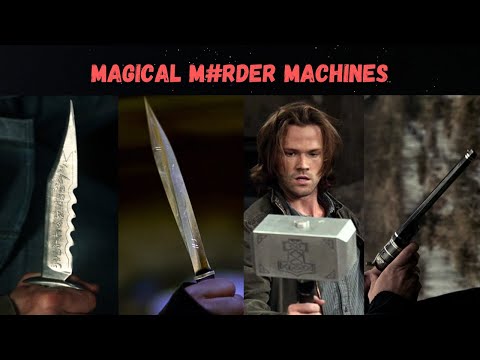
Supernatural's Arsenal: A Pragmatic Look at Mythic Weapons


In the gritty world of Supernatural, the Winchester brothers didn't just rely on grit and a souped-up Impala. Their survival against celestial beings, demonic hordes, and cosmic entities hinged on a diverse, often arcane, arsenal. But beyond the on-screen spectacle, what makes these weapons truly compelling from a practitioner's perspective? It's not just about their power, but their origin, limitations, and the underlying principles they represent. From the pragmatic ingenuity of human craftsmanship to the raw force of divine artifacts, let's dissect the keys to their effectiveness.

The Colt: Human Ingenuity Against the Divine

The Colt is more than just a powerful firearm; it's a testament to human will and a significant artifact in the lore. Crafted by Samuel Colt himself, it possesses the extraordinary ability to kill virtually anything – demons, spirits, and even lesser gods. The fact that a human could forge an instrument capable of challenging beings of immense power is a core theme. As one commenter aptly noted, "The thing I love about the Colt is that it was made by a regular human, and yet it was powerful enough to kill a prince of hell... shows just how impressive the Colt actually is." This highlights the principle that intent and craftsmanship can imbue an object with tremendous power, regardless of the creator's supernatural status. However, its effectiveness is also tied to its limited ammunition, a crucial constraint that forces strategic thinking rather than brute force. Missing a shot with the Colt is far more catastrophic than with any other weapon.

Angel Blades and Archangel Blades: Celestial Conflict

Angel blades represent the internal policing mechanism of Heaven. Ordinary angel blades are designed to kill angels, a necessity given that angels cannot smite their own kind through natural means. The existence of these blades suggests a proactive approach by the Heavenly Host, likely established to maintain order and deal with rogue angels. The lore, as discussed in community comments, suggests they might have been a response to the threat posed by Lucifer and his followers.

"My headcanon was that the angel blades came about because of Lucifer and lesser fallen angels. The heavenly host decided (maybe by themselves or maybe told by god) it was a good idea for angels to have something that could kill any of their brethren who go against heaven."

The Archangel blade, visually distinct and capable of harming even Archangels, presents a higher tier of celestial combat. The initial disappointment with its Season 5 appearance, where it was visually identical to a regular angel blade, underscores the importance of distinct symbolism in magical artifacts. Its later reintroduction with a golden, unique appearance and the lore that only an Archangel can wield it solidifies its status as a specialized, high-level weapon. This distinction is vital for understanding the hierarchy of power within celestial beings.

The First Blade: Power Bound by Sin

The First Blade is perhaps one of the most terrifying weapons in the series, intrinsically linked to Cain and the Mark of Cain. Its power is not inherent in its forging, but in its association with the first murder and the subsequent corruption it inflicts. As the comments suggest, "It also heavily implies that Cain made the blade. What most likely happened is that Cain struck the deal with Luci, made the blade then poked Abel with it." This connection to primal sin and bloodlust makes it a weapon of immense destructive potential, but one that comes at the cost of the wielder's soul. It embodies the principle that some powers are too dangerous to wield, not because they are uncontrollable, but because they corrupt the user. The lore that it required the Mark of Cain to unlock its full potential highlights the symbiotic relationship between the wielder and the artifact, a common theme in technomancy.

Demonic Tools and Cursed Artifacts

Beyond the celestial and the primal, the show features a variety of demonic weapons and cursed objects. The "British Men of Letters" brass knuckles, enchanted with Enochian symbols to harm angels, exemplifies a more localized and specialized form of magic. These are not cosmic instruments but tactical tools born from specific knowledge and intent, akin to bespoke digital sigils. The evolution of the Winchester's approach, from "exercising" demons to outright stabbing them, reflects a pragmatic shift in tactics as they faced increasingly dire threats. This mirrors the evolution of any practitioner: initial caution giving way to decisive action as experience grows.

Divine Artifacts: Mjolnir, Staff of Moses, and More

The series frequently draws from real-world mythology, bringing artifacts like Mjolnir and the Staff of Moses into play. Mjolnir, Thor's hammer, embodies raw, blunt force, a weapon of the storm and, as noted, historically is depicted as incredibly heavy, requiring divine aid to wield. The Staff of Moses, on the other hand, represents versatility: capable of unleashing plagues, parting waters, and transforming into a serpent. These artifacts remind us that true power often lies not just in destruction, but in control and manipulation of fundamental forces. Their inclusion also ties into broader traditions of esotericism, suggesting that even ancient myths hold practical keys to understanding reality.

Technomantic Considerations

Considering these weapons through the lens of magitech, we see patterns of intent, energy infusion, and symbolic resonance. The Colt, a product of skilled human craftsmanship, is a precursor to what could be achieved with advanced AI in ritual. Angel blades, while divine in origin, function through a specific mechanism designed for a particular outcome, much like a finely tuned algorithm. The First Blade's power, tied to a "Mark," is a stark example of how binding specific energetic or symbolic conditions can amplify or corrupt an artifact's function. Even the seemingly simple act of holding a sword, as playfully observed in one comment ("holding it like a lit firework"), plays into the psychodrama of ritual performance crucial for gnostic states. The idea of a "dragon sword" requiring dragon blood also taps into sympathetic magic principles, where a part of the target is used to create an effective counter.

Mage's Arsenal

  • Essential: Chaos Magick Sigil Generator - For designing and manifesting your own powerful intentions, whether for weapons or personal goals. Essential for translating pure will into tangible forms.
  • Highly Recommended: The Colt Revolver Replica (Prop) - For inspiring the mindset of tactical precision and the power of human-made arcane tools.
  • Recommended: Books on Enochian Magic & Talismans - To understand the principles behind enchanted items like the British Men of Letters brass knuckles.
  • Recommended: "Liber Null & Psychonaut" by Peter J. Carroll - For understanding the practical application of will and the creation of potent magical constructs, mirroring the power dynamics seen in the show. Features insights from Austin Osman Spare.
  • Reference: "The Complete Book of Norse Mythology" - To delve deeper into the origins of artifacts like Mjolnir and understand their mythological context.

Practitioner's Verdict

From a practical magic standpoint, the most consistently useful weapons are those that leverage clear principles of intent and energy. The Colt, despite its ammunition limitations, is a prime example of a focused, human-crafted tool designed for maximum efficacy. Angel blades, while specific to angels, represent a well-defined magical construct. The First Blade serves as a potent cautionary tale: power derived from pure malice and sin is a path to self-destruction. Artifacts like the Staff of Moses, however, hint at a more profound level of magic – the ability to manipulate fundamental forces. Ultimately, the effectiveness of any weapon in Supernatural, much like in real-world occultism, boils down to understanding its origin, its limitations, and the wielder's own state of being and intent. The "Winchester Way" often involved a blend of supernatural artifacts and sheer, bloody-minded resolve – a combination that cannot be underestimated.

FAQ

  • Which weapon is the most versatile?
    The Staff of Moses is arguably the most versatile due to its ability to transform and enact broad magical effects, from plagues to elemental control.
  • Could the Colt kill God or The Darkness?
    While stated to kill "anything," its efficacy against cosmic beings like God or The Darkness is questionable. The lore suggests these entities exist on a fundamental plane beyond the Colt's intended scope, although it could harm them.
  • What is the difference between an Angel Blade and an Archangel Blade?
    An Angel Blade is designed to kill angels, while an Archangel Blade is significantly more powerful, capable of killing other Archangels, and can only be wielded by them.
  • How did the First Blade gain its power?
    Its power is linked to the first act of murder committed by Cain, and later amplified when coupled with the Mark of Cain. Its destructive potential is tied to sin and corruption.
  • Are the weapons in Supernatural based on real mythology?
    Yes, many are directly inspired by or are direct interpretations of mythological artifacts and concepts, such as Mjolnir, the Staff of Moses, and various demonic/angelic lore.

Your Operation: The Symbol of Personal Power

You've seen the diverse arsenal wielded to combat supernatural threats. Now, it's time to integrate these principles into your own practice. Your operation is not about wielding a cosmic hammer, but about crafting your own symbolic tool of power. Design a sigil that represents your personal will to overcome obstacles, whether they are external challenges or internal limitations. Focus on the clarity of your intent, the symbolic resonance of the design, and the energy you imbue it with. Remember the Colt’s effectiveness stemming from its human-made precision and the Archangel Blade’s specific function. Your sigil is your bespoke tool – make it count.

For a practical approach to creating and focusing your intentions, I recommend using [Chaos Magick Sigil Generator]. It’s an excellent tool for translating your will into potent symbols, streamlining the process of ritualistic design and manifestation.

Practitioner's Note: True magick requires resources. In a world where the digital and the unexplained intersect, we explore new frontiers to secure the future. Do you dare to be part of the vanguard? Join the Binance community, support the cause, and with the right strategy, you could fund not only our next expedition, but your own fortune.

Chaos Magic: A Pragmatic Exploration of Belief and Will


In the sprawling landscape of esoteric practices, few disciplines are as deliberately unstructured and profoundly liberating as Chaos Magic. It’s a path that, by its very definition, rejects dogma, embracing instead the malleable nature of belief and the sheer force of the practitioner's will. This isn't about ancient rites etched in stone or inherited traditions passed down through centuries. Chaos Magic is about understanding that reality itself is a construct, and that as conscious agents, we possess the innate capacity to reshape that construct. It’s a practical, experimental approach to magic that prioritizes results over adherence to rigid systems. The core idea is simple, yet transformative: your beliefs shape your reality, and by consciously manipulating your beliefs, you can influence the world around you. This is the essence of Chaos Magic, a field that invites rigorous self-inquiry and bold experimentation. This post will serve as your definitive primer, delving into its history, theory, and most importantly, its practical application, empowering you to begin your own journey.

Introduction: The Unfettered Path

The air crackles with an unseen energy, not of ancient spirits or celestial alignments, but of pure, unadulterated intent. Imagine a magician, not bound by dusty tomes or rigid initiations, but one who crafts their own reality with the raw materials of their belief. This is the domain of Chaos Magic. It’s a path that resonates deeply with those who feel stifled by traditional dogma, those who understand that spiritual exploration is a deeply personal endeavor. It's about breaking free from the chains of imposed belief systems and forging your own unique relationship with the forces that shape existence. The digital age has further energized this practice, leading to innovations in Technomancy and Sigils Digitales, making the creation of magical tools more accessible than ever. If you're looking to understand the principles behind intentional reality-shaping, this is where your journey begins.

A Brief History: From Discordian Roots to Modern Praxis

While Chaos Magic as a formalized system is relatively modern, its philosophical underpinnings are ancient. It draws inspiration from a mosaic of sources, including Western esotericism, shamanism, ceremonial magic, and even quantum physics. However, its direct lineage often traces back to figures like Austin Osman Spare and the proto-Chaos practitioners of the mid-20th century. Peter J. Carroll, often hailed as a co-founder, codified many of its core tenets in texts that became foundational. The late 20th century saw a surge in interest, amplified by the internet and a growing dissatisfaction with rigid, hierarchical magical orders. Crucially, Chaos Magic emerged not from a vacuum, but as a reaction against the perceived stagnation and dogmatism in other occult traditions. This fertile ground allowed for radical experimentation, giving rise to concepts like Magitech and Digital Divination, blending ancient intent with modern technological capabilities.

What Exactly IS Chaos Magic? Beyond the Hype

At its heart, Chaos Magic is a meta-system of magic characterized by its rejection of fixed beliefs and its emphasis on experimentation. Instead of adhering to a specific pantheon or cosmology, Chaos Magicians adopt beliefs as tools. If a particular belief system, ritual, or symbol system yields desired results, it is adopted for that purpose, and then often discarded or modified once its utility is exhausted. This pragmatic approach means a Chaos Magician might invoke a Babylonian god one day, a cartoon character the next, and then an abstract concept the day after. The critical element is the alignment of belief and intent. As one commentator aptly noted, "Chaos Magick rejects dogma of all kinds, including the dogma of Chaos Magick." This fundamental principle allows for unparalleled flexibility and personal expression within the practice. It’s about understanding that the most potent magic often stems from our ability to suspend disbelief and enter a receptive, yet powerful, state of mind.

Chaos Magic Theory: The Power of Belief and the State of Gnosis

The theoretical framework of Chaos Magic is built upon a few core pillars:

  • Belief as a Tool: The most significant concept is that belief is not absolute truth but a malleable construct. By consciously choosing and adopting beliefs, practitioners can influence their perception and interaction with reality. This is often referred to as “gnosis” – a state of altered consciousness where the conscious mind's critical factor is bypassed, allowing the desired belief or intent to implant itself more deeply.
  • The State of Gnosis: Achieving gnosis is paramount in Chaos Magic. This can be achieved through various methods, including sensory deprivation, sensory overload, intense physical exertion, emotional arousal, or ritualistic trance. The aim is to reach a state where the conscious mind is too preoccupied to interfere with the magical operation.
  • Servitor Magic and Sigils: These are perhaps the most well-known practical applications. A sigil is created by condensing a statement of intent into a symbol, often by removing redundant letters from the phrase and then artistically combining the remaining letters into a unique glyph. Servitors are self-contained psychic entities created to perform specific tasks, often built using sigils and charged with intent. For creating intricate designs and understanding the symbolic language of magic, tools like the Chaos Magick Sigil Generator can be invaluable, automating the complex design process and allowing you to focus on the crucial element of intention.
  • Deconditioning: Chaos Magic often involves a process of “deconditioning” – shedding societal, cultural, and personal beliefs that limit one's perception and freedom. This process liberates the magician to adopt new belief systems and explore the full spectrum of their innate magical potential. It's about clearing out the mental clutter to make space for focused intent and belief.

Understanding these theoretical underpinnings is crucial for any serious practitioner looking to harness the power of their mind. The ability to shift beliefs and enter a focused Estado Gnóstico is the engine that drives all Chaos Magic operations. The concept of Deconditioning is particularly vital, as it allows practitioners to shed limiting beliefs that may have been instilled from childhood or societal conditioning, opening the door to a more authentic and powerful practice.

How To "Do" Chaos Magic: Practical Steps and Considerations

Embarking on Chaos Magic doesn't require years of study or membership in an ancient order. It requires a willingness to experiment and a fundamental understanding of how belief influences reality. Here's a simplified approach to get you started:

  1. Define Your Intent: What do you want to achieve? Be specific and phrase it as a positive statement. Instead of "I don't want to be poor," try "I will experience financial abundance."
  2. Create a Sigil: Take your intent statement, remove all repeating letters, and then combine the remaining letters into a unique symbol. You can get creative here. The symbol itself is less important than the process of its creation and its association with your intent. For those who find manual creation tedious or prone to error, digital tools can streamline this process. The Chaos Magick Sigil Generator offers a quick and effective way to generate unique sigils based on your intentions, ensuring a clean and focused symbol.
  3. Charge the Sigil: This is where you bypass the conscious mind and implant the sigil into your subconscious. Achieve a state of gnosis (through any method that works for you – dancing, meditation, intense focus, or even a moment of intense emotion) and focus intensely on the sigil, visualizing its meaning, until you achieve a moment of clear intent.
  4. Launch the Sigil: Once charged, "forget" about it. Destroy the physical representation of the sigil (burn it, tear it up, flush it). This act of forgetting is crucial; it releases the intention into the universe without the conscious mind's interference. The magic is now in motion.
  5. Observe and Record: Keep a magical diary. Note down your intentions, the sigils you create, the methods of charging, and any results you observe. This practice hones your skills and helps you identify patterns in your magical work.

Remember, this is a practical, hands-on discipline. The more you practice, the more attuned you become to your own inner power. The integration of technology, such as using Sigilos Digitales or exploring Rituales con IA, can offer new avenues for exploration and efficiency in your practice.

Practitioner's Verdict: Is Chaos Magic for You?

Chaos Magic is not for the faint of heart or those seeking a pre-packaged spiritual solution. It demands self-reliance, critical thinking, and a willingness to confront your own beliefs and biases. If you are someone who chafes at dogma, enjoys experimenting, and believes in your own agency to effect change, then Chaos Magic offers an incredibly potent and liberating framework. It’s less about believing in magic and more about believing in your ability to *do* magic. The core principle of its adaptability makes it a powerful ally in navigating the complexities of modern life, especially when combined with the insights of modern psychology and the potential of digital tools. The emphasis on playful experimentation, as one commenter highlighted, is a key differentiator – it allows for a joy and freedom often missing in more rigid systems. If you’re looking for a path that empowers you to be the architect of your own reality, this might be it.

Mage's Arsenal: Essential Tools and Resources

  • Esencial: Chaos Magick Sigil Generator (App): For rapid, effective sigil creation. This tool eliminates the tedium of letter-removal and design, allowing you to focus purely on the intent and the state of gnosis. It’s an indispensable asset for any modern magic practitioner looking to streamline their operations.
  • Liber Null & Psychonaut by Peter J. Carroll: A foundational text for understanding the theoretical and practical aspects of Chaos Magic.
  • The Chaos Protocols by Gordon White: Offers a more contemporary and gritty perspective on applied Chaos Magic.
  • Psychonautica by Nikolas Schreck: Explores the experiential and altered states crucial to Chaos Magic.
  • Magical Diary/Journal: Essential for recording intentions, operations, and results. Tracking your progress is key to refining your practice.
  • Austin Osman Spare's Works: Explore his art and writings for foundational concepts in sigil creation and the psychology of magic.

Frequently Asked Questions

What's the difference between Chaos Magic and Traditional Magic?

Traditional magic often relies on established systems, pantheons, and rituals passed down through generations. Chaos Magic is a meta-system that treats these traditions as optional tools, de-emphasizing dogma and prioritizing the practitioner's belief and intent.

Do I need special tools to practice Chaos Magic?

No, not necessarily. While tools like sigil generators or specific ritual implements can be helpful, the primary tools of Chaos Magic are your mind, your will, and your ability to adopt beliefs. However, leveraging technology can significantly enhance efficiency, as seen with apps like the Chaos Magick Sigil Generator.

Can Chaos Magic be dangerous?

Any powerful practice carries risks if not approached with responsibility. The primary danger in Chaos Magic often stems from the practitioner's own psychological state or a lack of deconditioning. It's crucial to maintain self-awareness and ethical considerations. The focus is always on personal development and exploration, never on causing harm.

How do I know if my magic is working?

Results can manifest in various ways, not always directly or immediately. Keeping a detailed magical journal is essential for tracking subtle shifts, synchronicities, and direct manifestations. Your own subjective experience and sense of progress are also key indicators.

Your Operation: Igniting Your First Sigil

Now, it's time to put theory into practice. Your first operation is to create and launch a sigil for enhancing your learning capacity. This will help solidify your understanding of the process.

  1. Intent: Write down "I easily learn and retain new information."
  2. Sigil Creation: Condense this sentence by removing repeating letters (I, E, A, R, N, T, H, O, M, S, L). Combine the remaining letters (I, E, A, R, N, T, H, O, M, S, L) into a unique symbol. Consider using the Chaos Magick Sigil Generator to help you craft a potent visual representation.
  3. Charging: Choose a method to reach a state of gnosis. This could be intense physical exercise immediately followed by focusing on the sigil, listening to a powerful piece of music and visualizing the sigil with closed eyes, or any other method that allows you to momentarily suspend your normal critical thinking. Focus on the sigil with absolute intent for a short, intense period.
  4. Launch: Once you feel the charge has been delivered, banish the image of the sigil from your mind. You can do this by tearing up a drawing of it, burning it (safely!), or simply visualizing it dissolving into light. Then, consciously turn your attention to something mundane.
  5. Record: Note down this operation in your magical journal. Pay attention to any new insights, ease of understanding, or memorable details in your studies over the next week.

Practitioner's Note: True magick requires resources. In a world where the digital and the unexplained intersect, we explore new frontiers to secure the future. Do you dare to be part of the vanguard? Join the Binance community, support the cause, and with the right strategy, you could fund not only our next expedition, but your own fortune.