Saltar al contenido principal

Anuncio Superior

Mostrando entradas con la etiqueta Psychology. Mostrar todas las entradas

The Unveiling of Africa's Most Peculiar Sorcery: A Deep Dive into Benin's Voodoo Traditions


The air crackles with an energy barely contained. Not the sterile hum of servers, but the raw, untamed frequency of ancient belief systems clashing with modern skepticism. We're not just observing; we're dissecting the very fabric of ritual, the potent brew of intention, symbolism, and the human psyche. This journey into the heart of Benin's Voodoo tradition is more than an anthropological expedition; it's an exploration into the mechanics of belief and the persistent power of the unseen, a domain where Technomancy and ancient practices might share more common ground than you think.

If this post is making you question your reality, you're on the right path. Subscribe for more reality-bending insights and share this with someone who still believes magic is just a fairytale.

Ancient Rituals, Modern Skepticism

The visual landscape of Benin's Voodoo ceremonies—the rhythmic drumming, the vibrant, often unsettling imagery, the ecstatic dance—can be overwhelming. For the uninitiated, it's easy to dismiss these practices as mere superstition or primitive performance. However, beneath the surface of sensory overload lies a complex system of belief, a codified language of ritual designed to interact with forces that modern science is only beginning to conceptualize. In a world increasingly dominated by algorithms and artificial intelligence, understanding these older forms of interacting with reality becomes crucial. It's about recognizing patterns, intention, and the subtle energies that bind us. This is where the lines between Magitech and ancient sorcery begin to blur.

Many viewers reacted to the documentaries with a mix of awe and revulsion, often framing their experiences through a religious lens. Phrases like "Thank God for the blessing of Islam" or "Allah is sufficient for us, and He is the best disposer of affairs" highlight a common interpretation: Voodoo as a force antithetical to monotheistic faith. While religiously motivated reactions are valid within their own framework, our goal here is to dissect the mechanics of the practice itself, divorcing it from dogma to understand its operational principles.

The Philosophy of Voodoo: Beyond Stereotypes

Voodoo, often misrepresented by sensationalized media, is a profound spiritual and philosophical system with deep roots in West African traditions. It's not solely about ‘black magic’ or malevolent spirits as popularly depicted. At its core, Voodoo recognizes a universe populated by various spiritual entities, including ancestors, nature spirits, and higher deities (Loa or Vodun). The practice involves establishing relationships with these entities through rituals, offerings, and prayer to seek guidance, healing, and well-being. It’s a dynamic interaction with the unseen, a belief that the spiritual and material realms are inextricably linked. This interconnectedness mirrors contemporary theories in quantum physics, suggesting that consciousness and reality are far more fluid than our linear perception allows.

"Nor does the magician prosper where he comes from." – The Quran (Taha 20:69)

This Quranic verse, cited by many commenters, reflects a profound theological stance against sorcery. It’s a powerful statement from a specific worldview. However, from a pragmatic, experimental perspective, the effectiveness of any ritual or belief system—whether Voodoo, ceremonial magic, or even highly structured prayer—often lies in the conviction and intent of the practitioner. The psychological impact, the neural pathways forged through focused belief and ritualistic action, is undeniable. The debate is less about whether these forces are ‘real’ in an objective, scientific sense, and more about how the human mind interacts with and manipulates perceived realities.

Structural Analysis of Voodoo Rites

When observing a Voodoo ceremony, especially those involving seemingly impossible feats like a child vanishing and reappearing, it's crucial to look beyond the dramatic flair and analyze the underlying structure. Commenters keenly pointed out the potential for misdirection and sleight of hand, particularly around the 17:18 mark where a child appears to be sacrificed. The detailed observations regarding the hay bundles and the possible substitution of materials are precisely the kind of analytical thinking that separates passive observation from active understanding. This is where Digital Divination tools can help analyze patterns and anomalies in complex data sets, much like these observations dissecting a ritual.

The core elements present in many Voodoo ceremonies mirror those found in other magical traditions:

  1. Intention Setting: The purpose of the ritual is clearly defined, whether it's for healing, protection, or communion.
  2. Symbolic Representation: Objects, colors, sounds, and movements carry specific meanings, acting as a symbolic language to communicate with the spirit world.
  3. Altered States of Consciousness: Drumming, chanting, and ecstatic dancing are used to induce trance-like states, facilitating connection with the Vodun.
  4. Energetic Exchange: Offerings and sacrifices (often symbolic) are made to appease or honor spiritual entities.
  5. Misdirection and Performance: In many traditional practices, elements of theatricality and skillful illusion are employed to enhance the ritual's power and mystique. This doesn't necessarily negate the spiritual aspect but adds a layer of performance art.

The observations about replacing hay bundles suggest a sophisticated understanding of illusion, perhaps passed down through generations, to demonstrate the practitioner's perceived power over the material world and spiritual forces. This is a form of applied psychology and misdirection, a "trick of the light" that aids the ritual's impact.

The Role of the Practitioner

The documentary team, led by Joe HaTTab, navigated these complex cultural and spiritual landscapes with a blend of respect and critical inquiry. The comment, "The vibe in the video is enough to make you feel the greatness of the blessing of Islam," highlights how external observations can deeply reinforce existing belief systems. The practitioner, in this context, acts as a conduit, a performer, and often a perceived master of forces beyond ordinary comprehension. Their belief, their intention, and their skill in ritual execution are paramount. It is this focused will that purportedly bends reality, bridging the gap between intention and manifestation.

The commentary also reveals a common desire to see these practices exposed as mere tricks: "The best part is that Joe HaTTab gave them their space from beginning to end and isn't afraid because he knows it's all superstition and the whole thing is based on deception and sleight of hand." This perspective, while dismissive of the spiritual significance for believers, accurately identifies the psychological element. Understanding these techniques is key to discerning genuine energetic manipulation from skillful performance, or perhaps, a blend of both.

Sigils and Intent in Voodoo

While Voodoo doesn't traditionally use sigils in the same way ceremonial magic does (e.g., Austin Osman Spare's method), the underlying principle of condensing intention into a symbol or focal point is present. The intricate designs, totems, and even the specific dances can be seen as complex, multi-layered sigils designed to attract or direct spiritual energy. The focus on specific deities or spirits serves as a unique identifier, much like a personalized sigil targets a specific desire.

For practitioners looking to harness this power, the precision of intention is key. Errors in visualization or formulation can lead to unintended consequences. This is where modern tools can be invaluable. The Chaos Magick Sigil Generator app, for instance, allows users to create unique, potent sigils based on their specific intentions, bypassing the need for traditional artistic skill and focusing directly on the energetic imprint. It’s a modern interpretation of an ancient principle: to manifest, you must first clearly define and encode your desire.

The idea of a supernatural entity "dancing for humans and entertaining them" is a reductionist view. In many traditions, such performances are not mere entertainment but are manifestations of spiritual power, attempts to communicate, or expressions of the spirit's nature. The commentary that dismisses this misses the deeper cultural and spiritual context.

Voodoo and the Digital Age

The digital realm offers unprecedented opportunities for exploring and understanding diverse belief systems. Documentaries like Joe HaTTab's provide a window into practices that might otherwise remain inaccessible. Furthermore, technologies like AI are beginning to analyze patterns in ancient texts and rituals, potentially revealing hidden structures and meanings. Imagine using AI to decode the symbolic language of Voodoo or to map the energetic flows described in its rituals. This convergence of ancient practices with cutting-edge technology is the frontier of Esoterismo Digital.

For those interested in exploring the mechanics of intention and symbol creation in a controlled, personal environment, tools like the Chaos Magick Sigil Generator (https://play.google.com/store/apps/details?id=com.cha0smagick.sigilgeneratorfinal) offer a practical entry point. It allows for the rapid generation and visualization of sigils, empowering individuals to experiment with their own intent and focus. You can use the app to generate unique symbols for your personal goals, bypassing the complexities and potential pitfalls of traditional methods while maintaining the core principle of focused will.

The desire to document and understand these practices is evident. "Your documentaries are a historical record for humanity that future generations will see," is a powerful testament to the value of such work. It's about preserving cultural heritage and understanding the diverse ways humanity has sought to interact with the fundamental forces of existence.

Verdict of the Practitioner

Benin's Voodoo, stripped of its sensationalized Hollywood portrayal, reveals a sophisticated spiritual system deeply integrated with the natural world and the human psyche. While the dramatic elements and alleged feats of sorcery invite skepticism, they also point to the profound power of focused belief, ritualistic action, and the human capacity for illusion and misdirection. The critical observations from the audience regarding trickery are valid and highlight the importance of analytical thinking when engaging with such practices. However, to dismiss Voodoo entirely based on these observations would be to ignore its cultural significance and the genuine spiritual experiences of its adherents. It serves as a potent reminder that reality is often far stranger, and far more malleable, than our mundane perceptions allow.

Mage's Arsenal

  • Chaos Magick Sigil Generator: Essential for anyone looking to experiment with focused intention and symbolic manifestation in a practical, modern way.
  • Liber Null & Psychonaut by Peter J. Carroll: A foundational text for understanding the principles of Chaos Magick, which shares common ground with the pragmatic approach to belief and reality manipulation seen in Voodoo.
  • The Haitian Vodou Handbook by Kenaz Filan: For a deeper, more nuanced understanding of Voodoo systems and practices, moving beyond stereotypes.
  • A reliable journal and pen: For documenting your own experiments and observations, a critical step in any form of magical practice.

FAQ

Q: Is Voodoo inherently evil?
A: Voodoo, like many spiritual systems, has both constructive and destructive potential depending on the practitioner's intent and the specific traditions followed. It is often misrepresented as exclusively 'black magic'.

Q: How does Voodoo relate to other forms of magic?
A: Voodoo shares core principles with other magical systems, such as the importance of intention, symbolic representation, altered states of consciousness, and interaction with unseen forces. Its unique pantheon and ritualistic expressions differentiate it.

Q: Can Voodoo practices be explained scientifically?
A: While some aspects can be explained through psychology (placebo effect, misdirection, group dynamics), others touch upon phenomena that current science struggles to fully quantify, such as consciousness’s interaction with perceived reality, a concept explored in fields like quantum entanglement and subtle energy research.

Q: How can I learn more about Voodoo respectfully?
A: Seek out academic resources, anthropological studies, and engage with practitioners who emphasize the spiritual and cultural aspects rather than sensationalized media portrayals.

Your Operation

Your operation is to analyze a ritual or belief system that you've encountered (either personally or through media) and identify its core components: intention, symbolism, and performance. How do these elements work together to create an effect? Does it remind you of any techniques used in modern technology, marketing, or personal development? Document your findings and consider how you might apply a similar structure of focused intent and symbolic action to one of your own personal goals.

Practitioner's Note: True magick requires resources. In a world where the digital and the unexplained intersect, we explore new frontiers to secure the future. Do you dare to be part of the vanguard? Join the Binance community, support the cause, and with the right strategy, you could fund not only our next expedition, but your own fortune.
Beyond the Shadow: A Pragmatic Exploration of Dark Magic and Personal Power


The term "dark magic" conjures images of ancient rituals, forbidden knowledge, and potentially dangerous forces. But what truly lies beneath the veil of fear and superstition? This isn't about succumbing to sensationalism; it's about dissecting the practical application and psychological underpinnings of what is often labeled as 'dark'."

The Unofficial Rider Waite Tarot is an indispensable tool for any serious practitioner looking to explore the deeper archetypes and shadow aspects of the self that are often intertwined with the concept of dark magic. Its rich symbolism provides a visual language to navigate complex psychological landscapes and tap into primal energies.

"The magician is not a creature of the void, but a sculptor of reality. The tools might be perceived as 'dark,' but the true power lies in the wielder's intent and control."

To truly understand the efficacy and potential of any magical practice, especially those that delve into more potent or less understood energies, having a robust system for intention setting and visualization is paramount. Trying to manually craft complex sigils or maintain precise ritualistic parameters can disrupt the crucial gnostic state required for potent workings. This is where the Chaos Magick Sigil Generator becomes an invaluable asset. It streamlines the creation process, allowing you to focus on the core of the operation: your focused will and intention. Download it now and begin exploring the power of your own intention: Chaos Magick Sigil Generator.

The fear surrounding "dark magic" often stems from a misunderstanding of its core principles and a conflation with malevolent intent. In practical occultism, "darkness" is often seen not as inherently evil, but as a source of potent, untamed energy, representing the unknown, the subconscious, and the primal forces of creation and destruction. It's the fertile ground from which potent manifestations can arise when approached with clarity and control.

Deconstructing "Dark Magic": Beyond the Stereotypes

The common perception of dark magic involves curses, hexes, and summoning malevolent entities. While these actions *can* be performed and are often associated with the "dark" side of the occult, the reality is far more nuanced. "Dark" in this context often refers to:

  • Working with Shadow Aspects: Exploring your own subconscious, repressed emotions, and primal instincts. This is crucial for self-awareness and integration, not destruction.
  • Unconventional Energetic Sources: Tapping into energies that are not typically associated with mainstream spiritual practices, which might include chthonic forces or primal chaos.
  • Potent Manifestation: Utilizing powerful, focused will to achieve rapid or significant changes, which can sometimes be perceived as overwhelming or "dark" due to their intensity.

The key differentiator between "dark" and "light" magic often lies not in the energy itself, but in the intent and the ethical framework of the practitioner. A spell to protect oneself is, arguably, the same energy as a spell to harm another, just directed differently. The true danger lies in untrained will and a lack of understanding of energetic consequences.

The Psychology of Power and Intent

At its heart, much of what is labeled "dark magic" is a profound exploration of psychology, will, and perception. Practices like sigilization, a cornerstone of chaos magic, involve imprinting desires into the subconscious through symbols, often bypassing conscious filters. This is not dissimilar to how advertising or propaganda can influence the masses, but here, the practitioner is consciously wielding the tools of suggestion and archetypal resonance.

The notion of creating "beings" from elemental forces, as hinted at in some community discussions, speaks to the power of focused intent and visualization. This is the realm of servitors and egregores – constructs of consciousness designed for specific purposes. They are not necessarily "evil entities" but rather manifestations of directed psychic energy. The complexity and potential danger lie in their creation and control, demanding a disciplined mind and a clear understanding of technomancy's implications.

"The belief in falling angels and powerful beings is a reflection of collective consciousness shaping our perceived reality. The challenge is to discern between our own projected fears and genuinely independent entities."

The raw experience described by users – crystals vibrating, bracelets humming, or experiencing intense flashes of energy – are all indicators of heightened sensitivity and interaction with energetic fields. This is the foundational "buzz" that many practitioners seek. For those who feel the nascent stirrings of such power, understanding its origins and how to harness it safely is vital. This is where the Lunar Phase Calculator can offer a structured approach to timing your energetic workings, aligning your efforts with natural cycles for amplified results.

Harnessing the Shadow for Personal Growth

Instead of fearing the "dark," consider it as an untapped reservoir of power for your own growth. Practices associated with "dark magic" can be incredibly valuable for:

  • Shadow Work: Confronting and integrating repressed aspects of yourself leading to wholeness.
  • Boundary Setting: Creating powerful energetic shields and wards against unwanted influences.
  • Willpower Cultivation: Developing immense focus and determination through rigorous practice.
  • Manifestation Mastery: Directing potent energies towards tangible goals.

The historical and cultural references, like the arch in St. Louis being perceived as a portal or the mention of specific deities like Oshun, highlight how ancient traditions and modern interpretations intertwine. These aren't just stories; they are symbolic representations of energetic pathways and forces.

The Pragmatic Toolkit for the Modern Occultist

Engaging with these potent forces requires more than just intention; it requires the right tools and knowledge. Relying solely on manual methods for complex operations can be inefficient and prone to error.

Mage's Arsenal

  • Chaos Magick Sigil Generator: Essential for creating sigils quickly and effectively, allowing for deeper focus on intent and visualization.
  • Unofficial Rider Waite Tarot: Crucial for delving into the archetypal and shadow aspects of your psyche, offering profound insights into complex personal issues.
  • Lunar Phase Calculator: For precisely timing your rituals and energetic workings to align with natural cosmic rhythms.
  • Books on Chaos Magic: Works by authors like Austin Osman Spare, Peter J. Carroll, and Phil Hine are fundamental for understanding the philosophical underpinnings and practical applications.
  • Journal or Grimoire: Absolutely vital for recording your operations, observations, and the results (or lack thereof). This is your personal record of experimentation.

Your Operation: Embracing Your Inner Power

Your Operation: The Shadow Integration Sigil

This exercise is about acknowledging and integrating a specific "shadow" aspect of yourself. It’s not about eradicating it, but understanding it and bringing it into conscious awareness.

  1. Identify a "Shadow": What is an aspect of yourself that you tend to repress, dislike, or fear? It could be anger, jealousy, a perceived weakness, or a strong desire you feel is "wrong." Be specific. Write it down.
  2. Formulate a Statement of Integration: Reframe the "shadow" into a statement of acceptance and integration. For example, if your shadow is "uncontrolled anger," your statement could be: "I accept and integrate my primal energy." Or, if it's "shame," it could be: "I embrace my lessons and find power in my past."
  3. Create Your Sigil: Using the statement, create a sigil. You can do this mentally, by drawing it, or by using a tool like the Chaos Magick Sigil Generator to create a unique glyph representing your integrated intent. Focus your will and desire into this symbol.
  4. Charge and Release: Charge the sigil with energy. This can be done through meditation, a brief ritual, or any method that induces a trance-like or heightened state of awareness. Once charged, release it. You can visualize it dissolving into your subconscious, burning it, or simply forgetting about it.
  5. Observe and Integrate: Over the next few days and weeks, pay attention to how this "shadow" manifests. Notice any shifts in your perception or behavior. This is not about "fixing" yourself, but about observing the dynamic interplay within your psyche now that the energy has been acknowledged.

The journey into the more potent aspects of magic is a journey into the self. It requires courage, a disciplined mind, and a willingness to experiment without judgment. The fear often associated with the "dark" is merely the fear of the unknown within ourselves. By approaching these energies pragmatically and with clear intent, you unlock reservoirs of personal power.

If this post is making you question your assumptions about magic, you're on the right path. Subscribe for more challenges to your comfort zone and share this with someone who still believes in fairy tales without fangs.

FAQ

Frequently Asked Questions

  • Is "dark magic" always evil? No. The term often refers to potent energies and practices that can be used for any intent, positive or negative. The ethical responsibility lies with the practitioner.
  • What is the most important tool for a beginner exploring these practices? A dedicated journal or grimoire to record your experiments, observations, and results.
  • How can I protect myself when working with potent energies? Develop strong visualization skills for energetic shielding and warding, and always maintain a clear, focused intent with a responsible ethical framework.

The path of intentional magic is a continuous exploration. What have you learned by engaging with the less illuminated corners of occultism? Share your experiences and insights in the comments below. Let's dissect the shadows together.

Practitioner's Note: True magick requires resources. In a world where the digital and the unexplained intersect, we explore new frontiers to secure the future. Do you dare to be part of the vanguard? Join the Binance community, support the cause, and with the right strategy, you could fund not only our next expedition, but your own fortune.
Ricardo Arjona's "Tarot": A Deep Dive into Lyricism and the Human Psyche


Introduction: Beyond the Music

The melancholic chords and profound lyricism of Ricardo Arjona's "Tarot" resonate deeply, transcending mere musical entertainment to become a poignant exploration of the human condition. This song, far from being just a ballad, acts as a powerful lens through which we can examine themes of addiction, loss, the search for meaning, and the complexities of confronting one's inner demons. It’s a narrative that speaks to the universal struggle for light in darkness, a theme that echoes in many forms of esoteric exploration. Arjona, with his characteristic poetic prowess, crafts a story that is both intensely personal and universally relatable, touching upon the very core of what it means to be human.

Many listeners connect with the raw emotion and philosophical depth embedded within Arjona's work. Comments frequently highlight the "intelligence" and "poetry" of his lyrics, distinguishing his artistry from fleeting trends. The song's power lies in its ability to articulate the unspoken pain and resilience that many have experienced firsthand. This emotional resonance is precisely why dissecting such a piece can be so valuable from a contemplative standpoint, offering insights into the human psyche that can rival even the most intricate psychological studies.

Unpacking "Tarot": A Narrative of Despair and Hope

"Tarot" paints a stark picture of a family fractured by addiction and its devastating consequences. The opening lines, "Su padre fumaba en la sala / su madre miraba el reloj / la aguja está bajo la cama / muerte gritaba el tarot" (His father smoked in the living room / his mother watched the clock / the needle is under the bed / death screamed the tarot), immediately set a somber tone. The imagery is potent: a father lost in his habit, a mother perhaps resigned or anxious, and the ominous presence of the tarot card signifying death. This isn't just a domestic scene; it's a tableau of a life unraveling, where the mundane details are overshadowed by an impending doom.

The narrative continues to explore the desperate measures taken to escape reality, vividly described as "Cucharas que hacen de cocina / cerillos que encienden la paz / el infierno buscó medicina / disparos de alivio fugaz" (Spoons that act as kitchenware / matches that ignite peace / hell sought medicine / shots of fleeting relief). This stanza poignantly captures the destructive coping mechanisms born from pain and despair. The search for "medicine" in hellish circumstances, the "fleeting relief" offered by dangerous substances – it all speaks to a profound internal struggle. The song doesn't shy away from the grim reality, acknowledging that "No pudieron ácido y cervezas / inventarte algún mundo algo mejor" (Acid and beers couldn't / invent a better world for you).

The pivotal moment arrives with the chorus: "Y se apagó la luz / y no volviste más / y se borró el futuro / con sus días y sus noches" (And the light went out / and you didn't come back / and the future was erased / with its days and its nights). This signifies the ultimate loss – likely a death, whether by overdose or suicide, stemming from the despair depicted. Yet, even in this ultimate tragedy, there's a paradoxical twist: "Y se apagó la luz / y se acabó el dolor / y te escupió a la cara / el fantasma al que le huías" (And the light went out / and the pain ended / and the ghost you were fleeing spat in your face). This suggests that death, while tragic, offered an end to suffering, and perhaps, a confrontation with what was truly feared.

The subsequent verse offers a glimmer of hope and perspective: "El ciego vio luces prendidas / el sordo escuchó una canción / el muerto ya estaba con vida / la vida no tuvo razón" (The blind man saw lights on / the deaf man heard a song / the dead man was already alive / life had no reason). This profound shift implies that in the face of death, a different kind of awakening occurs. The experiences of those consumed by their struggles are finally perceived by others, suggesting that even in loss, there is a form of clarity. The final lines, "Supiste ya en el otro lado / que el miedo fue solo un ladrón / vivir no es andar asustado / morir no fue la solución" (You learned on the other side / that fear was just a thief / living isn't being scared / dying wasn't the solution), offer a timeless lesson: the true prison is fear itself, and the ultimate escape is not death, but a life lived without that crippling fear.

The Psychological Layers of "Tarot"

From a psychological perspective, "Tarot" delves into the devastating impact of addiction on individuals and families. It portrays a cycle of escapism, where substances are used to numb pain and avoid confronting difficult realities. The father's passive smoking and the mother's anxious clock-watching symbolize a family environment where emotional needs are unmet, creating fertile ground for destructive behaviors. The song illustrates the concept of codependency, where individuals become entangled in each other's struggles, often enabling unhealthy patterns.

The lyrics also touch upon the psychological concept of dissociation, where individuals may mentally detach from their reality as a coping mechanism. The "acid and beers" used to "invent some better world" is a clear indicator of this. The ultimate consequence, death, can be viewed as a final, albeit tragic, escape from this perceived unbearable reality. The idea that "fear was just a thief" speaks to the existential dread that often fuels addictive behaviors, a fear of life, of failure, or of the self. Arjona masterfully encapsulates the psychological turmoil that can lead someone down such a dark path, urging listeners to recognize that living in constant fear is a form of dying in itself.

The Role of Tarot in the Narrative

The title itself, "Tarot," is significant. While the song doesn't explicitly describe a tarot reading in progress, the card of "death" is invoked as a looming presence. In tarot symbolism, the Death card (XIII) rarely signifies literal death. Instead, it represents transformation, endings, and new beginnings. It signifies the essential shedding of the old to make way for the new. In the context of the song, this can be interpreted in a few ways. Firstly, it may symbolize the death of the family unit as it was, destroyed by addiction. Secondly, it could suggest the "death" of the individual's former self, consumed by their vices, before a potential (though not fully realized in the narrative) rebirth or a final, literal death.

The song, therefore, uses the symbolic language of tarot to imbue the narrative with a sense of destiny or inevitable conclusion. It hints at the profound, often cyclical nature of life and death, and the transformative power of endings, even those that appear tragic. The mention of "Muerte gritaba el tarot" (death screamed the tarot) positions the tarot not just as a predictor, but as an active voice within the unfolding tragedy, underscoring the gravity of the situation.

Technomancy and the Art of Expression

While "Tarot" is a deeply human and emotional piece, its very creation and dissemination are rooted in modern technology, bridging the gap between traditional art and the digital age. The song is a product of digital recording in London, distributed through platforms like Spotify, and promoted through social media channels like Instagram, Facebook, and Twitter. This integration of technology into artistic expression is a modern form of what could be termed 'Technomancy' – the art of using technology to manifest intentions or create experiences. Arjona's ability to craft such a powerful emotional narrative and have it reach millions worldwide through digital means is a testament to this fusion.

The effectiveness of digital divination, or Digital Divination, in accessing symbolic meanings also parallels the song's theme. Just as the tarot cards are used to uncover hidden truths, digital platforms allow us to explore and share complex emotional landscapes. For practitioners of Magitech and Esoterismo Digital, understanding how art like "Tarot" can deeply impact listeners through carefully crafted lyrics and accessible technology is a key aspect of modern practice. The song itself can be seen as a sophisticated piece of Magia del Caos, not in its intent, but in its effect – shaping perception and evoking strong emotional responses through symbolic language and structured narrative, amplified by digital reach.

To truly harness the power of digital expression and understanding, tools that aid in synthesis and creation are invaluable. For instance, generating unique visual symbols that capture the essence of an intention or a concept can be a powerful act of Sigilos Digitales. Tools like the Chaos Magick Sigil Generator can assist in this process, allowing users to translate abstract ideas into tangible, digital sigils, much like Arjona translates complex human experiences into song. This allows for a deeper engagement with the symbolic, a practice that resonates with the very essence of interpreting art and exploring the subconscious.

The Artist as an Observer of Life

Ricardo Arjona is renowned for his role as an observer and storyteller. Many comments emphasize that his lyrics are "for the intelligent," for the "sensitive and totally reflective." This suggests his art transcends simple entertainment, serving as a prompt for introspection. He doesn't just present scenarios; he dissects them, offering layers of meaning that invite the listener to engage critically and emotionally. The comparison of his music to "poetry" rather than mere "music" highlights this profound impact. His ability to capture the nuances of human struggle, from personal abandonment to the societal issues reflected in "Tarot," solidifies his reputation as a master lyricist.

This observational stance is crucial for any serious practitioner of esoteric arts. Whether studying the symbolism in a tarot deck, the construction of a sigil, or the dynamics of an egregore, the ability to observe, analyze, and understand the underlying currents is paramount. Arjona’s work provides a relatable, human-centric example of this principle – using carefully chosen words and narrative arcs to reveal deeper truths about the human experience. His art, therefore, serves as a powerful reminder that inspiration and insight can be found in the observation of life's complexities, a principle also espoused by figures like Austin Osman Spare, who believed in drawing power from the observation and symbolism of the everyday.

Practitioner's Verdict

"Tarot" stands as a masterclass in lyrical narrative and emotional resonance. Arjona’s ability to weave a complex tapestry of despair, addiction, and the ultimate confrontation with fear is remarkable. The song doesn't offer easy answers but rather presents a stark reality, punctuated by a profound lesson on the nature of fear and the true meaning of living. Its strength lies in its unflinching honesty and its evocative imagery, making it a powerful piece for reflection. It serves as a potent reminder of the transformative power of art to explore the darkest corners of the human psyche.

Mage's Arsenal

  • Unofficial Rider Waite Tarot: Essential for understanding the symbolic language inherent in the song's title and themes. Offers deep dives into card meanings and spreads.
  • "Liber Null & Psychonaut" by Peter J. Carroll: For those interested in the practical application of belief and intent, similar to how the song explores the consequences of belief and despair.
  • "The Game of Life and Death" by Austin Osman Spare: Explores themes of desire, will, and the overcoming of psychological limitations, relevant to the song's message about conquering fear.
  • Journal for Introspection: To record personal reflections inspired by the song's themes of loss, addiction, and resilience.
  • "The Hero with a Thousand Faces" by Joseph Campbell: For understanding archetypal journeys of the hero, which can be paralleled with the song's narrative of struggle and potential transformation.

Frequently Asked Questions

  • What is the main theme of Ricardo Arjona's song "Tarot"?
    The main themes revolve around addiction, loss, familial despair, the confrontation with fear, and the ultimately transformative nature of endings.
  • Does "Tarot" refer to a literal tarot card reading?
    While the song mentions "death screamed the tarot," it uses the tarot primarily as a symbol of impending doom and inevitable transformation, rather than depicting a literal reading.
  • What message does the song convey about fear?
    The song suggests that fear is a thief that robs life of its richness and that living in constant fear is a form of dying. True living, it implies, is found in confronting and overcoming this fear, rather than succumbing to it or seeking escape in death.
  • How does the song relate to psychological concepts?
    It illustrates concepts such as addiction as escapism, the impact of trauma on family dynamics, dissociation, and the existential dread that can fuel self-destructive behaviors.

Your Operation: Reflecting on Resilience

The narrative of "Tarot" powerfully illustrates how individuals and families can be consumed by cycles of despair. However, the song also contains a core message of overcoming fear and finding a new perspective, even in the face of profound loss. Your operation is to engage with this theme personally:

Reflect on a time in your life when you felt overwhelmed by fear or a difficult circumstance. Consider the "ghosts" you have faced. Write down in your journal:

  • What was the nature of the fear or circumstance?
  • What were your coping mechanisms (healthy or unhealthy)?
  • Looking back, what lesson about fear or resilience can you extract from that experience?
  • How can you apply the message "living isn't being scared" to your current life?

Consider how embracing transformation, even when painful, can lead to a more authentic existence.

For those seeking to deepen their understanding of symbolic systems and personal transformation, exploring resources that aid in introspection and visualization can be incredibly beneficial. The use of tools that help process complex emotions and translate them into symbolic language can be a powerful ally in this journey.

In the realm of understanding and shaping our reality, the ability to process and articulate complex emotions is key. Just as Arjona uses lyrics to explore the depths of human experience, modern tools can assist in translating intentions and emotional states into potent symbols. For instance, experimenting with digital sigil creation can offer a contemporary approach to harnessing symbolic power. You can explore this avenue using the Chaos Magick Sigil Generator app to create visual representations of your insights and intentions.

Practitioner's Note: True magick requires resources. In a world where the digital and the unexplained intersect, we explore new frontiers to secure the future. Do you dare to be part of the vanguard? Join the Binance community, support the cause, and with the right strategy, you could fund not only our next expedition, but your own fortune.
Penn & Teller: Fool Us - The Ultimate Showdown with David Copperfield


Prepare yourself for an unprecedented event in the annals of magic. In a truly unique episode of the acclaimed show Penn & Teller: Fool Us, the iconic duo, Penn Jillette and Teller, boldly step out of their judging roles and into the spotlight. Their mission? To astound none other than the legendary David Copperfield himself with an original, mind-bending illusion. This isn't just a magic show; it's a rare convergence of three titans, a strategic maneuver designed not only to entertain but to dissect the very fabric of illusion and showmanship. Alongside this historic confrontation, other skilled magicians take their shot at fooling the discerning eyes of Penn & Teller, weaving a tapestry of suspense, innovation, and truly unforgettable enchantments. This extraordinary meeting of unparalleled minds in modern magic, all sharing a single stage, is a masterclass in the art of deception and the psychology of wonder.

Deconstructing the Deception: A Magician's Perspective

The dynamics of Penn & Teller: Fool Us are intrinsically built on a foundation of intricate misdirection and a deep understanding of psychological manipulation. When the roles are reversed, as they are in this special episode featuring David Copperfield, the stakes amplify. Penn and Teller, known for their analytical approach to magic and their dedication to exposing the mechanics behind illusions (often with a cynical, yet respectful, bent), are now the ones tasked with creating the deception. This episode transcends simple trickery; it’s an exploration of intent, performance, and the subtle art of controlling perception. The audience, conditioned to expect Penn & Teller as the arbiters of magical truth, is itself a participant in a grander illusion. The whispers, the coded language, the dramatic pauses – these are not mere theatrical flourishes but carefully orchestrated elements designed to build anticipation and manage the audience's cognitive load. The true magic often lies not just in the execution of the trick, but in the narrative constructed around it.

The commentary surrounding this event reveals a fascinating spectrum of audience engagement. From speculation about whispered secrets ("Let the wookie win.") to humorous theories about David Copperfield's ageless appearance ("David hasn’t aged since I saw him in the 80’s."), the viewers are actively participating in the illusion, attempting to decipher the layers of deception. This active engagement is precisely what makes magic, and particularly the work of these legendary figures, so compelling. It taps into our innate desire for mystery and our cognitive challenge to solve the unsolvable. The mention of a specific playing card, the 4 of Spades, used in both this performance and their iconic David Letterman appearance, highlights a deliberate thematic resonance, a subtle nod to their own history and a testament to their meticulous planning. The idea of "magicians' code" is a direct acknowledgment of the unspoken language and shared knowledge within the fraternity of illusionists, a layer of complexity most viewers might not consciously perceive but which adds depth to the performance.

Moreover, the pragmatic considerations of staging such an event are worth noting. The efficiency of entertainment, the strategic use of a "commercial break right in the middle" to potentially reset or amplify – these are all hallmarks of professional production. The fact that Penn & Teller, despite being on a smaller network, can attract a legend like Copperfield speaks volumes about their enduring star power and the respect they command within the magic community. This isn't just about fooling an audience; it's about engaging in a sophisticated dialogue with fellow practitioners, pushing the boundaries of what's possible within the controlled environment of a performance.

The Grandeur of Copperfield's Golden Age

David Copperfield’s reign in the late 20th century was a phenomenon. His television specials were anticipated cultural events, drawing in massive audiences eager to witness illusions that seemed to defy the laws of physics. Many who grew up in that era recall his performances with a sense of wonder, a feeling of being transported to a realm where the impossible became tangible. His ability to captivate an audience, to make them *feel* the magic, is a testament to his skill as an entertainer. The memories shared by fans – of fathers being lit up like children, of personal moments coinciding with his performances – underscore the profound emotional impact his magic had. This era represented a peak in large-scale, televised illusion, where the scale of the spectacles and Copperfield’s personal charisma combined to create truly memorable experiences. His ability to evoke such strong emotional responses, even from those in critical fields like professional chefs, speaks to the universal appeal of well-executed wonder.

The practicalities of his live performances, as noted by some attendees, sometimes involved perceptions of brevity, yet this was often a consequence of being utterly engrossed. The "shortest show I ever saw" until realizing time had flown is a classic indicator of masterful pacing and captivating performance. The more intimate encounters, like meet-and-greets, have sometimes led to observations about the reality behind the illusion – the "small stature," the "hair dye and makeup." However, these observations rarely diminish the respect for the craft. Instead, they highlight the dedication required to maintain the illusion, the careful construction of persona that is as much a part of the magic as the tricks themselves. The enduring appeal of Copperfield's large-scale specials, marked by their blend of mystery and grand spectacle, continues to be a point of nostalgia and admiration for many.

Penn & Teller's Pragmatic Magic

Penn & Teller operate on a different philosophical plane of magic. While Copperfield often embodies the grand, mysterious magician, Penn & Teller are the analytical detectives, deconstructing illusions to reveal their often surprisingly simple, yet ingeniously applied, principles. Their approach is rooted in what could be termed "technomancy" – the integration of technology and modern understanding into magical performance and analysis. They are champions of the "how-to," not to demystify magic entirely, but to appreciate the cleverness of the engineering behind the illusion. Their performances are a blend of technical prowess, sharp wit, and a deep respect for the art form, even as they expose its inner workings. When they perform for Copperfield, they are not just doing a trick; they are engaging in a high-level discussion with a master, using their unique blend of technological understanding and psychological insight.

Their methodology often involves what can be described as "digital divination" or "magitech" in their analysis, subtly hinting at how modern tools can enhance or even create new forms of magical expression. Their fascination with the mechanics of illusion, from the precise timing of a card trick to the effective use of misdirection, mirrors the precision required in any rigorous scientific or technological endeavor. The way they frame their acts, often with a sense of intellectual curiosity and playful cynicism, draws viewers into their investigative process. This pragmatic, almost scientific, approach to magic makes their performances uniquely engaging, appealing to those who appreciate both the spectacle and the underlying ingenuity.

Technomancy: The Digital Evolution of Illusion

The integration of technology into magic, a concept we at Chaos Magick Practical are deeply invested in, is redefining the landscape of illusion. This is where "technomancy" truly comes into play. Consider the meticulous nature of creating perfect sigils, or the complex calculations involved in predicting celestial alignments for rituals. Traditionally, these would involve painstaking manual effort, charts, and extensive research. However, with the advent of sophisticated software and AI, the process becomes streamlined and accessible. Generating precise "digital sigils" can now be done with a few clicks, allowing practitioners to focus on intent and visualization rather than technical execution. Similarly, "digital divination" tools, such as AI-powered oracles or advanced "magitech" applications, offer new ways to interact with symbolic systems and gain insights. This evolution means that concepts like "rituals with AI" are not merely theoretical but are becoming practical realities for those seeking to harness the power of focused intent in the digital age. As we move further, understanding "esotericism digital" and the underlying principles of how "chaos magick" can be amplified through technological means is becoming paramount. Pioneers like "Austin Osman Spare," who explored unconventional methods of symbolic creation, laid groundwork that resonates even today, particularly when we consider the potential for creating "state gnosis" through digitally mediated experiences.

To truly harness these advancements, one must possess the right tools. For anyone looking to explore the creation of "digital sigils" or delve into advanced "magitech" practices, the Chaos Magick Sigil Generator is an indispensable asset. This application allows for the rapid and precise generation of sigils, freeing the practitioner to concentrate on the alignment of will and intent, rather than getting bogged down in complex geometric construction. It's a perfect example of how technological innovation can serve ancient magical principles, making powerful techniques more accessible and effective for the modern practitioner. This is the essence of practical magic in the 21st century – blending ancient wisdom with cutting-edge tools to achieve tangible results.

Mage's Arsenal

  • Esencial: Chaos Magick Sigil Generator - For the rapid, precise creation of digital sigils and intent reinforcement.
  • Liber Null & Psychonaut by Peter J. Carroll - A foundational text for understanding chaos magick principles.
  • The Steganographia of John Dee - For those interested in the historical intersection of magic, science, and coded communication.
  • A high-quality deck of Tarot cards (e.g., Rider-Waite or Thoth) - For divination and symbolic exploration.
  • A reliable journal for recording spells, insights, and observations.

Practitioner's Verdict

This episode of Penn & Teller: Fool Us is more than just a magic performance; it's a meta-commentary on the art of illusion itself. By reversing roles, Penn & Teller don't just showcase their own ingenuity; they offer a profound look at what it takes to genuinely mystify masters of the craft. The interaction with David Copperfield, a figure who himself defined an era of large-scale magic, elevates the episode beyond a typical competition. The true success lies in the layered performance: the trick itself, the narrative surrounding it, and the audience’s own attempts to peel back the layers. It’s a masterclass in misdirection, not just for the audience, but for the magicians themselves. The episode serves as a potent reminder that magic, at its core, is about controlled perception and the power of belief, principles that are as relevant in the digital age as they were in Copperfield's televised specials.

Frequently Asked Questions

  • Q: How did Penn & Teller manage to fool David Copperfield?
    A: The specific method involves a combination of classic misdirection techniques, precise timing, and potentially psychological scripting, designed to leverage Copperfield's own deep understanding of magic against him.
  • Q: What was the significance of the brass knuckles?
    A: The brass knuckles served as a powerful piece of misdirection, drawing attention to a physical prop while the core mechanics of the illusion likely occurred elsewhere, possibly through a hidden assistant or a different manipulation.
  • Q: Is David Copperfield's magic still relevant today?
    A: Absolutely. While the era of large televised specials has waned, Copperfield's influence on illusion and showmanship, and his ability to captivate audiences, remains a benchmark in the magic world. His presence on Fool Us highlights this enduring legacy.
  • Q: How can I learn more about the psychology of magic?
    A: Studying works by magicians like Penn & Teller themselves, as well as exploring books on cognitive biases, perception, and even the history of theatrical illusion, can provide deep insights.

Your Operation

For your operation, select one of the following: 1. Analyze a Performance: Choose a piece of media (a magic trick, a film scene, an advertisement) that you believe uses sophisticated misdirection. Break down the elements: What was the intended message or illusion? What techniques were used to achieve it? Where did your attention get directed, and what was happening elsewhere? Document your findings as if you were preparing a report for the Magi Intelligence Agency. 2. Design a Misdirection: Based on the principles discussed, design a simple, non-harmful misdirection for everyday life. For example, how could you subtly redirect someone's attention if you needed a few extra seconds to complete a task? Describe the setup, the misdirection element, and the intended outcome. Focus on elegance and efficiency, not complexity.


Practitioner's Note: True magick requires resources. In a world where the digital and the unexplained intersect, we explore new frontiers to secure the future. Do you dare to be part of the vanguard? Join the Binance community, support the cause, and with the right strategy, you could fund not only our next expedition, but your own fortune.
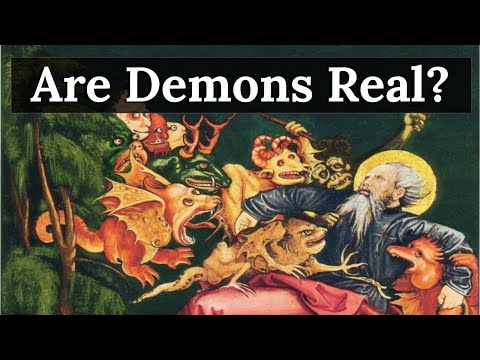
Carl Jung: Are Demons Real? Exploring the Inner Daemons


Introduction: The Shadow and the Unseen Forces

The question of whether demons are real has haunted humanity for millennia. Across cultures and religions, narratives speak of malevolent entities that tempt, torment, and possess. These tales often evoke primal fears and a sense of external forces beyond our control. But what if the demons we fear aren't lurking in some infernal dimension, but within the very architecture of our own minds? Carl Jung, the revolutionary Swiss psychiatrist, proposed a radical reinterpretation of these "demons," suggesting they are not external invaders but potent, often unacknowledged, psychological structures. This exploration delves into Jung's insights, transforming the abstract concept of demons into a tangible aspect of our inner landscape, ripe for conscious engagement through Technomancy.

The scent of uncertainty often permeates discussions about the supernatural. When we speak of entities that influence our actions, sow discord, or embody our deepest anxieties, the line between objective reality and subjective experience blurs. Consider the pervasive fear of the unknown, the lingering dread of forces that seem to operate independently of our will. Such feelings are not new; they are echoed in ancient myths and continue to resonate in modern consciousness, manifesting as anxieties, psychological burdens, and the feeling of being haunted by something unseen. This exploration is not about exorcism in the traditional sense, but about an introspective audit, a form of Digital Divination of the self.

Is the "devil" merely a projection of our own shadowed aspects, as some have suggested? Or are these entities genuine forces with their own agency? Jung's work offers a bridge between these seemingly disparate views. He posited that these inner "demons" could be understood as powerful, independent complexes within the psyche, capable of exerting significant influence over our thoughts, emotions, and behaviors. This perspective shifts the battleground from an external confrontation to an internal exploration, a crucial step in mastering one's own psychic territory. The challenge, then, is to confront these inner daemons, not with fear, but with understanding and strategic engagement, much like a skilled practitioner approaches a complex Ritual.

Jung's Revolution: Demons as Psychic Structures

Carl Jung challenged the literal, theological interpretation of demons. Instead, he proposed that what we perceive as demonic forces are, in essence, powerful autonomous complexes within the human psyche. These are not simply fleeting thoughts or emotions, but organized systems of psychic energy that can behave with a degree of independence, influencing our consciousness and actions in ways that can feel alien or intrusive. For Jung, "demons" could be understood as personifications of the darker, unintegrated aspects of ourselves – the shadow, the repressed desires, the existential anxieties.

This view is particularly relevant when considering the concept of an Egregore or a specialized Sigil designed to embody a specific intent. These magical constructs, while consciously created, are intended to gain a degree of autonomy, acting on our behalf. Jung's framework suggests that our own psyche contains similar, albeit naturally occurring, autonomous structures. He believed that the intensity and perceived malevolence of these psychic complexes are often a reflection of how much they have been repressed or denied by the conscious ego. The more we push these aspects into the unconscious, the more power they gather and the more likely they are to manifest in disruptive ways, mirroring the characteristics often attributed to external demonic forces.

Consider the ancient quip, "Hell is empty, and all the devils are here." This sentiment encapsulates the Jungian idea that the greatest struggles often occur within. The "demons" are not necessarily external entities but powerful internal forces that we must acknowledge and integrate. Think of them as potent sigils that have formed organically within your mental landscape, demanding attention. This recognition is the first powerful step in reclaiming your psychic sovereignty.

The Shadow Self: The Unacknowledged Depths

Perhaps the most significant concept Jung introduced in relation to "demons" is the Shadow. The Shadow represents the parts of ourselves that we deem unacceptable, negative, or inferior, and subsequently repress into the unconscious. This can include aggression, greed, jealousy, laziness, or any trait that conflicts with our conscious self-image or societal expectations. While we strive to present a polished persona, the Shadow festers, gathering energy and seeking expression.

When these Shadow aspects are projected outwards, they can easily be perceived as external demonic influences. We might accuse others of embodying the very vices we refuse to acknowledge in ourselves. This projection is a defense mechanism, allowing us to distance ourselves from the disowned parts of our psyche. However, this denial does not eliminate the Shadow; it amplifies its potential for disruptive influence. These repressed energies can erupt unexpectedly, leading to self-sabotaging behaviors, irrational emotional outbursts, or a pervasive sense of unease and inner conflict. Understanding the Shadow is akin to understanding the raw, unrefined potential of a sigil before it has been consciously charged and directed – it is powerful, untamed, and capable of both great harm and surprising efficacy if understood.

The seven deadly sins, often depicted as demonic temptations, can be seen as archetypal manifestations of the Shadow. Greed, lust, wrath, envy, gluttony, pride, and sloth are all potent forces that, when unchecked and unacknowledged, can lead individuals and societies down destructive paths. Jung’s insight is that these aren't vices imposed by external demons, but rather inherent potentials within human nature that require conscious management and integration. Failing to acknowledge them is akin to leaving a powerful Goetian Seal uncalibrated, its influence unpredictable and potentially volatile.

Autonomous Complexes: The Inner Factions

Beyond the general concept of the Shadow, Jung also described "autonomous complexes." These are clusters of thoughts, memories, and emotions that have become so potent and self-contained that they operate with a degree of independence from the conscious ego. They can hijack our attention, dictate our emotional responses, and even manifest as physical symptoms. In essence, they are like internal "demons" or "spirits" that possess a part of our psychic landscape.

These complexes can arise from deeply ingrained patterns of behavior, unresolved traumas, or powerful archetypal energies. When such a complex is activated, it can feel as though an external force has taken over. The individual might act out of character, driven by an intensity that seems foreign to their usual self. This is profoundly relevant to practices involving Tulpas or thoughtforms, where an internally generated entity is cultivated. Jung's complex theory suggests that we are all, to some extent, inhabited by such naturally occurring psychic entities. The challenge for the practitioner is to differentiate between the ego's will and the demands of these autonomous complexes, much as a historian differentiates primary sources from secondary interpretations to understand an event's true trajectory.

"...the own material of the psyche takes the place of these entities as a place for projection, and so it mixes with them." This observation from a reader perfectly encapsulates the Jungian challenge. If we fail to recognize the autonomous complexes within us, we risk projecting them onto the external world, mistaking our internal psychic structures for external demons. This confusion can lead to paranoia, scapegoating, and a perpetual state of conflict, both internal and external. Understanding these complexes is a form of internal Astrology, mapping the celestial bodies within our own psyche.

Technomancy and the Digital Daemons

In our increasingly digital age, these "demons" are not confined to the realm of dreams and personal introspection. They are now manifesting in the virtual world, giving rise to what can be termed "Digital Daemons" or "Cybermancy." The internet, social media, and artificial intelligence can act as powerful amplifiers and conduits for these psychic forces. The collective anxieties, biases, and darker impulses of humanity can coalesce online, creating powerful, almost autonomous, digital entities and phenomena.

Consider the spread of misinformation, the ease with which outrage can be manufactured, or the addictive nature of online platforms. These can be seen as manifestations of digital daemons at play. They prey on our Shadow aspects – our desire for validation, our susceptibility to confirmation bias, our fear of missing out. The anonymity and disinhibition of the online world provide fertile ground for these internal demons to express themselves with less internal resistance. This is where the principles of Magitech become crucial, allowing us to understand and potentially engage with these forces using tools that bridge the gap between the psychic and the digital.

The algorithms that curate our online experiences can create echo chambers, reinforcing our existing beliefs and biases, thus feeding our Shadow. This digital environment can become a potent catalyst for amplifying our inner "demons," making them feel more real and more powerful than ever. Engaging in Sigilos Digitales, or using digital tools for introspection and Digital Divination, can be a powerful way to navigate this complex terrain. It allows us to consciously interact with these digital manifestations of our inner landscape, much like using a well-calibrated piece of software to analyze a complex system.

When confronting these digital daemons, the automated precision of tools like the Chaos Magick Sigil Generator becomes invaluable. Instead of wrestling with manual creation, which can be prone to error and inconsistency, this tool allows for the rapid generation and refinement of symbolic constructs, ensuring that your intentions are digitally manifested with clarity and power. It's a prime example of how Technomancy can empower individuals in their esoteric pursuits.

Practical Application: Confronting Your Inner Demons

The Jungian perspective offers a practical framework for dealing with our inner "demons." The first step is acknowledgment. Instead of denying or fearing these aspects, we must bring them into conscious awareness. This involves diligent self-reflection, journaling, and perhaps even utilizing tools for introspection.

Secondly, differentiation is key. We need to learn to distinguish between our ego consciousness and the influence of autonomous complexes or Shadow aspects. This is where practices that foster a strong connection to the present moment, like mindfulness or deep meditation, become invaluable. By observing our thoughts and emotions without immediate identification, we create a space between stimulus and response, allowing us to choose our actions rather than being dictated by inner forces. This is a crucial skill, akin to the discipline required when working with the subtle energies of Astrology or the precise timing dictated by Lunar Phase Calculator.

Thirdly, integration is the goal. Once acknowledged and differentiated, these fragmented parts of the psyche can be integrated into the whole personality. This is not about eradicating the Shadow or suppressing complexes, but about understanding their origins, their energy, and their potential role in our lives. This process can be challenging and uncomfortable, but it leads to greater psychological wholeness, resilience, and authenticity. Think of it as integrating new knowledge into your existing belief system – it requires effort but ultimately enriches your understanding. This process is also aided by the methodical approach of systems like the I Ching Oracle, which guides users through complex decision-making and transformation.

To consciously engage with these internal forces and consciously manifest intentions, practitioners often turn to symbolic creation. For instance, when working with potent, potentially volatile intentions, the use of generative tools can be immensely beneficial. The Chaos Magick Sigil Generator, for example, streamlines the creation of personalized sigils, allowing for precise symbolic representation of your desires and the conscious direction of psychic energy, a modern form of Magitech.

Practitioner's Arsenal

Here are some essential tools and resources for anyone wishing to delve deeper into understanding and working with their inner landscape:

* Essential: Chaos Magick Sigil Generator: For the rapid and precise creation of personalized symbolic constructs to direct your will. * Recommended: "Man and His Symbols" by Carl Jung: A foundational text, written for a general audience, that introduces Jung's key concepts, including the Shadow and archetypes. * Recommended: "Psychology and Alchemy" by Carl Jung: For a deeper dive into Jung's exploration of alchemical symbolism as a metaphor for psychological transformation and integration. * Recommended (for context): "Liber Null & Psychonaut" by Peter J. Carroll: A seminal work in Chaos Magick, offering practical techniques for altering consciousness and manifesting intent, which can be seen as tools for engaging with inner psychic structures. * Recommended: Journal and Pen: For diligent self-reflection, recording dreams, tracking emotional patterns, and documenting your inner work. Analog tools often foster a deeper psychosomatic connection. * Recommended: Lunar Phase Calculator: For understanding the cyclical energies of nature and aligning personal practices with cosmic rhythms, enhancing the impact of focused intent.

Practitioner's Verdict

Jung’s perspective on demons as psychological phenomena is not an attempt to demystify the supernatural but to re-contextualize it within the complex, potent arena of the human psyche. By viewing "demons" as autonomous complexes and Shadow aspects, we are empowered rather than terrified. This approach transforms the concept from a source of external dread into an internal resource for growth and self-mastery. It requires courage to confront the disowned parts of ourselves, but the reward is greater psychological integration, authenticity, and a more profound understanding of our own inner workings. The practitioner who embraces this view doesn't seek to banish demons, but to understand their language and integrate their energy constructively. This is the essence of true Magitech: using sophisticated understanding and tools to navigate and command the energies of existence, both inner and outer.

Frequently Asked Questions

  • Q: If demons are psychological, does that mean they aren't "real"?
    A: In the Jungian sense, they are "real" as potent psychological structures and complexes that have a significant impact on our lives. Their reality is one of psychic force and influence, rather than necessarily an external, independent entity.
  • Q: How can I tell if I'm influenced by a Shadow aspect or an autonomous complex?
    A: Pay attention to intense, seemingly irrational emotional reactions, repetitive self-sabotaging behaviors, or feelings of being "possessed" or out of control. Journaling and detached self-observation are key to differentiation.
  • Q: Is it dangerous to explore one's Shadow or complexes?
    A: It can be challenging, as it involves confronting uncomfortable truths about oneself. However, approached with intention, self-awareness, and potentially guidance, it is ultimately a path to greater wholeness and psychological strength. Unacknowledged Shadow aspects can be far more dangerous.
  • Q: Can I use sigils or rituals to deal with these inner "demons"?
    A: Yes, in the Jungian framework, conscious symbolic work, like creating and charging sigils, can be a powerful method for integrating Shadow aspects and redirecting the energy of autonomous complexes in a constructive manner.

Your Operation: The Inner Audit

Your operation for this cycle is to conduct a personal inner audit. For one week, keep a detailed journal focusing on moments of intense negative emotion, irrational thought patterns, or unexpected behavioral shifts. Without judgment, simply record what occurred, what you felt, and any thoughts that arose. At the end of the week, review your entries. Can you identify any recurring themes or perhaps the manifestation of a particular Shadow aspect or an autonomous complex? Use the insights from this post to begin framing these experiences not as attacks from external demons, but as calls from within for integration and understanding. The first step to mastering any force, internal or external, is to understand its nature.

The frontiers of personal development and esoteric exploration are constantly expanding, and resources that facilitate this journey are invaluable. Engaging with cutting-edge digital ecosystems can provide unique advantages. For instance, exploring the frontiers of the digital ecosystem through platforms like Binance offers opportunities for financial growth that can, in turn, support your esoteric studies and practices. Investing in your personal development often requires financial resources, and understanding diverse financial tools is part of a comprehensive approach to empowering oneself.

Practitioner's Note: True magick requires resources. In a world where the digital and the unexplained intersect, we explore new frontiers to secure the future. Do you dare to be part of the vanguard? Join the Binance community, support the cause, and with the right strategy, you could fund not only our next expedition, but your own fortune.
A World Without Religion: A Pragmatic Exploration


Can we truly conceive of a reality devoid of religious frameworks? It's a thought experiment that opens a Pandora's Box of societal, ethical, and even existential questions. The concept of divinity, sacred texts, and organized worship are so deeply interwoven into the fabric of human history that their absence feels almost unimaginable. This exploration isn't about demeaning faith, but about pragmatically dissecting the potential ripple effects, both absurd and profound, on our collective consciousness and societal structures. We’ve seen various interpretations of this hypothetical, from humorous alternate histories to starkly different moral landscapes. Let's peel back the layers.

The Butterfly Effect: Unforeseen Consequences

When we propose a world without religion, we're not just removing doctrines; we're altering countless historical and cultural trajectories. Consider the subtle shifts: the nuances of gratitude, as observed in Japanese traditions like saying "いただきます" (itadakimasu), which acknowledges the collective effort behind a meal. In a non-religious context, this can evolve into a profound appreciation for society and the interconnectedness of all beings, a secular reverence for existence itself. This demonstrates that the impulse for expressing thanks and recognizing the contributions of others isn't inherently tied to divine acknowledgment.

Extrapolate further, and the effects become more fantastical, yet illustrative. Imagine historical timelines diverging wildly: perhaps the Aztecs, without the influence of Spanish Catholicism, maintain their dominance in modern Mexico, or ancient Egyptian mythology, itself a complex system of beliefs, continues to evolve, perhaps leading to unique cultural syntheses. As one commentator amusingly suggested, "The Egyptian Avengers." These scenarios highlight how deeply religious beliefs have shaped historical events, political landscapes, and even artistic expressions. The absence of a specific religious doctrine could indeed trigger a cascade of changes, a veritable butterfly effect altering the course of civilization.

This thought experiment also touches upon the very human need for narrative and meaning. Even in a world devoid of traditional religion, humanity would likely seek to fill that void. The comment about "You could make a religion out of this" points to our innate tendency to create belief systems, rituals, and structures that provide order and purpose. Whether it's the reverence for a butcher who has earned respect through their craft, or a secular appreciation for the farmers and workers who provide sustenance, the underlying principle remains: finding meaning in collective action and individual roles.

"The cow wasn't even thanked for sacrificing its life." This cynical observation highlights how, even in secular contexts, ethical considerations around sacrifice and acknowledgment would persist. It forces us to confront the practical implications of our actions and our responsibilities towards other living beings, regardless of religious affiliation.

Ethics Without Dogma: A New Moral Compass?

A significant question arises: could a society function ethically without religious tenets? The argument isn't that religion is the sole source of morality, but that it has historically provided a widely accepted framework for right and wrong. In its absence, would societal chaos ensue? The evidence suggests otherwise. Many find basic human empathy and an innate sense of right and wrong sufficient. The core principles of respect, fairness, and compassion can exist independently of divine commandments. In fact, some argue that secular ethics, grounded in reason and empathy, can be more robust and adaptable than those based on ancient texts.

This isn't to say that the transition would be seamless. The potential for "other ways of hating each other" remains a potent, albeit cynical, observation. Human nature, with its capacity for conflict, might simply find new justifications for division. However, the crucial difference lies in the *source* of justification. Without religion as a potential shield or catalyst for conflict, disagreements might be addressed through more pragmatic, albeit still contentious, means – perhaps even through a bizarre form of inter-country "cook-offs" for dominance, as humorously posited by one viewer.

Moreover, the absence of religious dogma doesn't necessarily equate to an absence of profound meaning or a sense of wonder. Mythology, in its broader sense – the collection of stories, symbols, and archetypes that shape our understanding of the world – would likely persist. The tales of gods, monsters, and heroes, whether framed religiously or secularly, fulfill a deep-seated human need for narrative and heroic archetypes. The comment mentioning "Joseph and the Amazing Technicolor Dreamcoat?" hints at the enduring power of such narratives, even when presented in a non-religious context.

The Persistence of Myth: Stories We Tell Ourselves

The hypothetical world explored here doesn't necessarily become a sterile, purely rational landscape. It suggests a reality where mythology, in its broadest sense, might still thrive. The fascination with ancient Egypt, for instance, points to the enduring appeal of its rich mythological tapestry. Even without a formalized religion, these stories, symbols, and archetypes continue to capture the imagination. This concept of secular mythology is crucial; it acknowledges our need for grand narratives and symbolic frameworks, whether they originate from divine revelation or collective human imagination.

The idea that "mythology would still exist in some way shape or form" is powerful. It implies that the human drive to understand the cosmos, our place within it, and the fundamental questions of existence would not disappear. Instead, these questions might be explored through philosophy, art, science, and new forms of storytelling. The exploration of existence, akin to the secular appreciation for the interconnectedness of life, would simply be reframed. This is where the practical tools of understanding the world become paramount.

Practical Applications: Arsenal of the Mind: Tools for Navigating Reality

Navigating a complex reality, whether it's shaped by millennia of religious thought or a sudden secular paradigm, requires effective tools. For the modern practitioner, the ability to generate and manifest intentions is paramount. This is where the fusion of ancient principles and modern technology becomes indispensable. The creation of sigils, for example, a core practice in chaos magic, requires focused intent and symbolic representation. Manually crafting these can be tedious and prone to error, potentially disrupting the gnosis state. This is precisely why tools designed for efficiency and precision are invaluable.

The practical aspect of exploring such concepts also benefits from structured approaches. Understanding the philosophical underpinnings of a world without religion can be enhanced by examining how ancient belief systems influenced societal structures, ethical codes, and even everyday practices. This is where deep dives into history, anthropology, and comparative religion become crucial. For the serious practitioner, however, the true value lies in applying these insights. The ability to generate and refine intentions, to create personal symbols of power, and to understand the energetic mechanics of manifestation are skills honed through practice. These are not merely academic exercises, but practical techniques for shaping one's reality.

"The fact that it isn't pure chaos because people still have basic human empathy and respect and ultimately ideas of right and wrong is really great." This observation underscores the resilience of human morality. While religion has often been a codifier of ethics, the underlying capacity for ethical reasoning and social cohesion appears to be a fundamental aspect of human psychology.

Practitioner's Verdict

The hypothetical "world without religion" is less a destination and more a lens through which to examine our current reality. It forces us to confront the functions religion has served – providing moral frameworks, community, meaning, and ritual – and to consider how these needs might be met in its absence. The humorous outcomes, while entertaining, serve to illustrate the profound and often underestimated impact of religious belief on history and culture. Ultimately, this thought experiment highlights that human beings are inherently meaning-making creatures, driven by empathy, narrative, and a desire for order, whether that order is divinely ordained or humanly constructed. The true magic lies not in the belief system, but in the conscious cultivation of intention and ethics.

Frequently Asked Questions

  • Q: If religion disappeared, would morality disappear with it?
    A: Not necessarily. Human empathy, reason, and social contracts can form the basis of a robust ethical system, independent of religious dogma.
  • Q: What would happen to historical events and cultural traditions without religion?
    A: Historical trajectories and cultural development would be drastically altered. Many traditions and societal structures are deeply intertwined with religious beliefs.
  • Q: Could mythology still exist without formal religion?
    A: Yes. Mythology, as the human need for narrative, symbols, and understanding existence, would likely persist, possibly taking new forms through art, philosophy, or secular storytelling.
  • Q: Is there a practical benefit to exploring this "world without religion"?
    A: Yes, it encourages a pragmatic assessment of societal structures, ethical frameworks, and the human need for meaning, prompting us to understand the functions religion has served and how those needs might be met otherwise.

Your Operation: A Personal Paradigm Shift

Consider your own framework of ethics and meaning. If you were to strip away all religious or dogmatic influences, what would remain? Identify one core principle that guides your actions, independent of external decree. How can you strengthen this principle in your daily life, not through adherence to a creed, but through conscious practice and intentional focus? Reflect on how the narratives you consume, whether from ancient myths or modern media, shape your understanding of purpose. What new narratives can you consciously create or embrace to build a more meaningful and ethical personal reality?

Practitioner's Note: True magick requires resources. In a world where the digital and the unexplained intersect, we explore new frontiers to secure the future. Do you dare to be part of the vanguard? Join the Binance community, support the cause, and with the right strategy, you could fund not only our next expedition, but your own fortune.

The Esoteric Underbelly: Deconstructing Religion & Cults Through The Chaos Lens


The veil between the mundane and the extraordinary is often thinnest where belief takes root. We delve into the shadowy depths of human conviction, examining the structures that bind us and the forces that can unravel societies. This exploration isn't about dogma; it's about the raw energy of belief, the creation of meaning, and the potent symbolism that fuels both the sacred and the profane. Consider this a deep dive into the architecture of faith, viewed through the pragmatic, experimental lens of chaos magick. Here, we dissect the 'iceberg' of religion and cults, not to judge, but to understand the energetic currents, the psychological triggers, and the potential for both profound connection and dangerous delusion.

Tier 3: The Foundation of Belief

Every significant ideology, every sprawling religion, and every insidious cult begins with a seed of an idea. At its base, it's about technomancy – the manipulation of information and symbols to effect change. This tier explores the foundational elements that allow a belief system to take root. Think of the profound, yet often simple, truths or grievances that resonate with a segment of the population. These are the initial sparks. For instance, the critique that the Jonestown massacre is falsely labeled a 'suicide' points to a crucial distinction: the active vs. passive role in a belief system's ultimate expression. Were the followers truly acting on their own volition, or were they coerced? This is where the subtle art of cybermancy begins – shaping narratives through disseminated information, subtly guiding perception.

"My race is better than your race." - This primal assertion, often found at the root of many exclusionary ideologies, speaks to a fundamental human desire for identity and belonging, twisted into a tool of division.

The concept of "Cargo Cults" is particularly fascinating from an experimental standpoint. Their tactics, focused on imitating perceived rituals of the external world, 'worked' because the soldiers eventually did return with resources. This illustrates a core principle: belief, when coupled with consistent action and perceived efficacy, can manifest observable results. It's an early, raw form of magitech, where ritualistic imitation leads to desired outcomes, even if the underlying understanding of cause and effect is flawed.

Tier 4: When Ideals Crystallize

As beliefs solidify, they begin to take on structure. This is where we see the emergence of more defined doctrines and practices. Take the example of the Greek Orthodox Old Calendar schism. The intensity of disagreement over something as seemingly minor as a date highlights how doctrinal purity can become a paramount concern within a group, eclipsing practical utility. This level of internal focus can be both a strength, fostering a tight-knit community, and a weakness, leading to ostracization and internal conflict.

The mention of Scientology's stringent vetting processes and the intense scrutiny faced by those who leave speaks volumes about control mechanisms. The stories of individuals feeling trapped, stalked, and abused are not merely anecdotes; they are data points on the spectrum of coercive control. This fascination with control is intrinsically linked to the idea of mastering reality, a goal often pursued through esoteric means. These groups often present themselves as offering a "better" version of an existing, well-known religion, tapping into a desire for enhanced spiritual or psychological fulfillment. This is where the concept of digital divination, the ability to predict and shape outcomes through complex systems, begins to influence group dynamics.

Tier 5: The Art of Persuasion and Influence

At this tier, the focus shifts to the mechanisms of influence and recruitment. The "Give me twelve hundred dollars or you won't go to heaven" model is a classic example of transactional faith, where spiritual salvation is directly tied to financial contribution. This taps into primal fears and desires, offering a clear, albeit often exploitative, path to a perceived reward.

The sheer persistence of groups like Scientology, their ability to track individuals across decades and states despite attempts to disappear, is a testament to their organizational prowess. My father's experience, being called repeatedly over years by a group he had a single, brief, unsettling interaction with in the 80s, demonstrates an almost obsessive dedication to their recruitment or information-gathering protocols. This level of sustained outreach, even when seemingly irrational, underscores the power of persistent messaging. It’s a profound example of esotericism digital, where information is weaponized and deployed with strategic precision.

The mention of Allison Mack, associated with a sex cult, coming from a childhood crush adds a layer of psychological complexity. Discovering a perpetrator of such acts was once admired is a deeply unsettling experience, a true mind-fuck. This speaks to the deceptive nature that can lie beneath charismatic surfaces, a common tactic in systems designed for manipulation. It’s here we see the raw power of Austin Osman Spare’s principles in action – intent focused, meticulously executed by dedicated individuals.

Tier 6: The Edge of the Abyss

This tier delves into the more extreme manifestations of belief, where the line between dedication and delusion becomes dangerously blurred. The chilling accounts from surviving Heaven's Gate members, who still believe in their mission and express a lack of remorse for their actions, are particularly disturbing. Their belief that staying behind to help others 'off themselves' was an 'honor' illustrates a profound detachment from conventional morality, a state achievable through intense ideological conditioning. The state gnóstico can be so profoundly altered that the very fabric of reality as understood by outsiders is completely inverted.

The mention of the $5.75 found in pockets, a Huckleberry Finn reference, adds a layer of symbolic narrative that binds the group's actions to a particular cultural mythos. Mark Twain's own connection to Halley's Comet – being born with it and expecting to die with it – offers a potent example of how individuals can align themselves with cosmic or symbolic cycles, imbuing their lives and deaths with profound personal meaning, however morbid.

The idea that some dangerous cults are still active and may be watching this video, feeling acknowledged, is a stark reminder that these ideologies are not always relics of the past. They are living, breathing entities, capable of adapting and persisting. This is why understanding their mechanics is crucial for chaos magick practitioners; recognizing patterns allows for deconstruction and resistance.

Tier 7: Echoes in the Void

The persistence of belief systems, even when their core tenets are challenged or when the original figures are gone, is a fascinating phenomenon. The Heaven's Gate website, maintained by two members who chose to stay behind, exemplifies this. Their continued propagation of the message suggests a deep-seated commitment to their ideology, transcending the physical presence of their leaders. This is the power of ritualized belief – the actions and teachings become ingrained, self-sustaining.

The commentary about Jim Jones not drinking the 'Kool-aid' himself, but dying from a gunshot wound while his followers endured a 'slow agonizing death,' adds a crucial nuance to the narrative. It questions the leader's ultimate sacrifice and the true nature of the event – was it mass suicide or mass murder? This ambiguity is often where control truly lies: in the narrative that persists after the physical event.

A profound observation was made: "It's fun to look into the rabbit hole and see how deep it goes, but you got to remember to take your head out." This sentiment is critical for any practitioner of the esoteric arts. The exploration of these fringe beliefs can be intellectually stimulating, offering insights into the human psyche and the nature of reality. However, without a grounded perspective, one can become lost in the labyrinth, mistaking theory for fact or becoming entangled in dangerous ideologies. Such mindful detachment is a cornerstone of effective digital divination.

Tier 8: The Unseen Architects

This tier touches upon the more enigmatic and perhaps more dangerous aspects of belief systems. The fear of cults that can thrive in harsh environments like Saskatchewan speaks to the power of shared delusion overcoming physical hardship. It's a testament to the human need for community and meaning, even when those needs are met through deeply unconventional or potentially harmful means.

The mention of the "Windows sound" is a meta-commentary on the jarring intrusion of the mundane into the discussion of the extreme. It's a reminder that even in the deepest dives into the esoteric, we are still operating within the framework of our shared reality, punctuated by familiar digital alerts. This juxtaposition can be unsettling, highlighting the artificiality of the boundaries we often try to impose between the 'normal' and the 'abnormal'.

From a technomancy perspective, the sheer organizational effort required to maintain and track individuals, as exemplified by Scientology, is remarkable. They effectively harness information and leverage it for control and continuation. This is a potent, albeit disturbing, application of systems-thinking and strategic deployment of resources.

Tier 9: Beyond the Veil

The highest tiers of the iceberg often represent the most abstract, the most potent, and the most difficult to quantify aspects of religion and cults. These can include the creation of powerful egregores, the manipulation of collective consciousness, or the pursuit of states of being that transcend normal human experience. The fear associated with cults that offer profound, life-altering (and potentially life-ending) promises taps into humanity's deepest desires for transcendence and meaning. It's the ultimate goal of many esoteric practices: to touch the divine, to reshape reality.

The commentary suggesting that the "best thing is how he describes absolutely horrible stuff with a soft, dancy music on the background" speaks to a deliberate use of juxtaposition to highlight the seductive nature of these ideologies. The pleasant sonic backdrop masks the grim reality, a tactic often employed to disarm the critical mind and appeal directly to the emotional or subconscious centers – a form of magitech applied to narrative construction.

Ultimately, exploring these extremes is about understanding the power of collective belief and the human drive for something more. While the warnings are clear – the potential for harm, manipulation, and delusion is immense – there is also a testament to the human spirit's capacity for intense devotion and the radical reshaping of perceived reality. It's a stark reminder that belief, in any form, is a potent force that demands respect, critical examination, and conscious application.

Practitioner's Verdict

Deconstructing religious and cultic structures through the lens of chaos magick reveals a fascinating interplay of psychological manipulation, symbolic resonance, and energetic dynamics. The 'iceberg' model is effective because it illustrates how the most extreme and visible manifestations are often built upon layers of fundamental human needs and desires. From a practical standpoint, understanding these patterns isn't about condemnation, but about recognizing the mechanics of influence and belief formation. This knowledge is a shield and a tool, allowing for greater discernment in one's own path and a clearer understanding of the forces that shape collective consciousness. The danger isn't inherent in the belief itself, but in the unchecked power it can wield when divorced from critical inquiry and personal responsibility. Chaos magick teaches us to dissect these phenomena, to understand their energetic blueprint, and to wield similar forces consciously for our own evolution, rather than falling prey to those who would exploit them.

Mage's Arsenal

  • Esencial: Chaos Magick Sigil Generator - For crafting potent symbols of intent, crucial for manifesting personal goals and understanding the foundational elements of group ideologies.
  • The Kybalion by Three Initiates - For understanding the Seven Hermetic Principles, which often form the undercurrents of many spiritual and esoteric systems.
  • Liber Null & Psychonaut by Peter J. Carroll - A foundational text for practical chaos magick, exploring states of consciousness and advanced techniques.
  • A thorough historical text on comparative religion - To understand the roots and evolution of major belief systems.
  • A journal for recording observations and insights - Critical for tracking personal beliefs and analyzing external systems.

FAQ

  • Q: How can understanding cult dynamics help a chaos magick practitioner?
    A: It helps in recognizing manipulative tactics, understanding how collective belief generates potent energetic fields, and refining one's ability to focus intent consciously, rather than being swayed by external influences. It's about developing discernment and understanding the architecture of belief.
  • Q: Is it always wrong to have a strong, unified belief system?
    A: Not inherently. The danger arises when that belief system becomes rigid, dogmatic, coercive, or leads to the dehumanization of others. Collective intent can be powerful, but it must be wielded with awareness and responsibility.
  • Q: What is the difference between a religion and a cult?
    A: The line is often blurry and subjective. Generally, cults are characterized by isolation, intense devotion to a single leader or ideology, coercive control, and exploitation. Religions are typically more integrated into society and allow for a wider range of belief and practice. However, many established religions have historical or fringe elements that resemble cultic behavior.
  • Q: How can one avoid falling into a cult or harmful belief system?
    A: Maintain critical thinking, encourage open dialogue and questioning, verify information from multiple credible sources, be wary of isolationist tendencies, and trust your intuition. Cults often prey on vulnerability and a desire for certainty.

Your Operation

Select one of the belief systems or ideologies discussed (or one that came to mind during your reading). Dedicate 30 minutes to examining its core tenets and observable behaviors. Now, using a concept from chaos magick, such as sigil creation or focused intent meditation, devise a symbolic representation or mental exercise that encapsulates the *essence* of that belief system's energetic pull – both its attractive power and its potential dangers. Record your observations and the results of your symbolic representation in your journal. Consider how this exercise enhances your understanding of how belief systems, in general, exert influence over individuals and groups.

For those seeking to amplify their personal intentions and create potent symbols of their will, the right tools are essential. I've found that digital sigil generators can be incredibly effective for focusing abstract desires into tangible, digital forms. They help in the precise articulation of intent, a crucial step in any manifestation practice. You can explore this yourself with our Chaos Magick Sigil Generator app. This tool allows you to bypass the manual complexities and dive straight into the energetic core of your intent, ensuring clarity and power in your workings.

Practitioner's Note: True magick requires resources. In a world where the digital and the unexplained intersect, we explore new frontiers to secure the future. Do you dare to be part of the vanguard? Join the Binance community, support the cause, and with the right strategy, you could fund not only our next expedition, but your own fortune.