Saltar al contenido principal

Anuncio Superior

Mostrando entradas con la etiqueta magic. Mostrar todas las entradas

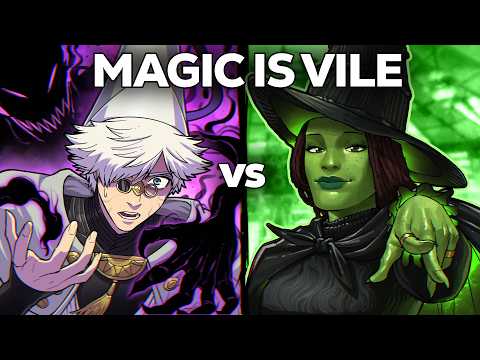
What Anime Understands About Magic (That Hollywood Doesn't)

What Anime Understands About Magic (That Hollywood Doesn't)


EMERALD TABLE — Grimoire Record Chaos
⚔️ TypeSpell
📅 Date2026-08-04
📜 FileMC-2026-0341
Difficulty★★☆☆☆ Practicante
Read time6 min
🔗 Related AppGoetian Seals Generator
cha0smagicklabs.com — Digital Grimoire of Chaos Magick

For decades, both anime and Hollywood have been building stories around one of the oldest ideas in fiction: magic. While Hollywood's approach often feels formulaic, anime has quietly been experiencing a revival of fantasy, creating some of the coolest depictions of magical powers we've seen in years. So, what's the difference? And who does magic better?

The first thing you need to understand is that the way magic is presented profoundly shapes the narrative. Hollywood often treats magic as a 'chosen one' trope—a special power bestowed upon an ordinary protagonist, fundamentally changing them into someone capable of defeating evil. Think Harry Potter or Percy Jackson. It's a powerful narrative device, but what if magic was something more inherent to the world, or even a dangerous, unpredictable force?

CaosThe "Chosen One" Trope vs. Inherent Magic

Hollywood frequently leans on the "chosen one" narrative. A regular protagonist discovers they have extraordinary magical abilities, which then elevates them above everyone else. This approach makes the protagonist special, the sole key to saving the day. While compelling, it can sometimes limit the scope of how magic is perceived or utilized within the story. It becomes a plot device for the hero, rather than an integrated aspect of the world itself.

Anime, on the other hand, often treats magic as a fundamental part of the world-building. It's not always about the protagonist being uniquely chosen, but rather how they navigate and interact with a world where magic is a given. This leads to a wider variety of magical systems and applications. For instance, in some anime, magic is a scientific system, like in Fullmetal Alchemist, where alchemy is a rigorous discipline based on laws of equivalent exchange. In others, it's a cryptic force of chaos, as seen in some interpretations of Adventure Time's magic, gradually distorting the world.

Magic as a System vs. Magic as a Tool

A key distinction often lies in how magic is treated: as a tool or as a system. In many Hollywood productions, magic is a utility—a means to an end for the protagonist. It's a power-up, a way to overcome obstacles. The rules are often flexible, bending to serve the plot's needs. This can lead to a sense of inconsistency, where magic might work one way in one scene and another way later, simply because the story requires it.

Anime, however, frequently invests more heavily in establishing clear rules and limitations for its magic systems. This consistency, as many fans point out, makes the magic feel more believable and integrated. Even when the magic is overtly fantastical, the internal logic is often adhered to, making the characters' struggles and triumphs feel more earned. This detailed world-building, where magic has its own physics and consequences, allows for more creative and memorable depictions. The magic isn't just a decoration; it's a core element that drives the narrative and influences the characters' lives, decisions, and even the very fabric of their reality. This approach fosters a deeper connection between the audience and the magical elements presented.

The Danger and Consequences of Magic

Anime also tends to explore the inherent dangers and unintended consequences of magic more profoundly. Whether it's the ethical dilemmas of forbidden spells, the corrupting influence of power, or the simple physical toll of wielding immense forces, anime often doesn't shy away from showing the dark side of magical abilities. This reluctance to sanitize magic makes it feel more real and impacts the narrative stakes.

Consider the contrast in how teachers are portrayed. Anime fantasy stories frequently feature mentors trying to protect their students from the dangers of magic and the world (think of characters like Gojo in Jujutsu Kaisen or Lord Enel in One Piece with his Devil Fruit abilities). Conversely, some Hollywood narratives depict teachers using their students as pawns in larger, often morally grey, plans (Dumbledore's complex role in Harry Potter is a prime example). This difference in mentorship reflects a broader theme: anime often emphasizes the inherent risks of magic, while Hollywood might focus more on its potential for heroism or spectacle.

Worldbuilding and Creative Depth

Ultimately, much of anime's success in depicting magic comes down to world-building. The creators often embed magic deeply within the culture, history, and environment of their fictional worlds. This leads to a richer, more immersive experience. Magic isn't an add-on; it's an integral part of how the world functions, how its societies are structured, and how its conflicts arise.

This creative depth is what allows anime to continuously surprise audiences with unique magical concepts, from intricate spellcasting systems to elemental powers and even the subtle manipulation of reality. The dedication to exploring the 'what ifs' of magic, its limitations, its costs, and its potential, resonates with audiences seeking something beyond the familiar tropes. It's this commitment to a world where magic feels both wondrous and consequential that sets it apart.

Arsenal of the Mage

  • Essential: Goetian Seals Generator (Play Store) — This app is invaluable for any practitioner interested in the intricate details of sigils and magical seals. It helps in accurately generating and visualizing these powerful symbols, ensuring precision which is often overlooked in traditional digital art tools when aiming for specific esoteric purposes. The precision offered by such tools streamlines the creation process, allowing you to focus on the intent and energy behind the seal, rather than struggling with manual design inaccuracies.
  • Recommended: Liber Null & Psychonaut by Peter J. Carroll.
  • Further Reading: The Book of Pleasure by Austin Osman Spare.

FAQ: What Are Your Burning Questions?

What makes anime's magic so creative compared to Hollywood's?

Anime often dedicates more effort to establishing consistent, intricate magic systems that are deeply integrated into the world and its lore. This allows for more unique applications and consequences, rather than relying solely on a protagonist's special abilities.

Is the "chosen one" trope inherently bad in magic stories?

Not inherently bad, but it can become repetitive. When magic is exclusively tied to a predestined hero, it can limit the exploration of magic's broader societal impact, its dangers beyond protagonist-level threats, or how ordinary individuals might interact with it.

Do Hollywood movies ever do magic right?

Yes, absolutely. While the trend leans towards certain tropes, films like The Sorcerer's Apprentice (2010) showcased creative magic usage and some explanation of its workings. However, these instances are often exceptions rather than the rule in mainstream fantasy cinema.

Why does consistency in magic systems matter?

Consistency builds believability and allows the audience to understand the stakes. When magic has clear rules and limitations, the characters' triumphs feel earned, and their struggles against magical obstacles are more impactful. It makes the fantasy world feel more robust and thought-out.

How does anime explore the dangers of magic effectively?

Anime frequently depicts magic with significant costs, risks, and moral complexities. This includes showing the physical toll on the user, the potential for corruption, the ethical dilemmas of certain spells, or how magic can inadvertently cause chaos and destruction, making the narrative more compelling.

Can the lessons from anime's magic be applied to personal magical practice?

Definitely. The emphasis on clear intent, understanding the 'rules' (even if self-imposed), and respecting the potential consequences of your actions are vital in personal magical work. Treating magic as a serious, integrated force, rather than just a convenient tool, can lead to more potent results.

About the author: Frater Alek0s is a veteran practitioner and researcher in the field of chaos magick. His work focuses on the practical and experimental application of occult techniques for self-development and reality exploration, demystifying esotericism for the modern practitioner.

What about shows like Avatar: The Last Airbender?

Avatar: The Last Airbender is an excellent example that bridges some of these gaps. It features a protagonist who is 'chosen' but also has a deeply developed elemental magic system with clear rules, limitations, and consequences. The world is built around these abilities, and the characters face genuine dangers stemming from them.


Referencias

  1. Carroll, P. J. (1987). Liber Null & Psychonaut. Weiser Books.
  2. Spare, A. O. (1913). The Book of Pleasure. Self-published.
  3. Hine, P. (1992). Condensed Chaos: An Introduction to Chaos Magic. New Falcon Publications.
  4. Crowley, A. (1904). The Book of the Law. Self-published.
  5. Sherwin, R. (2018). The Chaos Magic Handbook. CreateSpace.
  6. Kraig, D. M. (1988). Modern Magick: Eleven Lessons in the High Magickal Arts. Llewellyn Publications.
  7. Morrison, G. (2003). Pop Magic! The Art of Shaping Reality. Disinformation.
  8. DuQuette, L. M. (2003). The Chicken Qabalah of Rabbi Lamed Ben Clifford. Weiser Books.
  9. Webb, D. (2015). Chaos Magick: A Practical Guide. Self-published.
  10. Tyson, D. (2006). The Power of the Written Word. Llewellyn Publications.
  11. Bonewits, I. (1971). Real Magic. Creative Age Press.
  12. Greer, J. M. (2003). The New Encyclopedia of the Occult. Llewellyn Publications.

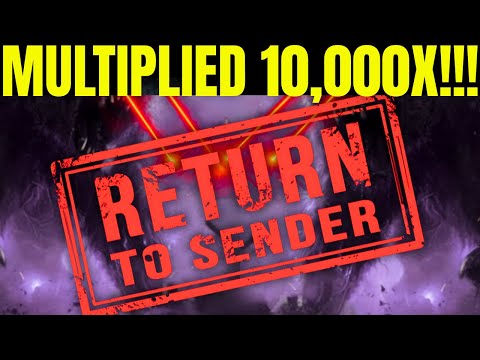
Return to Sender: Amplifying Psychic Reversals and Aura Cleansing

🧿 RETURN TO SENDER MULTIPLIED 10,000X! • ERASE ALL BLACK MAGIC HEXES SPELLS & CURSES • TRANSMIT BACK


EMERALD TABLE — Grimoire Record Chaos
⚔️ TypeSpell
📅 Date2026-08-04
📜 FileMC-2026-0339
Difficulty★★★★☆ Avanzado
Read time16 min
🔗 Related AppGoetian Seals Generator
cha0smagicklabs.com — Digital Grimoire of Chaos Magick

In the intricate dance of energetic exchange, sometimes the most potent magic isn't about casting outward, but about reclaiming what's yours. When facing persistent negative influences, hexes, or curses, the principle of "return to sender" becomes a cornerstone of energetic sovereignty. This isn't merely about defense; it's about transmutation, reclamation, and ultimately, healing at the Source. This practice, deeply rooted in energetic hygiene, aims to dissolve any foreign imprints and redirect the original energy back to its point of origin, often with a multiplier effect, allowing for karmic lessons to be received by the perpetrator.

The challenge often lies in the sheer persistence and complexity of these energetic attacks. A simple shield might deflect, but it doesn't address the root cause or the energy already lodged within your field. For practitioners, especially those dealing with relentless psychic warfare or deeply ingrained negative patterns, the need for a robust, multi-layered system of energetic reversal is paramount. This is where consciously amplified return-to-sender techniques, coupled with advanced energetic clearing, become indispensable tools for maintaining one's energetic integrity and personal power.

CaosThe Mechanics of Energetic Reversal

At its core, "return to sender" is an energetic principle of reciprocity. Just as Newton's third law dictates that for every action, there is an equal and opposite reaction, the energetic realm operates on similar principles. When negative energy, intent, or spells are projected towards you, they create an energetic tether or imprint. The act of returning this energy doesn't just negate the attack; it actively transmutes the negative charge and sends it back, often amplified, to the originator. This amplification serves multiple purposes: it ensures the energy is potent enough to be recognized and integrated by the sender, and it provides a clear energetic message about the consequences of their actions.

The process involves several critical stages: detection of incoming or lodged negative energy, dissolution of its form and intent, transmutation of its charge into neutral or positive light, and finally, the return to the sender with a seal of sovereignty. This isn't about vengeance, but about energetic equilibrium and reclaiming your sovereign space. The effectiveness of such a process hinges on the clarity of intention, the depth of the practitioner's energetic attunement, and the specific techniques employed to ensure the energy is transmuted and returned without residual negativity.

Historical Echoes of Energetic Reciprocity

The concept of energetic reciprocity and consequence is not new. Ancient magical traditions, from the Hermetic principles of "as above, so below" to the karmic laws found in Eastern philosophies, all touch upon the idea that actions have repercussions and energy flows in cycles. While not always phrased as "Return to Sender," the underlying principle of energetic consequence and the importance of maintaining energetic purity and balance are recurring themes across diverse spiritual and magical systems.

For instance, many protective rituals in various traditions focus on creating energetic barriers or mirrors that reflect negativity back. The principle is to prevent the energy from taking root while simultaneously redirecting it. This is often achieved through symbolic representations, spoken incantations, and focused visualization. The effectiveness of these methods has been debated and refined over centuries, leading to a deeper understanding of how intention and energetic manipulation can influence outcomes. The modern interpretation often integrates these ancient concepts with contemporary understandings of energy fields and quantum principles, allowing for a more nuanced and potent application.

"There is no defense against a magical attack except to return it to the sender. To try and block is to invite more. To return is to close the loop." - *Attributed to Peter J. Carroll, though the exact quote may vary across interpretations.*

Similarly, the concept of "what goes around, comes around" is a societal echo of this energetic law. While often seen through a moral or karmic lens, it fundamentally describes the principle of energetic return. In the realm of magic, this principle is consciously applied. When a spell or curse is cast, it carries an energetic signature. By identifying this signature and consciously directing it back, the practitioner leverages universal laws of energy and consciousness to achieve a specific outcome: the cessation of the harmful influence and the imposition of energetic accountability.

The Role of Intention and Gnosis

The efficacy of any energetic reversal technique, including amplified "return to sender" operations, is heavily reliant on the clarity of the practitioner's intention and their ability to enter a gnosis state. Intention acts as the compass, dictating the direction and purpose of the energetic current. Without a clear, unwavering intention to neutralize, transmute, and return the energy, the operation can become diluted or even backfire.

Gnosis, or altered states of consciousness, is the ignition for this magical engine. It bypasses the analytical mind, the primary gatekeeper of conscious beliefs and doubts, allowing the intended energetic pattern to be impressed directly onto the subconscious and the etheric body. Different practitioners utilize various methods to achieve gnosis, ranging from intense focus and visualization to sensory deprivation, ecstatic movement, or controlled breathing techniques. The key is to reach a state where the conscious mind is silenced, enabling the potent, unadulterated will of the operator to drive the magical process.

"The sigil is a symbol charged with intent, then released to the subconscious mind. The return is the subconscious's way of cleaning house and rebalancing the energetic ledger." - *A common sentiment within chaos magic circles, echoing Spare's principles.*

For amplified return-to-sender operations, the intention must be precise: "I intend to dissolve all hexes, curses, and negative energetic imprints directed at me, transmute their charge, and return them with amplified energy and perfect sealing to their source, for the highest good and according to universal law." This clarity ensures that the energy is not just sent back, but sent back with purpose, integrity, and a clear energetic closure.

Techniques for Amplified Return

While basic return-to-sender can be achieved through focused visualization and intent, amplification often involves layered techniques and dedicated tools. The goal is to create a robust energetic vortex that not only repels but actively captures, transmutes, and redirects harmful energies with significant force.

Layered Subliminal Codes

Modern approaches often leverage technological aids. Subliminal transmissions, for example, can embed specific energetic codes and affirmations designed to activate a protective and repelling vortex. These operate on a deeper level, bypassing conscious resistance and directly programming the subconscious and energetic field. The intention behind these codes is crucial: "I AM protected from all dark intent now," "I AM returning all projections to their source," "I AM sealed in sovereign Light." These embedded affirmations work synergistically with the practitioner's conscious intent.

Visualizations and Energetic Constructs

A powerful visualization involves picturing a vortex of pure, white or golden light forming around you. As negative energy approaches or is detected within your field, visualize it being drawn into the vortex, where it is purified and transmuted. Then, envision this transmuted energy being expelled outwards in a focused beam, returning directly to the source. The amplification can be visualized as the vortex spinning faster and faster, or the beam of light growing in intensity and size as it travels back.

Energetic Sealing and Closure

A critical, yet often overlooked, aspect of return-to-sender operations is the energetic seal. Once the energy is returned, the loop must be cleanly closed to prevent further interference or residual psychic cords. This can be visualized as a sacred seal being placed on the energetic nexus where the energy was returned, or by consciously affirming your sovereignty and energetic integrity. This step ensures that your energetic field is cleansed, restored, and sovereign once more.

The Goetic Seal Generator: A Tool for Precise Energetic Warfare

In the more advanced forms of energetic reversal and protection, precision is key. When dealing with directed attacks, such as those potentially originating from specific entities or practitioners who utilize seals and sigils, having a tool that can mirror or counter that precision is invaluable. This is where specialized applications can significantly enhance your practice. I've found that the Goetic Seal Generator to be an incredibly useful tool for this purpose.

When you're facing persistent psychic attacks and need to not only reflect them but also understand and counter the specific energetic signatures being used against you, drawing upon the archetypal power within Goetic seals can be highly effective. The problem many practitioners face is the precise replication of these complex sigils. A slight miscalculation in proportions or geometry can weaken its intended effect. This can be incredibly frustrating when you're already under energetic duress.

The Goetic Seal Generator takes the guesswork out of it. It allows you to precisely generate and even customize these powerful symbols, ensuring that when you intend to return energy, you can do so with the backing of archetypal forces specifically designed for binding, protection, and reversal. It helps you to create a potent energetic counter-signature or to focus your return-to-sender intent with unparalleled geometric and symbolic accuracy. It's a practical application of ancient symbolism for modern energetic defense and reclamation.

For practitioners who feel targeted or who simply wish to fortify their defenses with archetypal power, this tool bridges the gap between complex esoteric knowledge and practical application, allowing you to focus on your intention and gnosis rather than the intricate details of symbol construction. It’s about reclaiming your energetic sovereignty with precision and power.

Best Practices for Energetic Reversal

To maximize the effectiveness of any return-to-sender operation, consider these practices:

  • Set a Clear Intention: Before engaging in any reversal technique, clearly define your goal. State it aloud or mentally: "I intend to return all negative energy, hexes, curses, and psychic attachments directed at me, multiplied, to their source, for healing and accountability."
  • Grounding: After any powerful energetic work, especially reversal operations, it's crucial to ground yourself. Visualize roots extending from your feet deep into the earth, anchoring your energy and releasing any residual static.
  • Listen Consciously: If using subliminal audio or guided transmissions, listen with focused awareness. While the audio works on a subconscious level, your conscious attention aids in integrating the energetic shifts.
  • Hydration and Rest: Energetic work can be taxing. Ensure you drink plenty of water and get adequate rest to support your body's energetic recalibration.
  • Repeat as Needed: Persistent energetic interference may require multiple sessions. Trust your intuition on the frequency and duration of your practice.
  • Sovereign Sealing: After the operation, affirm your energetic sovereignty. Visualize a protective seal of light or energy closing around your aura and space, ensuring no further intrusions.

FAQ

What is the core principle behind "Return to Sender"?

The core principle is energetic reciprocity and accountability. Just as in physics, for every action there is an equal and opposite reaction. In the energetic sphere, negative energy or intent projected towards an individual can be consciously redirected back to its source, often amplified, thereby closing the energetic loop and imposing a form of energetic consequence.

How does amplification work in these techniques?

Amplification is achieved through various methods: increasing the intensity of visualization, using layered subliminal codes with specific affirmations, employing archetypal symbols that carry potent energy, or consciously intending for the returned energy to be magnified. The goal is to ensure the returned energy is potent enough to be recognized and integrated by the sender, and to clearly signify the closure of the energetic interaction.

When should I use a "Return to Sender" transmission?

You should consider using these techniques when you sense external energetic interference, feel unexplained heaviness or draining in your energy field, suspect you are being targeted with spells or curses, or wish to energetically seal your home and personal space against negative influences. It's also beneficial for reclaiming power and energy that may have been subtly siphoned off.

Can this method cause harm to the sender?

The intention behind these techniques, as often practiced by ethical practitioners, is not to cause harm but to return energy to its source, allowing the sender to face the consequences of their own energetic output. The amplification is for potency and clarity of message, not malice. Many practitioners infuse the returned energy with a lesson or a healing request, aiming for karmic resolution rather than punishment. However, the energetic laws themselves ensure that actions have repercussions, and the sender will experience the energetic signature they projected.

How do subliminal codes contribute to this process?

Subliminal codes, embedded within audio or visual transmissions, work directly with the subconscious mind and energetic field. They can be programmed with specific affirmations and intentions, such as "I AM protected" or "I AM returning all projections." These codes bypass conscious filters and reinforce the desired energetic state, acting as a constant, low-level activation of your defenses and reversal mechanisms, complementing conscious magical operations.

What is the importance of energetic sealing after a reversal?

Energetic sealing is crucial for completing the operation and maintaining your sovereignty. After returning the negative energy, your energetic field may have temporary openings or energetic cords that need to be cleanly severed and sealed. This prevents the original issue from reestablishing itself or new intrusions from occurring. It's the final step in ensuring your energetic space is cleansed, restored, and securely demarcated.

Can I use this if I'm not experienced in magic?

While advanced magical knowledge can enhance efficacy, the fundamental principles of intention and energetic reciprocity can be applied by anyone. Guided transmissions or symbolic visualizations can be used by beginners. However, it's always advisable to approach energetic work consciously, with respect for energetic laws, and to start with basic grounding and intention-setting practices.

How long does it take to see results?

Energetic shifts can manifest differently for everyone. Some may feel immediate relief or a shift in their energetic state. Others might notice subtle changes over a few days or weeks. Consistency in practice, the potency of the directed energy, and the practitioner's own energetic receptivity all play a role. It's often a process of energetic recalibration rather than an instant fix, though significant shifts can occur swiftly.

Mage's Arsenal

  • Essential: Goetic Seal Generator — For precise generation of powerful symbolic counter-energies and enhanced return-to-sender operations.
  • Recommended: Peter J. Carroll's "Liber Null & Psychonaut" for deeper insights into chaos magic principles and sigil work.
  • For Amplification: Consider high-potency subliminal audio transmissions designed for energetic clearing and reversal (ensure they are reputable).
  • Fundamental Practice: A clear journal for noting intentions, sessions, and observed energetic shifts.

Your Operation

To perform an amplified return-to-sender operation:

  1. Prepare Your Space: Ensure you are in a quiet, undisturbed environment where you can focus. Light a candle or diffuse protective essential oils if desired.
  2. Set Your Intention: Clearly state your intention aloud or mentally. For example: "I intend to return all negative energy projections, hexes, curses, and psychic attachments directed towards me, multiplied by 10,000, back to their source with perfect sealing and healing intent."
  3. Visualize the Vortex: Imagine a powerful vortex of pure, radiant light (white, gold, or violet are common choices) forming around you. Feel its protective and cleansing energy.
  4. Detect and Dissolve: As you visualize, become aware of any foreign energetic imprints in your aura, body, or personal space. Visualize these energies being drawn into the vortex. See them dissolving and their negative charge neutralizing.
  5. Transmute and Amplify: Within the vortex, visualize the dissolved energy being transmuted into pure light. Simultaneously, intend for this transmuted energy to be amplified significantly – imagine it growing hotter, brighter, and more potent.
  6. Return with Force: Focus the amplified, transmuted energy into a beam and direct it with laser-like precision back to its origin. Visualize it striking the sender, closing the energetic loop with a powerful seal.
  7. Energetic Sealing: Once the energy is returned, visualize a final, impenetrable seal of light encasing your aura, home, and energy field. Affirm your sovereignty: "I AM sealed in sovereign Light. My energetic space is clear, protected, and sovereign."
  8. Grounding: Extend roots from your feet deep into the Earth's core. Feel yourself anchored and stable.
  9. Integrate: Drink water, rest, and observe any energetic shifts in the following hours and days.

Case Study: The Persistent Shadow

A practitioner, let's call her Elara, had been experiencing a persistent feeling of being watched and a draining fatigue that no amount of rest could alleviate. She suspected a psychic attack, possibly from an old acquaintance with a known history of dabbling in dark arts. Traditional shielding felt insufficient, as the negativity seemed to seep through. Elara decided to perform an amplified return-to-sender operation. She used a focused visualization of a pulsating, emerald-green vortex, intending to dissolve and return any "energies of malice and stagnation." As she directed the amplified energy back, she visualized a geometric symbol of reversal, akin to those generated by tools like the Goetic Seal Generator, beaming towards the source. Within 24 hours, the oppressive feeling lifted, and her energy levels began to recover significantly. The persistent 'shadow' had been returned to its sender, and Elara's space felt clear for the first time in months.

Interdisciplinary Connections

The principles of energetic reversal resonate across various fields. Quantum physics explores entanglement and the observer effect, suggesting that consciousness plays a role in shaping reality. Energetic concepts in psychology, such as transference and projection, mirror the idea of sending out emotional or psychic imprints. In neuroscience, the brain's electrical activity is influenced by external stimuli, including subtle energetic fields, highlighting the interconnectedness of internal states and external energetic influences. Understanding these connections reinforces the idea that our energetic sovereignty is a fundamental aspect of our being, intertwined with the very fabric of reality.

Veredict

The "Return to Sender" technique, especially when amplified and precisely executed, is a powerful method for reclaiming energetic sovereignty. It moves beyond passive defense, actively neutralizing and transmuting negative influences. The challenge lies in maintaining clear intention, achieving deep gnosis, and employing robust methods for reversal and sealing. Modern tools can greatly assist in precision and amplification, offering practitioners enhanced capabilities to navigate and clear energetic interference effectively.

Pros:

  • Actively reclaims and rebalances energy.
  • Provides a clear mechanism for energetic accountability.
  • Empowers the practitioner by taking direct action.
  • Can be amplified for greater potency.
  • Aids in sealing energetic boundaries.

Cons:

  • Requires clear intention and focused gnosis.
  • Potential for misapplication if intention is unclear (though less so with precise tools).
  • Can be energetically taxing if not grounded properly.
  • Effectiveness relies on practitioner's skill and consistency.

About the author: Frater Alek0s is a veteran practitioner and researcher in the field of chaos magick. His work focuses on the practical and experimental application of occult techniques for self-development and reality exploration, demystifying esotericism for the modern practitioner.

Referencias

  1. Carroll, P. J. (1987). Liber Null & Psychonaut. Weiser Books.
  2. Spare, A. O. (1913). The Book of Pleasure. Self-published.
  3. Hine, P. (1992). Condensed Chaos: An Introduction to Chaos Magic. New Falcon Publications.
  4. Crowley, A. (1904). The Book of the Law. Self-published.
  5. Sherwin, R. (2018). The Chaos Magic Handbook. CreateSpace.
  6. Kraig, D. M. (1988). Modern Magick: Eleven Lessons in the High Magickal Arts. Llewellyn Publications.
  7. Morrison, G. (2003). Pop Magic! The Art of Shaping Reality. Disinformation.
  8. DuQuette, L. M. (2003). The Chicken Qabalah of Rabbi Lamed Ben Clifford. Weiser Books.
  9. Webb, D. (2015). Chaos Magick: A Practical Guide. Self-published.
  10. Tyson, D. (2006). The Power of the Written Word. Llewellyn Publications.
  11. Bonewits, I. (1971). Real Magic. Creative Age Press.
  12. Greer, J. M. (2003). The New Encyclopedia of the Occult. Llewellyn Publications.
Martin Del Rio's Disquisitionum Magicarum: The Greatest Textbook of Witchcraft and the Occult

The Greatest Book on Magic, Witchcraft & the Occult - Martin Del Rio - Disquisitionum Magicarum


EMERALD TABLE — Grimoire Record Magitech
⚔️ TypeSpell
📅 Date2026-08-04
📜 FileMC-2026-0335
Difficulty★★★☆☆ Intermedio
Read time9 min
🔗 Related AppGoetian Seals Generator
cha0smagicklabs.com — Digital Grimoire of Chaos Magick

In the annals of occult literature, few tomes loom as large, yet remain as obscure, as Martin Del Rio's 1599 masterpiece, Disquisitionum Magicarum. Often exceeding a thousand pages, this work is not merely a book; it’s a monument, a meticulously detailed exploration of magic, divination, and witchcraft that became the preeminent source for demonologists during the European witch hunts, even supplanting the notorious Malleus Maleficarum.

While the allure of witchcraft texts might seem distant, the echoes of its influence — and the brutal reality it documented — resonate even into the so-called Age of Enlightenment, as tragically exemplified by the case of Anna Göldi in 1782. Her execution, a mere quarter-century after the final edition of Del Rio's work, serves as a chilling testament to the enduring power and perversion of the beliefs detailed within its pages. This is the greatest textbook on these subjects, used by inquisitors and necromancers alike.

MagitechThe Context: A Legacy of Witch-Hunting Manuals

Before delving into Del Rio's magnum opus, it's crucial to understand its place in the lineage of occult and demonological literature. For centuries, Europe grappled with the phenomenon of witchcraft, producing manuals that guided the prosecution and understanding of those accused. Works like the Malleus Maleficarum (The Hammer of Witches), first published in 1487, cast a long shadow, detailing the supposed nature of witches and their pacts with Satan. Though officially absent from trials, the discourse of witchcraft possessed proceedings, tainting them with a horrific medieval character well into later centuries.

Later, Nicolas Rémy, in his 1698 Daemonolatry, boasted of sending no less than 800 people to the flames. Similarly, the Compendium Maleficarum by Francesco Maria Guaccio, while less known than the Malleus, continued this tradition. However, it was Martin Del Rio's Disquisitionum Magicarum Libri Sex (Six Books of Magic Investigations), with its final edition in 1755, that represented the last true testament to the widespread witch trials that ravaged Europe. His work, while far less known to the public than its predecessors, proved to be the single most important source for scholars and inquisitors of its time. Its horrifying coda culminated in the execution of Anna Göldi in 1782, marking one of the final judicial murders cloaked in the language of supernatural poisoning and witchcraft.

Martin Del Rio's Disquisitionum Magicarum: The Magnum Opus

Martin Del Rio's Disquisitionum Magicarum, first published in 1599, stands as a truly monumental expression of early modern demonology and the cultural anxieties surrounding magic. This wasn't just a theoretical treatise; it was a practical guide, a compendium of knowledge meticulously detailing the nature of magic, various forms of divination, and the intricate classification of witchcraft. Del Rio, a Jesuit scholar, approached his subject with the rigor of a legal mind and the conviction of a Counter-Reformation theologian.

The sheer scope of the work is astounding. Often exceeding 1000 pages, it delves into the etymology of magic, the types of sorcerers, the pacts they allegedly made with demons, and the methods by which these infernal beings operated. He discusses celestial influences, astrological divination, geomancy, chiromancy, and various other forms of foretelling the future. But critically, it provides detailed instructions for the identification, prosecution, and condemnation of witches. This aspect made it indispensable for inquisitors and magistrates across Europe.

The Scholarly and the Sinister: Del Rio's Approach

Del Rio's work is characterized by its exhaustive nature and its attempt to reconcile theological doctrine with observed phenomena (or at least, alleged phenomena). He meticulously categorized demons and their powers, linking them to specific offenses and modes of operation. His scholarship, while often disturbing to modern sensibilities, was respected within its contemporary context. He cited a vast array of classical, biblical, and medieval sources, weaving together a tapestry of belief and superstition that defined the era.

It is this blend of scholarly rigor with the sinister subject matter that makes Disquisitionum Magicarum so significant. While it documented the horrors of the witch trials, it also served, in many ways, to legitimize and perpetuate them. The book was a testament to the belief systems of the time, a complex interplay of faith, fear, and the nascent scientific inquiry struggling to understand the world through its existing frameworks of the supernatural.

The Lingering Shadow of Witch Trials

The execution of Anna Göldi in 1782 serves as a stark reminder of how deeply ingrained these beliefs remained, even as the Enlightenment championed reason. Göldi was accused of supernatural poisoning by her employer. Following her arrest and torture, she confessed to a pact with Satan, who had appeared to her as a black dog. Though she later withdrew her confession, she was subjected to a terrifying trial and ultimately beheaded. The legal proceedings were undeniably haunted by the specter of witchcraft, even if capital punishment for non-lethal poisoning was technically not allowed.

This case, occurring a mere quarter-century after the final edition of Del Rio's work, highlights the enduring power of demonological thought. While the official discourse might have evolved, the underlying fears and the mechanisms of persecution, so thoroughly detailed by Del Rio, stubbornly persisted. His *Disquisitionum Magicarum* was, in essence, the last great codification of a European tradition that, despite its official decline, continued to cast a long, dark shadow.

The Greatest Textbook: Practical Application

For the practicing occultist, understanding the historical underpinnings of traditions is crucial. Knowing how magic, divination, and witchcraft were understood and cataloged in periods of intense persecution offers invaluable context. Martin Del Rio's *Disquisitionum Magicarum*, despite its grim subject matter, provides an unparalleled window into this historical mindset. It's a testament to how deeply intertwined the concepts of the divine, the demonic, and the magical were for centuries.

While the direct application of prosecuting witches is thankfully obsolete, the structured approach to understanding different forms of magic—from astrology to demonology—can still inform modern practice. The book's detailed analysis of belief systems, ritual practices (as understood by its author), and the psychological underpinnings of alleged demonic influence can offer insights into the power of belief itself, a core tenet in many magical philosophies today.

Arsenal of the Mage

  • Essential: Goetian Seals Generator App — Problems with accurately rendering complex magical symbols can lead to distorted intentions. This app ensures the precise execution of Goetic seals, crucial for any ritual work involving these entities, saving you hours of painstaking drawing and verifying. Take the guesswork out of your invocations.
  • For Further Study: Martin Del Rio's Disquisitionum Magicarum (the 1608 edition is often available online).
  • Historical Context: Consult scholarly works on witch trials and demonology.

FAQ: Frequently Asked Questions

Is Martin Del Rio's book still relevant for modern occultists?

Absolutely. While the context has changed dramatically, understanding how magic, divination, and witchcraft were perceived and cataloged by influential figures like Del Rio offers invaluable historical and philosophical insight. It helps us understand the evolution of occult thought and the power of belief systems.

How did this book differ from the Malleus Maleficarum?

While both are key texts in demonology, Del Rio's Disquisitionum Magicarum is often considered more comprehensive and scholarly in its approach, delving deeper into the classification of different magical practices and demonology. It became the preferred manual for many inquisitors and scholars, effectively supplanting the Malleus in later periods.

What makes it the "greatest" textbook on the occult from its era?

Its "greatest" status stems from its comprehensive scope, its influence on demonologists and inquisitors for centuries, and its meticulous detail in cataloging a wide range of magical practices and beliefs. It served as a definitive reference point for understanding the supernatural during a critical period of European history.

Can the methods described in the book be applied today?

The methods of persecution and the theological justifications are thankfully archaic and harmful. However, the analytical framework Del Rio used to categorize different types of magic (divination, pacts, etc.) can offer a structured way to study these phenomena. The book's insights into the psychology of belief and accusation remain relevant for understanding historical events and even modern phenomena.

What kind of magic does Del Rio discuss?

Del Rio discusses a vast array of what he considered illicit magic, including various forms of divination (astrology, chiromancy, sortes), sorcery, necromancy, alchemy (when practiced with illicit intent), and most prominently, witchcraft and pacts with demons. His work is a catalog of perceived magical dangers from the perspective of a Counter-Reformation Jesuit.

Are there translations readily available?

Complete and widely accessible translations of Disquisitionum Magicarum into English are rare. Scholars often work with Latin editions or specific scholarly translations of excerpts. However, numerous academic articles and books discuss its content and provide significant summaries and analyses, offering a good entry point for those unable to read the original Latin.

What was the historical impact of this book during the witch trials?

Its historical impact was immense. It provided a standardized, authoritative reference for judges, inquisitors, and theologians grappling with accusations of witchcraft. By detailing the supposed nature of demons, pacts, and magical practices, it offered a framework for identification, interrogation, and ultimately, condemnation, contributing significantly to the systematic prosecution of individuals accused of witchcraft across Europe.

The Scholarly Rigor of Demonology

The detailed nature of Del Rio's work is striking. He doesn't just list demons; he categorizes them, describes their hierarchies, their specific powers, and the methods by which they tempt and corrupt humanity. He meticulously dissects various forms of divination, weighing their legitimacy against theological doctrine. This analytical approach, while applied to a disturbing subject matter, reflects a broader intellectual trend of the era: the desire to classify, understand, and control the world through knowledge. For a demonologist or inquisitor, Disquisitionum Magicarum was akin to a legal code and a scientific text rolled into one, providing the justifications and methodologies for their grim work.

The Legacy of Anna Göldi

The tragic story of Anna Göldi in 1782 serves as the final, chilling punctuation mark to the era of witch trials that Del Rio's work so comprehensively documented. Her accusation of supernatural poisoning, her tortured confession of a pact with Satan, and her eventual execution by beheading highlight how, even in the late 18th century, the medieval character of witchcraft accusations could still haunt the proceedings of justice. The fact that her trial still invoked the language of pacts with the devil, the very concepts so thoroughly explored by Del Rio, demonstrates the insidious persistence of these beliefs. It was not merely judicial murder; it was a murder sanctioned by a deeply ingrained, albeit officially often unacknowledged, framework of demonological thought.

Bridging the Arcane Divide

For the modern practitioner, engaging with texts like Disquisitionum Magicarum is not about adopting its persecutory methods, but about understanding the historical evolution of magical thought and the profound impact of belief systems. Del Rio's work is a window into the minds of those who sought to define, control, and eradicate what they perceived as malevolent supernatural forces. Its meticulous cataloging of magical practices, even when viewed through a lens of demonology, can offer a unique perspective on the historical manifestations of magic and the enduring human fascination with the occult and the unseen.

About the author: Frater Alek0s is a veteran practitioner and researcher in the field of chaos magick. His work focuses on the practical and experimental application of occult techniques for self-development and reality exploration, demystifying esotericism for the modern practitioner.

Veredict

Martin Del Rio's Disquisitionum Magicarum is, without doubt, the greatest and most comprehensive textbook on witchcraft, magic, and the occult from the early modern period. While its content is deeply rooted in a worldview that led to horrific persecution, its historical significance and the sheer depth of its analysis make it an unparalleled resource for understanding demonology and the occult landscape of its time. It is a difficult but rewarding text for serious students of esoteric history. Its legacy, though often obscured by its gruesome subject matter, is undeniable.


Referencias

  1. Cunningham, S. (1988). Wicca: A Guide for the Solitary Practitioner. Llewellyn Publications.
  2. Gardner, G. (1954). Witchcraft Today. Rider & Company.
  3. Valiente, D. (1962). Witchcraft for Tomorrow. Rider & Company.
  4. Starhawk (1979). The Spiral Dance. Harper & Row.
  5. Hutton, R. (1999). The Triumph of the Moon. Oxford University Press.
  6. Grimassi, R. (2000). Encyclopedia of Wicca & Witchcraft. Llewellyn Publications.
  7. Buckland, R. (1974). Buckland's Complete Book of Witchcraft. Llewellyn Publications.
  8. Farrar, J. (1981). Eight Sabbats for Witches. Robert Hale.
  9. Murray, M. (1921). The Witch-Cult in Western Europe. Oxford University Press.
  10. Leland, C. G. (1899). Aradia: Gospel of the Witches. David Nutt.
  11. Berger, H. (2005). Witchcraft and Magic: Contemporary North America. University of Pennsylvania Press.
  12. Crowther, P. (1959). The Witches Speak. Athol Publications.