Saltar al contenido principal

Anuncio Superior

Mostrando entradas con la etiqueta witchcraft. Mostrar todas las entradas

Martin Del Rio's Disquisitionum Magicarum: The Greatest Textbook of Witchcraft and the Occult

The Greatest Book on Magic, Witchcraft & the Occult - Martin Del Rio - Disquisitionum Magicarum


EMERALD TABLE — Grimoire Record Magitech
⚔️ TypeSpell
📅 Date2026-08-04
📜 FileMC-2026-0335
Difficulty★★★☆☆ Intermedio
Read time9 min
🔗 Related AppGoetian Seals Generator
cha0smagicklabs.com — Digital Grimoire of Chaos Magick

In the annals of occult literature, few tomes loom as large, yet remain as obscure, as Martin Del Rio's 1599 masterpiece, Disquisitionum Magicarum. Often exceeding a thousand pages, this work is not merely a book; it’s a monument, a meticulously detailed exploration of magic, divination, and witchcraft that became the preeminent source for demonologists during the European witch hunts, even supplanting the notorious Malleus Maleficarum.

While the allure of witchcraft texts might seem distant, the echoes of its influence — and the brutal reality it documented — resonate even into the so-called Age of Enlightenment, as tragically exemplified by the case of Anna Göldi in 1782. Her execution, a mere quarter-century after the final edition of Del Rio's work, serves as a chilling testament to the enduring power and perversion of the beliefs detailed within its pages. This is the greatest textbook on these subjects, used by inquisitors and necromancers alike.

MagitechThe Context: A Legacy of Witch-Hunting Manuals

Before delving into Del Rio's magnum opus, it's crucial to understand its place in the lineage of occult and demonological literature. For centuries, Europe grappled with the phenomenon of witchcraft, producing manuals that guided the prosecution and understanding of those accused. Works like the Malleus Maleficarum (The Hammer of Witches), first published in 1487, cast a long shadow, detailing the supposed nature of witches and their pacts with Satan. Though officially absent from trials, the discourse of witchcraft possessed proceedings, tainting them with a horrific medieval character well into later centuries.

Later, Nicolas Rémy, in his 1698 Daemonolatry, boasted of sending no less than 800 people to the flames. Similarly, the Compendium Maleficarum by Francesco Maria Guaccio, while less known than the Malleus, continued this tradition. However, it was Martin Del Rio's Disquisitionum Magicarum Libri Sex (Six Books of Magic Investigations), with its final edition in 1755, that represented the last true testament to the widespread witch trials that ravaged Europe. His work, while far less known to the public than its predecessors, proved to be the single most important source for scholars and inquisitors of its time. Its horrifying coda culminated in the execution of Anna Göldi in 1782, marking one of the final judicial murders cloaked in the language of supernatural poisoning and witchcraft.

Martin Del Rio's Disquisitionum Magicarum: The Magnum Opus

Martin Del Rio's Disquisitionum Magicarum, first published in 1599, stands as a truly monumental expression of early modern demonology and the cultural anxieties surrounding magic. This wasn't just a theoretical treatise; it was a practical guide, a compendium of knowledge meticulously detailing the nature of magic, various forms of divination, and the intricate classification of witchcraft. Del Rio, a Jesuit scholar, approached his subject with the rigor of a legal mind and the conviction of a Counter-Reformation theologian.

The sheer scope of the work is astounding. Often exceeding 1000 pages, it delves into the etymology of magic, the types of sorcerers, the pacts they allegedly made with demons, and the methods by which these infernal beings operated. He discusses celestial influences, astrological divination, geomancy, chiromancy, and various other forms of foretelling the future. But critically, it provides detailed instructions for the identification, prosecution, and condemnation of witches. This aspect made it indispensable for inquisitors and magistrates across Europe.

The Scholarly and the Sinister: Del Rio's Approach

Del Rio's work is characterized by its exhaustive nature and its attempt to reconcile theological doctrine with observed phenomena (or at least, alleged phenomena). He meticulously categorized demons and their powers, linking them to specific offenses and modes of operation. His scholarship, while often disturbing to modern sensibilities, was respected within its contemporary context. He cited a vast array of classical, biblical, and medieval sources, weaving together a tapestry of belief and superstition that defined the era.

It is this blend of scholarly rigor with the sinister subject matter that makes Disquisitionum Magicarum so significant. While it documented the horrors of the witch trials, it also served, in many ways, to legitimize and perpetuate them. The book was a testament to the belief systems of the time, a complex interplay of faith, fear, and the nascent scientific inquiry struggling to understand the world through its existing frameworks of the supernatural.

The Lingering Shadow of Witch Trials

The execution of Anna Göldi in 1782 serves as a stark reminder of how deeply ingrained these beliefs remained, even as the Enlightenment championed reason. Göldi was accused of supernatural poisoning by her employer. Following her arrest and torture, she confessed to a pact with Satan, who had appeared to her as a black dog. Though she later withdrew her confession, she was subjected to a terrifying trial and ultimately beheaded. The legal proceedings were undeniably haunted by the specter of witchcraft, even if capital punishment for non-lethal poisoning was technically not allowed.

This case, occurring a mere quarter-century after the final edition of Del Rio's work, highlights the enduring power of demonological thought. While the official discourse might have evolved, the underlying fears and the mechanisms of persecution, so thoroughly detailed by Del Rio, stubbornly persisted. His *Disquisitionum Magicarum* was, in essence, the last great codification of a European tradition that, despite its official decline, continued to cast a long, dark shadow.

The Greatest Textbook: Practical Application

For the practicing occultist, understanding the historical underpinnings of traditions is crucial. Knowing how magic, divination, and witchcraft were understood and cataloged in periods of intense persecution offers invaluable context. Martin Del Rio's *Disquisitionum Magicarum*, despite its grim subject matter, provides an unparalleled window into this historical mindset. It's a testament to how deeply intertwined the concepts of the divine, the demonic, and the magical were for centuries.

While the direct application of prosecuting witches is thankfully obsolete, the structured approach to understanding different forms of magic—from astrology to demonology—can still inform modern practice. The book's detailed analysis of belief systems, ritual practices (as understood by its author), and the psychological underpinnings of alleged demonic influence can offer insights into the power of belief itself, a core tenet in many magical philosophies today.

Arsenal of the Mage

  • Essential: Goetian Seals Generator App — Problems with accurately rendering complex magical symbols can lead to distorted intentions. This app ensures the precise execution of Goetic seals, crucial for any ritual work involving these entities, saving you hours of painstaking drawing and verifying. Take the guesswork out of your invocations.
  • For Further Study: Martin Del Rio's Disquisitionum Magicarum (the 1608 edition is often available online).
  • Historical Context: Consult scholarly works on witch trials and demonology.

FAQ: Frequently Asked Questions

Is Martin Del Rio's book still relevant for modern occultists?

Absolutely. While the context has changed dramatically, understanding how magic, divination, and witchcraft were perceived and cataloged by influential figures like Del Rio offers invaluable historical and philosophical insight. It helps us understand the evolution of occult thought and the power of belief systems.

How did this book differ from the Malleus Maleficarum?

While both are key texts in demonology, Del Rio's Disquisitionum Magicarum is often considered more comprehensive and scholarly in its approach, delving deeper into the classification of different magical practices and demonology. It became the preferred manual for many inquisitors and scholars, effectively supplanting the Malleus in later periods.

What makes it the "greatest" textbook on the occult from its era?

Its "greatest" status stems from its comprehensive scope, its influence on demonologists and inquisitors for centuries, and its meticulous detail in cataloging a wide range of magical practices and beliefs. It served as a definitive reference point for understanding the supernatural during a critical period of European history.

Can the methods described in the book be applied today?

The methods of persecution and the theological justifications are thankfully archaic and harmful. However, the analytical framework Del Rio used to categorize different types of magic (divination, pacts, etc.) can offer a structured way to study these phenomena. The book's insights into the psychology of belief and accusation remain relevant for understanding historical events and even modern phenomena.

What kind of magic does Del Rio discuss?

Del Rio discusses a vast array of what he considered illicit magic, including various forms of divination (astrology, chiromancy, sortes), sorcery, necromancy, alchemy (when practiced with illicit intent), and most prominently, witchcraft and pacts with demons. His work is a catalog of perceived magical dangers from the perspective of a Counter-Reformation Jesuit.

Are there translations readily available?

Complete and widely accessible translations of Disquisitionum Magicarum into English are rare. Scholars often work with Latin editions or specific scholarly translations of excerpts. However, numerous academic articles and books discuss its content and provide significant summaries and analyses, offering a good entry point for those unable to read the original Latin.

What was the historical impact of this book during the witch trials?

Its historical impact was immense. It provided a standardized, authoritative reference for judges, inquisitors, and theologians grappling with accusations of witchcraft. By detailing the supposed nature of demons, pacts, and magical practices, it offered a framework for identification, interrogation, and ultimately, condemnation, contributing significantly to the systematic prosecution of individuals accused of witchcraft across Europe.

The Scholarly Rigor of Demonology

The detailed nature of Del Rio's work is striking. He doesn't just list demons; he categorizes them, describes their hierarchies, their specific powers, and the methods by which they tempt and corrupt humanity. He meticulously dissects various forms of divination, weighing their legitimacy against theological doctrine. This analytical approach, while applied to a disturbing subject matter, reflects a broader intellectual trend of the era: the desire to classify, understand, and control the world through knowledge. For a demonologist or inquisitor, Disquisitionum Magicarum was akin to a legal code and a scientific text rolled into one, providing the justifications and methodologies for their grim work.

The Legacy of Anna Göldi

The tragic story of Anna Göldi in 1782 serves as the final, chilling punctuation mark to the era of witch trials that Del Rio's work so comprehensively documented. Her accusation of supernatural poisoning, her tortured confession of a pact with Satan, and her eventual execution by beheading highlight how, even in the late 18th century, the medieval character of witchcraft accusations could still haunt the proceedings of justice. The fact that her trial still invoked the language of pacts with the devil, the very concepts so thoroughly explored by Del Rio, demonstrates the insidious persistence of these beliefs. It was not merely judicial murder; it was a murder sanctioned by a deeply ingrained, albeit officially often unacknowledged, framework of demonological thought.

Bridging the Arcane Divide

For the modern practitioner, engaging with texts like Disquisitionum Magicarum is not about adopting its persecutory methods, but about understanding the historical evolution of magical thought and the profound impact of belief systems. Del Rio's work is a window into the minds of those who sought to define, control, and eradicate what they perceived as malevolent supernatural forces. Its meticulous cataloging of magical practices, even when viewed through a lens of demonology, can offer a unique perspective on the historical manifestations of magic and the enduring human fascination with the occult and the unseen.

About the author: Frater Alek0s is a veteran practitioner and researcher in the field of chaos magick. His work focuses on the practical and experimental application of occult techniques for self-development and reality exploration, demystifying esotericism for the modern practitioner.

Veredict

Martin Del Rio's Disquisitionum Magicarum is, without doubt, the greatest and most comprehensive textbook on witchcraft, magic, and the occult from the early modern period. While its content is deeply rooted in a worldview that led to horrific persecution, its historical significance and the sheer depth of its analysis make it an unparalleled resource for understanding demonology and the occult landscape of its time. It is a difficult but rewarding text for serious students of esoteric history. Its legacy, though often obscured by its gruesome subject matter, is undeniable.


Referencias

  1. Cunningham, S. (1988). Wicca: A Guide for the Solitary Practitioner. Llewellyn Publications.
  2. Gardner, G. (1954). Witchcraft Today. Rider & Company.
  3. Valiente, D. (1962). Witchcraft for Tomorrow. Rider & Company.
  4. Starhawk (1979). The Spiral Dance. Harper & Row.
  5. Hutton, R. (1999). The Triumph of the Moon. Oxford University Press.
  6. Grimassi, R. (2000). Encyclopedia of Wicca & Witchcraft. Llewellyn Publications.
  7. Buckland, R. (1974). Buckland's Complete Book of Witchcraft. Llewellyn Publications.
  8. Farrar, J. (1981). Eight Sabbats for Witches. Robert Hale.
  9. Murray, M. (1921). The Witch-Cult in Western Europe. Oxford University Press.
  10. Leland, C. G. (1899). Aradia: Gospel of the Witches. David Nutt.
  11. Berger, H. (2005). Witchcraft and Magic: Contemporary North America. University of Pennsylvania Press.
  12. Crowther, P. (1959). The Witches Speak. Athol Publications.
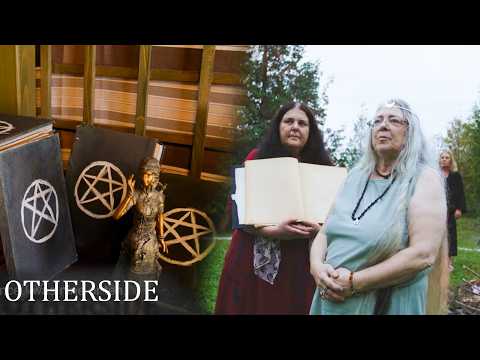
Magic: A Dance Between Enlightenment and Illusion

Magic Or Madness? Modern Witchcraft | Coven Full Documentary


EMERALD TABLE — Grimoire Record Gnosis
⚔️ TypeSpell
📅 Date2026-08-04
📜 FileMC-2026-0331
Difficulty★★☆☆☆ Practicante
Read time4 min
🔗 Related AppGoetian Seals Generator
cha0smagicklabs.com — Digital Grimoire of Chaos Magick

The term "magic" evokes a spectrum of images, from arcane rituals whispered in shadowed rooms to the vibrant, modern practices of today's witches. But what truly lies at the heart of this ancient art – is it a path to profound understanding, or a descent into delusion? This exploration delves into the multifaceted world of modern magic, examining its diverse expressions and the crucial distinction between genuine spiritual practice and potential pitfalls.

GnosisThe Evolving Landscape of Modern Witchcraft

In contemporary times, the practice of witchcraft has surged in popularity, attracting individuals from all walks of life. This documentary offers a glimpse into this growing movement, showcasing the varied paths followers tread, from traditional covens and Wiccan traditions to personal altars and solitary practices. It highlights how witchcraft, far from a monolithic entity, is a deeply personal exploration of spirituality, nature, and intention.

Navigating the Spectrum: From Cults to Covens

The documentary touches upon the significant concern of cult-like dynamics within some groups. This is a critical area for any practitioner to understand. As Peter J. Carroll (1987) noted in Liber Null & Psychonaut, "belief is a tool," and any tool can be misused. When belief systems become rigid, demanding unquestioning obedience and discouraging individual inquiry, they can morph into harmful structures rather than empowering spiritual paths.

Understanding Gnosis and Intent in Magic

At its core, many forms of magic, including witchcraft, rely on the principles of intention and gnosis. Intention provides the direction, the "what" of the magical act. Gnosis, on the other hand, is the altered state of consciousness—the bridge that allows the focused intention to impress itself upon the subtle fabric of reality. As Austin Osman Spare (1913) explored in The Book of Pleasure, the power lies in the focused will and the subsequent release of the desire into the subconscious.

The Role of Drugs and Ritual

The documentary touches on the use of hallucinogenic drugs as a means to induce altered states for magical work. While some traditions may incorporate such substances, it's crucial to recognize this is not a universal requirement. Many practitioners, as evidenced by community comments, find powerful gnosis through traditional methods like meditation, ritual chanting, ecstatic dance, or simply deep immersion in nature. The "high priestess" mentioned in the comments, who advocated for strict obedience and drug reliance, raises a significant red flag, indicative of potentially manipulative leadership rather than genuine spiritual guidance.

Solitary vs. Coven Practice

The path of magic is not a single road. Many find fulfillment as solitary practitioners, forging a direct connection with their chosen deities, nature, and their own inner power. Others thrive within the structure and shared energy of a coven. The key, as emphasized by many experienced witches, is self-knowledge and intuition. As one commenter wisely stated, "Know yourself! The more I’m just me, the more powerful I become." This self-awareness is paramount, whether working alone or within a group.

The Importance of Discernment

When exploring any spiritual path, especially one as diverse and often misunderstood as witchcraft, discernment is key. The warnings about cults and dictatorial leadership are not to discourage exploration, but to empower practitioners to make informed choices. If a group or practice feels restrictive, demanding, or unsafe, it is a sign to step back and seek a different path. Trusting your intuition, as many witches emphasize, is a vital part of the magical practice.

Magic: A Personal Journey

Ultimately, magic, in its purest form, is about the individual's relationship with the universe, their intentions, and their innate power. It is about understanding oneself and one's place in the natural world. The fear and misunderstanding surrounding witchcraft often stem from sensationalism or misrepresentation. For those who walk this path, it is a journey of self-discovery, empowerment, and a profound connection to forces beyond the mundane.

Arsenal of the Mage

  • Essential: Goetian Seals Generator — For those exploring the deeper aspects of magical sigils, this app can aid in visualizing and understanding complex symbolic structures, bringing order and focus to your intent.
  • Recommended Reading: Liber Null & Psychonaut by Peter J. Carroll
  • Recommended Reading: The Book of Pleasure by Austin Osman Spare
  • Community Wisdom: Engage with experienced practitioners, read diverse perspectives, and trust your intuition when evaluating groups or teachings.

FAQ: Common Questions about Magic

Is magic really about drugs and cults?

No, that is a harmful stereotype. While some individuals or groups may misuse substances or authority, genuine magic focuses on intention, gnosis, and personal spiritual growth. Many magic traditions, including witchcraft, emphasize nature, self-knowledge, and personal ethics over dogma or coercion.

Can I practice magic alone without joining a group?

Absolutely. Solitary practice is a valid and powerful path in magic. Many witches find profound connection and effectiveness working independently, focusing on their personal journey and relationship with the divine or the universe.

What is gnosis in the context of magic?

Gnosis refers to an altered state of consciousness, often characterized by intense focus, trance, or ecstasy. It's the state where the conscious mind is quieted, allowing the magical intention to be impressed upon the subconscious or the broader energetic field. It can be achieved through various means, not solely through drugs.

Is there a "right" way to practice magic?

Magic is a deeply personal and experimental path. While traditions exist, the most effective magic often aligns with your individual beliefs, goals, and intuition. What works for one practitioner may not work for another. The emphasis should always be on personal responsibility, ethical practice, and authentic spiritual connection.

About the author: Frater Alek0s is a veteran practitioner and researcher in the field of chaos magick. His work focuses on the practical and experimental application of occult techniques for self-development and reality exploration, demystifying esotericism for the modern practitioner.

What are some red flags to watch out for in magical groups?

Be cautious of groups that demand unquestioning obedience, discourage questions, isolate members from outside support, promote drug reliance as mandatory, or have leaders who exhibit cult-like behavior. Healthy magical communities encourage growth, respect individuality, and foster critical thinking.


Referencias

  1. Cunningham, S. (1988). Wicca: A Guide for the Solitary Practitioner. Llewellyn Publications.
  2. Gardner, G. (1954). Witchcraft Today. Rider & Company.
  3. Valiente, D. (1962). Witchcraft for Tomorrow. Rider & Company.
  4. Starhawk (1979). The Spiral Dance. Harper & Row.
  5. Hutton, R. (1999). The Triumph of the Moon. Oxford University Press.
  6. Grimassi, R. (2000). Encyclopedia of Wicca & Witchcraft. Llewellyn Publications.
  7. Buckland, R. (1974). Buckland's Complete Book of Witchcraft. Llewellyn Publications.
  8. Farrar, J. (1981). Eight Sabbats for Witches. Robert Hale.
  9. Murray, M. (1921). The Witch-Cult in Western Europe. Oxford University Press.
  10. Leland, C. G. (1899). Aradia: Gospel of the Witches. David Nutt.
  11. Berger, H. (2005). Witchcraft and Magic: Contemporary North America. University of Pennsylvania Press.
  12. Crowther, P. (1959). The Witches Speak. Athol Publications.
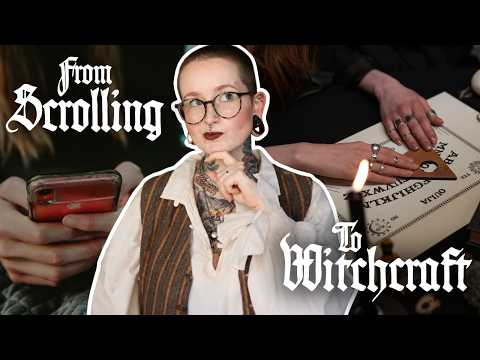
Doomscrolling: A Digital Curse and Its Witchcraft Cure

Doomscrolling is a Curse. Here's How to Replace it with Witchcraft.


EMERALD TABLE — Grimoire Record Magitech
⚔️ TypeSpell
📅 Date2026-08-04
📜 FileMC-2026-0323
Difficulty★★★☆☆ Intermedio
Read time11 min
🔗 Related AppGoetian Seals Generator
cha0smagicklabs.com — Digital Grimoire of Chaos Magick

In the age of constant connection, the siren call of the infinite scroll is undeniable. We've all been there: lost in a vortex of endless feeds, feeling drained and anxious. But what if you could reclaim that time, transforming a digital drain into a powerful magical practice? This grimoire page explores how to replace doomscrolling with potent witchcraft, offering practical steps for any practitioner, from novice to veteran.

The urge to scroll endlessly often stems from a deep-seated need for stimulation, information, or even a way to avoid difficult emotions. While modern technology offers constant access to information, it also presents unique challenges to our focus and well-being. This guide will delve into the "why" behind persistent doomscrolling and, more importantly, offer actionable witchcraft solutions.

MagitechThe Many Faces of Doomscrolling

Doomscrolling, the act of compulsively consuming negative news and social media content, is more than just a bad habit; it's a symptom of our hyper-connected world. From decision fatigue to emotional avoidance, the reasons are varied and deeply human. As Peter J. Carroll (1987) noted in Liber Null, "belief is a tool," and our belief in the necessity of constant information can lead us down a rabbit hole.

The allure of digital information is a double-edged sword. It connects us, but it can also isolate us in a sea of anxieties, making it difficult to find our footing in the real world.

Many practitioners find themselves trapped in this cycle, using screens as a crutch during moments of discomfort or boredom. This constant influx of external stimuli can lead to what is often described as 'decision fatigue,' where the sheer volume of choices and information overwhelms our capacity to make meaningful decisions, both mundane and magical.

Understanding the Roots: Why We Scroll

The reasons behind our doomscrolling habits are multifaceted, touching upon psychological, emotional, and even neurological factors. Understanding these roots is the first step toward breaking the cycle. Many sources suggest that doomscrolling can be a coping mechanism, albeit a detrimental one, for dealing with anxiety and uncertainty. The constant stream of information, while often negative, can paradoxically provide a sense of grounding or control in an otherwise chaotic world.

One common factor is the fear of missing out (FOMO), a pervasive anxiety that others are having rewarding experiences from which one is absent. This is amplified by social media, where curated highlight reels can exacerbate feelings of inadequacy or isolation. Another significant driver is the seeking of stimulation or dopamine. The unpredictable reward system of social media algorithms is designed to keep us hooked, providing intermittent bursts of novel information or social validation that trigger our brain's reward pathways.

Cognitive Traps of the Scroll

Beyond the emotional drivers, doomscrolling can also trap us in cognitive loops. The constant task switching demanded by navigating between different apps and feeds fragments our attention, making focused work, including magical rites, incredibly difficult. This mental fragmentation can leave us feeling scattered and less effective in our spiritual practices.

Furthermore, emotional avoidance plays a critical role. When faced with difficult emotions or tasks, the easy escape of scrolling can become a default response. This hinders our ability to process feelings, develop resilience, and engage in the deep work required for personal and magical growth. It's a cycle where we seek distraction from discomfort, only to find ourselves more uncomfortable and drained in the long run.

The Witchcraft Solution: Reclaiming Your Focus

The good news is that witchcraft offers powerful antidotes to the modern malaise of doomscrolling. By consciously choosing to engage with magical practices, you can redirect that energy and intention into something profoundly beneficial.

1. Grounding Rituals and Sensory Engagement

The most effective way to combat digital overload is to reconnect with the physical world. Simple grounding techniques can pull you out of the digital ether and back into your body.

Practice: Sensory Immersion

  1. Find a quiet space where you won't be disturbed.
  2. Close your eyes and focus on your breath for a few moments.
  3. Systematically engage your senses:
    • Touch: Feel the texture of your clothing, the ground beneath your feet, or a grounding object like a stone or crystal.
    • Sound: Listen intently to the ambient sounds around you. Identify distinct noises without judgment.
    • Smell: Inhale deeply and try to identify any scents in the air – natural or artificial.
    • Taste: If you have a glass of water or a mint on hand, focus on the sensation of tasting it.
    • Sight: Open your eyes and observe your surroundings without scrolling. Notice the colors, shapes, and light.
  4. Hold a grounding object – a smooth stone, a piece of wood, or a specific crystal. Feel its weight, texture, and temperature. Focus your entire attention on it for several minutes.

This practice, simple as it is, helps to anchor your consciousness in the present moment, directly counteracting the dispersive effect of endless scrolling. Think of it as a mini-ritual to pull your awareness back from the digital plane.

2. Intentional Task Switching with Magical Prompts

When you need to move between tasks, rather than defaulting to your phone, use magical prompts. This involves assigning a small magical act to signal the transition.

Practice: Rune-Assisted Transitions

As suggested by a practitioner in the community comments, the Elder Futhark runes can be a powerful tool here. Assign a rune to a specific activity or simply draw one randomly to decide what to do next.

  1. Prepare a small set of runes (or rune-like symbols you create).
  2. For each non-screen activity you want to undertake, assign a rune or a symbolic representation.
  3. When you feel the urge to scroll, instead, draw a rune.
  4. Perform the activity associated with that rune. It could be as simple as "stand outside for 5 minutes" (perhaps assigned to Sowilo for solar energy) or "meditate for 10 minutes" (assigned to Ansuz for divine wisdom).

This method not only prevents further screen time but also injects an element of intentionality and magic into your day. It reframes task-switching from a chore into a ritual, leveraging the archetypal power of the runes.

3. Emotional Avoidance and Shadow Work

Doomscrolling often serves as a refuge from uncomfortable emotions. Witchcraft offers healthier ways to engage with our shadow selves.

Practice: The Shadow Scrying Ritual

This ritual uses a reflective surface to explore emotions you might be habitually avoiding.

  1. Prepare a scrying bowl with dark water or use a mirror in low light.
  2. Sit comfortably and focus on an emotion or situation you've been avoiding.
  3. Gaze into the scrying surface. Don't force images or thoughts. Allow whatever arises to come forward.
  4. Record your observations in a journal immediately after. This is crucial for processing.

This direct engagement with your inner landscape is far more productive than passive consumption of external negativity. It's about confronting what you're running from, turning the avoidance into an act of self-discovery.

4. Seeking Stimulation: Creating Sigils

The dopamine hit we crave from scrolling can be synthetically replicated through magical creation. Sigil crafting is a perfect example, turning desire into focused magick.

Practice: Digital Sigil Creation with Goetian Seals Generator

The problem with creating sigils by hand is that it can be time-consuming, and if you make a mistake in the design, the whole process can be compromised. I've seen practitioners spend hours on a single sigil, only to find the error was in the symmetry or a misplaced line, weakening its charge. This is where digital tools become invaluable allies in our craft.

For this very reason, I highly recommend using the Goetian Seals Generator. This app streamlines the creation and charging process. It allows you to input your intent, and it generates a unique, powerful symbol. This frees you up to focus on the critical stages of charging and releasing the sigil, rather than getting bogged down in the technicalities of design. It's an efficient way to manifest your will, providing a potent burst of creative energy that far surpasses the fleeting satisfaction of scrolling.

5. Fear of Missing Out (FOMO) and Conscious Choice

The digital world thrives on FOMO. Witchcraft teaches us to be present and intentional with our energy and time.

Practice: The Tarot of Intention

Instead of seeking external validation or notifications that you're "missing out," use the Tarot to clarify your intentions and choices.

  1. When you feel the pull to scroll, instead pick up your Tarot deck.
  2. Ask: "What is the most witchy/productive/soul-nourishing activity I can do right now?"
  3. Draw three cards:
    • Card 1: The energy I am currently running from (often the urge to scroll).
    • Card 2: The magical action I can take instead.
    • Card 3: The outcome of choosing the magical action.
  4. Meditate on the cards and then commit to the action suggested by Card 2.

This practice replaces passive consumption with active decision-making, reinforcing your agency and your connection to your magical path.

Embracing the Scroll-Less Path

Shifting away from doomscrolling requires conscious effort and practice. It's about retraining your brain and spirit to find fulfillment in intentional action rather than passive consumption. By integrating simple yet powerful witchcraft practices into your daily routine, you can transform wasted moments into opportunities for magical growth, emotional resilience, and spiritual connection.

FAQ: Your Questions Answered

What are the main psychological reasons people doomscroll?

Doomscrolling can stem from several psychological factors, including the fear of missing out (FOMO), a desire for stimulation or dopamine hits, decision fatigue, emotional avoidance, and a general sense of exhaustion. It often acts as an unhealthy coping mechanism for anxiety and uncertainty, providing a fleeting sense of control or distraction.

Can I use witchcraft to overcome the urge to scroll?

Absolutely. Witchcraft offers numerous tools and practices that can redirect the energy and attention typically consumed by scrolling. Techniques like grounding rituals, intentional task-switching with magical prompts, shadow work for emotional processing, sigil creation for creative stimulation, and Tarot readings for intention clarification are highly effective.

Is doomscrolling truly a "curse"?

While not a literal curse in the magical sense, it functions as one by draining your energy, focus, and emotional well-being, hindering your ability to engage in meaningful activities, including your magical practice. It creates a cycle that is difficult to break without conscious intervention, much like a hex or curse would impede progress.

How does task switching relate to doomscrolling?

Doomscrolling inherently involves constant task switching as you navigate between different apps, feeds, and content. This fragmentation of attention depletes mental resources, making it harder to concentrate on focused tasks, such as magical rituals or deep work, once you finally put your phone down.

What is the role of intention in replacing doomscrolling with witchcraft?

Intention is paramount. Doomscrolling is often unintentional, driven by habit or external triggers. Replacing it with witchcraft requires a conscious decision and a clear intention to use your time for magical growth, self-discovery, and spiritual connection. Each magical practice you undertake should be imbued with a specific purpose that serves your highest good.

How can I deal with the feeling that I'm missing important information if I stop doomscrolling?

This is a manifestation of FOMO. The key is to shift your intention from passive intake to active seeking. Instead of mindlessly consuming everything, decide what information is truly important. This might involve setting specific times to check news or social media, unsubscribing from overwhelming feeds, or using tools to filter information. Magically, you can perform a ritual to clarify what information serves your path and release the anxiety of "missing out" on trivial updates.

Are there any specific digital tools that can help?

Yes, digital tools can be surprisingly helpful when used intentionally. For example, apps designed for creating sigils, like the Goetian Seals Generator, can channel the desire for stimulation into potent magical workings. They automate technical aspects, allowing you to focus on intention and charging. Other tools might include digital journaling apps or focus timers.

What if I have a chronic illness and doomscrolling helps with pain or boredom?

This is a valid and complex challenge. In such cases, the goal isn't necessarily complete abstinence but rather mindful engagement. You can adapt magical practices to be less demanding. For instance, a short grounding exercise, a brief guided meditation, or even simply holding a comforting magical object can offer relief. If you use scrolling for creative inspiration, try to channel that into actual creative work afterwards, perhaps by assigning a specific creative task after a set scrolling period.

Mage's Journal Prompt

Reflect on your personal patterns of doomscrolling. What triggers it most often? Which of the witchcraft practices described here resonates most with you as an alternative? Commit to trying one practice for a week. Journal your experiences: what felt different? What challenges arose? What benefits did you notice?

Arsenal of the Modern Witch

  • Essential: Goetian Seals Generator - Effortlessly create and charge sigils, transforming idle digital time into potent magic.
  • Recommended: A physical journal and pen for recording thoughts, observations, and magical workings.
  • For Task Switching: A small set of Elder Futhark runes or symbolic tokens.
  • For Intention Setting: A Tarot deck, or other oracle cards.
  • For Grounding: A natural object such as a stone, crystal, or piece of wood.

About the author: Frater Alek0s is a veteran practitioner and researcher in the field of chaos magick. His work focuses on the practical and experimental application of occult techniques for self-development and reality exploration, demystifying esotericism for the modern practitioner.

Veredict

Doomscrolling is a pervasive challenge in the modern world, often stemming from deep-seated psychological needs that are poorly met by endless digital consumption. While it offers fleeting distractions, it ultimately drains our energy and focus, hindering our magical progress. However, by consciously choosing to replace this habit with intentional witchcraft practices—from grounding rituals and shadow work to sigil creation and Tarot-based intention setting—we can reclaim our time, redirect our energy, and deepen our connection to the Craft. Tools like the Goetian Seals Generator can further aid this transition by providing efficient digital magical practices.

The path away from the scroll is one of re-engagement, mindfulness, and intentionality. It's about choosing to be an active participant in your life and magic, rather than a passive observer scrolling through someone else's.


Referencias

  1. Cunningham, S. (1988). Wicca: A Guide for the Solitary Practitioner. Llewellyn Publications.
  2. Gardner, G. (1954). Witchcraft Today. Rider & Company.
  3. Valiente, D. (1962). Witchcraft for Tomorrow. Rider & Company.
  4. Starhawk (1979). The Spiral Dance. Harper & Row.
  5. Hutton, R. (1999). The Triumph of the Moon. Oxford University Press.
  6. Grimassi, R. (2000). Encyclopedia of Wicca & Witchcraft. Llewellyn Publications.
  7. Buckland, R. (1974). Buckland's Complete Book of Witchcraft. Llewellyn Publications.
  8. Farrar, J. (1981). Eight Sabbats for Witches. Robert Hale.
  9. Murray, M. (1921). The Witch-Cult in Western Europe. Oxford University Press.
  10. Leland, C. G. (1899). Aradia: Gospel of the Witches. David Nutt.
  11. Berger, H. (2005). Witchcraft and Magic: Contemporary North America. University of Pennsylvania Press.
  12. Crowther, P. (1959). The Witches Speak. Athol Publications.