Saltar al contenido principal

Anuncio Superior

Mostrando entradas con la etiqueta esoteric. Mostrar todas las entradas

Return to Sender: Amplifying Psychic Reversals and Aura Cleansing

🧿 RETURN TO SENDER MULTIPLIED 10,000X! • ERASE ALL BLACK MAGIC HEXES SPELLS & CURSES • TRANSMIT BACK


EMERALD TABLE — Grimoire Record Chaos
⚔️ TypeSpell
📅 Date2026-08-04
📜 FileMC-2026-0339
Difficulty★★★★☆ Avanzado
Read time16 min
🔗 Related AppGoetian Seals Generator
cha0smagicklabs.com — Digital Grimoire of Chaos Magick

In the intricate dance of energetic exchange, sometimes the most potent magic isn't about casting outward, but about reclaiming what's yours. When facing persistent negative influences, hexes, or curses, the principle of "return to sender" becomes a cornerstone of energetic sovereignty. This isn't merely about defense; it's about transmutation, reclamation, and ultimately, healing at the Source. This practice, deeply rooted in energetic hygiene, aims to dissolve any foreign imprints and redirect the original energy back to its point of origin, often with a multiplier effect, allowing for karmic lessons to be received by the perpetrator.

The challenge often lies in the sheer persistence and complexity of these energetic attacks. A simple shield might deflect, but it doesn't address the root cause or the energy already lodged within your field. For practitioners, especially those dealing with relentless psychic warfare or deeply ingrained negative patterns, the need for a robust, multi-layered system of energetic reversal is paramount. This is where consciously amplified return-to-sender techniques, coupled with advanced energetic clearing, become indispensable tools for maintaining one's energetic integrity and personal power.

CaosThe Mechanics of Energetic Reversal

At its core, "return to sender" is an energetic principle of reciprocity. Just as Newton's third law dictates that for every action, there is an equal and opposite reaction, the energetic realm operates on similar principles. When negative energy, intent, or spells are projected towards you, they create an energetic tether or imprint. The act of returning this energy doesn't just negate the attack; it actively transmutes the negative charge and sends it back, often amplified, to the originator. This amplification serves multiple purposes: it ensures the energy is potent enough to be recognized and integrated by the sender, and it provides a clear energetic message about the consequences of their actions.

The process involves several critical stages: detection of incoming or lodged negative energy, dissolution of its form and intent, transmutation of its charge into neutral or positive light, and finally, the return to the sender with a seal of sovereignty. This isn't about vengeance, but about energetic equilibrium and reclaiming your sovereign space. The effectiveness of such a process hinges on the clarity of intention, the depth of the practitioner's energetic attunement, and the specific techniques employed to ensure the energy is transmuted and returned without residual negativity.

Historical Echoes of Energetic Reciprocity

The concept of energetic reciprocity and consequence is not new. Ancient magical traditions, from the Hermetic principles of "as above, so below" to the karmic laws found in Eastern philosophies, all touch upon the idea that actions have repercussions and energy flows in cycles. While not always phrased as "Return to Sender," the underlying principle of energetic consequence and the importance of maintaining energetic purity and balance are recurring themes across diverse spiritual and magical systems.

For instance, many protective rituals in various traditions focus on creating energetic barriers or mirrors that reflect negativity back. The principle is to prevent the energy from taking root while simultaneously redirecting it. This is often achieved through symbolic representations, spoken incantations, and focused visualization. The effectiveness of these methods has been debated and refined over centuries, leading to a deeper understanding of how intention and energetic manipulation can influence outcomes. The modern interpretation often integrates these ancient concepts with contemporary understandings of energy fields and quantum principles, allowing for a more nuanced and potent application.

"There is no defense against a magical attack except to return it to the sender. To try and block is to invite more. To return is to close the loop." - *Attributed to Peter J. Carroll, though the exact quote may vary across interpretations.*

Similarly, the concept of "what goes around, comes around" is a societal echo of this energetic law. While often seen through a moral or karmic lens, it fundamentally describes the principle of energetic return. In the realm of magic, this principle is consciously applied. When a spell or curse is cast, it carries an energetic signature. By identifying this signature and consciously directing it back, the practitioner leverages universal laws of energy and consciousness to achieve a specific outcome: the cessation of the harmful influence and the imposition of energetic accountability.

The Role of Intention and Gnosis

The efficacy of any energetic reversal technique, including amplified "return to sender" operations, is heavily reliant on the clarity of the practitioner's intention and their ability to enter a gnosis state. Intention acts as the compass, dictating the direction and purpose of the energetic current. Without a clear, unwavering intention to neutralize, transmute, and return the energy, the operation can become diluted or even backfire.

Gnosis, or altered states of consciousness, is the ignition for this magical engine. It bypasses the analytical mind, the primary gatekeeper of conscious beliefs and doubts, allowing the intended energetic pattern to be impressed directly onto the subconscious and the etheric body. Different practitioners utilize various methods to achieve gnosis, ranging from intense focus and visualization to sensory deprivation, ecstatic movement, or controlled breathing techniques. The key is to reach a state where the conscious mind is silenced, enabling the potent, unadulterated will of the operator to drive the magical process.

"The sigil is a symbol charged with intent, then released to the subconscious mind. The return is the subconscious's way of cleaning house and rebalancing the energetic ledger." - *A common sentiment within chaos magic circles, echoing Spare's principles.*

For amplified return-to-sender operations, the intention must be precise: "I intend to dissolve all hexes, curses, and negative energetic imprints directed at me, transmute their charge, and return them with amplified energy and perfect sealing to their source, for the highest good and according to universal law." This clarity ensures that the energy is not just sent back, but sent back with purpose, integrity, and a clear energetic closure.

Techniques for Amplified Return

While basic return-to-sender can be achieved through focused visualization and intent, amplification often involves layered techniques and dedicated tools. The goal is to create a robust energetic vortex that not only repels but actively captures, transmutes, and redirects harmful energies with significant force.

Layered Subliminal Codes

Modern approaches often leverage technological aids. Subliminal transmissions, for example, can embed specific energetic codes and affirmations designed to activate a protective and repelling vortex. These operate on a deeper level, bypassing conscious resistance and directly programming the subconscious and energetic field. The intention behind these codes is crucial: "I AM protected from all dark intent now," "I AM returning all projections to their source," "I AM sealed in sovereign Light." These embedded affirmations work synergistically with the practitioner's conscious intent.

Visualizations and Energetic Constructs

A powerful visualization involves picturing a vortex of pure, white or golden light forming around you. As negative energy approaches or is detected within your field, visualize it being drawn into the vortex, where it is purified and transmuted. Then, envision this transmuted energy being expelled outwards in a focused beam, returning directly to the source. The amplification can be visualized as the vortex spinning faster and faster, or the beam of light growing in intensity and size as it travels back.

Energetic Sealing and Closure

A critical, yet often overlooked, aspect of return-to-sender operations is the energetic seal. Once the energy is returned, the loop must be cleanly closed to prevent further interference or residual psychic cords. This can be visualized as a sacred seal being placed on the energetic nexus where the energy was returned, or by consciously affirming your sovereignty and energetic integrity. This step ensures that your energetic field is cleansed, restored, and sovereign once more.

The Goetic Seal Generator: A Tool for Precise Energetic Warfare

In the more advanced forms of energetic reversal and protection, precision is key. When dealing with directed attacks, such as those potentially originating from specific entities or practitioners who utilize seals and sigils, having a tool that can mirror or counter that precision is invaluable. This is where specialized applications can significantly enhance your practice. I've found that the Goetic Seal Generator to be an incredibly useful tool for this purpose.

When you're facing persistent psychic attacks and need to not only reflect them but also understand and counter the specific energetic signatures being used against you, drawing upon the archetypal power within Goetic seals can be highly effective. The problem many practitioners face is the precise replication of these complex sigils. A slight miscalculation in proportions or geometry can weaken its intended effect. This can be incredibly frustrating when you're already under energetic duress.

The Goetic Seal Generator takes the guesswork out of it. It allows you to precisely generate and even customize these powerful symbols, ensuring that when you intend to return energy, you can do so with the backing of archetypal forces specifically designed for binding, protection, and reversal. It helps you to create a potent energetic counter-signature or to focus your return-to-sender intent with unparalleled geometric and symbolic accuracy. It's a practical application of ancient symbolism for modern energetic defense and reclamation.

For practitioners who feel targeted or who simply wish to fortify their defenses with archetypal power, this tool bridges the gap between complex esoteric knowledge and practical application, allowing you to focus on your intention and gnosis rather than the intricate details of symbol construction. It’s about reclaiming your energetic sovereignty with precision and power.

Best Practices for Energetic Reversal

To maximize the effectiveness of any return-to-sender operation, consider these practices:

  • Set a Clear Intention: Before engaging in any reversal technique, clearly define your goal. State it aloud or mentally: "I intend to return all negative energy, hexes, curses, and psychic attachments directed at me, multiplied, to their source, for healing and accountability."
  • Grounding: After any powerful energetic work, especially reversal operations, it's crucial to ground yourself. Visualize roots extending from your feet deep into the earth, anchoring your energy and releasing any residual static.
  • Listen Consciously: If using subliminal audio or guided transmissions, listen with focused awareness. While the audio works on a subconscious level, your conscious attention aids in integrating the energetic shifts.
  • Hydration and Rest: Energetic work can be taxing. Ensure you drink plenty of water and get adequate rest to support your body's energetic recalibration.
  • Repeat as Needed: Persistent energetic interference may require multiple sessions. Trust your intuition on the frequency and duration of your practice.
  • Sovereign Sealing: After the operation, affirm your energetic sovereignty. Visualize a protective seal of light or energy closing around your aura and space, ensuring no further intrusions.

FAQ

What is the core principle behind "Return to Sender"?

The core principle is energetic reciprocity and accountability. Just as in physics, for every action there is an equal and opposite reaction. In the energetic sphere, negative energy or intent projected towards an individual can be consciously redirected back to its source, often amplified, thereby closing the energetic loop and imposing a form of energetic consequence.

How does amplification work in these techniques?

Amplification is achieved through various methods: increasing the intensity of visualization, using layered subliminal codes with specific affirmations, employing archetypal symbols that carry potent energy, or consciously intending for the returned energy to be magnified. The goal is to ensure the returned energy is potent enough to be recognized and integrated by the sender, and to clearly signify the closure of the energetic interaction.

When should I use a "Return to Sender" transmission?

You should consider using these techniques when you sense external energetic interference, feel unexplained heaviness or draining in your energy field, suspect you are being targeted with spells or curses, or wish to energetically seal your home and personal space against negative influences. It's also beneficial for reclaiming power and energy that may have been subtly siphoned off.

Can this method cause harm to the sender?

The intention behind these techniques, as often practiced by ethical practitioners, is not to cause harm but to return energy to its source, allowing the sender to face the consequences of their own energetic output. The amplification is for potency and clarity of message, not malice. Many practitioners infuse the returned energy with a lesson or a healing request, aiming for karmic resolution rather than punishment. However, the energetic laws themselves ensure that actions have repercussions, and the sender will experience the energetic signature they projected.

How do subliminal codes contribute to this process?

Subliminal codes, embedded within audio or visual transmissions, work directly with the subconscious mind and energetic field. They can be programmed with specific affirmations and intentions, such as "I AM protected" or "I AM returning all projections." These codes bypass conscious filters and reinforce the desired energetic state, acting as a constant, low-level activation of your defenses and reversal mechanisms, complementing conscious magical operations.

What is the importance of energetic sealing after a reversal?

Energetic sealing is crucial for completing the operation and maintaining your sovereignty. After returning the negative energy, your energetic field may have temporary openings or energetic cords that need to be cleanly severed and sealed. This prevents the original issue from reestablishing itself or new intrusions from occurring. It's the final step in ensuring your energetic space is cleansed, restored, and securely demarcated.

Can I use this if I'm not experienced in magic?

While advanced magical knowledge can enhance efficacy, the fundamental principles of intention and energetic reciprocity can be applied by anyone. Guided transmissions or symbolic visualizations can be used by beginners. However, it's always advisable to approach energetic work consciously, with respect for energetic laws, and to start with basic grounding and intention-setting practices.

How long does it take to see results?

Energetic shifts can manifest differently for everyone. Some may feel immediate relief or a shift in their energetic state. Others might notice subtle changes over a few days or weeks. Consistency in practice, the potency of the directed energy, and the practitioner's own energetic receptivity all play a role. It's often a process of energetic recalibration rather than an instant fix, though significant shifts can occur swiftly.

Mage's Arsenal

  • Essential: Goetic Seal Generator — For precise generation of powerful symbolic counter-energies and enhanced return-to-sender operations.
  • Recommended: Peter J. Carroll's "Liber Null & Psychonaut" for deeper insights into chaos magic principles and sigil work.
  • For Amplification: Consider high-potency subliminal audio transmissions designed for energetic clearing and reversal (ensure they are reputable).
  • Fundamental Practice: A clear journal for noting intentions, sessions, and observed energetic shifts.

Your Operation

To perform an amplified return-to-sender operation:

  1. Prepare Your Space: Ensure you are in a quiet, undisturbed environment where you can focus. Light a candle or diffuse protective essential oils if desired.
  2. Set Your Intention: Clearly state your intention aloud or mentally. For example: "I intend to return all negative energy projections, hexes, curses, and psychic attachments directed towards me, multiplied by 10,000, back to their source with perfect sealing and healing intent."
  3. Visualize the Vortex: Imagine a powerful vortex of pure, radiant light (white, gold, or violet are common choices) forming around you. Feel its protective and cleansing energy.
  4. Detect and Dissolve: As you visualize, become aware of any foreign energetic imprints in your aura, body, or personal space. Visualize these energies being drawn into the vortex. See them dissolving and their negative charge neutralizing.
  5. Transmute and Amplify: Within the vortex, visualize the dissolved energy being transmuted into pure light. Simultaneously, intend for this transmuted energy to be amplified significantly – imagine it growing hotter, brighter, and more potent.
  6. Return with Force: Focus the amplified, transmuted energy into a beam and direct it with laser-like precision back to its origin. Visualize it striking the sender, closing the energetic loop with a powerful seal.
  7. Energetic Sealing: Once the energy is returned, visualize a final, impenetrable seal of light encasing your aura, home, and energy field. Affirm your sovereignty: "I AM sealed in sovereign Light. My energetic space is clear, protected, and sovereign."
  8. Grounding: Extend roots from your feet deep into the Earth's core. Feel yourself anchored and stable.
  9. Integrate: Drink water, rest, and observe any energetic shifts in the following hours and days.

Case Study: The Persistent Shadow

A practitioner, let's call her Elara, had been experiencing a persistent feeling of being watched and a draining fatigue that no amount of rest could alleviate. She suspected a psychic attack, possibly from an old acquaintance with a known history of dabbling in dark arts. Traditional shielding felt insufficient, as the negativity seemed to seep through. Elara decided to perform an amplified return-to-sender operation. She used a focused visualization of a pulsating, emerald-green vortex, intending to dissolve and return any "energies of malice and stagnation." As she directed the amplified energy back, she visualized a geometric symbol of reversal, akin to those generated by tools like the Goetic Seal Generator, beaming towards the source. Within 24 hours, the oppressive feeling lifted, and her energy levels began to recover significantly. The persistent 'shadow' had been returned to its sender, and Elara's space felt clear for the first time in months.

Interdisciplinary Connections

The principles of energetic reversal resonate across various fields. Quantum physics explores entanglement and the observer effect, suggesting that consciousness plays a role in shaping reality. Energetic concepts in psychology, such as transference and projection, mirror the idea of sending out emotional or psychic imprints. In neuroscience, the brain's electrical activity is influenced by external stimuli, including subtle energetic fields, highlighting the interconnectedness of internal states and external energetic influences. Understanding these connections reinforces the idea that our energetic sovereignty is a fundamental aspect of our being, intertwined with the very fabric of reality.

Veredict

The "Return to Sender" technique, especially when amplified and precisely executed, is a powerful method for reclaiming energetic sovereignty. It moves beyond passive defense, actively neutralizing and transmuting negative influences. The challenge lies in maintaining clear intention, achieving deep gnosis, and employing robust methods for reversal and sealing. Modern tools can greatly assist in precision and amplification, offering practitioners enhanced capabilities to navigate and clear energetic interference effectively.

Pros:

  • Actively reclaims and rebalances energy.
  • Provides a clear mechanism for energetic accountability.
  • Empowers the practitioner by taking direct action.
  • Can be amplified for greater potency.
  • Aids in sealing energetic boundaries.

Cons:

  • Requires clear intention and focused gnosis.
  • Potential for misapplication if intention is unclear (though less so with precise tools).
  • Can be energetically taxing if not grounded properly.
  • Effectiveness relies on practitioner's skill and consistency.

About the author: Frater Alek0s is a veteran practitioner and researcher in the field of chaos magick. His work focuses on the practical and experimental application of occult techniques for self-development and reality exploration, demystifying esotericism for the modern practitioner.

Referencias

  1. Carroll, P. J. (1987). Liber Null & Psychonaut. Weiser Books.
  2. Spare, A. O. (1913). The Book of Pleasure. Self-published.
  3. Hine, P. (1992). Condensed Chaos: An Introduction to Chaos Magic. New Falcon Publications.
  4. Crowley, A. (1904). The Book of the Law. Self-published.
  5. Sherwin, R. (2018). The Chaos Magic Handbook. CreateSpace.
  6. Kraig, D. M. (1988). Modern Magick: Eleven Lessons in the High Magickal Arts. Llewellyn Publications.
  7. Morrison, G. (2003). Pop Magic! The Art of Shaping Reality. Disinformation.
  8. DuQuette, L. M. (2003). The Chicken Qabalah of Rabbi Lamed Ben Clifford. Weiser Books.
  9. Webb, D. (2015). Chaos Magick: A Practical Guide. Self-published.
  10. Tyson, D. (2006). The Power of the Written Word. Llewellyn Publications.
  11. Bonewits, I. (1971). Real Magic. Creative Age Press.
  12. Greer, J. M. (2003). The New Encyclopedia of the Occult. Llewellyn Publications.
The Mage's Truth: Unpacking the Demiurge

MAGO LAMON FALA A VERDADE SOBRE O DEMIURGO


EMERALD TABLE — Grimoire Record Ritual
⚔️ TypeSpell
📅 Date2026-08-04
📜 FileMC-2026-0306
Difficulty★★★☆☆ Intermedio
Read time10 min
🔗 Related AppLunar Phase Calculator
cha0smagicklabs.com — Digital Grimoire of Chaos Magick

The title itself, "MAGO LAMON FALA A VERDADE SOBRE O DEMIURGO," ignites a spark of curiosity, hinting at profound revelations from a figure claiming mastery. But what does it truly mean to be a mage in the modern era? Is it about wielding ancient texts, understanding historical narratives, or perhaps navigating the complex currents of belief itself? This exploration delves into the nature of the mage, the historical and philosophical underpinnings of the term, and how these concepts resonate in contemporary discourse, particularly when discussing figures like the Demiurge. We aim to dissect the archetype, separating enduring wisdom from dogma, and explore how genuine seekers can tread the path of knowledge and personal evolution.

RitualThe Archetype of the Mage: Beyond the Wand and Wizard Hat

The term "mage" conjures images of venerable figures steeped in arcane knowledge, often associated with ancient traditions, esoteric studies, and a profound understanding of hidden forces. But the essence of a mage transcends mere ceremonial accouterments or adherence to rigid dogma. At its core, the mage is an individual dedicated to the pursuit of wisdom, the exploration of consciousness, and the practical application of esoteric principles for personal and, potentially, collective transformation. This pursuit is not one of passive reception but of active investigation, experimentation, and integration. The mage is a seeker who understands that knowledge is not a static entity to be acquired, but a dynamic force to be experienced and lived.

Historically, figures identified as mages or sorcerers were often seen as intermediaries between the mundane and the divine, privy to secrets and rituals that could influence the natural world or the human psyche. From the shamanistic traditions of ancient cultures to the intellectual currents of Hermeticism and Kabbalah in the West, the concept of the mage has evolved, yet its central tenets remain: a deep connection to the unseen, a rigorous intellectual discipline, and a commitment to spiritual development. The mage, therefore, is not merely a practitioner of magic, but a living embodiment of the quest for truth, order, and light.

Historical Tapestry of the Mage Figure

The concept of the mage is not monolithic; it is woven through the diverse religious, philosophical, and cultural fabrics of human history. Ancient Mesopotamian civilizations had their diviners and sorcerers, while Egyptian priests wielded knowledge of hieroglyphs and rituals to influence cosmic forces. In Greek antiquity, figures like Pythagoras, with his mathematical mysticism, and later Neoplatonists, who saw the soul's ascent through various stages of consciousness, touched upon what could be considered magmatic principles.

The Renaissance and the subsequent Enlightenment periods saw a resurgence of interest in Hermeticism, alchemy, and Kabbalah. Figures like Agrippa, Paracelsus, and later, those associated with the Hermetic Order of the Golden Dawn, meticulously studied and practiced systems that sought to comprehend the universe through correspondences, rituals, and the manipulation of spiritual energies. The very idea of a "Great Work," an alchemical process of transformation, mirrors the inner journey of the mage.

In more recent times, figures like Aleister Crowley, Peter J. Carroll, and Austin Osman Spare, while often associated with modern occultism and chaos magic, also represent a continuation of the mage's lineage, albeit with a critical and experimental approach to tradition. Their work often challenges established doctrines, emphasizing personal gnosis and the direct experience of reality. The current discourse, often seen in online communities and discussions surrounding figures like Mago Lamon and Annabel Sampaio, reflects this ongoing evolution, where historical archetypes are re-examined through contemporary lenses, leading to passionate debates about truth, belief, and the very nature of spiritual authority.

The Demiurge in Esoteric Thought: A Catalyst for Inquiry

The concept of the Demiurge, originating in Plato's Timaeus, refers to a divine craftsman or lesser deity who fashioned the material universe. In many esoteric traditions, this figure takes on a more complex role, sometimes depicted as an imperfect creator, an architect of illusions, or even a malevolent entity responsible for the suffering and limitations of the material world. This interpretation often arises from Gnostic traditions, which posit a dualistic worldview where the material realm is seen as inherently flawed compared to a higher, spiritual reality.

For the mage, the Demiurge represents not just a theological construct but a potent symbol for the forces that shape our perceived reality. It can symbolize the limitations of our own understanding, the constraints of societal conditioning, or the very matrix of the material world that we seek to transcend. Engaging with the concept of the Demiurge encourages critical examination of our beliefs, our understanding of creation, and our place within the cosmic order. It pushes the practitioner to question assumptions and to seek direct experience rather than relying solely on inherited doctrines.

The passionate debates surrounding figures who speak about the Demiurge highlight the deeply personal and often conflicting interpretations of these ancient ideas. For some, the Demiurge is a literal entity to be understood or even challenged, while for others, it is a metaphor for the illusions that bind consciousness. The role of the mage, in this context, is not to provide definitive answers but to facilitate the inquiry, encouraging independent research and personal revelation rather than blind adherence to any single perspective.

The Mage's Path: Discipline, Experimentation, and Integration

The journey of a mage is fundamentally one of self-discovery and the refinement of consciousness. It is a path marked by rigorous discipline, not in the sense of rigid adherence to external rules, but in the cultivation of inner focus, emotional control, and intellectual clarity. This discipline allows the practitioner to engage with the subtle energies of the universe, to perceive patterns that elude the ordinary observer, and to effect change through focused intent.

Experimentation is the lifeblood of the mage. As Peter J. Carroll emphasizes in his works, belief itself can be a mutable tool. The true mage does not cling dogmatically to any single paradigm but tests hypotheses, observes results, and learns from both successes and failures. This experimental mindset is crucial for navigating the often paradoxical and counter-intuitive nature of esoteric principles. Whether exploring the power of sigils, the subtleties of ritual, or the potential of altered states of consciousness, the mage approaches each endeavor with an open, curious, and critical mind.

Integration is the ultimate goal. The fragmented knowledge gained through study and experimentation must be synthesized into a coherent inner framework. This involves not only understanding esoteric concepts intellectually but also embodying them in one's life. The mage seeks to bridge the gap between the inner world of spirit and the outer world of manifestation, to live in alignment with higher principles, and to contribute to the unfolding of the Great Work. This process is continuous, a lifelong dedication to growth and the realization of one's full potential.

Arsenal of the Adept

To navigate the complexities of esoteric study and practice, certain tools and resources prove invaluable. These range from ancient texts to modern technological aids, each serving a specific purpose in the mage's quest.

* Essential: Goetian Seals Generator — For those delving into the intricate symbolism of the Goetia, accurately rendering and understanding these powerful sigils is paramount. Many practitioners find that traditional methods can be time-consuming or prone to minor inaccuracies that can subtly alter the energetic signature of a seal. The Goetian Seals Generator offers a precise, digital method to create these potent symbols, allowing you to focus on the intention and energetic charge rather than the meticulous drafting of lines and curves. This tool acts as a digital scribe, ensuring the fidelity of the seal while freeing your mental energy for the more crucial aspects of ritual work. * Foundational Texts: Works by authors such as Aleister Crowley, Peter J. Carroll, Austin Osman Spare, and traditional Hermeticists like Agrippa and Paracelsus, provide the intellectual and practical bedrock for many esoteric paths. * Digital Archives: Online repositories such as Sacred Texts, Hermetics.org, and Esoteric Archives offer a wealth of primary source material, allowing for deep dives into historical grimoires and esoteric philosophies. * Personalized Tools: Journals for recording magical workings, dream diaries, and sigil creation software can enhance practical experimentation and self-reflection.

FAQ: Frequently Asked Questions

What distinguishes a true mage from someone merely dabbling in occultism?

The distinction often lies in the depth of commitment, the rigor of discipline, and the integration of knowledge into one's life. A dabbler might explore various interests superficially, while a mage dedicates themselves to a path of continuous learning, experimentation, and personal transformation, often with a profound intellectual and spiritual framework.

How does one verify the "truth" presented by a figure claiming esoteric knowledge?

Verification is a multifaceted process. It involves critical thinking, cross-referencing information with established historical and philosophical sources, and, most importantly, personal experimentation. The mage learns to trust their own intuition and direct experience, using external teachings as guides rather than absolute doctrines. If a teaching resonates with personal insight and practical results can be achieved, it gains validity for the individual practitioner.

What role does belief play in the effectiveness of a mage's work?

Belief is a powerful force in practically all esoteric traditions, particularly in Chaos Magic, where it is often viewed as a tool to be employed. Peter J. Carroll's concept of "belief as a tool" suggests that even if a paradigm is not literally believed to be true, adopting its framework can unlock specific magical effects. The mage understands how to wield belief strategically, engaging with different systems of thought to achieve desired outcomes, while also maintaining a critical distance and the flexibility to adopt new frameworks as needed.

How can one begin their journey as a mage without getting lost in dogma or ego traps?

The initial steps involve cultivating humility and a genuine thirst for knowledge. Start with foundational texts and principles, but always maintain a critical and experimental approach. Document your practices and observations. Be wary of claims of absolute truth or authority; instead, seek to understand the underlying principles and adapt them to your own path. Engaging with established mentors or communities can provide valuable guidance, but the ultimate responsibility for discernment and growth lies with the individual seeker.

What is the significance of figures like the Demiurge in modern magical practice?

The Demiurge serves as a potent symbol for exploring the nature of creation, illusion, and perceived limitations. In modern practice, engaging with this concept encourages reflection on societal constructs, personal beliefs, and the very fabric of reality we inhabit. It prompts questions about the origin of suffering, the nature of the divine, and the possibility of transcending perceived limitations. It is a catalyst for deeper inquiry into the architect of our experience, whether that architect is seen as external or internal.

About the author: Frater Alek0s is a veteran practitioner and researcher in the field of chaos magick. His work focuses on the practical and experimental application of occult techniques for self-development and reality exploration, demystifying esotericism for the modern practitioner.

Your Operation: Stepping Onto the Path

The journey of a mage is not a passive reception of information but an active engagement with the principles of esoteric wisdom. Begin by grounding yourself in the foundational concepts and historical contexts. Delve into the works of recognized figures within esoteric traditions, but do so with a critical and experimental eye.

1. Cultivate Inner Discipline: Start a daily practice, however small. This could involve meditation, journaling, or a focused study period. Consistency is key to building mental fortitude. 2. Engage in Active Research: Do not merely read; investigate. Cross-reference information from various sources, paying attention to historical context and recurring themes. 3. Experiment Safely: Choose a simple practice, such as creating a basic sigil or performing a small ritual. Document your intentions, methods, and observed results meticulously. 4. Question Everything: Challenge your own assumptions and beliefs. If a concept or teaching doesn't stand up to scrutiny or practical testing, be willing to set it aside or re-evaluate it. 5. Seek Understanding, Not Certainty: Recognize that the path of the mage is one of continuous learning. Embrace the inherent mysteries and avoid the trap of believing you have found absolute, unassailable truth.

The path of the mage is a lifelong commitment to expanding consciousness, refining perception, and integrating spiritual knowledge into the fabric of existence. It is a journey of courage, curiosity, and unwavering dedication to the pursuit of truth.


Referencias

  1. Carroll, P. J. (1987). Liber Null & Psychonaut. Weiser Books.
  2. Spare, A. O. (1913). The Book of Pleasure. Self-published.
  3. Hine, P. (1992). Condensed Chaos: An Introduction to Chaos Magic. New Falcon Publications.
  4. Crowley, A. (1904). The Book of the Law. Self-published.
  5. Sherwin, R. (2018). The Chaos Magic Handbook. CreateSpace.
  6. Kraig, D. M. (1988). Modern Magick: Eleven Lessons in the High Magickal Arts. Llewellyn Publications.
  7. Morrison, G. (2003). Pop Magic! The Art of Shaping Reality. Disinformation.
  8. DuQuette, L. M. (2003). The Chicken Qabalah of Rabbi Lamed Ben Clifford. Weiser Books.
  9. Webb, D. (2015). Chaos Magick: A Practical Guide. Self-published.
  10. Tyson, D. (2006). The Power of the Written Word. Llewellyn Publications.
  11. Bonewits, I. (1971). Real Magic. Creative Age Press.
  12. Greer, J. M. (2003). The New Encyclopedia of the Occult. Llewellyn Publications.
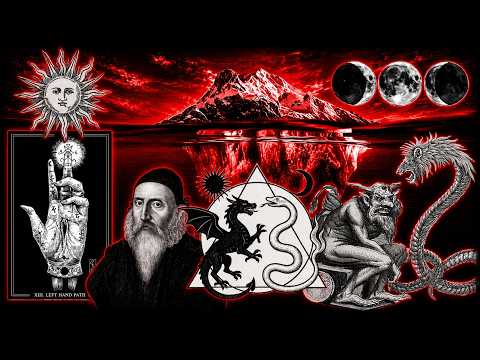
The Definitive Occultism Iceberg Explained

O iceberg DEFINITIVO do OCULTISMO


EMERALD TABLE — Grimoire Record Ritual
⚔️ TypeSpell
📅 Date2026-08-04
📜 FileMC-2026-0296
Difficulty★★★★☆ Avanzado
Read time19 min
🔗 Related AppGoetian Seals Generator
cha0smagicklabs.com — Digital Grimoire of Chaos Magick

Welcome, seeker. You've found yourself at a crossroads, a digital nexus where the arcane and the modern collide. This is not just a blog post; it's a page torn from a living grimoire, an exploration into the depths of occultism that aims to be as valuable as a whispered secret between masters. We're not here for surface-level definitions or academic drivel. We're here to understand the vast, often terrifying, landscape of esoteric knowledge, presenting it with the clarity and respect it deserves.

The "iceberg" is a powerful metaphor for this exploration. Just as the majority of an iceberg lies hidden beneath the waves, so too does the true depth and complexity of occultism reside beyond common perception. This post aims to bring some of that hidden knowledge to light, not by claiming definitive truth, but by illuminating pathways for further investigation.

Table of Contents

RitualLevel 1: Modern Astrology and Cartomancy (Tarot)

At the foundational level of our occult iceberg, we encounter practices that, while often popularized, possess a rich tapestry of symbolic meaning and historical depth. Modern astrology, with its intricate systems of celestial correspondences, planetary influences, and house divisions, offers a framework for understanding cosmic timing and personal predispositions. It's a language of archetypes written in the stars, a constant, albeit subtle, influence on our lives.

Hand-in-hand with astrology, we find Cartomancy, most notably through the esoteric wisdom of the Tarot. The Rider-Waite deck, a cornerstone for many practitioners, is not merely a set of cards but a visual grimoire in itself. Each card, from the Major Arcana's archetypal journey through the Fool's leap of faith to the Minor Arcana's depiction of daily life, presents symbolic narratives that reflect the human condition and the forces at play in our existence. For those starting their journey, understanding these archetypes can unlock profound personal insights.

The Ouija Board: A Cautionary Tale

The Ouija board, a seemingly simple game, often resides on the lower, more accessible tiers of the occult iceberg, but its potential for disruption and misunderstanding is significant. While some enthusiasts view it as a harmless parlor game or a tool for spirit communication, seasoned practitioners understand its inherent risks. The board acts as a conduit, a focal point that can unintentionally attract entities or psychically charged energies.

The danger lies not necessarily in malevolent spirits, but in the uncontrolled nature of the interaction. Unintentional ideomotor effect, where subconscious muscle movements guide the planchette, can be misinterpreted. More critically, the board can open energetic pathways without proper protective measures or clear intent, leading to unwanted psychic intrusions or energetic residue. As one community member wisely noted, "Please, DON'T USE THE OUIJA, DON'T PLAY THE GLASS GAME! [...] I regret PROFOUNDLY having done it." This sentiment is echoed by many who have experienced unpredictable or disturbing phenomena. Respecting the unseen and understanding the potential consequences are paramount.

Wicca and Modern Witchcraft

Moving up, we encounter Wicca and the broader spectrum of modern witchcraft. These paths often emphasize a connection with nature, the cycles of the moon and seasons, and the divine in both its masculine and feminine aspects. While often portrayed in popular culture, the practice itself is deeply personal, involving ritual, spellcraft, and a reverence for the Earth.

Witchcraft traditions vary widely, but many share a focus on personal empowerment and the manipulation of subtle energies. This can involve elaborate ceremonial workings or simple, intuitive practices aimed at manifesting desires, healing, or gaining insight. The beauty of these paths lies in their adaptability and their focus on individual experience and direct connection to the magical forces inherent in the universe.

Material Alchemy

Alchemy, often misunderstood as simply turning lead into gold, is a profound symbolic system that has influenced many esoteric traditions. Material Alchemy, specifically, refers to the tangible processes and transformations associated with this ancient art. While the ultimate goal for some alchemists was the creation of the Philosopher's Stone, a substance believed to grant immortality and transmute base metals, the true work was often seen as a spiritual and psychological purification.

The alchemical process involved meticulously documented stages of dissolution, purification, and recombination, often mirroring stages of spiritual development. Understanding the symbolic language of alchemical texts, the correspondences between metals, planets, and stages of transformation, offers a glimpse into a worldview where the material and spiritual realms were seen as intrinsically linked and capable of mutual influence.

Level 2: Aleister Crowley and Thelema

As we descend further into the depths of the occult iceberg, we encounter figures and systems that demand a more rigorous and often challenging engagement. Aleister Crowley, a towering and controversial figure in 20th-century occultism, introduced the world to Thelema, a philosophical and religious system based on his reception of the Book of the Law.

The core tenet of Thelema, "Do what thou wilt shall be the whole of the Law," is often misinterpreted as simple hedonism. However, Crowley defined "Wilt" as one's True Will – an individual's unique purpose and destiny in life. Thelema encourages the practitioner to discover and enact this True Will. This path involves extensive magical practices, philosophical study, and a deep exploration of consciousness, often pushing the boundaries of conventional morality and societal norms. Crowley's extensive writings, including *The Book of the Law*, *Magick in Theory and Practice*, and numerous other texts, remain foundational for many modern occultists.

The Hermetic Order of the Golden Dawn

The Hermetic Order of the Golden Dawn was a highly influential magical organization of the late 19th and early 20th centuries. Its teachings synthesized Kabbalah, Hermeticism, Tarot, astrology, Enochian magic, and Egyptian mythology, creating a comprehensive system of Western ceremonial magic. The Golden Dawn established a structured curriculum of magical training, progressing through various initiatory grades, each designed to impart specific knowledge and practical skills.

Many prominent figures in the occult revival, including Aleister Crowley, Arthur Edward Waite (co-creator of the Rider-Waite Tarot), and Dion Fortune, were members of or influenced by the Golden Dawn. Its legacy lies in its systematic approach to magic, its emphasis on ritual precision, and its profound impact on the development of Western esotericism. Studying the Golden Dawn's teachings provides a solid foundation in ritualistic magic and symbolic interpretation.

The Shadow of Neoplatonism and Gnosticism

Beneath the surface of more widely known occult systems, we find the profound philosophical underpinnings of Neoplatonism and Gnosticism. These ancient traditions offer complex cosmologies and views on the nature of reality, the divine, and the human soul.

Neoplatonism, stemming from the teachings of Plotinus, posits a hierarchical structure of reality emanating from the ultimate, ineffable One. The goal of the practitioner is often described as a mystical union with the One, achieved through contemplation and philosophical ascent. Gnosticism, a diverse set of religious ideas and systems, typically views the material world as a flawed creation, a prison created by a lesser deity (the Demiurge), from which the spiritual spark within humanity seeks liberation. Both traditions emphasize the importance of esoteric knowledge (gnosis) for salvation and offer intricate mythological narratives that have influenced countless subsequent esoteric movements. Their intricate mythologies and philosophical inquiries into existence itself continue to resonate within occult thought.

High Ceremonial Magic Rituals

High Ceremonial Magic represents a more formalized and structured approach to occult practice. It often involves elaborate rituals, precise symbolism, the use of consecrated tools, and the invocation or evocation of specific spiritual entities or forces. These rituals are designed to create a sacred space, align the practitioner with cosmic energies, and achieve specific magical goals.

Key elements often include the use of sigils (symbols representing intent), talismans, incantations, and specific timings aligned with astrological or lunar cycles. The goal is to consciously direct magical energy, often through a state of altered consciousness or gnosis, to manifest desired changes in the physical or spiritual realms. The emphasis is on discipline, understanding symbolic language, and precise execution to achieve potent magical results.

Level 3: Hermeticism and the Corpus Hermeticum

Hermeticism, a philosophical and religious tradition based on writings attributed to Hermes Trismegistus, forms a bedrock for much of Western esotericism. The *Corpus Hermeticum*, a collection of Greek texts from the early centuries CE, explores themes of cosmology, the divine mind (Nous), the creation of the universe, and the path to spiritual enlightenment.

The famous maxim, "As above, so below; as within, so without," encapsulates a core Hermetic principle: the interconnectedness of all things. This principle suggests that understanding the macrocosm (the universe) can illuminate the microcosm (the individual), and vice versa. Hermeticism emphasizes divine intellect, the power of the mind, and the potential for human beings to achieve divine knowledge and union through philosophical study and spiritual practice. Its influence is pervasive, touching upon Neoplatonism, Gnosticism, alchemy, and ceremonial magic.

Hermetic Kabbalah and the Tree of Life

The Hermetic Kabbalah represents a synthesis of Jewish Kabbalistic concepts with Western Hermetic philosophy, alchemy, and ceremonial magic. Central to this system is the Tree of Life, a complex diagram of ten interconnected spheres (Sephiroth) and twenty-two paths, which serves as a map of creation, consciousness, and the divine.

Each Sephirah represents a different attribute of the divine and a stage of emanation from the unknowable Ein Sof (the Infinite) to the material world. The paths between the Sephiroth represent the processes of transformation and connection. By studying the correspondences of the Tree of Life – its planetary, elemental, and symbolic associations – practitioners aim to understand the intricate workings of the universe and their own inner landscape, facilitating spiritual ascent and magical practice. It provides a profound symbolic language for exploring the divine and the structure of reality.

Chaos Magic

Chaos Magic, or Chaos Magick, is a contemporary magical tradition that emerged in the latter half of the 20th century. It is characterized by its pragmatic and results-oriented approach, often described as "belief as a tool." Unlike traditional magical systems that adhere to strict doctrines or pantheons, Chaos Magic encourages practitioners to adopt and discard beliefs and techniques as needed to achieve desired outcomes.

Key concepts include the use of altered states of consciousness (gnosis), the creation of sigils (often digital in modern practice), and the utilization of egregores and servitors. The emphasis is on experimentation, personal experience, and bypassing rigid belief systems to achieve magical effects. It’s a highly individualistic path that values innovation and adaptability, often incorporating elements from various traditions and even popular culture into its practice.

Theosophy of Helena Blavatsky

Theosophy, as formulated by Helena Blavatsky in the late 19th century, is a complex philosophical system drawing from Eastern religions (particularly Hinduism and Buddhism) and Western esoteric traditions. Blavatsky’s seminal works, *Isis Unveiled* and *The Secret Doctrine*, propose a vast cosmology, a doctrine of spiritual evolution, and the existence of ancient, hidden wisdom traditions.

Theosophy posits a universal brotherhood of humanity, the study of comparative religion, philosophy, and science, and the investigation of unexplained laws of nature and latent human powers. It introduced concepts like root races, manvantaras (cosmic cycles), and the hidden masters or mahatmas, who were believed to guide humanity's spiritual evolution. While often controversial, Theosophy significantly influenced subsequent esoteric movements and brought Eastern philosophical ideas into Western occult discourse.

Level 4: The Path of the Left-Hand Path (LHP) and LHP Philosophy

The Left-Hand Path (LHP) is a broad category encompassing esoteric traditions that diverge from mainstream spiritual or religious doctrines, often emphasizing individualism, self-deification, and the exploration of forbidden or transgressive knowledge. It stands in contrast to the Right-Hand Path (RHP), which typically involves adherence to established religious or spiritual dogma, asceticism, and a focus on spiritual liberation through submission to a higher power or universal law.

LHP philosophy often involves a rejection of conventional morality, a embrace of the material world and its perceived "shadows," and a focus on empowering the self to achieve ultimate freedom and self-realization. This can manifest in various ways, from the study of darker deities and forbidden texts to the exploration of psychological shadow work and challenging societal taboos. It is crucial to distinguish LHP from mere nihilism or destructive behavior; at its core, it is about individuation and transcending perceived limitations, often through embracing aspects of existence that are conventionally avoided.

The Tree of Death (Sitra Achra) and the Qliphoth

Within certain esoteric traditions, particularly those influenced by Kabbalistic concepts, the Qliphoth (or Klipoth) are often referred to as the "husks" or "shells" that surround the divine emanations on the Kabbalistic Tree of Life. They represent the darker, unbalanced, or chaotic aspects of existence, born from the "shells" left behind by the emanation of divine light.

Sitra Achra, a term from Zoharic Kabbalah meaning "the other side," refers to this realm of the Qliphoth. For some practitioners, particularly those on the Left-Hand Path, engaging with the Qliphoth is not about succumbing to darkness, but about understanding and integrating the shadow aspects of existence. It involves confronting the primal forces and chaotic energies that lie within and without, often as a means of achieving wholeness through the acknowledgment and mastery of all aspects of reality, not just the conventionally "light" ones.

Sacred Geometry and the Platonic Solids

Sacred Geometry is the study of geometric forms and patterns that are considered fundamental to the structure of the universe. It posits that these forms hold inherent symbolic and spiritual meaning, reflecting divine order and the underlying principles of creation.

The Platonic Solids – the tetrahedron, cube, octahedron, dodecahedron, and icosahedron – are particularly significant. These are convex polyhedra where each face is a congruent regular polygon, and the same number of faces meet at each vertex. They are believed to correspond to the classical elements (fire, earth, air, water, and ether/spirit) and are seen as the building blocks of the material universe. Understanding sacred geometry can unlock deeper insights into the interconnectedness of mathematical forms, the natural world, and esoteric symbolism.

Left-Hand Tantra (Vamachara)

Vamachara, often translated as "Left-Handed Way" or "Left-Handed Practice," is a specific current within Tantra that emphasizes practices that deviate from mainstream ascetic paths. Unlike the Right-Hand Path (Sadhana) of Tantra, which often involves chastity and symbolic rituals, Vamachara may incorporate transgressive elements, such as the use of forbidden substances or the engagement with energies and deities traditionally considered taboo.

The goal is often to achieve spiritual realization by confronting and integrating all aspects of existence, including those that are typically repressed or avoided. This path is not about indulgence but about a radical form of transformation that aims to transcend dualities and conventional morality. It requires immense discipline, clear intent, and a deep understanding of esoteric principles to navigate safely and effectively.

Level 5: Choronzon and the Crossing of the Abyss

The concept of Choronzon and the Crossing of the Abyss represents one of the most challenging and profound stages in certain esoteric traditions, particularly within the context of Aleister Crowley's *Liber 418* (The Vision and the Voice) and the Kabbalistic framework.

The Abyss is often described as a void or a crisis point in spiritual development, a barrier that must be crossed to achieve higher levels of consciousness. Choronzon is a symbolic entity or force that represents the sum of all illusions, the chaotic multiplicity of the ego, and the forces that prevent individuation and the union with the divine. Crossing the Abyss involves confronting and integrating these illusionary forces, shedding the ego's attachments and limitations, and ultimately achieving a state of unified consciousness or "knowledge and conversation of the Holy Guardian Angel." This is a perilous journey, often requiring extensive preparation and inner fortitude.

The Enochian Magic of John Dee and Edward Kelley

Enochian Magic is a complex system of ceremonial magic purportedly received by Dr. John Dee, Queen Elizabeth I’s advisor, and his scryer Edward Kelley, through angelic communications in the late 16th century. This system involves a unique language, a detailed cosmology, and a set of "calls" or "keys" intended to invoke angelic beings and explore different spiritual realms.

The Enochian system is known for its intricate structure, its unique angelic alphabet, and its vast scope. Dee and Kelley documented extensive dialogues and received complex charts and seals. The practice of Enochian Magic is often considered highly advanced due to its demanding nature, its symbolic complexity, and the potent energies it purports to channel. It remains a significant, albeit challenging, area of study within Western esotericism.

Egregore and Self-Sustaining Thought-Forms

Egregore (or Egregor) is a concept in occultism referring to a distinct, non-physical entity or collective consciousness created by the shared thoughts, beliefs, and emotional energy of a group of people. These thought-forms can become self-sustaining, developing their own identity and influence, and can affect the thoughts and actions of individuals within or outside the group.

Examples range from symbolic representations of nations or organizations to religious figures or even fictional characters that have gained a powerful collective belief. Understanding egregores is crucial for practitioners of magic, as it highlights how collective consciousness can manifest and wield influence. It also underscores the responsibility involved in magical work, as intentions and emotions can contribute to the formation of powerful, and potentially autonomous, energetic constructs.

Hyper-reality, Mantra Sigils, and Cyber-Occultism

As we approach the apex of the iceberg, we encounter the bleeding edge where occult principles intersect with modern technology and concepts of reality itself. This is the realm of Cyber-Occultism, a field exploring the magical potential of digital environments, artificial intelligence, and networked consciousness.

Mantra Sigils are a fascinating modern application. They blend the concept of sigils – condensed symbols of intent – with the repetition and vibrational power of mantras. These can be digital symbols, spoken phrases amplified by technology, or even code designed to resonate with specific energetic frequencies. The idea of Hyper-reality, a concept popularized by Jean Baudrillard, suggests a state where simulation becomes indistinguishable from reality. In Cyber-Occultism, this leads to questions about whether digital constructs, AI, or simulated worlds can be imbued with magical potency, or even become new planes of magical operation. This is where the ancient art of magic meets the frontiers of the 21st century, asking profound questions about the nature of consciousness, reality, and belief in an increasingly digitized world.

Conclusion: The Ever-Expanding Depths

The occult iceberg is not a static entity; it is a constantly expanding landscape. Each level, each concept, represents not an endpoint, but a gateway to further exploration. From the foundational archetypes of the Tarot and Astrology to the challenging philosophies of High Ceremonial Magic, Chaos Magic, and the esoteric depths of the Left-Hand Path, the journey into occultism is a path of continuous learning and personal transformation.

The desire to understand these mysteries, to explore what lies beyond the veil of ordinary perception, is a powerful one. It's a journey that often begins with curiosity and leads to profound self-discovery. Whether you are drawn to the structured systems of Hermeticism and Kabbalah or the experimental nature of Chaos Magic, the pursuit of occult knowledge is a testament to the human desire to understand the deeper currents of existence.

The journey of occultism is one of increasing complexity and profound personal challenge. As you delve deeper, remember the warnings and the wisdom shared by those who have trod these paths before. The pursuit of knowledge is rewarding, but it demands respect, diligence, and a willingness to confront the unknown within yourself and the universe.

---

Mage's Arsenal

* Essential: Goetian Seals Generator - This powerful tool simplifies the creation and visualization of Goetic seals, allowing you to focus on intent and ritual without the complexity of manual drafting. It's an invaluable resource for anyone exploring the Arcanum Goetia. * Recommended: *Liber Null & Psychonaut* by Peter J. Carroll. * Recommended: *The Golden Dawn* by Israel Regardie. * Recommended: *The Kybalion* by Three Initiates. * Recommended: *The Secret Doctrine* by Helena Blavatsky. * Recommended: *The Book of Pleasure* by Austin Osman Spare.

---

FAQ: Frequently Asked Questions

What is the difference between the Left-Hand Path and the Right-Hand Path in occultism?

The primary distinction lies in their approach to spiritual development and societal norms. The Right-Hand Path (RHP) generally aligns with mainstream religious or spiritual doctrines, emphasizing adherence to dogma, asceticism, and often submission to a higher power or universal law. In contrast, the Left-Hand Path (LHP) typically prioritizes individualism, self-deification, and the exploration of transgressive knowledge or 'forbidden' aspects of existence. LHP practitioners often reject conventional morality and societal taboos, focusing on personal empowerment and the integration of all aspects of reality, including the 'shadow' or 'darker' elements, to achieve individuation and transcendence.

How does one safely explore complex topics like the Qliphoth or Enochian Magic?

Exploring advanced topics like the Qliphoth or Enochian Magic requires significant preparation and caution. It is strongly advised to build a solid foundation in foundational esoteric principles, including Hermeticism, Kabbalah, basic ritual structure, and energetic protection techniques. Thorough research from reputable sources, understanding the symbolic language, and potentially seeking guidance from experienced practitioners are crucial. Always practice with clear intent, robust protective measures (such as banishing rituals), and a clear understanding of the potential energetic and psychological implications. Avoid rushing into complex practices without adequate grounding.

Can concepts like Egregore be applied to modern digital groups or online communities?

Absolutely. The concept of Egregore is highly relevant to modern digital groups, online communities, and even social media trends. Any group that shares a common belief system, strong emotional energy, or collective intent can potentially form an Egregore. Online forums, fandoms, political movements, or even shared cultural memes can develop their own distinct collective consciousness that influences participants. Recognizing this potential allows for a more conscious engagement with online communities and an understanding of how shared belief can manifest tangible (though non-physical) influences.

What is the relationship between Hermeticism, Kabbalah, and the Tree of Life?

Hermeticism and Kabbalah are deeply intertwined, particularly within Western esotericism. Hermeticism, with its emphasis on the interconnectedness of the macrocosm and microcosm ("As above, so below") and divine intellect, provided a philosophical framework. Kabbalah, originating from Jewish mysticism, offered a detailed symbolic map of creation and divine emanation in the form of the Tree of Life. Hermetic Kabbalah synthesizes these, using the Tree of Life as a primary tool for understanding universal principles, spiritual ascent, and magical practice, integrating Hermetic philosophies with Kabbalistic structures and symbolisms.

About the author: Frater Alek0s is a veteran practitioner and researcher in the field of chaos magick. His work focuses on the practical and experimental application of occult techniques for self-development and reality exploration, demystifying esotericism for the modern practitioner.

Is Chaos Magic a valid path for serious magical practitioners, or is it too informal?

Chaos Magic is absolutely a valid and potent path for serious magical practitioners. Its perceived informality stems from its rejection of rigid dogma and pantheons, not from a lack of efficacy. The core principles of Chaos Magic – utilizing belief as a tool, achieving gnosis (altered states of consciousness), and employing sigils and practical experimentation – are highly effective for achieving magical results. Many practitioners find its adaptable and personalized approach to be more conducive to their own development than systems with fixed belief structures. The emphasis is on results and personal gnosis, making it a powerful, albeit unconventional, system.

Referencias

  1. Carroll, P. J. (1987). Liber Null & Psychonaut. Weiser Books.
  2. Spare, A. O. (1913). The Book of Pleasure. Self-published.
  3. Hine, P. (1992). Condensed Chaos: An Introduction to Chaos Magic. New Falcon Publications.
  4. Crowley, A. (1904). The Book of the Law. Self-published.
  5. Sherwin, R. (2018). The Chaos Magic Handbook. CreateSpace.
  6. Kraig, D. M. (1988). Modern Magick: Eleven Lessons in the High Magickal Arts. Llewellyn Publications.
  7. Morrison, G. (2003). Pop Magic! The Art of Shaping Reality. Disinformation.
  8. DuQuette, L. M. (2003). The Chicken Qabalah of Rabbi Lamed Ben Clifford. Weiser Books.
  9. Webb, D. (2015). Chaos Magick: A Practical Guide. Self-published.
  10. Tyson, D. (2006). The Power of the Written Word. Llewellyn Publications.
  11. Bonewits, I. (1971). Real Magic. Creative Age Press.
  12. Greer, J. M. (2003). The New Encyclopedia of the Occult. Llewellyn Publications.