Saltar al contenido principal

Anuncio Superior

Mostrando entradas con la etiqueta spiritual journey. Mostrar todas las entradas

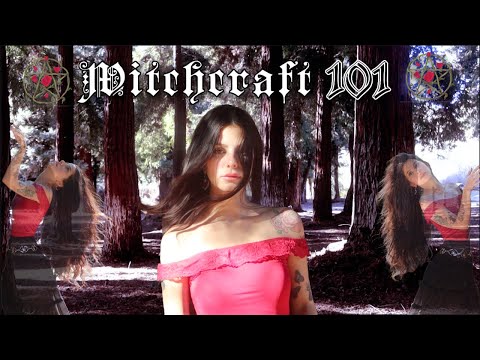
Witchcraft: Pillars for a Magical Existence

Witchcraft for beginners: the pillars for a magical existence


EMERALD TABLE — Grimoire Record Gnosis
⚔️ TypeSpell
📅 Date2026-08-04
📜 FileMC-2026-0309
Difficulty★★★★☆ Avanzado
Read time17 min
🔗 Related AppGoetian Seals Generator
cha0smagicklabs.com — Digital Grimoire of Chaos Magick

Magic, at its heart, is the manipulation of energy for a specific desired outcome. It's a suspension of what we see and a belief in and utilization of what we cannot see but instinctively know to be true. Magic cannot be tested in a laboratory, dissected, and placed under a microscope; it lives in the consciousness of the user, manifesting itself in practical living.

Hello, my beautiful angels, and welcome back to this page of the grimoire. I am finally making this video, and it has taken me so long to want to sit down and create this content because I was worried I would just add to the echo chamber of other witchcraft for beginners content available. There is a surplus of information out there for baby witches, and I don't want to simply echo what has already been said. However, I also want to provide a foundational understanding for those stepping into their power.

This is a space that is meant to be reflective, informative, and a launching pad for your own unique magical journey. The world is in a really chaotic space right now, and I feel like a lot of us witches can actually feel that energetically. So, if you need a nice little distraction or you just want to spend some time with me today, I guess that is why I am returning to the space and creating again.

GnosisThe Foundation of Witchcraft: More Than Just Spells

Before we dive into the practical application, let's explore the core tenets that make up a magical existence. Many beginners are drawn to witchcraft by the allure of spells and visible manifestations, which is perfectly valid. However, true magical practice is built upon several fundamental pillars. Understanding these will not only deepen your practice but also ensure its longevity and effectiveness.

Pillar 1: The Nature of Magic and Energy

Magic, as I've come to understand it and as is fundamental to any true magical practice, is the conscious direction of energy toward a specific outcome. This isn't about waving a wand and expecting instant results; it's about understanding the subtle currents that flow through all things and learning to interact with them. The universe is alive with energy, and magic is the art of becoming a conscious participant in its flow.

This energy is not confined to the dramatic gestures often portrayed in media. It's in the rustle of leaves, the warmth of the sun, the pulse of your own heart. Learning to perceive and manipulate this energy is the first, and arguably most crucial, step for any aspiring witch. It requires a shift in perspective – from seeing the world as a collection of inert objects to recognizing it as a vibrant, interconnected web of consciousness and energy.

This requires a cultivation of what some traditions call "psychic energy" or "aetheric force." It's the energy that fuels intuition, intention, and manifestation. Without a foundational understanding and connection to this energy, spells can feel hollow, rituals may lack potency, and the feeling of magic can elude you. It's about recognizing that the universe is responding to your energetic signature, and by understanding this, you can begin to shape your reality.

Pillar 2: Belief and Intention as Tools

Magic lives in the mind. This is not to say that physical actions and tools are irrelevant, but they are secondary to the power of your inner landscape. Your beliefs are not just passive thoughts; they are active forces that shape your reality. If you believe magic is possible, you open the door for it to be so. If you doubt, you erect barriers.

Intention is the focused direction of your belief. It’s the clear, unwavering declaration of what you wish to manifest. A vague intention will yield vague results. A powerful, specific intention, charged with belief, becomes a potent force for change. This is where the concept of "belief as a tool," a tenet of chaos magic, becomes so powerful. You can adopt beliefs that serve your magical work, not because they are objectively "true" in a scientific sense, but because they enable you to enact magical change.

Many traditions emphasize the importance of clarity in intention. For instance, when working with spirits or entities, the clarity of your request is paramount. The same applies to sigil work or spellcasting. The more precisely you can define your desire, the more effectively energy can be directed towards it. This often involves introspection and self-awareness to truly understand what you want and why you want it.

Pillar 3: The Importance of Gnosis and Altered States

To truly wield magic, you must learn to enter states of consciousness where the mundane mind is quieted, and the subtle energetic currents become accessible. This is often referred to as "gnosis," an altered state of consciousness. There are numerous paths to gnosis, and what works for one witch may not work for another. The key is to find what allows you to bypass your rational mind and tap into your subconscious or superconscious.

Some common methods include: * Inhibitory Gnosis: Achieved through intense focus on a single point, meditation, or trance-like states where the mind becomes still. Think of deep meditation or focusing on a candle flame until the world fades away. * Excitatory Gnosis: Induced through states of intense emotion, chanting, dancing, or rhythmic movement. This can involve ecstatic states, but also states of intense joy, anger, or sorrow. * Somatic Gnosis: Utilizing extreme physical states like exhaustion, sensory deprivation, or pain to shift consciousness. This is less common for beginners and requires careful understanding.

The goal of gnosis is to reach a state where your intention can be imprinted upon the energy you are directing, bypassing the mental filters and doubts of the ordinary conscious mind. It's in these states that the "magic happens" – where the symbol becomes the reality, and the desired outcome begins to weave itself into existence.

Pillar 4: Practical Application and Manifestation

Magic is not merely theoretical; it is experiential. The true test of any magical practice lies in its ability to manifest tangible results in your life. This means moving beyond abstract concepts and engaging in concrete actions. Whether it's casting a spell for protection, creating a sigil for abundance, or performing a ritual for clarity, the focus must always be on bringing about a desired change.

This is where tools and techniques come into play. While intention and belief are paramount, external aids can help focus your energy and amplify your efforts. These can include: * Tools: Wands, athames, chalices, candles, crystals, herbs, and symbolic objects. * Rituals: Structured ceremonies that create sacred space and focus intent. * Sigils: Symbols designed to represent a desire, charged and released. * Servitors: Energetic constructs created to perform specific tasks. * Divination: Tools like tarot cards or runes to gain insight and guidance.

The "Arsenal of the Mage" section below will delve into some specific tools that can aid your practice. Remember, these are extensions of your will, not replacements for it. They are aids to help you channel and direct the magical energy that already resides within you.

Pillar 5: Ethical Considerations and Personal Responsibility

With great power comes great responsibility. Every magical act has consequences, both seen and unseen. It is vital to approach witchcraft with a strong ethical framework and a deep sense of personal responsibility. What you send out into the world will, in some form, return to you.

This means: * Respecting Free Will: Avoid casting spells that directly manipulate or harm others against their will. While protection spells are acceptable, coercive magic is generally considered unethical and can backfire spectacularly. * Understanding Reciprocity: The universe operates on principles of balance. What you take, you must also give. Be mindful of the energy you expend and the energy you draw upon. * Personal Accountability: You are responsible for your actions and their outcomes. Do not blame external forces or entities for what manifests in your life if it stems from your own magical workings. Embrace the lessons, even in difficult manifestations. * Continuous Learning: Ethical witchcraft is an ongoing process of learning and self-reflection. As you grow in power and understanding, your ethical considerations will also evolve.

The path of witchcraft is a journey of self-discovery and empowered living. These pillars are not rigid rules but guiding principles to help you build a solid foundation for your own unique magical existence.

The Pillars in Practice: Moving Beyond Theory

Understanding the foundational pillars is essential, but the true magic lies in their application. Many beginners find themselves overwhelmed by the sheer volume of information, unsure of where to begin. The key is to start with the basics and build from there.

Crafting Your Intention: The Art of Precise Desire

As mentioned, intention is the engine of magic. Without a clear, focused intention, your spells and workings will likely fizzle out. This is where many practitioners, especially those who are new, struggle. They might have a general desire, like "more money," but lack the specificity to direct the energy effectively.

Consider the difference between "I want more money" and "I intend to attract an unexpected financial windfall of $500 within the next week to cover an unforeseen bill." The second intention is far more potent because it is specific, time-bound, and tied to a clear purpose.

To practice crafting intentions, try this exercise: 1. Identify a Desire: What is something you genuinely wish to manifest? 2. Clarify the "Why": Why do you want this? Understanding the underlying motivation can strengthen your intention. 3. Define the "What" and "When": Be as specific as possible about the outcome and the timeframe. 4. Phrase it Positively: Frame your intention in terms of what you *want* to happen, not what you *don't* want. Instead of "I don't want to be sick," use "I intend to maintain vibrant health and well-being." 5. Condense it: Try to distill your intention into a single, powerful sentence or even a short phrase. This will be what you focus on during your magical work.

Exploring Gnosis Safely and Effectively

Finding your path to gnosis is a deeply personal journey. What might induce a trance state for one person could be mundane for another. Experimentation is key, but it must be done safely and with awareness.

For beginners, I often recommend starting with less intense methods: * Focused Meditation: Sit in a quiet space, focusing on your breath. When your mind wanders (and it will), gently bring your focus back to your breath. The aim isn't to stop thinking, but to develop the ability to command your focus. * Visualization: Close your eyes and vividly imagine a scene. Engage all your senses: what do you see, hear, smell, taste, and feel? This can be a scene of peace, or it can be a visualization of your desired outcome. * Chanting: Repeating a word, phrase, or sound rhythmically. This can be a mantra, a prayer, or even a single syllable like "Om." The repetition helps to quiet the analytical mind.

When you are preparing to work with an intention or a ritual, aim to enter a state of gnosis just before or during the key moment of your working. This might be as you light a candle, speak an incantation, or focus on a sigil. The deeper the state of gnosis, the more potent the imprint of your intention.

The Power of Symbols: Sigils and Beyond

Symbols are a language that bypasses the rational mind and speaks directly to the subconscious. This is why they are so central to magic. Sigils are a prime example, condensing complex desires into potent, unique symbols.

The process of creating a sigil is a direct application of many of the principles we've discussed: 1. Formulate your intention: As discussed, be specific, positive, and concise. 2. Convert to a statement: Write your intention as a sentence. "I will find my lost keys." 3. Remove repeating letters: From "I will find my lost keys," you get: I W L F N D M Y O S T K E Y. 4. Create the sigil: Combine these letters into a unique symbol. This is where artistic expression and intuition come into play. You can abstract the letters, merge them, simplify them, or combine them in any way that creates a glyph you find aesthetically pleasing and energetically resonant. 5. Charge the sigil: This is where gnosis comes in. During a state of altered consciousness, focus intently on the sigil, imbuing it with your energy and intention. 6. Release it: Once charged, forget about it. A common method is to destroy the original representation of the sigil (burn it, tear it up) and then let the intention go. The subconscious, now imprinted, will work to manifest it.

Drawing sigils by hand can be a wonderful, intimate process. However, for those who struggle with artistic representation or want to expedite the process, digital tools offer an alternative.

Applying Ethics in Your Practice

As you begin to explore spellcasting, sigils, or working with deities and spirits, ethical considerations become paramount. Witchcraft is not about bending the world to your will regardless of the cost. It is about aligning yourself with universal energies and manifesting responsibly.

Consider the concept of "as above, so below." The energetic principles that govern the cosmos also govern your personal life. What you sow, you shall reap. If you engage in manipulative or harmful magic, you are essentially creating negative energetic patterns that will eventually return to you.

For example, if you cast a spell to make someone fall in love with you, you are interfering with their free will. While it might seem appealing, the outcome is rarely true love and often leads to obsession, resentment, or other unhealthy attachments, for both parties. It's far more effective and ethical to cast spells for mutual attraction, understanding, or for the highest good of all concerned.

When in doubt, always ask yourself: * Is this action respecting the free will of all involved? * Is this action aligned with my highest good and the highest good of others? * Am I prepared to accept the potential consequences of this action?

Arsenal of the Mage

To aid in your magical practice, having the right tools can be incredibly beneficial. While intention is king, these aids can help focus your energy and streamline your workings.

* Essential Tool: Goetian Seals Generator (https://play.google.com/store/apps/details?id=com.app.goetiansealsgeneratorapp) One of the most challenging aspects of working with entities from traditions like the Goetia is the precise nature of their seals. An incorrectly drawn seal can lead to miscommunication or unintended consequences. The Goetian Seals Generator takes the guesswork out of it. It allows you to generate accurate, usable versions of these powerful sigils, ensuring your workings are grounded in correct form. This tool dramatically simplifies the process of preparing for such complex magical operations, letting you focus on the intention and the energy, rather than spending hours on precise drafting. It's an invaluable resource for anyone exploring this path.

* Recommended Reading: *Liber Null & Psychonaut* by Peter J. Carroll A foundational text for modern chaos magic, it delves into the theory and practice of magic, including techniques for sigil creation and altered states of consciousness.

* Essential Reference: *The Book of Pleasure* by Austin Osman Spare Spare, a pioneer of sigil magic, outlines his philosophy and methods for creating sigils as a means of bypassing the censorious conscious mind and manifesting desires.

* Practical Aid: A reliable journal or digital note-taking app. Essential for recording intentions, sigils, ritual details, observations, and any synchronicities you notice. This practice is crucial for tracking your progress and learning from your experiences.

* Symbolic Focus: A dedicated candle or set of candles. Candles are potent tools for focusing energy and intent. The color of the candle can correspond to your intention (e.g., green for abundance, red for passion, blue for peace).

* Elemental Representation: Small items representing earth, air, fire, and water. These can be as simple as a stone (earth), a feather (air), a candle flame (fire), or a small dish of water. They help in creating sacred space and grounding your rituals.

FAQ: Frequently Asked Questions

Q1: I'm a beginner, where should I start with witchcraft?

Start by understanding the core pillars: magic as energy manipulation, the power of belief and intention, the importance of altered states (gnosis), practical application, and ethical considerations. Don't get bogged down in complicated rituals initially. Focus on clarifying your intentions and exploring simple meditation or visualization techniques to begin understanding energy and consciousness. Reading foundational texts like those by Carroll and Spare can also provide a good starting point for theory.

Q2: How do I know if my magic is working?

Magic works on many levels, and not all manifestations are immediate or obvious. Look for subtle shifts and synchronicities in your life that align with your intentions. Keep a magic journal to record your workings, your intentions, and any observations. Over time, you'll start to see patterns and recognize how your focused energy is influencing your reality. Also, be patient. Some manifestations take time, and the universe has its own timing.

Q3: What is the difference between witchcraft and Wicca?

Wicca is a specific pagan religion that incorporates witchcraft practices. Witchcraft, on the other hand, is a broader term that encompasses a wide range of magical practices, beliefs, and traditions, not all of which are Wiccan or even pagan. Many people identify as witches without adhering to Wiccan dogma. Chaos magic, for instance, is a form of witchcraft that is highly individualistic and doesn't rely on a specific pantheon or religious structure.

Q4: Do I need to have a coven or partner in my practice?

No, you do not need a coven or a partner to practice witchcraft. Many witches practice solitary, finding great power and fulfillment in their individual journey. Covens can offer community, shared learning, and amplified power for certain workings, but they are not a requirement. Your personal connection to magic and your own inner power are the most crucial elements.

Q5: Are there "bad" or "dark" forms of witchcraft?

The concepts of "good" and "evil" in magic are often subjective and tied to intent. However, any magic that seeks to harm, control, or coerce others against their will is generally considered unethical and can lead to negative repercussions for the practitioner. True power comes from a place of balance, respect, and responsibility. Focusing on personal growth, protection, and positive manifestations is a more sustainable and ethical path.

Q6: How important is it to have a dedicated altar or sacred space?

Creating a dedicated altar or sacred space is highly recommended, especially for beginners. It serves as a focal point for your energy and intention, helping to create a boundary between the mundane world and your magical practice. It doesn't need to be elaborate; a small shelf with a few symbolic items can be just as powerful as an ornate altar. The key is that it is a space where you can focus and connect with your practice without distraction.

About the author: Frater Alek0s is a veteran practitioner and researcher in the field of chaos magick. His work focuses on the practical and experimental application of occult techniques for self-development and reality exploration, demystifying esotericism for the modern practitioner.

Your Operation: Building a Magical Existence

Embarking on a path of witchcraft is a profound commitment to engaging with the energies of the universe and shaping your own reality. It's a journey that requires patience, practice, and a willingness to explore the depths of your own consciousness.

1. Define Your Core Intention: What is one specific, positive outcome you wish to manifest in the next month? Write it down as a clear, concise statement. 2. Explore a Gnosis Technique: Dedicate 5-10 minutes daily for a week to practice one gnosis technique (meditation, visualization, or chanting). Note how you feel afterwards. 3. Create a Sigil: Based on your core intention, create a sigil. You can do this by hand or use a digital tool. Focus on the creation process, then, during a moment of focus, imagine it charged with your intent. 4. Set Up a Simple Altar: Designate a small space for your practice. Place a candle and perhaps an item that represents your core intention or an element. Light the candle when you feel drawn to it. 5. Reflect and Record: Keep a journal of your experiences. Note your intentions, your gnosis practices, your sigil workings, and any synchronicities or changes you observe.

Remember, your magical existence is a living, breathing thing. It will evolve as you do. Embrace the learning process, trust your intuition, and always practice with integrity and responsibility.


Referencias

  1. Cunningham, S. (1988). Wicca: A Guide for the Solitary Practitioner. Llewellyn Publications.
  2. Gardner, G. (1954). Witchcraft Today. Rider & Company.
  3. Valiente, D. (1962). Witchcraft for Tomorrow. Rider & Company.
  4. Starhawk (1979). The Spiral Dance. Harper & Row.
  5. Hutton, R. (1999). The Triumph of the Moon. Oxford University Press.
  6. Grimassi, R. (2000). Encyclopedia of Wicca & Witchcraft. Llewellyn Publications.
  7. Buckland, R. (1974). Buckland's Complete Book of Witchcraft. Llewellyn Publications.
  8. Farrar, J. (1981). Eight Sabbats for Witches. Robert Hale.
  9. Murray, M. (1921). The Witch-Cult in Western Europe. Oxford University Press.
  10. Leland, C. G. (1899). Aradia: Gospel of the Witches. David Nutt.
  11. Berger, H. (2005). Witchcraft and Magic: Contemporary North America. University of Pennsylvania Press.
  12. Crowther, P. (1959). The Witches Speak. Athol Publications.
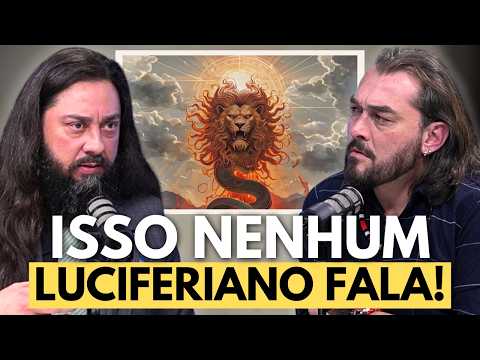
The Mage's Truth: Unpacking the Demiurge

MAGO LAMON FALA A VERDADE SOBRE O DEMIURGO


EMERALD TABLE — Grimoire Record Ritual
⚔️ TypeSpell
📅 Date2026-08-04
📜 FileMC-2026-0306
Difficulty★★★☆☆ Intermedio
Read time10 min
🔗 Related AppLunar Phase Calculator
cha0smagicklabs.com — Digital Grimoire of Chaos Magick

The title itself, "MAGO LAMON FALA A VERDADE SOBRE O DEMIURGO," ignites a spark of curiosity, hinting at profound revelations from a figure claiming mastery. But what does it truly mean to be a mage in the modern era? Is it about wielding ancient texts, understanding historical narratives, or perhaps navigating the complex currents of belief itself? This exploration delves into the nature of the mage, the historical and philosophical underpinnings of the term, and how these concepts resonate in contemporary discourse, particularly when discussing figures like the Demiurge. We aim to dissect the archetype, separating enduring wisdom from dogma, and explore how genuine seekers can tread the path of knowledge and personal evolution.

RitualThe Archetype of the Mage: Beyond the Wand and Wizard Hat

The term "mage" conjures images of venerable figures steeped in arcane knowledge, often associated with ancient traditions, esoteric studies, and a profound understanding of hidden forces. But the essence of a mage transcends mere ceremonial accouterments or adherence to rigid dogma. At its core, the mage is an individual dedicated to the pursuit of wisdom, the exploration of consciousness, and the practical application of esoteric principles for personal and, potentially, collective transformation. This pursuit is not one of passive reception but of active investigation, experimentation, and integration. The mage is a seeker who understands that knowledge is not a static entity to be acquired, but a dynamic force to be experienced and lived.

Historically, figures identified as mages or sorcerers were often seen as intermediaries between the mundane and the divine, privy to secrets and rituals that could influence the natural world or the human psyche. From the shamanistic traditions of ancient cultures to the intellectual currents of Hermeticism and Kabbalah in the West, the concept of the mage has evolved, yet its central tenets remain: a deep connection to the unseen, a rigorous intellectual discipline, and a commitment to spiritual development. The mage, therefore, is not merely a practitioner of magic, but a living embodiment of the quest for truth, order, and light.

Historical Tapestry of the Mage Figure

The concept of the mage is not monolithic; it is woven through the diverse religious, philosophical, and cultural fabrics of human history. Ancient Mesopotamian civilizations had their diviners and sorcerers, while Egyptian priests wielded knowledge of hieroglyphs and rituals to influence cosmic forces. In Greek antiquity, figures like Pythagoras, with his mathematical mysticism, and later Neoplatonists, who saw the soul's ascent through various stages of consciousness, touched upon what could be considered magmatic principles.

The Renaissance and the subsequent Enlightenment periods saw a resurgence of interest in Hermeticism, alchemy, and Kabbalah. Figures like Agrippa, Paracelsus, and later, those associated with the Hermetic Order of the Golden Dawn, meticulously studied and practiced systems that sought to comprehend the universe through correspondences, rituals, and the manipulation of spiritual energies. The very idea of a "Great Work," an alchemical process of transformation, mirrors the inner journey of the mage.

In more recent times, figures like Aleister Crowley, Peter J. Carroll, and Austin Osman Spare, while often associated with modern occultism and chaos magic, also represent a continuation of the mage's lineage, albeit with a critical and experimental approach to tradition. Their work often challenges established doctrines, emphasizing personal gnosis and the direct experience of reality. The current discourse, often seen in online communities and discussions surrounding figures like Mago Lamon and Annabel Sampaio, reflects this ongoing evolution, where historical archetypes are re-examined through contemporary lenses, leading to passionate debates about truth, belief, and the very nature of spiritual authority.

The Demiurge in Esoteric Thought: A Catalyst for Inquiry

The concept of the Demiurge, originating in Plato's Timaeus, refers to a divine craftsman or lesser deity who fashioned the material universe. In many esoteric traditions, this figure takes on a more complex role, sometimes depicted as an imperfect creator, an architect of illusions, or even a malevolent entity responsible for the suffering and limitations of the material world. This interpretation often arises from Gnostic traditions, which posit a dualistic worldview where the material realm is seen as inherently flawed compared to a higher, spiritual reality.

For the mage, the Demiurge represents not just a theological construct but a potent symbol for the forces that shape our perceived reality. It can symbolize the limitations of our own understanding, the constraints of societal conditioning, or the very matrix of the material world that we seek to transcend. Engaging with the concept of the Demiurge encourages critical examination of our beliefs, our understanding of creation, and our place within the cosmic order. It pushes the practitioner to question assumptions and to seek direct experience rather than relying solely on inherited doctrines.

The passionate debates surrounding figures who speak about the Demiurge highlight the deeply personal and often conflicting interpretations of these ancient ideas. For some, the Demiurge is a literal entity to be understood or even challenged, while for others, it is a metaphor for the illusions that bind consciousness. The role of the mage, in this context, is not to provide definitive answers but to facilitate the inquiry, encouraging independent research and personal revelation rather than blind adherence to any single perspective.

The Mage's Path: Discipline, Experimentation, and Integration

The journey of a mage is fundamentally one of self-discovery and the refinement of consciousness. It is a path marked by rigorous discipline, not in the sense of rigid adherence to external rules, but in the cultivation of inner focus, emotional control, and intellectual clarity. This discipline allows the practitioner to engage with the subtle energies of the universe, to perceive patterns that elude the ordinary observer, and to effect change through focused intent.

Experimentation is the lifeblood of the mage. As Peter J. Carroll emphasizes in his works, belief itself can be a mutable tool. The true mage does not cling dogmatically to any single paradigm but tests hypotheses, observes results, and learns from both successes and failures. This experimental mindset is crucial for navigating the often paradoxical and counter-intuitive nature of esoteric principles. Whether exploring the power of sigils, the subtleties of ritual, or the potential of altered states of consciousness, the mage approaches each endeavor with an open, curious, and critical mind.

Integration is the ultimate goal. The fragmented knowledge gained through study and experimentation must be synthesized into a coherent inner framework. This involves not only understanding esoteric concepts intellectually but also embodying them in one's life. The mage seeks to bridge the gap between the inner world of spirit and the outer world of manifestation, to live in alignment with higher principles, and to contribute to the unfolding of the Great Work. This process is continuous, a lifelong dedication to growth and the realization of one's full potential.

Arsenal of the Adept

To navigate the complexities of esoteric study and practice, certain tools and resources prove invaluable. These range from ancient texts to modern technological aids, each serving a specific purpose in the mage's quest.

* Essential: Goetian Seals Generator — For those delving into the intricate symbolism of the Goetia, accurately rendering and understanding these powerful sigils is paramount. Many practitioners find that traditional methods can be time-consuming or prone to minor inaccuracies that can subtly alter the energetic signature of a seal. The Goetian Seals Generator offers a precise, digital method to create these potent symbols, allowing you to focus on the intention and energetic charge rather than the meticulous drafting of lines and curves. This tool acts as a digital scribe, ensuring the fidelity of the seal while freeing your mental energy for the more crucial aspects of ritual work. * Foundational Texts: Works by authors such as Aleister Crowley, Peter J. Carroll, Austin Osman Spare, and traditional Hermeticists like Agrippa and Paracelsus, provide the intellectual and practical bedrock for many esoteric paths. * Digital Archives: Online repositories such as Sacred Texts, Hermetics.org, and Esoteric Archives offer a wealth of primary source material, allowing for deep dives into historical grimoires and esoteric philosophies. * Personalized Tools: Journals for recording magical workings, dream diaries, and sigil creation software can enhance practical experimentation and self-reflection.

FAQ: Frequently Asked Questions

What distinguishes a true mage from someone merely dabbling in occultism?

The distinction often lies in the depth of commitment, the rigor of discipline, and the integration of knowledge into one's life. A dabbler might explore various interests superficially, while a mage dedicates themselves to a path of continuous learning, experimentation, and personal transformation, often with a profound intellectual and spiritual framework.

How does one verify the "truth" presented by a figure claiming esoteric knowledge?

Verification is a multifaceted process. It involves critical thinking, cross-referencing information with established historical and philosophical sources, and, most importantly, personal experimentation. The mage learns to trust their own intuition and direct experience, using external teachings as guides rather than absolute doctrines. If a teaching resonates with personal insight and practical results can be achieved, it gains validity for the individual practitioner.

What role does belief play in the effectiveness of a mage's work?

Belief is a powerful force in practically all esoteric traditions, particularly in Chaos Magic, where it is often viewed as a tool to be employed. Peter J. Carroll's concept of "belief as a tool" suggests that even if a paradigm is not literally believed to be true, adopting its framework can unlock specific magical effects. The mage understands how to wield belief strategically, engaging with different systems of thought to achieve desired outcomes, while also maintaining a critical distance and the flexibility to adopt new frameworks as needed.

How can one begin their journey as a mage without getting lost in dogma or ego traps?

The initial steps involve cultivating humility and a genuine thirst for knowledge. Start with foundational texts and principles, but always maintain a critical and experimental approach. Document your practices and observations. Be wary of claims of absolute truth or authority; instead, seek to understand the underlying principles and adapt them to your own path. Engaging with established mentors or communities can provide valuable guidance, but the ultimate responsibility for discernment and growth lies with the individual seeker.

What is the significance of figures like the Demiurge in modern magical practice?

The Demiurge serves as a potent symbol for exploring the nature of creation, illusion, and perceived limitations. In modern practice, engaging with this concept encourages reflection on societal constructs, personal beliefs, and the very fabric of reality we inhabit. It prompts questions about the origin of suffering, the nature of the divine, and the possibility of transcending perceived limitations. It is a catalyst for deeper inquiry into the architect of our experience, whether that architect is seen as external or internal.

About the author: Frater Alek0s is a veteran practitioner and researcher in the field of chaos magick. His work focuses on the practical and experimental application of occult techniques for self-development and reality exploration, demystifying esotericism for the modern practitioner.

Your Operation: Stepping Onto the Path

The journey of a mage is not a passive reception of information but an active engagement with the principles of esoteric wisdom. Begin by grounding yourself in the foundational concepts and historical contexts. Delve into the works of recognized figures within esoteric traditions, but do so with a critical and experimental eye.

1. Cultivate Inner Discipline: Start a daily practice, however small. This could involve meditation, journaling, or a focused study period. Consistency is key to building mental fortitude. 2. Engage in Active Research: Do not merely read; investigate. Cross-reference information from various sources, paying attention to historical context and recurring themes. 3. Experiment Safely: Choose a simple practice, such as creating a basic sigil or performing a small ritual. Document your intentions, methods, and observed results meticulously. 4. Question Everything: Challenge your own assumptions and beliefs. If a concept or teaching doesn't stand up to scrutiny or practical testing, be willing to set it aside or re-evaluate it. 5. Seek Understanding, Not Certainty: Recognize that the path of the mage is one of continuous learning. Embrace the inherent mysteries and avoid the trap of believing you have found absolute, unassailable truth.

The path of the mage is a lifelong commitment to expanding consciousness, refining perception, and integrating spiritual knowledge into the fabric of existence. It is a journey of courage, curiosity, and unwavering dedication to the pursuit of truth.


Referencias

  1. Carroll, P. J. (1987). Liber Null & Psychonaut. Weiser Books.
  2. Spare, A. O. (1913). The Book of Pleasure. Self-published.
  3. Hine, P. (1992). Condensed Chaos: An Introduction to Chaos Magic. New Falcon Publications.
  4. Crowley, A. (1904). The Book of the Law. Self-published.
  5. Sherwin, R. (2018). The Chaos Magic Handbook. CreateSpace.
  6. Kraig, D. M. (1988). Modern Magick: Eleven Lessons in the High Magickal Arts. Llewellyn Publications.
  7. Morrison, G. (2003). Pop Magic! The Art of Shaping Reality. Disinformation.
  8. DuQuette, L. M. (2003). The Chicken Qabalah of Rabbi Lamed Ben Clifford. Weiser Books.
  9. Webb, D. (2015). Chaos Magick: A Practical Guide. Self-published.
  10. Tyson, D. (2006). The Power of the Written Word. Llewellyn Publications.
  11. Bonewits, I. (1971). Real Magic. Creative Age Press.
  12. Greer, J. M. (2003). The New Encyclopedia of the Occult. Llewellyn Publications.

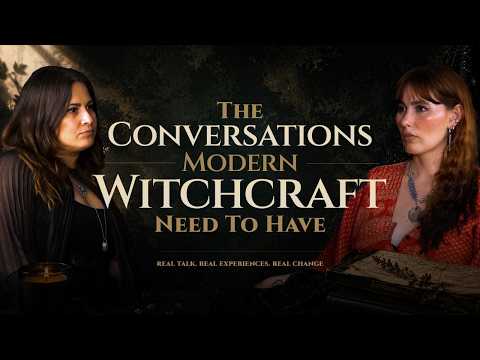
Has Modern Witchcraft Lost Its Way?

Has Modern Witchcraft Lost Its Way?


EMERALD TABLE — Grimoire Record Ritual
⚔️ TypeSpell
📅 Date2026-07-26
📜 FileMC-2026-0266
Difficulty★★★☆☆ Intermedio
Read time7 min
🔗 Related AppLunar Phase Calculator
cha0smagicklabs.com — Digital Grimoire of Chaos Magick

The path of the modern witch is a labyrinth of evolving traditions, digital echoes, and an ever-present pressure to perform perceived spiritual mastery. In this exploration, we delve into the subtle yet pervasive issues of spiritual ego, gatekeeping, and plagiarism that can stifle authentic practice, even within the most sacred spaces. This isn't about pointing fingers, but about examining the collective journey and fostering environments where true learning and connection can flourish.

RitualThe Shadow of Spiritual Ego and Gatekeeping

Spiritual ego, at its core, is the insidious belief that one has attained a superior level of spiritual awareness or knowledge, placing them on a pedestal above others. This often manifests as a subtle, yet damaging, form of gatekeeping—hoarding information or experiences for personal gain, status, or a sense of authority. It's not merely about controlling information; it's about wielding it as a tool for power within a community. This can arise from a place of deep insecurity, a desperate need to maintain control in a world that feels uncertain. When individuals feel they must conform to a rigid set of beliefs or practices to be considered "authentic," it creates a toxic environment where genuine curiosity is stifled, and honest questioning is met with shame.

The insidious nature of spiritual ego can lead practitioners to believe their understanding is absolute, their vibration inherently higher. This can manifest through manipulative language, persuasive rhetoric designed to shut down dialogue, and the implicit threat that questioning their pronouncements is a sign of spiritual deficiency. Such tactics create a climate of fear, where members of a spiritual community feel compelled to remain silent, lest they be deemed "wrong" or "low vibrational." This is a far cry from the open exchange of ideas and mutual growth that should characterize any spiritual path. As Peter J. Carroll might have observed, dogma often replaces genuine exploration, hindering the very spiritual progress it purports to serve.

The Pervasive Problem of Plagiarism in Spiritual Spaces

Within women's spiritual communities, the issue of plagiarism is a particularly prevalent and disheartening concern. The ease with which information can be copied and disseminated online often blurs the lines between inspiration and outright theft. When someone's unique insights, personal experiences, or hard-won knowledge are presented as original without proper attribution, it erodes trust and devalues the labor of the original creator. This is not simply an act of copying words; it's often the appropriation of a spiritual journey, a personal truth distilled through lived experience.

The temptation to plagiarize can stem from a fear of not being enough, of not having original insights to offer. It can be easier to rehash someone else's well-articulated ideas than to embark on the sometimes arduous process of self-discovery and authentic expression. This trend is particularly damaging in spaces intended for mutual support and growth. When plagiarism becomes rampant, it creates an environment where individuals are hesitant to share their unique perspectives, fearing they will be stolen or misrepresented. This stifles the very creativity and originality that the modern spiritual movement should champion.

The Danger of Ideological Purity Over Spiritual Experience

Across many spiritual practices, a concerning trend is emerging: ideology is increasingly replacing genuine spiritual experience. This is a phenomenon that has historical parallels, as noted in the contemplative traditions. For centuries, individuals who embodied spiritual truths were recognized regardless of their appearance or background. Yet, a rigid adherence to specific doctrines or interpretations can lead to the denial of spiritual presence, simply because it doesn't fit a pre-conceived mold. Whether it's the rejection of a divinely embodied figure because they "don't look the part" or the dismissal of a spiritual path that deviates from established dogma, the result is the same: a failure to see what is right before our eyes.

This ideological purity, when prioritized over lived spiritual experience, is detrimental. It creates a framework where external validation and adherence to a belief system become more important than the internal journey of connection and understanding. The irony is that such rigidity, while appearing firm, can actually be a sign of deep insecurity. Running for the hills when someone starts talking about "the truth" is, in many ways, sound advice. Absolute truth, as a claim, often signifies the absence of genuine inquiry and the presence of a closed system of belief.

Embracing Lifelong Learning and Authentic Connection

The antidote to these corrosive tendencies lies in embracing a commitment to lifelong learning and fostering authentic, compassionate connections. Spiritual ego and gatekeeping are fundamentally rooted in insecurity and a fear of not being enough. Recognizing this is the first step towards overcoming it. As the video discussion suggests, feeling imposter syndrome in new situations is perfectly normal. It's when we feel less than competent despite our experience and tools that we should examine our perspectives.

Learning across different disciplines, much like Newton's approach of embracing both science and alchemy, can create a richer, more personal spiritual path. There is no inherent contradiction in exploring diverse fields of knowledge and integrating them into one's practice. Furthermore, shame has no place in genuine spiritual discourse. A differing opinion is simply that—an opinion—and shaming has rarely, if ever, led to genuine internal dialogue or lasting change. Polite and generous engagement with diverse perspectives is far more conducive to growth and understanding.

The modern witch is not defined by rigid adherence to dogma or by the accumulation of spiritual accolades, but by a humble, compassionate, and continuous journey of self-discovery. It is about holding space for others, not by controlling access to knowledge, but by creating environments where curiosity is encouraged, where mistakes are seen as learning opportunities, and where the shared exploration of the mysteries is the ultimate goal.

Arsenal of the Mage

* Essential: Goetian Seals Generator — Effortlessly create and understand the intricate seals of Goetic entities, ensuring precise representation for your rituals. * Recommended Reading: Peter J. Carroll's "Liber Null & Psychonaut" for a foundational understanding of chaos magic principles. * Further Exploration: Books on comparative mythology and religious studies to broaden understanding of spiritual archetypes across cultures.

About the author: Frater Alek0s is a veteran practitioner and researcher in the field of chaos magick. His work focuses on the practical and experimental application of occult techniques for self-development and reality exploration, demystifying esotericism for the modern practitioner.

FAQ: Frequently Asked Questions

What is Spiritual Ego and how does it manifest?

Spiritual ego is the inflated sense of self-importance or superiority derived from one's spiritual beliefs or practices. It manifests as condescension towards others, a belief in having unique or absolute spiritual knowledge, and a tendency to judge those with different perspectives or levels of experience. It often fuels gatekeeping behavior, where individuals withhold information or guidance to maintain a sense of authority.

How can I avoid gatekeeping in my spiritual practice?

Authentic spirituality thrives on generosity and mutual growth. To avoid gatekeeping, focus on sharing knowledge freely without demanding adherence to your specific beliefs. Encourage questions, celebrate different paths, and recognize that everyone is on their own unique journey. Remember that true spiritual authority comes from lived experience and humility, not from controlling access to information.

What are the dangers of plagiarism in spiritual communities?

Plagiarism erodes trust, devalues original work, and stifles authentic expression. In spiritual communities, it can lead to misinformation, the appropriation of sacred knowledge, and the creation of hierarchical structures based on stolen ideas rather than genuine insight. It undermines the collaborative and supportive environment that is crucial for spiritual development.

How can I differentiate between inspiration and imitation?

Inspiration often involves being influenced by another's work and then creating something new and personal from that influence, adding your own unique perspective and experiences. Imitation, on the other hand, involves closely copying another's work without significant transformation or attribution. Pay attention to whether the new creation is adding a novel element or simply rephrasing existing content. Always give credit where it's due.

What does it mean to "hold space" for others authentically?

Holding space authentically means creating a safe, non-judgmental environment where others feel seen, heard, and supported in their spiritual journey. It involves active listening, empathy, and a willingness to allow individuals to explore their own truths without imposing your own beliefs or expectations. It's about presence and acceptance, not about providing all the answers or controlling the narrative.

Is it wrong to feel Imposter Syndrome in spiritual spaces?

No, it's not wrong to feel imposter syndrome. It's a common human experience, especially when navigating new spiritual waters or engaging with advanced practitioners. The key is not to let it paralyze you. Recognize the feeling, acknowledge your current level of understanding without judgment, and remember that continuous learning and growth are inherent to any spiritual path. Your perceived lack of "expert" status doesn't invalidate your journey or your contributions.

How can diverse learning across disciplines benefit my spiritual path?

Learning across disciplines can enrich your spiritual journey by providing new perspectives and tools for understanding yourself and the world. For example, studying psychology can offer insights into your own psyche, while exploring physics might deepen your understanding of universal interconnectedness. This cross-pollination of ideas prevents dogma and encourages a more holistic, nuanced, and personally meaningful spiritual practice.

Your Operation

The modern spiritual landscape is a dynamic space. As you navigate your personal path, remember the importance of humility, generosity, and an open mind. When you encounter information or practices that resonate, seek to understand their origins and always strive to integrate them into your own unique way of being, rather than blindly adopting them. If you are working with entities or seeking deeper understanding of esoteric systems, tools like the Goetian Seals Generator can offer precise and respectful ways to engage. Always prioritize authentic connection and continuous learning over the illusion of spiritual mastery.


Referencias

  1. Cunningham, S. (1988). Wicca: A Guide for the Solitary Practitioner. Llewellyn Publications.
  2. Gardner, G. (1954). Witchcraft Today. Rider & Company.
  3. Valiente, D. (1962). Witchcraft for Tomorrow. Rider & Company.
  4. Starhawk (1979). The Spiral Dance. Harper & Row.
  5. Hutton, R. (1999). The Triumph of the Moon. Oxford University Press.
  6. Grimassi, R. (2000). Encyclopedia of Wicca & Witchcraft. Llewellyn Publications.
  7. Buckland, R. (1974). Buckland's Complete Book of Witchcraft. Llewellyn Publications.
  8. Farrar, J. (1981). Eight Sabbats for Witches. Robert Hale.
  9. Murray, M. (1921). The Witch-Cult in Western Europe. Oxford University Press.
  10. Leland, C. G. (1899). Aradia: Gospel of the Witches. David Nutt.
  11. Berger, H. (2005). Witchcraft and Magic: Contemporary North America. University of Pennsylvania Press.
  12. Crowther, P. (1959). The Witches Speak. Athol Publications.