Saltar al contenido principal

Anuncio Superior

Mostrando entradas con la etiqueta alchemy. Mostrar todas las entradas

VENUS: The Hidden Magic of the Goddess

VENUS - A Magia Oculta por trás da Deusa


EMERALD TABLE — Grimoire Record Chaos
⚔️ TypeSpell
📅 Date2026-08-04
📜 FileMC-2026-0328
Difficulty★★★☆☆ Intermedio
Read time9 min
🔗 Related AppGoetian Seals Generator
cha0smagicklabs.com — Digital Grimoire of Chaos Magick

The symbol of Venus, ancient and profound, holds far more than the modern superficial understanding of "the planet of love." Throughout history, Venus has been revered as a powerful force intertwined with beauty, desire, creation, and harmony. Embarking on a journey through the classical sources and the works of pivotal Western esoteric authors, we can trace how this potent symbol has evolved across different eras, adapting its meaning while retaining its core essence. This exploration delves into the rich tapestry of Venus's occult significance, offering a practical foundation for the practicing magician.

CaosThe Historical and Esoteric Journey of Venus

Our exploration begins in ancient Greece, where Aphrodite first emerged. Hesiod's *Theogony* recounts her birth, a narrative that profoundly influenced later interpretations of her role, even touching upon her significance in the Trojan War. The Romans, adopting the Greek pantheon, transformed Aphrodite into Venus, elevating her to a mythical ancestress of their vast empire, as immortalized in Virgil's *Aeneid*. This transition highlights an early shift: from a purely divine entity to a foundational mythos upon which political power could be built.

The Renaissance marked a significant evolution in the understanding of planetary principles. Thinkers like Paracelsus began to perceive Venus not merely as a deity of antiquity but as an active principle resonating within the fabric of nature itself. This marks a crucial pivot from deific worship to the understanding of celestial bodies as active forces with tangible correspondences in the terrestrial realm.

Further solidifying this perspective, Cornelius Agrippa, in his *De Occulta Philosophia Libri Tres*, meticulously gathered centuries of tradition. He compiled a vast system of correspondences, linking the planets, the natural world, and the human being into an intricate web of occult knowledge. Agrippa's work, a cornerstone of Western esotericism, provided a framework for understanding planetary energies not just as astrological influences but as potent forces that could be manipulated through ritual and sympathetic magic. This understanding is vital for anyone seeking to harness Venusian energies.

This foundational knowledge is crucial for any practitioner. Understanding the historical layers of Venus allows us to appreciate its multifaceted nature and to utilize its energies with greater precision. The desire for beauty, the drive for creation, and the pursuit of harmony are all Venusian currents that can be channeled for magical purposes.

Venusian Principles in Modern Practice

Beyond the historical and philosophical context, the energies associated with Venus hold immense practical value for the modern magician. The pursuit of aesthetic perfection, the fostering of harmonious relationships, and the creative impulse are all potent forces that can be directed through focused magical practice. Whether you are seeking to manifest beauty in your life, to foster stronger bonds with others, or to enhance your creative endeavors, understanding and working with Venusian principles is essential.

The key lies in recognizing that Venus is not solely about passive attraction or nebulous "love." It is about the principle of attraction itself, the magnetic force that draws disparate elements into pleasing configurations. This can manifest as the attraction of resources, the alignment of favorable circumstances, or the generation of inspiring ideas.

Harnessing Venusian Energy

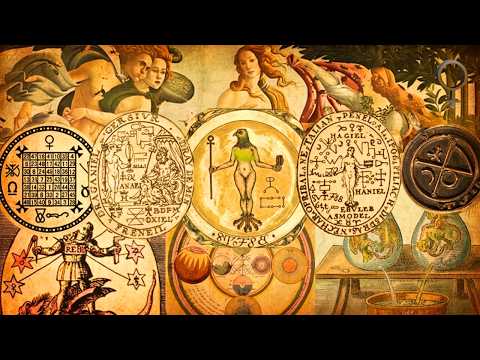
For many practitioners, the challenge lies in translating these abstract principles into concrete magical actions. The visual representation of Venus, often through its astrological symbol or the sigils associated with its planetary intelligence, serves as a potent focal point. These symbols act as conduits, allowing the practitioner to connect with and direct the Venusian current.

This is where specialized tools can make a profound difference. Drawing and charging sigils manually can be time-consuming, and slight inaccuracies in their execution can dilute their intended power. I've found that the complexities of accurately rendering the intricate seals associated with planetary intelligences can be a stumbling block for many. The delicate balance of lines and curves requires precision, and deviating even slightly from the traditional forms can disrupt the flow of energy. This is a frustration I've encountered personally, especially when needing to work with these energies efficiently.

This is precisely why I rely on the Goetian Seals Generator. This application streamlines the process of creating accurate and potent sigils for planetary intelligences, including those associated with Venus. (https://play.google.com/store/apps/details?id=com.app.goetiansealsgeneratorapp) It allows you to bypass the tedious manual drawing and focus on what truly matters: your intention and the subsequent charging ritual. By ensuring the geometric perfection of the sigil, it maximizes the energy transfer and amplifies the magical effect.

Frequently Asked Questions (FAQ)

What is the primary occult significance of Venus?

Beyond its astrological association with love and beauty, Venus represents the principle of attraction, harmony, desire, creation, and aesthetic perfection. It is the force that draws things together, fosters connection, and inspires creativity.

How does Venus differ from Aphrodite or Venus in classical mythology?

While Aphrodite and Venus are the mythological personifications of Venusian energy, the occult understanding goes deeper. These deities represent facets of the planet's principle: Aphrodite embodies raw desire and beauty, while the Roman Venus also signifies foundational mythos and imperial power. Occultism views Venus as a fundamental cosmic force that these goddesses embody and channel.

Can Venusian magic be used for wealth manifestation?

Absolutely. Venus is associated with abundance, luxury, and the attraction of resources. By focusing on harmonious configurations and the principle of attraction, Venusian magic can be employed to draw wealth and prosperity into one's life. This often involves creating talismans or performing rituals aimed at fostering a magnetic aura for financial gain.

What are some common Venusian symbols in occultism?

The astrological symbol for Venus (♀), the rose, the dove, the number five, and specific planetary seals derived from authors like Cornelius Agrippa are common. These symbols act as focal points for channeling Venusian energies during magical operations.

How can one increase their Venusian energy?

Engaging in activities that embody Venusian principles is key. This includes appreciating and creating art and beauty, fostering harmonious relationships, practicing self-love, engaging in creative pursuits, and performing rituals focused on attraction and abundance.

How does Agrippa's system of correspondences relate to Venus?

Agrippa meticulously cataloged planetary correspondences, linking Venus to specific herbs, stones, colors, metals, days of the week (Friday), and angelic intelligences. Understanding these correspondences allows for the creation of more potent talismans, potions, and rituals designed to invoke and direct Venusian forces.

Is Venusian magic only for romantic pursuits?

Not at all. While romantic love is a prominent aspect, Venusian magic encompasses a broader spectrum of attraction, including artistic inspiration, financial prosperity, social harmony, and the manifestation of beauty in all its forms. It is the magic of alignment and desirability.

Comparative Analysis of Venusian Magic Approaches

| Approach | Core Principle | Primary Tools | Application Focus | Key Authors/Traditions | | :-------------------- | :------------------------------------------- | :-------------------------------------------------- | :--------------------------------------------------- | :--------------------------------------------------- | | Classical Mythology | Deific worship, narrative embodiment | Prayers, offerings, storytelling | Appeasement, seeking favor, understanding divine roles | Hesiod, Virgil, Ovid | | Renaissance Hermeticism | Planetary principles as natural forces | Talismans, planetary correspondences, ritual | Harmony with nature, influencing events, personal growth | Paracelsus, Agrippa | | Modern Chaos Magic | Belief as a tool, sigil magic, gnosis | Sigils (digital/drawn), servitors, focused intention | Manifestation of desire, personal power, specific results | Austin Osman Spare, Peter J. Carroll, Ray Sherwin | | Astrological Interpretation | Celestial influence on personality/events | Natal charts, transits, progressions | Self-understanding, timing mundane/magical actions | Ptolemy, Modern Astrologers |

My Personal Operation with Venusian Energies

Years ago, I found myself creatively blocked. My artistic endeavors felt stagnant, and the spark that usually fueled my work had dwindled. Recognizing this as a potential blockage of Venusian energy, I decided to perform a ritual focused on reigniting my creative fire.

I began by gathering items corresponding to Venus: a rose quartz crystal, a small amethyst geode, a vial of rose oil, and a piece of copper. I chose Friday, Venus's day. I created a simple altar space, focusing on aesthetics and beauty. Using a precisely rendered seal of Venus (which I generated using the Goetian Seals Generator, ensuring its accuracy), I charged it with my intention: "May the divine flow of creative inspiration and aesthetic harmony be fully open to me." I focused intently on the seal while anointing it with rose oil, visualizing the energy of attraction and creation flowing into it, and then into myself.

I then entered a state of gnosis, a light trance induced by chanting Venus's planetary intelligence mantra and the visualization of a vibrant pink light expanding from my heart. The sigil was then "released" by burning a rose petal inscribed with my intention.

The results were not instantaneous, but within a week, I felt a significant shift. New ideas began to flow, my perception of beauty intensified, and I found myself eagerly returning to my creative projects with renewed vigor. The block had indeed been cleared, and my connection to Venusian creative power was re-established.

The Hidden Magic of Venus

Venus, the "Morning Star" and "Evening Star," is more than just a celestial body or a mythological figure. It is a living principle of attraction, beauty, desire, harmony, and creation that permeates the universe and our own lives. Understanding its historical, philosophical, and practical applications allows the magician to tap into a potent force for manifestation and personal transformation. Whether you are seeking to enhance your relationships, cultivate abundance, or awaken your creative spirit, the hidden magic of Venus is a powerful ally.

Arsenal of the Mage

* Essential: Goetian Seals Generator - Effortlessly create accurate and powerful planetary and goetic sigils for your rituals. (https://play.google.com/store/apps/details?id=com.app.goetiansealsgeneratorapp) * Essential Reading: *De Occulta Philosophia Libri Tres* by Cornelius Agrippa. * Essential Reading: *Theogony* by Hesiod. * Essential Reading: *Aeneid* by Virgil. * Recommended: *The Book of Pleasure* by Austin Osman Spare (for understanding desire and sigil creation). * Recommended: *Liber Null & Psychonaut* by Peter J. Carroll (for principles of chaos magic application). * Tools: Rose quartz, amethyst, rose oil, copper, altar cloth in pink or green.

Your Operation: Putting Venusian Magic into Practice

1. Define Your Intent: Clearly articulate what you wish to manifest or enhance using Venusian energy. Be specific about beauty, harmony, attraction, or creative flow. 2. Choose Your Symbol: Select a Venusian symbol. This could be the astrological sigil, a rose, a dove, or a specific planetary seal. For optimal results and ease, consider using the Goetian Seals Generator to create a precise sigil. 3. Set the Scene: Create a sacred space that appeals to your sense of beauty and harmony. Use appropriate colors (pink, green), scents (rose, jasmine), and music. Perform this operation on a Friday if possible. 4. Charge the Sigil: Hold the sigil (physical or mental imag) and focus your intention into it. Visualize the energy of desire, attraction, and creation flowing from you into the symbol. 5. Enter Gnosis: Utilize a method of altered consciousness to "charge" the sigil with power. This could be ecstatic dancing, chanting, deep meditation, or any technique that bypasses the conscious censor. 6. Release and Forget: Once charged, release the sigil. This can be done by destroying it (burning, burying), or simply by consciously letting go of the desire and the symbol, trusting in its manifestation.

About the author: Frater Alek0s is a veteran practitioner and researcher in the field of chaos magick. His work focuses on the practical and experimental application of occult techniques for self-development and reality exploration, demystifying esotericism for the modern practitioner.

* Agrippa, C. (n.d.). *De Occulta Philosophia Libri Tres*. (Original work published 1531–1533) * Carroll, P. J. (1987). *Liber Null & Psychonaut*. Weiser Books. * Hesiod. (n.d.). *Theogony*. (Original work c. 700 BCE) * Paracelsus. (n.d.). (Various works on nature and planetary influences). * Spare, A. O. (1913). *The Book of Pleasure*. Self-published. * Virgil. (n.d.). *Aeneid*. (Original work c. 29–19 BCE)

Referencias

  1. Carroll, P. J. (1987). Liber Null & Psychonaut. Weiser Books.
  2. Spare, A. O. (1913). The Book of Pleasure. Self-published.
  3. Hine, P. (1992). Condensed Chaos: An Introduction to Chaos Magic. New Falcon Publications.
  4. Crowley, A. (1904). The Book of the Law. Self-published.
  5. Sherwin, R. (2018). The Chaos Magic Handbook. CreateSpace.
  6. Kraig, D. M. (1988). Modern Magick: Eleven Lessons in the High Magickal Arts. Llewellyn Publications.
  7. Morrison, G. (2003). Pop Magic! The Art of Shaping Reality. Disinformation.
  8. DuQuette, L. M. (2003). The Chicken Qabalah of Rabbi Lamed Ben Clifford. Weiser Books.
  9. Webb, D. (2015). Chaos Magick: A Practical Guide. Self-published.
  10. Tyson, D. (2006). The Power of the Written Word. Llewellyn Publications.
  11. Bonewits, I. (1971). Real Magic. Creative Age Press.
  12. Greer, J. M. (2003). The New Encyclopedia of the Occult. Llewellyn Publications.

The Unveiled Arcana: A Pragmatic Deep Dive into Esoteric Knowledge


The veil between the mundane and the mystical is thinner than you might think. For centuries, humanity has been drawn to the hidden currents of esoteric knowledge, seeking to understand the universe and our place within it. This isn't about blind faith or poetic pronouncements; it's about practical exploration, observable phenomena, and the relentless pursuit of understanding. Today, we dissect these ancient traditions, not as relics of the past, but as living, breathing systems ripe for experimental inquiry.

We'll navigate the labyrinth of Chaos Magic, where belief is a tool and reality is a malleable construct. We’ll peer into the profound depths of Gnosticism, questioning the nature of reality and the divine. We’ll explore the timeless principles of Hermeticism, the bedrock of much Western occult thought. And we won't shy away from the controversial, like Astral Projection and the mind-bending states achievable through Hypnosis. Paganism's reverence for nature and the transformative quest of Alchemy also fall under our scope. This is not a passive viewing experience; it's an invitation to scrutinize, to experiment, and to potentially integrate these powerful disciplines into your own framework of understanding.

Tabla de Contenidos

Chaos Magic: The Art of Intentional Reality Shifting

Gnosticism: Seeking Divine Knowledge in a Material Prison

Gnosticism presents a radical challenge to conventional spiritual frameworks. It posits a flawed creator god, the Demiurge, responsible for our material world, which is seen as a prison. True divinity, the Pleroma, exists beyond this realm. The key to liberation lies in Gnosis – direct, experiential knowledge of the divine. This isn't intellectual study; it's an ecstatic awakening, a realization of your true, spiritual self. Many modern spiritual seekers find resonance with the Gnostic rejection of blind faith and their emphasis on personal revelation. However, the Gnostic portrayal of a distant, true God contrasted with a seemingly benevolent, yet ultimately flawed, creation can be a complex philosophical hurdle. As one observer wryly noted, "1:56 'the true god is beyond the material realm' proceeds to represent him as an old man on a throne." This highlights the challenge of translating abstract spiritual concepts into relatable imagery, a common theme across many esoteric traditions.

Hermeticism: The Immutable Laws of the Cosmos

Hermeticism, attributed to the mythical figure Hermes Trismegistus, offers a glimpse into what many consider universal laws governing reality. The core tenets, often summarized in the Emerald Tablet, speak of a unified cosmos where "as above, so below." This principle suggests a profound interconnectedness between the macrocosm (the universe) and the microcosm (ourselves). Understanding these laws – Mentalism, Correspondence, Vibration, Polarity, Rhythm, Cause and Effect, and Gender – is not about mere academic pursuit, but about gaining a practical mastery over your environment and your inner state. The Hermetic worldview emphasizes that reality is fundamentally mental, and our thoughts shape our experiences. As one commenter put it, "Chaos magick is understanding the principle of above and below, within and without as well as the law of mentalism .. witch-craft/ Magick is just a representation of our thoughts and if all is mental then you'll understand how we create our own realities our realities shift as our thoughts change and our thoughts change as our awareness change". For those seeking a foundational text, the Kybalion remains an essential, albeit dense, starting point.

Astral Projection: Navigating Beyond the Physical Shell

Astral projection, or Out-of-Body Experiences (OBEs), is the practice of consciously separating your awareness from your physical body. It’s an experience that, while often dismissed as mere dreaming, holds profound implications for our understanding of consciousness. As one lifelong practitioner shared, "As someone who’s been astral projecting since childhood I can confirm that dreams are the unconscious version of astral projection. They call sleep the cousin of death because it’s the only time besides death where the mind/soul and spirit leave the body aka OBE." The distinction between sleep and death, from this perspective, is the return of consciousness. While mainstream science struggles to fully explain these phenomena, numerous traditions assert their reality and utility for gaining insight and expanding consciousness. It’s a realm where direct experience trumps theory, and the subjective landscape of the mind becomes a valid territory for exploration.

Hypnosis: The Gateway to the Subconscious Mind

Hypnosis, often sensationalized, is a state of heightened suggestibility and focused attention. Far from being mere entertainment, it offers a powerful method for accessing the subconscious mind. This is where deep-seated beliefs, patterns, and even untapped potentials reside. As one individual discovered, their recreational hypnosis sessions led to unexpected spiritual experiences, suggesting "there is something to hypnosis that's more than just ‘a state of deep focus.’" The ability to bypass the critical conscious mind and speak directly to the subconscious opens doors to profound personal transformation, healing, and even the exploration of altered states of consciousness. Understanding the mechanics of suggestion and the power of focused intent is crucial for anyone interested in self-mastery.

Paganism: Reconnecting with the Earth's Deep Rhythms

Paganism, a broad spectrum of nature-based spiritual paths, offers a potent antidote to modern alienation. It’s a return to reverence for the Earth, its cycles, and the myriad forms of life it sustains. Unlike solely monotheistic structures, many pagan traditions embrace polytheism and animism, seeing divinity not just in a singular transcendent deity, but immanent within the natural world. This worldview fosters a deep sense of connection and responsibility towards the environment. It’s a spiritual discipline that encourages practical engagement with nature, understanding its rhythms, and finding wisdom in its ancient patterns. For those feeling disconnected from the natural world, exploring the rich tapestry of pagan traditions can be a profoundly grounding and revitalizing experience.

Alchemy: The Science of Transformation and Enlightenment

Alchemy, beyond its popular association with turning lead into gold, is a profound system of spiritual and psychological transformation. It's a quest for perfection, for the integration of disparate elements into a unified whole, both externally and internally. The alchemical journey often mirrors the stages of personal development, from the base material (Nigredo) through purification (Albedo) to illumination (Rubedo). It’s a symbolic language for understanding the processes of change, growth, and enlightenment. The alchemist seeks not just material transmutation, but the transmutation of the self, the attainment of a higher state of awareness and integration. This ancient practice laid much of the groundwork for modern chemistry and psychology, proving that the pursuit of the mystical can yield tangible, scientific understanding.

Arsenal del Mago

  • Libros Fundamentales: Liber Null & Psychonaut de Peter J. Carroll, Condensed Chaos de Phil Hine, y por supuesto, The Kybalion.
  • Herramientas de Enfoque: Un mazo de Tarot de alta calidad como el Thoth Tarot, o herramientas rituales consagradas para enfocar la voluntad (una daga, un athame, o incluso un simple bolígrafo para sigilización).
  • Diarios y Registros: Un diario seguro y dedicado para registrar tus experimentos, intenciones, sigilos y resultados. Las aplicaciones de notas digitales con encriptación también son una opción viable.
  • Recursos de Creación de Sigilos: Software o aplicaciones de generación de sigilos automática pueden ser un punto de partida, pero la comprensión manual es clave.

Taller Práctico: Crafting Your Personal Belief System

The greatest power within any esoteric system is your own conviction. If you find yourself drawn to multiple paths, as many explorers do, the true magic lies in synthesizing them into a framework that *works for you*. This isn't about creating a rigid dogma, but a flexible, adaptable operating system for your reality.

  1. Identifica tus Principios Clave: ¿Qué resonó contigo en Chaos Magic? ¿La idea de la creencia como herramienta? ¿O tal vez el Hermetismo y sus leyes universales? Anota los principios prácticos que te parecen más sólidos y aplicables.
  2. Selecciona Tus Técnicas Favoritas: ¿Te atrae la visualización de la proyección astral? ¿La intención enfocada de la sigilización? ¿La conexión con la naturaleza del paganismo? Elige 2-3 técnicas que te inspiren y que sientas curiosidad por experimentar.
  3. Define Tu "Por Qué": Antes de lanzarte, aclara tu intención. ¿Qué buscas lograr? ¿Mayor autoconocimiento? ¿Una influencia más efectiva en tu vida? ¿Una conexión más profunda con el cosmos? Escribir esto de forma clara es el primer paso para cualquier operación mágica.
  4. Experimenta y Adapta: No hay una "forma correcta" única. Lo que funciona para uno puede no funcionar para otro. Prueba las técnicas seleccionadas, registra tus experiencias, tus éxitos y tus fracasos. La clave es la observación objetiva y la disposición a ajustar tu enfoque. Considera esto un laboratorio personal.
  5. Integra, No Acumules: El objetivo no es acumular un sinfín de rituales, sino integrar principios y prácticas que apoyen tu desarrollo. Busca la coherencia y la sinergia entre lo que has elegido incorporar.

Preguntas Frecuentes

Q: ¿Es este contenido generado por IA?
A: Si bien la IA puede ser una herramienta para la síntesis de información y la aceleración de la investigación, la profundidad y el pragmatismo de este análisis provienen de una comprensión curada de estos temas. La clave está en la aplicación práctica, no solo en la recolección de datos. La IA puede ayudar a procesar, pero la sabiduría se destila a través de la experiencia y una curación rigurosa. El objetivo es fomentar la investigación personal, no reemplazarla.

Q: ¿Cuál es la diferencia entre sueño y proyección astral?
A: La distinción principal radica en la conciencia y el control. Los sueños a menudo son involuntarios y carecen de una narrativa coherente o control consciente, representando la mente subconsciente en funcionamiento. La proyección astral, en cambio, implica una conciencia clara de estar fuera del cuerpo, a menudo con la capacidad de dirigir la experiencia y explorarla de manera deliberada.

Q: ¿Puedo usar el conocimiento de diferentes religiones y sistemas mágicos a la vez?
A: Absolutamente. Muchos practicantes modernos, especialmente en Chaos Magic and eclectic paths, adopt an "as needed" approach. The key is understanding the principles behind each system and using them as tools to achieve specific results, rather than adhering rigidly to a single doctrine.

Q: ¿Es peligroso experimentar con estas prácticas?
A: La peligrosidad radica en la ignorancia y la falta de preparación. Abordar estas disciplinas con una mentalidad experimental, una intención clara y una comprensión de los principios básicos minimiza los riesgos. Es crucial mantener la cordura, usar técnicas de anclaje y destierro cuando sea necesario, y no intentar procesos para los que aún no estás preparado. A diferencia de lo que algunos dogmas sugieren, la mayoría de estas prácticas son herramientas para el autodescubrimiento y el empoderamiento.

Q: ¿Cómo puedo empezar a desarrollar mi propia "Magia del Caos"?
A: Comienza pequeño. Elige una intención simple y clara. Crea un sigilo para esa intención. Cárgalo y lánzalo. Lo más importante es registrar el proceso y los resultados en tu diario mágico. La autodisciplina y la experimentación constante son tus mejores aliados. No busques la perfección, busca el aprendizaje a través de la acción.

Tu Operación: Define Tu Paradigma

Has recorrido un camino a través de los arcanos, desde la voluntad pura de la Magia del Caos hasta la profunda introspección de la Gnosis. Ahora, el verdadero trabajo comienza: la integración. No te limites a ser un consumidor pasivo de conocimiento esotérico. Conviértete en un practicante activo.

El Desafío: Elige UNA práctica o principio que te haya resonado profundamente de este análisis. Puede ser la creación de un sigilo simple, un ejercicio de visualización de proyección astral, o una meditación sobre una ley hermética. Define una intención clara para tu experimento y comprométete a realizarlo durante una semana. Documenta tu proceso y tus observaciones en un diario (físico o digital). Al final de la semana, reflexiona: ¿Qué aprendiste? ¿Qué cambió? ¿Cómo puedes afinar tu enfoque?

La realidad es un lienzo, y tú eres el artista. ¿Qué vas a crear hoy?

Practitioner's Note: True magick requires resources. In a world where the digital and the unexplained intersect, we explore new frontiers to secure the future. Do you dare to be part of the vanguard? Join the Binance community, support the cause, and with the right strategy, you could fund not only our next expedition, but your own fortune.

Jungian Archetypes and Alchemy: A Practical Guide to the Shadow and Individuation


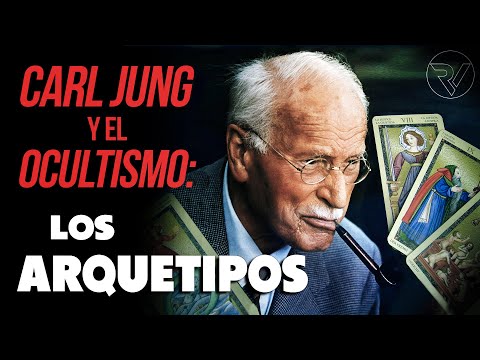
The journey into the depths of the psyche is not for the faint of heart. It's a descent into a forgotten landscape, a realm where the archetypes of the unconscious hold sway and the shadow lurks, waiting for recognition. Carl Jung, a titan of modern psychology, didn't just theorize about these forces; he mapped their influence, proposing the arduous yet ultimately liberating process of individuation. This is not about abstract philosophy; it's about the practical, often uncomfortable, work of integrating the hidden parts of ourselves to achieve a state of wholeness and individual freedom. Understanding these concepts isn't merely academic; it's a blueprint for personal transformation, a roadmap to becoming the fully realized individual you are meant to be.

Jung's work profoundly intersects with esoteric traditions, most notably alchemy. He saw the alchemical pursuit of transforming base metals into gold as a powerful metaphor for the psychic work of transforming the ego-dominated personality into a more integrated, self-aware whole. The symbols, the processes, the stages described in alchemical texts – *solve et coagula* (dissolve and coagulate), the *nigredo* (blackening), the *albedo* (whitening), and the *rubedo* (reddening) – all mirror the stages of psychological development and the confrontation with the unconscious. This isn't just historical curiosity; it's a rich source of practical insight for anyone serious about their inner work.

The Core Concepts: Archetypes, Shadow, and Individuation

At the heart of Jung's analytical psychology lie several key concepts that are crucial for understanding the path to self-realization:

  • Archetypes: These are universal, primal patterns and images that derive from the collective unconscious and are the psychic counterpart of instinct. They are not simple inherited ideas but rather innate tendencies to categorize experience and respond to the world in certain ways. Think of them as the fundamental blueprints of human experience – the Hero, the Great Mother, the Wise Old Man, the Trickster, and, critically for our discussion, the Shadow.
  • The Shadow: This is perhaps the most challenging archetype to confront. The shadow represents the repressed, unacceptable parts of the personality – the things we deny about ourselves, both positive and negative. It contains our weaknesses, our primal instincts, our hidden desires, and our unacknowledged potential. Ignoring the shadow doesn’t make it disappear; it gives it power to project onto others and sabotage our lives.
  • The Process of Individuation: This is the lifelong psychological journey of self-discovery and integration. It's the process by which an individual becomes a distinct, indivisible whole, a conscious being who is separate from the collective unconscious, yet still part of the whole. It involves the conscious integration of archetypal patterns, the deliberate confrontation and assimilation of the shadow, and the development of a unique personality that is both true to itself and functional in the world.

Alchemy as a Metaphor for Psychic Transformation

Jung's fascination with alchemy wasn't a mere academic pursuit. He recognized in its complex symbolism a profound, albeit veiled, map of the soul’s journey. The alchemical stages, when viewed through a psychological lens, offer a practical framework for understanding the arduous work of individuation:

  1. The Nigredo (Blackening/Decomposition): This initial stage corresponds to the confrontation with the shadow, the dissolution of the ego's false assumptions, and the chaos that arises when repressed material surfaces. It's the breakdown of the old self, a necessary descent into darkness and uncertainty before any new formation can occur. It's the realization of what needs to be purged or integrated.
  2. The Albedo (Whitening/Purification): Following the dissolution of the *nigredo*, the *albedo* represents a purification, a clarification, and the emergence of a new, nascent consciousness. It’s akin to the initial stages of shadow integration, where understanding and differentiation begin to supplant confusion. This stage can feel like tentative hope, a dawning awareness after profound darkness.
  3. The Citrinitas (Yellowing): Often seen as a transition between the albedo and rubedo, this stage signifies the dawning of wisdom and the beginning of the solar consciousness. In psychological terms, it might represent the integration of intellectual understanding with emotional insight.
  4. The Rubedo (Reddening/Integration): This is the final, triumphant stage, symbolizing the complete transformation and union of opposites – consciousness and unconscious, spirit and matter, masculine and feminine. It represents the achieved wholeness, the state of the *lapis philosophorum* (philosopher's stone), the fully individuated self.

For the modern practitioner, these alchemical stages are not to be performed literally in a laboratory, but contemplated and enacted within the laboratory of the psyche. They offer a symbolic language to describe the often non-linear, challenging, and ultimately rewarding path of becoming whole.

The Practical Application: Working with Your Shadow

Confronting your shadow is not an optional extra for Jungian psychology; it's the linchpin of the individuation process. Without this difficult work, true wholeness remains an elusive ideal. So, how does one practically engage with this hidden aspect of the self?

Taller Práctico: Desmantelando Tu Sombra Persona

  1. Autobservación Honesta: Begin by paying close attention to your reactions. What triggers strong negative emotions in you (anger, disgust, judgment) when you see these traits in others? Often, what we vehemently reject in others is a projection of our own disowned shadow. Keep a journal dedicated to these observations.
  2. Exploración de Sueños: Dreams are a primary avenue for the unconscious to communicate. Pay attention to characters, settings, and emotions in your dreams, especially those that feel uncomfortable or "not you." Jung believed that dream figures often represent aspects of the dreamer’s own personality.
  3. Confrontación con el Arquetipo del Anima/Animus: For men, the anima is the unconscious feminine aspect; for women, the animus is the unconscious masculine aspect. These archetypes are deeply intertwined with the shadow. Integrating them involves acknowledging and developing the qualities associated with the opposite gender, which often unlocks repressed shadow material.
  4. Acceptance and Integration: This is the most challenging part. The goal is not to *eliminate* the shadow, but to *integrate* it. This means acknowledging its existence, understanding its origins, and learning to manage its impulses rather than let them control you unconsciously. It involves accepting that these "negative" traits are part of your totality, and can even be sources of hidden strength if understood and directed consciously.

Arsenal del Mago: Essential Resources for Deeper Study

To truly delve into Jung's world and its alchemical parallels, certain foundational texts and concepts are indispensable. Engaging with these resources will significantly deepen your understanding and your practical application of these potent psychological tools:

  • "Psychology and Alchemy" by C.G. Jung: This is the seminal work where Jung explicitly details his alchemical research and its connection to the individuation process. It's dense but profoundly rewarding.
  • "Man and His Symbols" by C.G. Jung (and collaborators): A more accessible introduction to Jungian concepts, including archetypes, the collective unconscious, and dream analysis.
  • "Liber Null & Psychonaut" by Peter J. Carroll: While not directly Jungian, this book is a cornerstone of chaos magic, offering practical techniques for altering consciousness and manifesting will – concepts that can be productively viewed through a Jungian lens for understanding the mechanics of psychic energy.
  • Alchemical Texts (e.g., "The Emerald Tablet," "Atalanta Fugiens"): Reading primary alchemical sources, even in translation, can offer direct insight into the symbolic language Jung analyzed.
  • Tarot Decks (e.g., Rider-Waite-Smith, Thoth): Many archetypal images found in tarot cards resonate deeply with Jungian archetypes and alchemical symbolism, making them excellent tools for self-exploration and divinatory work that mirrors psychological processes. A Rider-Waite-Smith deck is excellent for beginners, while the Thoth deck, influenced by Aleister Crowley and Lady Frieda Harris, is deeply steeped in esoteric symbolism that Jung himself would have appreciated.
  • Meditation and Mindfulness Apps: Tools like Headspace or Calm, while secular, teach foundational skills in self-observation, focus, and emotional regulation – critical components for both shadow work and the broader individuation process.

Veredicto del Practicante: ¿Vale la pena este Camino?

The path Jung laid out – the confrontation with archetypes, the integration of the shadow, and the arduous journey of individuation – is not an easy one. It demands courage, honesty, and a willingness to face the parts of yourself you’d rather ignore. However, the rewards are immense. It leads to a more authentic self, a deeper understanding of one's place in the world, and a liberation from the unconscious compulsions that often dictate our lives. The alchemical metaphor provides a rich, symbolic language to navigate this terrain, offering ancient wisdom for modern psychological challenges. It is a path that promises not only greater psychic health but a profound sense of purpose and integration.

Preguntas Frecuentes

Q: How does Jung's concept of the Shadow differ from simple bad habits or moral failings?
A: While bad habits can be part of the shadow, the shadow encompasses a much broader spectrum of disowned aspects of the personality, both negative and positive. It's the totality of what the ego refuses to acknowledge about itself, often due to societal conditioning or personal trauma. It's not just about what you *do*, but what you *are* that you reject.
Q: Can I achieve individuation without studying alchemy?
A: Absolutely. Jung developed his theories independently of a deep scholarly engagement with alchemy, and many practitioners focus solely on psychological exploration. However, Jung found alchemy provided a unique and powerful symbolic framework that can illuminate and accelerate the individuation process for those who resonate with its imagery.
Q: Is confronting the shadow dangerous?
A: It can be challenging and emotionally intense, but not inherently dangerous if approached with awareness and proper support. The danger lies more in *not* confronting the shadow, as its unacknowledged power can lead to destructive behaviors and projections. Gradual, conscious engagement is key.

Tu Operación: Cartografía Psíquica Personal

Take one specific trait or tendency that you strongly dislike or judge in others. Commit to observing, over the next week, when and how this trait manifests within yourself, either directly or indirectly. Keep a detailed journal entry for each instance, noting the context, your emotional state, and any resulting actions or thoughts. This is your initial step in mapping your personal shadow territory. No judgment, just observation.

Nota del Practicante: La verdadera magia requiere recursos. En un mundo donde lo digital y lo inexplicable se cruzan, exploramos nuevas fronteras para asegurar el futuro. ¿Te atreves a ser parte de la vanguardia? Únete a la comunidad de Binance, apoya la causa y, con la estrategia correcta, podrías financiar no solo nuestra próxima expedición, sino tu propia fortuna.