Saltar al contenido principal

Anuncio Superior

Mostrando entradas con la etiqueta mythology. Mostrar todas las entradas

Ancient Earth: The Primordial Roots of the Witch Archetype

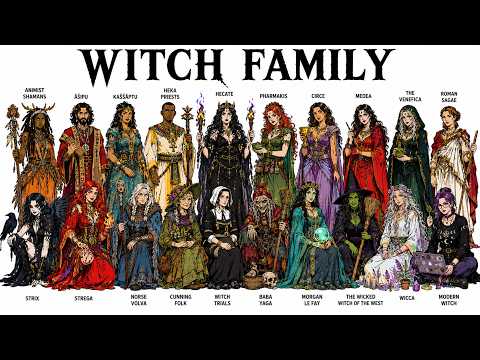
ANCIENT MAGICAL BEINGS THAT STARTED THE WITCH LEGEND - The Witch's DARK Family tree


EMERALD TABLE — Grimoire Record Ritual
⚔️ TypeSpell
📅 Date2026-08-04
📜 FileMC-2026-0336
Difficulty★★★☆☆ Intermedio
Read time10 min
🔗 Related AppGoetian Seals Generator
cha0smagicklabs.com — Digital Grimoire of Chaos Magick

When we conjure the image of a witch, the mind often conjures a figure cloaked in shadow, perhaps an ancient crone with a pointed hat, soaring through the moonlit sky on a broomstick, weaving spells of ill intent. Yet, a fundamental misunderstanding pervades this popular perception. A witch, in its most ancient form, is not a creature of myth; it is a title, a role bestowed upon individuals within human societies.

Unlike the lineage of mythical beings – the Mesopotamian demons Lilitu and Lamashtu, for instance – the witch's ancestral tree branches differently. It does not begin with supernatural entities or monstrous beings. Instead, its roots are firmly planted in humanity itself. For millennia, across diverse global cultures, it was believed that certain individuals possessed an extraordinary reservoir of knowledge. These were the people capable of healing the afflicted, communing with spirits, foretelling future events, or orchestrating rituals far beyond the scope of ordinary folk. Over vast stretches of time, these individuals gradually evolved within cultural narratives to become what many societies would eventually term 'witches'.

RitualThe Animist Shaman: Humanity's First Mystics

Long before the advent of recorded history, a profound belief system known as animism permeated the consciousness of numerous ancient cultures. This worldview posited that spirits were omnipresent, residing not only within animate beings like animals but also within the very fabric of the natural world: rivers, mountains, forests, and even inanimate objects. A deep, interconnectedness was perceived between the physical and spiritual realms, and certain individuals were believed to possess the rare and potent ability to navigate both. These figures are often identified as shamans.

While their specific practices and beliefs undoubtedly varied across different cultural landscapes, shamans were, as a general rule, esteemed members of their communities rather than ostracized outcasts. Their roles were multifaceted: they performed vital healing rituals, interpreted the cryptic language of dreams, presided over sacred ceremonies, acted as intermediaries with the spirit world, invoked blessings upon successful hunts, and sought answers during times of widespread illness, famine, or communal disaster. Some traditions held that they possessed the capacity to enter profound trance-like states, facilitating their journeys between worlds.

The Archetype of the Healer and Guide

The earliest understanding of a 'witch' leans heavily on the archetype of the healer and spiritual guide. These were individuals deeply attuned to the natural world, possessing a profound understanding of herbs, their medicinal properties, and the subtle energies that permeated existence. Their knowledge was not feared but sought after. They were the village wise women, the herbalists, the midwives, the storytellers who preserved ancestral wisdom. Their power stemmed from understanding, nurturing, and facilitating – not from malice or destruction.

The transition from this respected role to the image of the malevolent sorceress is a complex socio-historical phenomenon. It's often attributed to shifts in societal power structures, particularly the rise of patriarchal systems that sought to control or demonize female authority and knowledge. As societies became more centralized and organized under dominant religious or political doctrines, practices that deviated from the norm, especially those associated with female autonomy and traditional forms of spiritualism, began to be viewed with suspicion and, eventually, outright fear.

From Revered Elder to Feared Outcast

The historical lineage of the witch is not one of inherent evil. For the majority of human history, those who would later be branded as witches were revered figures. They were the pillars of community, offering solace, wisdom, and practical assistance. Their connection to the spiritual and natural worlds was seen as a gift, a vital link that maintained balance and well-being.

The dramatic shift in perception, culminating in the image of the broom-riding, spell-casting antagonist, is a relatively recent development in the grand narrative of human history. This transformation was fueled by a confluence of factors: religious persecution, societal anxieties, and the deliberate demonization of alternative spiritual paths. The very qualities that once made these individuals respected – their knowledge of herbs, their connection to nature, their intuitive abilities – were twisted and reinterpreted as signs of malevolence and pacts with dark forces during periods like the European witch trials.

The Role of Patriarchy in Demonization

Many contemporary scholars and practitioners argue that the demonization of the witch is intrinsically linked to patriarchal societal structures. In societies where male authority became dominant, women who held knowledge, power, or autonomy—especially those related to healing, midwifery, and spiritual insight—posed a perceived threat. By rebranding these women as 'witches' and associating them with evil, societies could effectively marginalize and control them. This narrative served to consolidate power, suppress female leadership, and enforce conformity to newly established religious and social norms.

The fear instilled by these narratives served a crucial social purpose: to keep women in check, to discourage independent thought or practice, and to solidify the dominance of established religious and political institutions. The image of the 'evil witch' became a convenient scapegoat for societal ills and a powerful tool for social control.

Connecting to the Spiritual: Early Forms of Ritual

The earliest forms of practice associated with the lineage of the witch involved deep engagement with the spiritual and natural worlds. This included communicating with ancestral spirits, understanding the cycles of nature and the moon, and utilizing herbs and natural elements for healing and ritual. These practices were not about wielding destructive power but about seeking balance, understanding, and connection.

The shamanistic journey between worlds, the interpretation of omens, and the channeling of natural energies were all part of a holistic approach to life, seeking harmony with the cosmos. These ancient rituals were foundational, providing the bedrock upon which later, more formalized magical practices would be built. The essence of these early practices was one of reverence for life and the interconnectedness of all things.

Modern Reclaimings and the Ancestral Echo

Today, many individuals who identify as witches are actively engaged in reclaiming and reinterpreting this ancient lineage. They seek to honor the wisdom of the animist shamans and the revered healers of antiquity, distinguishing their contemporary practices from the distorted, fear-mongering images that emerged during periods of persecution. This reclamation involves understanding the historical context, acknowledging the patriarchal forces that led to the demonization of witchcraft, and celebrating the inherent power and wisdom that resides within the archetype.

Many modern witches see themselves as carrying forward an ancestral echo – a continuation of the lineage of those who sought knowledge, healing, and a deeper connection to the earth and spirit. This involves studying ancient practices, reviving herbalism, practicing divination, and fostering a profound respect for the natural world. The goal is often to heal the historical wounds associated with the 'witch' label and to embrace its original meaning of spiritual insight and natural wisdom.

The Goetian Connection: A Different Branch of Ancient Power

While the lineage of the witch primarily arises from human spiritual practitioners, it's important to acknowledge that other ancient traditions explore different avenues of power and spiritual interaction. One such tradition involves entities and systems that predate much of common folklore, offering a distinct yet sometimes overlapping pathway into the arcane. These ancient systems often involve structured hierarchies of spirits and demons, documented in texts that have survived centuries of scrutiny.

The Goetia, for example, details a system of 72 demons, each with unique characteristics and powers, often depicted through their specific sigils or seals. These entities are not 'witches' in the human sense but represent a different facet of the ancient magical landscape – powers that can be invoked or worked with through specific ceremonial frameworks. Understanding these systems requires a meticulous approach, respecting the precise forms and intentions associated with each entity.

A Practical Tool for Working with Ancient Seals

The meticulous study and application of ancient magical systems, particularly those involving complex sigils and seals like those found in the Goetia, can be incredibly demanding. Reproducing these symbols accurately, understanding their correspondences, and integrating them into one's practice requires precision and focus. The process of generating, understanding, and utilizing these specific magical forms can be time-consuming when relying solely on manual methods.

This is where specialized tools become invaluable for the modern practitioner. The Goetian Seals Generator is designed to streamline the process of working with these ancient entities. This app provides a digital interface to accurately generate and explore the seals of the 72 Goetian demons, assisting practitioners in their ritual work and study. It ensures the fidelity of the symbols, allowing the mage to focus on the intention and gnosis required for effective magical operation, rather than wrestling with the minutiae of symbol creation.

FAQ: Unraveling the Witch's Origins

Is a witch a creature or a human title?

Primarily, a witch is understood as a human individual who holds a title or role within a society, often associated with possessing extraordinary knowledge or abilities. While folklore has created mythical beings that *appear* as witches, the historical and archetypal root is human.

Were ancient witches evil?

No, the earliest ancestors of what became known as witches were generally not evil. They were typically respected healers, spiritual guides, and wise members of their communities. The association with evil emerged much later due to historical and societal factors like the rise of patriarchal structures and religious persecution.

What is animism and how does it relate to early witches?

Animism is the belief that spirits inhabit all things – animals, plants, natural phenomena, and objects. Early witch ancestors, often referred to as shamans, were believed to have the ability to travel between the spiritual and physical worlds, mediating between humans and these spirits within an animistic framework.

Why did the perception of witches change over time?

The shift from revered healer to feared outcast is largely attributed to the rise of patriarchal societies that sought to control female autonomy and knowledge. Religious persecution and societal anxieties also played a significant role in demonizing these figures and their practices.

How does the Goetia differ from the witch lineage?

While the witch lineage stems from human practitioners of magic and spiritualism, the Goetia refers to a specific system of demonology detailing 72 demons. These entities are distinct from human witches, though both represent different facets of ancient magical and spiritual traditions that practitioners might engage with.

What are the benefits of using a Goetian Seals Generator app?

Apps like the Goetian Seals Generator offer precision in reproducing ancient seals, saving practitioners time and ensuring the accuracy of these complex symbols. This allows the mage to concentrate more fully on the intention and the ritualistic aspects of working with these entities.

Can the 'witch' archetype be traced to specific ancient Mesopotamian demons?

While some mythical lineages, like those explored in certain family trees of mythological creatures, might begin with figures like Lilitu and Lamashtu, the direct ancestral line of the 'witch' as understood in this context begins with human practitioners. The connection to ancient demons is more about the broader tapestry of ancient magical beings, rather than the direct origin of the witch archetype itself.

Mage's Arsenal

  • Essential: Goetian Seals Generator - Accurately generate and study the seals of ancient Goetian entities.
  • Reference: Understanding Animism and Shamanism (General knowledge bases).
  • Context: Historical texts on the evolution of witchcraft and mythology (General knowledge bases).
  • Tool: Reliable occult encyclopedia or historical texts on demonology.

About the author: Frater Alek0s is a veteran practitioner and researcher in the field of chaos magick. His work focuses on the practical and experimental application of occult techniques for self-development and reality exploration, demystifying esotericism for the modern practitioner.

Your Operation

To truly grasp the ancient roots of the witch archetype, engage with the concept of the shaman and the healer. Reflect on how societal structures can twist the perception of powerful, knowledgeable individuals. Consider the animistic worldview and its emphasis on the interconnectedness of all life. Understand that the 'witch' label has a complex and evolving history, moving from revered community member to feared outsider and now, for many, a reclaimed symbol of wisdom and natural power.

For those interested in exploring other branches of ancient spiritual interaction, delve into systems like the Goetia. Use tools like the Goetian Seals Generator to ensure accuracy in your studies and practice. Remember, true power lies not just in the symbols, but in the clarity of intention and the depth of your understanding and connection.


Referencias

  1. Carroll, P. J. (1987). Liber Null & Psychonaut. Weiser Books.
  2. Spare, A. O. (1913). The Book of Pleasure. Self-published.
  3. Hine, P. (1992). Condensed Chaos: An Introduction to Chaos Magic. New Falcon Publications.
  4. Crowley, A. (1904). The Book of the Law. Self-published.
  5. Sherwin, R. (2018). The Chaos Magic Handbook. CreateSpace.
  6. Kraig, D. M. (1988). Modern Magick: Eleven Lessons in the High Magickal Arts. Llewellyn Publications.
  7. Morrison, G. (2003). Pop Magic! The Art of Shaping Reality. Disinformation.
  8. DuQuette, L. M. (2003). The Chicken Qabalah of Rabbi Lamed Ben Clifford. Weiser Books.
  9. Webb, D. (2015). Chaos Magick: A Practical Guide. Self-published.
  10. Tyson, D. (2006). The Power of the Written Word. Llewellyn Publications.
  11. Bonewits, I. (1971). Real Magic. Creative Age Press.
  12. Greer, J. M. (2003). The New Encyclopedia of the Occult. Llewellyn Publications.
VENUS: The Hidden Magic of the Goddess

VENUS - A Magia Oculta por trás da Deusa


EMERALD TABLE — Grimoire Record Chaos
⚔️ TypeSpell
📅 Date2026-08-04
📜 FileMC-2026-0328
Difficulty★★★☆☆ Intermedio
Read time9 min
🔗 Related AppGoetian Seals Generator
cha0smagicklabs.com — Digital Grimoire of Chaos Magick

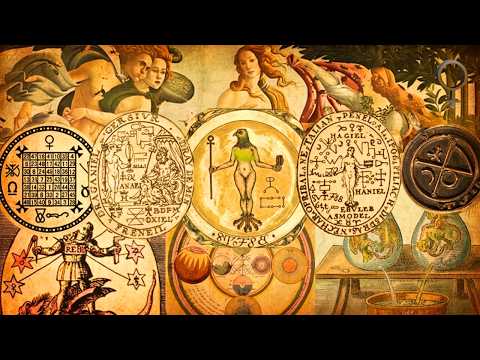
The symbol of Venus, ancient and profound, holds far more than the modern superficial understanding of "the planet of love." Throughout history, Venus has been revered as a powerful force intertwined with beauty, desire, creation, and harmony. Embarking on a journey through the classical sources and the works of pivotal Western esoteric authors, we can trace how this potent symbol has evolved across different eras, adapting its meaning while retaining its core essence. This exploration delves into the rich tapestry of Venus's occult significance, offering a practical foundation for the practicing magician.

CaosThe Historical and Esoteric Journey of Venus

Our exploration begins in ancient Greece, where Aphrodite first emerged. Hesiod's *Theogony* recounts her birth, a narrative that profoundly influenced later interpretations of her role, even touching upon her significance in the Trojan War. The Romans, adopting the Greek pantheon, transformed Aphrodite into Venus, elevating her to a mythical ancestress of their vast empire, as immortalized in Virgil's *Aeneid*. This transition highlights an early shift: from a purely divine entity to a foundational mythos upon which political power could be built.

The Renaissance marked a significant evolution in the understanding of planetary principles. Thinkers like Paracelsus began to perceive Venus not merely as a deity of antiquity but as an active principle resonating within the fabric of nature itself. This marks a crucial pivot from deific worship to the understanding of celestial bodies as active forces with tangible correspondences in the terrestrial realm.

Further solidifying this perspective, Cornelius Agrippa, in his *De Occulta Philosophia Libri Tres*, meticulously gathered centuries of tradition. He compiled a vast system of correspondences, linking the planets, the natural world, and the human being into an intricate web of occult knowledge. Agrippa's work, a cornerstone of Western esotericism, provided a framework for understanding planetary energies not just as astrological influences but as potent forces that could be manipulated through ritual and sympathetic magic. This understanding is vital for anyone seeking to harness Venusian energies.

This foundational knowledge is crucial for any practitioner. Understanding the historical layers of Venus allows us to appreciate its multifaceted nature and to utilize its energies with greater precision. The desire for beauty, the drive for creation, and the pursuit of harmony are all Venusian currents that can be channeled for magical purposes.

Venusian Principles in Modern Practice

Beyond the historical and philosophical context, the energies associated with Venus hold immense practical value for the modern magician. The pursuit of aesthetic perfection, the fostering of harmonious relationships, and the creative impulse are all potent forces that can be directed through focused magical practice. Whether you are seeking to manifest beauty in your life, to foster stronger bonds with others, or to enhance your creative endeavors, understanding and working with Venusian principles is essential.

The key lies in recognizing that Venus is not solely about passive attraction or nebulous "love." It is about the principle of attraction itself, the magnetic force that draws disparate elements into pleasing configurations. This can manifest as the attraction of resources, the alignment of favorable circumstances, or the generation of inspiring ideas.

Harnessing Venusian Energy

For many practitioners, the challenge lies in translating these abstract principles into concrete magical actions. The visual representation of Venus, often through its astrological symbol or the sigils associated with its planetary intelligence, serves as a potent focal point. These symbols act as conduits, allowing the practitioner to connect with and direct the Venusian current.

This is where specialized tools can make a profound difference. Drawing and charging sigils manually can be time-consuming, and slight inaccuracies in their execution can dilute their intended power. I've found that the complexities of accurately rendering the intricate seals associated with planetary intelligences can be a stumbling block for many. The delicate balance of lines and curves requires precision, and deviating even slightly from the traditional forms can disrupt the flow of energy. This is a frustration I've encountered personally, especially when needing to work with these energies efficiently.

This is precisely why I rely on the Goetian Seals Generator. This application streamlines the process of creating accurate and potent sigils for planetary intelligences, including those associated with Venus. (https://play.google.com/store/apps/details?id=com.app.goetiansealsgeneratorapp) It allows you to bypass the tedious manual drawing and focus on what truly matters: your intention and the subsequent charging ritual. By ensuring the geometric perfection of the sigil, it maximizes the energy transfer and amplifies the magical effect.

Frequently Asked Questions (FAQ)

What is the primary occult significance of Venus?

Beyond its astrological association with love and beauty, Venus represents the principle of attraction, harmony, desire, creation, and aesthetic perfection. It is the force that draws things together, fosters connection, and inspires creativity.

How does Venus differ from Aphrodite or Venus in classical mythology?

While Aphrodite and Venus are the mythological personifications of Venusian energy, the occult understanding goes deeper. These deities represent facets of the planet's principle: Aphrodite embodies raw desire and beauty, while the Roman Venus also signifies foundational mythos and imperial power. Occultism views Venus as a fundamental cosmic force that these goddesses embody and channel.

Can Venusian magic be used for wealth manifestation?

Absolutely. Venus is associated with abundance, luxury, and the attraction of resources. By focusing on harmonious configurations and the principle of attraction, Venusian magic can be employed to draw wealth and prosperity into one's life. This often involves creating talismans or performing rituals aimed at fostering a magnetic aura for financial gain.

What are some common Venusian symbols in occultism?

The astrological symbol for Venus (♀), the rose, the dove, the number five, and specific planetary seals derived from authors like Cornelius Agrippa are common. These symbols act as focal points for channeling Venusian energies during magical operations.

How can one increase their Venusian energy?

Engaging in activities that embody Venusian principles is key. This includes appreciating and creating art and beauty, fostering harmonious relationships, practicing self-love, engaging in creative pursuits, and performing rituals focused on attraction and abundance.

How does Agrippa's system of correspondences relate to Venus?

Agrippa meticulously cataloged planetary correspondences, linking Venus to specific herbs, stones, colors, metals, days of the week (Friday), and angelic intelligences. Understanding these correspondences allows for the creation of more potent talismans, potions, and rituals designed to invoke and direct Venusian forces.

Is Venusian magic only for romantic pursuits?

Not at all. While romantic love is a prominent aspect, Venusian magic encompasses a broader spectrum of attraction, including artistic inspiration, financial prosperity, social harmony, and the manifestation of beauty in all its forms. It is the magic of alignment and desirability.

Comparative Analysis of Venusian Magic Approaches

| Approach | Core Principle | Primary Tools | Application Focus | Key Authors/Traditions | | :-------------------- | :------------------------------------------- | :-------------------------------------------------- | :--------------------------------------------------- | :--------------------------------------------------- | | Classical Mythology | Deific worship, narrative embodiment | Prayers, offerings, storytelling | Appeasement, seeking favor, understanding divine roles | Hesiod, Virgil, Ovid | | Renaissance Hermeticism | Planetary principles as natural forces | Talismans, planetary correspondences, ritual | Harmony with nature, influencing events, personal growth | Paracelsus, Agrippa | | Modern Chaos Magic | Belief as a tool, sigil magic, gnosis | Sigils (digital/drawn), servitors, focused intention | Manifestation of desire, personal power, specific results | Austin Osman Spare, Peter J. Carroll, Ray Sherwin | | Astrological Interpretation | Celestial influence on personality/events | Natal charts, transits, progressions | Self-understanding, timing mundane/magical actions | Ptolemy, Modern Astrologers |

My Personal Operation with Venusian Energies

Years ago, I found myself creatively blocked. My artistic endeavors felt stagnant, and the spark that usually fueled my work had dwindled. Recognizing this as a potential blockage of Venusian energy, I decided to perform a ritual focused on reigniting my creative fire.

I began by gathering items corresponding to Venus: a rose quartz crystal, a small amethyst geode, a vial of rose oil, and a piece of copper. I chose Friday, Venus's day. I created a simple altar space, focusing on aesthetics and beauty. Using a precisely rendered seal of Venus (which I generated using the Goetian Seals Generator, ensuring its accuracy), I charged it with my intention: "May the divine flow of creative inspiration and aesthetic harmony be fully open to me." I focused intently on the seal while anointing it with rose oil, visualizing the energy of attraction and creation flowing into it, and then into myself.

I then entered a state of gnosis, a light trance induced by chanting Venus's planetary intelligence mantra and the visualization of a vibrant pink light expanding from my heart. The sigil was then "released" by burning a rose petal inscribed with my intention.

The results were not instantaneous, but within a week, I felt a significant shift. New ideas began to flow, my perception of beauty intensified, and I found myself eagerly returning to my creative projects with renewed vigor. The block had indeed been cleared, and my connection to Venusian creative power was re-established.

The Hidden Magic of Venus

Venus, the "Morning Star" and "Evening Star," is more than just a celestial body or a mythological figure. It is a living principle of attraction, beauty, desire, harmony, and creation that permeates the universe and our own lives. Understanding its historical, philosophical, and practical applications allows the magician to tap into a potent force for manifestation and personal transformation. Whether you are seeking to enhance your relationships, cultivate abundance, or awaken your creative spirit, the hidden magic of Venus is a powerful ally.

Arsenal of the Mage

* Essential: Goetian Seals Generator - Effortlessly create accurate and powerful planetary and goetic sigils for your rituals. (https://play.google.com/store/apps/details?id=com.app.goetiansealsgeneratorapp) * Essential Reading: *De Occulta Philosophia Libri Tres* by Cornelius Agrippa. * Essential Reading: *Theogony* by Hesiod. * Essential Reading: *Aeneid* by Virgil. * Recommended: *The Book of Pleasure* by Austin Osman Spare (for understanding desire and sigil creation). * Recommended: *Liber Null & Psychonaut* by Peter J. Carroll (for principles of chaos magic application). * Tools: Rose quartz, amethyst, rose oil, copper, altar cloth in pink or green.

Your Operation: Putting Venusian Magic into Practice

1. Define Your Intent: Clearly articulate what you wish to manifest or enhance using Venusian energy. Be specific about beauty, harmony, attraction, or creative flow. 2. Choose Your Symbol: Select a Venusian symbol. This could be the astrological sigil, a rose, a dove, or a specific planetary seal. For optimal results and ease, consider using the Goetian Seals Generator to create a precise sigil. 3. Set the Scene: Create a sacred space that appeals to your sense of beauty and harmony. Use appropriate colors (pink, green), scents (rose, jasmine), and music. Perform this operation on a Friday if possible. 4. Charge the Sigil: Hold the sigil (physical or mental imag) and focus your intention into it. Visualize the energy of desire, attraction, and creation flowing from you into the symbol. 5. Enter Gnosis: Utilize a method of altered consciousness to "charge" the sigil with power. This could be ecstatic dancing, chanting, deep meditation, or any technique that bypasses the conscious censor. 6. Release and Forget: Once charged, release the sigil. This can be done by destroying it (burning, burying), or simply by consciously letting go of the desire and the symbol, trusting in its manifestation.

About the author: Frater Alek0s is a veteran practitioner and researcher in the field of chaos magick. His work focuses on the practical and experimental application of occult techniques for self-development and reality exploration, demystifying esotericism for the modern practitioner.

* Agrippa, C. (n.d.). *De Occulta Philosophia Libri Tres*. (Original work published 1531–1533) * Carroll, P. J. (1987). *Liber Null & Psychonaut*. Weiser Books. * Hesiod. (n.d.). *Theogony*. (Original work c. 700 BCE) * Paracelsus. (n.d.). (Various works on nature and planetary influences). * Spare, A. O. (1913). *The Book of Pleasure*. Self-published. * Virgil. (n.d.). *Aeneid*. (Original work c. 29–19 BCE)

Referencias

  1. Carroll, P. J. (1987). Liber Null & Psychonaut. Weiser Books.
  2. Spare, A. O. (1913). The Book of Pleasure. Self-published.
  3. Hine, P. (1992). Condensed Chaos: An Introduction to Chaos Magic. New Falcon Publications.
  4. Crowley, A. (1904). The Book of the Law. Self-published.
  5. Sherwin, R. (2018). The Chaos Magic Handbook. CreateSpace.
  6. Kraig, D. M. (1988). Modern Magick: Eleven Lessons in the High Magickal Arts. Llewellyn Publications.
  7. Morrison, G. (2003). Pop Magic! The Art of Shaping Reality. Disinformation.
  8. DuQuette, L. M. (2003). The Chicken Qabalah of Rabbi Lamed Ben Clifford. Weiser Books.
  9. Webb, D. (2015). Chaos Magick: A Practical Guide. Self-published.
  10. Tyson, D. (2006). The Power of the Written Word. Llewellyn Publications.
  11. Bonewits, I. (1971). Real Magic. Creative Age Press.
  12. Greer, J. M. (2003). The New Encyclopedia of the Occult. Llewellyn Publications.
The Occult Heart of Nosferatu: Unearthing Ancient Magics

The Occult Origins of Nosferatu (2024)


EMERALD TABLE — Grimoire Record Folk
⚔️ TypeSpell
📅 Date2026-07-26
📜 FileMC-2026-0264
Difficulty★★★☆☆ Intermedio
Read time11 min
🔗 Related AppGoetian Seals Generator
cha0smagicklabs.com — Digital Grimoire of Chaos Magick

Stepping beyond the shadows of vampire lore, Robert Eggers' 2024 reimagining of Nosferatu plunges deep into the primordial waters of the occult. This isn't merely a retelling; it's an excavation. While many lauded this cinematic achievement for its historical fidelity and chilling atmosphere, its true power—its raw, untamed magic—lies in the subtle yet potent infusion of esoteric traditions. If you're seeking the true occult origins of Nosferatu, you've come to the right place. We’re not just talking folklore; we’re delving into the very fabric of ancient magic that birthed and sustains the vampire mythos.

The film doesn't shy away from presenting Count Orlok as something more than just a blood-drinking fiend. He is an embodiment of primal hunger, a force of nature that has been shaped by, and exists within, the arcane currents of the world. Eggers, a director known for his meticulous research and almost obsessive attention to detail, weaves a tapestry where the supernatural feels tangible, rooted in practices that have echoed through centuries of human history and occult study. This exploration of the occult is precisely why this film resonates beyond a simple horror narrative.

FolkDeciphering Orlok's Esoteric Significance

The keen eyes of practitioners will notice the layered symbolism woven throughout the film. Comments from viewers observing the use of divine names surrounding the Triangle of Art—a key component in Solomonic magic for constraining summoned entities—highlight the intentionality behind Eggers' choices. This isn't accidental; it's a deliberate nod to the grimoires and practices of ceremonial magic, suggesting that Orlok, or the forces he represents, operate within a framework of arcane laws and bindings. The film implies that Orlok himself might be a practitioner of black magic, a subtle distinction that elevates him from a mere monster to a figure steeped in forbidden arts.

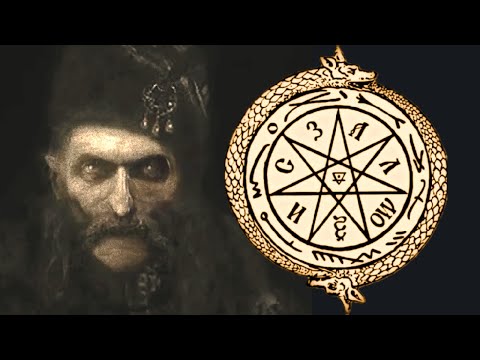
Furthermore, the ouroboros, the ancient symbol of a serpent eating its own tail, often appearing on Orlok's sigil, signifies not just life, death, and rebirth—common vampire themes—but also cyclical cosmic power and the totality of existence. This symbol, deeply embedded in Gnostic and Hermetic traditions, suggests that Orlok's existence is part of a larger, cyclical, and perhaps alchemical, process. This imbues his insatiable hunger with a far deeper meaning than simple predation; he is an engine of transformation, a catalyst for change, driven by an ancient, all-consuming appetite.

The Scholomance Connection and Other Arcane Influences

One of the most striking occult references in the film is the subtle, yet persistent, connection to the Scholomance, a mythical Romanian witchcraft school. While Eggers may not delve into the deepest lore of the Scholomance, its mention, alongside figures like an "occult doctor," grounds Orlok's presence in a very specific and potent form of European magic. The legend of the Scholomance, where students supposedly make pacts with the devil to gain knowledge, is a powerful archetype of forbidden learning and dark pacts, directly aligning with the vampire's own predatory nature. The question of whether the students who left the Scholomance were at the top or bottom of their class speaks to the ambiguity and danger inherent in such arcane pursuits—a danger mirrored in Orlok's very being.

The film also touches upon the broader genesis of vampire folklore, hinting at influences beyond Bram Stoker's famous count. The mention of Romanian folk tales and the concept of the Strigoi—an undead creature from Romanian mythology often considered a precursor to the modern vampire—further solidifies the film's roots in ancient, regional occult traditions. These tales, potentially influenced by alchemical origins and preserved through centuries of isolation, represent a deep wellspring of occult understanding that Eggers masterfully taps into. The idea that "Nosferatu is WHAT he is, not who!" is crucial; he is an archetype, a manifestation of these ancient fears and magical forces.

The Art of the Esoteric Filmmaker

Robert Eggers' approach to filmmaking is, in itself, a form of occult practice. His dedication to historical accuracy and esoteric detail transforms his movies into immersive rituals for the viewer. As many astute observers have noted, his talent seems almost "nauseatingly" potent, suggesting a filmmaker who doesn't just tell stories but imbues them with a palpable energy. The inclusion of obscure esotericism isn't just for show; it's about accessing a deeper layer of truth and resonance within the narrative. This care elevates his work beyond mere entertainment, making it art that speaks to the initiated and the curious alike.

The visual language of the film further enhances its occult undertones. The sigil on Nosferatu's coffin is not a random embellishment but a deliberate invocation of these older, darker traditions. It’s a symbol meant to be recognized by those familiar with the arcane, a beacon for practitioners of the occult. The film's success lies in its ability to conjure an atmosphere that feels genuinely ancient and powerfully magical, making the audience feel as though they are witnessing something profound and historically significant, connecting with the very essence of what makes vampire myths so enduringly terrifying and fascinating.

Arsenal of the Modern Occultist

  • Essential: Goetian Seals Generator — For those seeking to understand or replicate the complex sigils and symbols used in ancient magical traditions, this app provides a powerful tool for study and creation.
  • Recommended Reading: The Book of Pleasure by Austin Osman Spare. While not directly about vampires, Spare’s work on sigil creation and the power of intention is foundational for understanding the symbolic language used in occult practices.
  • Further Study: Works on Solomonic magic and European folklore, particularly concerning demonology and early vampire myths (e.g., Strigoi, Ghouls).

FAQ: Unveiling the Occult Mysteries

What specific occult traditions influenced Nosferatu (2024)?

The film draws on a confluence of traditions, including Solomonic magic (Triangle of Art, divine names), general European folklore regarding vampires and witchcraft (Strigoi, Scholomance), and alchemical symbolism (ouroboros). The focus is on primal, ancient magic rather than a single, narrowly defined system.

Is Count Orlok a black magic user in the film?

The film heavily implies Orlok's connection to black magic, not just as a creature of the night, but as someone who actively wields arcane power. This is subtly conveyed through symbols and actions that reference forbidden arts, distinguishing him from a purely monstrous entity.

How does the Scholomance connect to the vampire lore in the movie?

The Scholomance, a mythical Romanian school of witchcraft, is referenced to ground the sorcery and dark pacts associated with Orlok and his origins. It represents a potent source of forbidden knowledge and arcane power, characteristic of figures like Orlok.

Are the sigils in the movie historically accurate?

Robert Eggers is known for his meticulous research. While artistic license is always present in film, the symbols and references used, such as the Triangle of Art and the ouroboros, are rooted in genuine historical occult practices, signifying a deep engagement with the subject matter.

What is the significance of the ouroboros sigil on Orlok's coffin?

The ouroboros symbolizes eternal recurrence, life, death, and rebirth—themes central to vampire mythology and many ancient esoteric traditions, including Gnosticism and Hermeticism. It suggests Orlok's existence is part of a larger, cosmic cycle of transformation and consumption.

Does the film suggest Ellen accidentally raised Orlok?

Yes, there is a strong implication that Ellen's actions or even her inherent nature may have inadvertently awakened or strengthened Orlok's presence and hunger at the beginning of the film, adding a layer of personal and potentially magical causation.

How does Eggers make Nosferatu more than just a Dracula adaptation?

Eggers achieves this by infusing the narrative with deep, often subtle, references to historical occultism, folklore, and ancient magical practices. This grounds the vampire myth in tangible esoteric traditions, making Orlok a more complex and archetypal figure beyond simple vampirism.

What is the meaning behind Orlok's insatiable hunger as an "appetite"?

Characterizing Orlok as a pure appetite, a primal force focused solely on consuming Ellen, elevates his hunger beyond mere physical need. It becomes a metaphor for a consuming, transformative, and perhaps alchemical, drive that is fundamental to his existence and purpose.

Can viewers interested in alchemy find connections within the film?

Absolutely. The cyclical nature symbolized by the ouroboros, the themes of transformation, consumption, and rebirth, and the idea of primal forces being harnessed or embodied are all concepts that resonate deeply within alchemical philosophy and practice.

Why is the study of obscure esotericism important in film?

Including obscure esotericism adds depth, authenticity, and a layer of hidden meaning that rewards attentive viewers. It taps into ancient archetypes and potent symbolism, making the narrative more resonant, thought-provoking, and ultimately, more like a true work of art that speaks to deeper truths.

Thematic Threads: Alchemy, Folklore, and Arcane Practice

The narrative presented in Nosferatu (2024) is a potent example of how folklore and ancient occult practices intertwine to create enduring myths. The film doesn't just depict a vampire; it conjures an entity deeply rooted in real-world esoteric traditions. Like the alchemists seeking transformation through symbolic processes, Eggers uses the medium of film to perform a kind of cinematic alchemy, transforming familiar tales into something potent and new. The suggestion that Romanian folk tales have alchemical origins and have persisted due to historical isolation speaks volumes about the power of preserved, ancient knowledge.

The very concept of "Nosferatu" as a title and a state of being, rather than a specific individual, further underscores its archetypal nature. This entity is a vessel for primal urges and ancient magics, a manifestation of what happens when the veil between worlds thins and the appetite for consumption takes hold. Its existence is a testament to the enduring power of the occult, a reminder that beneath the surface of modern life lie currents of ancient belief and practice that still hold sway. The film's success in capturing this essence is a triumph for those who appreciate cinema as an art form capable of exploring the deepest, darkest corners of human experience and belief.

The emphasis on Orlok as a pure appetite, a force of consumption, can be seen through an alchemical lens as a metaphor for the dissolution phase (*solve*)—the breaking down of form to prepare for regeneration. His desire to consume Ellen completely speaks to a desire for ultimate union or transformation, albeit through a dark and predatory path. This aligns with the alchemical pursuit of perfection through the destruction and reconstitution of matter, a process often shrouded in symbolic language and esoteric understanding.

The inclusion of the Scholomance reference, even if brief, connects the narrative to a specific lineage of European occultism. The legend of students gaining forbidden knowledge through dark pacts is a classic Faustian bargain archetype, highlighting the dangerous allure of power and the potential for such pursuits to birth monstrous manifestations. This adds a layer of narrative complexity, suggesting that Orlok's power might stem from such ancient, corrupted sources of knowledge. The mention of divine names surrounding the Triangle of Art further reinforces the idea that such entities operate within a cosmic order, even if that order is one of shadows and peril.

Ultimately, Eggers' Nosferatu is a masterclass in atmospheric storytelling and the subtle integration of esoteric themes. It’s a film that rewards patience and observation, inviting viewers to look beyond the surface and appreciate the deep roots of the lore it explores. For practitioners of the occult, the film serves as a potent reminder that the ancient symbols, rituals, and beliefs continue to shape our modern understanding of the world, manifesting in art and culture in ways that are both familiar and profoundly strange.

Your Operation: Exploring the Arcane in Art

This film is more than just entertainment; it's an invitation to explore the occult foundations of popular myth and art. Here’s how you can delve deeper:

  1. Research the Scholomance: Dive into the folklore surrounding this mythical academy. What were the specific legends about its curriculum, its pacts, and its students? Try visualizing the arcane lessons and inferring the kind of magic taught.
  2. Study the Ouroboros: Beyond its depiction on Orlok's coffin, research the ouroboros in different cultural and historical contexts. How does its symbolism of cycles, eternity, and self-consumption relate to vampiric themes?
  3. Explore Solomonic Magic: Familiarize yourself with the Triangle of Art and the divine names used in Solomonic grimoires. Understand their purpose in ritual magic—to invoke and control spirits. Consider how these elements are recontextualized in the film.
  4. Investigate Strigoi and Romanian Folklore: Look into the specific characteristics of the Strigoi and other related mythical beings from Romanian and Balkan folklore. How do these historical descriptions compare to Orlok's portrayal?
  5. Alchemical Symbolism: Connect the film's themes of consumption, transformation, and rebirth to core concepts in alchemy. How can processes like *solve et coagula* (dissolve and coagulate) be metaphorically applied to Orlok's nature and hunger?
  6. Create Symbolic Art: Inspired by the film's use of sigils and esoteric symbols, try creating your own sigils or symbolic artwork representing abstract concepts like 'primal hunger' or 'ancient transformation'. Use resources like the Goetian Seals Generator if you wish to explore complex sigil creation.

About the author: Frater Alek0s is a veteran practitioner and researcher in the field of chaos magick. His work focuses on the practical and experimental application of occult techniques for self-development and reality exploration, demystifying esotericism for the modern practitioner.

Veredict

Robert Eggers' Nosferatu (2024) is a triumph for practitioners of the occult and students of esoteric history. It masterfully weaves historical folklore, specific magical traditions like Solomonic ceremonial magic, and alchemical symbolism into a chilling and deeply resonant cinematic experience. While not a documentary, the film's commitment to authentic esoteric references provides fertile ground for study and contemplation. It serves as a potent reminder that the power of myth is often rooted in ancient, arcane practices, making this film a valuable piece of art for anyone interested in the deeper currents of the occult.


Referencias

  1. Carroll, P. J. (1987). Liber Null & Psychonaut. Weiser Books.
  2. Spare, A. O. (1913). The Book of Pleasure. Self-published.
  3. Hine, P. (1992). Condensed Chaos: An Introduction to Chaos Magic. New Falcon Publications.
  4. Crowley, A. (1904). The Book of the Law. Self-published.
  5. Sherwin, R. (2018). The Chaos Magic Handbook. CreateSpace.
  6. Kraig, D. M. (1988). Modern Magick: Eleven Lessons in the High Magickal Arts. Llewellyn Publications.
  7. Morrison, G. (2003). Pop Magic! The Art of Shaping Reality. Disinformation.
  8. DuQuette, L. M. (2003). The Chicken Qabalah of Rabbi Lamed Ben Clifford. Weiser Books.
  9. Webb, D. (2015). Chaos Magick: A Practical Guide. Self-published.
  10. Tyson, D. (2006). The Power of the Written Word. Llewellyn Publications.
  11. Bonewits, I. (1971). Real Magic. Creative Age Press.
  12. Greer, J. M. (2003). The New Encyclopedia of the Occult. Llewellyn Publications.