Saltar al contenido principal

Anuncio Superior

Mostrando entradas con la etiqueta heka. Mostrar todas las entradas

Enchanted World: The Flow of Power | Magic’s First Principles

Enchanted World: The Flow of Power | Magic’s First Principles


EMERALD TABLE — Grimoire Record Ritual
⚔️ TypeSpell
📅 Date2026-08-04
📜 FileMC-2026-0333
Difficulty★★★☆☆ Intermedio
Read time9 min
🔗 Related AppLunar Phase Calculator
cha0smagicklabs.com — Digital Grimoire of Chaos Magick

The world around us pulses with unseen forces, a fact recognized by humanity long before the advent of organized religion or scientific rationalism. Magic, in its most fundamental sense, is the acknowledgment and engagement with this inherent agency and hidden potency within the universe. It's not an aberration, but a foundational aspect of the human experience, a way of participating as cosmic beings within cosmic processes. As Chris Gosden writes, there's a continuity between human will and the world; the universe also enters us. Magic, therefore, is the natural extension of a worldview that perceives life and power in everything, a direct participation in the deeper forces shaping existence.

RitualThe Archetype of the Magician: From Center Stage to the Margins

For centuries, the archetype of the magician has captivated the human imagination. Whether depicted uttering inscrutable words in an ancient tongue, raising a wand, or shifting the very fabric of reality, his image is one of mystery and power. However, this perception of magic as an opaque, marginal practice is a relatively recent phenomenon. Historically, the magician occupied a significant societal role, and magic was interwoven into the fabric of daily life. Its roots stretch back to the earliest human cultures, predating established religions and forming a core component of human storytelling and understanding.

The historian Michael D. Bailey defines magic simply: "Magic is any attempt to manipulate supernatural or natural forces by anything other than direct physical means." This definition places magic as a natural consequence of a worldview that imbues even seemingly inert objects with agency and hidden powers. This perspective, where the world is alive, participatory, and permeated by these forces, is a recurring vision found across diverse cultures, religions, folklore traditions, and esoteric systems throughout history.

Defining Magic: Across Cultures and Disciplines

Defining magic has been a complex endeavor, evolving with human understanding. In the Middle Ages, it was often viewed as the invocation or employment of supernatural or spiritual forces. Later, in modern academia, magic began to be articulated more holistically. Claude Lévi-Strauss saw it as a “humanization of the universe,” proposing a third ontological model distinct from both the perceived passivity of organized religion and the indifferent clockwork universe of scientific rationalism. This model allowed for a direct participation in cosmic processes, positioning humans as cosmic beings capable of influencing and being influenced by the surrounding world.

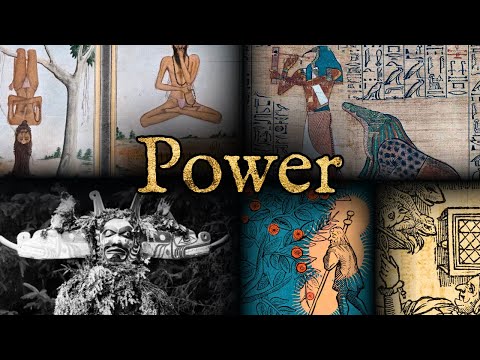
This concept of inherent power and agency resonates across various traditions. Consider the "mana" of Melanesia, the "orenda" of the Huron, the "heka" of ancient Egypt, the "dori" of Amazonian shamans, or the "qi" of Daoist philosophy. These terms, though distinct, point to a shared understanding of a pervasive spiritual force that permeates reality. This force isn't merely an abstract concept; it manifests in sacred sites, magical objects, and through principles like contagion, where proximity or shared essence facilitates influence.

The practice of magic often involves navigating these forces through various means. Shamanic initiation, for instance, is a path to spirit-bestowed power, while the concept of the "evil eye" speaks to innate human potency and the potential for influence, both positive and negative. Asceticism, yoga, and other forms of disciplined practice—seen in traditions like the cultivation of mystical abilities—are all methods of harnessing and directing these inherent energies. Ultimately, magic proposes a radically different understanding of reality, one where human beings actively participate in the deeper forces that shape existence.

The Flow of Power: Principles of Enchantment

The core of what we term "enchantment" lies in the understanding and manipulation of these pervasive forces. These are the fundamental principles that underpin magical practice across cultures and throughout history.

Mana, Orenda, Heka, Qi: Concepts of Spiritual Force

While the terminology differs, the underlying concept of an animating spiritual force is remarkably consistent:

* Mana (Melanesia): Often described as a supernatural force or energy that can be embodied in people, animals, objects, or places. It's associated with power, authority, and efficacy. * Orenda (Huron): Similar to mana, orenda is an invisible force believed to be inherent in all things, living or inanimate. It's the power that allows things to act and influence others. * Heka (Ancient Egypt): Heka was personified as a god and was the fundamental magical force that permeated creation. It was the power that allowed the gods to create and sustain the world, and humans to enact magic. * Qi (Daoism): Also known as "chi" or "prana" in other traditions, qi is the vital life force that flows through all things. Its harmonious movement is essential for health and well-being, and its directed manipulation is central to Daoist practices like acupuncture and Qigong.

These concepts suggest a universe not of inert matter governed by cold, indifferent laws, but one brimming with agency and responsive to human intent.

Sacred Sites and Magical Objects: Points of Power

The concept of "enchanted" often extends to locations and objects believed to be imbued with these forces. Sacred sites—ancient henges, ley lines, natural springs, or mountain peaks—are often seen as focal points where these energies are particularly potent or accessible. Similarly, magical objects, from wands and talismans to amulets and talismans, are imbued with intent and therefore considered conduits of this power. The principle of contagion, where an object that once had a connection to a person or place retains a link to it, further illustrates how these forces can be transferred and manipulated.

Shamanic Initiation and Spirit-Bestowed Power

A common thread in magical traditions is the concept of power being bestowed or awakened through specific experiences, often shamanic in nature. Shamanic initiation is a transformative process, frequently involving journeys to other realms, encounters with spirit guides, and ordeals that awaken latent abilities. This spirit-bestowed power is not merely learned; it is often perceived as a direct infusion of the animating force of the cosmos.

The Evil Eye and Innate Human Potency

Conversely, some traditions focus on the inherent, often involuntary, potency within humans. The belief in the "evil eye," for instance, suggests that a person's gaze or even their thoughts can inadvertently project harmful energy. This highlights a worldview where human consciousness and willpower are not confined to direct physical action but can actively influence the world around them through subtle energies.

Asceticism, Yoga, and Cultivation of Mystical Abilities

Across many cultures, practices like asceticism, yoga, and various forms of meditation are employed to cultivate, refine, and control these internal and external forces. These disciplines are not merely about physical or mental discipline; they are pathways to attuning oneself with the deeper energies of existence, enhancing perception, and developing what are often termed "mystical abilities"—forms of awareness and influence that transcend ordinary physical means.

Magical Causality and Participation in the Cosmos

At its heart, magic proposes a different understanding of causality. It’s not solely based on direct, observable physical actions leading to predictable outcomes. Instead, it embraces a principle of participation: human actions, focused intent, and symbolic representations can directly influence cosmic processes. This is where the idea of being "enchanted" or "enchanting" the world comes into play – it’s about aligning one's will and consciousness with the inherent energies of the universe, becoming an active participant rather than a passive observer.

This participatory relationship between magicians, spirits, and the divine is central. Magic traditions often depict a cosmos populated by various entities—spirits, elementals, deities—with whom interaction is possible and often necessary for magical work. The magician acts as a bridge, a conscious facilitator of these interactions, drawing upon and directing the flow of power.

Your Operation: Weaving Enchantment into Your Practice

Understanding these foundational principles of magical power and enchantment is crucial for any practitioner. The archetypal magician, far from being a relic of the past, represents a profound human impulse to engage with the living, participatory universe.

To truly weave enchantment into your practice, consider these points:

* Recognize the Agency: Acknowledge that the world around you is not inert. Everything—from stones and water to your own thoughts—possesses a form of agency or underlying energy. * Cultivate Your Intent: As the concept of "enchanted" suggests, power is often directed by focused will. Clarity of intention is paramount in any magical act. * Explore the Tools: Whether it's an object, a place, or a symbolic representation, understand how these tools act as conduits or focal points for magical energy. * Engage with Forces: Whether you conceptualize them as mana, qi, spirits, or cosmic energies, learn to perceive and work with these forces. This often involves developing your intuition and sensory awareness beyond the purely physical.

Arsenal of the Enchanter

* Essential: The Goetic Seals Generator - Need to work with the precise geometries of the Goetic entities? This app helps generate their seals with accuracy, ensuring that your invocation channels the correct energies. * Foundational Reading: *Magic: A History* by Chris Gosden. Provides an excellent overview of how magical worldviews have shaped human history. * Classic Text: *The Greek Magical Papyri in Translation* edited by Hans Dieter Betz. Offers direct insight into ancient magical practices and concepts of power. * Modern Understanding: *Condensed Chaos* by Phil Hine. A practical introduction to Chaos Magic, which emphasizes the fluid nature of belief and the power of individual will.

FAQ: Unraveling Enchantment

What does "enchanted" truly mean in a magical context?

In a magical context, "enchanted" refers to something or somewhere that has been imbued with magical energy or consciousness. This could be an object, a place, or even a person, making them a focal point or conduit for supernatural or hidden forces. It implies a shift from the mundane to the extraordinary through the application of magical principles.

How can I learn to perceive these hidden forces?

Perceiving hidden forces often involves developing your intuition and subtle senses. Practices like meditation, mindfulness, and specific energy-work exercises can help attune your awareness. Engaging with nature, observing the subtle shifts in environment and your own internal responses, can also be very revealing. It’s a gradual process of opening your perception beyond the purely physical.

Is magic about controlling these forces, or working with them?

While some traditions emphasize control, the more profound aspect of enchantment, and often magic itself, lies in working *with* these forces. It's about understanding their nature, aligning your intent with their flow, and becoming a participatory agent in the cosmic dance. Control can be a part of it, but harmonious collaboration is often more effective and sustainable.

Can everyday objects be enchanted?

Absolutely. The principle of contagion and the power of focused intent mean that almost any object can be enchanted. The key is the ritualistic act, the clarity of your desire, and the energy you invest in the process. A simple object, consecrated with purpose, can become a potent magical tool.

Why is understanding the history and philosophy of magic important for practice?

Understanding the historical and philosophical underpinnings provides context and depth to your practice. It reveals the underlying assumptions about reality that have informed magical traditions for millennia. This knowledge can prevent you from falling into superstition and instead ground your practice in a robust understanding of how magical worldviews propose reality operates.

About the author: Frater Alek0s is a veteran practitioner and researcher in the field of chaos magick. His work focuses on the practical and experimental application of occult techniques for self-development and reality exploration, demystifying esotericism for the modern practitioner.

Veredict: The Living Universe

The concept of enchantment is rooted in a worldview that sees the universe as alive, participatory, and imbued with forces that humans can interact with and influence. This isn't about superstition, but about a radically different epistemology—a way of knowing and being that acknowledges and engages with the deeper currents of existence. Understanding mana, orenda, heka, qi, and the principles of connection and agency allows us to move beyond a purely mechanistic view of reality towards one that is dynamic, responsive, and ultimately, magical. The magician, then, is not an outsider, but an integral part of this enchanted world, a conscious participant in its ongoing creation.


Referencias

  1. Carroll, P. J. (1987). Liber Null & Psychonaut. Weiser Books.
  2. Spare, A. O. (1913). The Book of Pleasure. Self-published.
  3. Hine, P. (1992). Condensed Chaos: An Introduction to Chaos Magic. New Falcon Publications.
  4. Crowley, A. (1904). The Book of the Law. Self-published.
  5. Sherwin, R. (2018). The Chaos Magic Handbook. CreateSpace.
  6. Kraig, D. M. (1988). Modern Magick: Eleven Lessons in the High Magickal Arts. Llewellyn Publications.
  7. Morrison, G. (2003). Pop Magic! The Art of Shaping Reality. Disinformation.
  8. DuQuette, L. M. (2003). The Chicken Qabalah of Rabbi Lamed Ben Clifford. Weiser Books.
  9. Webb, D. (2015). Chaos Magick: A Practical Guide. Self-published.
  10. Tyson, D. (2006). The Power of the Written Word. Llewellyn Publications.
  11. Bonewits, I. (1971). Real Magic. Creative Age Press.
  12. Greer, J. M. (2003). The New Encyclopedia of the Occult. Llewellyn Publications.
Thoth: The Ibis-Headed Architect of Wisdom, Magic, and Fate

Who is Thoth?  The Egyptian God of Writing, Magic, the Moon and Fate who Became Hermes Trismegistus


EMERALD TABLE — Grimoire Record Magitech
⚔️ TypeSpell
📅 Date2026-08-04
📜 FileMC-2026-0315
Difficulty★★★★☆ Avanzado
Read time17 min
🔗 Related AppGoetian Seals Generator
cha0smagicklabs.com — Digital Grimoire of Chaos Magick

In the grand tapestry of ancient Egypt, few deities command the mystique and enduring influence of Thoth. More than just a god, Thoth stands as the very embodiment of divine knowledge, the meticulous scribe of the cosmos, and the silent architect of fate. His legacy, originating from the sands of antiquity, transcends millennia, weaving through the fabric of Western esoteric traditions and continuing to resonate with modern practitioners seeking deeper understanding. If you are drawn to the currents of magic, hermetic philosophy, or the ancient pathways of wisdom, you are likely to find your journey intersecting with the profound influence of Thoth.

MagitechThe Origin and Evolution of Thoth

The exact genesis of Thoth remains shrouded in the mists of time, a characteristic that only deepens his enigmatic allure. Early Egyptian beliefs suggest his roots may lie in a lunar deity, a celestial observer charting the silent passage of night and the waxing and waning of the moon. This celestial connection imbued him with an association with cycles, rhythm, and the subtle influences that govern earthly affairs. As Egyptian civilization flourished, so too did the pantheon, and Thoth’s role expanded, solidifying his position as a pivotal figure. He transitioned from a lunar association to becoming the supreme mediator in divine disputes, the arbiter of justice (Ma'at), and the silent witness to the cosmic order. His profound intellect and role as the divine scribe led him to be recognized as the god of writing, language, knowledge, and, crucially, magic, or heka.

This mastery over the written word and the arcane arts made him indispensable. He was credited with recording the spells that aided Osiris in his resurrection, and he famously interceded in the tumultuous conflict between Horus and Set, ensuring a semblance of divine justice prevailed. His worship was particularly prominent in Hermopolis, where he was revered as the Lord of the Ogdoad—an assembly of eight primordial deities embodying the fundamental forces of creation. This multifaceted nature allowed him to absorb and transcend the limitations of a single domain, establishing him as a god of multifaceted wisdom.

Thoth's Syntheses: From Egyptian God to Hermetic Father

The true transcendence of Thoth’s influence is most powerfully illustrated through his syncretism with the Greek deity Hermes. As Greek and Roman cultures interacted with and absorbed elements of Egyptian civilization, their pantheons began to merge. The attributes of swiftness, communication, and wisdom embodied by Hermes found a natural resonance with Thoth. This fusion was not merely a renaming; it was a profound merging of divine essences, resulting in the legendary figure of Hermes Trismegistus—the Thrice Great Hermes.

Hermes Trismegistus became far more than just an Egyptian god or a Greek messenger; he was elevated to the status of a mythical sage and the founder of hermetic philosophy. His teachings, purportedly revealed to humanity, formed the bedrock of alchemy, astrology, and magic, shaping the philosophical landscape of Western esotericism for centuries. The iconic "Emerald Tablet," a foundational text of alchemy, is attributed to him, purportedly containing the summation of all knowledge: "As above, so below." In this profound sense, Thoth, through his Greek counterpart, did not merely survive the decline of classical Egyptian theology—he became its enduring avatar, a living testament to the power of knowledge, the efficacy of magic, and the immutable nature of fate.

The Role of Heka (Magic) in Thoth's Domain

For practitioners deeply immersed in the arcane arts, Thoth's connection to heka—the Egyptian concept of magic—is paramount. It’s crucial to understand that Egyptian magic, as embodied by Thoth, was not about incantations for personal gain in a superficial sense. Instead, heka was understood as the fundamental divine force that permeated creation, the underlying language and power through which the cosmos was spoken into existence. Thoth, as the divine scribe and architect of this cosmic language, was the master of heka.

His role in magical practices was often that of a patron or a guide. When rituals or spells were performed, invoking Thoth was a way to tap into the underlying principles of magical efficacy. He represented the clarity of intent, the precision of language, and the power of symbolic representation—all vital components of effective magical work. For those drawing sigils, crafting talismans, or performing complex divinatory rites, Thoth’s association with writing and knowledge made him a natural deity to call upon for precision and success. The meticulous nature of creating sacred texts or symbols mirrors Thoth’s own role as the divine record-keeper.

Thoth, Fate, and the Cosmic Order

Beyond wisdom and magic, Thoth held dominion over fate. This aspect of his divinity speaks to his role as the cosmic accountant, the deity who recorded and perhaps even guided the unfolding of destiny. In ancient Egyptian thought, fate was not a rigid, inescapable chain of events, but rather a complex interplay of divine will, human action, and cosmic patterns. Thoth, as the god of writing and knowledge, was the one who inscribed these patterns, who understood the celestial mechanics that governed cause and effect.

This understanding of Thoth as a keeper of fate offers a unique perspective for modern practitioners. It highlights the importance of understanding the underlying currents that influence manifestation. Whether one is working with astrological timings, lunar cycles, or even digital tools, recognizing the principle of cosmic order that Thoth represents can lend depth to one's practice. The idea that our desires, when properly articulated and charged with intent, can be "written" into the fabric of reality is a central tenet that resonates with Thoth's domain. This connection is particularly potent when dealing with tools that represent codified intent, such as sigils, or when seeking to align one's actions with auspicious timings.

Thoth in Modern Esoteric Practice

The enduring legacy of Thoth means that his influence is deeply felt within contemporary occult and esoteric circles. For many, he is revered not just as an ancient deity but as a living archetype—the God of Wisdom, the ultimate communicator, and the patron of all who seek knowledge and mastery over the hidden arts.

Practitioners often invoke Thoth for clarity in thought, inspiration in writing, and precision in magical workings. His association with the moon also connects him to intuitive practices, divination, and the cyclical nature of manifestation. In technomancy, where digital tools are used for magical ends, Thoth’s role as the divine scribe and patron of writing is particularly relevant. The precise coding required for sigil generators, the structured logic of divination software, or even the creation of digital talismans can be seen as modern manifestations of Thoth’s ancient domain.

When working with complex symbolic systems or seeking to imbue digital creations with magical intent, calling upon Thoth can provide the necessary focus and precision. His embodiment of knowledge makes him an ideal invoked entity for anyone seeking to understand intricate magical systems or to effectively translate their will into a desired outcome. The very act of understanding and disseminating esoteric knowledge, as we do on this platform, is a practice that aligns perfectly with the Thothian archetype.

The "Thothful" Nature of Inquiry

The resonance between the sound of "Thoth" and the English word "thought" is not merely a linguistic coincidence; it underscores a deep connection between the deity and the very act of cognition and ideation. This is a concept that has not gone unnoticed by those who study him. A truly "Thothful" approach to inquiry involves a deep dive into understanding, a meticulous examination of evidence, and a commitment to uncovering the underlying principles. It is about engaging with knowledge not just passively, but actively—questioning, analyzing, and synthesizing information to arrive at a deeper truth.

This method of inquiry is fundamental to the spirit of exploration found within the hermetic traditions that Thoth helped to inspire. It means approaching esoteric subjects with rigor, acknowledging their complexity, and appreciating the multifaceted nature of divine principles. It's about moving beyond simplistic definitions to grasp the subtle nuances and interconnectedness of various occult sciences. A "Thothful" mind is one that seeks not just answers, but understanding, and recognizes that true wisdom often lies in the journey of discovery itself, a journey Thoth intimately understands and guides.

Thoth and the Ogdoad of Hermopolis

The significance of Thoth's association with the Ogdoad of Hermopolis cannot be overstated. This group of eight primordial deities represented the fundamental, chaotic forces that existed before creation—the very potencies of the unformed abyss. Within this primeval assembly, Thoth played a crucial role, often depicted as both a member and the architect of the cosmic order that emerged from this chaos. The Ogdoad typically included deities representing concepts like darkness, watery abyss, infinity, and hiddenness, which were essential for the emergence of light and form.

Thoth's presence within this group signifies his deep connection to the very source of creation. He was not merely a god who appeared after the world was made; he was instrumental in the process of its making. As the divine scribe and the embodiment of cosmic intellect, he understood the blueprint of existence. His role within the Ogdoad highlights his function as a mediator between the formless void and the manifested reality, a theme that echoes throughout hermetic philosophy. Understanding this connection provides a profound insight into Thoth's power as a god of creation and order, capable of bringing structure and meaning to even the most fundamental forces.

Thoth's Enduring Impact on Hermeticism

The fusion of Thoth with the Greek Hermes to form Hermes Trismegistus marked a pivotal moment in the history of Western esoteric thought. Hermes Trismegistus became the legendary progenitor of hermeticism, a philosophical and spiritual tradition that has profoundly influenced alchemy, astrology, magic, and Kabbalah. The "Corpus Hermeticum," a collection of philosophical and religious writings attributed to Hermes Trismegistus, served as a primary source of inspiration for Renaissance thinkers and occultists alike.

These texts delve into profound concepts such as the nature of God, the cosmos, the human soul, and the hidden principles of the universe. The famous Hermetic axiom, "As above, so below," encapsulates the core belief in the interconnectedness of all things, from the celestial realms to the earthly plane. Thoth, through Hermes Trismegistus, provided the foundational knowledge and the archetypal figure for this entire lineage of wisdom. His influence is not confined to ancient history; it is alive in the very foundations of modern occult practice, offering a continuous thread of esoteric understanding that connects the ancient world to our own.

FAQs About Thoth

What are the main domains associated with Thoth?

Thoth is primarily associated with wisdom, writing, magic (heka), the moon, knowledge, scribal arts, judgment, fate, and creation. He was also recognized as the mediator of divine disputes and the scribe of the gods. His synthesis with Hermes Trismegistus also links him to hermetic philosophy, alchemy, and astrology.

How did Thoth become Hermes Trismegistus?

During the Greco-Roman period, Egyptian and Greek cultures intermingled. The attributes of the Greek god Hermes, who was associated with communication, travel, and intellect, were found to be highly compatible with those of Thoth. This led to a syncretism where the two deities were merged into a single, composite figure known as Hermes Trismegistus, meaning "Hermes the Thrice Great." This figure became the legendary founder of hermetic philosophy.

What is the significance of Thoth's association with the ibis and baboon?

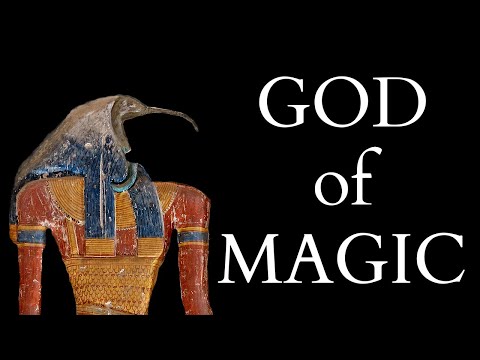
Thoth was most commonly depicted as an ibis-headed man or as a baboon. The ibis, with its distinctive curved beak, was thought by some to resemble a scribe's stylus or stylus and palette, symbolizing his role as the divine writer. The baboon form, often depicted in a contemplative or watchful posture, represented his wisdom and his connection to the dawn and the sun's cycle, aligning with his nocturnal and lunar associations.

Can Thoth be invoked in modern magic?

Absolutely. Thoth is a widely invoked deity in many modern magical traditions, particularly those influenced by hermeticism and chaos magic. Practitioners often call upon him for clarity of thought, inspiration, success in writing or creative endeavors, precision in spellcasting, and guidance in understanding complex magical principles. His association with heka makes him a natural patron for magicians.

What is the connection between Thoth and "fate"?

Thoth’s role as the divine scribe extended to recording and understanding the unfolding of destiny. He was seen as the keeper of cosmic records and the arbiter of judgment. This means he was not just writing down events, but also understanding the intricate mechanisms of cause and effect that shape them. For practitioners, this aspect of Thoth highlights the importance of intention, precise articulation of desires, and understanding the underlying order when working with manifestation or divination.

How does Thoth relate to the concept of "thought"?

The similarity between the name "Thoth" and the English word "thought" is often noted. This phonetic echo underscores his primary association with intellect, wisdom, and cognition. He represents the divine spark of ideation, the power of language to shape reality, and the meticulous process of knowledge acquisition and dissemination. To be "Thothful" is to engage in deep, deliberate, and insightful thinking, characteristic of his divine nature.

What was the Ogdoad of Hermopolis?

The Ogdoad of Hermopolis was a group of eight primordial deities in ancient Egyptian religion, representing the fundamental forces of chaos and the unformed state of the universe before creation. Thoth was a key member of this group, often depicted as the intellect that brought order to this primordial chaos, enabling creation to occur. Their existence highlights Thoth's role not just as a god of existing knowledge, but as a force behind the very act of creation and the establishment of cosmic order.

The Scholar's Toolkit: Essential Resources

To truly delve into the profound depths of Thoth requires diligent study and a commitment to exploring the myriad facets of his influence. While direct experiential work is paramount, understanding his historical and philosophical context is invaluable. Access to reliable texts and tools can significantly enhance one's practice and comprehension. The journey into esoteric knowledge is often facilitated by having the right resources at hand, allowing for deeper exploration and more precise application of learned principles.

When precision in magical creation and understanding of complex symbolic systems is required, a well-crafted tool can be indispensable. The meticulous nature of Thoth's domain, from cosmic decrees to the precise articulation of spells, mirrors the need for accuracy when working with potent magical constructs. This is where specialized applications can serve as modern extensions of ancient practices, automating complex processes and allowing the practitioner to focus on the core magical intent and gnosis.

For those seeking to master the creation and charging of complex magical symbols, especially those with a focus on intricate design and efficient generation, a dedicated digital tool can prove invaluable. The challenges of manually creating such symbols, ensuring symmetry, accuracy, and rapid generation for effective charging, can be a significant hurdle. Many practitioners find that manual methods are time-consuming and prone to error, detracting from the crucial elements of intent and gnosis.

This is precisely where reliable digital assistance becomes a boon. By automating the complex creation of symbols, these tools free up the practitioner's mental energy to focus on the crucial aspects of magical work: the clarity of intention and the achievement of a state of gnosis. The modern practitioner, much like ancient scribes meticulously detailing sacred texts, can leverage technology to enhance their arcane endeavors. The goal is to ensure the magical construct is as potent and precise as possible, facilitating the manifestation of will.

For instance, when working with the foundational principles of hermeticism or symbolic magic, the creation of precise sigils or talismans is often a key component. Imagine the challenge of manually designing a complex sigil, ensuring perfect balance and form, only to have a slight miscalculation disrupt its energetic integrity. The desire for efficiency and accuracy in such craft is a constant for dedicated practitioners.

Fortunately, the digital age offers solutions. Tools designed for the modern magician can help streamline these processes. For example, crafting intricate symbolic representations for magical purposes can be greatly aided by specialized software. One such tool that proves exceptionally useful for practitioners who appreciate precision and symbolic depth is the Goetian Seals Generator. This application is designed to assist in the creation and understanding of complex symbolic forms, allowing users to generate and explore various designs with ease.

By utilizing such a resource, practitioners can save considerable time and effort, ensuring that their symbolic creations are as potent and aesthetically aligned with their magical intent as possible. This allows for greater focus on the deeper, more esoteric aspects of the work. Relying on such assistive technologies is not a dilution of magical practice but a strategic adaptation, ensuring that the core of the work—intent and gnosis—remains paramount.

Visualizations and Symbolism

Thoth's iconography is rich with symbolism, offering further layers of understanding for the practitioner. His most common forms—the ibis and the baboon—are not arbitrary choices but are imbued with deep meaning relevant to his domains.

The ibis, a wading bird often seen probing the mud with its long beak, was seen as a natural scribe. Its hunting method of carefully examining the ground for sustenance was likened to the meticulous process of recording knowledge. The curved beak itself was sometimes interpreted as representing a stylus, and the bird's association with the dawn and the moon linked it to cycles of revelation and hidden knowledge. The ibis's ability to navigate both water and land also symbolized Thoth's role as a mediator between different realms—the physical and the divine, the known and the unknown.

The baboon, another form associated with Thoth, is often depicted in a seated, contemplative posture, gazing towards the rising sun. This imagery connects Thoth to the dawn, the beginning of creation, and thus to his role as a god of creation and renewal. Baboons were also seen as intelligent and social creatures, reflecting Thoth's association with wisdom, communication, and the ordering of society. Their nocturnal activity also reinforced his lunar connections. In some depictions, baboons are shown raising their hands in adoration of the sun, linking them to solar worship and the divine light of knowledge.

These symbolic animal forms are not mere decorations; they are visual keys that unlock deeper aspects of Thoth’s nature, reminding practitioners of his multifaceted powers and his intimate connection to the natural world and the cycles of existence.

Thoth in Daily Practice

For the modern practitioner, Thoth offers a wellspring of practical inspiration that can be integrated into daily life. Beyond grand rituals, his influence can be found in the mindful application of knowledge and the precise articulation of intent.

Consider your own daily interactions with language and information. Every written word you produce, every piece of knowledge you acquire, every decision you make based on reasoned thought can be seen as a subtle invocation of Thothian principles. To approach these activities with a sense of sacredness—treating writing as a form of spellcraft, research as a quest for divine knowledge, and decision-making as an act of inscribing one’s fate—elevates the mundane into the magical.

When you are faced with a complex task, a challenging piece of writing, or the need for clarity in communication, consciously invoke Thoth: "By the wisdom of Thoth, grant me clarity of thought and precision of expression." This simple act can shift your mindset, aligning your energy with his archetypal domain. Similarly, when engaging in practices like journaling, charting lunar phases, or even organizing your digital files, you are, in essence, participating in the Thothian practice of ordering and recording.

The development of structured thought processes, the pursuit of disciplined learning, and the careful crafting of communication are all pathways that honor Thoth. He reminds us that knowledge is power, but wisdom is the skillful application of that power. By cultivating these habits, we not only enhance our personal and magical lives but also actively participate in the enduring legacy of this ancient and profound deity.

About the author: Frater Alek0s is a veteran practitioner and researcher in the field of chaos magick. His work focuses on the practical and experimental application of occult techniques for self-development and reality exploration, demystifying esotericism for the modern practitioner.

Conclusion: The Everlasting Scribe

Thoth stands as a testament to the enduring power of intellect, the sacredness of language, and the fundamental role of magic in shaping reality. From his origins as an ibis-headed deity in the fertile lands of ancient Egypt to his apotheosis as Hermes Trismegistus, the father of hermetic philosophy, his influence has been profound and pervasive. He is the divine scribe who records the decrees of fate, the patron of wisdom who illuminates the path of knowledge, and the master of heka who understands the very fabric of creation.

For the magician, the philosopher, or indeed any seeker of truth, Thoth offers a powerful archetype. He encourages precision in intent, diligence in study, and reverence for the power of articulated thought. His presence reminds us that the universe is, in many ways, a sacred text, and that by understanding its language, we can indeed learn to write our own destinies. As long as humanity continues to seek knowledge, to communicate, and to engage with the mysterious forces that govern existence, the spirit of Thoth will continue to guide and inspire.


Referencias

  1. Cunningham, S. (1988). Wicca: A Guide for the Solitary Practitioner. Llewellyn Publications.
  2. Conway, D. J. (2002). Moon Magick: Myth & Magic, Crafts & Recipes, Rituals & Spells. Llewellyn Publications.
  3. Grimassi, R. (2000). Encyclopedia of Wicca & Witchcraft. Llewellyn Publications.
  4. Kynes, T. (2016). Lunar Living: Working with the Magic of the Moon Cycles. Llewellyn Publications.
  5. McCoy, E. (1995). The Witch's Circle: A Modern Practitioner's Guide to the Old Ways. Llewellyn Publications.
  6. Dugan, E. (2006). The Moon: Myth and Image. Four Winds Press.
  7. Matthews, C. (2002). The Celtic Tradition. Element Books.
  8. Beyer, R. (2000). The Goddess and the Moon. Llewellyn Publications.
  9. Bord, J. (1974). The Secret Country. Paul Elek.
  10. Campanelli, P. (2005). The Wheel of the Year. Llewellyn Publications.
  11. Farrar, J. (1984). The Witches' God: Lord of the Dance. Robert Hale.
  12. Franklin, A. (2008). The Art of Lunar Magick. Llewellyn Publications.

Egyptian Magic: The Cosmic Force You've Forgotten

Egyptian Magic is not what you think


EMERALD TABLE — Grimoire Record Magitech
⚔️ TypeSpell
📅 Date2026-07-26
📜 FileMC-2026-0265
Difficulty★★★☆☆ Intermedio
Read time9 min
🔗 Related AppGoetian Seals Generator
cha0smagicklabs.com — Digital Grimoire of Chaos Magick

The ancient Egyptians conceived of *magic* not as a separate discipline, but as the fundamental life force that birthed and sustained their entire universe. Their god of magic, Heka, was not a mere deity among many, but the very essence of creation, existing before the gods and imbuing the world with its breath. This profound understanding of a cosmic, all-pervasive power is the true history of ancient Egyptian magic, a concept vastly different from our modern interpretations.

MagitechThe Primacy of Heka: God of Magic, God of Creation

While figures like Thoth or Anubis might be more recognizable today with their iconic animal heads, Heka, the god of magic, often remains unseen. His depiction varied, and sometimes, he wasn't depicted at all, represented solely by hieroglyphs signifying egyptian magic. This subtlety, this all-encompassing nature, is precisely why Heka is less known than other deities. He wasn't a specific roleplayer like a god of wisdom or a trickster. Heka *was* the cosmic life force. In the ancient Egyptian language, the word for "magic" and "magician" was the same: Heka.

This isn't just the story of a forgotten god; it's the history of how the ancient Egyptians perceived the underlying power of reality. From birth to law, medicine to government, and even death, Heka's influence was believed to permeate every facet of existence.

Tracing Heka Through Time

The earliest references to Heka appear in the tomb of Pharaoh Sahure, dating back to approximately 2500 BC. Here, Heka is depicted leading other gods, presenting offerings to the king. Around the same period, a group of physicians were known as "priests of Heka," highlighting the direct link between healing and this divine magical force.

By 2000 BC, the magical significance of Heka is further elaborated in the Coffin Texts. These spells, intended to aid the deceased in the afterlife, reveal Heka's supreme position: "I am the son of him who gave birth to the universe. I cause the other gods to live. I have seated myself as lord of kas, for to me belong the universe before you gods came into being. I am Heka."

When the creator god Ra-Atum conceived the world, Heka already existed. It was Heka who infused the sacred words, the "hu" (or *logos*), with their creative power, causing them to breathe life into existence. This explains why the gods who came into being after him would tremble in his presence. Heka originated of himself, the architect who formed the mountains and wove the fabric of the heavens.

The Cosmic Principle of Heka

The hieroglyph for Heka often depicts two hands pointing towards the sky, signifying his celestial origin and his role in the creation of the cosmos. This symbol isn't just a representation but a testament to his fundamental nature: the origin of all things, the divine spark that animates existence.

The ancient Egyptian understanding of egyptian magic was thus rooted in a holistic worldview. Magic wasn't an arcane art practiced in secret by a select few. It was the inherent energetic principle of the universe, accessible and influential in all aspects of life. The gods themselves operated through Heka, and mortals, through priests and spells, could tap into this cosmic force.

Heka's Role in Creation and Sustenance

The genesis of the universe, according to Egyptian cosmology, was inextricably linked to Heka. The creator god Ra-Atum brought forth the world, but it was Heka who gave life and power to the divine utterances and concepts that formed reality. This implies that Heka was not merely a passive entity but an active participant in, and perhaps even the ultimate source of, all creation.

His function extended beyond mere creation; Heka was also responsible for the *sustenance* of the universe. This means that the ongoing order, the celestial movements, the cycles of life and death, were all underwritten by this divine magical force. The other gods, powerful as they were, derived their authority and efficacy from Heka.

Heka's Pervasive Influence

The concept of Heka permeated every layer of ancient Egyptian society and belief:

* Religion and Cosmology: Heka was the primordial force, the "firstborn of all the Egyptian gods" by whom the universe was made and sustained. He predated other deities and was the source of their creative power. * Medicine: Doctors were described as "priests of Heka," indicating that healing was seen as a manifestation of magical power. Illness was likely understood as a disruption of cosmic order, which could be rectified through Heka's influence. * Law and Governance: The stability of the state and the enforcement of laws were also considered to be within Heka's domain. Maintaining cosmic balance extended to maintaining social order. * Death and the Afterlife: The Coffin Texts and other funerary literature reveal Heka's crucial role in the journey to the afterlife, ensuring the deceased's continued existence and power. * Everyday Existence: From the rituals performed daily to the fundamental understanding of the world, the pervasive nature of Heka meant that magic was not an external force but an intrinsic part of life.

Understanding Ancient Egyptian Magic Today

To truly grasp ancient egyptian magic, we must move beyond modern notions of spells and enchantments as mere parlor tricks or esoteric secrets. It was a fundamental understanding of the universe's energetic blueprint. Heka was not just a god; he was the principle of magic itself, the animating force that shaped reality.

This is why Heka's presence might be felt more than seen. His power was so fundamental that it was woven into the fabric of existence, present in the sacred words, the actions of the gods, and the very flow of life.

Heka and the Concept of "Hu"

The sacred words, or "hu," were considered potent forces in ancient Egypt. When Ra-Atum spoke them, they held the potential for creation. It was Heka who bestowed these words with their genuine creative power, giving them the ability to manifest and sustain. This highlights the intimate connection between divine utterance, magical force, and the act of creation itself.

The Fear of Heka

The other gods, who came into being after him, feared Heka. This fear stemmed not from malice, but from recognition of his supreme power and primordial authority. He was the source from which they arose, and his influence was absolute. This awe was fundamental to the Egyptian understanding of the cosmos.

The Legacy of Heka

While Heka may not be as widely recognized as Bastet or Osiris, his presence is deeply embedded in the very concept of egyptian magic. The ancient Egyptians believed that the universe was alive with a dynamic, creative force – a force that governed existence from the grandest cosmic scales to the most intimate personal experiences.

This force was Heka. By understanding Heka, we gain a profound insight into the Egyptian worldview, where magic was not an extraordinary deviation from the norm, but the fundamental energy that animated and sustained everything.

FAQ: Heka and Egyptian Magic

What is Heka in ancient Egyptian mythology?

Heka is the ancient Egyptian god of magic. More profoundly, his name encapsulates the concept of magic itself, representing the primordial cosmic force by which the universe was created and is sustained.

Why is Heka considered the most important god?

Heka is considered the "firstborn of all the Egyptian gods." He existed before other deities and was responsible for giving creative power to the sacred words uttered by the creator god Ra-Atum. His power was so fundamental that it underpinned the existence and authority of all other gods.

How did Heka influence daily life in ancient Egypt?

The ancient Egyptians believed Heka's influence permeated every aspect of existence, including religion, cosmology, medicine, law, governance, and the afterlife. Doctors were "priests of Heka," and rituals were performed to harness this cosmic life force for healing, protection, and prosperity.

Is Heka related to other magic deities like Hecate?

While there is no direct etymological link, Hecate, a Greek goddess associated with magic, witchcraft, and the night, shares thematic similarities with Heka in her association with profound, often hidden, magical power. Both represent potent forces that shape reality and influence human affairs.

How did the ancient Egyptians view "magic" differently from us?

The ancient Egyptians viewed magic (Heka) as the fundamental, inherent life force of the universe, the principle of creation and sustenance that governed all reality. It was not separate from religion, science, or governance, but an intrinsic part of them. This contrasts with modern Western views, where magic is often seen as a distinct, often fringe, practice separate from mundane reality.

How was Heka depicted?

Heka's depiction varied. Sometimes he was shown as a human with regal attributes, other times with animal features, and often he was not depicted visually but referred to through hieroglyphs that represented the concept of magic itself. His abstract nature meant his visual representation was less important than his conceptual power.

What is the connection between Heka and the "hu" (sacred words)?

Heka is credited with bestowing creative power upon the "hu" – the sacred words or divine utterances. This means that for ideas or commands to manifest into reality, they needed the magical essence provided by Heka.

What can we learn from Heka about ancient Egyptian beliefs?

Studying Heka reveals that the ancient Egyptians possessed a sophisticated understanding of a universal, animating energy. Their worldview was deeply magical, seeing divine power not as external intervention but as the fundamental operational principle of existence.

Arsenal of the Mage

* Essential: Goetian Seals Generator — Generate specific seals, understand their energies, and incorporate them into your own magical workings. * Recommended: "The Ancient Egyptian Book of the Dead" or translations of spell texts like the Coffin Texts. * Contextual: Works by scholars such as Ritner, Meyer, and Austin on ancient Egyptian magic and religion.

About the author: Frater Alek0s is a veteran practitioner and researcher in the field of chaos magick. His work focuses on the practical and experimental application of occult techniques for self-development and reality exploration, demystifying esotericism for the modern practitioner.

Your Operation

Engage with the concept of Heka by reflecting on the fundamental forces that underpin your own reality. 1. Identify a Core Desire: What is a deep-seated desire or intention you hold? 2. Codify its Essence: Without resorting to literal words or images, try to represent the *feeling* or *essence* of this desire through a simple symbol or gesture. This is akin to how the Egyptians viewed the abstract power of Heka. 3. Meditate on the Source: Consider this essence not as a goal to be achieved, but as a cosmic principle that already exists. Reflect on how this principle, if manifested, would sustain and shape your reality. This is a contemplation of the "hu" – the power of the word. 4. Release the Concept: As with the Egyptian concept of Heka being inherent, let go of the need to "force" this desire. Understand that its potential exists.

This exercise is not about creating a traditional sigil, but about grasping the Egyptian mindset where magic was not merely an action, but the inherent nature of existence itself.


Referencias

  1. Carroll, P. J. (1987). Liber Null & Psychonaut. Weiser Books.
  2. Spare, A. O. (1913). The Book of Pleasure. Self-published.
  3. Hine, P. (1992). Condensed Chaos: An Introduction to Chaos Magic. New Falcon Publications.
  4. Crowley, A. (1904). The Book of the Law. Self-published.
  5. Sherwin, R. (2018). The Chaos Magic Handbook. CreateSpace.
  6. Kraig, D. M. (1988). Modern Magick: Eleven Lessons in the High Magickal Arts. Llewellyn Publications.
  7. Morrison, G. (2003). Pop Magic! The Art of Shaping Reality. Disinformation.
  8. DuQuette, L. M. (2003). The Chicken Qabalah of Rabbi Lamed Ben Clifford. Weiser Books.
  9. Webb, D. (2015). Chaos Magick: A Practical Guide. Self-published.
  10. Tyson, D. (2006). The Power of the Written Word. Llewellyn Publications.
  11. Bonewits, I. (1971). Real Magic. Creative Age Press.
  12. Greer, J. M. (2003). The New Encyclopedia of the Occult. Llewellyn Publications.