Saltar al contenido principal

Anuncio Superior

Mostrando entradas con la etiqueta servitors. Mostrar todas las entradas

El Verdadero Significado de la "Nobleza" y Por Qué el Concepto Tradicional es un Obstáculo Mágico

La Noble Mantis De La Suerte es mala y te explico porque.


TABLA ESMERALDA — Ficha del Grimorio Sigil
⚔️ TipoRitual
📅 Fecha2026-08-10
📜 ExpedienteMC-2026-0351
Dificultad★★★☆☆ Intermedio
Lectura8 min
🔗 App relacionadaGenerador de Sellos Goetianos
cha0smagicklabs.com — Grimorio Digital de Magia del Caos

El concepto de "noble" evoca imágenes de linaje, virtud inquebrantable y acciones que inspiran admiración. Sin embargo, si nos adentramos en su esencia, especialmente desde una perspectiva mágica y práctica, descubriremos que la nobleza como se entiende comúnmente puede ser, de hecho, un ancla que nos impide alcanzar nuestro verdadero potencial. Aquí desentrañaremos por qué la búsqueda de una "nobleza" rígida es un espejismo y cómo liberarse de esta atadura puede ser el primer paso hacia una práctica mágica más auténtica y efectiva.

La palabra "noble" proviene de raíces que remiten a un alto rango social, a la virtud moral o a algo digno de admiración. Sin embargo, la aplicación de estos significados en la magia puede generar una serie de trampas conceptuales que limitan nuestra capacidad de manifestar resultados tangibles.

SigilLa Nobleza como Estructura Social y Mágica

Históricamente, el término "noble" ha estado intrínsecamente ligado a la aristocracia y a la élite social. Como señala el diccionario de Wikipedia, los nobles poseían privilegios y un estatus heredado, no necesariamente ganado por mérito o virtud intrínseca. Desde una perspectiva mágica, esta asociación es problemática. Nos enseña a buscar validación externa, a esperar que nuestro poder o nuestro derecho a manifestar nos sea otorgado por una autoridad superior, ya sea terrenal o espiritual. Esta dependencia del exterior es el antídoto perfecto para la autonomía y la auto-creación que son pilares de la magia moderna.

La definición de Cambridge nos presenta dos caras: la moralmente alta y la de alto rango social. Si bien aspirar a la virtud es encomiable, la magia del caos nos enseña que *creemos* nuestra propia moralidad, en lugar de adherirnos a un código preestablecido. La "nobleza moral" puede convertirse en una jaula cuando se interpreta como un conjunto de reglas rígidas sobre lo que es "correcto" o "incorrecto". En la práctica mágica, la intención prima sobre la moralidad impuesta. Un acto que podría considerarse "no noble" desde una perspectiva convencional puede ser éticamente justificado dentro de un sistema mágico si sirve a la intención del practicante y no causa un daño desproporcionado.

La Trampa de la "Buena Intención" y los Servidores

La idea de que nuestras acciones deben ser "nobles" o "virtuosas" a menudo se traduce en la creencia de que los resultados mágicos *deben* ser positivos o moralmente aprobados. Esto es particularmente peligroso cuando trabajamos con entidades, como los servitors.

Muchos practicantes novatos, al intentar crear o interactuar con un servidor, se debaten con la idea de que esta entidad debe ser "buena" o dedicada a propósitos "nobles". Si un servidor, diseñado para atraer fortuna, comienza a manifestar resultados de maneras inesperadas o que rozan lo ambiguo, el practicante puede entrar en pánico, interpretando que la entidad se ha "contaminado" o está actuando de forma "no noble". Este es uno de los errores más comunes.

Un servidor, como cualquier herramienta mágica, es una extensión de tu intención y voluntad. Si tu intención era atraer fortuna, y el servidor está logrando ese objetivo de maneras que tú no anticipaste (quizás atrayendo energía que se siente negativa *temporalmente* para luego generar un resultado positivo), no está actuando de forma "mala". Está cumpliendo su función. La "contaminación" no es un concepto aplicable a un programa energético diseñado por ti. La percepción de que algo es "malo" o "no noble" a menudo proviene de nuestro propio sesgo moral y expectativas preconcebidas.

La Corporación Noble, por ejemplo, opera en la industria de perforación, una actividad que puede verse como controvertida desde perspectivas ambientales. Sin embargo, su misión declarada es "impulsar el mundo de manera responsable". Esto ilustra cómo incluso en contextos muy terrenales, la "nobleza" puede ser una cuestión de perspectiva y justificación interna, más que de una verdad universal. En magia, esta flexibilidad es esencial.

Liberando la Voluntad del Dogma "Noble"

La magia poderosa reside en la capacidad de moldear la realidad según tu voluntad, sin las restricciones impuestas por códigos de conducta ajenos a tu propósito.

* Rechaza la moralidad impuesta: Tu ética mágica la defines tú. Si un acto es necesario para tu objetivo y has sopesado las consecuencias, la duda moral sobre su "nobleza" es un obstáculo. * Abraza la ambigüedad: La realidad no es blanco o negro. Los resultados mágicos pueden ser complejos, y lo que parece negativo al principio puede ser un catalizador de un cambio positivo. No deseches una manifestación porque no encaja en tu idea preconcebida de lo "noble". * Enfócate en la intención y el resultado: La pregunta clave no es si tu sigilo o tu servidor actúan de manera "noble", sino si cumplen la intención para la que fueron creados y si el resultado final es el deseado.

El Servidor de "La Noble Mantis De La Suerte"

El caso de la "Mantis de la Suerte" que se menciona en los comentarios es un perfecto ejemplo. Los practicantes se dividen: algunos ven beneficios, otros temen la "contaminación" o que la entidad actúe de forma "no noble". La clave aquí es entender que si esa entidad, tal como fue diseñada o se manifestó, está trayendo fortuna a algunos, entonces *está funcionando*. El temor a lo "no noble" puede ser precisamente lo que esté bloqueando a otros.

Si estás trabajando con un sigilo, un talismán, o una entidad como esta, y notas que algo *aparentemente negativo* está ocurriendo antes de la manifestación deseada, no asumas que es un error o una "maldición". Podría ser simplemente parte del proceso. La fortuna, la riqueza, el éxito a menudo requieren que removamos obstáculos, y a veces esos obstáculos no son agradables de confrontar.

Tu Operación: Desmantelando el Mito de la Nobleza

Para desmantelar las trampas de la "nobleza" en tu práctica, considera lo siguiente:

1. Define tu Intención Clara: Más allá de "ser noble", ¿qué buscas manifestar? Sé específica. Si es suerte, ¿qué tipo de suerte? ¿Financiera, relacional, de oportunidades? 2. Crea o Adapta tu Herramienta: Si estás usando un sigilo o servidor existente, como la "Mantis de la Suerte", obsérvalo sin juicios. ¿Qué está haciendo? ¿Qué *parece* estar ocurriendo? No interpretes, solo observa. 3. Permite Resultados Ambigüos: Si estás creando tu propia herramienta, prepárate para que los resultados no sean "perfectos" según los estándares convencionales. La magia es un proceso de moldear la realidad, que a menudo es desordenada. 4. Reconfigura tu Entendimiento de "Éxito Mágico": El éxito no es la ausencia de adversidad percibida, sino la consecución de tu voluntad. Si algo se manifiesta, y esa manifestación te acerca a tu objetivo, entonces, desde una perspectiva mágica, ha sido un "éxito".

Arsenal del Mago

* Esencial: Generador de Sellos Goetianos — Aunque el nombre sugiere un enfoque específico, la lógica detrás de la creación de sellos, que es codificar energía y forma, es análoga a la creación de cualquier sigilo o sigilo de servidor. Te permite experimentar con la codificación de intenciones complejas en formas simbólicas. * Lectura Clave: *Liber Null & Psychonaut* de Peter J. Carroll. Un texto fundamental para entender la filosofía práctica detrás de la magia del caos, que desafía las nociones convencionales de bien y mal. * Herramienta de Reflexión: Un diario mágico donde anotes tus intenciones, tus creaciones, y los resultados observados, anotando cualquier "anomalía" sin juicio inicial.

La verdadera nobleza en la magia no reside en adherirse a un código moral externo, sino en la valentía de perseguir tu voluntad, la sabiduría de observar los resultados sin miedo, y la autonomía de definir tu propio camino en la manifestación.

Preguntas Frecuentes

¿Significa que no debo tener ética en magia?

No, de ninguna manera. Significa que tu ética debe ser tuya, basada en tu propia experiencia, tu comprensión de las consecuencias (dentro de tu propio marco de referencia), y tu intención. La ética impuesta desde fuera, sin una comprensión personal de su aplicación en tu trabajo mágico, se convierte en una restricción en lugar de una guía.

¿Cómo distingo entre un resultado ambigüo y un servidor "contaminado" o que actúa "mal"?

La clave está en la intención original y en la observación desprovista de juicio. Si un servidor está manifestando algo que te acerca a tu objetivo, está funcionando. Si notas que está actuando de maneras que *contradicen directamente* tu intención original o que están causando un daño desproporcionado e innecesario que sabotee tu meta, entonces puede haber un problema en la programación o en la forma en que estás interactuando con él. Pero la "contaminación" o el "mal" son interpretaciones humanas.

¿La "Mantis de la Suerte" es un ejemplo de magia "noble" o "no noble"?

La pregunta en sí misma es el nudo gordiano. Si la "Mantis de la Suerte" está activamente trayendo fortuna a sus usuarios, entonces está cumpliendo su propósito. Si los usuarios perciben que el *proceso* para obtener esa fortuna es indeseable o "malo", eso habla más de sus expectativas y juicios que de la naturaleza intrínseca de la entidad mágica. Desde una perspectiva objetiva de la magia, si funciona, funciona.

¿Qué hago si un resultado mágico me asusta o me parece "incorrecto"?

Primero, respira. Segundo, observa sin culpar. ¿Qué está manifestando específicamente? ¿Cómo te acerca (aunque sea de forma indirecta o incómoda) a tu objetivo original? Anota tus observaciones. Si es necesario, puedes re-programar o ajustar tu sigilo/servidor, pero hazlo desde la lógica del proceso mágico, no desde el miedo o la culpa moral.

Sobre el autor: Frater Alek0s es un veterano practicante e investigador en el campo de la magia del caos. Su trabajo se centra en la aplicación práctica y experimental de técnicas ocultas para el autodesarrollo y la exploración de la realidad, desmitificando el esoterismo para el practicante moderno.

¿Cómo puedo desarrollar mi propia "ética mágica" personal?

Comienza por definir tus objetivos. Luego, reflexiona sobre las consecuencias de tus acciones mágicas. ¿Qué estás dispuesto a aceptar? ¿Qué consideras daños colaterales inaceptables? Tu ética mágica se desarrolla a través de la experimentación consciente y la reflexión honesta sobre tus resultados y tus intenciones.

[https://www.cha0smagicklabs.com/2026/08/el-verdadero-significado-de-la-nobleza-y-por.html]


Referencias

  1. Carroll, P. J. (1987). Liber Null & Psychonaut. Weiser Books.
  2. Spare, A. O. (1913). The Book of Pleasure. Self-published.
  3. Hine, P. (1992). Condensed Chaos: An Introduction to Chaos Magic. New Falcon Publications.
  4. Crowley, A. (1904). The Book of the Law. Self-published.
  5. Sherwin, R. (2018). The Chaos Magic Handbook. CreateSpace.
  6. Kraig, D. M. (1988). Modern Magick: Eleven Lessons in the High Magickal Arts. Llewellyn Publications.
  7. Morrison, G. (2003). Pop Magic! The Art of Shaping Reality. Disinformation.
  8. DuQuette, L. M. (2003). The Chicken Qabalah of Rabbi Lamed Ben Clifford. Weiser Books.
  9. Webb, D. (2015). Chaos Magick: A Practical Guide. Self-published.
  10. Tyson, D. (2006). The Power of the Written Word. Llewellyn Publications.
  11. Bonewits, I. (1971). Real Magic. Creative Age Press.
  12. Greer, J. M. (2003). The New Encyclopedia of the Occult. Llewellyn Publications.
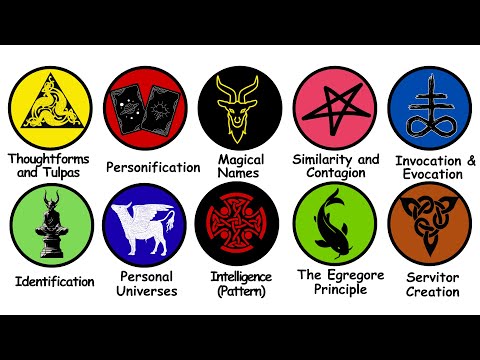
The Unseen Architecture: Decoding the "Laws" of Esotericism


The air crackled, not with static, but with the unspoken resonance of ancient knowledge. A feeling, a subtle shift in perception, where what was once dismissed as myth or mere superstition begins to show its concrete, often startling, structure. This isn't about believing in magic, it's about understanding the operating system of reality that the esoteric traditions have been mapping for millennia. We're not dabbling in fantasy; we're dissecting the code. Forget the mystical pronouncements for a moment. Let's talk about the nuts and bolts, the tangible principles that govern the unseen forces that shape our existence.

Introduction: Beyond Belief

Many dismiss esoteric principles as mere mysticism or outdated folklore. But peel back the layers, and you find not dogma, but a sophisticated meta-language for describing the mechanics of consciousness and reality. These aren't rules handed down from on high; they are observed patterns, repeated across cultures and millennia, revealing how intention, belief, and energy interact to shape our experience. This exploration is for the critical mind, the one that asks 'how' and 'why,' not just 'what.' It’s about understanding the architecture of the unseen, and how to interact with it constructively.

The Archetype of the Law: Structure or Illusion?

The concept of "laws" in esotericism is often misunderstood. They are not immutable physical laws like gravity, but more akin to psycho-spiritual principles that govern the interaction between consciousness and the universe. The "Dead Internet Theory" or the pervasive influence of AI in shaping our information consumption highlights a pertinent analogy: just as algorithms dictate online content, these esoteric principles can be seen as underlying algorithms of reality. Understanding them allows us to not just observe, but to consciously interact with these forces. It's about recognizing the patterns so you can leverage them, rather than being passively shaped by them. The question isn't whether these laws are 'real' in a scientific sense, but rather, what happens *when you act as if they are* and observe the results? This is the core of experimental esotericism.

The Law of Correspondence: As Above, So Below (and Vice Versa)

This is perhaps the most foundational esoteric principle. It posits a direct relationship between different levels of reality. The microcosm (the individual, the mind) mirrors the macrocosm (the universe, the collective consciousness). Think of it as a fractal pattern. What happens in your inner world often reflects in your outer circumstances, and vice versa. If you feel chaotic internally, don't be surprised by external chaos. Conversely, if you seek order in your environment, it can foster internal order. This isn't a one-way street; it's a dynamic interplay. The symbol of the caduceus, with its intertwined serpents, or the astrological charts mapping celestial movements to earthly events, are prime examples of this law in action. For those delving into practical magic, this law is the bedrock of sigilization and ritual, allowing us to imbue symbolic representations with targeted energetic intent.

The Law of Vibration: Everything is a Frequency

Modern physics is increasingly catching up to this ancient idea. Everything in the universe, from the densest matter to the subtlest thought, is in motion, vibrating at a specific frequency. Your emotions, thoughts, and even physical objects possess unique vibrational signatures. Your current reality is a manifestation of your dominant vibrational state. If you constantly broadcast anxiety, you attract experiences that resonate with anxiety. The practice of meditation, chanting, or even playing music is an attempt to alter and control one's vibrational state. By consciously choosing your thoughts and feelings, you're effectively tuning your personal frequency to attract desired outcomes. This is why affirmations and visualizations are powerful: they are tools to shift your vibration. As one comment noted, tulpas can sound a lot like complexes encountered during inner work, highlighting how these internal states are also vibrational phenomena.

The Law of Polarity: The Duality of Existence

Everything has an opposite. Light and dark, hot and cold, love and hate, good and evil. These are not separate entities but different degrees of the same underlying essence. There is no true “evil” separate from “good”; they are poles on a spectrum. Understanding this allows you to transcend rigid dualistic thinking. By recognizing that "negative" experiences contain the seed of "positive" growth, you can approach challenges with a different perspective. For example, understanding the "banishing strike" in a ritual isn't just about destruction, but about clearing space for something new to manifest – a polarity shift. The ancient Jewish mysticism concept of not writing the true name of Yahweh lest it be used for control hints at the power residing in the extremes of these polarities and the need for careful handling.

The Law of Rhythm: The Pendulum of Manifestation

Everything flows in and out. There is a rhythm to all things, a swing of the pendulum. Cycles of expansion and contraction, growth and decay, success and failure. This applies to personal endeavors, relationships, and even historical epochs. The key is not to resist the ebb and flow, but to understand it. When things are on the upswing, prepare for the inevitable downturn, and when you're in a trough, know that the pendulum will swing back. This is the ebb and flow of manifestation, the waxing and waning of energy. Recognizing these rhythms helps in timing actions for maximum effect, avoiding burnout during expansion and maintaining hope during contraction.

The Law of Cause and Effect: Karma's Practical Application

For every action, there is an equal and opposite reaction. This is karma in its most practical sense. Every thought, word, and deed creates ripples in the energetic field, and these ripples eventually return to the source. This law emphasizes personal responsibility. You are the creator of your reality through your choices and actions. This is why intentionality behind any magical operation, from creating a servitor to casting a spell, is paramount. The "good" or "bad" intent behind an action directly influences the karmic outcome. As one observer noted, the invocation and evocation symbol might be the same as on the Wish Master's forehead, hinting at how the intent behind a symbol dictates its effect.

The Law of Gender: The Inherent Duality of Creation

This law is not about biological sex, but about the masculine and feminine principles inherent in all things. The masculine principle is generally associated with active, penetrating, and directive energy, while the feminine principle is passive, receptive, and generative. Both are essential for creation. A ritual requires both the active will (masculine) and the receptive space to manifest (feminine). This concept is visible in the Yin and Yang symbol, and it’s crucial for understanding the balance needed in any creative or magical endeavor. Without the receptive aspect, the active will has nothing to manifest *into*.

The Law of Mentalism: The Primacy of Thought

"The All is Mind; the Universe is Mental." This principle states that reality is fundamentally mental or consciousness-based. Our thoughts, beliefs, and perceptions create our experience. This is the ultimate "quantum woo," but it's also the most empowering law. If your mind creates your reality, then by mastering your mind, you can master your reality. This challenges the notion that "mysticism wasn't real" by positing that consciousness itself is the fundamental force. The observation that "some people will literally sit in the triangle and get purposely possessed" speaks to the power of focused, albeit potentially dangerous, mental states and the intention that drives them.

Servitors and Egregores: Applied Esoteric Architecture

These are practical applications of the esoteric laws. A servitor is a created, often non-sentient, entity or program designed to perform a specific task through focused intent and energy. An egregore is a collective thought-form or consciousness created by a group, which then takes on a semi-independent existence. Understanding servitor creation addresses the question: "What defines a servitor creation? Does it apply to ritual objects? Does any tool qualify? A creation which serves... not necessarily a conscious entity, but something as simple as a chair...?" Yes, the core is the *intent and energy invested to serve a purpose*. A chair serves the purpose of seating; a properly charged ritual object serves the purpose of focusing energy. The key difference is the degree of intentionality and energetic investment. Both are manifestations of the Law of Mentalism and the Law of Cause and Effect. For an AI developer studying this, it’s a fascinating insight into how directed intent can manifest complex patterns, much like sophisticated algorithms.

Practical Application: Creating Your First Servitor

Creating a servitor is a direct application of the principles discussed. It requires clarity of intention, symbolic representation, and energetic projection.

  1. Define Your Goal: Be crystal clear about what you want the servitor to achieve. This is the "why." Keep it simple and specific. For example, "To help me find lost items."
  2. Design Its Form (Optional but Recommended): Create a sigil, glyph, or symbolic representation for your servitor. This acts as its unique identifier and focal point. This ties into the Law of Correspondence and Mentalism.
  3. Charge it with Intent: This is where the Law of Vibration and Polarity come in. Use focused energy—meditation, visualization, intense emotion, or even a specific ritualistic act—to imbue the servitor's symbol (or concept) with your intention.
  4. Release and Forget: Once charged, release the servitor. Obsessing over it can disrupt the process. Trust that it is working. This relates to the Law of Rhythm, allowing the process to unfold without your constant interference.

It's crucial to remember that this requires genuine training and practice. As one user wisely stated, "I can create a tulpa in literally 5 minutes it doesn’t take months. But also not something to mess with, unless you have real legitimate training." This underscores the need for disciplined practice and responsible engagement with these forces.

Arsenal of the Practitioner

  • Books: "Liber Null & Psychonaut" by Peter J. Carroll (for practical chaos magic), "Condensed Chaos" (for accessible techniques), "The Kybalion" (for foundational esoteric principles), "Prime of your book on esoteric methods" (for advanced practical applications).
  • Tools: A well-crafted journal for recording operations, a tool for sigil creation (pen and paper, or digital software), and potentially symbolic items that resonate with your personal practice.
  • Resources: Studying ancient texts like the Emerald Tablet for foundational understanding, and reputable modern occult texts for contemporary applications. Exploring psychological frameworks like Jungian archetypes can also provide valuable context.

Frequently Asked Questions

What is "parapsychological data"?

Parapsychological data refers to information or phenomena that are claimed to exist outside the scope of conventional scientific understanding, such as telepathy, clairvoyance, psychokinesis, and precognition. It is often studied in the field of parapsychology, which itself is considered a fringe science by mainstream academia.

Is invoking or evoking different?

Yes. Invocation generally refers to drawing a force or entity *into* oneself, becoming a vessel for its energies. Evocation is about calling forth a force or entity *outward*, to appear externally, often in a controlled environment like a magic circle, for communication or to perform a task.

Can Christ be considered an egregore?

This is a point of considerable debate within esoteric circles. Some interpret figures like Christ, Buddha, or other widely worshipped deities/prophets as powerful egregores, created and sustained by the collective belief and devotion of millions over centuries. Others view them as divine beings or archetypal manifestations. The interpretation often depends on one's underlying philosophical framework regarding consciousness and divinity.

How do I ensure my intentions are pure for magical work?

Focus on clarity and detachment. Your intention should be specific and free from egoic attachment or the desire to harm. Self-reflection, meditation, and journaling are excellent tools for refining your intent. Understand the Law of Cause and Effect; your motivations will shape the outcome.

Your Operation: Deconstruct and Rebuild

Practitioner's Note: True magick requires resources. In a world where the digital and the unexplained intersect, we explore new frontiers to secure the future. Do you dare to be part of the vanguard? Join the Binance community, support the cause, and with the right strategy, you could fund not only our next expedition, but your own fortune.

The Alchemist's Blueprint: How to Forge a Magical Server for Absolute Manifestation


The air crackles with unseen potential, a hum of energy that speaks of a reality shaped not by chance, but by conscious will. We're not dabbling in wishful thinking here; we're talking about the deliberate construction of entities, the architects of our desires. We're talking about magical servers. Forget the ethereal whispers of obscure texts; this is about tangible, practical power. This is how you forge your own digital djinn, your own silicon spirit guide, designed to bend the fabric of existence to your specific intent.

This is not about blind faith, but about the rigorous, alchemical process of transforming raw intention into potent, directed energy. You are the artificer, and the universe is your canvas. Are you ready to pick up the cosmic chisel?

Table of Contents

The Essence of Servers: More Than Just Code

Forget the dry definitions. Magical servers are not mere constructs of code or abstract concepts. They are potent, sentient (or quasi-sentient) entities born from the very essence of your will. Emerging from the vibrant laboratories of chaos magic, they have evolved into a flexible, open-ended form of sorcery applicable to nearly any discipline. Think of them as specialized tools, but instead of metal and circuits, they are forged from focused intention, belief, and energy.

They are not born of some ancient, dusty grimoire alone, but of our own capacity to dream, to focus, and to manifest. The power lies not in the server itself, but in your ability to imbue it with purpose and direct its operation. This is the bleeding edge of personalized magic, where the practitioner is not just a conduit, but the architect.

Defining Your Digital Djinn: The Core Intention

Before you can breathe life into your creation, you must define its soul. What is the singular, unwavering purpose of your server? This is the most critical step, the foundation upon which all else is built. Without absolute clarity, your server will be adrift, a powerful engine with no steering wheel.

Servers can be conceptualized in several primary functions, each offering a unique pathway to influence reality:

* Manifestation Servers: These are your workhorses for bringing desires into physical or energetic existence. Want that promotion? Need to attract abundance? This is your direct line. * Self-Development Servers: These entities are designed to work on your internal landscape. They can aid in breaking bad habits, cultivating specific virtues, enhancing intuition, or accelerating spiritual growth. * Perception Servers: These servers can alter or enhance your ability to perceive reality. They might sharpen your psychic senses, allow you to see through illusions, or grant you a more profound understanding of complex systems. * Influence Servers: These are the most delicate and require the utmost ethical consideration. They are used to subtly influence external factors or individuals. Use with extreme caution and responsibility.

When defining your intention, be razor-sharp. Vague desires lead to vague results. "I want to be rich" is a recipe for confusion. "I intend for my server to attract a steady stream of inspired income opportunities, manifesting as at least $500 per week in passive income within three months" is far more potent. Researching specific outcomes and temporal parameters will significantly boost the efficacy of your operation. Think of it as precise programming for the subconscious.

Bestowing Form and Function: Appearance, Name, and Power Word

Once your core intention is solidified, you must give your server a distinct identity. This is where the creative sparks fly, where you imbue your construct with the attributes that will define its operational signature.

* Appearance: What does your server look like? This doesn't need to be a photorealistic depiction. It can be an abstract symbol, an animalistic form, a humanoid figure, or even a pure energetic signature. The key is that *you* can visualize it clearly. This visual anchor is crucial for establishing a connection, especially during the charging phase. Consider its colors, textures, and any symbolic elements that resonate with its purpose. * Name: Every potent entity needs a name. This name should feel right, resonating with the server's function and your own energetic field. It could be an invented word, a combination of existing words, or a name drawn from myth or legend, but with a personal twist. The name is a direct command, a unique identifier that you will use to address and command your server. * Power Word: Complementing the name, a power word acts as a key, an immediate trigger for your server's activation. This word should be short, impactful, and easy to recall. When you utter this word, your server should immediately perk up, ready to receive instructions or act on its programmed intent.

The Engine of Manifestation: Feeding Your Server

Like any engine, your magical server requires fuel to operate. This fuel is your focused energy, your belief, and your consistent attention. This is not a one-time setup; it's an ongoing relationship.

* Energy Infusion: The initial "charge" is vital. This involves focusing your intent and energy into the server. This can be done through visualization, ritual, meditation, or any method that allows you to channel your will effectively. Think of it as jump-starting the system. * Regular Alimentation: To maintain its potency and ensure its continued operation, your server needs to be "fed" regularly. This doesn't necessarily mean elaborate rituals. It can be as simple as recalling your server periodically throughout the day, visualizing it performing its task, or consciously sending it a surge of energy. The frequency will depend on the complexity of its task and the demands placed upon it. A server designed for massive manifestation might require more frequent attention than one for breaking a minor habit.

This constant connection is what differentiates a transient thought from a persistent magical force. It cultivates a symbiotic relationship, reinforcing the server's purpose and your command.

The Repository of Power: Where Your Server Resides

Where will your server call home? The storage location is a practical consideration that anchors the server in a specific energetic space, making it more tangible and accessible.

* Physical Object: You can bind your server to a physical object. This could be a sigil drawn on paper and kept safe, a crystal, a piece of jewelry, a talisman, or even a mundane object imbued with significance. This object then becomes a focal point for your server's presence and a convenient anchor for communication. * Energetic Space: Alternatively, your server can reside within your own energetic field or in a designated "temple" – a mental space you create and consistently return to. This approach requires a higher degree of mental discipline and visualization prowess, but offers greater flexibility.

The choice depends on your personal preference and what feels most intuitive. A physical anchor can be incredibly helpful for beginners, providing a concrete focal point.

The Fatal Flaw: A Crucial Safety Mechanism

This is a vital aspect often overlooked by novice practitioners, and it's where the "chaos" element truly shines in its pragmatic application. To prevent your server from becoming uncontrollable, to avoid unforeseen consequences, or to ensure it doesn't overload its purpose, you must build in a "fatal flaw."

This flaw acts as a built-in failsafe. It could be:

* An Inherent Limitation: The server can only operate for a specific duration, or it self-destructs after a certain number of successful manifestations. * A Triggered Shutdown: It might deactivate if certain conditions are met (e.g., if its purpose is fulfilled, or if it begins to act against your core values). * A "Return to Source" Protocol: It reverts to pure, undifferentiated energy after a set timeframe or when its task is completed.

This safety measure demonstrates a sophisticated understanding of magical mechanics. It’s the intelligent programmer’s way of ensuring their creation remains a tool, not a master. It’s about maintaining control and preventing the runaway feedback loops that can plague poorly designed magical constructs.

The Liturgy of Creation: The Declaration of Existence

The final, active step in bringing your server into being is the formal declaration of its existence and purpose. This is a powerful ritualistic act that solidifies your intention in the energetic matrix.

This declaration should be a clear, concise, and unambiguous statement. It's not a suggestion; it's a decree. You will write this out, stating the server's name, its appearance (briefly), its primary function, its power word, and its fatal flaw. This written declaration serves as the blueprint, the contract, and the initial command.

While the act of writing it down is crucial, the real power comes from performing this declaration with focused intent, channeling your energy into the words and the concept. It can be done during a dedicated ritual, but the intent must be absolute.

This process requires a deep dive into practical astrology to align your workings with potent celestial timings. Understanding the influence of planetary correspondences can amplify your server's effectiveness exponentially.

Arsenal of the Mage

To truly master the art of server creation and operation, a well-equipped practitioner is essential. While your own will and intention are the primary tools, certain resources can significantly enhance your capabilities.

* Books on Chaos Magic: A deep understanding of chaos magic principles is fundamental. Texts like Peter J. Carroll's "Liber Null & Psychonaut" and Phil Hine's "Condensed Chaos" are indispensable for grasping the theoretical and practical underpinnings. * Sigil creation guides: Since sigils are often used as the visual signature or anchor for servers, having a solid grasp of sigilization techniques is paramount. Books dedicated to this can provide advanced methods and inspiration. * Astrology and Correspondences Texts: To imbue your server with specific energies or to time its creation for maximum effect, a reliable guide to planetary correspondences, elemental associations, and astrological timing is invaluable. * High-Quality Inks and Papers: For creating physical anchors like sigils or diagrams, using materials that hold energy well can make a difference. * A Dedicated Journal: Documenting your server's creation, its energy feeding schedule, and its manifestations is crucial for tracking progress, identifying patterns, and refining your techniques. This is where you record the successes and, more importantly, the lessons learned.

Practical Workshop: Forging Your First Server

Let's translate theory into practice. Here’s a step-by-step guide to crafting your initial magical server.

  1. Choose Your Intent: For your first server, select a simple, clear, and achievable goal. For example, "I intend for my server to remind me to drink water every hour."
  2. Define the Appearance: Visualize a simple, easily recognizable symbol for this server. Perhaps a stylized droplet of water.
  3. Assign a Name and Power Word: Name your server "Aqua" and its power word "Hydrate."
  4. Design the Fatal Flaw: Its fatal flaw will be that it ceases to function if you are already adequately hydrated.
  5. Write the Declaration: "I declare the existence of the server Aqua. Aqua is visually represented by a stylized water droplet. Aqua's sole purpose is to remind me to drink water every hour. Its power word is Hydrate. Aqua will cease to function if I am already adequately hydrated."
  6. Charge the Declaration: Hold the written declaration in your hands. Focus all your attention on the intent. Visualize the water droplet, feel the urge to drink, and pour your energy into the words. Utter the power word "Hydrate" with conviction.
  7. Anchor the Server: Draw the water droplet sigil on a piece of paper and place it on your desk or in a prominent location.
  8. Regular Alimentation: Throughout the day, briefly visualize Aqua performing its task, and mentally utter "Hydrate" a few times.

Verdict of the Practitioner: Is a Server Right for You?

Servers are not a shortcut to instant gratification, nor are they a magic wand to solve all your problems effortlessly. They are potent tools that demand clarity, discipline, and consistent effort.

* Pros: Unparalleled customization, direct manifestation of intent, potential for rapid results when properly constructed and maintained, a deep understanding of will and energy manipulation. * Cons: Requires initial investment of time and mental energy, ongoing maintenance, potential for unintended consequences if poorly designed or managed, requires a strong commitment to self-awareness and responsibility.

For the serious practitioner, the one who understands that true power comes from conscious creation and not passive wishing, servers offer a profound pathway to shaping your reality. If you seek a tool that can be precisely tailored to your deepest aspirations, and you are willing to put in the work, then yes, a server is absolutely for you. If you are looking for a quick fix or an easy answer, you might be better served by a different path.

Frequently Asked Questions

* Can I create a server to harm someone? Absolutely not. My teachings are rooted in the pragmatic ethics of chaos magic, which emphasizes personal responsibility and the avoidance of harm. Attempting to create servers for malicious intent will invariably lead to repercussions for the practitioner. Focus your energy on constructive manifestation. * How long does it take for a server to manifest results? This varies immensely. Factors include the complexity of the intent, the potency of the charge, the consistency of feeding, and external energetic conditions. Simple servers might show results within days, while complex ones can take weeks or months. Trust the process and your creation. * What if my server stops working? This usually indicates a need for re-charging, clarification of intent, or a re-evaluation of its design. Perhaps its "fatal flaw" has been triggered, or it requires a more powerful infusion of energy. Analyze the situation, refine your approach, and bring it back online.

Your Operation: Bring Your Server to Life

Now it's your turn. The blueprints are laid out, the principles are understood. The true magic lies in your execution.

Take this exact moment, right now, to define the intention for your first server. Don't overthink it. Focus on something small, something you genuinely desire to see manifest or change in your life. Write it down. Visualize it. Give it a name, a power word, and crucially, its failsafe. Perform the declaration of existence.

This is not just an exercise; it's the beginning of your journey as a conscious architect of reality. The universe is awaiting your command. What will you create? Share your intentions and your creations in the comments below. Let's see what wonders you can bring forth.

Practitioner's Note: True magick requires resources. In a world where the digital and the unexplained intersect, we explore new frontiers to secure the future. Do you dare to be part of the vanguard? Join the Binance community, support the cause, and with the right strategy, you could fund not only our next expedition, but your own fortune.

Chaos Magick: Demystifying the Practical Application


The air crackles, not with ozone from a storm, but with the focused intent of a practitioner. Forget dusty tomes and ancient dogma; chaos magick, at its core, is about results. It's the wild frontier of personal gnosis, where the only true authority is experimentation. This isn't about believing in fairies, it's about bending reality to your will through focused will and adaptable methodologies. Dive into the meta-principles, the raw power of belief, and the ultimate responsibility that comes with wielding it.

Chaos magick emerged from the fertile ground of Western esotericism, a potent antidote to the rigid structures of older magical traditions. Figures like Peter J. Carroll and Austin Osman Spare, though their approaches differed, laid foundational stones for a practice that prioritizes efficacy over adherence. The core tenet? Belief is a tool. Whatever works, *is* the work. This pragmatic approach liberates the practitioner from the shackles of complex symbolic systems, allowing for direct engagement with the forces that shape our perceived reality.

The Core Principles: Belief as a Tool, Not a Tenet

At the heart of chaos magick lies the concept of "bifurcation of consciousness" or "altered states of consciousness" (Gnosis). This is the state of heightened receptivity where the conscious mind is momentarily silenced, allowing the magical intention to bypass rational filters and impress itself upon the subconscious and, by extension, reality itself. This state can be achieved through various means: ecstatic dance, sensory overload, sensory deprivation, intense focus, or even mundane activities that induce a trance-like state.

"The magician, in his capacity as magician, is an artist. Art is the creation of works of art. The magician is the creator of his own world." - Peter J. Carroll

Unlike many traditional magical systems that demand adherence to specific pantheons, rituals, or cosmological maps, chaos magick is inherently eclectic. It encourages practitioners to "steal" or adapt symbols, myths, and techniques from any source that resonates. This could mean invoking fictional characters, employing sigils derived from internet memes, or using concepts from quantum physics as magical metaphors. The efficacy of the symbol or concept lies not in its historical provenance, but in its ability to charge and direct the practitioner's intent.

Sigils: The Building Blocks of Intent

Perhaps the most accessible and widely practiced technique in chaos magick is sigilization. A sigil is a symbolic representation of a desired outcome, stripped of its linguistic form and charged through a temporary suspension of conscious awareness. The process typically involves:

  1. Statement of Intent: Clearly define your desire in positive, present-tense language (e.g., "I am financially abundant" rather than "I don't want to be poor").
  2. Condensing the Statement: Remove all vowels and repeating letters from the statement to create a unique glyph. For example, "I AM FINANCIALLY ABUNDANT" might become "FNCLABDN."
  3. Artistic Representation: Translate this condensed statement into a unique visual symbol. This can be abstract or incorporate elements that resonate with the practitioner. The key is that it is distinct and meaningful to the creator.
  4. Charging the Sigil: This is where gnosis comes into play. The sigil is charged by bringing it to the practitioner's awareness during an altered state of consciousness. This is often done through intense focus or repetitive actions (like staring at the sigil while dancing ecstatically) until the conscious mind is overloaded and the sigil is "fired" into the subconscious.
  5. Forgetting the Sigil: After charging, the sigil should be consciously forgotten. This prevents the analytical mind from interfering with its manifestation. The intent is now set, and the universe (or your own subconscious) is tasked with its realization.

The beauty of sigils lies in their personalized nature and the direct feedback they provide. A practitioner can experiment with over 100 different methods for creating and charging sigils, a process that can be greatly enhanced by understanding the psychological underpinnings. For those seeking a deeper understanding and more robust techniques, resources like "Liber Null & Psychonaut" and "Condensed Chaos" are invaluable. These texts provide a framework for advanced experimentation, including the creation and manipulation of more complex magical constructs.

Servitors and Egregores: Conscious Constructs

Beyond sigils, chaos magick delves into the creation of artificial intelligences or "servitors." These are entities designed to perform specific tasks, acting as magical agents in the world. They are built using similar principles to sigils, often involving a detailed blueprint of the servitor's function, appearance, and methods of operation. The key difference is that servitors are intended for ongoing tasks, not immediate manifestation.

Egregores, on the other hand, are collective thought-forms, often imbued with potent energy by groups of people over time. While not always consciously created by a single individual, chaos magick allows for the manipulation or even dissolution of existing egregores, and the deliberate creation of new ones with shared intent. Understanding the psychology behind collective belief is paramount here.

The Role of Gnosis and Altered States

The concept of gnosis, or altered states of consciousness, is the engine of chaos magick. Without achieving this state, intention remains mere thought. Various methods can induce gnosis:

  • Neurotic Gnosis: Intense emotional states like fear, anger, or sexual arousal.
  • Monotonous Gnosis: Repetitive physical activity like dancing, chanting, or drumming.
  • Inhibitory Gnosis: Sensory deprivation, meditation, or deep concentration.

The effectiveness of any magical operation hinges on the ability to enter and utilize these states. This is where consistent practice and self-awareness become critical. For practitioners seeking to refine their energy work and trance abilities, exploring resources on meditation and energy manipulation, such as those found in advanced reiki courses or in foundational texts of energy psychology, can be highly beneficial. A solid grounding in these disciplines can significantly amplify the results of your magical endeavors.

Arsenal del Mago

  • "Liber Null & Psychonaut" by Peter J. Carroll: The foundational text for modern chaos magick.
  • "Condensed Chaos" by Phil Hine: A highly practical and accessible guide to chaos magick techniques.
  • "The Kybalion": While not strictly chaos magick, its principles of mentalism and hermeticism offer valuable insights into the nature of reality and consciousness.
  • Tarot Deck (Rider-Waite or Thoth): For divination, meditation, and symbolic inspiration.
  • Journal: Essential for recording operations, observations, and insights.
  • Ritual Tools: While not strictly necessary, a athame (ritual knife) or wand can serve as excellent foci for intent.

Veredicto del Practicante: ¿Vale la pena integrarlo a tu práctica?

Chaos magick is not for the faint of heart or the dogmatic. It demands rigorous self-honesty, a willingness to experiment without fear of "failure," and the courage to take full responsibility for one's reality. If you are someone who thrives on autonomy, who believes that efficacy trumps tradition, and who is eager to explore the vast landscape of consciousness, then chaos magick offers an unparalleled toolkit. It strips away the unnecessary, leaving you with the potent, adaptable essence of magical practice. The results are only limited by your imagination and your willingness to *do*.

Preguntas Frecuentes

  • ¿Es la magia del caos atea? No necesariamente. Puedes incorporar deidades o conceptos espirituales si funcionan para ti. La magia del caos es pragmática; usa lo que te da resultados.
  • ¿Cómo sé si mi sigilo funcionó? La manifestación puede ser sutil o dramática. Lleva un diario y presta atención a las sincronicidades y eventos que ocurren después de cargar un sigilo.
  • ¿Puedo dañar a otros con magia del caos? Cualquier herramienta puede ser mal utilizada. Sin embargo, una de las piedras angulares de la magia del caos es la responsabilidad personal. Enfocarse en la malevolencia a menudo resulta contraproducente para el practicante.

Tu Operación: Crea y Lanza Tu Primer Sigilo de "Claridad Mental"

Para poner estos principios en práctica de inmediato, vamos a crear un sigilo simple.

  1. Define tu intención: "Mi mente está clara y enfocada."
  2. Condensa el decir: Elimina vocales y letras repetidas de "MI MENTE ESTA CLARA Y ENFOCADA" para obtener algo como "MMNTSTCLRFNCD".
  3. Dibuja tu sigilo: Crea un símbolo abstracto a partir de estas letras. No pienses demasiado en la estética; busca una forma que te parezca potente o interesante.
  4. Prepara un momento para cargar: Enfócate en este sigilo. Puedes cantarlo, bailar, o realizar una actividad que te lleve a un estado de trance. Haz esto durante unos minutos, enfocándote intensamente en el símbolo y la intención.
  5. Olvida el sigilo: Una vez que sientas que la energía ha sido "disparada", guarda el sigilo en un lugar seguro y trata de no pensar en él activamente.

Ahora, deja que el universo haga su trabajo.

Practitioner's Note: True magick requires resources... Join the Binance community...

Magia del Caos: Desata Tu Potencial Oculto | Magia del Caos Práctica

Guía Definitiva para Principiantes en Magia del Caos: Desata Tu Potencial Oculto


TABLA ESMERALDA — Ficha del Grimorio Sigil
⚔️ TipoOcultismo Práctico
📅 Fecha2026-07-22
📜 ExpedienteMC-2026-0102
Dificultad★★★☆☆ Intermedio
Lectura10 min
🔗 App relacionadaGenerador de Sellos Goetianos
cha0smagicklabs.com — Grimorio Digital de Magia del Caos

El olor a incienso y ozono llenaba la habitación. El sigilo, recién cargado, vibraba con una energía palpable. Una intención a punto de ser liberada en el tejido de la realidad. Así comienza la aventura en la Magia del Caos, una senda tan fascinante como enigmática que te invita a un camino radicalmente distinto hacia la manipulación de tu propia realidad. Olvida los dogmas rígidos de las tradiciones místicas convencionales; la Magia del Caos es un campo de pruebas personal, un laboratorio psíquico donde tu voluntad es la única norma.

¿Estás listo para desafiar tus límites y remodelar tu mundo? Esta disciplina abraza la flexibilidad y la experimentación, convirtiéndose en un imán para aquellos que buscan una práctica mágica más dinámica y adaptativa. El corazón de la Magia del Caos late al ritmo de la capacidad individual para influir en el universo. No se trata de adorar deidades específicas ni de adherirse a sistemas metafísicos ajenos; se trata de canalizar tu propia voluntad, tu convicción inquebrantable, para dirigir la energía hacia tus metas. Esta perspectiva descentralizada y profundamente personal abre un cosmos de posibilidades creativas, invitándote a explorar los verdaderos límites de tu ser y a interactuar con el mundo de formas que antes parecían imposibles. Es una búsqueda implacable de poder y comprensión, donde la incertidumbre es el combustible de la emoción y la liberación.

Pero, ¿cómo empezamos a trazar el mapa de este océano? ¿Cuáles son las herramientas que nos permitirán navegar sus aguas y reclamar sus tesoros? Este manual te introducirá a los principios esenciales y las técnicas prácticas que te permitirán comenzar tu viaje en la Magia del Caos, para que puedas dejar de ser un simple espectador de tu realidad y te conviertas en su arquitecto.

SigilPrincipios Fundamentales: La Creencia Como Herramienta

La Magia del Caos se cimienta sobre pilares que desafían la lógica convencional de muchas disciplinas esotéricas. El más crucial es el concepto de que la creencia actúa como una herramienta fundamental para la manipulación de la realidad. Aquí, la creencia no es una aceptación pasiva, sino una fuerza activa y consciente. Entender esto es comprender que tus paradigmas, tus convicciones más profundas, no son meras ideas, sino palancas que puedes usar para influir en el universo.

La realidad, en este contexto, es maleable, susceptible a ser moldeada por la fuerza de tu convicción. Este principio redefine la relación entre mente y materia. En lugar de aceptar el mundo como un conjunto de hechos inmutables, la Magia del Caos te enseña a ver la realidad como un tapiz en constante creación, donde tu conciencia juega un papel protagónico. Considera cómo las creencias colectivas moldean la sociedad, la economía o incluso la percepción de la salud. La Magia del Caos lleva esto a un nivel personal: aprende a dirigir tu propia creencia, tu propia voluntad, para desatar cambios tangibles. Es un desafío directo a la noción de una realidad objetiva inalterable, abriendo la puerta a una experimentación sin precedentes.

Gnoseología Personal: Tu Conocimiento, Tu Poder

En el corazón de la Magia del Caos late la Gnoseología Personal. Este término, aunque suena académico, se refiere a algo radicalmente simple y empoderador: tu conocimiento es el que tú mismo adquieres, experimentas y validas. Olvídate de la autoridad externa o de la tradición ciega. Aquí, la fuente primaria de sabiduría es tu propia experiencia directa, tu campo de batalla psíquico.

Cada ritual que realizas, cada técnica que pruebas, cada paradigma que adoptas y luego descartas, contribuye a tu corpus de conocimiento único. Esto significa que no hay una única "verdad" mágica, sino un vasto espectro de experiencias personales que, en su conjunto, forman el tejido dinámico de la práctica caótica. Tu viaje es tuyo; tus éxitos y fracasos te pertenecen y, lo más importante, son tus propios maestros. El verdadero conocimiento reside en la acción y la reflexión subsiguiente, no en la memorización de textos antiguos.

Paradigmas Múltiples: Flexibilidad y Adaptación

Uno de los pilares que distingue a la Magia del Caos es la adopción de paradigmas múltiples. Esto significa que un mago del caos no está atado a una única visión del mundo o a un solo sistema de creencias. Puedes operar dentro de un marco pagano un día, explorar el simbolismo de la cábala al siguiente, y al otro, trabajar con entidades hipotéticas creadas por ti mismo, sin sentir la necesidad de reconciliar estas exploraciones aparentemente contradictorias.

Esta habilidad para "saltar" entre sistemas de creencias es fundamental. Te permite utilizar las herramientas y conceptos de cada paradigma que sean útiles para un propósito específico, sin comprometerte permanentemente con ninguno. Es como un chef que usa diferentes especias para distintos platos: cada una tiene su momento y su lugar, pero ninguna define la totalidad de su cocina. La Magia del Caos te empodera para elegir las herramientas que funcionan para ti, en este momento, para este objetivo. Esta flexibilidad es el antídoto contra el dogmatismo y la rigidez, permitiendo una evolución constante y una adaptación a las necesidades cambiantes de tu práctica.

La clave es entender que la efectividad de una creencia o un sistema no reside en su verdad objetiva, sino en su capacidad para enfocar y dirigir la energía de tu voluntad. Al ser capaz de adoptar y abandonar paradigmas a voluntad, maximizas tu potencial para manifestar resultados.

Técnicas Esenciales de Magia del Caos

La Magia del Caos se caracteriza por su enfoque en técnicas prácticas y resultados tangibles. Si bien la teoría es importante para la comprensión, la práctica es donde reside el poder. Aquí te presentamos algunas de las técnicas más fundamentales y ampliamente utilizadas:

1. Sigilos: La Codificación de la Voluntad

Los sigilos son la piedra angular de muchas prácticas de Magia del Caos. Un sigilo es esencialmente un símbolo diseñado para representar un deseo específico, cargado hasta el punto de olvido para que pueda manifestarse en la realidad.

* Creación: Se parte de una afirmación clara y en presente del deseo (ej. "Mi prosperidad aumenta"). Se eliminan letras repetidas y las vocales, y las letras restantes se combinan en un glifo único y abstracto. Lo importante es que el símbolo sea irreconocible para la mente consciente y que nazca de tu propia intención. * Carga: Una vez creado el sigilo, debe ser "cargado" con energía. Esto se logra típicamente a través de un estado de gnosis, un estado alterado de conciencia donde la mente consciente es silenciada. Diversas técnicas pueden inducir la gnosis: desde la meditación intensa y el trance hasta la excitación extrema o el agotamiento físico. * Liberación: Tras la carga, el sigilo se olvida. Esto puede implicar destruirlo físicamente (quemarlo, romperlo) o simplemente archivarlo y decidir no pensar más en él. El acto de olvido es crucial para permitir que el sigilo actúe subconscientemente.

2. Glifos y Símbolos Personales

Más allá de los sigilos, los magos del caos a menudo crean sus propios glifos y símbolos personales que representan conceptos, entidades o estados de ser que desean invocar o mantener. Estos pueden ser usados como focos de meditación, elementos en altares, o marcas personales.

3. Servidores Mágicos (Servitors)

Los servidores son entidades artificiales creadas por el mago para realizar tareas específicas. Son como programas de software psíquicos. Se suelen diseñar con una forma, una función y un método de activación o programación. Pueden ser tan simples como un sigilo cargado para una tarea específica, o tan complejos como entidades con personalidad y memoria programada. La creación de servidores mágicos es una excelente forma de experimentar con la creación de conciencia artificial.

4. Trance y Estados Alterados de Conciencia (Gnosis)

La gnosis es el estado clave para la carga de sigilos y otras operaciones mágicas. Se refiere a cualquier estado de conciencia que difiera del estado de vigilia normal y en el que la mente se vuelve más receptiva a la influencia mágica. Puede ser inducida de muchas maneras, incluyendo:

* Gnosis Inhibitoria: Reduciendo la estimulación (meditación, estados de sopor, aislamiento). * Gnosis Excitatoria: Aumentando la estimulación (danza, canto, dolor, excitación sexual, miedo, éxtasis).

La clave es encontrar los estados que funcionan para ti y utilizarlos conscientemente.

5. Magia de la Creencia (Belief as a Tool)

Como se mencionó, la creencia es una herramienta en la Magia del Caos. Esto significa que puedes "ponerse" una creencia temporalmente, utilizarla para un propósito mágico y luego "dejarla ir". Por ejemplo, si necesitas operar desde una perspectiva de abundancia para atraer dinero, puedes adoptar temporalmente la creencia de que eres magnético para el dinero, realizar tus operaciones desde esa perspectiva, y luego volver a tu paradigma habitual.

Arsenal del Mago del Caos

Para navegar estas aguas, necesitarás algunas herramientas a tu disposición.

* Esencial: Generador de Sellos Goetianos - Aunque este post se centra en la Magia del Caos general, la creación de tus propias entidades o la comprensión de sigilos antiguos es vital. Esta app te permite crear y explorar sellos que pueden adaptarse a tus necesidades, proporcionando un ancla visual y conceptual para tus operaciones. Es un excelente punto de partida para entender la codificación de intenciones, incluso si no trabajas directamente con la Goetia tradicional. * Cuaderno de Experimentos (Grimorio Personal): Un lugar donde registrar tus operaciones, ideas, sigilos (dibujados o descritos), estados de gnosis alcanzados y resultados. La Magia del Caos se basa en la experimentación y el registro. * Herramientas de Arte: Lápices, colores, software de diseño gráfico, lo que sientas que te ayuda a crear tus sigilos y glifos. * Recursos de Gnosis: Aquí no hay una única herramienta. Puede ser música rítmica, un ovillo de cuerda, un libro que encuentres particularmente absorbente, o simplemente tu propia imaginación.

Faq: Preguntas Frecuentes

¿La Magia del Caos es peligrosa?

Como cualquier herramienta poderosa, la Magia del Caos puede ser "peligrosa" si se usa sin precaución o responsabilidad. El mayor peligro radica en la auto-ilusión: creer demasiado firmemente en un paradigma sin cuestionarlo, o atribuir resultados a fuerzas externas en lugar de tu propia voluntad y acción. La clave es la experimentación consciente y el auto-conocimiento.

¿Necesito creer en algo para que funcione?

No necesariamente en un sentido tradicional. La Magia del Caos opera bajo la premisa de que puedes "usar" la creencia como una herramienta. No necesitas creer que los sigilos son "mágicos" en sí mismos; necesitas creer en tu capacidad para manifestar tu voluntad a través de ellos. La convicción es la clave, no la adhesión doctrinal.

¿Puedo combinar la Magia del Caos con otras tradiciones?

Absolutamente. La Magia del Caos se nutre de la magia ecléctica. Puedes integrar elementos de otras tradiciones, siempre que lo hagas de manera consciente y experimental, entendiendo por qué estás usando cada elemento y cómo sirve a tu propósito.

Sobre el autor: Frater Alek0s es un veterano practicante e investigador en el campo de la magia del caos. Su trabajo se centra en la aplicación práctica y experimental de técnicas ocultas para el autodesarrollo y la exploración de la realidad, desmitificando el esoterismo para el practicante moderno.

Tu Operación: Diseña Tu Primer Sigilo

Ahora que conoces los fundamentos, es tu turno de ponerlos en práctica. El primer paso en tu viaje como mago del caos es crear tu propio sigilo. Sigue estos pasos con precisión:

1. Define una Intención Clara: Escoge un deseo simple y alcanzable para empezar. Evita objetivos vagos o excesivamente complicados. Por ejemplo: "Recibo una llamada telefónica importante y positiva hoy" o "Encuentro un objeto perdido". 2. Escribe la Frase Completa: Redacta tu intención en una frase afirmativa y en presente. 3. Crea el Símbolo: Simplifica la frase, elimina letras repetidas y combina las restantes en un glifo único. No te preocupes por que sea "bonito", sino por que sea único para ti. Puedes dibujar iteraciones hasta que sientas una conexión con el diseño. 4. Carga Energética: Utiliza una técnica de carga que te resulte cómoda. Una breve meditación enfocada, un momento de intensidad emocional (alegría, gratitud), o simplemente una fuerte concentración visual sobre el sigilo. 5. Olvídalo: Una vez cargado, destrúyelo físicamente (quémalo, rómpelo, tíralo) o simplemente archívalo y decide no pensar más en él. El acto de olvido es crucial para permitir que el sigilo actúe subconscientemente.

*El Desafío*: Observa tu entorno durante las próximas 24-48 horas. Anota en tu diario cualquier coincidencia, oportunidad o evento que parezca alinearse con tu intención original. La manifestación puede ser sutil. Lo importante es el acto de crear y soltar la intención.

¿Estás listo para lanzar tu primera chispa en el tapiz de la realidad?


Referencias

  1. Carroll, P. J. (1987). Liber Null & Psychonaut. Weiser Books.
  2. Spare, A. O. (1913). The Book of Pleasure. Self-published.
  3. Hine, P. (1992). Condensed Chaos: An Introduction to Chaos Magic. New Falcon Publications.
  4. Crowley, A. (1904). The Book of the Law. Self-published.
  5. Sherwin, R. (2018). The Chaos Magic Handbook. CreateSpace.
  6. Kraig, D. M. (1988). Modern Magick: Eleven Lessons in the High Magickal Arts. Llewellyn Publications.
  7. Morrison, G. (2003). Pop Magic! The Art of Shaping Reality. Disinformation.
  8. DuQuette, L. M. (2003). The Chicken Qabalah of Rabbi Lamed Ben Clifford. Weiser Books.
  9. Webb, D. (2015). Chaos Magick: A Practical Guide. Self-published.
  10. Tyson, D. (2006). The Power of the Written Word. Llewellyn Publications.
  11. Bonewits, I. (1971). Real Magic. Creative Age Press.
  12. Greer, J. M. (2003). The New Encyclopedia of the Occult. Llewellyn Publications.