EMERALD TABLE — Grimoire Record
Ritual
| ⚔️ Type | Spell |
| 📅 Date | 2026-07-22 |
| 📜 File | MC-2026-0142 |
| ⭐ Difficulty | ★★★★☆ Avanzado |
| ⏱ Read time | 12 min |
| 🔗 Related App | Goetian Seals Generator |
cha0smagicklabs.com — Digital Grimoire of Chaos Magick
The air crackles. A palpable hum resonates, speaking not of sterile studios, but of sacred spaces steeped in ritual. This exploration plunges into the heart of Solomonic magic, a tradition frequently misunderstood and feared. Forget theatrical sensationalism; this is a glimpse into authentic practices by seasoned magicians, a testament to a potent Western path of psychospiritual development. Viewers, be warned: this is not for the uninitiated. The efficacy of these ceremonial techniques demands respect, discipline, and a stable mind – akin to mastering a demanding martial art. This serves as an educational insight, not an invitation for casual dabbling. These practitioners are not devil-worshippers; they are spiritual explorers navigating the intricate landscapes of the psyche, guided by ancient wisdom and a connection to higher powers.
RitualUnveiling the 72 Spirits of Solomon: The Brass Vessel Legend
Our narrative begins with a pivotal moment: the legendary King Solomon, celebrated for his unparalleled wisdom, commanding 72 mighty kings and princes into a consecrated vessel of brass. This act, born from their hubris, resulted in their submersion within the depths of a Babylonian lake. This foundational legend serves as our entry point into understanding the core principles presented.
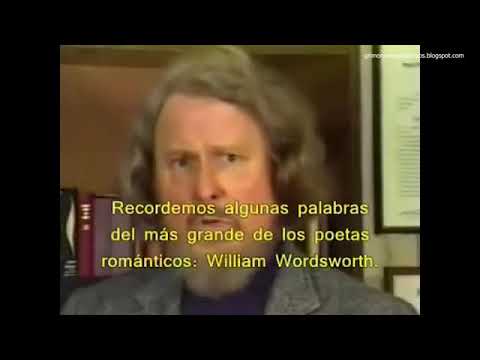
As a cultural anthropologist and ceremonial magician with over 25 years dedicated to the study and practice of Western shamanism, I've witnessed firsthand how many in my field overlook this rich, yet often maligned, tradition. My own journey has involved the privilege of rediscovering and meticulously reconstructing the actual techniques of ancient Western ceremonial magic. This exploration is your expedition into a realm as mysterious as forgotten continents, yet intimately connected to our very being – the deep caverns of the human psyche. For the first time, we are revealing practical methods once employed by ancient wizards and warlocks to invoke celestial angels and evoke spirits into visible manifestation, even engaging in direct dialogue with them.
What you are about to witness is not mere performance; these techniques remain as potent and effective today as they were centuries ago. Crucially, no mind-altering substances or extraordinary psychic talent are prerequisites. These are the secrets of a lost art, accessible to anyone possessing a vivid imagination and unwavering determination.
From Personal Crisis to the Esoteric Depths: A Journey of Discovery
My own magical odyssey commenced in 1969. A reclusive writer at the time, my existence was a relentless cycle of chain-smoking, excessive coffee consumption, and the gnawing discomfort of chronic indigestion, which doctors misdiagnosed as an ulcer. As a former Green Beret, the notion of succumbing to a "neurotic disease" was profoundly unacceptable. I resolved to heal myself through self-hypnosis. While I achieved initial success in suppressing the pain, it invariably returned, often with increased intensity.
I pushed into trance states deeper than most dared, yet the ulcer persisted. The stark reality, discovered at the precipice of death, was a gallbladder turned to solid rock. In this state of toxic psychosis, my path shifted dramatically. I transitioned from mere self-hypnosis to the profound practices of Tibetan tantric yoga, and ultimately, to what was then considered the most obscure and forbidden path: Western ritual magic.
I had already delved into numerous books on Western ceremonial magic, voraciously consuming ancient grimoires like the *Medieval Key of Solomon* and the infamous *Lesser Key*, which meticulously cataloged the 72 genii of the Arabian Nights – spirits allegedly imprisoned by Solomon within a brass vessel. In my desperate, life-threatening condition, I became profoundly convinced that a hidden truth lay embedded within these seemingly fantastical narratives, a secret key to summoning these powerful princes of the Jinn.
The Elusive "How": Making Spirits Manifest
I immersed myself in the works of both ancient and modern magicians. Their texts were replete with meticulous instructions: crafting specific ritualistic equipment, inscribing intricate sigils, and detailing precise timings and rituals for summoning. Conjurations and divine names of power were laid out, ready to be recited: "Hear me and make all spirits subject unto me so that every spirit of the firmament and of the Aether upon the Earth and under the Earth on dry land and in the waters of whirling air and of rushing fire and every spell and scourge of God may be obedient unto me." The mere recitation of these words sent an undeniable shiver down my spine.
However, a crucial element remained elusive: the practical "how-to." Where, precisely, how, and in what form were these spirits intended to manifest? The missing link was the tangible method of their appearance.
The Angelic Connection: A Pragmatic Bridge
The answer, I discovered, lay not in brute force, but in a profound understanding of the angelic hierarchy and its mirroring within the human psyche. These aren't distant, detached beings, but potent forces that can be invoked and interacted with. The Solomonic tradition, often misinterpreted, is fundamentally about working with these intelligences, internal and external, to achieve tangible results.
The key lies in viewing these angelic and spiritual forces not as external masters, but as highly organized energies, akin to advanced cognitive programs or archetypal manifestations. The process involves aligning your own consciousness with these frequencies, effectively creating a resonance that facilitates interaction. This is where the power of the mind, coupled with ancient techniques, becomes paramount.
The Power of the Celestial Hierarchy
In Western ceremonial magic, the angelic hierarchy provides a structured framework for understanding and interacting with spiritual forces. From the highest Archangels to the lower choirs, each level represents distinct energies and intelligences. King Solomon, in this tradition, is seen as a master adept who understood how to navigate and command these hierarchies through profound knowledge and specific techniques. The Angelic Invocation was his method of accessing and directing these potent forces.
Beyond Belief: The Mechanism of Manifestation
The effectiveness of these invocations stems not from blind faith, but from a deep understanding of consciousness and its interaction with reality. The spirits, whether viewed as external entities or internal psychological constructs, respond to the focused intent and energetic signature of the practitioner. By understanding the principles of Chaos Magick, which posits that belief itself is a tool, one can approach these practices with a flexible paradigm, focusing on the desired outcome rather than rigid dogma.
The Brass Vessel legend offers a powerful metaphor. It represents the act of containing and directing immense, potentially chaotic, spiritual energies. Solomon’s act was not one of subjugation for its own sake, but of organization and control for specific purposes – wisdom, protection, and the construction of the Temple. This concept resonates deeply with the modern practice of creating and managing Servitors, where focused intent is used to shape and direct energetic constructs.
From Demons to Angels: Reinterpreting the Grimoires
The historical reinterpretation of many ancient deities and spirits as "demons" in later Abrahamic traditions is a key aspect of ceremonial magic. By understanding this historical shift, practitioners can approach texts like the *Lesser Key* not as literal demonic rosters, but as complex symbolic systems. Evoking a "demon" might, in essence, be interacting with the raw, primal energies that originally represented powerful pagan gods and goddesses. The invocation of angels, conversely, provides a framework for approaching these same potent forces with a structured, protective, and divinely aligned intent. The Goetia, when approached with a ceremonial mindset, can be a powerful tool for psychological exploration and energetic manipulation.
The Practicality of Angels and Spirits
Contrary to popular belief, these practices do not necessitate innate psychic talent or the use of illicit substances. The methods are grounded in accessible psychological and energetic principles. The practitioner's imagination, unwavering determination, and a disciplined approach are the essential components. These techniques offer a system for engaging with what might be termed higher consciousness or archetypal forces, providing a practical pathway to personal transformation and the manifestation of desired outcomes.
Elemental Magic and the Sacred Geometry of Intent
The application of elemental principles and sacred geometry plays a crucial role in ceremonial magic. The arrangement of ritual space, the symbolic representation of elements (Earth, Air, Fire, Water, Spirit), and precisely drawn sigils act as focal points for intention. These elements are not merely symbolic; they are energetic conduits that help structure and direct the practitioner's will.
Within Occult Practices, the understanding of how to create and consecrate tools is paramount. A consecrated circle, for example, serves not only as a boundary but as a charged space for focused work. The geometry of the circle, pentagrams, and hexagrams, when properly understood, acts as a blueprint for energetic construction.
The Dark Mirror Ritual: Reflecting the Inner Landscape
The practice of the Dark Mirror Ritual is particularly potent for self-exploration and interaction with the subconscious. A mirror, charged with intent, can serve as a scrying tool, a portal into the inner realms. This ritual allows for the direct observation of one's own psyche, the identification of hidden patterns, and the invitation of specific archetypal energies for integration or transformation. It’s a powerful technique within Esoteric Psychology for gaining self-awareness.
Angelic Invocation as a Safeguard
When engaging with the more potent or primal forces, the invocation of angelic guides and protective spirits is not just recommended, but essential. These higher intelligences act as a buffer, a guiding force, and a source of alignment, ensuring that operations remain constructive and beneficial. The Angelic Invocation serves as a vital safeguard, preventing uncontrolled energetic feedback or psychological destabilization.
The Solomonic Tradition: A Bridge Between Worlds
The Solomonic Magic tradition, as presented, offers a comprehensive system for psychospiritual development. It is a path that requires dedication, study, and rigorous self-discipline. The techniques, while ancient, remain profoundly relevant for the modern practitioner seeking to understand and consciously influence their reality.
This tradition provides a bridge between the tangible and the intangible, the material and the spiritual. It offers a framework for understanding the complex interplay of consciousness, energy, and manifestation, empowering individuals to take an active role in their own evolution. The ability to invoke celestial angels and engage with spirits is, at its core, the ability to harness the latent potentials of the human mind and spirit.
Frequently Asked Questions (FAQ)
What is the primary goal of Solomonic magic?
The primary goal is psychospiritual development, inner transformation, and the conscious manipulation of reality through structured interaction with spiritual and psychological forces. It aims to unify the practitioner with their higher self and achieve mastery over both the inner and outer worlds.
Are Solomonic spirits literal beings or psychological archetypes?
This is a core debate within ceremonial magic. The tradition itself accommodates both views. Success in practice often depends on the practitioner's paradigm. Whether viewed as external entities or powerful internal manifestations of the psyche, their influence and the results of interacting with them are tangible. The key is the operational effectiveness, not the ontological debate.
Do I need expensive ritual tools to practice?
While traditional tools enhance the ceremonial atmosphere and act as energetic focal points, they are not strictly necessary for efficacy. The most crucial elements are focused intention, disciplined mental states, and a deep understanding of the principles involved. A simple mirror, a consecrated space, and unwavering determination can suffice.
What are the risks involved in practicing Solomonic magic?
The risks are primarily psychological and energetic, stemming from a lack of preparation, discipline, or respect for the forces involved. Approaching these practices with a strong ethical framework, clear intent, and protective measures like
Angelic Invocation significantly mitigates these risks. Uncontrolled invocations or a destabilized psyche can lead to psychological distress or energetic imbalance.
How does Solomonic magic relate to modern psychology?
Solomonic magic can be seen as a highly ritualized form of depth psychology. The spirits invoked often represent archetypes, shadow aspects, or specific psychological complexes. Techniques like scrying and trance work are ancient precursors to modern therapeutic techniques for accessing the subconscious. The goal of integrating these forces aligns with modern psychological concepts of self-awareness and individuation.
Can these techniques be applied to everyday life?
Absolutely. The principles of focused intention, disciplined will, and energetic management cultivated through Solomonic magic are directly applicable to achieving goals, overcoming obstacles, and enhancing one's overall well-being. Understanding these forces can help in navigating personal challenges and manifesting desired outcomes in tangible ways.
Are these practices considered "occult"?
Yes, these practices fall under the umbrella of
Occult Practices and
Western Esotericism. They involve working with hidden knowledge, unseen forces, and inner potentials that are not typically part of mainstream empirical study.
Is this related to the rituals described in the Bible?
The tradition draws heavily from the biblical narrative of King Solomon, who is depicted as possessing extraordinary wisdom and the ability to command supernatural forces. While the Bible itself doesn't detail the specific ceremonial techniques, later grimoires elaborated on these accounts, forming the basis of Solomonic magic.
What is the role of angels in Solomonic magic?
Angels are invoked primarily for protection, guidance, and as intermediaries or regulators of spiritual energies. They help ensure that operations are conducted safely, ethically, and with alignment to higher principles, preventing practitioners from being overwhelmed by more primal or chaotic forces.
Can pagan deities be contacted through these methods?
Yes. As mentioned, many historical pagan deities were later reclassified. By understanding the archetypal energies they represent, practitioners may indeed contact these forces through Solomonic frameworks, approaching them with the appropriate reverence and understanding of their associated powers.
About the author: Frater Alek0s is a veteran practitioner and researcher in the field of chaos magick. His work focuses on the practical and experimental application of occult techniques for self-development and reality exploration, demystifying esotericism for the modern practitioner.
Your Operation: Define Your Paradigm of Evocation
Now that you have been offered a glimpse into the power and complexity of Solomonic magic, it's your turn to engage. Reflect deeply on your personal relationship with the "shadow" aspects of the psyche and the concept of spiritual forces. Do you perceive the spirits of the grimoires as external entities, or as potent internal manifestations of your own consciousness? How might your chosen perspective influence your experience when attempting to evoke them?
Craft a personal manifesto that outlines your paradigm of evocation. Define your ethical guidelines for interacting with these profound forces, and articulate how you plan to integrate Angelic Invocation as a safeguard and guiding principle in your magical work. Sharing your insights can foster a valuable dialogue, as collective exploration is the crucible where true understanding is forged.
***
Arsenal of the Modern Mage
* Essential: Generador de Sellos Goetianos - This powerful tool allows you to generate and understand the sigils of the 72 spirits of Goetia, aiding in their invocation and study. Understand the geometric and symbolic language of these ancient entities.
* Recommended: The Lesser Key of Solomon (various editions) - A foundational text for understanding the spirits and rituals of Solomonic magic.
* Recommended: The Medieval Key of Solomon - Offers historical context and variations on the Solomonic tradition.
* Useful: A High-Quality Mirror - For scrying and Dark Mirror Ritual practices.
* Useful: A Dedicated Ceremonial Space - Even a small, consecrated corner can serve as a focal point for ritual work.
* Useful: Journal and Pen - For recording experiences, insights, and designing your own sigils and rituals.
***
📖 Related pages in the grimoire
Referencias
- Mathers, S. L. M. (1904). The Goetia: The Lesser Key of Solomon the King. Weiser Books.
- Peterson, J. H. (2001). The Lesser Key of Solomon. Weiser Books.
- McGregor, J. (2018). The Ars Goetia: A Practical Guide. New Falcon Publications.
- Crowley, A. (1904). The Goetia: The Lesser Key of Solomon the King. Self-published.
- Rankine, D. (2009). The Grimoire of St. Cyprian. Avalonia.
- Skinner, S. (2006). The Goetia of Dr Rudd. Golden Hoard Press.
- Boudet, J. (2001). The Grimoire of Armadel. Weiser Books.
- Waite, A. E. (1898). The Book of Black Magic and of Pacts. Redway.
- Rudd, T. (2007). The Goetia of Dr Rudd: The Angels and Demons of Liber Malorum Spirituum. Golden Hoard Press.
- Kieckhefer, R. (1989). Magic in the Middle Ages. Cambridge University Press.
- Agrippa, C. (1533). De Occulta Philosophia Libri Tres. Various.
- Betz, H. (1986). The Greek Magical Papyri in Translation. University of Chicago Press.