Saltar al contenido principal

Anuncio Superior

Mostrando entradas con la etiqueta Occult Practices. Mostrar todas las entradas

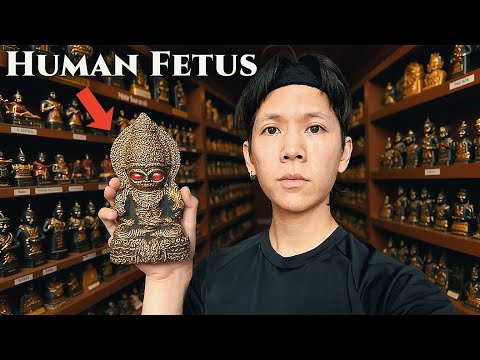
The Kuman Thong: Southeast Asia's Most Forbidden Amulet and its Dark Legacy


A Legacy Whispered in Shadows

The air tasted of ozone and something ancient, a scent often associated with raw power. In certain corners of Southeast Asia, a legend persists, a whisper of amulets so potent they were deemed too dangerous for common practice, their creation and use shrouded in secrecy and fear. This is not a tale of benevolent spirits or simple charms; it’s the story of the Kuman Thong, a phenomenon that blurs the lines between folklore, magic, and the very essence of existence. You might have seen them depicted in popular media, sometimes as Tamagotchi-like companions, other times as harbingers of dread. But what lies beneath the surface of these forbidden artifacts? Today, we dissect a legend, not to idolize, but to understand its mechanics.

What Exactly is the Kuman Thong?

At its core, the Kuman Thong (often translated as "Golden Boy" or "Spirit Child") refers to a type of spirit or amulet in Thai and Southeast Asian animistic traditions. They are believed to be the spirits of deceased fetuses or infants, ritually prepared and imbued with spiritual energy. These spirits are then housed within effigies, amulets, or consecrated containers, and are invoked by practitioners to provide protection, fortune, and assistance in various endeavors.

The concept is deeply rooted in animism, the belief that spirits inhabit all things, natural and artificial. The Kuman Thong embodies a powerful, yet potentially volatile, spirit that can be bound to serve its conjurer. It’s a pragmatic transaction: offerings and devotion in exchange for supernatural aid. For those who dabble in the occult, understanding the nature of such entities is paramount. They are not mere symbols; they are conduits of belief and intent, amplified by ritual.

Historical Origins: From Protection to Power

The origins of the Kuman Thong are ancient, intertwined with folk beliefs concerning the spirit world and the perceived power of departed souls. Early forms likely involved rituals for appeasing the spirits of stillborn children or those who died tragically, seeking their protection and good fortune for the living. This practice is not unique to Thailand; similar beliefs can be found in various cultures where ancestors or spirits of the young are veneroned.

However, the Kuman Thong gained notoriety and its "forbidden" status due to the darker aspects associated with its creation. Legends speak of necromantic rituals, often performed by individuals with malicious intent or a thirst for power, involving the desecration of fetuses and the binding of volatile spirits. These tales, amplified by fear and superstition, led to the perception of the Kuman Thong as a tool of black magic, capable of immense power but at a significant karmic cost.

This evolution from a protective charm to an instrument of potent, often dangerous magic, highlights a recurring theme in occult studies: the dual nature of power. As one notable occultist put it:

"All enchantment is a force; and all force is a duality. The light casts a shadow, and the shadow can be shaped into a weapon."
The history of the Kuman Thong is a stark reminder that intent and methodology are everything in the manipulation of spiritual energies. Whether for protection or coercion, the underlying principles of spirit binding and energetic manipulation remain.

The Forbidden Ritual: Crafting a Kuman Thong

The most infamous aspect of the Kuman Thong lore concerns its creation. While benevolent practitioners might receive consecrated amulets from respected monks, the darker legends speak of a far more disturbing process. The ritual, as described in hushed tones and ancient texts, is said to involve:

* Acquisition of a Fetus: This is the most controversial and feared element. Legends speak of obtaining a fetus, often through illicit means, which is then ritually prepared. * Ritual Consecration: The fetus is subjected to a series of intense rituals, often involving chanting, burning of sacred herbs like *Waan* (a type of magical plant), and the application of magical inscriptions. The aim is to preserve the physical form and imbue it with spiritual power. * Binding and Invocation: The prepared spirit is then believed to be bound to an effigy or amulet. The practitioner must then perform ongoing rituals and offerings, such as food, drink, and toys, to maintain the spirit's allegiance and power.

It's crucial to understand that the efficacy of such practices is debated, and many of these accounts are rooted in folklore and superstition. However, the *belief* in these rituals is what imbues the Kuman Thong with its perceived power. The intent behind the creation, and the subsequent belief of the practitioner and those around them, fuels the energetic transaction. As you delve deeper into the study of occultism, you'll find that the "how" is often less important than the "why" and the "belief" that underpins it.

The Kuman Thong in Modern Practice: Power and Peril

In contemporary Southeast Asia, the Kuman Thong remains a significant part of folk belief and occult practice. While the more extreme legends of ritualistic fetus preparation are widely deplored and often considered taboo, commercially produced Kuman Thong amulets and effigies are readily available. These are typically consecrated by monks or spiritual masters, intended for protective and prosperity-drawing purposes.

Practitioners invoke their Kuman Thong for:

* Protection: Guarding against malevolent spirits, accidents, and misfortune. * Wealth and Fortune: Attracting customers to businesses, increasing luck in gambling, and general financial prosperity. * Guidance and Information: Some believe Kuman Thong can provide insights or forewarnings.

However, working with such powerful entities is not without its risks. Stories abound of practitioners being overwhelmed by their Kuman Thong, experiencing negative consequences, or finding their lives spiraled by the entity's demands. This is where the principle of karmic balance comes into play.

"Every action has an equal and opposite reaction. For every power invoked, a price is demanded."
The power derived from a Kuman Thong is often seen as borrowed, not earned, and the "interest" can be steep. The belief that these entities are born from deceased children also adds a layer of ethical complexity, a point that resonates deeply for many who encounter this facet of occult lore.

Kuman Thong vs. Egregores: A Comparative Analysis

It's tempting to draw parallels between the Kuman Thong and the concept of Egregores, another prevalent topic in occult studies. While both involve the creation or binding of spiritual entities, there are key distinctions:

* Origin: Kuman Thong are typically believed to be spirits of deceased infants, ritually bound. Egregores, on the other hand, are psychic constructs or collective consciousnesses formed by the shared belief and emotional energy of a group of people. * Nature: Kuman Thong are often treated as distinct personalities with their own agency (albeit bound). Egregores are more akin to energetic patterns or entities that exist because of consistent belief and focus from a group. Think of them as psychic machines designed by collective will. * Creation: While Kuman Thong creation (in its darker forms) involves specific, often gruesome, rituals, Egregores are "born" organically from collective thought and belief; they can also be deliberately constructed through focused group intent.

Both systems, however, demonstrate the fundamental principle of manifestation through belief and directed energy. The Kuman Thong is a more individualized, often solitary, endeavor in spirit binding, while Egregores are inherently communal. Understanding the nuances between these forms of spiritual constructs is vital for any serious practitioner aiming to harness or defend against such energies. If you're interested in the mechanics of collective belief, exploring how entities like those in Egregores form is a crucial next step.

Verdict of the Practitioner: Is the Kuman Thong Worth the Risk?

From a pragmatic occultist's perspective, the Kuman Thong presents a profound dilemma. Its potential for power – for protection, wealth, and influence – is undeniable, as evidenced by centuries of belief and practice. However, the inherent risks are equally significant.

Pros: * Potentially immense power for protection and prosperity. * Deep connection to ancient animistic traditions. * Can serve as a powerful focal point for personal will and belief.

Cons: * Significant ethical concerns surrounding its creation lore. * High potential for negative repercussions, including spiritual or psychological backlash. * Requires continuous energy investment and offerings. * The concept itself can be deeply disturbing for many.

Ultimately, whether one chooses to engage with the Kuman Thong is a personal decision, fraught with peril. It demands an understanding of spiritual law, immense discipline, and a clear grasp of one's own intentions. For most, the pursuit of power through such means is akin to playing with fire – exhilarating but potentially devastating. It’s a potent reminder that manipulating spiritual forces, especially those tied to life and death, requires more than just desire; it demands wisdom and responsibility. If you seek safer avenues for harnessing personal power, consider exploring techniques like Sigil Magic or disciplined meditation.

Arsenal of the Mage: Essential Tools for Deeper Exploration

To truly understand the forces at play in traditions like the Kuman Thong, equipping yourself with the right knowledge and tools is paramount. While direct engagement with such practices is not recommended for beginners, studying them requires a robust foundation.
  • Books:
    • "The Golden Child: Folk Belief and the Supernatural in Thailand" by Professor Stanley J. Tambiah. Provides crucial anthropological context.
    • "Thai Folk-Religion and Folk-Psychiatry" by Thomas John Hudec. Offers deep insights into the belief systems.
    • "Liber Null & Psychonaut: The Practice of Chaos Magic" by Peter J. Carroll. Essential for understanding the principles of spirit binding and manifestation, even if not directly related to Kuman Thong.
    • "The Kybalion" by The Three Initiates. For understanding the fundamental laws of the universe, applicable to all forms of magic.
  • Tools:
    • A high-quality notebook or journal for recording observations, rituals, and insights. Specialized occult journals can enhance the experience.
    • A protective amulet or talisman for your own spiritual defense during research.
    • Incense such as Sandalwood or Frankincense to create a conducive atmosphere for study and ritual.
  • Resources:
    • Academic papers on Southeast Asian folklore and religious practices.
    • Reputable occult forums or communities dedicated to ethical practice and deep study.

Practical Workshop: Creating a Simple Sigil for Personal Protection

While the Kuman Thong represents a complex and potentially dangerous path, the principles of intent, belief, and energetic charging are universal in magic. Here's a simplified exercise to harness these principles for personal protection, a safer entry point into the world of conscious manifestation.
  1. Define Your Intent: Clearly state your desire for protection. Be specific. For example: "I am shielded from all physical and spiritual harm."
  2. Symbolize Your Intent: Condense your statement into a single, powerful word or phrase. Example: "SHIELDED".
  3. Deconstruct and Design: Break down the letters of your word into abstract shapes and lines. Eliminate repeating letters. Focus on creating a visually unique symbol that resonates with your intent. There's no "right" or "wrong" design; it's about your personal connection to it. For "SHIELDED": S, H, I, E, L, D. You might combine these into a stylized glyph.
  4. Charge the Sigil: Enter a state of heightened awareness, often achieved through meditation, chanting, or intense focus. Hold the sigil in your mind's eye or in your hand, and pour your intention and energy into it. Visualize its purpose being fulfilled.
  5. Release and Forget: Once charged, the sigil's work begins. The key is to "forget" it consciously. This allows the subconscious to work without the hindrance of conscious doubt. You can do this by destroying the original drawing (burning, tearing) or simply filing it away and moving on.

This process bypasses the need for external entities and focuses on empowering your own will. It’s a fundamental technique that forms the bedrock of many magical systems, including Chaos Magic.

Frequently Asked Questions

  • Are Kuman Thong real? The existence of Kuman Thong as physical entities is a matter of belief and folklore. However, their power as psychological and energetic catalysts is very real for those who believe in them and practice with them.
  • Can Kuman Thong bring good luck? Many practitioners believe they can, particularly in areas like business and gambling, by warding off misfortune and attracting positive energies.
  • Is it dangerous to own a Kuman Thong? Engaging with any spiritual practice carries potential risks. With Kuman Thong, especially those created through controversial means, the dangers are amplified due to ethical concerns and the potential for backlash.
  • Are there safer alternatives to Kuman Thong? Yes. Many amulets, talismans, and magical systems focus on protection and prosperity without the ethical complications and inherent risks associated with Kuman Thong lore. Exploring Protection Magic or personal development techniques is advisable for beginners.
  • How do Kuman Thong differ from Egregores? Kuman Thong are understood as spirits of deceased infants bound to objects, while Egregores are psychic constructs formed by collective belief.

Your Operation: Define Your Paradigm

The lore of the Kuman Thong forces us to confront uncomfortable truths about power, belief, and the human psyche. It exists at the intersection of ancient animism, necromancy, and the deeply human desire to influence reality.

Your operation is this: Reflect on the concept of borrowed power. Consider the Kuman Thong as a potent metaphor for how we seek easy solutions or external agents to solve our problems. Where in your life are you seeking power through means that might carry a hidden cost?

Analyze a situation where you've sought external help for a personal goal. Did it truly empower you, or did it create a dependency? How could you have approached it by strengthening your own inner resolve and resources, rather than relying on an external entity or force? Document your thoughts. The most profound magic often lies not in summoning spirits, but in understanding and mastering the spirits within yourself.

Practitioner's Note: True magick requires resources. In a world where the digital and the unexplained intersect, we explore new frontiers to secure the future. Do you dare to be part of the vanguard? Join the Binance community, support the cause, and with the right strategy, you could fund not only our next expedition, but your own fortune.
Forbidden Rites: Unveiling Asia's Most Extreme Occult Practices


Practice Region Description Potential Dangers
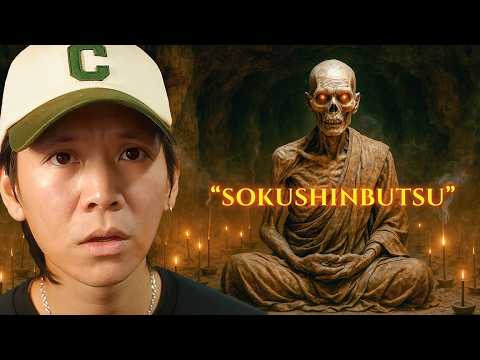
Sokushinbutsu (Self-Mummification) Japan Monks undergo extreme asceticism, dietary restrictions, and meditation to preserve their bodies after death, a practice not universally supported by traditional Buddhist doctrine which often warns against extreme asceticism. Severe physical and psychological toll on the practitioner, potential for misinterpretation of religious tenets.
Ghost Marriage (冥婚) China, Singapore, Malaysia Rituals to marry deceased individuals, often to appease spirits, ensure lineage continuity, or fulfill unfulfilled desires. While often conducted privately by families, historical instances involved grave robbing. Ethical concerns regarding grave desecration, potential for exploitation, familial pressure.
Kulam/Mambabarang (Witchcraft/Sorcery) Philippines Practices involving curses, hexes, and malevolent magic, often fueled by personal grudges or perceived slights. Involves inflicting harm through spiritual means. Psychological distress, potential for real-world harm through manipulation or misdiagnosis (e.g., attributing ailments to curses), social ostracization.
Pocong (Spirit) Indonesia, Malaysia The bound corpse of a deceased person, often depicted as a malevolent entity. Different classifications (white, red, black) suggest varying levels of danger and intent. Fear, psychological distress, potential for manipulation through superstition.
Ma Chơi (Ghost Games) Vietnam Ritualistic games played during sleepovers, blurring lines between playful superstition and genuine engagement with the spirit world. Potential for heightened anxiety or fear in younger participants, blurring of reality and fantasy.

The pursuit of the arcane is a thread woven deeply into the fabric of human history, an enduring testament to our fascination with the unseen forces that shape our world. Across continents, ancient traditions have birthed practices so potent, so steeped in mystery, that they have often been relegated to the shadows, whispered about in hushed tones and, in many cases, permanently banned. Asia, a crucible of spiritual and occult philosophies, offers a particularly rich tapestry of these forbidden rites, each carrying its own weight of spiritual significance, potential power, and profound danger.

It's a common misconception that the pursuit of enlightenment or spiritual power within these traditions is always a serene journey. Often, the path is paved with extreme measures, pushing the boundaries of human endurance and challenging the very definition of sacrifice. This drive for ultimate understanding frequently leads practitioners to the precipice of what society deems acceptable, and beyond.

The Silent Ascent: Sokushinbutsu – A Monk's Final Sacrifice

In the rugged mountains and secluded temples of Japan, a practice known as Sokushinbutsu emerged, a testament to an extreme form of devotion that pushes the limits of asceticism. This ritual involved monks undertaking a rigorous, multi-year process of self-starvation, dietary control, and intense meditation, all with the ultimate goal of preserving their physical bodies after death, transforming them into mummified relics. The idea was that such a profound act of self-denial would elevate the monk to Buddhahood, or at least create a sacred artifact to guide future generations.

The process was grueling. Monks would gradually eliminate grains and nuts from their diet, subsisting on bark, roots, and pine needles. This arduous regimen, coupled with constant meditation and chanting, would slowly dehydrate the body and lead to a state of near-death. Upon the monk's final passing, their body, already remarkably preserved, would be placed in a tomb, often with only a small opening for incense, for a further period to ensure complete mummification. The result was a preserved body, revered as a sacred object, resonating with the immense willpower of the ascetic.

It is crucial to understand that this level of self-mortification is not universally endorsed within traditional Buddhism. The concept of "The Middle Way," a core teaching, specifically warns against extreme asceticism and self-flagellation, advocating for a balanced approach to spiritual development. The Sokushinbutsu practice, therefore, represents a radical departure from mainstream Buddhist philosophy, leaning more towards a fervent, almost desperate, quest for ultimate spiritual attainment, often bordering on what many would consider debilitating self-harm. The psychological toll, the intense physical suffering, and the profound isolation required for this practice are beyond comprehension for most.

The Unseen Contracts: Ghost Marriage and the Pact with the Departed

Across East and Southeast Asia, particularly in Chinese, Singaporean, and Malaysian cultures, the practice of Ghost Marriage, or Ming Hun (冥婚), has persisted despite its controversial nature. This ritual involves arranging a marriage between a living person and a deceased individual, or between two deceased individuals. The motivations are varied: to appease restless spirits, to ensure a family lineage continues through the deceased, or to provide companionship for a soul believed to be lonely in the afterlife. Historically, this practice has been linked to grave robbing, where families would steal corpses to perform the ceremony, a grim detail that underlines the desperation and seriousness with which this rite was approached. Imagine the horror of realizing your loved one's remains have been disturbed, not for desecration, but for an otherworldly matrimonial union.

The modern practice, while often less reliant on corpse theft, still carries significant weight. Families may choose a living partner—often a widow or widower, or sometimes a younger relative—to marry the deceased. This union is symbolic, a pact intended to bring harmony between the living and the dead. However, the ethical implications are vast. The act of performing a marriage for profit, or coercing individuals into such unions, raises severe questions about exploitation. The lingering specter of its more violent origins, where the dead were literally stolen to fulfill a ritual, casts a long shadow over the entire tradition. The stories of ghost marriages being held privately, even in recent times, demonstrate that this practice, while potentially outlawed or frowned upon, remains deeply embedded in the cultural consciousness.

Whispers of the Shadow: Kulam and the Philippine Sorceress

The Philippines, an archipelago steeped in a rich tapestry of folklore and spiritual beliefs, is home to practices like Kulam and the machinations of Mambabarang – forms of witchcraft and sorcery that continue to instill fear and awe. These are not mere superstitions; they are living traditions that, for many, represent a tangible threat. The stories abound of individuals targeted by witches, often due to personal disputes, perceived slights, or unrequited desires. One chilling account speaks of a prominent dentist who spurned the advances of a woman with alleged occult affiliations. Soon after, he awoke paralyzed, one leg inexplicably withered to half its size. Local doctors were baffled, but a spirit healer revealed it was a curse, a manifestation of the woman's wrath. The healing process was lengthy, a stark reminder of the potent, and often malevolent, force of these practices.

Another encounter involves an Aswang, a shapeshifting creature from Filipino folklore. While not always malicious, crossing paths with one, especially in its spectral, featureless pig form, can leave a person deeply shaken for weeks. These tales are not just ghost stories; they are descriptions of a palpable spiritual warfare that exists alongside the mundane. The line between genuine spiritual affliction and psychological suggestion is often blurred, with many attributing unexplained illnesses or misfortune to the work of a mangkukulam (witch) or mambabarang (sorceress). The ongoing cultural fascination, even depicting battles between modern-day healers and sorcerers in popular media like "Penduko," highlights how these ancient beliefs continue to shape the perception of reality for many Filipinos, particularly in rural areas.

The Bound Terror: Pocong and the Restless Dead

In the spectral landscapes of Indonesia and Malaysia, the Pocong reigns as one of the most unsettling figures in local folklore. Often depicted as the bound corpse of a deceased person, wrapped tightly in a burial shroud tied at the head, feet, and neck, the Pocong is believed to be unable to move freely, thus its characteristic hopping gait. This visual representation is a stark reminder of death's finality and the potential for spiritual unrest.

Local lore categorizes Pocong into different types, each with varying degrees of malevolence. The common white Pocong is often seen as less dangerous, while the red Pocong is described as far more devious and difficult for traditional shamans, or Bomoh, to handle. The black Pocong is considered the most dangerous, imbued with pure evil and capable of causing death to its victims. The fear associated with the Pocong is so pervasive that it influences everyday behaviors, such as the caution advised when encountering red packets found on the ground. Many believe these packets can be traps, used to lure unsuspecting individuals into performing rituals or becoming ensnared by malevolent entities, a theme explored in films like "Marry My Dead Body" and its Thai remake "Red Envelope." This cultural awareness extends to other spectral beings, like the Pontianak, which also has its own terrifying classifications.

The Ritualistic Game: Ma Chơi and the Spirit's Play

In Vietnam, a less overtly terrifying, yet still intriguing, practice exists: Ma Chơi, which translates to "play ghost" or "play with ghost." This tradition, particularly popular among children during sleepovers, involves a ritualistic game that blurs the lines between innocent fun and genuine engagement with the spirit world. While specific rules can vary, the core idea revolves around invoking or interacting with spirits in a playful context.

Though often dismissed as a children's game, the underlying concept of intentionally engaging with the unseen carries a subtle risk. For young, impressionable minds, the distinction between playful interaction and genuine spiritual contact can become muddled, potentially leading to heightened anxiety, fear, or a distorted perception of reality. The game serves as a cultural touchstone, reflecting a society where the presence of spirits is acknowledged and integrated into various aspects of life, even into childhood pastimes.

Arsenal of the Occultist: Tools for the Unseen Journey

Navigating the complex and often dangerous currents of occult practices requires more than mere intention; it demands the right tools and knowledge. For those serious about delving into these realms, a curated arsenal is indispensable:

  • Books: "Liber Null & Psychonaut" by Peter J. Carroll is foundational for Chaos Magick. "Condensed Chaos" by Phil Hine offers practical guidance, while "The Kybalion" provides ancient esoteric principles. For a deeper dive into specific cultural practices, look for anthropological studies and historical texts relevant to the region you are exploring.
  • Ritual Implements: Depending on the practice, items like a ritual dagger (athame), a wand, consecrated chalices, and specific types of incense (sandalwood, frankincense, myrrh) can serve to focus intent and energy.
  • Divination Tools: Tarot decks, such as the Thoth deck for its complex symbolism, or even simpler Rider-Waite variants, can offer insights. Scrying mirrors or bowls of water are also classic tools for divination.
  • Journals: A dedicated journal is paramount for recording spells, sigils, dream work, and ritual outcomes. This is crucial for tracking progress and understanding the subtle energies at play.
  • Digital Resources: Modern practitioners can leverage astrology apps for timing, sigil generators for creation, and secure digital platforms for note-taking. However, always ensure the security and privacy of your work.

The Practitioner's Verdict: Navigating the Forbidden

The occult practices detailed here are not for the faint of heart. They represent the extreme edges of spiritual and psychological exploration, often pushing individuals to their absolute limits. Sokushinbutsu demands unparalleled self-discipline and physical endurance, Ghost Marriage grapples with profound ethical and spiritual complexities, while Kulam and Pocong tap into primal fears and the tangible impact of malevolent spiritual forces.

These practices, while perhaps banned or relegated to the fringes, serve as powerful reminders of humanity's enduring quest to understand life, death, and the forces that lie beyond our perceived reality. They highlight the diverse ways cultures attempt to mediate with the spiritual realm, often through methods that defy conventional understanding and societal norms.

Your Operation: Define Your Relationship with the Unseen

After exploring these potent and often forbidden rites, it's time to confront your own relationship with the unseen. Consider the following:

  • Do the cautionary tales of these practices resonate with your own understanding of spiritual power and its potential for misuse?
  • If you were to engage with any of these traditions (hypothetically, and with extreme caution), what ethical considerations would be paramount in your approach?
  • How does the cultural context of these practices shape their perceived danger and spiritual significance?

Share your reflections and insights in the comments below. Let's engage in a dialogue about the true nature of power, sacrifice, and the unseen forces that continue to shape our world.

Practitioner's Note: True magick requires resources. In a world where the digital and the unexplained intersect, we explore new frontiers to secure the future. Do you dare to be part of the vanguard? Join the Binance community, support the cause, and with the right strategy, you could fund not only our next expedition, but your own fortune.
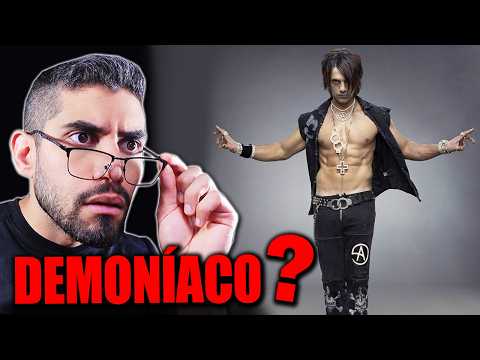
The Elusive Pact: Unmasking the "Demonic Aid" of Modern Sorcery


The Whispers of the Unseen

The air crackles with an unspoken energy, a subtle shift in perception that hints at powers beyond the mundane explanation. Modern practitioners, armed with a blend of ancient lore and digital tools, often find themselves at a crossroads, questioning the source of their efficacy. Amidst the whispers of sigils manifesting and intentions bending reality, the notion of "demonic aid" surfaces, often dismissed by the pragmatic as mere folklore or clever trickery. But what if there's more to these pacts than meets the eye? Is the devil truly in the details of every successful operation, or is the true power rooted elsewhere? This exploration aims to dissect these claims, moving beyond the sensationalism to understand the *practical* implications of perceived external forces in the grimoire of modern sorcery.
"The magician is not one who conjures demons, but one who understands the forces that govern desire and manifestation, and wields them with precision."

The Illusion of Power: Deconstructing the Skepticism

The immediate reaction from many, as evidenced by the community's feedback, is to dismiss claims of supernatural assistance as elaborate illusions or outdated beliefs. The argument for physical mechanisms, clever misdirection, and psychological manipulation is strong. Take, for instance, the breathtaking `Bian Lian` mask changes. The explanations are readily available: ultrafine masks, hidden strings, synchronized movements, and strategic concealment. This is a testament to human ingenuity, a dazzling display of skill honed over centuries.

This skepticism is healthy. It forces us to question the *how* and the *why*. If a trick can be explained by physics and stagecraft, does that negate the *experience* of witnessing it? Does it invalidate the awe it inspires? The very act of deconstruction, of revealing the 'trick', often leads to a deeper appreciation of the artistry involved. For the pragmatic sorcerer, understanding the mechanics behind an effect is not about debunking it, but about learning from its principles. This foundational understanding is critical when we later discuss sigil magic and the power of focused intent.

The persistent belief within some circles that "demonic aid" is involved, however, points to a deeper psychological landscape. When faced with feats that defy immediate explanation, the human mind often defaults to familiar paradigms, and for many, the 'demonic' is a potent, albeit negative, archetype of potent, hidden power. This is a concept we will revisit when we delve into the psychology of belief and its role in manifestation.

Bian Lian: The Art of Masking Reality

The `Bian Lian` (face-changing) art form, often cited as an example of "demonic aid," is a prime candidate for such misinterpretations. The visuals are undeniably spectacular. Masks appear and disappear with astonishing speed, transforming a performer's visage in the blink of an eye. Skeptics correctly point out that this is a well-documented theatrical technique. The masks are incredibly thin, often no thicker than hosiery or silk scarves, allowing multiple layers to be stacked. Hidden threads and a sophisticated mechanism within the costume allow the performer to pull away one mask, revealing the next, all synchronized with distracting movements like fanning, shaking the head, or a theatrical flourish.

The key takeaway here isn't to prove or disprove the existence of supernatural entities influencing performers. Instead, it's to recognize the power of *illusion* and *performance*. The `Bian Lian` artist, through mastery of their craft, creates an experience that *feels* magical. They manipulate perception, exploit the audience's focus, and present an effect that, to the uninitiated, seems to defy physical laws. This masterful control over perception is a vital skill for any practitioner aiming to manifest their will. It's about understanding how to direct attention, how to create a powerful focal point, and how to deliver an outcome that feels significant. This principle underpins much of chaos magick, where the practitioner bends reality through focused intent and symbolic action.

Moreover, the symbolism inherent in mask-changing is rich. Masks are archetypes of identity, transformation, and hidden selves. The act of changing masks can represent the shedding of old selves, the adoption of new personas, or the unveiling of deeper truths. For a practitioner, this can be viewed as a potent metaphor for inner work, a visual representation of psychological metamorphosis. The effectiveness of such symbolic action is a cornerstone of sigil magic, where abstract desires are condensed into potent symbols.

Sigil Crafting: A Personal Pact

When we move away from theatrical illusions, we encounter practices that proponents claim *do* involve external forces. `Sigil magic`, for instance, is often misunderstood. At its core, `sigil magic` involves condensing a desire into a symbolic form and then charging it with energy, often in a state of heightened awareness or gnosis, to be released into the subconscious or the ether for manifestation. The "pact" here is not necessarily with a demon, but with oneself. It's a commitment to a desire, a focused channeling of intent.

The process typically involves several steps, akin to a ritualistic operation:

  1. Define Your Intent: Be specific. What do you truly want? Vague desires yield vague results. For instance, instead of "I want more money," aim for "I will manifest $500 within one week."
  2. Formulate Your Sigil: This is where personal symbolism comes into play. You can use word decomposition methods (like removing vowels and repeating letters from your statement and forming a symbol from the remaining letters) or create a purely intuitive symbol that resonates with your desire. The less recognizable, the better, as it bypasses conscious censorship.
  3. Charge the Sigil: This is the crucial step. The sigil needs to be imbued with potent energy. This can be achieved through intense emotional states (ecstasy, fear, focus), ecstatic dance, rhythmic chanting, or even through a state of "giggling gnosis"—a state of playful, almost absurd, detachment. The goal is to overload the conscious mind so the sigil can bypass it and lodge itself deeply in the subconscious.
  4. Forget the Sigil: Once charged, the sigil must be consciously forgotten. This prevents the analytical mind from interfering and "unmaking" the work. The sigil then operates from the background, subtly influencing probabilities and aligning circumstances.
  5. Observe Manifestation: Be aware of synchronicities and opportunities that arise. The universe will conspire to bring your sigil into being, but you must be receptive to its manifestations.

The "demonic" aspect often arises when practitioners feel an overwhelming, almost alien compulsion to manifest the sigil's intent, or when the manifestation occurs in ways that feel profoundly outside their normal control. This is less about external entities and more about the raw power of the subconscious mind when properly activated. The intensity of the experience can be misattributed. Understanding the principles of chaos magick reveals that practitioners within this framework often embrace any tool or concept that proves effective, whether it's derived from ancient grimoires or modern psychology. This is about results, not dogma.

The Psychology of Belief: Where Does the "Demonic Aid" Reside?

The persistent commentary about "conspiracies," "aliens," and "demons" highlights a fundamental aspect of esoteric practice: the power of belief. Whether one believes in demons, angels, elemental spirits, or simply the potent force of the collective unconscious, that belief shapes the experience and potentially the outcome of their operations.

If a practitioner *believes* they are receiving aid from a specific entity or force, their focus and intention become amplified. This is where the concept of egregores and tulpa creation, explored in texts like "Liber Null & Psychonaut", becomes relevant. These are thought-forms or collective consciousnesses that gain a degree of independent existence through sustained belief and energy. A practitioner might intentionally or unintentionally interact with these constructs, mistaking them for ancient demonic entities.

The "demonic" can be seen as a potent archetype representing forbidden knowledge, primal urges, or the shadow self. Engaging with these concepts, whether through ritual or contemplation, can unlock immense personal power. The key is not to become a slave to these archetypes, but to understand them, integrate them, and use them consciously. The very act of engaging with the "darker" side of magic, while potentially unnerving, can be incredibly liberating and empowering for those who approach it with courage and clear intent. It requires a disciplined mind, the kind that can discern illusion from reality, a skill as vital as any ceremonial tool.

Arsenal of the Practitioner

For those serious about exploring these concepts pragmatically, a curated selection of resources can accelerate understanding and practice:

* Books: * "Liber Null & Psychonaut" by Peter J. Carroll: The foundational text for chaos magick, full of practical techniques and philosophy. * "Condensed Chaos" by Phil Hine: An accessible guide to chaos magick principles and practices. * "The Kybalion": While not directly about demons, its principles of mentalism and correspondence are fundamental to understanding magical operations. * Works by Aleister Crowley (e.g., *Magick: Book 4*) and Austin Osman Spare, for historical context and diverse techniques. * Tools: * A well-crafted obsidian scrying mirror: For introspective work and potential contact with subconscious aspects. * High-quality incense (e.g., Sandalwood, Myrrh): To create atmospheric conditions conducive to altered states of consciousness. * A personal journal: Crucial for recording sigil work, dream analysis, and observations of synchronicities. * Software: * Astrology charting software (e.g., Solar Fire, Astro Gold): To understand astrological timings and correspondences that can enhance ritual efficacy. * Digital journaling apps with strong encryption: For private recording of sensitive magical workings.

Practical Workshop: Defining Your Intent

Before any ritual or sigil creation, the most critical step is defining your intent with absolute clarity. This is not merely an intellectual exercise; it's a precise act of will.
  1. Identify the Core Desire: What is the deepest, most fundamental outcome you seek? Strip away the superficial wants until you reach the root.
  2. Quantify and Qualify: If the desire is for something tangible (money, success, a specific outcome), define it as precisely as possible. When must it manifest? Under what conditions? What does success look like?
  3. Frame as Affirmation: Rephrase your desire into a positive, present-tense affirmation. For example, "I have successfully manifested X," or "I am now experiencing Y."
  4. Consider the Energetic & Ethical Ramifications: Briefly reflect on the potential impact of your desire's manifestation. While the "demonic pact" narrative often implies a cost, true magic works with energies. What kind of energy are you introducing into the world and your life? This isn't about moralizing, but about understanding energetic flows.
This rigorous definition is the bedrock upon which any successful magical operation is built, whether one believes they are channeling ancient entities or merely harnessing their own untapped potential.

Verdict of the Practitioner: Worthy of Integration?

The "demonic aid" narrative is, for the most part, a sensationalized interpretation of powerful psychological, energetic, and symbolic forces. The `Bian Lian` mask change is a testament to human skill and misdirection, not infernal pacts. However, this doesn't mean there's no room for external influence or advanced techniques in a practitioner's arsenal.

The true "aid" lies not in summoning entities, but in understanding and mastering the mechanisms of manifestation. This includes:

  • Psychological Rigor: The power of focused intent, belief, and the subconscious mind is immense. Practices like `sigil magic` are potent precisely because they tap into these reserves.
  • Symbolic Resonance: Understanding archetypes, symbols, and their power to influence perception and reality.
  • Energetic Management: Learning to generate, direct, and release energy effectively, whether through ritual, meditation, or altered states.
  • Perceptual Manipulation: The ability to create compelling experiences, whether for oneself or others, is a form of subtle magic.

For the modern sorcerer, the question isn't whether demons help, but *how* to achieve results. If acknowledging a "demonic pact" as a mental construct amplifies your focus and commitment, then it serves a purpose. If understanding the mechanics of a trick like `Bian Lian` inspires you to become a master of your own illusions, then that knowledge is invaluable. Ultimately, the real power comes from disciplined practice, clear intent, and a willingness to explore the edges of possibility.

Frequently Asked Questions

  • Q: Are demons real entities that offer magical power?
    A: The existence and nature of "demons" are subject to interpretation across various belief systems. From a pragmatic standpoint, they can be understood as powerful archetypes, thought-forms, or psychological constructs that can be consciously engaged with to amplify intention and manifestation.
  • Q: How can I tell if a success is due to my skill or "demonic aid"?
    A: True mastery lies in discerning the difference. If you can reliably replicate an effect through understanding its mechanics (psychological, symbolic, energetic), it is largely your skill. If there's an element that consistently defies logical explanation and feels profoundly uncanny, it may warrant further exploration, but always with critical analysis, not blind faith.
  • Q: Is `sigil magic` safe?
    A: `Sigil magic` is as safe as your clarity of intent and your ability to manage your mental and emotional states. The primary risk is poor definition of intent leading to unwanted manifestations, or overwhelming yourself with intense emotional charges.
  • Q: How does technology like AI relate to magic?
    A: Technology can be a powerful tool for modern sorcery, from facilitating divination (astrology software) to creating complex illusions or even serving as a platform for building egregores or collective consciousnesses. The principles of focused intent and symbolic representation apply universally.

Your Operation: Forge Your Own Aid

Your challenge is to define a single, clear desire. Then, formulate a simple sigil using the word decomposition method (e.g., take the statement "I AM UNSTOPPABLE" and remove duplicate letters: IAMNSTOPLE --> ISMOPLTE; then create a symbol from these letters). Charge this sigil through vigorous physical activity (running, intense exercise) until you reach a point of exhaustion and mental fog. As you reach this peak, visualize the sigil intensely for a moment, then consciously dismiss it from your mind. For the next week, observe any subtle shifts in your confidence or your ability to overcome minor obstacles. Record your observations. This is your personal experiment in forging your own aid.

Practitioner's Note: True magick requires resources. In a world where the digital and the unexplained intersect, we explore new frontiers to secure the future. Do you dare to be part of the vanguard? Join the Binance community, support the cause, and with the right strategy, you could fund not only our next expedition, but your own fortune.

Angelic Invocation: Unlocking the Ancient Secrets of Western Ceremonial Magic | Practical Chaos Magick

The Solomon's Key Ritual: Unlocking Ancient Western Ceremonial Magic


EMERALD TABLE — Grimoire Record Ritual
⚔️ TypeSpell
📅 Date2026-07-22
📜 FileMC-2026-0142
Difficulty★★★★☆ Avanzado
Read time12 min
🔗 Related AppGoetian Seals Generator
cha0smagicklabs.com — Digital Grimoire of Chaos Magick

The air crackles. A palpable hum resonates, speaking not of sterile studios, but of sacred spaces steeped in ritual. This exploration plunges into the heart of Solomonic magic, a tradition frequently misunderstood and feared. Forget theatrical sensationalism; this is a glimpse into authentic practices by seasoned magicians, a testament to a potent Western path of psychospiritual development. Viewers, be warned: this is not for the uninitiated. The efficacy of these ceremonial techniques demands respect, discipline, and a stable mind – akin to mastering a demanding martial art. This serves as an educational insight, not an invitation for casual dabbling. These practitioners are not devil-worshippers; they are spiritual explorers navigating the intricate landscapes of the psyche, guided by ancient wisdom and a connection to higher powers.

RitualUnveiling the 72 Spirits of Solomon: The Brass Vessel Legend

Our narrative begins with a pivotal moment: the legendary King Solomon, celebrated for his unparalleled wisdom, commanding 72 mighty kings and princes into a consecrated vessel of brass. This act, born from their hubris, resulted in their submersion within the depths of a Babylonian lake. This foundational legend serves as our entry point into understanding the core principles presented.

As a cultural anthropologist and ceremonial magician with over 25 years dedicated to the study and practice of Western shamanism, I've witnessed firsthand how many in my field overlook this rich, yet often maligned, tradition. My own journey has involved the privilege of rediscovering and meticulously reconstructing the actual techniques of ancient Western ceremonial magic. This exploration is your expedition into a realm as mysterious as forgotten continents, yet intimately connected to our very being – the deep caverns of the human psyche. For the first time, we are revealing practical methods once employed by ancient wizards and warlocks to invoke celestial angels and evoke spirits into visible manifestation, even engaging in direct dialogue with them.

What you are about to witness is not mere performance; these techniques remain as potent and effective today as they were centuries ago. Crucially, no mind-altering substances or extraordinary psychic talent are prerequisites. These are the secrets of a lost art, accessible to anyone possessing a vivid imagination and unwavering determination.

From Personal Crisis to the Esoteric Depths: A Journey of Discovery

My own magical odyssey commenced in 1969. A reclusive writer at the time, my existence was a relentless cycle of chain-smoking, excessive coffee consumption, and the gnawing discomfort of chronic indigestion, which doctors misdiagnosed as an ulcer. As a former Green Beret, the notion of succumbing to a "neurotic disease" was profoundly unacceptable. I resolved to heal myself through self-hypnosis. While I achieved initial success in suppressing the pain, it invariably returned, often with increased intensity.

I pushed into trance states deeper than most dared, yet the ulcer persisted. The stark reality, discovered at the precipice of death, was a gallbladder turned to solid rock. In this state of toxic psychosis, my path shifted dramatically. I transitioned from mere self-hypnosis to the profound practices of Tibetan tantric yoga, and ultimately, to what was then considered the most obscure and forbidden path: Western ritual magic.

I had already delved into numerous books on Western ceremonial magic, voraciously consuming ancient grimoires like the *Medieval Key of Solomon* and the infamous *Lesser Key*, which meticulously cataloged the 72 genii of the Arabian Nights – spirits allegedly imprisoned by Solomon within a brass vessel. In my desperate, life-threatening condition, I became profoundly convinced that a hidden truth lay embedded within these seemingly fantastical narratives, a secret key to summoning these powerful princes of the Jinn.

The Elusive "How": Making Spirits Manifest

I immersed myself in the works of both ancient and modern magicians. Their texts were replete with meticulous instructions: crafting specific ritualistic equipment, inscribing intricate sigils, and detailing precise timings and rituals for summoning. Conjurations and divine names of power were laid out, ready to be recited: "Hear me and make all spirits subject unto me so that every spirit of the firmament and of the Aether upon the Earth and under the Earth on dry land and in the waters of whirling air and of rushing fire and every spell and scourge of God may be obedient unto me." The mere recitation of these words sent an undeniable shiver down my spine.

However, a crucial element remained elusive: the practical "how-to." Where, precisely, how, and in what form were these spirits intended to manifest? The missing link was the tangible method of their appearance.

The Angelic Connection: A Pragmatic Bridge

The answer, I discovered, lay not in brute force, but in a profound understanding of the angelic hierarchy and its mirroring within the human psyche. These aren't distant, detached beings, but potent forces that can be invoked and interacted with. The Solomonic tradition, often misinterpreted, is fundamentally about working with these intelligences, internal and external, to achieve tangible results.

The key lies in viewing these angelic and spiritual forces not as external masters, but as highly organized energies, akin to advanced cognitive programs or archetypal manifestations. The process involves aligning your own consciousness with these frequencies, effectively creating a resonance that facilitates interaction. This is where the power of the mind, coupled with ancient techniques, becomes paramount.

The Power of the Celestial Hierarchy

In Western ceremonial magic, the angelic hierarchy provides a structured framework for understanding and interacting with spiritual forces. From the highest Archangels to the lower choirs, each level represents distinct energies and intelligences. King Solomon, in this tradition, is seen as a master adept who understood how to navigate and command these hierarchies through profound knowledge and specific techniques. The Angelic Invocation was his method of accessing and directing these potent forces.

Beyond Belief: The Mechanism of Manifestation

The effectiveness of these invocations stems not from blind faith, but from a deep understanding of consciousness and its interaction with reality. The spirits, whether viewed as external entities or internal psychological constructs, respond to the focused intent and energetic signature of the practitioner. By understanding the principles of Chaos Magick, which posits that belief itself is a tool, one can approach these practices with a flexible paradigm, focusing on the desired outcome rather than rigid dogma.

The Brass Vessel: A Metaphor for Containment and Control

The Brass Vessel legend offers a powerful metaphor. It represents the act of containing and directing immense, potentially chaotic, spiritual energies. Solomon’s act was not one of subjugation for its own sake, but of organization and control for specific purposes – wisdom, protection, and the construction of the Temple. This concept resonates deeply with the modern practice of creating and managing Servitors, where focused intent is used to shape and direct energetic constructs.

From Demons to Angels: Reinterpreting the Grimoires

The historical reinterpretation of many ancient deities and spirits as "demons" in later Abrahamic traditions is a key aspect of ceremonial magic. By understanding this historical shift, practitioners can approach texts like the *Lesser Key* not as literal demonic rosters, but as complex symbolic systems. Evoking a "demon" might, in essence, be interacting with the raw, primal energies that originally represented powerful pagan gods and goddesses. The invocation of angels, conversely, provides a framework for approaching these same potent forces with a structured, protective, and divinely aligned intent. The Goetia, when approached with a ceremonial mindset, can be a powerful tool for psychological exploration and energetic manipulation.

The Practicality of Angels and Spirits

Contrary to popular belief, these practices do not necessitate innate psychic talent or the use of illicit substances. The methods are grounded in accessible psychological and energetic principles. The practitioner's imagination, unwavering determination, and a disciplined approach are the essential components. These techniques offer a system for engaging with what might be termed higher consciousness or archetypal forces, providing a practical pathway to personal transformation and the manifestation of desired outcomes.

Elemental Magic and the Sacred Geometry of Intent

The application of elemental principles and sacred geometry plays a crucial role in ceremonial magic. The arrangement of ritual space, the symbolic representation of elements (Earth, Air, Fire, Water, Spirit), and precisely drawn sigils act as focal points for intention. These elements are not merely symbolic; they are energetic conduits that help structure and direct the practitioner's will.

Within Occult Practices, the understanding of how to create and consecrate tools is paramount. A consecrated circle, for example, serves not only as a boundary but as a charged space for focused work. The geometry of the circle, pentagrams, and hexagrams, when properly understood, acts as a blueprint for energetic construction.

The Dark Mirror Ritual: Reflecting the Inner Landscape

The practice of the Dark Mirror Ritual is particularly potent for self-exploration and interaction with the subconscious. A mirror, charged with intent, can serve as a scrying tool, a portal into the inner realms. This ritual allows for the direct observation of one's own psyche, the identification of hidden patterns, and the invitation of specific archetypal energies for integration or transformation. It’s a powerful technique within Esoteric Psychology for gaining self-awareness.

Angelic Invocation as a Safeguard

When engaging with the more potent or primal forces, the invocation of angelic guides and protective spirits is not just recommended, but essential. These higher intelligences act as a buffer, a guiding force, and a source of alignment, ensuring that operations remain constructive and beneficial. The Angelic Invocation serves as a vital safeguard, preventing uncontrolled energetic feedback or psychological destabilization.

The Solomonic Tradition: A Bridge Between Worlds

The Solomonic Magic tradition, as presented, offers a comprehensive system for psychospiritual development. It is a path that requires dedication, study, and rigorous self-discipline. The techniques, while ancient, remain profoundly relevant for the modern practitioner seeking to understand and consciously influence their reality.

This tradition provides a bridge between the tangible and the intangible, the material and the spiritual. It offers a framework for understanding the complex interplay of consciousness, energy, and manifestation, empowering individuals to take an active role in their own evolution. The ability to invoke celestial angels and engage with spirits is, at its core, the ability to harness the latent potentials of the human mind and spirit.

Frequently Asked Questions (FAQ)

What is the primary goal of Solomonic magic?

The primary goal is psychospiritual development, inner transformation, and the conscious manipulation of reality through structured interaction with spiritual and psychological forces. It aims to unify the practitioner with their higher self and achieve mastery over both the inner and outer worlds.

Are Solomonic spirits literal beings or psychological archetypes?

This is a core debate within ceremonial magic. The tradition itself accommodates both views. Success in practice often depends on the practitioner's paradigm. Whether viewed as external entities or powerful internal manifestations of the psyche, their influence and the results of interacting with them are tangible. The key is the operational effectiveness, not the ontological debate.

Do I need expensive ritual tools to practice?

While traditional tools enhance the ceremonial atmosphere and act as energetic focal points, they are not strictly necessary for efficacy. The most crucial elements are focused intention, disciplined mental states, and a deep understanding of the principles involved. A simple mirror, a consecrated space, and unwavering determination can suffice.

What are the risks involved in practicing Solomonic magic?

The risks are primarily psychological and energetic, stemming from a lack of preparation, discipline, or respect for the forces involved. Approaching these practices with a strong ethical framework, clear intent, and protective measures like Angelic Invocation significantly mitigates these risks. Uncontrolled invocations or a destabilized psyche can lead to psychological distress or energetic imbalance.

How does Solomonic magic relate to modern psychology?

Solomonic magic can be seen as a highly ritualized form of depth psychology. The spirits invoked often represent archetypes, shadow aspects, or specific psychological complexes. Techniques like scrying and trance work are ancient precursors to modern therapeutic techniques for accessing the subconscious. The goal of integrating these forces aligns with modern psychological concepts of self-awareness and individuation.

Can these techniques be applied to everyday life?

Absolutely. The principles of focused intention, disciplined will, and energetic management cultivated through Solomonic magic are directly applicable to achieving goals, overcoming obstacles, and enhancing one's overall well-being. Understanding these forces can help in navigating personal challenges and manifesting desired outcomes in tangible ways.

Are these practices considered "occult"?

Yes, these practices fall under the umbrella of Occult Practices and Western Esotericism. They involve working with hidden knowledge, unseen forces, and inner potentials that are not typically part of mainstream empirical study.

Is this related to the rituals described in the Bible?

The tradition draws heavily from the biblical narrative of King Solomon, who is depicted as possessing extraordinary wisdom and the ability to command supernatural forces. While the Bible itself doesn't detail the specific ceremonial techniques, later grimoires elaborated on these accounts, forming the basis of Solomonic magic.

What is the role of angels in Solomonic magic?

Angels are invoked primarily for protection, guidance, and as intermediaries or regulators of spiritual energies. They help ensure that operations are conducted safely, ethically, and with alignment to higher principles, preventing practitioners from being overwhelmed by more primal or chaotic forces.

Can pagan deities be contacted through these methods?

Yes. As mentioned, many historical pagan deities were later reclassified. By understanding the archetypal energies they represent, practitioners may indeed contact these forces through Solomonic frameworks, approaching them with the appropriate reverence and understanding of their associated powers.

About the author: Frater Alek0s is a veteran practitioner and researcher in the field of chaos magick. His work focuses on the practical and experimental application of occult techniques for self-development and reality exploration, demystifying esotericism for the modern practitioner.

Your Operation: Define Your Paradigm of Evocation

Now that you have been offered a glimpse into the power and complexity of Solomonic magic, it's your turn to engage. Reflect deeply on your personal relationship with the "shadow" aspects of the psyche and the concept of spiritual forces. Do you perceive the spirits of the grimoires as external entities, or as potent internal manifestations of your own consciousness? How might your chosen perspective influence your experience when attempting to evoke them?

Craft a personal manifesto that outlines your paradigm of evocation. Define your ethical guidelines for interacting with these profound forces, and articulate how you plan to integrate Angelic Invocation as a safeguard and guiding principle in your magical work. Sharing your insights can foster a valuable dialogue, as collective exploration is the crucible where true understanding is forged.

***

Arsenal of the Modern Mage

* Essential: Generador de Sellos Goetianos - This powerful tool allows you to generate and understand the sigils of the 72 spirits of Goetia, aiding in their invocation and study. Understand the geometric and symbolic language of these ancient entities. * Recommended: The Lesser Key of Solomon (various editions) - A foundational text for understanding the spirits and rituals of Solomonic magic. * Recommended: The Medieval Key of Solomon - Offers historical context and variations on the Solomonic tradition. * Useful: A High-Quality Mirror - For scrying and Dark Mirror Ritual practices. * Useful: A Dedicated Ceremonial Space - Even a small, consecrated corner can serve as a focal point for ritual work. * Useful: Journal and Pen - For recording experiences, insights, and designing your own sigils and rituals.

***


Referencias

  1. Mathers, S. L. M. (1904). The Goetia: The Lesser Key of Solomon the King. Weiser Books.
  2. Peterson, J. H. (2001). The Lesser Key of Solomon. Weiser Books.
  3. McGregor, J. (2018). The Ars Goetia: A Practical Guide. New Falcon Publications.
  4. Crowley, A. (1904). The Goetia: The Lesser Key of Solomon the King. Self-published.
  5. Rankine, D. (2009). The Grimoire of St. Cyprian. Avalonia.
  6. Skinner, S. (2006). The Goetia of Dr Rudd. Golden Hoard Press.
  7. Boudet, J. (2001). The Grimoire of Armadel. Weiser Books.
  8. Waite, A. E. (1898). The Book of Black Magic and of Pacts. Redway.
  9. Rudd, T. (2007). The Goetia of Dr Rudd: The Angels and Demons of Liber Malorum Spirituum. Golden Hoard Press.
  10. Kieckhefer, R. (1989). Magic in the Middle Ages. Cambridge University Press.
  11. Agrippa, C. (1533). De Occulta Philosophia Libri Tres. Various.
  12. Betz, H. (1986). The Greek Magical Papyri in Translation. University of Chicago Press.