
Tabla de Contenidos
- SigilDescifrando el Tantra: Más Allá del Mito y la Prohibición
- Las Raíces Profundas del Tantra: De Shiva y Shakti a la Filosofía de la Totalidad
- Tantra y la Manifestación: Amor, Dinero y la Danza de las Energías
- El Cuerpo como Templo: Sexualidad Sagrada y Energías Sutiles
- Rituales y Prácticas Tántricas: Una Vía para el Amor y el Dinero
- La Gnosis y el Arte Prohibido: Cuando el Deseo se Fonde en la Realidad
- Tantra y los Caminos de la Abundancia (Amor y Dinero)
- Integrando el Tantra en la Vida Moderna: Una Vía de Transformación
- El Arte de Vivir lo Sagrado en lo Cotidiano: La Esencia del Tantra
- Preguntas Frecuentes sobre Tantra y su Aplicación
- Prácticas Tántricas para el Amor y la Prosperidad: Un Camino Integral
- Arsenal del Mago Moderno
- Descifrando el Tantra: Más Allá del Mito y la Prohibición
- Las Raíces Profundas del Tantra: De Shiva y Shakti a la Filosofía de la Totalidad
- Tantra y la Manifestación: Amor, Dinero y la Danza de las Energías
- El Cuerpo como Templo: Sexualidad Sagrada y Energías Sutiles
- Rituales y Prácticas Tántricas: Una Vía para el Amor y el Dinero
- La Gnosis y el Arte Prohibido: Cuando el Deseo se Fonde en la Realidad
- Tantra y los Caminos de la Abundancia (Amor y Dinero)
- Integrando el Tantra en la Vida Moderna: Una Vía de Transformación
- El Arte de Vivir lo Sagrado en lo Cotidiano: La Esencia del Tantra
- Preguntas Frecuentes sobre Tantra y su Aplicación
- Prácticas Tántricas para el Amor y la Prosperidad: Un Camino Integral
- Arsenal del Mago Moderno
- Descifrando el Tantra: Más Allá del Mito y la Prohibición
- Las Raíces Profundas del Tantra: De Shiva y Shakti a la Filosofía de la Totalidad
- Tantra y la Manifestación: Amor, Dinero y la Danza de las Energías
- El Cuerpo como Templo: Sexualidad Sagrada y Energías Sutiles
- Rituales y Prácticas Tántricas: Una Vía para el Amor y el Dinero
- La Gnosis y el Arte Prohibido: Cuando el Deseo se Fonde en la Realidad
- Tantra y los Caminos de la Abundancia (Amor y Dinero)
- Integrando el Tantra en la Vida Moderna: Una Vía de Transformación
- El Arte de Vivir lo Sagrado en lo Cotidiano: La Esencia del Tantra
- Preguntas Frecuentes sobre Tantra y su Aplicación
- Prácticas Tántricas para el Amor y la Prosperidad: Un Camino Integral
- Arsenal del Mago Moderno
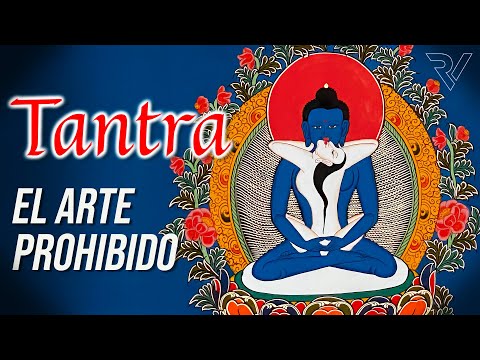
Los secretos del Tantra, una tradición iniciática tan poderosa como incomprendida, han sido celosamente guardados durante siglos. Considerado por algunas corrientes como un "arte prohibido", este camino de transformación interior se adentra en la complejidad de la existencia, explorando la unión de lo opuesto y la divinidad en lo cotidiano. Lejos de las simplificaciones modernas, el Tantra real es una filosofía profunda, un sistema complejo de energización y conciencia que fusiona lo sagrado con lo profano, lo físico con lo espiritual. En este grimorio, desentrañaremos las capas de esta tradición, conectando sus raíces ancestrales con su aplicación práctica en la manifestación de amor, dinero y una vida plena, uniendo Oriente y Occidente en la búsqueda de la totalidad. Si buscas una comprensión seria y profunda, más allá de los mitos y distorsiones, has llegado al lugar correcto. Cada página de este grimorio te acerca al practicante que quieres ser.
Si quieres llevarlo a la práctica, Generador de Sigilos de Magia del Caos te acompaña paso a paso.
SigilDescifrando el Tantra: Más Allá del Mito y la Prohibición
El Tantra, en su esencia, es una vía espiritual que busca la trascendencia a través de la integración de todas las facetas de la existencia, incluyendo aquellas que la sociedad y otras tradiciones han considerado tabú o "prohibidas". La noción de un "arte prohibido" surge de la naturaleza radical de sus prácticas y de su potencial transformador. Muchas de sus enseñanzas, especialmente aquellas vinculadas a la energía sexual y a la manipulación de fuerzas sutiles, fueron reservadas para iniciados capaces de manejarlas con discernimiento y propósito. En lugar de evitar el mundo, el Tantra propone sumergirse en él, reconociendo lo divino en cada experiencia. Este enfoque, que honra tanto a Shiva (la conciencia pura, lo masculino) como a Shakti (la energía creadora, lo femenino), desafía las dualidades que a menudo limitan nuestra percepción de la realidad. Históricamente, la sexualidad sagrada, un componente central en muchas vertientes tántricas, fue un punto de fricción con religiones y sistemas de pensamiento que promovían la renuncia a lo carnal. Sin embargo, el Tantra no aboga por el libertinaje, sino por la transmutación de la energía sexual, reconociéndola como una fuerza vital primordial que puede ser canalizada para la expansión de la conciencia, la sanación y la manifestación de deseos, incluyendo la abundancia material y la plenitud en las relaciones amorosas. Los practicantes más serios y avanzados entienden que la unión de los opuestos, la conjuctio mencionada en la alquimia occidental, es clave.
Las Raíces Profundas del Tantra: De Shiva y Shakti a la Filosofía de la Totalidad
Los orígenes del Tantra se rastrean hasta la antigua India, con raíces que se hunden en las tradiciones védicas y se entrelazan con el budismo y otras filosofías locales. Las tradiciones tántricas más antiguas se centraron en la veneración de deidades como Shiva, el dios del yoga y la destrucción creadora, y Shakti, su consorte divina, la manifestación de la energía cósmica o poder creativo. En estas cosmogonías, Shiva representa la conciencia trascendente, lo estático y puro, mientras que Shakti es la fuerza dinámica que anima el universo, la creación, la preservación y la disolución. La interacción de estas dos fuerzas, a menudo simbolizada en el plano cósmico y en el cuerpo humano, es vista como el motor de toda manifestación. El Tantra Sionista, particularmente influyente en el hinduismo, desarrolló complejas prácticas rituales, meditativas y yóguicas destinadas a despertar la energía Kundalini, la fuerza vital latente en la base de la columna vertebral, y guiarla a través de los chakras (centros de energía) hasta el Sahasrara chakra en la coronilla, logrando la unión con lo divino y la iluminación. El budismo tántrico, especialmente el Vajrayana, adoptó y adaptó muchas de estas prácticas, integrándolas en su propio camino hacia la budeidad, utilizando la visualización de deidades como herramientas para la transformación psicológica y espiritual. La filosofía tántrica subyacente es radicalmente no dualista: sostiene que no hay una separación fundamental entre lo material y lo espiritual, entre el observador y lo observado, entre el placer y el dolor. Todo es manifestación de la misma realidad última. Por ello, en lugar de buscar escapar del mundo fenoménico, el Tantra enseña a encontrar lo sagrado dentro de él, a través de la conciencia plena y la integración de todas las experiencias. La energía sexual, lejos de ser vista como algo pecaminoso o que deba ser suprimido, es reconocida como una de las expresiones más potentes de la energía vital (Shakti), y su transmutación es considerada una vía acelerada hacia la expansión de la conciencia y la manifestación de potencialidades, incluyendo la abundancia de amor y prosperidad financiera. Las sincronicidades observadas por los practicantes, como la aparición simultánea de interés en el tantra, libros de Evola y rituales de Kali, son vistas como una resonancia del camino.
Tantra y la Manifestación: Amor, Dinero y la Danza de las Energías
La conexión entre el Tantra y la manifestación de amor y dinero no es una invención moderna ni una interpretación simplista de sus prácticas. Se basa en la comprensión tántrica de que la realidad es energía y que la conciencia es lo que da forma a esa energía. El Tantra enseña que la energía sexual, reconocida como la fuerza kundalini, es una de las formas más potentes de energía vital que poseemos. Cuando esta energía se acumula y es dirigida conscientemente, se convierte en una herramienta formidable para la manifestación. En el ámbito del amor, el Tantra, a través de prácticas como el maithuna (unión sexual sagrada y consciente, cuando es apropiado), busca no solo el placer físico, sino la profunda conexión y la expansión de la conciencia a través de la unión de las energías masculina y femenina internas y externas. La capacidad de dar y recibir amor, de trascender el ego en la unión, es vista como una emanación de esta maestría energética. Al cultivar la presencia, la conciencia y la capacidad de compartir energía íntima de forma sagrada, se fortalece la capacidad de atraer y mantener relaciones amorosas plenas y auténticas. En cuanto a la prosperidad y el dinero, el Tantra aplica los mismos principios. La energía de la abundancia no es vista como algo externo a ser "atraído" pasivamente, sino como una cualidad de la energía vital que puede ser cultivada y manifestada. Las prácticas tántricas pueden ayudar a despejar bloqueos energéticos y psicológicos que impiden la libre circulación de la abundancia, tanto en el ámbito financiero como en otras áreas de la vida. Al honrar el cuerpo como un templo y la vida como una experiencia sagrada, se aprende a valorar y gestionar las energías de la prosperidad. Ciertos rituales tántricos pueden centrarse en la visualización y la canalización de la energía de la abundancia, utilizando la fuerza de voluntad y la intención focalizada para atraer oportunidades, clientes, proyectos exitosos y, en última instancia, una corriente de prosperidad en todas las esferas de la vida. El uso de mantras, yantras y visualizaciones específicas, así como la transmutación de la energía sexual en fuerza creativa, son herramientas clave. Como bien señalan algunos practicantes avanzados, la gnosis (un estado alterado de conciencia necesario para la carga de intenciones) no puede ser alcanzada plenamente sin un acceso consciente a la energía primordial, la misma energía que anima la unión sexual.
El Cuerpo como Templo: Sexualidad Sagrada y Energías Sutiles
En el corazón de muchas prácticas tántricas se encuentra la profunda reverencia por el cuerpo humano. Lejos de ser visto como un obstáculo para la espiritualidad, el cuerpo es considerado el vehículo principal para la experiencia de lo divino. Es el "templo" donde residen las energías sutiles y donde se puede alcanzar la unión con la conciencia cósmica. Las prácticas somáticas, la respiración consciente (pranayama), el movimiento y la atención plena (mindfulness) son fundamentales para cultivar la conciencia corporal y la conexión con las energías internas. La sexualidad, en este contexto, trasciende la mera procreación o el placer efímero. Se convierte en un acto sagrado, un ritual de unión y energía que, practicado con conciencia y presencia, puede ser una vía poderosa para la expansión espiritual. El Tantra enseña a experimentar el orgasmo no como un evento de descarga, sino como una oportunidad para la expansión de la conciencia, para la fusión de las energías y para la posible liberación de bloqueos energéticos. El objetivo no es simplemente el placer, sino la trascendencia del yo individual a través de la unión íntima y la conexión con la fuerza vital universal. La correcta canalización de la energía sexual, lejos de ser "peligrosa" o propensa a la manipulación, se presenta como una habilidad que se desarrolla gradualmente, cultivando la disciplina, la presencia y la clara comprensión de la intención. Los maestros tántricos enfatizan que la energía sexual es una fuerza primordial de creación, y aprender a dirigirla conscientemente es una de las llaves para la manifestación y la transformación personal. La advertencia sobre la manipulación de "supuestos hierofantes" es pertinente; la autenticidad y la ética son cruciales en cualquier camino espiritual, especialmente en uno que trabaja con energías tan potentes como la sexualidad.
Rituales y Prácticas Tántricas: Una Vía para el Amor y el Dinero
La aplicación práctica del Tantra para atraer amor y prosperidad se manifiesta a través de una variedad de rituales y prácticas diseñadas para alinear la energía personal con las fuerzas universales de la abundancia y la conexión. Estos no son hechizos simples de "un solo uso", sino procesos que cultivan una nueva forma de ser y de interactuar con el mundo. Uno de los pilares es la transmutación de la energía sexual. En lugar de verla como algo a ser reprimido o simplemente liberado, se aprende a retenerla y elevarla, usando la conexión íntima para crear vínculos más profundos y para potenciar visualizaciones y afirmaciones destinadas a la manifestación. El maithuna, cuando se practica entre parejas conscientes y con un propósito espiritual, puede ser una forma elevada de meditación y de creación conjunta de realidades deseadas. Si no se tiene pareja, o si se está trabajando en la auto-maestría, la energía puede enfocarse internamente. El uso de mantras, palabras de poder específicas que resuenan con la vibración de la abundancia o del amor, es otra herramienta común. Cantar un mantra dedicado a deidades asociadas con la riqueza (como Lakshmi en el hinduismo) o con el amor (como Kali en ciertos aspectos, aunque su simbolismo es multifacético) durante un estado de concentración profunda o gnosis, puede imprimir la intención en el tejido de la realidad. Las visualizaciones, conocidas como yantras cuando se refieren a diagramas sagrados, ayudan a enfocar la mente y a dirigir la energía. Imaginar con detalle y emoción la vida deseada, sintiendo la presencia del amor o la abundancia como si ya estuvieran allí, es una técnica tántrica poderosa. La conexión con deidades o arquetipos es también importante. Invocar la energía de Kali, por ejemplo (en sus aspectos de transformación y liberación, no solo de destrucción), puede ayudar a disolver las barreras que impiden la manifestación. La banda checa Cult of Fire, con su enfoque en rituales y devoción a deidades como Kali, ilustra cómo estas energías pueden ser canalizadas incluso en el arte extremo.
La Gnosis y el Arte Prohibido: Cuando el Deseo se Fonde en la Realidad
El concepto de gnosis es central en el Tantra y en muchas otras tradiciones iniciáticas, incluyendo la Magia del Caos. Se refiere a un estado de conciencia alterada, un estado de trance o ausencia de la mente dualista, donde la intención pura puede ser impresa en el subconsciente y, desde allí, influir en la realidad. En el contexto tántrico, la gnosis puede ser alcanzada a través de la meditación profunda, la respiración, el canto de mantras, la danza, la visualización intensa, y sí, a través de la unión sexual sagrada (maithuna). La clave está en alcanzar un estado de "no-mente", donde el ego y sus dudas se disuelven, permitiendo que la energía y la intención fluyan sin resistencia. Es en este estado donde la frase "No hay gnosis sin maithuna" resuena con fuerza para algunos practicantes, sugiriendo que la energía sexual liberada y contenida es un catalizador potente para la experiencia gnóstica más profunda, uniendo lo "occidental" (la conciencia analítica, lo estructurado) con lo "oriental" (la energía primordial, lo fluido). Esta capacidad de disolver la dualidad y experimentar la unidad es lo que hace que el Tantra sea tan transformador y, para algunos, tan "prohibido". El verdadero arte oculto reside en aprender a inducir y utilizar estos estados de conciencia para manifestar nuestros deseos, ya sea encontrar un amor profundo y auténtico, o atraer la prosperidad financiera que nos permita vivir una vida plena y sin carencias.
Tantra y los Caminos de la Abundancia (Amor y Dinero)
La aplicación del Tantra para atraer abundancia, entendida tanto como amor profundo y como prosperidad financiera, se basa en la premisa de que somos co-creadores de nuestra realidad. El universo responde a nuestra vibración y a nuestra intención. El Tantra nos enseña a elevar nuestra vibración y a enfocar nuestra intención de manera poderosa. Para atraer amor, se trabaja en la auto-aceptación, el amor propio y la sanación de viejas heridas emocionales. Al convertirnos en un "templo" vibrante de amor, atraemos circunstancias y personas que resuenan con esa frecuencia. Las prácticas de maithuna (si se aplican adecuadamente) pueden fortalecer la conexión íntima y el intercambio energético en las relaciones, creando un ciclo virtuoso de amor y crecimiento mutuo. En cuanto al dinero y la prosperidad, el Tantra desafía la idea de que la riqueza material es inherentemente corrupta o ajena a lo espiritual. Lo ve como una forma de energía que debe ser atraída, manejada y utilizada de manera consciente y para fines elevados. Al transmutar la energía sexual y dirigirla con intención clara, podemos potenciar rituales de manifestación diseñados para la abundancia. Usar mantramientos, visualizaciones y actos simbólicos que honren la riqueza y nos hagan sentir merecedores de ella son técnicas clave. El famoso cubo del espacio, mencionado como un posible tema para futuros informes, podría ser visto como un sistema similar al Árbol de la Vida cabalístico, que también ha sido utilizado en la alquimia occidental para la manifestación. La clave es la alineación interna: sentirnos prósperos y amados *antes* de que se manifiesten externamente. La sincronización con los ritmos naturales, como las fases lunares o los ciclos planetarios propicios para la manifestación financiera, también puede ser integrada en las prácticas.
Integrando el Tantra en la Vida Moderna: Una Vía de Transformación
La integración del Tantra en la vida moderna, para aquellos que buscan activamente el tantra arte prohibido amor y dinero, no implica necesariamente adoptar un estilo de vida ascético o retirarse del mundo. Al contrario, se trata de infundir lo sagrado en las actividades cotidianas. Comer conscientemente, caminar prestando atención a cada paso, interactuar con los demás desde un lugar de presencia y empatía, y enfocar la vida íntima como un espacio de crecimiento y conexión, son todas manifestaciones del camino tántrico. La sexualidad sagrada, cuando se aplica de forma ética y con consentimiento mutuo, puede ser una fuente inagotable de energía vital y de profunda conexión, utilizada para la sanación, la expansión de la conciencia o, sí, para potenciar la manifestación de nuestros deseos más profundos, sea amor verdadero o prosperidad financiera robusta. La clave es la conciencia, la intención y la presencia. Aquellos que se sienten atraídos por este camino reconocen una resonancia interna, una llamada a explorar las profundidades de su propia energía y conciencia. La "clase de domingo" dedicada a estos temas es bien recibida por quienes buscan entendimiento profundo y serio, lejos de las interpretaciones superficiales. El uso del Chaos Magick Sigil Generator puede ser una herramienta moderna para codificar intenciones y deseos, amplificando la efecto de las prácticas tántricas en la era digital. Podemos crear sigilos para atraer el amor que deseamos, la prosperidad que buscamos, o incluso para facilitar la comprensión profunda de la energía sexual como fuerza creadora. Al fusionar la sabiduría ancestral del Tantra con las herramientas tecnológicas disponibles hoy en día, abrimos nuevos caminos para la manifestación consciente y la auto-transformación.
El Arte de Vivir lo Sagrado en lo Cotidiano: La Esencia del Tantra
En última instancia, el Tantra nos enseña que lo sagrado y lo profano no son entidades separadas, sino dos caras de la misma moneda cósmica. La verdadera maestría reside en ser capaz de experimentar la divinidad en todas las circunstancias, en transmutar las experiencias aparentemente mundanas, incluso aquellas consideradas "tabú" o "prohibidas", en oportunidades para el crecimiento espiritual y la manifestación de nuestros deseos más puros. El amor y el dinero, lejos de ser metas egoístas, pueden ser experimentados y utilizados como expresiones de la energía divina y como medios para un mayor bien. La adoración de Kali, por ejemplo, aunque a menudo malinterpretada, puede ser una poderosa vía para la transformación, ayudando a disolver lo que ya no sirve para dar paso a lo nuevo y a lo deseado. El camino tántrico es una invitación a vivir plenamente, a abrazar el cuerpo, la energía y la conciencia como herramientas sagradas. El tantra arte prohibido amor y dinero es, en realidad, el arte de vivir la totalidad, integrando cada aspecto de la existencia en una danza divina de creación y expansión. Si has llegado hasta aquí buscando una vía seria y profunda, te animo a que continúes tu exploración con mente abierta y corazón dispuesto. El conocimiento se protege a sí mismo, y hoy, se protege en la claridad y la intención.
Preguntas Frecuentes sobre Tantra y su Aplicación
¿Qué es realmente el Tantra y por qué se le considera un arte prohibido?
El Tantra es una filosofía y un conjunto de prácticas espirituales originarias de la India antigua, que busca la trascendencia a través de la integración de todas las facetas de la existencia, incluyendo la sexualidad. Se le consideró prohibido en ciertos contextos históricos y culturales debido a sus métodos radicales, el uso de la energía sexual como vía espiritual y su desafío a las normas sociales y religiosas dualistas, que a menudo promovían la represión de los instintos y el cuerpo. Su complejidad y el potencial de manipulación de sus enseñanzas también contribuyeron a esta percepción.
¿Cómo puede el Tantra ayudar a atraer amor y dinero?
El Tantra enseña a transmutar y dirigir la energía sexual, vista como una fuerza vital primordial (Kundalini), hacia la manifestación de deseos. Al cultivar la presencia, el amor propio y la capacidad de compartir energía de forma consciente y sagrada, se atraen relaciones amorosas plenas. Para el dinero, se aplican principios similares, enfocándose en despejar bloqueos energéticos y psicológicos, y canalizando la energía de la abundancia a través de rituales, mantras y visualizaciones, alineando la vibración personal con la prosperidad.
¿Es el Tantra solo sobre sexualidad?
No, la sexualidad es un componente importante en algunas ramas del Tantra, pero no es su única faceta. El Tantra abarca una amplia gama de prácticas, incluyendo meditación, yoga, respiración, rituales, canto de mantras, visualización y filosofía no dualista. El objetivo es la expansión de la conciencia y la unión con lo divino a través de la integración de todas las experiencias, no limitarse a un solo aspecto de la vida.
¿Qué significa el término "arte prohibido" en el contexto del Tantra?
El término "arte prohibido" se refiere a las enseñanzas y prácticas tántricas que, históricamente, fueron consideradas transgresoras, peligrosas o reservadas únicamente a iniciados avanzados. Esto se debía a la naturaleza desafiante de sus métodos, que a menudo implicaban trabajar con energías consideradas "oscuras" o " mundanas" por otras tradiciones, como la energía sexual o la confrontación de los aspectos sombríos de la psique, en lugar de evitarlos.
¿Puedo aplicar principios tántricos en mi vida diaria sin rituales complejos?
Absolutamente. La esencia del Tantra moderno es infundir lo sagrado en lo cotidiano. Prácticas como la alimentación consciente, la respiración plena, el movimiento intencional, la atención consciente en las interacciones sociales y la presencia en la vida íntima son manifestaciones del camino tántrico. Se trata de cultivar la conciencia y la gratitud en cada momento, reconociendo lo divino en lo ordinario.
¿Qué es la gnosis y cómo se relaciona con el Tantra y la manifestación?
La gnosis es un estado profundo de conciencia alterada o no-dual, libre del pensamiento racional y del ego. En el Tantra, se puede alcanzar a través de diversas prácticas (meditación, mantra, sexualidad sagrada). Es crucial para la manifestación porque permite imprimir intenciones y deseos directamente en el subconsciente y el campo energético, sin la interferencia de la duda o el análisis crítico, facilitando así la materialización.
Prácticas Tántricas para el Amor y la Prosperidad: Un Camino Integral
Aplicar el Tantra para atraer amor y dinero implica un enfoque holístico que trabaja en distintos niveles. Aquí te presento una guía de pasos para comenzar tu camino:
- Cultiva el Amor Propio y la Conciencia Corporal:
- Dedica tiempo a la auto-observación sin juicio. Reconoce y acepta tus emociones, tus sombras y tu energía sexual como una fuerza vital. Medita diariamente, enfocándote en tu respiración y en sensaciones corporales.
- Practica el yoga o movimientos conscientes para reconectar con tu cuerpo. Siente la energía vital fluyendo en ti.
- Transmutación y Canalización de la Energía Sexual:
- Si tienes pareja, explora el maithuna consciente: practica la unión sexual sin el objetivo exclusivo del orgasmo, enfocándote en la conexión energética, la respiración sincronizada y la presencia mutua.
- Si estás solo/a, o deseas trabajar la energía internamente, practica la retención de la energía sexual durante la autoestimulación o simplemente enfocándote en las sensaciones. Dirige esa energía hacia arriba, hacia tu corazón o tu tercer ojo, visualizándola como luz dorada o púrpura.
- Uso de Mantras y Visualizaciones para la Abundancia:
- Investiga mantras para la prosperidad (ej. "Om Shreem Maha Lakshmiyai Namaha" para Lakshmi) o para el amor (pueden ser específicos para deidades asociadas o universales como "Soy Amor").
- Canta el mantra elegido durante 10-15 minutos diarios, enfocando tu intención. Visualiza vívidamente tu vida deseada: sintiendo la presencia del amor o la abundancia financiera como si ya fuera una realidad.
- Rituales de Intención y Manifestación:
- Crea tu propio ritual para la abundancia o el amor. Puede incluir velas (doradas para dinero, rosas para amor), incienso, música, un altar con objetos simbólicos (cristales, imágenes de deidades como Kali o Lakshmi).
- Escribe tu deseo claramente en un papel y utiliza la energía generada por la meditación, el canto o la transmutación sexual para "cargarlo". Siente la emoción de que tu deseo se está cumpliendo.
- Una vez cargado, puedes quemar el papel en una vela, enterrarlo en tierra fértil, o incluso integrarlo en un sigilo digital usando herramientas como el Chaos Magick Sigil Generator. Este generador te permite codificar tu intención en un símbolo visual que luego puedes cargar y liberar al universo.
- Desbloqueo de Bloqueos Energéticos y Mentales:
- Identifica creencias limitantes sobre el amor o el dinero (ej. "no merezco ser amado", "el dinero es sucio"). Desafíalas conscientemente.
- Practica el perdón: libera resentimientos hacia ti mismo/a o hacia otros que puedan estar bloqueando tu energía.
- La Sincronicidad y la Apertura:
- Presta atención a las sincronicidades, las "coincidencias significativas" que te guían. El universo te habla constantemente.
- Mantente abierto/a a recibir amor y abundancia de formas inesperadas. La manifestación a menudo llega por caminos que no anticipamos.
Recuerda, la constancia y la intención pura son las claves del éxito en la práctica tántrica para la manifestación. No se trata de magia superficial, sino de una profunda transformación interna que se refleja en tu realidad externa. Si esto te ha servido, compártelo con alguien que pueda necesitar esta guía. El camino hacia la plenitud es para todos.
Has llegado hasta aquí buscando comprender el verdadero alcance del Tantra y cómo aplicarlo para mejorar tu vida en áreas tan cruciales como el amor y el dinero. La potencia de esta tradición reside en su integralidad, reconociendo que lo sagrado se manifiesta en todas partes, incluso en lo que ha sido llamado "prohibido". Ahora, la pregunta es: ¿Qué paso darás hoy para integrar esta sabiduría en tu camino? ¿Has experimentado ya alguna práctica tántrica o estás a punto de empezar?
Arsenal del Mago Moderno
- Esencial: Chaos Magick Sigil Generator — Una herramienta digital que te permite crear sigilos personalizados para codificar tus intenciones de amor y prosperidad. Rápido, intuitivo y potente para manifestar tus deseos.
- Recomendado: El libro "El Yoga del Poder" de Julius Evola o textos introductorios al Budismo Vajrayana para una comprensión más profunda.
- Útil: Un diario para registrar prácticas, sueños y sincronicidades. Música ambiental que favorezca la meditación y la concentración (como frecuencias Solfeggio o música inspirada en el Tantra).
Tantra y el Arte Prohibido: Amor, Dinero y la Senda de la Totalidad
Los secretos del Tantra, una tradición iniciática tan poderosa como incomprendida, han sido celosamente guardados durante siglos. Considerado por algunas corrientes como un "arte prohibido", este camino de transformación interior se adentra en la complejidad de la existencia, explorando la unión de lo opuesto y la divinidad en lo cotidiano. Lejos de las simplificaciones modernas, el Tantra real es una filosofía profunda, un sistema complejo de energización y conciencia que fusiona lo sagrado con lo profano, lo físico con lo espiritual. Si buscas una comprensión seria y profunda del tantra arte prohibido amor y dinero, más allá de los mitos y distorsiones, has llegado al lugar correcto. Cada página de este grimorio te acerca al practicante que quieres ser.
Descifrando el Tantra: Más Allá del Mito y la Prohibición
El Tantra, en su esencia, es una vía espiritual que busca la trascendencia a través de la integración de todas las facetas de la existencia, incluyendo aquellas que la sociedad y otras tradiciones han considerado tabú o "prohibidas". La noción de un "arte prohibido" surge de la naturaleza radical de sus prácticas y de su potencial transformador. Muchas de sus enseñanzas, especialmente aquellas vinculadas a la energía sexual y a la manipulación de fuerzas sutiles, fueron reservadas para iniciados capaces de manejarlas con discernimiento y propósito. En lugar de evitar el mundo, el Tantra propone sumergirse en él, reconociendo lo divino en cada experiencia. Este enfoque, que honra tanto a Shiva (la conciencia pura, lo masculino) como a Shakti (la energía creadora, lo femenino), desafía las dualidades que a menudo limitan nuestra percepción de la realidad. Históricamente, la sexualidad sagrada, un componente central en muchas vertientes tántnicas, fue un punto de fricción con religiones y sistemas de pensamiento que promovían la renuncia a lo carnal. Sin embargo, el Tantra no aboga por el libertinaje, sino por la transmutación de la energía sexual, reconociéndola como una fuerza vital primordial que puede ser canalizada para la expansión de la conciencia, la sanación y la manifestación de deseos, incluyendo la abundancia material y la plenitud en las relaciones amorosas. Los practicantes más serios y avanzados entienden que la unión de los opuestos, la conjuctio mencionada en la alquimia occidental, es clave para desbloquear la riqueza interior y exterior.
Las Raíces Profundas del Tantra: De Shiva y Shakti a la Filosofía de la Totalidad
Los orígenes del Tantra se rastrean hasta la antigua India, con raíces que se hunden en las tradiciones védicas y se entrelazan con el budismo y otras filosofías locales. Las tradiciones tántricas más antiguas se centraron en la veneración de deidades como Shiva, el dios del yoga y la destrucción creadora, y Shakti, su consorte divina, la manifestación de la energía cósmica o poder creativo. En estas cosmogonías, Shiva representa la conciencia trascendente, lo estático y puro, mientras que Shakti es la fuerza dinámica que anima el universo, la creación, la preservación y la disolución. La interacción de estas dos fuerzas, a menudo simbolizada en el plano cósmico y en el cuerpo humano, es vista como el motor de toda manifestación. El Tantra Sionista, particularmente influyente en el hinduismo, desarrolló complejas prácticas rituales, meditativas y yóguicas destinadas a despertar la energía Kundalini, la fuerza vital latente en la base de la columna vertebral, y guiarla a través de los chakras (centros de energía) hasta el Sahasrara chakra en la coronilla, logrando la unión con lo divino y la iluminación. El budismo tántrico, especialmente el Vajrayana, adoptó y adaptó muchas de estas prácticas, integrándolas en su propio camino hacia la budeidad, utilizando la visualización de deidades como herramientas para la transformación psicológica y espiritual. La filosofía tántrica subyacente es radicalmente no dualista: sostiene que no hay una separación fundamental entre lo material y lo espiritual, entre el observador y lo observado, entre el placer y el dolor. Todo es manifestación de la misma realidad última. Por ello, en lugar de buscar escapar del mundo fenoménico, el Tantra enseña a encontrar lo sagrado dentro de él, a través de la conciencia plena y la integración de todas las experiencias. La energía sexual, lejos de ser vista como algo pecaminoso o que deba ser suprimido, es reconocida como una de las expresiones más potentes de la energía vital (Shakti), y su transmutación es considerada una vía acelerada hacia la expansión de la conciencia y la manifestación de potencialidades, incluyendo la abundancia de amor y prosperidad financiera. Las sincronicidades observadas por los practicantes, como la aparición simultánea de interés en el tantra, libros de Evola y rituales de Kali, son vistas como una resonancia del camino que indica la alineación energética.
Tantra y la Manifestación: Amor, Dinero y la Danza de las Energías
La conexión entre el Tantra y la manifestación de amor y dinero no es una invención moderna ni una interpretación simplista de sus prácticas. Se basa en la comprensión tántrica de que la realidad es energía y que la conciencia es lo que da forma a esa energía. El Tantra enseña que la energía sexual, reconocida como la fuerza kundalini, es una de las formas más potentes de energía vital que poseemos. Cuando esta energía se acumula y es dirigida conscientemente, se convierte en una herramienta formidable para la manifestación. En el ámbito del amor, el Tantra, a través de prácticas como el maithuna (unión sexual sagrada y consciente, cuando es apropiado), busca no solo el placer físico, sino la profunda conexión y la expansión de la conciencia a través de la unión de las energías masculina y femenina internas y externas. La capacidad de dar y recibir amor, de trascender el ego en la unión, es vista como una emanación de esta maestría energética. Al cultivar la presencia, la conciencia y la capacidad de compartir energía íntima de forma sagrada, se fortalece la capacidad de atraer y mantener relaciones amorosas plenas y auténticas. En cuanto a la prosperidad y el dinero, el Tantra aplica los mismos principios. La energía de la abundancia no es vista como algo externo a ser "atraído" pasivamente, sino como una cualidad de la energía vital que puede ser cultivada y manifestada. Las prácticas tántnicas pueden ayudar a despejar bloqueos energéticos y psicológicos que impiden la libre circulación de la abundancia, tanto en el ámbito financiero como en otras áreas de la vida. Al honrar el cuerpo como un templo y la vida como una experiencia sagrada, se aprende a valorar y gestionar las energías de la prosperidad. Ciertos rituales tántnicos pueden centrarse en la visualización y la canalización de la energía de la abundancia, utilizando la fuerza de voluntad y la intención focalizada para atraer oportunidades, clientes, proyectos exitosos y, en última instancia, una corriente de prosperidad en todas las esferas de la vida. El uso de mantras, yantras y visualizaciones específicas, así como la transmutación de la energía sexual en fuerza creativa, son herramientas clave para la materialización del tantra arte prohibido amor y dinero.
El Cuerpo como Templo: Sexualidad Sagrada y Energías Sutiles
En el corazón de muchas prácticas tántricas se encuentra la profunda reverencia por el cuerpo humano. Lejos de ser visto como un obstáculo para la espiritualidad, el cuerpo es considerado el vehículo principal para la experiencia de lo divino. Es el "templo" donde residen las energías sutiles y donde se puede alcanzar la unión con la conciencia cósmica. Las prácticas somáticas, la respiración consciente (pranayama), el movimiento y la atención plena (mindfulness) son fundamentales para cultivar la conciencia corporal y la conexión con las energías internas. La sexualidad, en este contexto, trasciende la mera procreación o el placer efímero. Se convierte en un acto sagrado, un ritual de unión y energía que, practicado con conciencia y presencia, puede ser una vía poderosa para la expansión espiritual. El Tantra enseña a experimentar el orgasmo no como un evento de descarga, sino como una oportunidad para la expansión de la conciencia, para la fusión de las energías y para la posible liberación de bloqueos energéticos. El objetivo no es simplemente el placer, sino la trascendencia del yo individual a través de la unión íntima y la conexión con la fuerza vital universal. La correcta canalización de la energía sexual, lejos de ser "peligrosa" o propensa a la manipulación, se presenta como una habilidad que se desarrolla gradualmente, cultivando la disciplina, la presencia y la clara comprensión de la intención. Los maestros tántricos enfatizan que la energía sexual es una fuerza primordial de creación, y aprender a dirigirla conscientemente es una de las llaves para la manifestación y la transformación personal. La advertencia sobre la manipulación de "supuestos hierofantes" es pertinente; la autenticidad y la ética son cruciales en cualquier camino espiritual, especialmente en uno que trabaja con energías tan potentes como la sexualidad. El cuerpo es el templo donde la energía cósmica fluye, y la sexualidad sagrada es una de las puertas para su transmutación y manifestación.
Rituales y Prácticas Tántricas: Una Vía para el Amor y el Dinero
La aplicación del Tantra para atraer amor y prosperidad se manifiesta a través de una variedad de rituales y prácticas diseñadas para alinear la energía personal con las fuerzas universales de la abundancia y la conexión. Estos no son hechizos simples de "un solo uso", sino procesos que cultivan una nueva forma de ser y de interactuar con el mundo. Uno de los pilares es la transmutación de la energía sexual. En lugar de verla como algo a ser reprimido o simplemente liberado, se aprende a retenerla y elevarla, usando la conexión íntima para crear vínculos más profundos y para potenciar visualizaciones y afirmaciones destinadas a la manifestación. El maithuna, cuando se practica entre parejas conscientes y con un propósito espiritual, puede ser una forma elevada de meditación y de creación conjunta de realidades deseadas. Si no se tiene pareja, o si se está trabajando en la auto-maestría, la energía puede enfocarse internamente. El uso de mantras, palabras de poder específicas que resuenan con la vibración de la abundancia o del amor, es otra herramienta común. Cantar un mantra dedicado a deidades asociadas con la riqueza (como Lakshmi en el hinduismo) o con el amor (como a veces se interpreta a Kali, aunque su simbolismo es mucho más profundo) durante un estado de concentración profunda o gnosis, puede imprimir la intención en el tejido de la realidad, activando la energía del dinero y el amor. Las visualizaciones, conocidas como yantras cuando se refieren a diagramas sagrados, ayudan a enfocar la mente y a dirigir la energía. Imaginar con detalle y emoción la vida deseada, sintiendo la presencia del amor o la abundancia como si ya estuvieran allí, es una técnica tántrica poderosa. La conexión con deidades o arquetipos es también importante. Invocar la energía de Kali, por ejemplo (en sus aspectos de transformación y liberación, no solo de destrucción), puede ayudar a disolver las barreras que impiden la manifestación. La banda checa Cult of Fire, con su enfoque en rituales y devoción a deidades como Kali, ilustra cómo estas energías pueden ser canalizadas incluso en el arte extremo, mostrando la versatilidad de las fuerzas que el Tantra manipula. La integración de estas prácticas con herramientas digitales, como la creación de sigilos para desires específicos, potencia el alcance de estos rituales. El uso del Chaos Magick Sigil Generator permite plasmar intenciones complejas en un símbolo visual que puede ser "cargado" con la energía generada por estas prácticas.
La Gnosis y el Arte Prohibido: Cuando el Deseo se Fonde en la Realidad
El concepto de gnosis es central en el Tantra y en muchas otras tradiciones iniciáticas, incluyendo la Magia del Caos. Se refiere a un estado de conciencia alterada, un estado de trance o ausencia de la mente dualista, donde la intención pura puede ser impresa en el subconsciente y, desde allí, influir en la realidad. En el contexto tántrico, la gnosis puede ser alcanzada a través de la meditación profunda, la respiración, el canto de mantras, la danza, la visualización intensa, y sí, a través de la unión sexual sagrada (maithuna). La clave está en alcanzar un estado de "no-mente", donde el ego y sus dudas se disuelven, permitiendo que la energía y la intención fluyan sin resistencia. Es en este estado donde la frase "No hay gnosis sin maithuna" resuena con fuerza para algunos practicantes, sugiriendo que la energía sexual liberada y contenida es un catalizador potente para la experiencia gnóstica más profunda, uniendo lo "occidental" (la conciencia analítica, lo estructurado) con lo "oriental" (la energía primordial, lo fluido). Esta capacidad de disolver la dualidad y experimentar la unidad es lo que hace que el Tantra sea tan transformador y, para algunos, tan "prohibido". El verdadero arte oculto reside en aprender a inducir y utilizar estos estados de conciencia para manifestar nuestros deseos, ya sea encontrar un amor profundo y auténtico, o atraer la prosperidad financiera que nos permita vivir una vida plena y sin carencias, alineando nuestra voluntad con la energía universal. Si la intención es clara y la consciencia está enfocada, la manifestación del tantra arte prohibido amor y dinero se vuelve una posibilidad real.
Tantra y los Caminos de la Abundancia (Amor y Dinero)
La aplicación del Tantra para atraer abundancia, entendida tanto como amor profundo y como prosperidad financiera, se basa en la premisa de que somos co-creadores de nuestra realidad. El universo responde a nuestra vibración y a nuestra intención. El Tantra nos enseña a elevar nuestra vibración y a enfocar nuestra intención de manera poderosa. Para atraer amor, se trabaja en la auto-aceptación, el amor propio y la sanación de viejas heridas emocionales. Al convertirnos en un "templo" vibrante de amor, atraemos circunstancias y personas que resuenan con esa frecuencia. Las prácticas de maithuna (si se aplican adecuadamente) pueden fortalecer la conexión íntima y el intercambio energético en las relaciones, creando un ciclo virtuoso de amor y crecimiento mutuo. En cuanto al dinero y la prosperidad, el Tantra desafía la idea de que la riqueza material es inherentemente corrupta o ajena a lo espiritual. Lo ve como una forma de energía que debe ser atraída, manejada y utilizada de manera consciente y para fines elevados. Al transmutar la energía sexual y dirigirla con intención clara, podemos potenciar rituales de manifestación diseñados para la abundancia. Usar mantramientos, visualizaciones y actos simbólicos que honren la riqueza y nos hagan sentir merecedores de ella son técnicas clave. El famoso cubo del espacio, mencionado como un posible tema para futuros informes, podría ser visto como un sistema similar al Árbol de la Vida cabalístico, que también ha sido utilizado en la alquimia occidental para la manifestación. La clave es la alineación interna: sentirnos prósperos y amados *antes* de que se manifiesten externamente. La sincronización con los ritmos naturales, como las fases lunares o los ciclos planetarios propicios para la manifestación financiera, también puede ser integrada en las prácticas. El uso de sigilos para desires específicos, creadores de símbolos cargados de intención, complementa estas prácticas, permitiendo una manifestación másDirected.
Integrando el Tantra en la Vida Moderna: Una Vía de Transformación
La integración del Tantra en la vida moderna, para aquellos que buscan activamente el tantra arte prohibido amor y dinero, no implica necesariamente adoptar un estilo de vida ascético o retirarse del mundo. Al contrario, se trata de infundir lo sagrado en las actividades cotidianas. Comer conscientemente, caminar prestando atención a cada paso, interactuar con los demás desde un lugar de presencia y empatía, y enfocar la vida íntima como un espacio de crecimiento y conexión, son todas manifestaciones del camino tántrico. La sexualidad sagrada, cuando se aplica de forma ética y con consentimiento mutuo, puede ser una fuente inagotable de energía vital y de profunda conexión, utilizada para la sanación, la expansión de la conciencia o, sí, para potenciar la manifestación de nuestros deseos más profundos, sea amor verdadero o prosperidad financiera robusta. La clave es la conciencia, la intención y la presencia. Aquellos que se sienten atraídos por este camino reconocen una resonancia interna, una llamada a explorar las profundidades de su propia energía y conciencia. La "clase de domingo" dedicada a estos temas es bien recibida por quienes buscan entendimiento profundo y serio, lejos de las interpretaciones superficiales. El uso del Chaos Magick Sigil Generator puede ser una herramienta moderna para codificar intenciones y deseos, amplificando el efecto de las prácticas tántricas en la era digital. Podemos crear sigilos para atraer el amor que deseamos, la prosperidad que buscamos, o incluso para facilitar la comprensión profunda de la energía sexual como fuerza creadora. Al fusionar la sabiduría ancestral del Tantra con las herramientas tecnológicas disponibles hoy en día, abrimos nuevos caminos para la manifestación consciente y la auto-transformación.
El Arte de Vivir lo Sagrado en lo Cotidiano: La Esencia del Tantra
En última instancia, el Tantra nos enseña que lo sagrado y lo profano no son entidades separadas, sino dos caras de la misma moneda cósmica. La verdadera maestría reside en ser capaz de experimentar la divinidad en todas las circunstancias, en transmutar las experiencias aparentemente mundanas, incluso aquellas consideradas "tabú" o "prohibidas", en oportunidades para el crecimiento espiritual y la manifestación de nuestros deseos más puros. El amor y el dinero, lejos de ser metas egoístas, pueden ser experimentados y utilizados como expresiones de la energía divina y como medios para un mayor bien. La adoración de Kali, por ejemplo, aunque a menudo malinterpretada, puede ser una poderosa vía para la transformación, ayudando a disolver lo que ya no sirve para dar paso a lo nuevo y a lo deseado. El camino tántrico es una invitación a vivir plenamente, a abrazar el cuerpo, la energía y la conciencia como herramientas sagradas. El tantra arte prohibido amor y dinero es, en realidad, el arte de vivir la totalidad, integrando cada aspecto de la existencia en una danza divina de creación y expansión. Si has llegado hasta aquí buscando una vía seria y profunda, y te interesa la manifestación de amor y dinero a través de estas prácticas, te animo a que continúes tu exploración con mente abierta y corazón dispuesto. El conocimiento se protege a sí mismo, y hoy, se protege en la claridad y la intención. La aplicación práctica con herramientas modernas como el generador de sigilos potencia la efectividad de estas antiguas enseñanzas.
Preguntas Frecuentes sobre Tantra y su Aplicación
¿Qué es realmente el Tantra y por qué se le considera un arte prohibido?
El Tantra es una filosofía y un conjunto de prácticas espirituales originarias de la India antigua, que busca la trascendencia a través de la integración de todas las facetas de la existencia, incluyendo la sexualidad. Se le consideró prohibido en ciertos contextos históricos y culturales debido a sus métodos radicales, el uso de la energía sexual como vía espiritual y su desafío a las normas sociales y religiosas dualistas, que a menudo promovían la renuncia a los instintos y el cuerpo. Su complejidad y el potencial de manipulación de sus enseñanzas también contribuyeron a esta percepción.
¿Cómo puede el Tantra ayudar a atraer amor y dinero?
El Tantra enseña a transmutar y dirigir la energía sexual, vista como una fuerza vital primordial (Kundalini), hacia la manifestación de deseos. Al cultivar la presencia, el amor propio y la capacidad de compartir energía de forma consciente y sagrada, se atraen relaciones amorosas plenas. Para el dinero, se aplican principios similares, enfocándose en despejar bloqueos energéticos y psicológicos, y canalizando la energía de la abundancia a través de rituales, mantras y visualizaciones, alineando la vibración personal con la prosperidad. El uso de sigilos digitales para potenciar estas intenciones es una técnica moderna complementaria.
¿Es el Tantra solo sobre sexualidad?
No, la sexualidad es un componente importante en algunas ramas del Tantra, pero no es su única faceta. El Tantra abarca una amplia gama de prácticas, incluyendo meditación, yoga, respiración, rituales, canto de mantras, visualización y filosofía no dualista. El objetivo es la expansión de la conciencia y la unión con lo divino a través de la integración de todas las experiencias, no limitarse a un solo aspecto de la vida.
¿Qué significa el término "arte prohibido" en el contexto del Tantra?
El término "arte prohibido" se refiere a las enseñanzas y prácticas tántricas que, históricamente, fueron consideradas transgresoras, peligrosas o reservadas únicamente a iniciados avanzados. Esto se debía a la naturaleza desafiante de sus métodos, que a menudo implicaban trabajar con energías consideradas "oscuras" o "mundanas" por otras tradiciones, como la energía sexual o la confrontación de los aspectos sombríos de la psique, en lugar de evitarlos.
¿Puedo aplicar principios tántricos en mi vida diaria sin rituales complejos?
Absolutamente. La esencia del Tantra moderno es infundir lo sagrado en las actividades cotidianas. Prácticas como la alimentación consciente, la respiración plena, el movimiento intencional, la atención consciente en las interacciones sociales y la presencia en la vida íntima son manifestaciones del camino tántrico. Se trata de cultivar la conciencia y la gratitud en cada momento, reconociendo lo divino en lo ordinario.
¿Qué es la gnosis y cómo se relaciona con el Tantra y la manifestación?
La gnosis es un estado profundo de conciencia alterada o no-dual, libre del pensamiento racional y del ego. En el Tantra, se puede alcanzar a través de diversas prácticas (meditación, mantra, sexualidad sagrada). Es crucial para la manifestación porque permite imprimir intenciones y deseos directamente en el subconsciente y el campo energético, sin la interferencia de la duda o el análisis crítico, facilitando así la materialización. Un ejemplo moderno de esto es la creación y carga de sigilos digitales.
Prácticas Tántricas para el Amor y la Prosperidad: Un Camino Integral
Aplicar el Tantra para atraer amor y dinero implica un enfoque holístico que trabaja en distintos niveles. Aquí te presento una guía de pasos para comenzar tu camino hacia la integración del tantra arte prohibido amor y dinero:
- Cultiva el Amor Propio y la Conciencia Corporal:
- Dedica tiempo a la auto-observación sin juicio. Reconoce y acepta tus emociones, tus sombras y tu energía sexual como una fuerza vital. Medita diariamente, enfocándote en tu respiración y en sensaciones corporales.
- Practica el yoga o movimientos conscientes para reconectar con tu cuerpo. Siente la energía vital fluyendo en ti.
- Transmutación y Canalización de la Energía Sexual:
- Si tienes pareja, explora el maithuna consciente: practica la unión sexual sin el objetivo exclusivo del orgasmo, enfocándote en la conexión energética, la respiración sincronizada y la presencia mutua.
- Si estás solo/a, o deseas trabajar la energía internamente, practica la retención de la energía sexual durante la autoestimulación o simplemente enfocándote en las sensaciones. Dirige esa energía hacia arriba, hacia tu corazón o tu tercer ojo, visualizándola como luz dorada o púrpura.
- Uso de Mantras y Visualizaciones para la Abundancia:
- Investiga mantras para la prosperidad (ej. "Om Shreem Maha Lakshmiyai Namaha" para Lakshmi) o para el amor (pueden ser específicos para deidades asociadas o universales como "Soy Amor").
- Canta el mantra elegido durante 10-15 minutos diarios, enfocando tu intención. Visualiza vívidamente tu vida deseada: sintiendo la presencia del amor o la abundancia financiera como si ya estuvieran allí.
- Rituales de Intención y Manifestación:
- Crea tu propio ritual para la abundancia o el amor. Puede incluir velas (doradas para dinero, rosas para amor), incienso, música, un altar con objetos simbólicos (cristales, imágenes de deidades como Kali o Lakshmi).
- Escribe tu deseo claramente en un papel y utiliza la energía generada por la meditación, el canto o la transmutación sexual para "cargarlo". Siente la emoción de que tu deseo se está cumpliendo.
- Una vez cargado, puedes quemar el papel en una vela, enterrarlo en tierra fértil, o incluso integrarlo en un sigilo digital usando herramientas como el Chaos Magick Sigil Generator. Este generador te permite codificar tu intención en un símbolo visual que luego puedes cargar y liberar al universo.
- Desbloqueo de Bloqueos Energéticos y Mentales:
- Identifica creencias limitantes sobre el amor o el dinero (ej. "no merezco ser amado", "el dinero es sucio"). Desafíalas conscientemente.
- Practica el perdón: libera resentimientos hacia ti mismo/a o hacia otros que puedan estar bloqueando tu energía.
- La Sincronicidad y la Apertura:
- Presta atención a las sincronicidades, las "coincidencias significativas" que te guían. El universo te habla constantemente.
- Mantente abierto/a a recibir amor y abundancia de formas inesperadas. La manifestación a menudo llega por caminos que no anticipamos.
Recuerda, la constancia y la intención pura son las claves del éxito en la práctica tántrica para la manifestación. No se trata de magia superficial, sino de una profunda transformación interna que se refleja en tu realidad externa. Si esto te ha servido, compártelo con alguien que pueda necesitar esta guía. El camino hacia la plenitud es para todos. El uso del generador de sigilos puede ser el primer paso práctico para materializar tus intenciones.
Has llegado hasta aquí buscando comprender el verdadero alcance del Tantra y cómo aplicarlo para mejorar tu vida en áreas tan cruciales como el amor y el dinero. La potencia de esta tradición reside en su integralidad, reconociendo que lo sagrado se manifiesta en todas partes, incluso en lo que ha sido llamado "prohibido". Ahora, la pregunta es: ¿Qué paso darás hoy para integrar esta sabiduría en tu camino? ¿Has experimentado ya alguna práctica tántrica o estás a punto de empezar? Cuéntame en los comentarios.
Arsenal del Mago Moderno
- Esencial: Chaos Magick Sigil Generator — Rápido, intuitivo y potente para crear sigilos digitales que codifican tus intenciones de amor, prosperidad y más. Una herramienta esencial para el practicante moderno.
- Recomendado: Textos introductorios al Budismo Vajrayana o estudios serios sobre la filosofía del Tantra, como los de Julius Evola, para una comprensión profunda.
- Útil: Un diario para registrar prácticas, sueños, sincronicidades y el progreso de tus manifestaciones. Música ambiental que favorezca la meditación y la concentración (ej. frecuencias Solfeggio, música inspirada en el Tantra).
Tantra y el Arte Prohibido: Amor, Dinero y la Senda de la Totalidad
Los secretos del Tantra, una tradición iniciática tan poderosa como incomprendida, han sido celosamente guardados durante siglos. Considerado por algunas corrientes como un "arte prohibido", este camino de transformación interior se adentra en la complejidad de la existencia, explorando la unión de lo opuesto y la divinidad en lo cotidiano. Lejos de las simplificaciones modernas, el Tantra real es una filosofía profunda, un sistema complejo de energización y conciencia que fusiona lo sagrado con lo profano, lo físico con lo espiritual. Si buscas una comprensión seria y profunda del tantra arte prohibido amor y dinero, más allá de los mitos y distorsiones, has llegado al lugar correcto. Cada página de este grimorio te acerca al practicante que quieres ser. El entendimiento de estas prácticas es un paso hacia la manifestación consciente.
Descifrando el Tantra: Más Allá del Mito y la Prohibición
El Tantra, en su esencia, es una vía espiritual que busca la trascendencia a través de la integración de todas las facetas de la existencia, incluyendo aquellas que la sociedad y otras tradiciones han considerado tabú o "prohibidas". La noción de un "arte prohibido" surge de la naturaleza radical de sus prácticas y de su potencial transformador. Muchas de sus enseñanzas, especialmente aquellas vinculadas a la energía sexual y a la manipulación de fuerzas sutiles, fueron reservadas para iniciados capaces de manejarlas con discernimiento y propósito. En lugar de evitar el mundo, el Tantra propone sumergirse en él, reconociendo lo divino en cada experiencia. Este enfoque, que honra tanto a Shiva (la conciencia pura, lo masculino) como a Shakti (la energía creadora, lo femenino), desafía las dualidades que a menudo limitan nuestra percepción de la realidad. Históricamente, la sexualidad sagrada, un componente central en muchas vertientes tántnicas, fue un punto de fricción con religiones y sistemas de pensamiento que promovían la renuncia a lo carnal. Sin embargo, el Tantra no aboga por el libertinaje, sino por la transmutación de la energía sexual, reconociéndola como una fuerza vital primordial que puede ser canalizada para la expansión de la conciencia, la sanación y la manifestación de deseos, incluyendo la abundancia de amor y prosperidad financiera. Los practicantes más serios y avanzados entienden que la unión de los opuestos, la conjuctio mencionada en la alquimia occidental, es clave para desbloquear la riqueza interior y exterior. La prohibición a menudo surge de la falta de comprensión y del miedo al poder inherente en estas prácticas.
Las Raíces Profundas del Tantra: De Shiva y Shakti a la Filosofía de la Totalidad
Los orígenes del Tantra se rastrean hasta la antigua India, con raíces que se hunden en las tradiciones védicas y se entrelazan con el budismo y otras filosofías locales. Las tradiciones tántricas más antiguas se centraron en la veneración de deidades como Shiva, el dios del yoga y la destrucción creadora, y Shakti, su consorte divina, la manifestación de la energía cósmica o poder creativo. En estas cosmogonías, Shiva representa la conciencia trascendente, lo estático y puro, mientras que Shakti es la fuerza dinámica que anima el universo, la creación, la preservación y la disolución. La interacción de estas dos fuerzas, a menudo simbolizada en el plano cósmico y en el cuerpo humano, es vista como el motor de toda manifestación. El Tantra Sionista, particularmente influyente en el hinduismo, desarrolló complejas prácticas rituales, meditativas y yóguicas destinadas a despertar la energía Kundalini, la fuerza vital latente en la base de la columna vertebral, y guiarla a través de los chakras (centros de energía) hasta el Sahasrara chakra en la coronilla, logrando la unión con lo divino y la iluminación. El budismo tántrico, especialmente el Vajrayana, adoptó y adaptó muchas de estas prácticas, integrándolas en su propio camino hacia la budeidad, utilizando la visualización de deidades como herramientas para la transformación psicológica y espiritual. La filosofía tántrica subyacente es radicalmente no dualista: sostiene que no hay una separación fundamental entre lo material y lo espiritual, entre el observador y lo observado, entre el placer y el dolor. Todo es manifestación de la misma realidad última. Por ello, en lugar de buscar escapar del mundo fenoménico, el Tantra enseña a encontrar lo sagrado dentro de él, a través de la conciencia plena y la integración de todas las experiencias. La energía sexual, lejos de ser vista como algo pecaminoso o que deba ser suprimido, es reconocida como una de las expresiones más potentes de la energía vital (Shakti), y su transmutación es considerada una vía acelerada hacia la expansión de la conciencia y la manifestación de potencialidades, incluyendo la abundancia de amor y prosperidad financiera. Las sincronicidades observadas por los practicantes, como la aparición simultánea de interés en el tantra, libros de Evola y rituales de Kali, son vistas como una resonancia del camino que indica la alineación energética y la apertura a las verdades profundas.
Tantra y la Manifestación: Amor, Dinero y la Danza de las Energías
La conexión entre el Tantra y la manifestación de amor y dinero no es una invención moderna ni una interpretación simplista de sus prácticas. Se basa en la comprensión tántrica de que la realidad es energía y que la conciencia es lo que da forma a esa energía. El Tantra enseña que la energía sexual, reconocida como la fuerza kundalini, es una de las formas más potentes de energía vital que poseemos. Cuando esta energía se acumula y es dirigida conscientemente, se convierte en una herramienta formidable para la manifestación. En el ámbito del amor, el Tantra, a través de prácticas como el maithuna (unión sexual sagrada y consciente, cuando es apropiado), busca no solo el placer físico, sino la profunda conexión y la expansión de la conciencia a través de la unión de las energías masculina y femenina internas y externas. La capacidad de dar y recibir amor, de trascender el ego en la unión, es vista como una emanación de esta maestría energética. Al cultivar la presencia, la conciencia y la capacidad de compartir energía íntima de forma sagrada, se fortalece la capacidad de atraer y mantener relaciones amorosas plenas y auténticas. En cuanto a la prosperidad y el dinero, el Tantra aplica los mismos principios. La energía de la abundancia no es vista como algo externo a ser "atraído" pasivamente, sino como una cualidad de la energía vital que puede ser cultivada y manifestada. Las prácticas tántnicas pueden ayudar a despejar bloqueos energéticos y psicológicos que impiden la libre circulación de la abundancia, tanto en el ámbito financiero como en otras áreas de la vida. Al honrar el cuerpo como un templo y la vida como una experiencia sagrada, se aprende a valorar y gestionar las energías de la prosperidad. Ciertos rituales tántnicos pueden centrarse en la visualización y la canalización de la energía de la abundancia, utilizando la fuerza de voluntad y la intención focalizada para atraer oportunidades, clientes, proyectos exitosos y, en última instancia, una corriente de prosperidad en todas las esferas de la vida. El uso de mantras, yantras y visualizaciones específicas, así como la transmutación de la energía sexual en fuerza creativa, son herramientas clave para la materialización del tantra arte prohibido amor y dinero. La correcta canalización energética potencia la manifestación de todo deseo.
El Cuerpo como Templo: Sexualidad Sagrada y Energías Sutiles
En el corazón de muchas prácticas tántricas se encuentra la profunda reverencia por el cuerpo humano. Lejos de ser visto como un obstáculo para la espiritualidad, el cuerpo es considerado el vehículo principal para la experiencia de lo divino. Es el "templo" donde residen las energías sutiles y donde se puede alcanzar la unión con la conciencia cósmica. Las prácticas somáticas, la respiración consciente (pranayama), el movimiento y la atención plena (mindfulness) son fundamentales para cultivar la conciencia corporal y la conexión con las energías internas. La sexualidad, en este contexto, trasciende la mera procreación o el placer efímero. Se convierte en un acto sagrado, un ritual de unión y energía que, practicado con conciencia y presencia, puede ser una vía poderosa para la expansión espiritual. El Tantra enseña a experimentar el orgasmo no como un evento de descarga, sino como una oportunidad para la expansión de la conciencia, para la fusión de las energías y para la posible liberación de bloqueos energéticos. El objetivo no es simplemente el placer, sino la trascendencia del yo individual a través de la unión íntima y la conexión con la fuerza vital universal. La correcta canalización de la energía sexual, lejos de ser "peligrosa" o propensa a la manipulación, se presenta como una habilidad que se desarrolla gradualmente, cultivando la disciplina, la presencia y la clara comprensión de la intención. Los maestros tántricos enfatizan que la energía sexual es una fuerza primordial de creación, y aprender a dirigirla conscientemente es una de las llaves para la manifestación y la transformación personal. La advertencia sobre la manipulación de "supuestos hierofantes" es pertinente; la autenticidad y la ética son cruciales en cualquier camino espiritual, especialmente en uno que trabaja con energías tan potentes como la sexualidad. El cuerpo es el templo donde la energía cósmica fluye, y la sexualidad sagrada es una de las puertas para su transmutación y manifestación. La alquimia hermética occidental comparte paralelismos profundos con esta visión.
Rituales y Prácticas Tántricas: Una Vía para el Amor y el Dinero
La aplicación del Tantra para atraer amor y prosperidad se manifiesta a través de una variedad de rituales y prácticas diseñadas para alinear la energía personal con las fuerzas universales de la abundancia y la conexión. Estos no son hechizos simples de "un solo uso", sino procesos que cultivan una nueva forma de ser y de interactuar con el mundo. Uno de los pilares es la transmutación de la energía sexual. En lugar de verla como algo a ser reprimido o simplemente liberado, se aprende a retenerla y elevarla, usando la conexión íntima para crear vínculos más profundos y para potenciar visualizaciones y afirmaciones destinadas a la manifestación. El maithuna, cuando se practica entre parejas conscientes y con un propósito espiritual, puede ser una forma elevada de meditación y de creación conjunta de realidades deseadas. Si no se tiene pareja, o si se está trabajando en la auto-maestría, la energía puede enfocarse internamente. El uso de mantras, palabras de poder específicas que resuenan con la vibración de la abundancia o del amor, es otra herramienta común. Cantar un mantra dedicado a deidades asociadas con la riqueza (como Lakshmi en el hinduismo) o con el amor (como a veces se interpreta a Kali, aunque su simbolismo es mucho más profundo) durante un estado de concentración profunda o gnosis, puede imprimir la intención en el tejido de la realidad, activando la energía del dinero y el amor. Las visualizaciones, conocidas como yantras cuando se refieren a diagramas sagrados, ayudan a enfocar la mente y a dirigir la energía. Imaginar con detalle y emoción la vida deseada, sintiendo la presencia del amor o la abundancia como si ya estuvieran allí, es una técnica tántrica poderosa. La conexión con deidades o arquetipos es también importante. Invocar la energía de Kali, por ejemplo (en sus aspectos de transformación y liberación, no solo de destrucción), puede ayudar a disolver las barreras que impiden la manifestación. La banda checa Cult of Fire, con su enfoque en rituales y devoción a deidades como Kali, ilustra cómo estas energías pueden ser canalizadas incluso en el arte extremo, mostrando la versatilidad de las fuerzas que el Tantra manipula. La integración de estas prácticas con herramientas digitales, como la creación de sigilos para desires específicos, potencia el alcance de estos rituales. El uso del Chaos Magick Sigil Generator permite plasmar intenciones complejas en un símbolo visual que puede ser "cargado" con la energía generada por estas prácticas, haciendo que el tantra arte prohibido amor y dinero sea accesible y concreto.
La Gnosis y el Arte Prohibido: Cuando el Deseo se Fonde en la Realidad
El concepto de gnosis es central en el Tantra y en muchas otras tradiciones iniciáticas, incluyendo la Magia del Caos. Se refiere a un estado de conciencia alterada, un estado de trance o ausencia de la mente dualista, donde la intención pura puede ser impresa en el subconsciente y, desde allí, influir en la realidad. En el contexto tántrico, la gnosis puede ser alcanzada a través de la meditación profunda, la respiración, el canto de mantras, la danza, la visualización intensa, y sí, a través de la unión sexual sagrada (maithuna). La clave está en alcanzar un estado de "no-mente", donde el ego y sus dudas se disuelven, permitiendo que la energía y la intención fluyan sin resistencia. Es en este estado donde la frase "No hay gnosis sin maithuna" resuena con fuerza para algunos practicantes, sugiriendo que la energía sexual liberada y contenida es un catalizador potente para la experiencia gnóstica más profunda, uniendo lo "occidental" (la conciencia analítica, lo estructurado) con lo "oriental" (la energía primordial, lo fluido). Esta capacidad de disolver la dualidad y experimentar la unidad es lo que hace que el Tantra sea tan transformador y, para algunos, tan "prohibido". El verdadero arte oculto reside en aprender a inducir y utilizar estos estados de conciencia para manifestar nuestros deseos, ya sea encontrar un amor profundo y auténtico, o atraer la prosperidad financiera que nos permita vivir una vida plena y sin carencias, alineando nuestra voluntad con la energía universal. Si la intención es clara y la consciencia está enfocada, la manifestación del tantra arte prohibido amor y dinero se vuelve una posibilidad real, puenteando la brecha entre lo interno y lo externo.
Tantra y los Caminos de la Abundancia (Amor y Dinero)
La aplicación del Tantra para atraer abundancia, entendida tanto como amor profundo y como prosperidad financiera, se basa en la premisa de que somos co-creadores de nuestra realidad. El universo responde a nuestra vibración y a nuestra intención. El Tantra nos enseña a elevar nuestra vibración y a enfocar nuestra intención de manera poderosa. Para atraer amor, se trabaja en la auto-aceptación, el amor propio y la sanación de viejas heridas emocionales. Al convertirnos en un "templo" vibrante de amor, atraemos circunstancias y personas que resuenan con esa frecuencia. Las prácticas de maithuna (si se aplican adecuadamente) pueden fortalecer la conexión íntima y el intercambio energético en las relaciones, creando un ciclo virtuoso de amor y crecimiento mutuo. En cuanto al dinero y la prosperidad, el Tantra desafía la idea de que la riqueza material es inherentemente corrupta o ajena a lo espiritual. Lo ve como una forma de energía que debe ser atraída, manejada y utilizada de manera consciente y para fines elevados. Al transmutar la energía sexual y dirigirla con intención clara, podemos potenciar rituales de manifestación diseñados para la abundancia. Usar mantramientos, visualizaciones y actos simbólicos que honren la riqueza y nos hagan sentir merecedores de ella son técnicas clave. El famoso cubo del espacio, mencionado como un posible tema para futuros informes, podría ser visto como un sistema similar al Árbol de la Vida cabalístico, que también ha sido utilizado en la alquimia occidental para la manifestación. La clave es la alineación interna: sentirnos prósperos y amados *antes* de que se manifiesten externamente. La sincronización con los ritmos naturales, como las fases lunares o los ciclos planetarios propicios para la manifestación financiera, también puede ser integrada en las prácticas. El uso de sigilos para desires específicos, creadores de símbolos cargados de intención, complementa estas prácticas, permitiendo una manifestación másDirected.
Integrando el Tantra en la Vida Moderna: Una Vía de Transformación
La integración del Tantra en la vida moderna, para aquellos que buscan activamente el tantra arte prohibido amor y dinero, no implica necesariamente adoptar un estilo de vida ascético o retirarse del mundo. Al contrario, se trata de infundir lo sagrado en las actividades cotidianas. Comer conscientemente, caminar prestando atención a cada paso, interactuar con los demás desde un lugar de presencia y empatía, y enfocar la vida íntima como un espacio de crecimiento y conexión, son todas manifestaciones del camino tántrico. La sexualidad sagrada, cuando se aplica de forma ética y con consentimiento mutuo, puede ser una fuente inagotable de energía vital y de profunda conexión, utilizada para la sanación, la expansión de la conciencia o, sí, para potenciar la manifestación de nuestros deseos más profundos, sea amor verdadero o prosperidad financiera robusta. La clave es la conciencia, la intención y la presencia. Aquellos que se sienten atraídos por este camino reconocen una resonancia interna, una llamada a explorar las profundidades de su propia energía y conciencia. La "clase de domingo" dedicada a estos temas es bien recibida por quienes buscan entendimiento profundo y serio, lejos de las interpretaciones superficiales. El uso del Chaos Magick Sigil Generator puede ser una herramienta moderna para codificar intenciones y deseos, amplificando el efecto de las prácticas tántricas en la era digital. Podemos crear sigilos para atraer el amor que deseamos, la prosperidad que buscamos, o incluso para facilitar la comprensión profunda de la energía sexual como fuerza creadora. Al fusionar la sabiduría ancestral del Tantra con las herramientas tecnológicas disponibles hoy en día, abrimos nuevos caminos para la manifestación consciente y la auto-transformación.
El Arte de Vivir lo Sagrado en lo Cotidiano: La Esencia del Tantra
En última instancia, el Tantra nos enseña que lo sagrado y lo profano no son entidades separadas, sino dos caras de la misma moneda cósmica. La verdadera maestría reside en ser capaz de experimentar la divinidad en todas las circunstancias, en transmutar las experiencias aparentemente mundanas, incluso aquellas consideradas "tabú" o "prohibidas", en oportunidades para el crecimiento espiritual y la manifestación de nuestros deseos más puros. El amor y el dinero, lejos de ser metas egoístas, pueden ser experimentados y utilizados como expresiones de la energía divina y como medios para un mayor bien. La adoración de Kali, por ejemplo, aunque a menudo malinterpretada, puede ser una poderosa vía para la transformación, ayudando a disolver lo que ya no sirve para dar paso a lo nuevo y a lo deseado. El camino tántrico es una invitación a vivir plenamente, a abrazar el cuerpo, la energía y la conciencia como herramientas sagradas. El tantra arte prohibido amor y dinero es, en realidad, el arte de vivir la totalidad, integrando cada aspecto de la existencia en una danza divina de creación y expansión. Si has llegado hasta aquí buscando una vía seria y profunda, y te interesa la manifestación de amor y dinero a través de estas prácticas, te animo a que continúes tu exploración con mente abierta y corazón dispuesto. El conocimiento se protege a sí mismo, y hoy, se protege en la claridad y la intención. La aplicación práctica con herramientas modernas como el generador de sigilos potencia la efectividad de estas antiguas enseñanzas, haciendo que el camino hacia la plenitud sea más accesible.
Preguntas Frecuentes sobre Tantra y su Aplicación
¿Qué es realmente el Tantra y por qué se le considera un arte prohibido?
El Tantra es una filosofía y un conjunto de prácticas espirituales originarias de la India antigua, que busca la trascendencia a través de la integración de todas las facetas de la existencia, incluyendo la sexualidad. Se le consideró prohibido en ciertos contextos históricos y culturales debido a sus métodos radicales, el uso de la energía sexual como vía espiritual y su desafío a las normas sociales y religiosas dualistas, que a menudo promovían la renuncia a los instintos y el cuerpo. Su complejidad y el potencial de manipulación de sus enseñanzas también contribuyeron a esta percepción.
¿Cómo puede el Tantra ayudar a atraer amor y dinero?
El Tantra enseña a transmutar y dirigir la energía sexual, vista como una fuerza vital primordial (Kundalini), hacia la manifestación de deseos. Al cultivar la presencia, el amor propio y la capacidad de compartir energía de forma consciente y sagrada, se atraen relaciones amorosas plenas. Para el dinero, se aplican principios similares, enfocándose en despejar bloqueos energéticos y psicológicos, y canalizando la energía de la abundancia a través de rituales, mantras y visualizaciones, alineando la vibración personal con la prosperidad. El uso de sigilos digitales para potenciar estas intenciones es una técnica moderna complementaria.
¿Es el Tantra solo sobre sexualidad?
No, la sexualidad es un componente importante en algunas ramas del Tantra, pero no es su única faceta. El Tantra abarca una amplia gama de prácticas, incluyendo meditación, yoga, respiración, rituales, canto de mantras, visualización y filosofía no dualista. El objetivo es la expansión de la conciencia y la unión con lo divino a través de la integración de todas las experiencias, no limitarse a un solo aspecto de la vida.
¿Qué significa el término "arte prohibido" en el contexto del Tantra?
El término "arte prohibido" se refiere a las enseñanzas y prácticas tántricas que, históricamente, fueron consideradas transgresoras, peligrosas o reservadas únicamente a iniciados avanzados. Esto se debía a la naturaleza desafiante de sus métodos, que a menudo implicaban trabajar con energías consideradas "oscuras" o "mundanas" por otras tradiciones, como la energía sexual o la confrontación de los aspectos sombríos de la psique, en lugar de evitarlos.
¿Puedo aplicar principios tántricos en mi vida diaria sin rituales complejos?
Absolutamente. La esencia del Tantra moderno es infundir lo sagrado en las actividades cotidianas. Prácticas como la alimentación consciente, la respiración plena, el movimiento intencional, la atención consciente en las interacciones sociales y la presencia en la vida íntima son manifestaciones del camino tántrico. Se trata de cultivar la conciencia y la gratitud en cada momento, reconociendo lo divino en lo ordinario.
¿Qué es la gnosis y cómo se relaciona con el Tantra y lamanifestación?
La gnosis es un estado profundo de conciencia alterada o no-dual, libre del pensamiento racional y del ego. En el Tantra, se puede alcanzar a través de diversas prácticas (meditación, mantra, sexualidad sagrada). Es crucial para la manifestación porque permite imprimir intenciones y deseos directamente en el subconsciente y el campo energético, sin la interferencia de la duda o el análisis crítico, facilitando así la materialización. Un ejemplo moderno de esto es la creación y carga de sigilos digitales.
Prácticas Tántricas para el Amor y la Prosperidad: Un Camino Integral
Aplicar el Tantra para atraer amor y dinero implica un enfoque holístico que trabaja en distintos niveles. Aquí te presento una guía de pasos para comenzar tu camino hacia la integración del tantra arte prohibido amor y dinero:
- Cultiva el Amor Propio y la Conciencia Corporal:
- Dedica tiempo a la auto-observación sin juicio. Reconoce y acepta tus emociones, tus sombras y tu energía sexual como una fuerza vital. Medita diariamente, enfocándote en tu respiración y en sensaciones corporales.
- Practica el yoga o movimientos conscientes para reconectar con tu cuerpo. Siente la energía vital fluyendo en ti.
- Transmutación y Canalización de la Energía Sexual:
- Si tienes pareja, explora el maithuna consciente: practica la unión sexual sin el objetivo exclusivo del orgasmo, enfocándote en la conexión energética, la respiración sincronizada y la presencia mutua.
- Si estás solo/a, o deseas trabajar la energía internamente, practica la retención de la energía sexual durante la autoestimulación o simplemente enfocándote en las sensaciones. Dirige esa energía hacia arriba, hacia tu corazón o tu tercer ojo, visualizándola como luz dorada o púrpura.
- Uso de Mantras y Visualizaciones para la Abundancia:
- Investiga mantras para la prosperidad (ej. "Om Shreem Maha Lakshmiyai Namaha" para Lakshmi) o para el amor (pueden ser específicos para deidades asociadas o universales como "Soy Amor").
- Canta el mantra elegido durante 10-15 minutos diarios, enfocando tu intención. Visualiza vívidamente tu vida deseada: sintiendo la presencia del amor o la abundancia financiera como si ya estuvieran allí.
- Rituales de Intención y Manifestación:
- Crea tu propio ritual para la abundancia o el amor. Puede incluir velas (doradas para dinero, rosas para amor), incienso, música, un altar con objetos simbólicos (cristales, imágenes de deidades como Kali o Lakshmi).
- Escribe tu deseo claramente en un papel y utiliza la energía generada por la meditación, el canto o la transmutación sexual para "cargarlo". Siente la emoción de que tu deseo se está cumpliendo.
- Una vez cargado, puedes quemar el papel en una vela, enterrarlo en tierra fértil, o incluso integrarlo en un sigilo digital usando herramientas como el Chaos Magick Sigil Generator. Este generador te permite codificar tu intención en un símbolo visual que luego puedes cargar y liberar al universo.
- Desbloqueo de Bloqueos Energéticos y Mentales:
- Identifica creencias limitantes sobre el amor o el dinero (ej. "no merezco ser amado", "el dinero es sucio"). Desafíalas conscientemente.
- Practica el perdón: libera resentimientos hacia ti mismo/a o hacia otros que puedan estar bloqueando tu energía.
- La Sincronicidad y la Apertura:
- Presta atención a las sincronicidades, las "coincidencias significativas" que te guían. El universo te habla constantemente.
- Mantente abierto/a a recibir amor y abundancia de formas inesperadas. La manifestación a menudo llega por caminos que no anticipamos.
Recuerda, la constancia y la intención pura son las claves del éxito en la práctica tántrica para la manifestación. No se trata de magia superficial, sino de una profunda transformación interna que se refleja en tu realidad externa. Si esto te ha servido, compártelo con alguien que pueda necesitar esta guía. El camino hacia la plenitud es para todos. El uso del generador de sigilos puede ser el primer paso práctico para materializar tus intenciones.
Has llegado hasta aquí buscando comprender el verdadero alcance del Tantra y cómo aplicarlo para mejorar tu vida en áreas tan cruciales como el amor y el dinero. La potencia de esta tradición reside en su integralidad, reconociendo que lo sagrado se manifiesta en todas partes, incluso en lo que ha sido llamado "prohibido". Ahora, la pregunta es: ¿Qué paso darás hoy para integrar esta sabiduría en tu camino? ¿Has experimentado ya alguna práctica tántrica o estás a punto de empezar? Cuéntame en los comentarios.
La herramienta Generador de Sigilos de Magia del Caos, parte del ecosistema cha0smagicklabs, está pensada exactamente para este tipo de trabajo.
Sobre el autor: Frater Alek0s es un veterano practicante e investigador en el campo de la magia del caos. Su trabajo se centra en la aplicación práctica y experimental de técnicas ocultas para el autodesarrollo y la exploración de la realidad, desmitificando el esoterismo para el practicante moderno.
Arsenal del Mago Moderno
- Esencial: Chaos Magick Sigil Generator — Rápido, intuitivo y potente para crear sigilos digitales que codifican tus intenciones de amor, prosperidad y más. Una herramienta esencial para el practicante moderno que busca manifestar sus deseos de forma concreta y eficiente.
- Recomendado: Textos introductorios al Budismo Vajrayana o estudios serios sobre la filosofía del Tantra, como los de Julius Evola, para una comprensión profunda de sus raíces y prácticas.
- Útil: Un diario para registrar prácticas, sueños, sincronicidades y el progreso de tus manifestaciones. Música ambiental que favorezca la meditación y la concentración (ej. frecuencias Solfeggio, música inspirada en el Tantra).
Referencias
- Carroll, P. J. (1987). Liber Null & Psychonaut. Weiser Books.
- Spare, A. O. (1913). The Book of Pleasure. Self-published.
- Hine, P. (1992). Condensed Chaos: An Introduction to Chaos Magic. New Falcon Publications.
- Crowley, A. (1904). The Book of the Law. Self-published.
- Sherwin, R. (2018). The Chaos Magic Handbook. CreateSpace.
- Kraig, D. M. (1988). Modern Magick: Eleven Lessons in the High Magickal Arts. Llewellyn Publications.
- Morrison, G. (2003). Pop Magic! The Art of Shaping Reality. Disinformation.
- DuQuette, L. M. (2003). The Chicken Qabalah of Rabbi Lamed Ben Clifford. Weiser Books.
- Webb, D. (2015). Chaos Magick: A Practical Guide. Self-published.
- Tyson, D. (2006). The Power of the Written Word. Llewellyn Publications.