
| Practice | Region | Description | Potential Dangers |
|---|---|---|---|
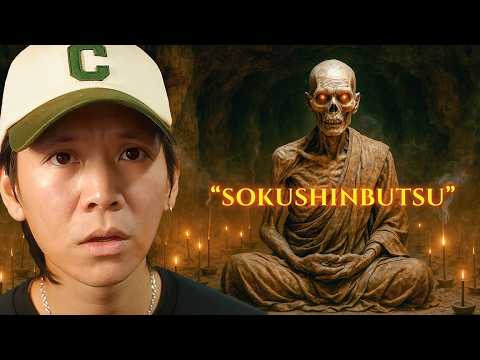
| Sokushinbutsu (Self-Mummification) | Japan | Monks undergo extreme asceticism, dietary restrictions, and meditation to preserve their bodies after death, a practice not universally supported by traditional Buddhist doctrine which often warns against extreme asceticism. | Severe physical and psychological toll on the practitioner, potential for misinterpretation of religious tenets. |
| Ghost Marriage (冥婚) | China, Singapore, Malaysia | Rituals to marry deceased individuals, often to appease spirits, ensure lineage continuity, or fulfill unfulfilled desires. While often conducted privately by families, historical instances involved grave robbing. | Ethical concerns regarding grave desecration, potential for exploitation, familial pressure. |
| Kulam/Mambabarang (Witchcraft/Sorcery) | Philippines | Practices involving curses, hexes, and malevolent magic, often fueled by personal grudges or perceived slights. Involves inflicting harm through spiritual means. | Psychological distress, potential for real-world harm through manipulation or misdiagnosis (e.g., attributing ailments to curses), social ostracization. |
| Pocong (Spirit) | Indonesia, Malaysia | The bound corpse of a deceased person, often depicted as a malevolent entity. Different classifications (white, red, black) suggest varying levels of danger and intent. | Fear, psychological distress, potential for manipulation through superstition. |
| Ma Chơi (Ghost Games) | Vietnam | Ritualistic games played during sleepovers, blurring lines between playful superstition and genuine engagement with the spirit world. | Potential for heightened anxiety or fear in younger participants, blurring of reality and fantasy. |
The pursuit of the arcane is a thread woven deeply into the fabric of human history, an enduring testament to our fascination with the unseen forces that shape our world. Across continents, ancient traditions have birthed practices so potent, so steeped in mystery, that they have often been relegated to the shadows, whispered about in hushed tones and, in many cases, permanently banned. Asia, a crucible of spiritual and occult philosophies, offers a particularly rich tapestry of these forbidden rites, each carrying its own weight of spiritual significance, potential power, and profound danger.
It's a common misconception that the pursuit of enlightenment or spiritual power within these traditions is always a serene journey. Often, the path is paved with extreme measures, pushing the boundaries of human endurance and challenging the very definition of sacrifice. This drive for ultimate understanding frequently leads practitioners to the precipice of what society deems acceptable, and beyond.
The Silent Ascent: Sokushinbutsu – A Monk's Final Sacrifice
In the rugged mountains and secluded temples of Japan, a practice known as Sokushinbutsu emerged, a testament to an extreme form of devotion that pushes the limits of asceticism. This ritual involved monks undertaking a rigorous, multi-year process of self-starvation, dietary control, and intense meditation, all with the ultimate goal of preserving their physical bodies after death, transforming them into mummified relics. The idea was that such a profound act of self-denial would elevate the monk to Buddhahood, or at least create a sacred artifact to guide future generations.
The process was grueling. Monks would gradually eliminate grains and nuts from their diet, subsisting on bark, roots, and pine needles. This arduous regimen, coupled with constant meditation and chanting, would slowly dehydrate the body and lead to a state of near-death. Upon the monk's final passing, their body, already remarkably preserved, would be placed in a tomb, often with only a small opening for incense, for a further period to ensure complete mummification. The result was a preserved body, revered as a sacred object, resonating with the immense willpower of the ascetic.
It is crucial to understand that this level of self-mortification is not universally endorsed within traditional Buddhism. The concept of "The Middle Way," a core teaching, specifically warns against extreme asceticism and self-flagellation, advocating for a balanced approach to spiritual development. The Sokushinbutsu practice, therefore, represents a radical departure from mainstream Buddhist philosophy, leaning more towards a fervent, almost desperate, quest for ultimate spiritual attainment, often bordering on what many would consider debilitating self-harm. The psychological toll, the intense physical suffering, and the profound isolation required for this practice are beyond comprehension for most.
The Unseen Contracts: Ghost Marriage and the Pact with the Departed
Across East and Southeast Asia, particularly in Chinese, Singaporean, and Malaysian cultures, the practice of Ghost Marriage, or Ming Hun (冥婚), has persisted despite its controversial nature. This ritual involves arranging a marriage between a living person and a deceased individual, or between two deceased individuals. The motivations are varied: to appease restless spirits, to ensure a family lineage continues through the deceased, or to provide companionship for a soul believed to be lonely in the afterlife. Historically, this practice has been linked to grave robbing, where families would steal corpses to perform the ceremony, a grim detail that underlines the desperation and seriousness with which this rite was approached. Imagine the horror of realizing your loved one's remains have been disturbed, not for desecration, but for an otherworldly matrimonial union.
The modern practice, while often less reliant on corpse theft, still carries significant weight. Families may choose a living partner—often a widow or widower, or sometimes a younger relative—to marry the deceased. This union is symbolic, a pact intended to bring harmony between the living and the dead. However, the ethical implications are vast. The act of performing a marriage for profit, or coercing individuals into such unions, raises severe questions about exploitation. The lingering specter of its more violent origins, where the dead were literally stolen to fulfill a ritual, casts a long shadow over the entire tradition. The stories of ghost marriages being held privately, even in recent times, demonstrate that this practice, while potentially outlawed or frowned upon, remains deeply embedded in the cultural consciousness.
Whispers of the Shadow: Kulam and the Philippine Sorceress
The Philippines, an archipelago steeped in a rich tapestry of folklore and spiritual beliefs, is home to practices like Kulam and the machinations of Mambabarang – forms of witchcraft and sorcery that continue to instill fear and awe. These are not mere superstitions; they are living traditions that, for many, represent a tangible threat. The stories abound of individuals targeted by witches, often due to personal disputes, perceived slights, or unrequited desires. One chilling account speaks of a prominent dentist who spurned the advances of a woman with alleged occult affiliations. Soon after, he awoke paralyzed, one leg inexplicably withered to half its size. Local doctors were baffled, but a spirit healer revealed it was a curse, a manifestation of the woman's wrath. The healing process was lengthy, a stark reminder of the potent, and often malevolent, force of these practices.
Another encounter involves an Aswang, a shapeshifting creature from Filipino folklore. While not always malicious, crossing paths with one, especially in its spectral, featureless pig form, can leave a person deeply shaken for weeks. These tales are not just ghost stories; they are descriptions of a palpable spiritual warfare that exists alongside the mundane. The line between genuine spiritual affliction and psychological suggestion is often blurred, with many attributing unexplained illnesses or misfortune to the work of a mangkukulam (witch) or mambabarang (sorceress). The ongoing cultural fascination, even depicting battles between modern-day healers and sorcerers in popular media like "Penduko," highlights how these ancient beliefs continue to shape the perception of reality for many Filipinos, particularly in rural areas.
The Bound Terror: Pocong and the Restless Dead
In the spectral landscapes of Indonesia and Malaysia, the Pocong reigns as one of the most unsettling figures in local folklore. Often depicted as the bound corpse of a deceased person, wrapped tightly in a burial shroud tied at the head, feet, and neck, the Pocong is believed to be unable to move freely, thus its characteristic hopping gait. This visual representation is a stark reminder of death's finality and the potential for spiritual unrest.
Local lore categorizes Pocong into different types, each with varying degrees of malevolence. The common white Pocong is often seen as less dangerous, while the red Pocong is described as far more devious and difficult for traditional shamans, or Bomoh, to handle. The black Pocong is considered the most dangerous, imbued with pure evil and capable of causing death to its victims. The fear associated with the Pocong is so pervasive that it influences everyday behaviors, such as the caution advised when encountering red packets found on the ground. Many believe these packets can be traps, used to lure unsuspecting individuals into performing rituals or becoming ensnared by malevolent entities, a theme explored in films like "Marry My Dead Body" and its Thai remake "Red Envelope." This cultural awareness extends to other spectral beings, like the Pontianak, which also has its own terrifying classifications.
The Ritualistic Game: Ma Chơi and the Spirit's Play
In Vietnam, a less overtly terrifying, yet still intriguing, practice exists: Ma Chơi, which translates to "play ghost" or "play with ghost." This tradition, particularly popular among children during sleepovers, involves a ritualistic game that blurs the lines between innocent fun and genuine engagement with the spirit world. While specific rules can vary, the core idea revolves around invoking or interacting with spirits in a playful context.
Though often dismissed as a children's game, the underlying concept of intentionally engaging with the unseen carries a subtle risk. For young, impressionable minds, the distinction between playful interaction and genuine spiritual contact can become muddled, potentially leading to heightened anxiety, fear, or a distorted perception of reality. The game serves as a cultural touchstone, reflecting a society where the presence of spirits is acknowledged and integrated into various aspects of life, even into childhood pastimes.
Arsenal of the Occultist: Tools for the Unseen Journey
Navigating the complex and often dangerous currents of occult practices requires more than mere intention; it demands the right tools and knowledge. For those serious about delving into these realms, a curated arsenal is indispensable:
- Books: "Liber Null & Psychonaut" by Peter J. Carroll is foundational for Chaos Magick. "Condensed Chaos" by Phil Hine offers practical guidance, while "The Kybalion" provides ancient esoteric principles. For a deeper dive into specific cultural practices, look for anthropological studies and historical texts relevant to the region you are exploring.
- Ritual Implements: Depending on the practice, items like a ritual dagger (athame), a wand, consecrated chalices, and specific types of incense (sandalwood, frankincense, myrrh) can serve to focus intent and energy.
- Divination Tools: Tarot decks, such as the Thoth deck for its complex symbolism, or even simpler Rider-Waite variants, can offer insights. Scrying mirrors or bowls of water are also classic tools for divination.
- Journals: A dedicated journal is paramount for recording spells, sigils, dream work, and ritual outcomes. This is crucial for tracking progress and understanding the subtle energies at play.
- Digital Resources: Modern practitioners can leverage astrology apps for timing, sigil generators for creation, and secure digital platforms for note-taking. However, always ensure the security and privacy of your work.
The Practitioner's Verdict: Navigating the Forbidden
The occult practices detailed here are not for the faint of heart. They represent the extreme edges of spiritual and psychological exploration, often pushing individuals to their absolute limits. Sokushinbutsu demands unparalleled self-discipline and physical endurance, Ghost Marriage grapples with profound ethical and spiritual complexities, while Kulam and Pocong tap into primal fears and the tangible impact of malevolent spiritual forces.
These practices, while perhaps banned or relegated to the fringes, serve as powerful reminders of humanity's enduring quest to understand life, death, and the forces that lie beyond our perceived reality. They highlight the diverse ways cultures attempt to mediate with the spiritual realm, often through methods that defy conventional understanding and societal norms.
Your Operation: Define Your Relationship with the Unseen
After exploring these potent and often forbidden rites, it's time to confront your own relationship with the unseen. Consider the following:
- Do the cautionary tales of these practices resonate with your own understanding of spiritual power and its potential for misuse?
- If you were to engage with any of these traditions (hypothetically, and with extreme caution), what ethical considerations would be paramount in your approach?
- How does the cultural context of these practices shape their perceived danger and spiritual significance?
Share your reflections and insights in the comments below. Let's engage in a dialogue about the true nature of power, sacrifice, and the unseen forces that continue to shape our world.
Practitioner's Note: True magick requires resources. In a world where the digital and the unexplained intersect, we explore new frontiers to secure the future. Do you dare to be part of the vanguard? Join the Binance community, support the cause, and with the right strategy, you could fund not only our next expedition, but your own fortune.
No hay comentarios:
Publicar un comentario