Introduction:
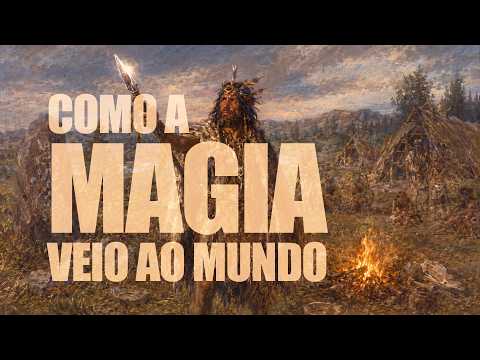
The very idea of a "mage" or "alchemist" conjures images of medieval figures transforming base metals or wielding arcane knowledge. But where does this ancient fascination truly originate? It predates the Middle Ages, reaching back to the dawn of human civilization, to the earliest forges and mines where humanity first encountered the transformative power of metal. This exploration delves into the deepest roots of the mage and alchemist, charting their origins through history and myth.
The Celestial Gift: Meteoritic Iron and Early Mysticism
The enigmatic allure of the mage and alchemist is not a product of medieval fancy, but rather an echo from humanity’s earliest encounters with transformation. The story begins long before recorded history, with the discovery of metal. Specifically, meteoritic iron, the first metallic substance known to early humans, was revered across numerous ancient languages as the "metal of heaven." This celestial origin imbued it with an intrinsic supernatural aura from the very inception of its use, setting the stage for a profound connection between the earthly realm and the cosmos.
Earth's Womb and the Forge: The Metallurgy Mythos
Ancient cultures often viewed the ores within the earth not as inert minerals, but as nascent life forms, akin to embryos gestating within the "womb" of Mother Earth. The metallurgist, through the act of extraction and smelting, was seen as one who interrupted this natural, sacred process. This act placed the smith in a position of immense power, literally taking the place of Time itself by accelerating the Earth's hidden transformations. This deeply symbolic act embedded the craft of metalworking within a pre-existing framework of mystical understanding and inherent danger.
The Liminal Smith: Sacred Isolation and Forbidden Knowledge
Across diverse cultures, from Africa and Siberia to Japan and the Americas, blacksmiths occupied a unique, liminal space within their communities. They were simultaneously respected for their vital craft and feared for the potent, often mystical, knowledge they wielded. These smiths lived lives apart, subject to rigorous rites of purification and guarding secrets that could not be shared. This separation reinforced their role as intermediaries between the mundane and the arcane, solidifying their mystique and the aura of otherworldliness that surrounded their profession.
The Alchemical Legacy: Transmutation of Metal and Soul
Over millennia, this ancient tradition of reverence for metalworking evolved. It gradually coalesced into the practice of medieval alchemy. Alchemy was far more than a literal attempt to transmute base metals into gold; it was a complex symbolic system. The physical transmutation of metals served as a powerful metaphor for the spiritual and psychological transformation of the alchemist himself. This duality—the tangible practice and the inner quest—defined the alchemical path, linking the manipulation of matter to the purification of the soul.
The Modern Echo: Neolithic Echoes in Contemporary Science
The profound influence of these ancient practices extends into our modern era, often in ways we fail to recognize. The very language we use, the enduring religious symbols that permeate our cultures, and even the role of the modern scientist carry the faint, yet persistent, echoes of the Neolithic blacksmith. The contemporary scientist, engaged in understanding and manipulating the fundamental building blocks of matter, can be seen as a spiritual successor to the ancient smith who dared to intervene in the hidden processes within the earth, forever altering humanity's relationship with the material world and the cosmos.
Veredict of the Practicante: The Enduring Power of Transformation
The journey from meteoritic iron to the alchemist's crucible reveals a consistent human drive: the desire for transformation. Whether seeking to transmute lead into gold or to elevate the spirit, the mage and alchemist represent the enduring human aspiration to understand and manipulate the fundamental forces of existence. This ancient impulse, rooted in the very dawn of technological innovation, continues to shape our understanding of the world and our place within it. The mystique surrounding these figures is not mere folklore; it is a testament to humanity's deep-seated fascination with creation, change, and the hidden potential within both matter and self.
Mage's Arsenal
* Unofficial Rider Waite Tarot: To gain intuitive insights and explore symbolic meanings, aiding in the understanding of complex transformative processes.
Unofficial Rider Waite Tarot
* The Alchemist's Dream (Fictional Book): A deep dive into the philosophical underpinnings of transmutation.
* Ancient Forge Simulation (Software): A digital tool to explore early metalworking techniques and their symbolic implications.
* Mircea Eliade's "The Forge and the Crucible": Essential reading for understanding the historical and anthropological roots of alchemy.
FAQ
* When did the concept of alchemy first emerge?
The concept of alchemy, deeply tied to metalworking and transformation, has roots stretching back to prehistory, significantly predating medieval times.
* What was the significance of meteoritic iron?
Meteoritic iron was considered "metal of heaven" and carried a supernatural aura due to its celestial origin, influencing early mystical beliefs.
* How were ancient blacksmiths perceived by their communities?
Blacksmiths were often viewed with a mixture of respect and fear due to their perceived control over powerful, transformative processes and their possession of secret knowledge.
* Was medieval alchemy purely about turning metal into gold?
No, medieval alchemy was a complex symbolic system where the transmutation of metals mirrored a deeper spiritual and personal transformation of the alchemist.
* Does the legacy of ancient mages and alchemists still influence us today?
Yes, their legacy endures in our language, religious symbols, and even in the scientific pursuit of understanding and manipulating matter, echoing the ancient smith's role.
Your Operation: The Echo of the Smith
Consider the process of creation in your own life. When have you acted as a "smith," transforming raw potential into a tangible reality? This could be through creative work, personal development, or even problem-solving. Reflect on the intention behind your actions: were you merely changing form, or were you also seeking a deeper, more personal transmutation? Share your experiences and insights below, connecting your personal "operations" to this ancient lineage of transformation.
The scent of night-blooming jasmine hangs heavy in the air, and the moon, a sliver of bone in the inky sky, casts long, dancing shadows. You stand at a crossroads, the weight of decision pressing down. This is where the ancient power of Hecate, the Queen of Witches, beckons. This isn't just a chant; it's a key to unlocking your deepest transformations.
If this post is unsettling your carefully constructed reality, you're on the right path. Subscribe for more reality-bending insights and share this with someone who still believes magic is just fairy tales.
This ancient Latin invocation summons Hecate—goddess of witchcraft, crossroads, transformation, and hidden wisdom. Many feel her presence during moments of intense decision, deep shadow work, or when seeking the guidance of the Triple Goddess. The power to transform your life lies within this ancient dialogue.
Hecate Invocation: Queen of Witches & Crossroads Magic – A Practical Guide to Transformation
Hecate, often depicted as the Queen of Witches, stands as a potent symbol of transition, mystery, and power. She presides over the liminal spaces, the thresholds where one reality ends and another begins. Her domain is the crossroads, the dark of the moon, and the hidden knowledge whispered only to those brave enough to listen.
For centuries, practitioners have turned to Hecate for guidance through life's most challenging decisions, for illumination during shadow work, and for empowerment in their magical practices. This isn't about blind faith; it's about engaging with a powerful archetype that can catalyze profound personal change.
Here's how to forge a connection and harness her transformative energy:
Who is Hecate? The Unseen Guide
Hecate is an ancient Greek goddess, revered for her dominion over:
Witchcraft and all forms of magic.
The crossroads, symbolizing choice and destiny.
The dark moon, a time of introspection and potent initiation.
Liminal spaces and thresholds – the in-between places.
The underworld, representing deep transformation and the release of the old.
Keys, torches, and hounds, her iconic symbols of unlocking, illumination, and guidance.
She is often seen as the Triple Goddess – maiden, mother, and crone – embodying the cycles of life, death, and rebirth. Imagine her standing at the crossroads, torch in hand, illuminating the path forward for those who seek her counsel. Witches throughout history have recognized her profound power and sought her wisdom.
Invoking Hecate: A Practical Operation
The true magic lies in the doing. Engaging with Hecate's energy can be a profound catalyst:
Summoning Her Presence: At a moment of crucial decision, light a black candle at midnight. Play this invocation, focusing your intention. Ask Hecate directly: "Which path serves my highest good?" The clarity that follows can be startling.
Shadow Work Activation: Hecate is intrinsically linked to transformation. Utilize this invocation during deep shadow integration or when releasing aspects of yourself that no longer serve your highest evolution.
Empowering Rituals: Play this while engaged in spell work, tarot readings, or any dedicated witchcraft practice. Her presence is said to empower all magic performed within her energetic sphere.
Embracing the Dark Moon: Hecate's power is amplified during the new moon. Invoking her during this time can bring profound insights and strength for the lunar cycle ahead.
This invocation is designed to facilitate a direct connection, opening a channel for Hecate's ancient wisdom to flow into your life, guiding major decisions, activating necessary transformations, and unlocking your innate intuition.
The Ancient Latin Enn: "Hecaten ad haec aras accedet!"
The heart of this connection lies in the ancient Enn, a direct call to the goddess:
"Hecaten ad haec aras accedet!" (Hecate, come to these altars!)
"Hunc calicem cum spiritu tuo Hecate fascinare!" (Hecate, enchant this chalice with your spirit!)
This call is more than mere words; it is an energetic invitation, drawing Hecate's essence into your sacred space. Engaging with this chant requires focus. Many find that the accompanying binaural beats and mystical atmosphere enhance the experience, creating a potent liminal space for magic and deep personal connection.
Signs Hecate is Present: Recognizing Her Touch
When Hecate is near, the veil thins, and her presence can manifest in various ways. Pay close attention to these signs:
Keys appearing unexpectedly or the sound of jangling keys.
Dogs howling unusually or a sudden fascination with canines.
Synchronicity involving crossroads or intersections.
Dreams featuring torches, keys, ancient women, or spectral hounds.
A sudden, profound clarity regarding difficult decisions.
Intense breakthroughs during shadow work sessions.
A palpable feeling of divine protection, especially at night.
These are not mere coincidences but signals that you are being heard and guided. Hecate hears. Hecate answers. Hecate transforms.
Honoring Hecate: Offerings and Respect
Showing gratitude is paramount in any magical working. Traditional offerings to Hecate include:
Garlic, honey, and eggs: Simple yet potent symbols of sustenance and nature.
Black candles: Lit at crossroads or on your altar, representing her connection to the night and transformation.
Keys: Placed on your altar, symbolizing her role as the opener of paths and keeper of secrets.
Red wine: Offered at threshold or doorways, acknowledging her mastery of liminal spaces.
Always approach Hecate with genuine respect and gratitude. The intention behind your offering is as significant as the offering itself.
Mage's Arsenal: Essential Tools
To deepen your connection and facilitate powerful workings with Hecate, consider these resources:
Chaos Magick Sigil Generator (Recommended): For rapidly creating potent personal sigils that resonate with your intentions, whether for crossroads decisions or shadow integration. This tool automates the complex design and symbol creation, allowing you to focus purely on the energetic imprint. Generate your sigils instantly here.
Unofficial Rider Waite Tarot: To gain deeper insight into the paths before you and the transformative processes Hecate oversees.
Liber Null & Psychonaut by Peter J. Carroll: A foundational text for modern chaos magic, offering practical techniques for altering consciousness and manifesting reality.
A Black Candle: Essential for invoking Hecate, especially during specific rituals or when seeking guidance at a literal or metaphorical crossroads.
A Personal Altar Space: Dedicated to your practice where you can leave offerings and focus your intent.
Veredict of the Practitioner
The power of invoking Hecate lies not in the ritual's complexity, but in the clarity of intent and the courage to face transformation. This invocation, particularly with its binaural beats, creates an accessible gateway to engage with her archetype. It’s a practical tool for those who understand that true magic requires action and an openness to the unseen forces guiding our journey. While traditionalists might debate the nuances of ancient chants, the efficacy of this method is in its ability to focus the practitioner's will and energy, facilitating a tangible connection. It's a powerful ally for anyone navigating significant life changes or engaging in deep psychic excavation.
Frequently Asked Questions
Q: Can I invoke Hecate if I'm not a "witch"?
A: Absolutely. Hecate is a goddess of transformation and guidance for anyone facing crossroads or seeking inner wisdom, regardless of labels.
Q: What if I can't access binaural beats or a quiet space?
A: While optimal conditions enhance the experience, your focused intention is the most critical element. Even a moment of sincere calling with the words can be powerful.
Q: What is "shadow work"?
A: Shadow work involves confronting and integrating the disowned, repressed, or "dark" aspects of your psyche to achieve wholeness. Hecate is a potent guide for this process.
Q: How often should I invoke Hecate?
A: Invoke her when you feel called to, especially during major decisions, the dark moon, or when undertaking significant transformation. Consistency driven by genuine need is more effective than forced repetition.
Your Operation: The Crossroads Promise
The crossroads are not just places; they are states of being. You stand at one now, having engaged with this knowledge. Your operation is to acknowledge where you are and to make a clear, intentional choice about the next step. Hecate offers illumination, but *you* must choose the path and walk it. Do you embrace the transformation she offers, or do you turn away from the light? The choice, and the power, are yours.
May Hecate illuminate your path and empower your journey.
This content is part of a series dedicated to exploring practical magic and personal transformation through the lens of ancient archetypes and modern application. The path of the practitioner is one of continuous learning and experimentation.
The crossroads await. The torches are lit. Hecate is listening.
Practitioner's Note: True magick requires resources. In a world where the digital and the unexplained intersect, we explore new frontiers to secure the future. Do you dare to be part of the vanguard? Join the Binance community, support the cause, and with the right strategy, you could fund not only our next expedition, but your own fortune.
The melancholic chords and profound lyricism of Ricardo Arjona's "Tarot" resonate deeply, transcending mere musical entertainment to become a poignant exploration of the human condition. This song, far from being just a ballad, acts as a powerful lens through which we can examine themes of addiction, loss, the search for meaning, and the complexities of confronting one's inner demons. It’s a narrative that speaks to the universal struggle for light in darkness, a theme that echoes in many forms of esoteric exploration. Arjona, with his characteristic poetic prowess, crafts a story that is both intensely personal and universally relatable, touching upon the very core of what it means to be human.
Many listeners connect with the raw emotion and philosophical depth embedded within Arjona's work. Comments frequently highlight the "intelligence" and "poetry" of his lyrics, distinguishing his artistry from fleeting trends. The song's power lies in its ability to articulate the unspoken pain and resilience that many have experienced firsthand. This emotional resonance is precisely why dissecting such a piece can be so valuable from a contemplative standpoint, offering insights into the human psyche that can rival even the most intricate psychological studies.
Unpacking "Tarot": A Narrative of Despair and Hope
"Tarot" paints a stark picture of a family fractured by addiction and its devastating consequences. The opening lines, "Su padre fumaba en la sala / su madre miraba el reloj / la aguja está bajo la cama / muerte gritaba el tarot" (His father smoked in the living room / his mother watched the clock / the needle is under the bed / death screamed the tarot), immediately set a somber tone. The imagery is potent: a father lost in his habit, a mother perhaps resigned or anxious, and the ominous presence of the tarot card signifying death. This isn't just a domestic scene; it's a tableau of a life unraveling, where the mundane details are overshadowed by an impending doom.
The narrative continues to explore the desperate measures taken to escape reality, vividly described as "Cucharas que hacen de cocina / cerillos que encienden la paz / el infierno buscó medicina / disparos de alivio fugaz" (Spoons that act as kitchenware / matches that ignite peace / hell sought medicine / shots of fleeting relief). This stanza poignantly captures the destructive coping mechanisms born from pain and despair. The search for "medicine" in hellish circumstances, the "fleeting relief" offered by dangerous substances – it all speaks to a profound internal struggle. The song doesn't shy away from the grim reality, acknowledging that "No pudieron ácido y cervezas / inventarte algún mundo algo mejor" (Acid and beers couldn't / invent a better world for you).
The pivotal moment arrives with the chorus: "Y se apagó la luz / y no volviste más / y se borró el futuro / con sus días y sus noches" (And the light went out / and you didn't come back / and the future was erased / with its days and its nights). This signifies the ultimate loss – likely a death, whether by overdose or suicide, stemming from the despair depicted. Yet, even in this ultimate tragedy, there's a paradoxical twist: "Y se apagó la luz / y se acabó el dolor / y te escupió a la cara / el fantasma al que le huías" (And the light went out / and the pain ended / and the ghost you were fleeing spat in your face). This suggests that death, while tragic, offered an end to suffering, and perhaps, a confrontation with what was truly feared.
The subsequent verse offers a glimmer of hope and perspective: "El ciego vio luces prendidas / el sordo escuchó una canción / el muerto ya estaba con vida / la vida no tuvo razón" (The blind man saw lights on / the deaf man heard a song / the dead man was already alive / life had no reason). This profound shift implies that in the face of death, a different kind of awakening occurs. The experiences of those consumed by their struggles are finally perceived by others, suggesting that even in loss, there is a form of clarity. The final lines, "Supiste ya en el otro lado / que el miedo fue solo un ladrón / vivir no es andar asustado / morir no fue la solución" (You learned on the other side / that fear was just a thief / living isn't being scared / dying wasn't the solution), offer a timeless lesson: the true prison is fear itself, and the ultimate escape is not death, but a life lived without that crippling fear.
The Psychological Layers of "Tarot"
From a psychological perspective, "Tarot" delves into the devastating impact of addiction on individuals and families. It portrays a cycle of escapism, where substances are used to numb pain and avoid confronting difficult realities. The father's passive smoking and the mother's anxious clock-watching symbolize a family environment where emotional needs are unmet, creating fertile ground for destructive behaviors. The song illustrates the concept of codependency, where individuals become entangled in each other's struggles, often enabling unhealthy patterns.
The lyrics also touch upon the psychological concept of dissociation, where individuals may mentally detach from their reality as a coping mechanism. The "acid and beers" used to "invent some better world" is a clear indicator of this. The ultimate consequence, death, can be viewed as a final, albeit tragic, escape from this perceived unbearable reality. The idea that "fear was just a thief" speaks to the existential dread that often fuels addictive behaviors, a fear of life, of failure, or of the self. Arjona masterfully encapsulates the psychological turmoil that can lead someone down such a dark path, urging listeners to recognize that living in constant fear is a form of dying in itself.
The Role of Tarot in the Narrative
The title itself, "Tarot," is significant. While the song doesn't explicitly describe a tarot reading in progress, the card of "death" is invoked as a looming presence. In tarot symbolism, the Death card (XIII) rarely signifies literal death. Instead, it represents transformation, endings, and new beginnings. It signifies the essential shedding of the old to make way for the new. In the context of the song, this can be interpreted in a few ways. Firstly, it may symbolize the death of the family unit as it was, destroyed by addiction. Secondly, it could suggest the "death" of the individual's former self, consumed by their vices, before a potential (though not fully realized in the narrative) rebirth or a final, literal death.
The song, therefore, uses the symbolic language of tarot to imbue the narrative with a sense of destiny or inevitable conclusion. It hints at the profound, often cyclical nature of life and death, and the transformative power of endings, even those that appear tragic. The mention of "Muerte gritaba el tarot" (death screamed the tarot) positions the tarot not just as a predictor, but as an active voice within the unfolding tragedy, underscoring the gravity of the situation.
Technomancy and the Art of Expression
While "Tarot" is a deeply human and emotional piece, its very creation and dissemination are rooted in modern technology, bridging the gap between traditional art and the digital age. The song is a product of digital recording in London, distributed through platforms like Spotify, and promoted through social media channels like Instagram, Facebook, and Twitter. This integration of technology into artistic expression is a modern form of what could be termed 'Technomancy' – the art of using technology to manifest intentions or create experiences. Arjona's ability to craft such a powerful emotional narrative and have it reach millions worldwide through digital means is a testament to this fusion.
The effectiveness of digital divination, or Digital Divination, in accessing symbolic meanings also parallels the song's theme. Just as the tarot cards are used to uncover hidden truths, digital platforms allow us to explore and share complex emotional landscapes. For practitioners of Magitech and Esoterismo Digital, understanding how art like "Tarot" can deeply impact listeners through carefully crafted lyrics and accessible technology is a key aspect of modern practice. The song itself can be seen as a sophisticated piece of Magia del Caos, not in its intent, but in its effect – shaping perception and evoking strong emotional responses through symbolic language and structured narrative, amplified by digital reach.
To truly harness the power of digital expression and understanding, tools that aid in synthesis and creation are invaluable. For instance, generating unique visual symbols that capture the essence of an intention or a concept can be a powerful act of Sigilos Digitales. Tools like the Chaos Magick Sigil Generator can assist in this process, allowing users to translate abstract ideas into tangible, digital sigils, much like Arjona translates complex human experiences into song. This allows for a deeper engagement with the symbolic, a practice that resonates with the very essence of interpreting art and exploring the subconscious.
The Artist as an Observer of Life
Ricardo Arjona is renowned for his role as an observer and storyteller. Many comments emphasize that his lyrics are "for the intelligent," for the "sensitive and totally reflective." This suggests his art transcends simple entertainment, serving as a prompt for introspection. He doesn't just present scenarios; he dissects them, offering layers of meaning that invite the listener to engage critically and emotionally. The comparison of his music to "poetry" rather than mere "music" highlights this profound impact. His ability to capture the nuances of human struggle, from personal abandonment to the societal issues reflected in "Tarot," solidifies his reputation as a master lyricist.
This observational stance is crucial for any serious practitioner of esoteric arts. Whether studying the symbolism in a tarot deck, the construction of a sigil, or the dynamics of an egregore, the ability to observe, analyze, and understand the underlying currents is paramount. Arjona’s work provides a relatable, human-centric example of this principle – using carefully chosen words and narrative arcs to reveal deeper truths about the human experience. His art, therefore, serves as a powerful reminder that inspiration and insight can be found in the observation of life's complexities, a principle also espoused by figures like Austin Osman Spare, who believed in drawing power from the observation and symbolism of the everyday.
Practitioner's Verdict
"Tarot" stands as a masterclass in lyrical narrative and emotional resonance. Arjona’s ability to weave a complex tapestry of despair, addiction, and the ultimate confrontation with fear is remarkable. The song doesn't offer easy answers but rather presents a stark reality, punctuated by a profound lesson on the nature of fear and the true meaning of living. Its strength lies in its unflinching honesty and its evocative imagery, making it a powerful piece for reflection. It serves as a potent reminder of the transformative power of art to explore the darkest corners of the human psyche.
Mage's Arsenal
Unofficial Rider Waite Tarot: Essential for understanding the symbolic language inherent in the song's title and themes. Offers deep dives into card meanings and spreads.
"Liber Null & Psychonaut" by Peter J. Carroll: For those interested in the practical application of belief and intent, similar to how the song explores the consequences of belief and despair.
"The Game of Life and Death" by Austin Osman Spare: Explores themes of desire, will, and the overcoming of psychological limitations, relevant to the song's message about conquering fear.
Journal for Introspection: To record personal reflections inspired by the song's themes of loss, addiction, and resilience.
"The Hero with a Thousand Faces" by Joseph Campbell: For understanding archetypal journeys of the hero, which can be paralleled with the song's narrative of struggle and potential transformation.
Frequently Asked Questions
What is the main theme of Ricardo Arjona's song "Tarot"? The main themes revolve around addiction, loss, familial despair, the confrontation with fear, and the ultimately transformative nature of endings.
Does "Tarot" refer to a literal tarot card reading? While the song mentions "death screamed the tarot," it uses the tarot primarily as a symbol of impending doom and inevitable transformation, rather than depicting a literal reading.
What message does the song convey about fear? The song suggests that fear is a thief that robs life of its richness and that living in constant fear is a form of dying. True living, it implies, is found in confronting and overcoming this fear, rather than succumbing to it or seeking escape in death.
How does the song relate to psychological concepts? It illustrates concepts such as addiction as escapism, the impact of trauma on family dynamics, dissociation, and the existential dread that can fuel self-destructive behaviors.
Your Operation: Reflecting on Resilience
The narrative of "Tarot" powerfully illustrates how individuals and families can be consumed by cycles of despair. However, the song also contains a core message of overcoming fear and finding a new perspective, even in the face of profound loss. Your operation is to engage with this theme personally:
Reflect on a time in your life when you felt overwhelmed by fear or a difficult circumstance. Consider the "ghosts" you have faced. Write down in your journal:
What was the nature of the fear or circumstance?
What were your coping mechanisms (healthy or unhealthy)?
Looking back, what lesson about fear or resilience can you extract from that experience?
How can you apply the message "living isn't being scared" to your current life?
Consider how embracing transformation, even when painful, can lead to a more authentic existence.
For those seeking to deepen their understanding of symbolic systems and personal transformation, exploring resources that aid in introspection and visualization can be incredibly beneficial. The use of tools that help process complex emotions and translate them into symbolic language can be a powerful ally in this journey.
In the realm of understanding and shaping our reality, the ability to process and articulate complex emotions is key. Just as Arjona uses lyrics to explore the depths of human experience, modern tools can assist in translating intentions and emotional states into potent symbols. For instance, experimenting with digital sigil creation can offer a contemporary approach to harnessing symbolic power. You can explore this avenue using the Chaos Magick Sigil Generator app to create visual representations of your insights and intentions.
Practitioner's Note: True magick requires resources. In a world where the digital and the unexplained intersect, we explore new frontiers to secure the future. Do you dare to be part of the vanguard? Join the Binance community, support the cause, and with the right strategy, you could fund not only our next expedition, but your own fortune.