
Table of Contents
- Introduction: Beyond the Music
- Unpacking "Tarot": A Narrative of Despair and Hope
- The Psychological Layers of "Tarot"
- The Role of Tarot in the Narrative
- Technomancy and the Art of Expression
- The Artist as an Observer of Life
- Practitioner's Verdict
- Mage's Arsenal
- Frequently Asked Questions
- Your Operation: Reflecting on Resilience
Introduction: Beyond the Music
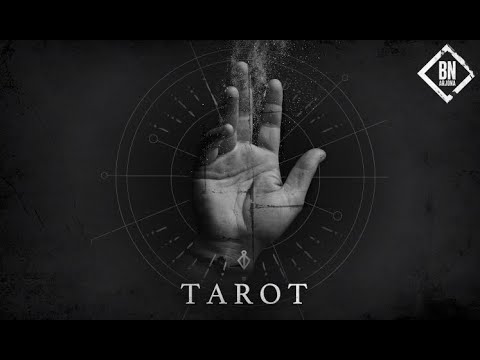
The melancholic chords and profound lyricism of Ricardo Arjona's "Tarot" resonate deeply, transcending mere musical entertainment to become a poignant exploration of the human condition. This song, far from being just a ballad, acts as a powerful lens through which we can examine themes of addiction, loss, the search for meaning, and the complexities of confronting one's inner demons. It’s a narrative that speaks to the universal struggle for light in darkness, a theme that echoes in many forms of esoteric exploration. Arjona, with his characteristic poetic prowess, crafts a story that is both intensely personal and universally relatable, touching upon the very core of what it means to be human.
Many listeners connect with the raw emotion and philosophical depth embedded within Arjona's work. Comments frequently highlight the "intelligence" and "poetry" of his lyrics, distinguishing his artistry from fleeting trends. The song's power lies in its ability to articulate the unspoken pain and resilience that many have experienced firsthand. This emotional resonance is precisely why dissecting such a piece can be so valuable from a contemplative standpoint, offering insights into the human psyche that can rival even the most intricate psychological studies.
Unpacking "Tarot": A Narrative of Despair and Hope
"Tarot" paints a stark picture of a family fractured by addiction and its devastating consequences. The opening lines, "Su padre fumaba en la sala / su madre miraba el reloj / la aguja está bajo la cama / muerte gritaba el tarot" (His father smoked in the living room / his mother watched the clock / the needle is under the bed / death screamed the tarot), immediately set a somber tone. The imagery is potent: a father lost in his habit, a mother perhaps resigned or anxious, and the ominous presence of the tarot card signifying death. This isn't just a domestic scene; it's a tableau of a life unraveling, where the mundane details are overshadowed by an impending doom.
The narrative continues to explore the desperate measures taken to escape reality, vividly described as "Cucharas que hacen de cocina / cerillos que encienden la paz / el infierno buscó medicina / disparos de alivio fugaz" (Spoons that act as kitchenware / matches that ignite peace / hell sought medicine / shots of fleeting relief). This stanza poignantly captures the destructive coping mechanisms born from pain and despair. The search for "medicine" in hellish circumstances, the "fleeting relief" offered by dangerous substances – it all speaks to a profound internal struggle. The song doesn't shy away from the grim reality, acknowledging that "No pudieron ácido y cervezas / inventarte algún mundo algo mejor" (Acid and beers couldn't / invent a better world for you).
The pivotal moment arrives with the chorus: "Y se apagó la luz / y no volviste más / y se borró el futuro / con sus días y sus noches" (And the light went out / and you didn't come back / and the future was erased / with its days and its nights). This signifies the ultimate loss – likely a death, whether by overdose or suicide, stemming from the despair depicted. Yet, even in this ultimate tragedy, there's a paradoxical twist: "Y se apagó la luz / y se acabó el dolor / y te escupió a la cara / el fantasma al que le huías" (And the light went out / and the pain ended / and the ghost you were fleeing spat in your face). This suggests that death, while tragic, offered an end to suffering, and perhaps, a confrontation with what was truly feared.
The subsequent verse offers a glimmer of hope and perspective: "El ciego vio luces prendidas / el sordo escuchó una canción / el muerto ya estaba con vida / la vida no tuvo razón" (The blind man saw lights on / the deaf man heard a song / the dead man was already alive / life had no reason). This profound shift implies that in the face of death, a different kind of awakening occurs. The experiences of those consumed by their struggles are finally perceived by others, suggesting that even in loss, there is a form of clarity. The final lines, "Supiste ya en el otro lado / que el miedo fue solo un ladrón / vivir no es andar asustado / morir no fue la solución" (You learned on the other side / that fear was just a thief / living isn't being scared / dying wasn't the solution), offer a timeless lesson: the true prison is fear itself, and the ultimate escape is not death, but a life lived without that crippling fear.
The Psychological Layers of "Tarot"
From a psychological perspective, "Tarot" delves into the devastating impact of addiction on individuals and families. It portrays a cycle of escapism, where substances are used to numb pain and avoid confronting difficult realities. The father's passive smoking and the mother's anxious clock-watching symbolize a family environment where emotional needs are unmet, creating fertile ground for destructive behaviors. The song illustrates the concept of codependency, where individuals become entangled in each other's struggles, often enabling unhealthy patterns.
The lyrics also touch upon the psychological concept of dissociation, where individuals may mentally detach from their reality as a coping mechanism. The "acid and beers" used to "invent some better world" is a clear indicator of this. The ultimate consequence, death, can be viewed as a final, albeit tragic, escape from this perceived unbearable reality. The idea that "fear was just a thief" speaks to the existential dread that often fuels addictive behaviors, a fear of life, of failure, or of the self. Arjona masterfully encapsulates the psychological turmoil that can lead someone down such a dark path, urging listeners to recognize that living in constant fear is a form of dying in itself.
The Role of Tarot in the Narrative
The title itself, "Tarot," is significant. While the song doesn't explicitly describe a tarot reading in progress, the card of "death" is invoked as a looming presence. In tarot symbolism, the Death card (XIII) rarely signifies literal death. Instead, it represents transformation, endings, and new beginnings. It signifies the essential shedding of the old to make way for the new. In the context of the song, this can be interpreted in a few ways. Firstly, it may symbolize the death of the family unit as it was, destroyed by addiction. Secondly, it could suggest the "death" of the individual's former self, consumed by their vices, before a potential (though not fully realized in the narrative) rebirth or a final, literal death.
The song, therefore, uses the symbolic language of tarot to imbue the narrative with a sense of destiny or inevitable conclusion. It hints at the profound, often cyclical nature of life and death, and the transformative power of endings, even those that appear tragic. The mention of "Muerte gritaba el tarot" (death screamed the tarot) positions the tarot not just as a predictor, but as an active voice within the unfolding tragedy, underscoring the gravity of the situation.
Technomancy and the Art of Expression
While "Tarot" is a deeply human and emotional piece, its very creation and dissemination are rooted in modern technology, bridging the gap between traditional art and the digital age. The song is a product of digital recording in London, distributed through platforms like Spotify, and promoted through social media channels like Instagram, Facebook, and Twitter. This integration of technology into artistic expression is a modern form of what could be termed 'Technomancy' – the art of using technology to manifest intentions or create experiences. Arjona's ability to craft such a powerful emotional narrative and have it reach millions worldwide through digital means is a testament to this fusion.
The effectiveness of digital divination, or Digital Divination, in accessing symbolic meanings also parallels the song's theme. Just as the tarot cards are used to uncover hidden truths, digital platforms allow us to explore and share complex emotional landscapes. For practitioners of Magitech and Esoterismo Digital, understanding how art like "Tarot" can deeply impact listeners through carefully crafted lyrics and accessible technology is a key aspect of modern practice. The song itself can be seen as a sophisticated piece of Magia del Caos, not in its intent, but in its effect – shaping perception and evoking strong emotional responses through symbolic language and structured narrative, amplified by digital reach.
To truly harness the power of digital expression and understanding, tools that aid in synthesis and creation are invaluable. For instance, generating unique visual symbols that capture the essence of an intention or a concept can be a powerful act of Sigilos Digitales. Tools like the Chaos Magick Sigil Generator can assist in this process, allowing users to translate abstract ideas into tangible, digital sigils, much like Arjona translates complex human experiences into song. This allows for a deeper engagement with the symbolic, a practice that resonates with the very essence of interpreting art and exploring the subconscious.
The Artist as an Observer of Life
Ricardo Arjona is renowned for his role as an observer and storyteller. Many comments emphasize that his lyrics are "for the intelligent," for the "sensitive and totally reflective." This suggests his art transcends simple entertainment, serving as a prompt for introspection. He doesn't just present scenarios; he dissects them, offering layers of meaning that invite the listener to engage critically and emotionally. The comparison of his music to "poetry" rather than mere "music" highlights this profound impact. His ability to capture the nuances of human struggle, from personal abandonment to the societal issues reflected in "Tarot," solidifies his reputation as a master lyricist.
This observational stance is crucial for any serious practitioner of esoteric arts. Whether studying the symbolism in a tarot deck, the construction of a sigil, or the dynamics of an egregore, the ability to observe, analyze, and understand the underlying currents is paramount. Arjona’s work provides a relatable, human-centric example of this principle – using carefully chosen words and narrative arcs to reveal deeper truths about the human experience. His art, therefore, serves as a powerful reminder that inspiration and insight can be found in the observation of life's complexities, a principle also espoused by figures like Austin Osman Spare, who believed in drawing power from the observation and symbolism of the everyday.
Practitioner's Verdict
"Tarot" stands as a masterclass in lyrical narrative and emotional resonance. Arjona’s ability to weave a complex tapestry of despair, addiction, and the ultimate confrontation with fear is remarkable. The song doesn't offer easy answers but rather presents a stark reality, punctuated by a profound lesson on the nature of fear and the true meaning of living. Its strength lies in its unflinching honesty and its evocative imagery, making it a powerful piece for reflection. It serves as a potent reminder of the transformative power of art to explore the darkest corners of the human psyche.
Mage's Arsenal
- Unofficial Rider Waite Tarot: Essential for understanding the symbolic language inherent in the song's title and themes. Offers deep dives into card meanings and spreads.
- "Liber Null & Psychonaut" by Peter J. Carroll: For those interested in the practical application of belief and intent, similar to how the song explores the consequences of belief and despair.
- "The Game of Life and Death" by Austin Osman Spare: Explores themes of desire, will, and the overcoming of psychological limitations, relevant to the song's message about conquering fear.
- Journal for Introspection: To record personal reflections inspired by the song's themes of loss, addiction, and resilience.
- "The Hero with a Thousand Faces" by Joseph Campbell: For understanding archetypal journeys of the hero, which can be paralleled with the song's narrative of struggle and potential transformation.
Frequently Asked Questions
- What is the main theme of Ricardo Arjona's song "Tarot"?
The main themes revolve around addiction, loss, familial despair, the confrontation with fear, and the ultimately transformative nature of endings. - Does "Tarot" refer to a literal tarot card reading?
While the song mentions "death screamed the tarot," it uses the tarot primarily as a symbol of impending doom and inevitable transformation, rather than depicting a literal reading. - What message does the song convey about fear?
The song suggests that fear is a thief that robs life of its richness and that living in constant fear is a form of dying. True living, it implies, is found in confronting and overcoming this fear, rather than succumbing to it or seeking escape in death. - How does the song relate to psychological concepts?
It illustrates concepts such as addiction as escapism, the impact of trauma on family dynamics, dissociation, and the existential dread that can fuel self-destructive behaviors.
Your Operation: Reflecting on Resilience
The narrative of "Tarot" powerfully illustrates how individuals and families can be consumed by cycles of despair. However, the song also contains a core message of overcoming fear and finding a new perspective, even in the face of profound loss. Your operation is to engage with this theme personally:
Reflect on a time in your life when you felt overwhelmed by fear or a difficult circumstance. Consider the "ghosts" you have faced. Write down in your journal:
- What was the nature of the fear or circumstance?
- What were your coping mechanisms (healthy or unhealthy)?
- Looking back, what lesson about fear or resilience can you extract from that experience?
- How can you apply the message "living isn't being scared" to your current life?
Consider how embracing transformation, even when painful, can lead to a more authentic existence.
For those seeking to deepen their understanding of symbolic systems and personal transformation, exploring resources that aid in introspection and visualization can be incredibly beneficial. The use of tools that help process complex emotions and translate them into symbolic language can be a powerful ally in this journey.
In the realm of understanding and shaping our reality, the ability to process and articulate complex emotions is key. Just as Arjona uses lyrics to explore the depths of human experience, modern tools can assist in translating intentions and emotional states into potent symbols. For instance, experimenting with digital sigil creation can offer a contemporary approach to harnessing symbolic power. You can explore this avenue using the Chaos Magick Sigil Generator app to create visual representations of your insights and intentions.
Practitioner's Note: True magick requires resources. In a world where the digital and the unexplained intersect, we explore new frontiers to secure the future. Do you dare to be part of the vanguard? Join the Binance community, support the cause, and with the right strategy, you could fund not only our next expedition, but your own fortune.
No hay comentarios:
Publicar un comentario