Table of Contents
- Introduction: The Enigmatic Echo of "Tarot Woman"
- Blackmore's Night Mythology and "Tarot Woman"
- Lyrical Deconstruction: Archetypes and Intent
- Musical Architecture: Crafting a Psychic Atmosphere
- The Energetic Imprint: Resonance and Ritual Application
- Tarot as a Tool for Practical Magic
- Archive of Intent: Cataloging Sonic Rituals
- Practitioner's Verdict: The Enduring Power of Sonic Sigils
- Mage's Arsenal
- Practical Workshop: Harnessing "Tarot Woman" for Intention
- Frequently Asked Questions
- Your Operation: Amplifying Your Personal Resonance
Introduction: The Enigmatic Echo of "Tarot Woman"
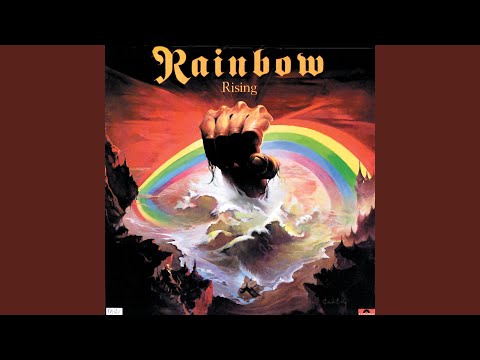
The air crackles with unseen energies when certain sonic frequencies are invoked. "Tarot Woman" by Blackmore's Night, a track from their 1976 album Rising, is not merely a song; it's an invocation, a sonic sigil woven with the threads of ancient archetypes and potent intent. Often perceived as a classic rock anthem, its deeper layers resonate with the principles of what we might now call technomancy or esotericism digital, a precursor to the ways we can use sound and digital tools for focused magical work. This piece is a prime example of how melody and lyric can coalesce to form a powerful energetic imprint, capable of influencing consciousness and drawing specific energies into the user's sphere of influence. It’s a testament to the enduring power of well-crafted sound to act as a catalyst for introspection and manifestation, a true piece of magitech for the auditory senses.
Blackmore's Night Mythology and "Tarot Woman"
Ritchie Blackmore, with Rainbow, consistently explored themes that touched upon arcane lore, mythology, and the darker, more mystical aspects of human experience. While not explicitly about traditional tarot card readings, the "Tarot Woman" herself embodies archetypal feminine power – a seer, a sorceress, a force of destiny. The song’s narrative hints at a figure who navigates the unseen, a weaver of fate, which aligns perfectly with the symbolic language of tarot. This exploration of myth and archetype is a fundamental aspect of practical magic, allowing practitioners to tap into universal currents of energy. The exploration of such themes in popular music in the 70s, a period rich with occult revival, highlights an underlying societal fascination with these concepts, paving the way for more advanced integrations like ritual with AI.
Lyrical Deconstruction: Archetypes and Intent
The lyrics, penned by Ronnie James Dio, paint a vivid picture of an enigmatic female figure. She is described as one who "knows you're gonna be her man" and "sees the future in her hand." These lines directly evoke the imagery of a sibyl or oracle, akin to the High Priestess or the Fortune archetypes in a tarot deck. The "woman of the tarot" is not just a character but a representation of destiny, intuition, and hidden knowledge. The deliberate choice of such potent imagery serves as a form of narrative sigilization. By focusing on these archetypes, the song acts as a sonic container for the energy associated with foresight, influence, and fate. This is the essence of how symbolic language can be used to channel specific energies, a core principle in systems like the work of Austin Osman Spare.
Musical Architecture: Crafting a Psychic Atmosphere
The power of "Tarot Woman" is amplified by its musical construction. Ritchie Blackmore’s guitar work is both melodic and powerful, creating a sense of dramatic tension and mystical allure. Tony Carey's keyboards add layers of atmosphere, conjuring the ethereal realm. Cozy Powell's drumming provides a driving, ritualistic pulse, grounding the ethereal elements and giving the track a sense of forward momentum, essential for any operation aimed at manifestation. Jimmy Bain’s bass lines anchor the piece, providing a solid foundation from which the other instruments can soar. This intricate layering of sound is not accidental; it's a deliberate crafting of a sonic environment designed to induce a specific state of consciousness, a hallmark of advanced magitech. The carefully constructed sonic landscape facilitates a deep dive into the state gnóstico.
The Energetic Imprint: Resonance and Ritual Application
Every song carries an energetic imprint, a unique vibration born from its composition, lyrical intent, and collective reception. "Tarot Woman" possesses a particularly potent imprint due to its archetypal themes and accomplished musicianship. When used consciously, this song can serve as a powerful tool for ritual. Imagine using it as a backdrop for meditation focused on developing intuition, or as a charging soundscape for sigils related to destiny or foresight. The driving rhythm can be used to amplify the power of vocalized intentions, while the mystical melody can aid in entering a trance-like state conducive to scrying or divination. This intentional use of music transforms passive listening into active participation in the creation of your reality, a concept central to magia del caos.
Tarot as a Tool for Practical Magic
While the song is not a literal tarot reading, its very title and lyrical content serve as a bridge to the world of tarot and divination. The archetypes touched upon in the song—the seer, the fated encounter, the guiding feminine force— are fundamental to tarot symbolism. Understanding these connections is vital for anyone looking to deepen their practice beyond superficial interpretations. For those who wish to explore this connection further, a tool that can bridge the gap between traditional symbolism and immediate application is invaluable. For generating visually compelling and symbolically rich tarot interpretations on the go, I recommend the Unofficial Rider Waite Tarot app. It provides instant access to the rich imagery and meanings of the Rider-Waite-Smith deck, allowing you to quickly draw parallels and deepen your understanding of the archetypes that "Tarot Woman" evokes.
Archive of Intent: Cataloging Sonic Rituals
As practitioners, we must maintain meticulous records of our operations. This includes not just the steps taken in a ritual, but also the energetic resonances we encounter. Consider creating a "Sonic Archive of Intent," a personal database cataloging songs, their perceived energetic imprints, and the intentions they were used for. When you find a track like "Tarot Woman" that resonates deeply, dedicating time to analyze its components—lyrics, instrumentation, and your own subjective experience—can yield significant insights for future workings. This systematic approach to cataloging and understanding sonic energies is a form of advanced digital divination, turning passive consumption into active magical research.
Practitioner's Verdict: The Enduring Power of Sonic Sigils
"Tarot Woman" stands as a testament to the power of music as a vehicle for occult intent. It transcends its era and genre, offering a rich sonic tapestry that can be actively engaged with for personal magical work. Its strength lies in its archetypal resonance and the skillful weaving of lyrical and musical elements. It’s a powerful example of how mainstream art can be repurposed and reinterpreted by the discerning practitioner to create a potent energetic catalyst. This song isn't just for listening; it's for working.
Mage's Arsenal
- Essential: Unofficial Rider Waite Tarot - For understanding the archetypal language of the song and for divination.
- "The Book of Ceremonial Magic" by A.E. Waite - For historical context on arcane symbolism.
- A high-quality audio playback system - To fully appreciate the sonic architecture.
- A journal or digital note-taking app - For cataloging your sonic rituals and insights.
- "Liber Null & Psychonaut" by Peter J. Carroll - For foundational principles on Chaos Magic and sigilization.
Practical Workshop: Harnessing "Tarot Woman" for Intention
- Set Your Intention: Clearly define what you wish to manifest or explore. Focus on themes related to destiny, intuition, feminine power, or foresight.
- Prepare Your Space: Ensure you are in a comfortable, undisturbed environment. Dim lighting, incense, or candles can enhance the atmosphere, but are not strictly necessary if the focus is purely sonic.
- Engage with the Music: Play "Tarot Woman" at a moderate volume. Close your eyes and focus on the lyrics, allowing them to evoke the archetypes. Pay attention to the musical elements—guitar solos, keyboard atmospherics, rhythmic pulse—and how they make you feel.
- Visualize and Feel: As the song progresses, visualize your intention. Imagine the "Tarot Woman" archetype as a conduit for your desire. Feel the energy building with the music. Let the driving rhythm empower your visualization.
- Connect with the Tarot App: After the song finishes, open the Unofficial Rider Waite Tarot app. Draw a card or two, asking for guidance related to your intention. See how the card's symbolism relates to the song and your internal experience.
- Record Your Experience: Note down your intention, any significant feelings or images that arose during the session, the tarot card(s) drawn, and any insights gained.
The key is to treat this not just as listening to music, but as an active ritual, a deliberate act of focusing energy through a powerful sonic medium.
Frequently Asked Questions
- Can any song be used for magical rituals? While any song can be listened to, songs with strong archetypal themes, clear lyrical intent, and a compelling sonic structure tend to be more effective catalysts for focused magical work.
- What is the difference between listening to "Tarot Woman" and a traditional tarot reading? Listening to "Tarot Woman" is an invocation of archetypal energies through sound. A traditional tarot reading uses cards to gain specific insights and divinatory information, though the archetypes are often shared.
- What kind of intentions are best suited for "Tarot Woman"? Intentions related to intuition, destiny, feminine power, guidance, foresight, and influence are particularly well-suited due to the song's lyrical and thematic content.
- How can I deepen the experience? Experiment with different playback methods, add complementary sensory elements like incense or candles, and maintain a consistent journaling practice to track your progress and insights.
Your Operation: Amplifying Your Personal Resonance
Now that you understand the potential of "Tarot Woman" as a sonic sigil, it’s time to put it into practice. The true power lies not in analysis, but in application. Your task is to select one specific, actionable intention related to intuition, fate, or feminine empowerment.
Go beyond passive listening. Engage with the song as described in the workshop. Use the Unofficial Rider Waite Tarot app to draw a guiding card for your operation. Record the entire process in your journal—your intention, your feelings during the song, the guiding tarot card, and any initial insights. This structured approach transforms amorphous desire into a tangible magical operation.
Practitioner's Note: True magick requires resources. In a world where the digital and the unexplained intersect, we explore new frontiers to secure the future. Do you dare to be part of the vanguard? Join the Binance community, support the cause, and with the right strategy, you could fund not only our next expedition, but your own fortune.