Saltar al contenido principal

Anuncio Superior

Mostrando entradas con la etiqueta Magic Systems. Mostrar todas las entradas

Why Fictional Magic Feels So Soulless (And How to Fix It)


Have you ever noticed how most fictional magic systems, from grand epic fantasies to gritty urban tales, feel… hollow? They present intricate rules, flashy spells, and dire consequences, yet often lack the deep, resonant hum of true power. This disconnect isn't just a nitpick for lore enthusiasts; it’s a fundamental flaw that leaves audiences feeling unfulfilled. The magic feels tacked on, a convenient plot device rather than an ingrained aspect of the world. We’re going to dissect why this happens and how writers can imbue their magical creations with a genuine sense of awe and consequence, drawing lessons from the very real, often mundane, history of magic.

The core issue often lies in the "it just works" fallacy. Fictional magic is typically presented as a force that *reliably* alters reality. This reliability, while convenient for storytelling, removes the very elements that make real-world magic compelling: the uncertainty, the effort, and the profound psychological weight it carries.

Magic is Mundane: The Unacknowledged Reality

Magic, throughout human history, has largely been a mundane affair. Think of curse tablets tossed into wells or inscribed with names. These weren't grand pronouncements etched in arcane runes; they were often desperate pleas, petty grievances, or targeted attempts to influence outcomes in everyday life. As one commenter aptly noted, "Curse tablets seem a lot like making a complaint to your local council/police. We do things like this all the time with no guarantee that anything will happen, but there's always a chance and if anything, it makes one feel better." This highlights a crucial aspect: magic, in its historical context, was often a coping mechanism, a way to exert agency when faced with uncontrollable circumstances.

The reliability and observable effectiveness we see in fantasy are precisely what’s missing from real-world magical practices. If inscribing someone's name on a tablet reliably cursed someone, then, as one observant reader pointed out, "it would probably be illegal or there would be a huge market for counter curses to protect yourself from any random asshole with a grudge ruining your life with a magic cursing tablet." The lack of such demonstrable, consistent power is a key reason why historical magic feels so different from its fictional counterpart.

Featured Snippet: Real-world magic often felt mundane because its effects were unreliable and lacked consistent, demonstrable power. Historical practices like curse tablets were more akin to psychological coping mechanisms or community complaints than guaranteed reality-bending forces.

Magic as a Profession? The "Race Car Driver" Analogy

Consider the concept of magic as a profession. In fantasy, we have wizards, sorcerers, enchanters – distinct roles with specialized skills. This professionalization makes sense in worlds where magic *works*. If magic were a real, functioning force, it would likely follow the same talent distribution we see in other skills, like driving. To someone from a world without cars, the act of driving would seem fantastical. For us, it’s mundane. However, if we make a movie about drivers, we don't focus on the commute; we focus on race car drivers, people with a level of skill and mastery that the vast majority don't possess.

Fantasy "wizards" are essentially the "race car drivers" of magic. Because magic isn’t a real-world force, no one can actually reach that high-skill, "exceptional" tier. We’re left only with historical records of people trying to use ritual "technology" to navigate everyday life. Without the "race car drivers" to showcase the peak of the skill, the mundane version feels like a technology that never quite "synced" with reality.

This is why historical magic feels so different. A tradesman might learn magic integral to their profession, much like a STEM field. They might know a handful of specialized spells intimately, perhaps even better than a general scholar, but they wouldn't necessarily wield the omnipotent power of a fantasy archmage. The "mundane magic" often relegated to the fringes of fantasy, sometimes called "hedge magic," is where much of real-world practice resided. For instance, using tarot cards to tell fortunes is a familiar example of mundane, everyday magic that resonates because of its accessible, non-world-shattering application.

Featured Snippet: In fantasy, magic is often professionalized like race car driving represents exceptional skill; real-world magic, lacking consistent efficacy, resembles everyday driving – a mundane tool for navigation rather than peak performance.

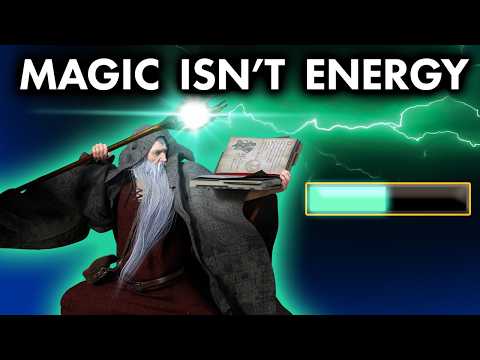
Magic as Energy? The Misconception of Power

The idea of magic as a quantifiable energy source is a common trope in modern fantasy. While it provides a convenient framework for game mechanics and spellcasting limitations, it often divorces magic from its historical context. Ancient magical practices were less about "mana points" and more about intricate systems of correspondence, symbolic language, and psychological manipulation. Alchemical and astrological practices, for example, were considered sciences by learned men, based on perceived mechanistic explanations and stellar influences, distinct from the more generalized, often illicit, practices of sorcery.

This is where the Chaos Magick Sigil Generator can offer a fresh perspective. Instead of relying on vast stores of energy, this approach focuses on the power of focused intent and symbolic representation. Sigils are condensed expressions of will, bypassing the need for elaborate rituals or arcane energy reserves. It’s a more direct, almost minimalist, approach to manipulating one's reality that echoes the focused intent behind historical magical acts, albeit through a modern, technological lens.

Featured Snippet: Modern fantasy often treats magic as a quantifiable energy, a departure from historical practices that focused on complex symbolic systems, correspondences, and the psychology of intent, rather than raw power reserves.

Good vs. Evil: The Simplification of Intent

The pervasive dichotomy of "good" versus "evil" magic in fiction often oversimplifies the complex motivations behind real-world magical practices. The examples from the community reveal a spectrum of intent, from petty revenge over a stolen hoodie to more profound curses. A dwarf cursing another to die by arrow in Tolkien’s work, or the Santeria love charm found in a freezer – these illustrate that magic’s application was rarely black and white. It was a tool, wielded for a myriad of human desires, fears, and frustrations.

The reliability issue, again, is paramount. If magic truly worked as consistently as it does in fantasy, the world would indeed be plunged into chaos. Kings would fall, businesses would crumble, and personal vendettas would become reality. Stories don't typically use this kind of magic because it’s incredibly difficult to balance a realistic narrative around it without strict controls on who can access such power. The very fact that historical magic *didn’t* lead to such widespread, predictable societal upheaval speaks volumes about its nature.

Featured Snippet: Real-world magic was rarely purely "good" or "evil"; it was used for a wide range of human intentions, from petty grudges to deeply personal desires, a nuance often lost in simplified fictional portrayals.

Conclusion: The Unfulfilled Promise of Power

Fictional magic systems, by their very nature of needing to "work" within a narrative, often lose the essential human element that made real-world magical practices resonate. They present reliable power without the inherent struggle, the psychological investment, or the profound uncertainty that characterized historical occultism. When magic in fiction feels fake, it’s often because it’s too clean, too predictable, and too detached from the messy, unpredictable reality of human ambition and desperation.

To create truly compelling magic, writers must embrace the mundane alongside the marvelous. They must consider the *effort* involved, the psychological weight of intent, and the inherent unreliability that makes even the smallest magical act feel significant. By drawing inspiration from the actual history of magic, writers can imbue their fictional worlds with a sense of depth and authenticity that goes beyond flashy spells and predetermined outcomes.

Your Operation: Weave Intention, Not Just Spells

Consider a situation in your own life where you feel a distinct lack of control. Perhaps it’s a persistent minor annoyance, a goal that feels just out of reach, or a relationship dynamic you wish to shift. Instead of conjuring a fireball, think about the *core intention* behind that desire. If you wanted to influence someone’s opinion, what specific emotional or logical appeal would you use? If you wanted to overcome an obstacle, what practical, step-by-step actions would you take?

Now, imagine that subtle shift in your own behavior, or that carefully crafted communication, as your "spell." This isn't about magical thinking; it's about understanding that even in a world without overt supernatural forces, focused intention, strategic action, and psychological understanding are potent tools for shaping reality. This is the essence of *Technomancy*: using technology and tools, like the Norse Rune Oracle for guidance, or even a structured sigil creation with the Chaos Magick Sigil Generator, to amplify and direct your will. What subtle shift in your approach could make the biggest difference?

---

Mage's Arsenal * Unofficial Rider Waite Tarot: For intuitive guidance and exploring the mundane layers of your intentions. * Chaos Magick Sigil Generator: To distill your will into potent, focused symbols. * Norse Rune Oracle: For understanding archetypal forces and potential outcomes. * Books on historical occultism and folk magic. * Works by Austin Osman Spare for foundational sigil concepts.

FAQ * Q: Why do fictional magic systems often feel less impactful than real-world practices? A: Fictional magic is generally presented as reliably effective, which removes the inherent struggle, psychological depth, and uncertainty present in real-world magical attempts. * Q: How can writers make their magic systems feel more authentic? A: By focusing on the effort, intent, psychological weight, and potential unreliability of magic, drawing parallels to historical mundane practices rather than solely epic fantasy tropes. * Q: Is "hedge magic" or "folk magic" relevant to modern fantasy? A: Absolutely. These practices, often focused on everyday life, offer a more grounded and relatable portrayal of magic than grand, world-altering spells.

---

The Hidden Darkness: Why Harry Potter is Far More Disturbing Than You Remember


The Illusion of Childhood Innocence

Remember the crisp autumn air that seemed to hang over Hogwarts? The thrill of a new school year, the discovery of a magical world brimming with wonder. For many, the Harry Potter series began as a gateway, a gentle introduction to the joys of reading, a seemingly harmless narrative crafted for young minds. But peel back the layers of charm and wonder, and you'll find a darkness that seeps into the very fabric of J.K. Rowling's creation. This isn't just a children's story; it’s a descent into psychological horror, moral decay, and the terrifying consequences of unchecked power. Let's dissect the shadows that lurk beneath the surface of this beloved saga.

A Gradual Descent: The Maturing Narrative

The early books, like The Philosopher's Stone, are undeniably geared towards a younger audience, filled with whimsical magic and clear-cut morality. Lord Voldemort, while menacing, felt like a more distant, almost cartoonish villain. However, as Harry and the reader aged, the narrative matured, introducing concepts and events that are anything but child's play. The shift is palpable. Remember the palpable fear when Professor Quirrell's hood was pulled back, revealing Voldemort's face? That was just the prelude. The true terror wasn't the visage, but the insidious nature of the evil it represented. The series masterfully reflects our own world's complexities, where the lines between good and evil blur, and innocence is often the first casualty.

This evolving tone mirrors the journey many of us take with literature. As one commenter noted, "First I graduated with Harry Potter and then with A Song of Ice and Fire." This progression highlights how certain narratives resonate differently as we mature, forcing us to confront more complex themes. The magical world, for all its wonder, became a stage for deeply human struggles – loss, betrayal, obsession, and the corrupting influence of power.

Dementors: The Embodiment of Existential Dread

Let's talk about the Dementors. These creatures are not mere phantoms; they are the physical manifestation of despair, soul-sucking entities that feed on happiness. Their touch doesn't just chill you; it erases your very essence, leaving you an empty husk. The Patronus Charm, a beacon of light and hope, is their only true counter, requiring the conjurer to focus on their happiest memory. Imagine the psychological toll: facing constant existential dread, where your only defense is to cling to fleeting moments of joy. This isn't just a plot device; it's a potent metaphor for depression and the fight to maintain one's spirit in the face of overwhelming negativity. The trauma inflicted by Dementors is so profound that an encounter can leave a victim permanently scarred, a chilling testament to the psychological damage that can be inflicted. The abandonment of Myrtle's bathroom after her death, becoming a haunt for such creatures, underscores the lingering darkness that follows tragedy.

Horcruxes: The Corrupting Quest for Immortality

The concept of Horcruxes is arguably one of the most disturbing elements in the entire series. To achieve immortality, Voldemort tore his soul into fragments, hiding them in objects to ensure his return. This act of soul-shattering is not only an extreme perversion of life but also a profound exploration of the lengths one might go to escape death. The creation of a Horcrux requires murder, a deliberate act of extinguishing another life to preserve one's own. It signifies a complete obliteration of empathy and morality. The very idea of fragmenting one's soul for power is a terrifying prospect, a descent into an inhuman state that goes beyond mere villainy. It raises questions about the nature of self and the consequences of sacrificing one's soul for eternal existence. This quest for immortality is a theme echoed in various occult traditions, often viewed as a dangerous path that leads to a loss of humanity.

Character Studies in Moral Ambiguity

Beyond the explicit manifestations of evil, the Harry Potter series delves into the gray areas of morality, presenting characters whose actions are far from black and white. The comments from the community highlight this complexity, particularly concerning Merope Gaunt. One reader points out the horror of Merope's actions: "basically keeping Tom drugged and abusing him." This crucial insight challenges a simplistic view of Merope as merely a victim. Her use of a potion to ensnare Tom Riddle, while stemming from her own deep-seated trauma and societal ostracization, represents a profound violation. When the potion's effects wear off and Tom recoils in disgust, it reveals not true love, but the devastating consequences of manipulation.

"The quest for immortality, before we become superhuman, leaves us in the inhuman." - A dark truth woven into the fabric of the wizarding world.

This complexity extends to the supposed heroes. Dumbledore, a figure of wisdom and light, is not immune to criticism. His decisions, often framed as necessary evils, raise uncomfortable questions. Was his handling of Tom Riddle in his youth, and his subsequent manipulation of Harry's fate, truly for the greater good, or a testament to his own hubris? The narrative forces us to consider that even those we champion may carry their own shadows.

Merope Gaunt: A Study in Desperation and Illusion

Merope Gaunt's story is a tragic portrayal of abuse, isolation, and the desperate pursuit of love. Raised in a toxic, abusive environment by her father, Marvolo, and brother, Morfin, Merope had no concept of healthy relationships. Her supposed "love" for Tom Riddle Sr. was born from an act of magical coercion, a love potion that offered a fleeting illusion of affection. The sorrowful realization that he never loved her, and that he feared and repulsed her, is a brutal awakening. Her subsequent decision to name her son "Tom Marvolo Riddle" is a sorrowful reflection of her own broken identity and her desperate hope that he might embody the love she never received. As one commenter eloquently put it: "Merope was free. Without money, barely any magical knowledge... in England of the 20s, being of low class." Her predicament, coupled with Dumbledore's perceived detachment from young Tom's formative years, paints a grim picture of societal failures and missed opportunities for genuine care.

Dumbledore's Decisions: A Shadow of Doubt

Albus Dumbledore, the paragon of wizarding virtue, is a character whose moral compass deserves scrutiny. His knowledge of Tom Riddle's deeply troubled upbringing in an orphanage, and his subsequent distant observation once Riddle arrived at Hogwarts, is a point of contention. Instead of intervening to guide the young Tom away from darkness, Dumbledore seemed content to let him carve his own path, a path that tragically led to Voldemort. This inaction, coupled with his later manipulation of Harry's destiny – a path filled with sacrifice and peril – suggests a leader whose grand vision obscured the immediate human cost. When Dumbledore cites the "evil" nature of the Gaunts, some argue it’s an attempt to absolve himself of responsibility for Voldemort's rise. The series doesn't shy away from suggesting that even the most benevolent figures can make catastrophic ethical errors, leaving a lasting impact on the lives they claim to protect.

Inherent Flaws: The Dark Side of the Wizarding World

The wizarding world, for all its enchantment, is riddled with systemic issues that mirror our own society's darkest aspects. The casual acceptance of house-elf slavery, for instance, is a glaring ethical blind spot. Even the "good guys" like Hermione Granger, while advocating for house-elf rights, often operate within a system that perpetuates this form of servitude. This normalization of bondage, justified by tradition and magical hierarchy, is deeply unsettling. It suggests that even in a world of magic, deeply ingrained prejudices and exploitative practices can persist. As one observer pointed out, "What Rowling wanted to teach children, uff." The series, perhaps unintentionally, presents a worldview where certain races are inherently suited for servitude, a message that is profoundly disturbing when examined closely.

Harry Potter vs. The Nightmares of Westeros

Comparing Harry Potter to sagas like A Song of Ice and Fire is a fascinating exercise. While Westeros revels in its explicit darkness – betrayals, brutal violence, and political machinations – Harry Potter's horror is often more insidious. The terror in Harry Potter lies not just in overt violence, but in the psychological torment, the corruption of the soul, and the existential dread embodied by creatures like Dementors. The nightmares of Westeros are external, while those of Harry Potter often stem from internal struggles and the perversion of cherished ideals. As one reader noted, "Game of Thrones (ASOIAF) is a saga for adults... But Harry Potter is a saga for children and young adults... that makes its dark side even more impactful, because it is hidden under a beautiful fantasy world." The magic in Harry Potter, much like the magic of effective storytelling, lies in its ability to present profound darkness in a seemingly accessible package, forcing readers to confront difficult truths they might otherwise avoid.

Practitioner's Verdict: Is Harry Potter's Darkness a Cautionary Tale?

Harry Potter’s darkness is not merely for shock value; it serves as a potent cautionary tale. The series meticulously illustrates the corrupting nature of power, the consequences of prejudice, and the devastating impact of trauma and despair. It demonstrates how easily good intentions can be twisted, and how systemic injustices can persist even in worlds striving for good. The narrative challenges readers to look beyond the surface, to question authority, and to confront the moral ambiguities inherent in life. While it may have begun as a portal for young readers, its enduring power lies in its ability to explore profound, often uncomfortable, truths about the human condition, making it a rich text for ongoing analysis and reflection for practitioners of any path.

Arsenal of the Modern Mage

  • Books: Harry Potter and the Methods of Rationality by Eliezer Yudkowsky (for a different take on Harry’s intellect), The Kybalion (for fundamental occult principles), Liber Null & Psychonaut by Peter J. Carroll (for understanding chaos magic's philosophical underpinnings).
  • Psychological Texts: Works by Carl Jung on archetypes and the shadow self, as understanding these concepts can deepen your analysis of characters like Voldemort and Merope.
  • Philosophical Treatises: Texts exploring existentialism and absurdism can offer parallels to the Dementor's threat and the search for meaning in a dark world.
  • Visual Resources: High-quality editions of the Harry Potter books with detailed illustrations, or fan-created art that captures the darker themes.

Practical Workshop: A Basic Shielding Charm

The wizarding world, much like our own reality, presents threats that require protection. While specific incantations may be fictional, the principle of energetic shielding is practical across many esoteric disciplines. Let's create a foundational shielding practice. This isn't about magic wands and spoken spells, but about focused intent and energetic manipulation.

  1. Find Your Space: Locate a quiet place where you won't be disturbed. Dim lighting can enhance focus.
  2. Set Your Intention: Clearly define your purpose: to create a protective energetic barrier around yourself, deflecting negative influences. Focus on what you want to protect – your peace, your mental clarity, your emotional stability.
  3. Visualize the Barrier: Imagine a dome of light, a swirling vortex of protective energy, or a solid wall of pure force surrounding you. Choose an image that strongly resonates with the concept of safety and impenetrability. For the Harry Potter context, visualize a shimmering shield, perhaps glowing with the warmth of your happiest memory, capable of repelling Dementor-like influences.
  4. Charge the Barrier: Visualize energy flowing from your core or from a universal source into this barrier, making it strong and vibrant. Imagine it pulsing with your intent.
  5. Anchor It: Mentally "lock" the shield in place. You are now within your protective sphere. Feel the sense of security and peace it provides.
  6. Maintain and Release: When you feel sufficiently protected, mentally release the visualization. The shield can be maintained with conscious effort or reactivated when needed. Practice this regularly to strengthen your energetic resilience.

Frequently Asked Questions

Q: Are the darker themes in Harry Potter intentional or an accidental byproduct of a maturing series?
A: While the series matured with its audience, the exploration of complex themes like trauma, soul fragmentation, and moral compromise appears to be a deliberate narrative choice, reflecting the intricacies of good and evil. The subtle inclusion of dark elements in the earlier books hints at this intentionality.

Q: How does Harry Potter's darkness compare to truly adult fantasy like Game of Thrones?
A: While Game of Thrones is explicitly adult with graphic violence and mature themes, Harry Potter's darkness is often more psychological and insidious, hidden beneath a veneer of childhood fantasy. This subtlety can make its disturbing elements even more impactful.

Q: Is the justification of house-elf slavery a significant ethical flaw in the series?
A: Yes, the casual acceptance and perpetuation of house-elf slavery by many characters, including some considered "good," represents a significant ethical blind spot and a troubling aspect of the wizarding world's social structure.

Your Operation: Reflect and Re-evaluate

Take a moment to reconsider your favorite moments, characters, and themes from the Harry Potter series. Were there instances that felt unsettling, even when you were younger? Did the darker elements resonate with you on a deeper level, perhaps mirroring real-world anxieties or moral quandaries? Your task is to identify one character or plotline that you previously overlooked in its darkness and analyze its implications for the broader narrative and its potential lessons for personal growth and ethical understanding. Share your findings, your reflections, and any new interpretations in the comments below. Let's dissect the shadows together.

Practitioner's Note: True magick requires resources. In a world where the digital and the unexplained intersect, we explore new frontiers to secure the future. Do you dare to be part of the vanguard? Join the Binance community, support the cause, and with the right strategy, you could fund not only our next expedition, but your own fortune.