
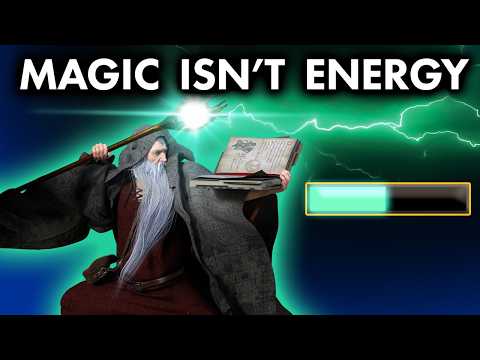
Have you ever noticed how most fictional magic systems, from grand epic fantasies to gritty urban tales, feel… hollow? They present intricate rules, flashy spells, and dire consequences, yet often lack the deep, resonant hum of true power. This disconnect isn't just a nitpick for lore enthusiasts; it’s a fundamental flaw that leaves audiences feeling unfulfilled. The magic feels tacked on, a convenient plot device rather than an ingrained aspect of the world. We’re going to dissect why this happens and how writers can imbue their magical creations with a genuine sense of awe and consequence, drawing lessons from the very real, often mundane, history of magic.
The core issue often lies in the "it just works" fallacy. Fictional magic is typically presented as a force that *reliably* alters reality. This reliability, while convenient for storytelling, removes the very elements that make real-world magic compelling: the uncertainty, the effort, and the profound psychological weight it carries.
Magic is Mundane: The Unacknowledged Reality
Magic, throughout human history, has largely been a mundane affair. Think of curse tablets tossed into wells or inscribed with names. These weren't grand pronouncements etched in arcane runes; they were often desperate pleas, petty grievances, or targeted attempts to influence outcomes in everyday life. As one commenter aptly noted, "Curse tablets seem a lot like making a complaint to your local council/police. We do things like this all the time with no guarantee that anything will happen, but there's always a chance and if anything, it makes one feel better." This highlights a crucial aspect: magic, in its historical context, was often a coping mechanism, a way to exert agency when faced with uncontrollable circumstances.
The reliability and observable effectiveness we see in fantasy are precisely what’s missing from real-world magical practices. If inscribing someone's name on a tablet reliably cursed someone, then, as one observant reader pointed out, "it would probably be illegal or there would be a huge market for counter curses to protect yourself from any random asshole with a grudge ruining your life with a magic cursing tablet." The lack of such demonstrable, consistent power is a key reason why historical magic feels so different from its fictional counterpart.
Featured Snippet: Real-world magic often felt mundane because its effects were unreliable and lacked consistent, demonstrable power. Historical practices like curse tablets were more akin to psychological coping mechanisms or community complaints than guaranteed reality-bending forces.
Magic as a Profession? The "Race Car Driver" Analogy
Consider the concept of magic as a profession. In fantasy, we have wizards, sorcerers, enchanters – distinct roles with specialized skills. This professionalization makes sense in worlds where magic *works*. If magic were a real, functioning force, it would likely follow the same talent distribution we see in other skills, like driving. To someone from a world without cars, the act of driving would seem fantastical. For us, it’s mundane. However, if we make a movie about drivers, we don't focus on the commute; we focus on race car drivers, people with a level of skill and mastery that the vast majority don't possess.
Fantasy "wizards" are essentially the "race car drivers" of magic. Because magic isn’t a real-world force, no one can actually reach that high-skill, "exceptional" tier. We’re left only with historical records of people trying to use ritual "technology" to navigate everyday life. Without the "race car drivers" to showcase the peak of the skill, the mundane version feels like a technology that never quite "synced" with reality.
This is why historical magic feels so different. A tradesman might learn magic integral to their profession, much like a STEM field. They might know a handful of specialized spells intimately, perhaps even better than a general scholar, but they wouldn't necessarily wield the omnipotent power of a fantasy archmage. The "mundane magic" often relegated to the fringes of fantasy, sometimes called "hedge magic," is where much of real-world practice resided. For instance, using tarot cards to tell fortunes is a familiar example of mundane, everyday magic that resonates because of its accessible, non-world-shattering application.
Featured Snippet: In fantasy, magic is often professionalized like race car driving represents exceptional skill; real-world magic, lacking consistent efficacy, resembles everyday driving – a mundane tool for navigation rather than peak performance.
Magic as Energy? The Misconception of Power
The idea of magic as a quantifiable energy source is a common trope in modern fantasy. While it provides a convenient framework for game mechanics and spellcasting limitations, it often divorces magic from its historical context. Ancient magical practices were less about "mana points" and more about intricate systems of correspondence, symbolic language, and psychological manipulation. Alchemical and astrological practices, for example, were considered sciences by learned men, based on perceived mechanistic explanations and stellar influences, distinct from the more generalized, often illicit, practices of sorcery.
This is where the Chaos Magick Sigil Generator can offer a fresh perspective. Instead of relying on vast stores of energy, this approach focuses on the power of focused intent and symbolic representation. Sigils are condensed expressions of will, bypassing the need for elaborate rituals or arcane energy reserves. It’s a more direct, almost minimalist, approach to manipulating one's reality that echoes the focused intent behind historical magical acts, albeit through a modern, technological lens.
Featured Snippet: Modern fantasy often treats magic as a quantifiable energy, a departure from historical practices that focused on complex symbolic systems, correspondences, and the psychology of intent, rather than raw power reserves.
Good vs. Evil: The Simplification of Intent
The pervasive dichotomy of "good" versus "evil" magic in fiction often oversimplifies the complex motivations behind real-world magical practices. The examples from the community reveal a spectrum of intent, from petty revenge over a stolen hoodie to more profound curses. A dwarf cursing another to die by arrow in Tolkien’s work, or the Santeria love charm found in a freezer – these illustrate that magic’s application was rarely black and white. It was a tool, wielded for a myriad of human desires, fears, and frustrations.
The reliability issue, again, is paramount. If magic truly worked as consistently as it does in fantasy, the world would indeed be plunged into chaos. Kings would fall, businesses would crumble, and personal vendettas would become reality. Stories don't typically use this kind of magic because it’s incredibly difficult to balance a realistic narrative around it without strict controls on who can access such power. The very fact that historical magic *didn’t* lead to such widespread, predictable societal upheaval speaks volumes about its nature.
Featured Snippet: Real-world magic was rarely purely "good" or "evil"; it was used for a wide range of human intentions, from petty grudges to deeply personal desires, a nuance often lost in simplified fictional portrayals.
Conclusion: The Unfulfilled Promise of Power
Fictional magic systems, by their very nature of needing to "work" within a narrative, often lose the essential human element that made real-world magical practices resonate. They present reliable power without the inherent struggle, the psychological investment, or the profound uncertainty that characterized historical occultism. When magic in fiction feels fake, it’s often because it’s too clean, too predictable, and too detached from the messy, unpredictable reality of human ambition and desperation.
To create truly compelling magic, writers must embrace the mundane alongside the marvelous. They must consider the *effort* involved, the psychological weight of intent, and the inherent unreliability that makes even the smallest magical act feel significant. By drawing inspiration from the actual history of magic, writers can imbue their fictional worlds with a sense of depth and authenticity that goes beyond flashy spells and predetermined outcomes.
Your Operation: Weave Intention, Not Just Spells
Consider a situation in your own life where you feel a distinct lack of control. Perhaps it’s a persistent minor annoyance, a goal that feels just out of reach, or a relationship dynamic you wish to shift. Instead of conjuring a fireball, think about the *core intention* behind that desire. If you wanted to influence someone’s opinion, what specific emotional or logical appeal would you use? If you wanted to overcome an obstacle, what practical, step-by-step actions would you take?
Now, imagine that subtle shift in your own behavior, or that carefully crafted communication, as your "spell." This isn't about magical thinking; it's about understanding that even in a world without overt supernatural forces, focused intention, strategic action, and psychological understanding are potent tools for shaping reality. This is the essence of *Technomancy*: using technology and tools, like the Norse Rune Oracle for guidance, or even a structured sigil creation with the Chaos Magick Sigil Generator, to amplify and direct your will. What subtle shift in your approach could make the biggest difference?
---
Mage's Arsenal * Unofficial Rider Waite Tarot: For intuitive guidance and exploring the mundane layers of your intentions. * Chaos Magick Sigil Generator: To distill your will into potent, focused symbols. * Norse Rune Oracle: For understanding archetypal forces and potential outcomes. * Books on historical occultism and folk magic. * Works by Austin Osman Spare for foundational sigil concepts.
FAQ * Q: Why do fictional magic systems often feel less impactful than real-world practices? A: Fictional magic is generally presented as reliably effective, which removes the inherent struggle, psychological depth, and uncertainty present in real-world magical attempts. * Q: How can writers make their magic systems feel more authentic? A: By focusing on the effort, intent, psychological weight, and potential unreliability of magic, drawing parallels to historical mundane practices rather than solely epic fantasy tropes. * Q: Is "hedge magic" or "folk magic" relevant to modern fantasy? A: Absolutely. These practices, often focused on everyday life, offer a more grounded and relatable portrayal of magic than grand, world-altering spells.
---
No hay comentarios:
Publicar un comentario