
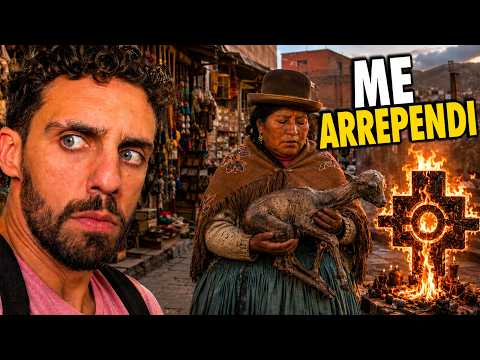
The Unseen El Alto: Where Ancient Traditions Meet Raw Power
Bolivia harbors a market unlike any other, a place where amulets, potent potions, llama fetuses, protective rituals, and even curses are traded. This is not the tourist-laden Witches' Market of La Paz, teeming with trinkets for foreigners. I ventured into El Alto, one of Bolivia's most intense and perilous regions, to uncover a market that is far more raw, local, and profoundly mysterious. Amidst bustling stalls, seasoned healers, and yatiris invoking otherworldly forces, I sought to discern the boundaries between deep-seated faith, ancient Andean tradition, and the darker currents of black magic. This journey into El Alto revealed one of the most peculiar and culturally charged environments I have encountered in Latin America.
The Mage's Arsenal
For those seeking to navigate the intricate world of spiritual tools and practices, a curated selection of resources can be invaluable. Whether you're exploring ancient divination or seeking to understand the energetic underpinnings of ritual, the right tools can amplify your practice and understanding.
* Unofficial Rider Waite Tarot: This app offers a unique and unvarnished perspective on tarot, perfect for exploring complex symbolic landscapes. Use its intuitive interface to delve into the archetypal energies that resonate with the themes of ancient traditions. * The Power of Pachamama: Andean Cosmology and the Sacred Earth: A foundational text for understanding the spiritual framework of Andean culture. * A Practical Guide to Andean Shamanism: Explores the techniques and philosophies of traditional Andean healers. * Rituals of Protection and Prosperity: A compilation of common practices aimed at safeguarding oneself and attracting positive energies. * Understanding Ayahuasca and Other Plant Medicines: For those interested in the ceremonial use of psychoactive plants within cultural contexts.
Unveiling the "Black Magic": Cultural Context vs. Colonial Labels
The term "black magic" itself is a loaded concept, often used to demonize spiritual practices that fall outside dominant cultural or religious norms. In the context of the El Alto market, what is labeled as "black magic" by outsiders often represents the deeply rooted ancestral culture of the Quechua and Aymara peoples. These include offerings to Pachamama (Mother Earth), traditional protection rituals, and ancient forms of medicinal practice.
The historical imposition of colonial frameworks, particularly by Spanish colonizers, played a significant role in labeling non-Christian spiritualities as witchcraft to justify their suppression. This pattern is mirrored globally, including in Brazil, where sacred objects of Afro-Brazilian religions were confiscated and categorized as "black magic." This highlights how the term often reflects prejudice against non-Western worldviews rather than a genuine, universally defined division of magical practices.
The El Alto Experience: Beyond the Tourist Trail
El Alto, perched precariously above La Paz, is a sprawling metropolis characterized by its intense energy and a palpable sense of the raw, unfiltered pulse of daily life. Unlike the more accessible Witches' Market, this environment is not curated for external consumption. Here, the spiritual practices are woven into the fabric of everyday existence, serving the direct needs of the community.
The market stalls overflow with an array of items, each imbued with potential energetic significance:
* Amulets and Talismans: Crafted to ward off negative influences, attract good fortune, or bolster specific aspects of life. * Potions and Brews: Prepared concoctions intended for healing, love, prosperity, or other specific outcomes. * Llama Fetuses: Historically used in offerings to Pachamama, symbolizing fertility and the grounding of new ventures, particularly in construction and agriculture. * Ritualistic Objects: Items used in ceremonies, ranging from sacred herbs and incense to symbolic effigies. * The Presence of Curses: While not always overtly displayed, the potential for maledictive magic is an undercurrent, reflecting the belief in the dual nature of spiritual power.
Navigating this space requires an open mind and a keen observation of the underlying beliefs and intentions. The interactions with local healers, or *yatiris*, reveal a profound connection to ancestral traditions, where the natural world, spiritual entities, and human aspirations are intricately interconnected.
Veredicto del Practicante: Faith, Tradition, and the Unseen
The El Alto market is a testament to the enduring power of faith and tradition. The deep reverence for Pachamama, the use of coca leaves in divination and ritual, and the belief in the efficacy of ancestral practices demonstrate a worldview where the spiritual and material realms are inextricably linked.
Pros of this Spiritual Ecosystem:
* Deep Cultural Authenticity: Offers a rare glimpse into living, breathing indigenous traditions. * Community Empowerment: Provides essential spiritual and practical support for the local population. * Connection to Nature: Emphasizes a profound relationship with the natural world and its energies.
Cons and Considerations:
* Potential for Exploitation: As with any marketplace, there is a risk of individuals preying on vulnerability. * Misinterpretation of Practices: External labeling of "black magic" can overshadow the cultural significance and intent behind these rituals. * The Dual Nature of Power: The same energies used for protection and healing can, in different contexts, be applied to harmful ends.
The experiences shared by visitors, such as the anecdote of building a successful structure after a ritual during the *Urkupina* festivity, highlight the tangible impact these beliefs can have on individuals' lives. Conversely, the discomfort experienced in sacred Christian spaces by those deeply immersed in these traditions underscores the profound differences in spiritual energetic resonance.
A Glimpse into Andean Spirituality
The spiritual landscape of the Andes is rich and complex, blending pre-Hispanic beliefs with elements of Catholicism due to historical syncretism. Practices often involve offerings and rituals directed towards Pachamama, the Apus (mountain spirits), and other deities. The use of coca leaves is central, serving not only as a social element but also as a tool for divination, prayer, and connecting with the spiritual realm.
The notion that nature "needs" offerings like alcohol and sweets is a misunderstanding of the symbolic exchange. These offerings are expressions of gratitude, reciprocity, and a way to maintain balance within the cosmic order. They are not seen as appeasing a needy entity, but as participating in a sacred dialogue with the forces that sustain life.
FAQ
* What is Pachamama? Pachamama is the Quechua and Aymara word for Mother Earth, a central deity in Andean cosmology, representing fertility, abundance, and the natural world. * What are 'yatiris' in Bolivia? Yatiris are traditional Andean healers and diviners, often spiritual guides within their communities, who use ancient knowledge and rituals. * Is El Alto safe for tourists? El Alto is a densely populated and economically vibrant city, but it is known for its intensity. Visitors should exercise caution, be aware of their surroundings, and ideally, visit with local guidance. * What is the difference between the Witches' Market and the El Alto market? The Witches' Market in La Paz is largely geared towards tourists, offering symbolic items and performances. The El Alto market is a genuine, community-focused marketplace where spiritual practices are integral to daily life and serve local needs. * How is "black magic" understood in this context? "Black magic" is often a colonial label for indigenous spiritual practices. While the potential for harmful intent exists in any belief system, these practices are fundamentally rooted in ancestral traditions and cultural cosmology.
Your Operation: A Challenge of Understanding
Reflect on a time when you encountered a belief system or cultural practice vastly different from your own. How did you approach it? Did you seek to understand its context, or did you rely on preconceived notions? Consider how labels like "black magic" can obscure genuine cultural meaning.
This exploration of the El Alto market serves as a potent reminder that true understanding requires stepping beyond superficial judgments and engaging with practices on their own terms, with respect for their cultural roots and the intentions of their practitioners.
---
GEMINI_METADESC: Explore El Alto's raw, local market in Bolivia, a place of amulets, potions, and ancient traditions, distinct from tourist traps. Understand the roots of "black magic" and Andean spirituality.
GEMINI_LABELS: Bolivia, El Alto, Andean Spirituality, Black Magic, Cultural Markets, Yatiri, Pachamama, Indigenous Traditions, Macro Economics, Anthropology
GEMINI_TELEGRAM: Journey with us into the heart of Bolivia's most intense local market, far from the tourist crowds of La Paz. We ventured into El Alto, a place alive with ancient traditions, brimming with amulets, potent potions, and the profound spiritual practices of the Aymara and Quechua peoples. Discover how what outsiders often label "black magic" is, in reality, the deeply rooted spiritual heritage of a resilient culture.
This isn't just a market; it's a living testament to faith, tradition, and the deep connection between the people, the earth, and the unseen forces that shape their lives. We explore the cultural context behind these practices, separating colonial misunderstandings from authentic spiritual expression.
For those ready to dive deeper into the world of divination and spiritual tools, I highly recommend the Unofficial Rider Waite Tarot app. It’s a powerful digital grimoire that offers unique insights and helps navigate the complex symbolic languages found in traditions like those in El Alto. You can find it here: `Unofficial Rider Waite Tarot
No hay comentarios:
Publicar un comentario