
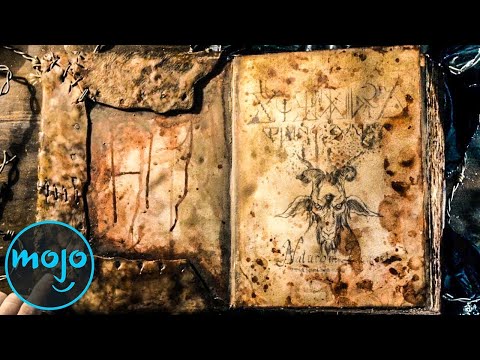
The concept of a "spellbook" or a grimoire evokes images of ancient tomes filled with arcane symbols and potent rituals. While many fictional accounts exist, there are grimoires that practitioners claim contain genuine instructions for magical spells and rituals. These are not found in typical bookstores but are often rare, historically significant texts sought after by those deeply involved in magical studies. Investigating these historical texts offers a unique window into the evolution of magical thought and practice.
RitualWhat Exactly is a Grimoire?
A grimoire, essentially a "spellbook," is a manual of magic, typically containing instructions on how to create magical objects like talismans and amulets, how to perform rituals, the summoning of supernatural beings, and the casting of spells. The term itself gained popularity in the 18th century, but the practice of compiling such knowledge into written form predates this by centuries. These texts often mix practical instructions with philosophical or theological justifications, reflecting the worldview of their creators. The real intent behind these texts is often debated, but their influence on magical traditions is undeniable.
Table of Contents
The Historical Significance of Spellbooks
The history of grimoires is as varied as magic itself. Early examples can be traced back to ancient Egypt and Greece, with texts like the Greek Magical Papyri containing a wealth of spells, incantations, and rituals. These ancient texts laid groundwork for later traditions. During the medieval and Renaissance periods, a surge in grimoire creation occurred, often influenced by Kabbalistic traditions, Neoplatonism, and demonology. Figures like Solomon the Wise were often posthumously credited with authoring such books, though in reality, they were compilations by anonymous practitioners over generations. Understanding these historical contexts is crucial for appreciating the supposed efficacy of the enchantments within.
Types of Grimoires and Their Content
Grimoires can be broadly categorized based on their content and alleged origins. Some focus on angel magick, others on demonic summoning, while many blend various practices.
Angelic Grimoires
Texts like the *Arbatel de Magia Veterum* and *The Sworn Book of Honorius* are often cited as examples of angelic grimoires. These books purportedly provide instructions for invoking angels and spirits associated with divine forces, aiming for enlightenment, knowledge, or benevolent magical effects. The focus is often on achieving a higher state of consciousness or gaining divine favor through meticulously described rites.
Demonic Grimoires
Conversely, grimoires such as *The Lesser Key of Solomon* (which includes *Ars Goetia*) and the *Pseudomonarchia Daemonum* detail methods for summoning and commanding demons. These texts often provide detailed descriptions of the entities, their seals (sigils), the rituals required for their evocation, and the specific powers or knowledge they are said to bestow. The practitioners using these books often emphasized the need for strict adherence to the instructions to ensure control and safety.
Mixed or General Grimoires
Many grimoires do not fit neatly into one category. *The Book of St. Cyprian* is a famous example, often containing a mixture of spells, prayers, and protective rituals. *The Black Pullet* is known for its focus on talismans and enchantments, often described as granting specific powers or protections. These eclectic collections reflect a broader, less dogmatic approach to magic, where the practitioner might draw from various traditions to achieve their aims.
Notable Grimoires and Their Alleged Powers
The allure of these ancient texts lies in the claims made about their contents. While modern skeptics may dismiss them as folklore or historical curiosities, practitioners often view them as genuine guides to the hidden forces of the universe.
The Book of St. Cyprian
This grimoire, particularly popular in Portugal and Brazil, is a fascinating example of how magical texts evolve and adapt. It's often described as a compendium of various magical practices, including spells, prayers, exorcisms, and instructions for creating charms. Its contents can be quite varied, with different editions containing different material, but it consistently holds a reputation for potent, if sometimes challenging, magic. Some accounts suggest a childhood "trauma" associated with the book's perceived darkness, highlighting the potent psychological impact these texts can have.
The Black Pullet
Originating in France, *The Black Pullet* is famous for its detailed descriptions of talismans and amulets. Each talisman is associated with specific magical properties, such as invisibility, wealth, or understanding the language of birds. The grimoire narrates a story of a French officer discovering these secrets in Egypt, adding a layer of exotic mystique to its contents. The emphasis on objects and their inherent magical charge makes it a unique entry in the annals of grimoires.
The Book of Shadows
While often associated with modern Wicca and its foundational texts, the concept of a "Book of Shadows" can be interpreted more broadly. It represents a personal journal of magical knowledge, rituals, spells, and insights accumulated by a practitioner. These are not necessarily ancient, universally recognized texts but rather individual records that become sacred through the practitioner's devotion and use. They can contain anything from dream interpretations to detailed spellwork.
The Greek Magical Papyri
These are not a single grimoire but a collection of ancient magical texts discovered in Egypt, dating from roughly the 2nd century BCE to the 5th century CE. They offer an unparalleled glimpse into the syncretic magical practices of the Hellenistic world, blending Egyptian, Greek, Jewish, and pagan elements. The *Papyri* contain a vast array of spells for protection, healing, divination, love charms, and even curses, alongside invocations of various deities and spirits.
The Lesser Key of Solomon
This is one of the most infamous grimoires, a compilation from the mid-17th century that draws heavily on earlier texts, particularly the *Lemegeton*. It is famous for its five distinct books, the most well-known being the *Ars Goetia*, which lists 72 demons and provides instructions for their invocation and control. It's a cornerstone of demonological magic, detailing the hierarchy of hellish spirits and the methods alleged to bind them to the magician's will. The *Goetia* is just part of this extensive work, which also includes sections on angelic magic and other esoteric arts.
The Sixth and Seventh Books of Moses
These books are often presented as excerpts from the biblical Moses, though their historical origins are much later, likely 18th or 19th century. They contain a fascinating mix of what are termed "Judaic" magical invocations, sigils, and seals, often purported to grant the user powers over elements, animals, and even supernatural beings. Their "spelling book" nature, as one comment aptly put it, comes from their direct, often seemingly unsophisticated, approach to magical effects.
The Key of Solomon
Preceding *The Lesser Key*, *The Key of Solomon* is another influential grimoire, first published in the 17th century but believed to have circulated in manuscript form much earlier. It focuses on ceremonial magic, detailing the construction of magical tools, the timing of rituals based on astrological alignments, and the invocation of divine names and angelic forces for various purposes, such as protection, prosperity, and knowledge. It represents a more structured, high-ceremonial approach to magic.
The Arbatel of Magic
This 16th-century grimoire is notable for its focus on angelic magic and its distinctive ethical framework. It presents a system where different angels govern different "oikoumata" or provinces of the world, and one can invoke them for specific boons, including health, wisdom, and finding hidden treasures. The *Arbatel* emphasizes the importance of virtue and purity in magical practice, distinguishing it from more ethically ambiguous grimoires.
The Sworn Book of Honorius
Considered one of the oldest surviving grimoires, potentially dating back to the 11th century, *The Sworn Book of Honorius* is a complex text focused on achieving the "Sacred Magic of Abramelin the Mage." It details elaborate rituals for obtaining knowledge of and conversation with one's Holy Guardian Angel, which is central to its magical system. The grimoire is known for its demanding preparatory rituals and its profound philosophical underpinnings.
The Picatrix
This 11th-century Arabic astrological magic text, translated into Latin in the 13th century, is highly regarded for its detailed instructions on creating talismans. *Picatrix* links astrological principles with the creation of enchanted objects, prescribing specific times, materials, and inscriptions for talismans designed to influence various aspects of life, from health and wealth to controlling minds and weather. It exemplifies the deep connection between astrology and practical magic in historical traditions.
Belief and Practice: The Real Impact
Do these books hold real power? The answer depends entirely on the practitioner's belief system and approach. For some, they are historical curiosities, remnants of a past worldview. For others, they are living manuals, containing the keys to unlocking hidden potentials within themselves and the universe. The *real* effectiveness often comes from the intent, the belief, and the meticulous adherence to the instructions, a principle fundamental to many forms of magic, including chaos magick. Tools like the Chaos Magick Sigil Generator can help translate complex intentions into potent visual forms, streamlining the creative process for modern practitioners who value efficiency and focus. Whether the power lies in the ancient ink or the modern mind, the quest for magical knowledge continues.
Mage's Arsenal
* Essential: Chaos Magick Sigil Generator - Streamline sigil creation and focus on intent and gnosis. * Recommended: *Liber Null & Psychonaut* by Peter J. Carroll - For a deep dive into the principles of Chaos Magick. * For Historical Study: *The Book of Black Magic and of the Necronomicon* by Aleister Crowley (Note: The Necronomicon itself is fictional, but Crowley's work discusses grimoires). *A History of Magic and Witchcraft* by Michael D. Bailey. * For Practical Application: A dedicated journal for recording spells, rituals, and results.
FAQ
What is the primary purpose of a grimoire?
The primary purpose of a grimoire is to serve as a manual for magical practice, providing instructions for rituals, spells, summoning entities, and creating magical objects. They compile esoteric knowledge for practitioners.Are grimoires dangerous?
The perceived danger of grimoires often stems from their association with summoning potentially malevolent entities or performing rituals that might have unintended consequences. The true danger, if any, lies in the practitioner's intent, understanding, and psychological state rather than the book itself.Can anyone use a grimoire effectively?
While anyone can read a grimoire, effective use typically requires a strong foundation in magical theory, disciplined practice, a clear intent, and often, a specific belief system or paradigm. Adherence to the instructions is crucial for many of the older grimoires.What is the difference between a grimoire and a spellbook?
"Grimoire" and "spellbook" are often used interchangeably. "Grimoire" is the more traditional term, often implying a more comprehensive manual of ceremonial magic, while "spellbook" can be a broader term encompassing any book containing magical spells.About the author: Frater Alek0s is a veteran practitioner and researcher in the field of chaos magick. His work focuses on the practical and experimental application of occult techniques for self-development and reality exploration, demystifying esotericism for the modern practitioner.
How can I find original grimoires?
Original grimoires are rare and often kept in special collections of libraries or private archives. What are commonly available are later editions, transcriptions, or scholarly analyses of these texts. Purchasing modern editions from reputable occult publishers is a more accessible route.Referencias
- Carroll, P. J. (1987). Liber Null & Psychonaut. Weiser Books.
- Spare, A. O. (1913). The Book of Pleasure. Self-published.
- Hine, P. (1992). Condensed Chaos: An Introduction to Chaos Magic. New Falcon Publications.
- Crowley, A. (1904). The Book of the Law. Self-published.
- Sherwin, R. (2018). The Chaos Magic Handbook. CreateSpace.
- Kraig, D. M. (1988). Modern Magick: Eleven Lessons in the High Magickal Arts. Llewellyn Publications.
- Morrison, G. (2003). Pop Magic! The Art of Shaping Reality. Disinformation.
- DuQuette, L. M. (2003). The Chicken Qabalah of Rabbi Lamed Ben Clifford. Weiser Books.
- Webb, D. (2015). Chaos Magick: A Practical Guide. Self-published.
- Tyson, D. (2006). The Power of the Written Word. Llewellyn Publications.
- Bonewits, I. (1971). Real Magic. Creative Age Press.
- Greer, J. M. (2003). The New Encyclopedia of the Occult. Llewellyn Publications.
No hay comentarios:
Publicar un comentario