
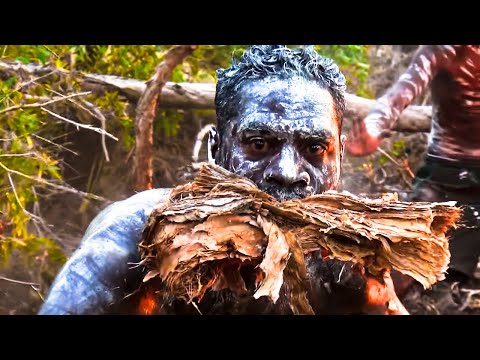

Dive into the shadowed corners of human practice, where belief manifests in rituals as strange as they are profound. Beyond the veneer of modernity, ancient traditions persist, shaping communities and offering unique answers to life's most fundamental questions—from warding off malevolent forces to healing the sick. This journey takes us across continents, revealing ceremonies that challenge our perceptions and highlight the astonishing diversity of human spirituality.
Table of Contents
- The Spectacle of Extremes: A Global Tapestry of Ritual
- Cultural Context and Commentary: Beyond the Spectacle
- The Power of Belief and Its Manifestations
- The Sorcerer's Toolkit: Essential Gear for the Modern Occultist
- A Pragmatist's Verdict: The Reality of Extreme Rituals
- FAQ
- Your Operation: Crafting Your Personal Sigil of Inquiry
If this post is making you question your comfortable reality, you're on the right track. Subscribe for more jolts to your worldview and share this with someone who still thinks sorcery is just fantasy.
Table of Contents
- The Spectacle of Extremes: A Global Tapestry of Ritual
- Cultural Context and Commentary: Beyond the Spectacle
- The Power of Belief and Its Manifestations
- The Sorcerer's Toolkit: Essential Gear for the Modern Occultist
- A Pragmatist's Verdict: The Reality of Extreme Rituals
- FAQ
- Your Operation: Crafting Your Personal Sigil of Inquiry
The Spectacle of Extremes: A Global Tapestry of Ritual
The human drive to connect with the unseen, to influence destiny, and to maintain cultural identity is a powerful force. Across the globe, this drive is expressed through an array of practices that, to the uninitiated, may appear bizarre or even terrifying. These are not mere performances; they are the lifeblood of cultures, the anchors of identity, and the means by which communities navigate the mysteries of existence.
Cultural Context and Commentary: Beyond the Spectacle
Exploring the vibrant spiritual landscape of Africa, we find traditions that are not relics of the past but living forces. The commentary highlights a keen interest in ancestral roots and cultural heritage, emphasizing that "Each people has its civilization." This sentiment resonates deeply, suggesting that a truly comprehensive exploration of global spirituality must acknowledge the richness of indigenous cultures. The omission of significant regions, like Haiti and Benin from certain explorations, is a notable gap, underscoring the need for respect and inclusivity when examining these diverse practices.
One powerful illustration of this cultural depth comes from the Lozi community's commemoration of their monarch's journey. This three-day festival is more than a historical reenactment; it's a vibrant affirmation of identity, leadership, and collective memory. Similarly, in Myanmar, the practice of the "giraffe women" wearing heavy metal necklaces speaks to the unique ways individuals adhere to traditional aesthetics and beliefs, even when they present significant physical challenges. This fascination with cultural practices extends to the profound impact of belief on the human psyche and society.
Quotes like "witchcraft is one of the worst moral and spiritual sufferings a person can experience" underscore the very real, often devastating, impact these beliefs can have on individuals. This sentiment is amplified by the observation, "It's scary to see how entire crowds can be led by ideologies," pointing to the powerful, and sometimes manipulative, influence of shared belief systems and charismatic leaders. The critique of certain religious markets, suggesting "Fernand Yodé possesses another gift, that of freeing wallets," touches upon the sensitive intersection of spiritual practice and economic gain—a theme that warrants careful consideration.
However, the allure of the exotic can sometimes overshadow the deeply personal and spiritual significance of these practices. While some viewers express fascination with "cool burials... bachelor parties... 😜😝Thank you!!! Long live the World! And long live one's home, at the same time!", others lament the loss of cultural diversity, noting that "Currently we are losing everything. A language dies every 15 days." This highlights a critical point: the preservation and understanding of these unique cultural expressions are vital for the survival of human heritage itself.
It's crucial to approach these diverse rituals with respect and an open mind, recognizing that what may seem "strange" to one culture is often a deeply meaningful and functional aspect of another. The power of plants in traditional healing, for instance, is a sentiment echoed by those who have "lived with my great-grandparents, and grandmothers, they aged well, they healed themselves with plants." This practical wisdom, often dismissed by Western medicine, represents a vast repository of knowledge.
The Power of Belief and Its Manifestations
The exploration of extreme rituals also prompts reflection on the nature of power and belief. The anecdote from a Nigerian family, detailing the tragic execution of a grandfather accused of being an evil spirit, serves as a stark reminder of the potent, and sometimes destructive, force of tribal customs and sorcery when wielded without critical examination. The belief that the grandfather's lack of outcry signified his "salvation" showcases the complex, often counter-intuitive logic embedded within these belief systems.
Ultimately, the world's most intense ceremonies are more than just spectacles; they are windows into the human soul, revealing our deepest fears, hopes, and the enduring quest for meaning. The diversity of these practices is not a sign of chaos, but a testament to humanity's boundless creativity and the myriad ways we strive to understand and shape our reality. The true magic lies not just in the rituals themselves, but in the shared human experience they represent.
The Sorcerer's Toolkit: Essential Gear for the Modern Occultist
To truly delve into the study and practice of these profound traditions, having the right resources is paramount. Just as a scholar needs books and an artist needs brushes, the modern occultist benefits greatly from tools that streamline research, enhance practice, and offer a gateway to deeper understanding.
- Chaos Magick Sigil Generator App: This is practically essential for anyone looking to craft powerful personal symbols. It bypasses the tedious manual creation process, allowing you to focus on the intent and the gnosis. For creating your own sigils, it's incredibly efficient. The Chaos Magick Sigil Generator is an indispensable tool for this.
- Grimoires and Occult Texts: Foundational texts like "Liber Null and Psychonaut" by Peter J. Carroll, "The Book of Lies" by Aleister Crowley, or "Modern Primitives" by R. U. Sirius offer theoretical frameworks and practical insights into chaos magic and related disciplines.
- Journals for Recording Operations: A dedicated journal is non-negotiable for tracking rituals, sigil creations, dream work, and any other magical operations. This allows for analysis of results and refinement of techniques.
- Meditation and Gnosis Aids: Tools that facilitate altered states of consciousness are invaluable. This could range from specific music or binaural beats to biofeedback devices that help achieve a profound state of gnosis, crucial for charging sigils and performing potent rituals.
- Personal Talismans and Fetishes: Objects imbued with personal power are essential components of many magical traditions. These can be anything from custom-made amulets to specially consecrated items.
A Pragmatist's Verdict: The Reality of Extreme Rituals
Exploring extreme rituals and sorcery worldwide reveals a fascinating dichotomy. On one hand, these practices are deeply embedded cultural fabric, providing identity, social cohesion, and frameworks for understanding the world. They are the tangible expression of collective consciousness and ancestral wisdom. On the other hand, the potential for manipulation, psychological distress, and even physical harm is undeniable, as highlighted by accounts of coerced practices or devastating outcomes attributed to sorcery.
The key takeaway is that these practices, however alien they may seem, stem from fundamental human needs: the desire for control, for protection, for healing, and for connection. The methods may differ wildly, but the underlying intentions are often universal. For the modern practitioner, the lesson is not to adopt wholesale these often extreme practices, but to understand the psychological and cultural forces that drive them, and to apply their principles to personal development and conscious intent, always prioritizing safety, ethics, and genuine self-empowerment.
FAQ
What are the ethical considerations when studying extreme rituals?
It's crucial to approach the study of any ritualistic practice, particularly those considered "extreme," with respect, avoiding sensationalism or judgment. Focus on understanding the cultural context, the practitioners' intentions, and the potential psychological and social impacts, while maintaining a critical distance and prioritizing ethical research practices.
How can one differentiate between genuine spiritual practice and harmful manipulation?
Genuine spiritual practice typically empowers the individual, fosters critical thinking, and promotes well-being. Harmful manipulation, conversely, often involves coercion, exploitation (financial or otherwise), suppression of dissent, and an unsustainable reliance on a leader or dogma. Look for transparency, consent, and the encouragement of personal autonomy.
Are these extreme rituals still relevant in the modern world?
Many of these rituals, while perhaps less prevalent or practiced in modified forms, remain deeply relevant to the communities that uphold them, serving as vital cultural anchors, sources of identity, and means of navigating life's challenges. Their relevance lies in their continuous ability to provide meaning and structure within specific cultural contexts.
What is the role of 'sorcery' in these contexts?
'Sorcery' is often understood as a force that can be wielded for both beneficial and malevolent purposes, often tied to spiritual beliefs, healing practices, or community dynamics. Its perceived power is deeply intertwined with cultural understanding of spiritual forces and causality.
How can I learn more about the specific rituals mentioned?
Further research through anthropological studies, reputable documentaries, and academic papers on comparative religion and cultural practices will provide deeper insights. For practical application of related principles like sigil creation, digital tools can be a starting point.
About the author: Frater Alek0s is a veteran practitioner and researcher in the field of chaos magick. His work focuses on the practical and experimental application of occult techniques for self-development and reality exploration, demystifying esotericism for the modern practitioner.
Your Operation: Crafting Your Personal Sigil of Inquiry
Having explored the diverse and often intense world of global rituals, it's time to turn this outward observation into an inward practice. Your operation is to create a personal sigil representing the intention to understand the deeper motivations and underlying human needs behind seemingly bizarre practices. This is not about judging, but about comprehending the 'why' behind the 'what'.
- Define Your Intent: Clearly state your intention in simple terms. For example: "I will understand the common threads of human need within diverse spiritual practices."
- Symbolize the Intent: Break down your statement into individual letters or concepts. Form the Sigil: Combine, omit, and transform these elements into a unique, abstract symbol. For this, you can leverage digital tools. Our recommendation is the Chaos Magick Sigil Generator app. It simplifies the process, allowing you to input your intention and generate a visual representation swiftly. Focus on the design that resonates most with you.
- Charge the Sigil: Once you have your sigil, charge it through a state of gnosis. This could be through intense focus, a moment of emotional release, or any practice that temporarily suspends the conscious, critical mind. Consider what form of "extreme" or focused practice from your own life can serve as inspiration for this charge.
- Forget and Release: After charging, forget about the sigil. Allow your subconscious to work on it. Place it somewhere inconspicuous or destroy it physically, symbolizing its release into the ether.
This operation isn't about invoking spirits or performing grand ceremonies; it's about applying the principles of focused intention and symbolic representation to your own quest for knowledge and understanding. The results will manifest not in grand external events, but in a subtle shift in your perception and comprehension.
What are your thoughts on these extreme rituals? Do they represent a connection to something greater, or a descent into dangerous delusion? Share your insights in the comments below.
Practitioner's Note: True magick requires resources. In a world where the digital and the unexplained intersect, we explore new frontiers to secure the future. Do you dare to be part of the vanguard? Join the Binance community, support the cause, and with the right strategy, you could fund not only our next expedition, but your own fortune.
