Saltar al contenido principal

Anuncio Superior

Mostrando entradas con la etiqueta Belief Systems. Mostrar todas las entradas

Extreme Rituals and Sorcery: A Global Tapestry of Human Spirituality Explored

Collage of diverse cultural rituals


Dive into the shadowed corners of human practice, where belief manifests in rituals as strange as they are profound. Beyond the veneer of modernity, ancient traditions persist, shaping communities and offering unique answers to life's most fundamental questions—from warding off malevolent forces to healing the sick. This journey takes us across continents, revealing ceremonies that challenge our perceptions and highlight the astonishing diversity of human spirituality.

If this post is making you question your comfortable reality, you're on the right track. Subscribe for more jolts to your worldview and share this with someone who still thinks sorcery is just fantasy.

The Spectacle of Extremes: A Global Tapestry of Ritual

The human drive to connect with the unseen, to influence destiny, and to maintain cultural identity is a powerful force. Across the globe, this drive is expressed through an array of practices that, to the uninitiated, may appear bizarre or even terrifying. These are not mere performances; they are the lifeblood of cultures, the anchors of identity, and the means by which communities navigate the mysteries of existence.

Cultural Context and Commentary: Beyond the Spectacle

Exploring the vibrant spiritual landscape of Africa, we find traditions that are not relics of the past but living forces. The commentary highlights a keen interest in ancestral roots and cultural heritage, emphasizing that "Each people has its civilization." This sentiment resonates deeply, suggesting that a truly comprehensive exploration of global spirituality must acknowledge the richness of indigenous cultures. The omission of significant regions, like Haiti and Benin from certain explorations, is a notable gap, underscoring the need for respect and inclusivity when examining these diverse practices.

One powerful illustration of this cultural depth comes from the Lozi community's commemoration of their monarch's journey. This three-day festival is more than a historical reenactment; it's a vibrant affirmation of identity, leadership, and collective memory. Similarly, in Myanmar, the practice of the "giraffe women" wearing heavy metal necklaces speaks to the unique ways individuals adhere to traditional aesthetics and beliefs, even when they present significant physical challenges. This fascination with cultural practices extends to the profound impact of belief on the human psyche and society.

Quotes like "witchcraft is one of the worst moral and spiritual sufferings a person can experience" underscore the very real, often devastating, impact these beliefs can have on individuals. This sentiment is amplified by the observation, "It's scary to see how entire crowds can be led by ideologies," pointing to the powerful, and sometimes manipulative, influence of shared belief systems and charismatic leaders. The critique of certain religious markets, suggesting "Fernand Yodé possesses another gift, that of freeing wallets," touches upon the sensitive intersection of spiritual practice and economic gain—a theme that warrants careful consideration.

However, the allure of the exotic can sometimes overshadow the deeply personal and spiritual significance of these practices. While some viewers express fascination with "cool burials... bachelor parties... 😜😝Thank you!!! Long live the World! And long live one's home, at the same time!", others lament the loss of cultural diversity, noting that "Currently we are losing everything. A language dies every 15 days." This highlights a critical point: the preservation and understanding of these unique cultural expressions are vital for the survival of human heritage itself.

It's crucial to approach these diverse rituals with respect and an open mind, recognizing that what may seem "strange" to one culture is often a deeply meaningful and functional aspect of another. The power of plants in traditional healing, for instance, is a sentiment echoed by those who have "lived with my great-grandparents, and grandmothers, they aged well, they healed themselves with plants." This practical wisdom, often dismissed by Western medicine, represents a vast repository of knowledge.

The Power of Belief and Its Manifestations

The exploration of extreme rituals also prompts reflection on the nature of power and belief. The anecdote from a Nigerian family, detailing the tragic execution of a grandfather accused of being an evil spirit, serves as a stark reminder of the potent, and sometimes destructive, force of tribal customs and sorcery when wielded without critical examination. The belief that the grandfather's lack of outcry signified his "salvation" showcases the complex, often counter-intuitive logic embedded within these belief systems.

Ultimately, the world's most intense ceremonies are more than just spectacles; they are windows into the human soul, revealing our deepest fears, hopes, and the enduring quest for meaning. The diversity of these practices is not a sign of chaos, but a testament to humanity's boundless creativity and the myriad ways we strive to understand and shape our reality. The true magic lies not just in the rituals themselves, but in the shared human experience they represent.

The Sorcerer's Toolkit: Essential Gear for the Modern Occultist

To truly delve into the study and practice of these profound traditions, having the right resources is paramount. Just as a scholar needs books and an artist needs brushes, the modern occultist benefits greatly from tools that streamline research, enhance practice, and offer a gateway to deeper understanding.

  • Chaos Magick Sigil Generator App: This is practically essential for anyone looking to craft powerful personal symbols. It bypasses the tedious manual creation process, allowing you to focus on the intent and the gnosis. For creating your own sigils, it's incredibly efficient. The Chaos Magick Sigil Generator is an indispensable tool for this.
  • Grimoires and Occult Texts: Foundational texts like "Liber Null and Psychonaut" by Peter J. Carroll, "The Book of Lies" by Aleister Crowley, or "Modern Primitives" by R. U. Sirius offer theoretical frameworks and practical insights into chaos magic and related disciplines.
  • Journals for Recording Operations: A dedicated journal is non-negotiable for tracking rituals, sigil creations, dream work, and any other magical operations. This allows for analysis of results and refinement of techniques.
  • Meditation and Gnosis Aids: Tools that facilitate altered states of consciousness are invaluable. This could range from specific music or binaural beats to biofeedback devices that help achieve a profound state of gnosis, crucial for charging sigils and performing potent rituals.
  • Personal Talismans and Fetishes: Objects imbued with personal power are essential components of many magical traditions. These can be anything from custom-made amulets to specially consecrated items.

A Pragmatist's Verdict: The Reality of Extreme Rituals

Exploring extreme rituals and sorcery worldwide reveals a fascinating dichotomy. On one hand, these practices are deeply embedded cultural fabric, providing identity, social cohesion, and frameworks for understanding the world. They are the tangible expression of collective consciousness and ancestral wisdom. On the other hand, the potential for manipulation, psychological distress, and even physical harm is undeniable, as highlighted by accounts of coerced practices or devastating outcomes attributed to sorcery.

The key takeaway is that these practices, however alien they may seem, stem from fundamental human needs: the desire for control, for protection, for healing, and for connection. The methods may differ wildly, but the underlying intentions are often universal. For the modern practitioner, the lesson is not to adopt wholesale these often extreme practices, but to understand the psychological and cultural forces that drive them, and to apply their principles to personal development and conscious intent, always prioritizing safety, ethics, and genuine self-empowerment.

FAQ

What are the ethical considerations when studying extreme rituals?

It's crucial to approach the study of any ritualistic practice, particularly those considered "extreme," with respect, avoiding sensationalism or judgment. Focus on understanding the cultural context, the practitioners' intentions, and the potential psychological and social impacts, while maintaining a critical distance and prioritizing ethical research practices.

How can one differentiate between genuine spiritual practice and harmful manipulation?

Genuine spiritual practice typically empowers the individual, fosters critical thinking, and promotes well-being. Harmful manipulation, conversely, often involves coercion, exploitation (financial or otherwise), suppression of dissent, and an unsustainable reliance on a leader or dogma. Look for transparency, consent, and the encouragement of personal autonomy.

Are these extreme rituals still relevant in the modern world?

Many of these rituals, while perhaps less prevalent or practiced in modified forms, remain deeply relevant to the communities that uphold them, serving as vital cultural anchors, sources of identity, and means of navigating life's challenges. Their relevance lies in their continuous ability to provide meaning and structure within specific cultural contexts.

What is the role of 'sorcery' in these contexts?

'Sorcery' is often understood as a force that can be wielded for both beneficial and malevolent purposes, often tied to spiritual beliefs, healing practices, or community dynamics. Its perceived power is deeply intertwined with cultural understanding of spiritual forces and causality.

How can I learn more about the specific rituals mentioned?

Further research through anthropological studies, reputable documentaries, and academic papers on comparative religion and cultural practices will provide deeper insights. For practical application of related principles like sigil creation, digital tools can be a starting point.

About the author: Frater Alek0s is a veteran practitioner and researcher in the field of chaos magick. His work focuses on the practical and experimental application of occult techniques for self-development and reality exploration, demystifying esotericism for the modern practitioner.

Your Operation: Crafting Your Personal Sigil of Inquiry

Having explored the diverse and often intense world of global rituals, it's time to turn this outward observation into an inward practice. Your operation is to create a personal sigil representing the intention to understand the deeper motivations and underlying human needs behind seemingly bizarre practices. This is not about judging, but about comprehending the 'why' behind the 'what'.

  1. Define Your Intent: Clearly state your intention in simple terms. For example: "I will understand the common threads of human need within diverse spiritual practices."
  2. Symbolize the Intent: Break down your statement into individual letters or concepts. Form the Sigil: Combine, omit, and transform these elements into a unique, abstract symbol. For this, you can leverage digital tools. Our recommendation is the Chaos Magick Sigil Generator app. It simplifies the process, allowing you to input your intention and generate a visual representation swiftly. Focus on the design that resonates most with you.
  3. Charge the Sigil: Once you have your sigil, charge it through a state of gnosis. This could be through intense focus, a moment of emotional release, or any practice that temporarily suspends the conscious, critical mind. Consider what form of "extreme" or focused practice from your own life can serve as inspiration for this charge.
  4. Forget and Release: After charging, forget about the sigil. Allow your subconscious to work on it. Place it somewhere inconspicuous or destroy it physically, symbolizing its release into the ether.

This operation isn't about invoking spirits or performing grand ceremonies; it's about applying the principles of focused intention and symbolic representation to your own quest for knowledge and understanding. The results will manifest not in grand external events, but in a subtle shift in your perception and comprehension.

What are your thoughts on these extreme rituals? Do they represent a connection to something greater, or a descent into dangerous delusion? Share your insights in the comments below.

Practitioner's Note: True magick requires resources. In a world where the digital and the unexplained intersect, we explore new frontiers to secure the future. Do you dare to be part of the vanguard? Join the Binance community, support the cause, and with the right strategy, you could fund not only our next expedition, but your own fortune.

The Unveiling of Africa's Most Peculiar Sorcery: A Deep Dive into Benin's Voodoo Traditions


The air crackles with an energy barely contained. Not the sterile hum of servers, but the raw, untamed frequency of ancient belief systems clashing with modern skepticism. We're not just observing; we're dissecting the very fabric of ritual, the potent brew of intention, symbolism, and the human psyche. This journey into the heart of Benin's Voodoo tradition is more than an anthropological expedition; it's an exploration into the mechanics of belief and the persistent power of the unseen, a domain where Technomancy and ancient practices might share more common ground than you think.

If this post is making you question your reality, you're on the right path. Subscribe for more reality-bending insights and share this with someone who still believes magic is just a fairytale.

Ancient Rituals, Modern Skepticism

The visual landscape of Benin's Voodoo ceremonies—the rhythmic drumming, the vibrant, often unsettling imagery, the ecstatic dance—can be overwhelming. For the uninitiated, it's easy to dismiss these practices as mere superstition or primitive performance. However, beneath the surface of sensory overload lies a complex system of belief, a codified language of ritual designed to interact with forces that modern science is only beginning to conceptualize. In a world increasingly dominated by algorithms and artificial intelligence, understanding these older forms of interacting with reality becomes crucial. It's about recognizing patterns, intention, and the subtle energies that bind us. This is where the lines between Magitech and ancient sorcery begin to blur.

Many viewers reacted to the documentaries with a mix of awe and revulsion, often framing their experiences through a religious lens. Phrases like "Thank God for the blessing of Islam" or "Allah is sufficient for us, and He is the best disposer of affairs" highlight a common interpretation: Voodoo as a force antithetical to monotheistic faith. While religiously motivated reactions are valid within their own framework, our goal here is to dissect the mechanics of the practice itself, divorcing it from dogma to understand its operational principles.

The Philosophy of Voodoo: Beyond Stereotypes

Voodoo, often misrepresented by sensationalized media, is a profound spiritual and philosophical system with deep roots in West African traditions. It's not solely about ‘black magic’ or malevolent spirits as popularly depicted. At its core, Voodoo recognizes a universe populated by various spiritual entities, including ancestors, nature spirits, and higher deities (Loa or Vodun). The practice involves establishing relationships with these entities through rituals, offerings, and prayer to seek guidance, healing, and well-being. It’s a dynamic interaction with the unseen, a belief that the spiritual and material realms are inextricably linked. This interconnectedness mirrors contemporary theories in quantum physics, suggesting that consciousness and reality are far more fluid than our linear perception allows.

"Nor does the magician prosper where he comes from." – The Quran (Taha 20:69)

This Quranic verse, cited by many commenters, reflects a profound theological stance against sorcery. It’s a powerful statement from a specific worldview. However, from a pragmatic, experimental perspective, the effectiveness of any ritual or belief system—whether Voodoo, ceremonial magic, or even highly structured prayer—often lies in the conviction and intent of the practitioner. The psychological impact, the neural pathways forged through focused belief and ritualistic action, is undeniable. The debate is less about whether these forces are ‘real’ in an objective, scientific sense, and more about how the human mind interacts with and manipulates perceived realities.

Structural Analysis of Voodoo Rites

When observing a Voodoo ceremony, especially those involving seemingly impossible feats like a child vanishing and reappearing, it's crucial to look beyond the dramatic flair and analyze the underlying structure. Commenters keenly pointed out the potential for misdirection and sleight of hand, particularly around the 17:18 mark where a child appears to be sacrificed. The detailed observations regarding the hay bundles and the possible substitution of materials are precisely the kind of analytical thinking that separates passive observation from active understanding. This is where Digital Divination tools can help analyze patterns and anomalies in complex data sets, much like these observations dissecting a ritual.

The core elements present in many Voodoo ceremonies mirror those found in other magical traditions:

  1. Intention Setting: The purpose of the ritual is clearly defined, whether it's for healing, protection, or communion.
  2. Symbolic Representation: Objects, colors, sounds, and movements carry specific meanings, acting as a symbolic language to communicate with the spirit world.
  3. Altered States of Consciousness: Drumming, chanting, and ecstatic dancing are used to induce trance-like states, facilitating connection with the Vodun.
  4. Energetic Exchange: Offerings and sacrifices (often symbolic) are made to appease or honor spiritual entities.
  5. Misdirection and Performance: In many traditional practices, elements of theatricality and skillful illusion are employed to enhance the ritual's power and mystique. This doesn't necessarily negate the spiritual aspect but adds a layer of performance art.

The observations about replacing hay bundles suggest a sophisticated understanding of illusion, perhaps passed down through generations, to demonstrate the practitioner's perceived power over the material world and spiritual forces. This is a form of applied psychology and misdirection, a "trick of the light" that aids the ritual's impact.

The Role of the Practitioner

The documentary team, led by Joe HaTTab, navigated these complex cultural and spiritual landscapes with a blend of respect and critical inquiry. The comment, "The vibe in the video is enough to make you feel the greatness of the blessing of Islam," highlights how external observations can deeply reinforce existing belief systems. The practitioner, in this context, acts as a conduit, a performer, and often a perceived master of forces beyond ordinary comprehension. Their belief, their intention, and their skill in ritual execution are paramount. It is this focused will that purportedly bends reality, bridging the gap between intention and manifestation.

The commentary also reveals a common desire to see these practices exposed as mere tricks: "The best part is that Joe HaTTab gave them their space from beginning to end and isn't afraid because he knows it's all superstition and the whole thing is based on deception and sleight of hand." This perspective, while dismissive of the spiritual significance for believers, accurately identifies the psychological element. Understanding these techniques is key to discerning genuine energetic manipulation from skillful performance, or perhaps, a blend of both.

Sigils and Intent in Voodoo

While Voodoo doesn't traditionally use sigils in the same way ceremonial magic does (e.g., Austin Osman Spare's method), the underlying principle of condensing intention into a symbol or focal point is present. The intricate designs, totems, and even the specific dances can be seen as complex, multi-layered sigils designed to attract or direct spiritual energy. The focus on specific deities or spirits serves as a unique identifier, much like a personalized sigil targets a specific desire.

For practitioners looking to harness this power, the precision of intention is key. Errors in visualization or formulation can lead to unintended consequences. This is where modern tools can be invaluable. The Chaos Magick Sigil Generator app, for instance, allows users to create unique, potent sigils based on their specific intentions, bypassing the need for traditional artistic skill and focusing directly on the energetic imprint. It’s a modern interpretation of an ancient principle: to manifest, you must first clearly define and encode your desire.

The idea of a supernatural entity "dancing for humans and entertaining them" is a reductionist view. In many traditions, such performances are not mere entertainment but are manifestations of spiritual power, attempts to communicate, or expressions of the spirit's nature. The commentary that dismisses this misses the deeper cultural and spiritual context.

Voodoo and the Digital Age

The digital realm offers unprecedented opportunities for exploring and understanding diverse belief systems. Documentaries like Joe HaTTab's provide a window into practices that might otherwise remain inaccessible. Furthermore, technologies like AI are beginning to analyze patterns in ancient texts and rituals, potentially revealing hidden structures and meanings. Imagine using AI to decode the symbolic language of Voodoo or to map the energetic flows described in its rituals. This convergence of ancient practices with cutting-edge technology is the frontier of Esoterismo Digital.

For those interested in exploring the mechanics of intention and symbol creation in a controlled, personal environment, tools like the Chaos Magick Sigil Generator (https://play.google.com/store/apps/details?id=com.cha0smagick.sigilgeneratorfinal) offer a practical entry point. It allows for the rapid generation and visualization of sigils, empowering individuals to experiment with their own intent and focus. You can use the app to generate unique symbols for your personal goals, bypassing the complexities and potential pitfalls of traditional methods while maintaining the core principle of focused will.

The desire to document and understand these practices is evident. "Your documentaries are a historical record for humanity that future generations will see," is a powerful testament to the value of such work. It's about preserving cultural heritage and understanding the diverse ways humanity has sought to interact with the fundamental forces of existence.

Verdict of the Practitioner

Benin's Voodoo, stripped of its sensationalized Hollywood portrayal, reveals a sophisticated spiritual system deeply integrated with the natural world and the human psyche. While the dramatic elements and alleged feats of sorcery invite skepticism, they also point to the profound power of focused belief, ritualistic action, and the human capacity for illusion and misdirection. The critical observations from the audience regarding trickery are valid and highlight the importance of analytical thinking when engaging with such practices. However, to dismiss Voodoo entirely based on these observations would be to ignore its cultural significance and the genuine spiritual experiences of its adherents. It serves as a potent reminder that reality is often far stranger, and far more malleable, than our mundane perceptions allow.

Mage's Arsenal

  • Chaos Magick Sigil Generator: Essential for anyone looking to experiment with focused intention and symbolic manifestation in a practical, modern way.
  • Liber Null & Psychonaut by Peter J. Carroll: A foundational text for understanding the principles of Chaos Magick, which shares common ground with the pragmatic approach to belief and reality manipulation seen in Voodoo.
  • The Haitian Vodou Handbook by Kenaz Filan: For a deeper, more nuanced understanding of Voodoo systems and practices, moving beyond stereotypes.
  • A reliable journal and pen: For documenting your own experiments and observations, a critical step in any form of magical practice.

FAQ

Q: Is Voodoo inherently evil?
A: Voodoo, like many spiritual systems, has both constructive and destructive potential depending on the practitioner's intent and the specific traditions followed. It is often misrepresented as exclusively 'black magic'.

Q: How does Voodoo relate to other forms of magic?
A: Voodoo shares core principles with other magical systems, such as the importance of intention, symbolic representation, altered states of consciousness, and interaction with unseen forces. Its unique pantheon and ritualistic expressions differentiate it.

Q: Can Voodoo practices be explained scientifically?
A: While some aspects can be explained through psychology (placebo effect, misdirection, group dynamics), others touch upon phenomena that current science struggles to fully quantify, such as consciousness’s interaction with perceived reality, a concept explored in fields like quantum entanglement and subtle energy research.

Q: How can I learn more about Voodoo respectfully?
A: Seek out academic resources, anthropological studies, and engage with practitioners who emphasize the spiritual and cultural aspects rather than sensationalized media portrayals.

Your Operation

Your operation is to analyze a ritual or belief system that you've encountered (either personally or through media) and identify its core components: intention, symbolism, and performance. How do these elements work together to create an effect? Does it remind you of any techniques used in modern technology, marketing, or personal development? Document your findings and consider how you might apply a similar structure of focused intent and symbolic action to one of your own personal goals.

Practitioner's Note: True magick requires resources. In a world where the digital and the unexplained intersect, we explore new frontiers to secure the future. Do you dare to be part of the vanguard? Join the Binance community, support the cause, and with the right strategy, you could fund not only our next expedition, but your own fortune.
Chaos Magic and the Power of the Paradigm: Your Guide to Shifting Belief Systems


Chaos Magic fundamentally operates on the principle of paradigms. Understanding and manipulating these belief systems is not just an advanced technique; it's the very bedrock of what it means to be a chaos magician. This isn't about blindly following a doctrine, but about wielding belief itself as a tool for transformation.

If this post is making you question everything you thought you knew, you're on the right track. Subscribe for more reality-bending insights and share this with anyone still clinging to their spiritual comfort blanket.

What is a Paradigm?

A paradigm, in essence, is a fundamental way of viewing the world, a set of beliefs and assumptions that shape our perception of reality. Think of it as a lens through which you interpret everything. It encompasses your core beliefs about magic, the universe, yourself, and your place within it all. It's the operating system of your consciousness, dictating what you consider possible, probable, and even real. If you've ever felt drawn to different spiritual paths or found yourself deeply immersed in a fictional universe, you've likely encountered the power of a paradigm.

The Power of the Paradigm Shift

A paradigm shift is a fundamental change in these underlying beliefs and assumptions. It's not just adopting new ideas; it's about radically restructuring your worldview. For chaos magicians, this isn't a crisis to be avoided, but a deliberate, powerful tool. It allows you to step outside the confines of a single, rigid belief system and explore the vast landscape of possibility. This ability to consciously shift paradigms is what distinguishes a chaos magician from practitioners bound by tradition. It's the ultimate act of taking control of your reality, much like mastering a complex piece of Technomancy or understanding the underlying code of your perceived reality.

Why Chaos Magicians Shift Paradigms

The core of chaos magic lies in its flexibility and its refusal to be bound by dogma. The chaos magician understands that belief is a tool, and like any tool, its effectiveness can vary depending on the task at hand. By consciously shifting paradigms, a chaos magician can adopt a belief system that most effectively serves their magical aims, whether it's belief in a specific deity, a scientific principle, or even a fictional universe. This allows for unparalleled adaptability and experimentation, enabling them to tap into different forms of belief and energy. Imagine the speed and efficacy gained by using a tool designed for a specific purpose, rather than trying to force a screwdriver to hammer a nail. This pragmatic approach mirrors the efficiency sought in modern digital divination tools.

"I must invent my own worldview, or be enslaved by another man’s!" - This quote perfectly encapsulates the spirit of paradigm shifting in chaos magic. It’s about active creation, not passive acceptance.

One of the most challenging aspects of paradigm shifting is confronting your own paradoxes. You might hold beliefs that seem contradictory, or find yourself drawn to systems that clash. The key here is not to eliminate these paradoxes, but to understand them. They are often indicators of unexplored territory within your own psyche. For instance, you might find yourself deeply drawn to theistic traditions while simultaneously embracing a scientific, atheistic worldview. This isn't a sign of error, but an opportunity. Recognizing these internal conflicts is the first step towards consciously wielding them. It's the magician's equivalent of checking for vulnerabilities in a complex system before launching an operation.

Choosing Your Aims and Reasons

When you engage in paradigm shifting, the most critical step is understanding *why* you are doing it. What is the magical aim? What are you trying to achieve? This clarity is paramount. Without a defined goal, paradigm shifting can devolve into a form of spiritual dilettantism or even self-sabotage. Your reasons must be your own, serving your personal magical path. This involves introspection and a deep honesty with oneself, a process that can be immensely aided by structured exercises. The intention behind the shift is the engine that drives its manifestation, much like the precise objective behind a complex Sigils creation process.

The Role of Acting and Roleplaying

Acting and roleplaying are powerful tools in the chaos magician's arsenal. When you adopt a new paradigm, you are, in a sense, acting a part. You embody the beliefs and attitudes of that system. This isn't about deception, but about temporarily suspending your current reality to explore another. Think of it like method acting: the actor fully immerses themselves in the character's experience to bring them to life. Similarly, by "acting" as if a certain belief is true, you can begin to integrate its power and influence into your own reality. This is where phrases like "acting as if" or "playing the part" become potent magical techniques, blurring the lines between performance and genuine belief.

Entry and Exit Signifiers

To manage your paradigm shifts effectively, it's crucial to establish clear entry and exit signifiers. These are symbolic cues or actions that help you consciously transition into and out of a particular paradigm. An entry signifier might be a specific ritual, a piece of music, or even a particular phrase that signals your intention to adopt a new worldview. An exit signifier does the opposite, helping you to detach from a paradigm when it no longer serves you. These signifiers act as anchors, providing control and preventing you from becoming lost in the shift. They are the essential failsafes in any advanced magical operation, much like the clear protocols required in Cybermancy.

The Essence of Chaos Magicians: Not Eclectic Witches

A common misconception is that chaos magicians are simply eclectic witches who borrow from various traditions. While there's overlap, the distinction is crucial. Eclectic witches often combine elements from different systems into a new, stable synthesis. Chaos magicians, however, consciously and deliberately shift between entire paradigms. They don't need to create a personal syncretic system; they can fully inhabit and utilize the power of various, even opposing, systems as needed. They understand that the map is not the territory, and the belief system is just one map among many. This fluidity and detachment from any single system is what defines them. It's about embracing the multiplicity of existence rather than forcing it into a single, comfortable box.

Mage's Arsenal

  • Chaos Magick Sigil Generator (Essential): This app is invaluable for any chaos magician looking to create potent sigils quickly and efficiently. It streamlines the design process, freeing you to focus on the intention and visualization required for effective Sigils creation. Being able to generate a sigil based on your current paradigm allows for a more focused and potent operation. [Chaos Magick Sigil Generator]
  • Liber Null & Psychonaut by Peter J. Carroll: The foundational text for chaos magic. Essential reading for understanding the philosophy and practical techniques.
  • The Chaos Protocols by Gordon White: Offers a modern, practical approach to chaos magic, integrating it with shamanic and animistic perspectives.
  • A flexible journal or notebook: For recording intentions, sigils, paradigm shifts, and ritual observations.
  • Access to diverse media: Books, films, music, and art from various cultures and belief systems to explore different paradigms.

FAQs

What's the difference between paradigm shifting and code-switching?

While both involve adopting different modes of expression or belief, paradigm shifting in chaos magic is a deliberate act of altering your fundamental worldview for magical purposes. Code-switching, often used in sociology, is about adapting your language and behavior to suit different social contexts, usually to fit in or communicate more effectively. Chaos magic takes this a step further by leveraging the *belief* systems themselves as magical tools.

Can I be a chaos magician if I have ADHD?

Absolutely. Many neurodivergent individuals, particularly those with ADHD, find the principles of chaos magic resonate deeply with their natural way of thinking. The ability to hyperfocus on specific interests, the fluidity of thought, and the tendency to explore multiple ideas simultaneously can be powerful assets in chaos magic. The intentional structure of paradigm shifting can provide a framework for this natural inclination.

Is it irresponsible to shift paradigms frequently?

Not in chaos magic, provided it's done intentionally and with clear aims. Traditional systems often emphasize unwavering devotion. Chaos magic, however, views belief as a malleable tool. The key is conscious control and understanding *why* and *how* you are shifting. It’s about responsible experimentation, not abandoning all conviction without purpose.

How do I know when a paradigm shift is working?

Signs include feeling a renewed sense of belief or efficacy within the new paradigm, noticing synchronicities related to your aims, and experiencing tangible results that align with your intentions. It's also about feeling a sense of alignment and power while operating within that specific belief system.

Your Operation

Conscious Paradigm Adoption Exercise

Choose one specific, tangible magical goal. This could be anything from enhancing creativity to attracting a specific opportunity. Now, select a paradigm that you believe would be most conducive to achieving this goal. This could be a historical belief system, a fictional universe's cosmology, or even a specific philosophical framework. Spend the next 24 hours consciously adopting the core beliefs and attitudes of this paradigm. Use the Chaos Magick Sigil Generator to create a sigil representing your goal within the chosen paradigm. Act *as if* the beliefs of this paradigm are your absolute truth. Record any unusual thoughts, feelings, synchronicities, or results in your journal. Afterwards, critically assess what worked, what didn't, and what you learned from the experience.

The universe is a vast, interconnected web of beliefs and possibilities. By understanding and mastering the art of paradigm shifting, you unlock your potential to shape your reality. Don't just accept the world as it appears; actively engage with its underlying structures and beliefs. The power lies in your willingness to shift.

Now, it’s your turn. Have you consciously shifted paradigms before? What were the results? Share your experiences and insights in the comments below. Let’s build this new reality together.

Practitioner's Note: True magick requires resources. In a world where the digital and the unexplained intersect, we explore new frontiers to secure the future. Do you dare to be part of the vanguard? Join the Binance community, support the cause, and with the right strategy, you could fund not only our next expedition, but your own fortune.
How to Found Your Own Religion: A Pragmatic Guide to Societal Re-engineering


The annals of human history are punctuated by figures who, with little more than conviction and a compelling narrative, reshaped the very fabric of society by founding new religions. From the spiritual titans of antiquity to modern charismatic leaders, the act of establishing a belief system has been a potent engine for influence, community building, and, yes, even power. This guide, divorced from dogma and focused on practical application, will dissect the core mechanics of what it takes to not just believe, but to *build* a movement around that belief. We're moving beyond mere faith and into the realm of applied societal engineering and Technomancy.

## The Genesis of Belief: From Individual Conviction to Collective Consciousness

At its heart, every religion begins with an idea, an insight, or a perceived truth. This might stem from personal revelation, philosophical inquiry, or a deep dissatisfaction with existing paradigms. The historical figures you admire – Jesus Christ, Muhammad, L. Ron Hubbard – were not simply prophets; they were astute observers of the human condition and master communicators. They identified unmet needs: a desire for meaning, structure, redemption, or community.

Your first step, therefore, is to crystallize your core tenets. What is the fundamental message? What problem does your belief system solve? Is it spiritual enlightenment, a framework for ethical living, a path to financial liberation, or a blueprint for a utopian society? This is where the concept of Magitech becomes relevant; the underlying principles of belief systems can be adapted and engineered, much like technology.

### 1. The Core Tenets: Crafting Your Ideological Blueprint

Before you can influence others, you must define what you stand for. Consider these aspects:

* Theology/Cosmology: What is the nature of reality? Are there deities, higher powers, or is it a secular philosophy? What is the origin of the universe and humanity's place within it? * Ethics and Morality: What are the rules of conduct? What actions are considered virtuous, and which are forbidden? How should followers interact with non-believers? * Afterlife/Escatology: What happens after death? Is there reincarnation, heaven/hell, or simply oblivion? What is the ultimate destiny of the movement, or humanity? * Ritual and Practice: What are the observable actions that reinforce belief and community? This could include prayer, meditation, specific ceremonies, festivals, or even dietary restrictions. * Mythology and Scripture: What stories will define your movement? These narratives serve to illustrate your core tenets and provide inspiring examples.

For those looking to harness the power of digital creation, tools like the Chaos Magick Sigil Generator can be instrumental. While not directly creating religious texts, the principles of intent visualization and symbol creation are foundational to crafting potent, memorable emblems and concepts that can become central to a new belief system. Think of it as Digital Divination for your core messaging.

### 2. The Charismatic Leader: You Are the First Follower

Every successful movement has a central figure – a leader who embodies the belief system and inspires devotion. This isn't about ego; it's about embodying the narrative and demonstrating unwavering commitment.

* Authenticity (Perceived or Real): Followers are drawn to conviction. Whether this conviction arises from genuine spiritual experience or a deep understanding of psychological manipulation, it must be palpable. * Communication Skills: The ability to articulate complex ideas simply, to inspire hope, and to create a compelling vision is paramount. This is where the principles of Cybermancy, or the influence through digital networks, come into play. * Discipline and Sacrifice: Demonstrating personal commitment and sacrifice reinforces the leader's credibility and the importance of the cause. This is often where the concept of Rituals with IA (Artificial Intelligence) can be studied, not to implement them, but to understand the automation of human-like responses in leadership. * Embracing the State of Gnosis: Achieving a state of heightened awareness or trance can provide powerful, often transformative, experiences that followers may attribute to divine intervention. This is a state that pioneers like Austin Osman Spare** explored deeply in their work.

## Building Your Flock: From Individual Influence to Mass Movement

Once your core tenets are defined and you embody the leadership persona, the challenge shifts to attracting and sustaining followers. This is where the principles of Esotericism Digital begin to blend with historical strategies.

### 3. Crafting the Narrative: The Power of Myth and Storytelling

Humans are wired for stories. Your religion needs a compelling narrative that explains origins, defines purpose, and offers hope for the future.

* The Origin Story: How did your religion come to be? Was it a divine revelation, a historical event, or a philosophical breakthrough? * The Hero's Journey: Many successful religions incorporate a narrative arc where the founder or key figures overcome great challenges. This resonates with followers facing their own struggles. * The Promise: What does joining your religion offer? Salvation, enlightenment, community, freedom from suffering, or even material prosperity?

Consider the figures mentioned earlier: Jesus's sacrifice and resurrection, Muhammad's revelations in the desert, Hubbard's complex narratives of Dianetics and Scientology. These are powerful myths that provide structure and meaning.

### 4. Ritual and Community: The Glue That Binds

Rituals provide structure, reinforce beliefs, and foster a sense of belonging. They are tangible expressions of faith.

* Sacred Spaces: Designate physical or even virtual spaces that are consecrated to your belief system. This could be a temple, a simple altar, or a dedicated online forum. * Symbols and Emblems: Create powerful visual symbols that represent your core tenets. The recycling symbol, for example, has been suggested as a potential emblem for a new religion. The Chaos Magick Sigil Generator can be invaluable for designing such potent symbols. * Community Events: Organize gatherings, festivals, or regular meetings that bring followers together. This strengthens social bonds and reinforces collective identity. * Doctrine of Non-Taxation: A common theme in the founding of certain movements has been the exploration of legal structures that allow for tax exemption. While not a spiritual tenet, it's a practical consideration for sustainability and resource acquisition.

### 5. Recruitment and Expansion: Scaling Your Influence

Once you have a core group, expansion becomes key. This is where historical methods meet modern techniques.

* Word of Mouth: Satisfied followers are your best recruiters. Encourage them to share their experiences. * Digital Outreach: Leverage social media, websites, and online communities to disseminate your message. Technomancy in this context means understanding how to use digital platforms for ideological dissemination. * The "Recycling Sign" Effect: As one commenter noted, even a simple emblem, when imbued with meaning and repeated, can become a powerful signifier for a movement. * The "Children of Atom" Scenario: Inspired by fictional portrayals, the idea of a post-apocalyptic "Children of Atom" religion highlights how crisis can be a fertile ground for new belief systems to emerge, offering hope and order in chaos.

## The Pragmatic Reality: Power, Control, and Sustainability

Founding a religion is not merely an act of faith; it is an act of societal re-engineering. It involves understanding human psychology, effective communication, community building, and, crucially, sustainability.

### The Arsenal of the Founder

To effectively implement these strategies, having the right tools is essential.

* Essential: Chaos Magick Sigil Generator - For crafting potent symbols and imbuing them with intent, a cornerstone of any new belief system's visual identity. * Recommended: Books on organizational psychology, mass communication, and historical case studies of religious movements. * Recommended: Platforms for website creation and social media management.

### Veredict of the Practitioner

Founding a religion is an ambitious undertaking. It requires immense dedication, strategic thinking, and an understanding of both human needs and practical implementation. The successful movements throughout history were not accidents; they were meticulously constructed enterprises. While the spiritual claims may endure, the underlying mechanics of persuasion, community building, and resource management are universally applicable.

## FAQ

* Q: Can I really start a religion based on something trivial like cookies or Johnny Bravo? A: The historical success of religions often hinges on their ability to tap into deeply felt human needs and desires, presented through a compelling narrative. While the "triviality" might be a starting point, the sustainability of such a movement would depend on its ability to evolve, offer more profound meaning, and maintain follower engagement beyond the initial novelty. The "Almighty Johnny Bravo" or "Church of the Potato" are fascinating thought experiments in branding belief. * Q: How do I deal with criticism or accusations of heresy? A: Historically, founders of new religions have faced significant opposition. Developing a robust counter-narrative, emphasizing the positive aspects of your movement, and fostering internal solidarity are key. The "Emperor's Will is Divine" example shows how counter-claims can be framed as defending a superior truth. * Q: What are the legal implications of starting a religion? A: Legal frameworks vary significantly by region regarding the establishment of religious organizations, particularly concerning tax exemption and operational status. It is crucial to research and comply with local laws. Historically, movements have explored these avenues for sustainability, as noted in the "you don’t need to pay taxes" comment. * Q: How do I ensure my religion is stable long-term? A: Long-term stability requires adaptability, strong leadership succession planning, consistent reinforcement of core tenets through rituals and community activities, and the ability to address evolving societal needs. The commitment to teaching and practice, as seen in the desire for "Epic How To" content, suggests that ongoing value delivery is critical.

### Your Operation: The Seed of a New Paradigm

Your challenge, should you choose to accept it, is to begin the genesis of your own belief system. Identify your core tenet. Craft your origin story. Design a symbol using a tool like the Chaos Magick Sigil Generator that embodies its essence. Consider the rituals that would bring your followers together. Then, share your concept – not as a grand pronouncement, but as an invitation to explore a new way of seeing the world. The question is not *if* you can start a religion, but *how* you will practically engineer its foundation and growth.

Practitioner's Note: True magick requires resources. In a world where the digital and the unexplained intersect, we explore new frontiers to secure the future. Do you dare to be part of the vanguard? Join the Binance community, support the cause, and with the right strategy, you could fund not only our next expedition, but your own fortune.

The Esoteric Underbelly: Deconstructing Religion & Cults Through The Chaos Lens


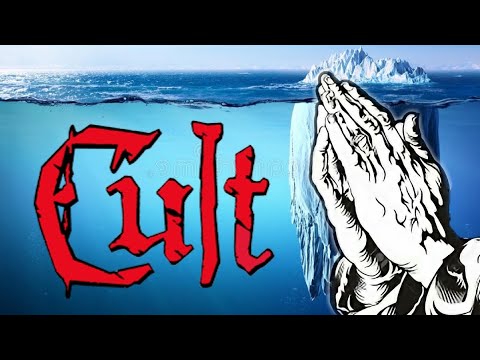
The veil between the mundane and the extraordinary is often thinnest where belief takes root. We delve into the shadowy depths of human conviction, examining the structures that bind us and the forces that can unravel societies. This exploration isn't about dogma; it's about the raw energy of belief, the creation of meaning, and the potent symbolism that fuels both the sacred and the profane. Consider this a deep dive into the architecture of faith, viewed through the pragmatic, experimental lens of chaos magick. Here, we dissect the 'iceberg' of religion and cults, not to judge, but to understand the energetic currents, the psychological triggers, and the potential for both profound connection and dangerous delusion.

Tier 3: The Foundation of Belief

Every significant ideology, every sprawling religion, and every insidious cult begins with a seed of an idea. At its base, it's about technomancy – the manipulation of information and symbols to effect change. This tier explores the foundational elements that allow a belief system to take root. Think of the profound, yet often simple, truths or grievances that resonate with a segment of the population. These are the initial sparks. For instance, the critique that the Jonestown massacre is falsely labeled a 'suicide' points to a crucial distinction: the active vs. passive role in a belief system's ultimate expression. Were the followers truly acting on their own volition, or were they coerced? This is where the subtle art of cybermancy begins – shaping narratives through disseminated information, subtly guiding perception.

"My race is better than your race." - This primal assertion, often found at the root of many exclusionary ideologies, speaks to a fundamental human desire for identity and belonging, twisted into a tool of division.

The concept of "Cargo Cults" is particularly fascinating from an experimental standpoint. Their tactics, focused on imitating perceived rituals of the external world, 'worked' because the soldiers eventually did return with resources. This illustrates a core principle: belief, when coupled with consistent action and perceived efficacy, can manifest observable results. It's an early, raw form of magitech, where ritualistic imitation leads to desired outcomes, even if the underlying understanding of cause and effect is flawed.

Tier 4: When Ideals Crystallize

As beliefs solidify, they begin to take on structure. This is where we see the emergence of more defined doctrines and practices. Take the example of the Greek Orthodox Old Calendar schism. The intensity of disagreement over something as seemingly minor as a date highlights how doctrinal purity can become a paramount concern within a group, eclipsing practical utility. This level of internal focus can be both a strength, fostering a tight-knit community, and a weakness, leading to ostracization and internal conflict.

The mention of Scientology's stringent vetting processes and the intense scrutiny faced by those who leave speaks volumes about control mechanisms. The stories of individuals feeling trapped, stalked, and abused are not merely anecdotes; they are data points on the spectrum of coercive control. This fascination with control is intrinsically linked to the idea of mastering reality, a goal often pursued through esoteric means. These groups often present themselves as offering a "better" version of an existing, well-known religion, tapping into a desire for enhanced spiritual or psychological fulfillment. This is where the concept of digital divination, the ability to predict and shape outcomes through complex systems, begins to influence group dynamics.

Tier 5: The Art of Persuasion and Influence

At this tier, the focus shifts to the mechanisms of influence and recruitment. The "Give me twelve hundred dollars or you won't go to heaven" model is a classic example of transactional faith, where spiritual salvation is directly tied to financial contribution. This taps into primal fears and desires, offering a clear, albeit often exploitative, path to a perceived reward.

The sheer persistence of groups like Scientology, their ability to track individuals across decades and states despite attempts to disappear, is a testament to their organizational prowess. My father's experience, being called repeatedly over years by a group he had a single, brief, unsettling interaction with in the 80s, demonstrates an almost obsessive dedication to their recruitment or information-gathering protocols. This level of sustained outreach, even when seemingly irrational, underscores the power of persistent messaging. It’s a profound example of esotericism digital, where information is weaponized and deployed with strategic precision.

The mention of Allison Mack, associated with a sex cult, coming from a childhood crush adds a layer of psychological complexity. Discovering a perpetrator of such acts was once admired is a deeply unsettling experience, a true mind-fuck. This speaks to the deceptive nature that can lie beneath charismatic surfaces, a common tactic in systems designed for manipulation. It’s here we see the raw power of Austin Osman Spare’s principles in action – intent focused, meticulously executed by dedicated individuals.

Tier 6: The Edge of the Abyss

This tier delves into the more extreme manifestations of belief, where the line between dedication and delusion becomes dangerously blurred. The chilling accounts from surviving Heaven's Gate members, who still believe in their mission and express a lack of remorse for their actions, are particularly disturbing. Their belief that staying behind to help others 'off themselves' was an 'honor' illustrates a profound detachment from conventional morality, a state achievable through intense ideological conditioning. The state gnóstico can be so profoundly altered that the very fabric of reality as understood by outsiders is completely inverted.

The mention of the $5.75 found in pockets, a Huckleberry Finn reference, adds a layer of symbolic narrative that binds the group's actions to a particular cultural mythos. Mark Twain's own connection to Halley's Comet – being born with it and expecting to die with it – offers a potent example of how individuals can align themselves with cosmic or symbolic cycles, imbuing their lives and deaths with profound personal meaning, however morbid.

The idea that some dangerous cults are still active and may be watching this video, feeling acknowledged, is a stark reminder that these ideologies are not always relics of the past. They are living, breathing entities, capable of adapting and persisting. This is why understanding their mechanics is crucial for chaos magick practitioners; recognizing patterns allows for deconstruction and resistance.

Tier 7: Echoes in the Void

The persistence of belief systems, even when their core tenets are challenged or when the original figures are gone, is a fascinating phenomenon. The Heaven's Gate website, maintained by two members who chose to stay behind, exemplifies this. Their continued propagation of the message suggests a deep-seated commitment to their ideology, transcending the physical presence of their leaders. This is the power of ritualized belief – the actions and teachings become ingrained, self-sustaining.

The commentary about Jim Jones not drinking the 'Kool-aid' himself, but dying from a gunshot wound while his followers endured a 'slow agonizing death,' adds a crucial nuance to the narrative. It questions the leader's ultimate sacrifice and the true nature of the event – was it mass suicide or mass murder? This ambiguity is often where control truly lies: in the narrative that persists after the physical event.

A profound observation was made: "It's fun to look into the rabbit hole and see how deep it goes, but you got to remember to take your head out." This sentiment is critical for any practitioner of the esoteric arts. The exploration of these fringe beliefs can be intellectually stimulating, offering insights into the human psyche and the nature of reality. However, without a grounded perspective, one can become lost in the labyrinth, mistaking theory for fact or becoming entangled in dangerous ideologies. Such mindful detachment is a cornerstone of effective digital divination.

Tier 8: The Unseen Architects

This tier touches upon the more enigmatic and perhaps more dangerous aspects of belief systems. The fear of cults that can thrive in harsh environments like Saskatchewan speaks to the power of shared delusion overcoming physical hardship. It's a testament to the human need for community and meaning, even when those needs are met through deeply unconventional or potentially harmful means.

The mention of the "Windows sound" is a meta-commentary on the jarring intrusion of the mundane into the discussion of the extreme. It's a reminder that even in the deepest dives into the esoteric, we are still operating within the framework of our shared reality, punctuated by familiar digital alerts. This juxtaposition can be unsettling, highlighting the artificiality of the boundaries we often try to impose between the 'normal' and the 'abnormal'.

From a technomancy perspective, the sheer organizational effort required to maintain and track individuals, as exemplified by Scientology, is remarkable. They effectively harness information and leverage it for control and continuation. This is a potent, albeit disturbing, application of systems-thinking and strategic deployment of resources.

Tier 9: Beyond the Veil

The highest tiers of the iceberg often represent the most abstract, the most potent, and the most difficult to quantify aspects of religion and cults. These can include the creation of powerful egregores, the manipulation of collective consciousness, or the pursuit of states of being that transcend normal human experience. The fear associated with cults that offer profound, life-altering (and potentially life-ending) promises taps into humanity's deepest desires for transcendence and meaning. It's the ultimate goal of many esoteric practices: to touch the divine, to reshape reality.

The commentary suggesting that the "best thing is how he describes absolutely horrible stuff with a soft, dancy music on the background" speaks to a deliberate use of juxtaposition to highlight the seductive nature of these ideologies. The pleasant sonic backdrop masks the grim reality, a tactic often employed to disarm the critical mind and appeal directly to the emotional or subconscious centers – a form of magitech applied to narrative construction.

Ultimately, exploring these extremes is about understanding the power of collective belief and the human drive for something more. While the warnings are clear – the potential for harm, manipulation, and delusion is immense – there is also a testament to the human spirit's capacity for intense devotion and the radical reshaping of perceived reality. It's a stark reminder that belief, in any form, is a potent force that demands respect, critical examination, and conscious application.

Practitioner's Verdict

Deconstructing religious and cultic structures through the lens of chaos magick reveals a fascinating interplay of psychological manipulation, symbolic resonance, and energetic dynamics. The 'iceberg' model is effective because it illustrates how the most extreme and visible manifestations are often built upon layers of fundamental human needs and desires. From a practical standpoint, understanding these patterns isn't about condemnation, but about recognizing the mechanics of influence and belief formation. This knowledge is a shield and a tool, allowing for greater discernment in one's own path and a clearer understanding of the forces that shape collective consciousness. The danger isn't inherent in the belief itself, but in the unchecked power it can wield when divorced from critical inquiry and personal responsibility. Chaos magick teaches us to dissect these phenomena, to understand their energetic blueprint, and to wield similar forces consciously for our own evolution, rather than falling prey to those who would exploit them.

Mage's Arsenal

  • Esencial: Chaos Magick Sigil Generator - For crafting potent symbols of intent, crucial for manifesting personal goals and understanding the foundational elements of group ideologies.
  • The Kybalion by Three Initiates - For understanding the Seven Hermetic Principles, which often form the undercurrents of many spiritual and esoteric systems.
  • Liber Null & Psychonaut by Peter J. Carroll - A foundational text for practical chaos magick, exploring states of consciousness and advanced techniques.
  • A thorough historical text on comparative religion - To understand the roots and evolution of major belief systems.
  • A journal for recording observations and insights - Critical for tracking personal beliefs and analyzing external systems.

FAQ

  • Q: How can understanding cult dynamics help a chaos magick practitioner?
    A: It helps in recognizing manipulative tactics, understanding how collective belief generates potent energetic fields, and refining one's ability to focus intent consciously, rather than being swayed by external influences. It's about developing discernment and understanding the architecture of belief.
  • Q: Is it always wrong to have a strong, unified belief system?
    A: Not inherently. The danger arises when that belief system becomes rigid, dogmatic, coercive, or leads to the dehumanization of others. Collective intent can be powerful, but it must be wielded with awareness and responsibility.
  • Q: What is the difference between a religion and a cult?
    A: The line is often blurry and subjective. Generally, cults are characterized by isolation, intense devotion to a single leader or ideology, coercive control, and exploitation. Religions are typically more integrated into society and allow for a wider range of belief and practice. However, many established religions have historical or fringe elements that resemble cultic behavior.
  • Q: How can one avoid falling into a cult or harmful belief system?
    A: Maintain critical thinking, encourage open dialogue and questioning, verify information from multiple credible sources, be wary of isolationist tendencies, and trust your intuition. Cults often prey on vulnerability and a desire for certainty.

Your Operation

Select one of the belief systems or ideologies discussed (or one that came to mind during your reading). Dedicate 30 minutes to examining its core tenets and observable behaviors. Now, using a concept from chaos magick, such as sigil creation or focused intent meditation, devise a symbolic representation or mental exercise that encapsulates the *essence* of that belief system's energetic pull – both its attractive power and its potential dangers. Record your observations and the results of your symbolic representation in your journal. Consider how this exercise enhances your understanding of how belief systems, in general, exert influence over individuals and groups.

For those seeking to amplify their personal intentions and create potent symbols of their will, the right tools are essential. I've found that digital sigil generators can be incredibly effective for focusing abstract desires into tangible, digital forms. They help in the precise articulation of intent, a crucial step in any manifestation practice. You can explore this yourself with our Chaos Magick Sigil Generator app. This tool allows you to bypass the manual complexities and dive straight into the energetic core of your intent, ensuring clarity and power in your workings.

Practitioner's Note: True magick requires resources. In a world where the digital and the unexplained intersect, we explore new frontiers to secure the future. Do you dare to be part of the vanguard? Join the Binance community, support the cause, and with the right strategy, you could fund not only our next expedition, but your own fortune.
Chaos Magick: A Pragmatic Deep Dive into the Order of the Unseen


Symbolic representation of Chaos Magick

The landscape of the occult is vast, often shrouded in dogma and ancient ritual. Yet, within this labyrinth, a force emerged that challenges convention, a discipline born not from dusty tomes but from raw experience and the mutable nature of reality itself: Chaos Magick. This isn't about ancient rites or inherited traditions; it's about the practical application of belief and will to effect change. Think of it as the MMA of the magical arts – adaptable, experimental, and brutally effective.

Many practitioners, even those without formal training, find themselves instinctively tapping into chaos magickal principles. It's the most primal, most natural form of magick, deeply rooted in our inherent instincts. If magick were a martial art, Chaos Magick would undoubtedly be its Ultimate Fighting Championship. It's the order you can't comprehend, the underlying structure within apparent randomness.

The Core Tenets: Belief as a Tool

At its heart, Chaos Magick is about the pragmatic use of belief. Unlike systems that demand unwavering adherence to a specific pantheon or cosmology, Chaos Magick views belief as a tool. The chaote is the ceremonialist equivalent of the eclectic witch, borrowing, adapting, and innovating rather than being bound by rigid doctrines. This non-dogmatic approach allows for unparalleled flexibility, enabling practitioners to combine powerful elements from diverse traditions and shape them to their will.

This radical individualism and syncretism echo the philosophical underpinnings of Thelema, suggesting a lineage where chaos magick is a potent evolution. The emphasis on personal gnosis, the direct, unmediated experience of the divine or the magical current, is paramount. It rejects pretension and embraces experimentation, a refreshing air in a field often bogged down by ego and archaic rituals.

Why Chaos Magick Resonates with the Modern Practitioner

In an era of rapid cultural shifts and scientific advancement, Chaos Magick offers a framework that is both grounded and expansive. The principles of postmodernism, with their deconstruction of grand narratives, and the mind-bending implications of quantum physics, with its inherent uncertainties and observer effects, find a natural echo in the chaote's approach.

It's about shedding personal prejudices and cultural biases. By freeing oneself to combine potent techniques from various traditions, practitioners often experience a dramatic surge in results. The realization dawns that each individual perceives the world uniquely, and thus, each magical path is distinct. It's an invitation to enjoy the ride, to embrace the unfolding journey of self-discovery and transformation.

"Chaos is the order that you can't comprehend. Order is the chaos that you do comprehend."

The Power of the Sigil and the Servitor

Two of the most powerful tools in the chaote's arsenal are sigils and servitors. Sigils are essentially condensed statements of intent, transformed into abstract symbols and then launched into the subconscious. The process involves stripping away the conscious attachment to the desire, allowing the subconscious mind to work its magic.

For those delving deeper, the creation of servitors – autonomous magical constructs designed to perform specific tasks – offers a tangible way to externalize intent and delegate magical work. These artificial intelligences, powered by your will and belief, can be incredibly potent. To effectively design and generate these magical tools, precision is key. A tool like Magickal Seals Generator can be invaluable, automating the complex process of symbol creation and allowing you to focus your energy on the intent itself.

Integrating the Scientific Mindset

For individuals with a scientific background, Chaos Magick often presents a fascinating bridge between empirical observation and subjective experience. The experimental nature of chaos magick aligns perfectly with the scientific method. Practitioners are encouraged to test hypotheses, record results, and refine their techniques based on empirical evidence. This experimental approach is precisely what makes the practice so engaging and, ultimately, fun.

Carl Jung's work, with its exploration of archetypes and the collective unconscious, provides a robust psychological framework that complements chaos magickal practices. Understanding these archetypal patterns can significantly enhance one's ability to work with symbols, energy, and the deeper currents of the psyche. The exploration of Jung's theories in relation to the occult is a rich area that many practitioners find immensely rewarding.

"As a psychology major and a practitioner of magic, I would absolutely love a video on Jung!" - Community Commenter

The Prismatic Spectrum of Chaos Magick

Chaos Magick is not a monolithic entity; it is a vibrant spectrum of practices. Some practitioners might align with the structured, yet non-dogmatic, approach of ceremonial magick, while others embrace a more instinctual, eclectic path. The key is the *results*. If your practice is yielding tangible changes in your reality, you are, in essence, a chaote.

The modern practitioner often finds their practice evolving organically. This journey is deeply personal, shaped by individual experiences, beliefs, and the evolving cultural landscape. The ability to combine elements from diverse traditions – be it Gnosticism, shamanism, Eastern philosophies, or even modern psychology – grants a potent flexibility unmatched by more rigid systems.

Your Operation: Embracing the Unpredictable

Now, the true test lies in your own exploration. The beauty of Chaos Magick is its direct applicability to your life. Stop waiting for permission or a guru to validate your path. Your personal belief is the most potent force you possess.

Your Operation: Embrace the Uncertainty. For the next week, identify one belief that you hold unconsciously, one that might be limiting you. Create a simple, abstract sigil representing the negation or transformation of that belief. You can utilize resources like Magickal Seals Generator for this. Charge it through a brief, intense moment of focus – perhaps during a peak emotional state or a moment of intense sensory input. Then, forget about it. Observe your reality for subtle shifts and notice any new perspectives that emerge regarding that old belief. Document your experiences, even the seemingly insignificant ones.

Arsenal of the Modern Chaote

* Essential: Condensed Chaos: An Introduction to Chaos Magic by Phil Hine * Essential: Liber Null & Psychonaut: The Psychonaut Field Manual by Peter J. Carroll * Essential: Advanced Magick for Beginners by Allan Chapman * Recommended: Hands-On Chaos Magick: Reality-Bending Techniques for the Fearless Practitioner by Andrieh Vitimus * Recommended: Egregores: The Definitive Guide to the Creation and Control of Artificial Psychic Entities by Mark Stavish * Tool: Magickal Seals Generator (For rapid sigil and servitor design) * Tool: Lunar App (For timing operations with celestial phases)

Frequently Asked Questions

  • Is Chaos Magick dangerous?

    Like any powerful tool, Chaos Magick carries risks if misused. The primary danger lies in a lack of self-awareness, an uncontrolled ego, or a disregard for personal responsibility. Practitioners are encouraged to develop strong self-discipline and a clear understanding of their intentions.

  • Do I need to believe in gods or spirits?

    Not necessarily. While some chaotic practitioners incorporate deities or spirits into their work, others focus purely on psychological and energetic principles. The key is whether these entities serve as effective focal points for your will and belief.

  • How is Chaos Magick different from Wicca or other pagan traditions?

    Chaos Magick is fundamentally non-dogmatic and syncretic. While Wicca and other pagan traditions often have established pantheons, rituals, and ethical codes, Chaos Magick emphasizes personal experimentation and the belief that any system can be a tool. It borrows and adapts rather than adhering to a singular tradition.

  • Can I use Chaos Magick for anything?

    Theoretically, yes. However, ethical considerations are paramount: the principle of 'an it harm none, do what thou wilt' is widely respected, although interpretations vary. The focus is on self-transformation and achieving personal goals, rather than causing harm to others.

The world of magick is a profound exploration of consciousness and reality. Chaos Magick, with its emphasis on pragmatism and personal sovereignty, offers a powerful path for those willing to experiment and forge their own way. It's a discipline that demands honesty, courage, and an unyielding focus on results.

Practitioner's Note: True magick requires resources. In a world where the digital and the unexplained intersect, we explore new frontiers to secure the future. Do you dare to be part of the vanguard? Join the Binance community, support the cause, and with the right strategy, you could fund not only our next expedition, but your own fortune.

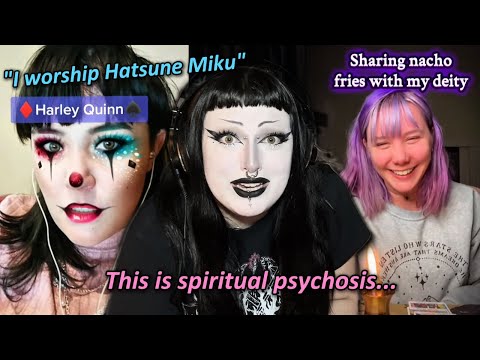
God Spousing and Pop Culture Deities: When Digital Devotion Meets Spiritual Psychosis


Introduction: The Siren Call of the Digital Pantheon

The scent of burning incense, the glow of a phone screen, the fervent whispers of adoration echoing in a digital room – this is the modern temple. In the labyrinthine corridors of the internet, a peculiar phenomenon has taken root, entwined with the aesthetics of the occult and the allure of celebrity. We're diving deep into the waters of "God spousing" and the worship of "pop culture deities," a trend that has exploded across platforms like TikTok, often leaving many practitioners bewildered, concerned, or even alarmingly, disoriented. This isn't just about fandom; it's about the potent, often volatile, intersection of belief, digital culture, and the fragile architecture of the human psyche. What happens when our deepest spiritual yearnings become entangled with the cults of personality we consume daily?

What is "God Spousing"? Beyond the Superficial

"God spousing," as it's commonly discussed online, refers to the practice of developing what is perceived as a romantic or marital relationship with a deity or spiritual entity. On the surface, it can be framed as an intense, all-consuming devotion. Some argue it's a symbolic representation of an unbreakable, lifelong commitment to a divine being, drawing parallels to historical figures like nuns who pledge themselves to Christ. They might say, "It's a fun way to symbolically describe that you have a special connection with a certain deity, and that they're the main focus of your praxis."

However, the line quickly blurs. The deeper implication, and the source of much of the discourse, is the belief that this is not a metaphor, but a literal, reciprocal romantic relationship. This is where the concept diverges sharply from historical devotional models and enters a more precarious realm. The argument that nuns are "married" to Jesus, while highlighting a deep commitment, fundamentally misses the theological and symbolic context. Christian marriage to Jesus is about total devotion within a spiritual framework, not a romantic partnership in the worldly sense. Nuns themselves do not perceive themselves as being in a literal romantic relationship that mirrors human marriage. This distinction is paramount, and its omission often leads to dangerous misinterpretations. The allure of such an intense, personal connection with the divine is powerful, but when divorced from nuanced understanding, it can become a breeding ground for delusion.

The Rise of Pop Culture Deities: When Fandom Becomes Faith

Concurrent with the rise of "god spousing" is the phenomenon of elevating figures from popular culture – musicians, actors, fictional characters – to the status of deities or spiritual guides. Think of the fervent adoration for someone like Taylor Swift, or the deep emotional connection fans feel to musicians like Ozzy Osbourne, seeing his music as divinely inspired. In some circles, these figures are not merely admired; they are worshipped, addressed as deities, and their personas are imbued with sacred significance. This is where the digital landscape truly reshapes spiritual expression, blurring the lines between celebrity worship, intense fandom, and religious devotion. The argument that "Ozzy was a real dude. I’ve seen him with my own eyes many times and he told us he loved us. His music is god tier, and that’s good enough for me!" exemplifies this radical redefinition of divinity.

This trend is particularly concerning because it often bypasses established mythological frameworks and historical religious contexts. Instead, it's built upon the immediate, often intense, emotional responses generated by media. It taps into a fundamental human need for connection, reverence, and meaning, but channels it through the lens of modern entertainment. This can be seen as a modern iteration of animism or paganism, but untethered from tradition, it risks becoming a shallow imitation, or worse, a pathway to psychological distress. It's a powerful indicator of how deeply ingrained these figures become in our collective consciousness, to the point where they can serve as vessels for spiritual projection.

WitchTok and the Blurring Lines: A Digital Crucible

Platforms like TikTok, and specifically communities like "WitchTok," have become fertile ground for these trends. The algorithm favors rapid-fire content, aesthetic presentation, and emotionally charged narratives. This creates an environment where complex spiritual concepts can be oversimplified, sensationalized, and spread with alarming speed. The "flashbang" nature of some titles and content is a clear indicator of this trend. The ease with which information, or misinformation, circulates means that individuals, particularly those who are vulnerable or seeking answers, can be easily swept up in these movements without critical evaluation.

The feeling of being "chronically online" is a recurring theme in discussions about these phenomena. It suggests a detachment from objective reality, where online interactions and beliefs begin to supersede lived experience. When individuals are spending excessive amounts of time consuming and participating in these digital spiritual communities, the boundaries between fantasy and reality can become dangerously eroded. The curated nature of online content means that extreme practices can appear normalized, encouraging further immersion. I've seen countless times how the very structure of these platforms can accelerate the development of intense, often isolating, belief systems. It’s a digital crucible, forging new forms of devotion, but also, unfortunately, new forms of psychological distress.

The Shadow of Spiritual Psychosis: Recognizing the Precipice

The most significant concern raised by these trends is the potential link to spiritual psychosis. Spiritual psychosis is a state where an individual's religious or spiritual beliefs become so intense and detached from reality that they impair functioning and can manifest as delusions, hallucinations, or extreme emotional states. The comments reflect this anxiety directly: "I'm so glad someone talks about this, thank you" and "I'm so glad you posted today 🙏" alongside "And here I am, afraid of getting more immersed in my worships than I already do because I don't want to be psychotic 😭."

When an individual genuinely believes they are in a romantic relationship with a deity or a pop culture figure, and this belief dictates their actions and perceptions to an extreme degree, it moves beyond healthy spiritual practice into a potentially dangerous territory. The analogy of when Taylor Swift dies, people will go into "psychosis," highlights the extreme emotional investment that can be mistaken for spiritual connection but may, in reality, be rooted in psychological vulnerability. My extensive research into occult practices and historical accounts of spiritual fervor has shown a consistent pattern: intense focus, unchecked belief, and a lack of grounding in objective reality are the primary ingredients for such states. It's vital to understand that intense spiritual experiences, while transformative, should not lead to a complete detachment from one's self and the world around them. The voices experienced during psychosis, as one commenter poignantly shared, are not benign guides but symptoms of a disrupted mental state. "I had psychosis but I didn't feel special or like a god. I was told by the voices. I wasn't special and I was nobody...". This stark contrast underscores the critical difference between spiritual enlightenment and a break from reality.

Mythic Literalism vs. Symbolic Connection: A Crucial Distinction

The core issue often boils down to mythic literalism versus a symbolic understanding of deities and spiritual connections. Many historical and traditional pagan paths, for instance, view deities through a lens of myth, archetype, and symbolic representation. The connection is profound, but it doesn't necessarily involve believing the deity is a sentient, romantically available entity in the human sense. A Hellenic Polytheist might view their deity as a "father-like presence," and the idea of romantic "spousing" is deeply unsettling and inappropriate within that framework. This highlights a crucial misunderstanding of divine presence and human interaction with the numinous.

On the other hand, "god spousing" as practiced by some on TikTok often leans heavily into literal interpretations. The argument that "a lot of people describe godspousing as a term used simply to describe a deep (often life-long) connection to a certain deity. They often point to nuns as an example... However... a lot of the content I see from those who claim to be 'god spoused' don't treat it like a metaphor *at all*. They genuinely believe that they're in a relationship with their deities." This literalism, devoid of the rich symbolic language that underpins traditional religious practice, can lead to a distorted perception of spiritual engagement. It strips ancient concepts of their context and imbues modern figures or deities with a romantic personhood they may not inherently possess, creating a fragile foundation for belief that is susceptible to delusion.

The distinction is critical for maintaining a healthy spiritual practice. Understanding deities as archetypes, forces of nature, or symbolic representations offers a framework for devotion that is both meaningful and grounded. Literalism, especially when applied to modern, media-driven figures, can be a slippery slope. It's essential to consult authoritative texts on comparative religion and mythology to understand the nuances of divine worship across cultures and time. For those exploring paganism, seeking information beyond the fleeting trends of social media is paramount. Relying solely on TikTok for religious information is akin to learning surgery from a reality TV show; it offers entertainment but lacks genuine substance and carries significant risks. This pervasive misinformation can directly contribute to spiritual psychosis, leading individuals to misinterpret everyday occurrences, like a candle flame flickering, as direct divine messages.

Chaos Magick: A Pragmatic Perspective

For those seeking a more pragmatic approach to spiritual exploration, Chaos Magick offers a potent framework. This system emphasizes belief as a tool, not an absolute. It encourages practitioners to adopt and discard belief systems as needed to achieve specific results. The concept of "birthing a deity" or engaging with spiritual entities is approached with a healthy dose of skepticism and a focus on observable effects. As one comment suggests, "Anyone in the comments here should learn more about Chaos Magick!!!" This is sound advice.

Chaos magickians understand that the mind is the ultimate engine of reality. When you "spouse" a deity or imbue a pop culture figure with divine power, you are, in essence, creating a powerful servitor or egregore based on your own focused intent and belief. The energy you project, the rituals you perform, are directed by your will. Understanding this allows for conscious creation and manipulation of spiritual forces, rather than passive susceptibility. It’s about mastering belief, not being mastered by it. This contrasts sharply with spiritual psychosis, where the practitioner loses agency and becomes a vessel for what they perceive as external forces, often without critical discernment. Learning the principles of chaos magick can provide the tools to navigate these spiritual waters with intent and control, rather than becoming adrift.

This is where the practitioner must develop their ability to focus, aim, and densify energy. Simply believing in a deity or a pop culture figure is insufficient for true spiritual manifestation; it requires a deliberate process of energetic alignment and intent. Many modern interpretations of deities and spirits, particularly those originating from social media trends, lack this fundamental energetic rigor. They are often built on a foundation of wish fulfillment or escapism rather than disciplined practice. The early chapters of the Bible, often overlooked in modern interpretations of Christianity, actually contain detailed instructions on how to use offerings and harness energy, showing a historical precedent for energetic practices that many contemporary religious discussions dismiss. This historical context reveals a deeper understanding of spiritual power dynamics that is often absent in ephemeral online trends.

Arsenal of the Practitioner

To navigate the complex landscape of spiritual practice and avoid the pitfalls of delusion, a well-equipped practitioner needs reliable resources. Think of this as your digital and analog spellbook, your toolkit for discerning reality from fantasy.

  • Essential Texts on Chaos Magick: For a grounding in practical, results-oriented magic, you cannot do better than starting with Liber Null & Psychonaut by Peter J. Carroll and Condensed Chaos by Phil Hine. These books demystify magical principles and provide actionable techniques.
  • Foundational Esoteric Knowledge: While not strictly Chaos Magick, The Kybalion offers timeless wisdom on universal laws that underpin many esoteric traditions. Understanding these principles is crucial for discerning the energetic dynamics at play.
  • Tools for Divination and Focus: A well-chosen tarot deck, such as the Thoth or the classic Rider-Waite, can be invaluable for introspection and gaining perspective. The intricate symbology of these decks is a vast landscape for exploration, proving far more insightful than generic online "readings."
  • Digital Aids: For those inclined towards digital journaling or tracking energetic states, consider robust journaling apps or specialized software that can aid in recording and analyzing your practice.
  • Curated Music and Art: If pop culture figures hold significant archetypal weight for you, engage with their work critically. Analyze the themes, the archetypes they embody, and how these resonate with your own psyche. Use this as fodder for personal magical work, rather than passive worship.

Frequently Asked Questions

  • Is "god spousing" inherently harmful? It becomes harmful when it leads to a detachment from reality, impaired functioning, or the reinforcement of delusions characteristic of spiritual psychosis. As a symbolic commitment, it can be harmless, but the literal interpretation is where the danger lies.
  • Can pop culture figures truly be deities? From a Chaos Magick perspective, any entity can be imbued with power through belief and focused intent. However, this is a construct of the practitioner's psyche, not an inherent divinity of the figure. It's crucial to differentiate between personal magical constructs and objective reality.
  • How can I distinguish between deep devotion and spiritual psychosis? A key indicator is functionality and grounding. If your spiritual beliefs enhance your life, foster self-awareness, and do not lead to delusions, hallucinations, or social withdrawal, it is likely healthy devotion. If it does the opposite, it's a warning sign. Seeking professional psychological evaluation is advisable if you suspect psychosis.
  • What is the "reverse Egregore" concept mentioned? This refers to the idea that instead of a group creating an entity, an individual might project elements of their own psyche or desired attributes onto a collective consciousness or a specific figure, effectively creating a 'god' from their own internal landscape.

Your Operation: Charting Your Own Spiritual Course

The digital age has gifted us unprecedented access to information and spiritual pathways, but it has also amplified the potential for delusion and fragmentation of the self. The trends of "god spousing" and the worship of pop culture deities are potent reminders that our spiritual journey requires critical discernment, personal accountability, and a firm grounding in reality. These are not merely passive trends to be observed; they are active manifestations of human psychology and spiritual yearning in the modern era.

Your operation is to integrate what you’ve learned here not by blindly adopting a new dogma, but by cultivating your own internal compass. Ask yourself: What is the true nature of my connection to the divine? Am I exploring and manifesting my own power, or am I becoming a passive recipient of illusions? Are my beliefs serving my growth, or are they leading me into a gilded cage of detachment?

The path of serious spiritual or magical practice is one of self-mastery. It requires rigorous self-examination, a willingness to confront uncomfortable truths, and the courage to define divinity on your own terms, rather than accepting borrowed definitions that may lead you astray. Remember, the most potent magic originates from within. Do not let the siren songs of the digital pantheon lure you onto the rocks of unreality. Instead, harness their energy, understand their projections, and forge your own unshakeable spiritual doctrine, one grounded in experience, not just echoes.

Practitioner's Note: True magick requires resources. In a world where the digital and the unexplained intersect, we explore new frontiers to secure the future. Do you dare to be part of the vanguard? Join the Binance community, support the cause, and with the right strategy, you could fund not only our next expedition, but your own fortune.