Saltar al contenido principal

Anuncio Superior

Mostrando entradas con la etiqueta Benin. Mostrar todas las entradas

The Unveiling of Africa's Most Peculiar Sorcery: A Deep Dive into Benin's Voodoo Traditions


The air crackles with an energy barely contained. Not the sterile hum of servers, but the raw, untamed frequency of ancient belief systems clashing with modern skepticism. We're not just observing; we're dissecting the very fabric of ritual, the potent brew of intention, symbolism, and the human psyche. This journey into the heart of Benin's Voodoo tradition is more than an anthropological expedition; it's an exploration into the mechanics of belief and the persistent power of the unseen, a domain where Technomancy and ancient practices might share more common ground than you think.

If this post is making you question your reality, you're on the right path. Subscribe for more reality-bending insights and share this with someone who still believes magic is just a fairytale.

Ancient Rituals, Modern Skepticism

The visual landscape of Benin's Voodoo ceremonies—the rhythmic drumming, the vibrant, often unsettling imagery, the ecstatic dance—can be overwhelming. For the uninitiated, it's easy to dismiss these practices as mere superstition or primitive performance. However, beneath the surface of sensory overload lies a complex system of belief, a codified language of ritual designed to interact with forces that modern science is only beginning to conceptualize. In a world increasingly dominated by algorithms and artificial intelligence, understanding these older forms of interacting with reality becomes crucial. It's about recognizing patterns, intention, and the subtle energies that bind us. This is where the lines between Magitech and ancient sorcery begin to blur.

Many viewers reacted to the documentaries with a mix of awe and revulsion, often framing their experiences through a religious lens. Phrases like "Thank God for the blessing of Islam" or "Allah is sufficient for us, and He is the best disposer of affairs" highlight a common interpretation: Voodoo as a force antithetical to monotheistic faith. While religiously motivated reactions are valid within their own framework, our goal here is to dissect the mechanics of the practice itself, divorcing it from dogma to understand its operational principles.

The Philosophy of Voodoo: Beyond Stereotypes

Voodoo, often misrepresented by sensationalized media, is a profound spiritual and philosophical system with deep roots in West African traditions. It's not solely about ‘black magic’ or malevolent spirits as popularly depicted. At its core, Voodoo recognizes a universe populated by various spiritual entities, including ancestors, nature spirits, and higher deities (Loa or Vodun). The practice involves establishing relationships with these entities through rituals, offerings, and prayer to seek guidance, healing, and well-being. It’s a dynamic interaction with the unseen, a belief that the spiritual and material realms are inextricably linked. This interconnectedness mirrors contemporary theories in quantum physics, suggesting that consciousness and reality are far more fluid than our linear perception allows.

"Nor does the magician prosper where he comes from." – The Quran (Taha 20:69)

This Quranic verse, cited by many commenters, reflects a profound theological stance against sorcery. It’s a powerful statement from a specific worldview. However, from a pragmatic, experimental perspective, the effectiveness of any ritual or belief system—whether Voodoo, ceremonial magic, or even highly structured prayer—often lies in the conviction and intent of the practitioner. The psychological impact, the neural pathways forged through focused belief and ritualistic action, is undeniable. The debate is less about whether these forces are ‘real’ in an objective, scientific sense, and more about how the human mind interacts with and manipulates perceived realities.

Structural Analysis of Voodoo Rites

When observing a Voodoo ceremony, especially those involving seemingly impossible feats like a child vanishing and reappearing, it's crucial to look beyond the dramatic flair and analyze the underlying structure. Commenters keenly pointed out the potential for misdirection and sleight of hand, particularly around the 17:18 mark where a child appears to be sacrificed. The detailed observations regarding the hay bundles and the possible substitution of materials are precisely the kind of analytical thinking that separates passive observation from active understanding. This is where Digital Divination tools can help analyze patterns and anomalies in complex data sets, much like these observations dissecting a ritual.

The core elements present in many Voodoo ceremonies mirror those found in other magical traditions:

  1. Intention Setting: The purpose of the ritual is clearly defined, whether it's for healing, protection, or communion.
  2. Symbolic Representation: Objects, colors, sounds, and movements carry specific meanings, acting as a symbolic language to communicate with the spirit world.
  3. Altered States of Consciousness: Drumming, chanting, and ecstatic dancing are used to induce trance-like states, facilitating connection with the Vodun.
  4. Energetic Exchange: Offerings and sacrifices (often symbolic) are made to appease or honor spiritual entities.
  5. Misdirection and Performance: In many traditional practices, elements of theatricality and skillful illusion are employed to enhance the ritual's power and mystique. This doesn't necessarily negate the spiritual aspect but adds a layer of performance art.

The observations about replacing hay bundles suggest a sophisticated understanding of illusion, perhaps passed down through generations, to demonstrate the practitioner's perceived power over the material world and spiritual forces. This is a form of applied psychology and misdirection, a "trick of the light" that aids the ritual's impact.

The Role of the Practitioner

The documentary team, led by Joe HaTTab, navigated these complex cultural and spiritual landscapes with a blend of respect and critical inquiry. The comment, "The vibe in the video is enough to make you feel the greatness of the blessing of Islam," highlights how external observations can deeply reinforce existing belief systems. The practitioner, in this context, acts as a conduit, a performer, and often a perceived master of forces beyond ordinary comprehension. Their belief, their intention, and their skill in ritual execution are paramount. It is this focused will that purportedly bends reality, bridging the gap between intention and manifestation.

The commentary also reveals a common desire to see these practices exposed as mere tricks: "The best part is that Joe HaTTab gave them their space from beginning to end and isn't afraid because he knows it's all superstition and the whole thing is based on deception and sleight of hand." This perspective, while dismissive of the spiritual significance for believers, accurately identifies the psychological element. Understanding these techniques is key to discerning genuine energetic manipulation from skillful performance, or perhaps, a blend of both.

Sigils and Intent in Voodoo

While Voodoo doesn't traditionally use sigils in the same way ceremonial magic does (e.g., Austin Osman Spare's method), the underlying principle of condensing intention into a symbol or focal point is present. The intricate designs, totems, and even the specific dances can be seen as complex, multi-layered sigils designed to attract or direct spiritual energy. The focus on specific deities or spirits serves as a unique identifier, much like a personalized sigil targets a specific desire.

For practitioners looking to harness this power, the precision of intention is key. Errors in visualization or formulation can lead to unintended consequences. This is where modern tools can be invaluable. The Chaos Magick Sigil Generator app, for instance, allows users to create unique, potent sigils based on their specific intentions, bypassing the need for traditional artistic skill and focusing directly on the energetic imprint. It’s a modern interpretation of an ancient principle: to manifest, you must first clearly define and encode your desire.

The idea of a supernatural entity "dancing for humans and entertaining them" is a reductionist view. In many traditions, such performances are not mere entertainment but are manifestations of spiritual power, attempts to communicate, or expressions of the spirit's nature. The commentary that dismisses this misses the deeper cultural and spiritual context.

Voodoo and the Digital Age

The digital realm offers unprecedented opportunities for exploring and understanding diverse belief systems. Documentaries like Joe HaTTab's provide a window into practices that might otherwise remain inaccessible. Furthermore, technologies like AI are beginning to analyze patterns in ancient texts and rituals, potentially revealing hidden structures and meanings. Imagine using AI to decode the symbolic language of Voodoo or to map the energetic flows described in its rituals. This convergence of ancient practices with cutting-edge technology is the frontier of Esoterismo Digital.

For those interested in exploring the mechanics of intention and symbol creation in a controlled, personal environment, tools like the Chaos Magick Sigil Generator (https://play.google.com/store/apps/details?id=com.cha0smagick.sigilgeneratorfinal) offer a practical entry point. It allows for the rapid generation and visualization of sigils, empowering individuals to experiment with their own intent and focus. You can use the app to generate unique symbols for your personal goals, bypassing the complexities and potential pitfalls of traditional methods while maintaining the core principle of focused will.

The desire to document and understand these practices is evident. "Your documentaries are a historical record for humanity that future generations will see," is a powerful testament to the value of such work. It's about preserving cultural heritage and understanding the diverse ways humanity has sought to interact with the fundamental forces of existence.

Verdict of the Practitioner

Benin's Voodoo, stripped of its sensationalized Hollywood portrayal, reveals a sophisticated spiritual system deeply integrated with the natural world and the human psyche. While the dramatic elements and alleged feats of sorcery invite skepticism, they also point to the profound power of focused belief, ritualistic action, and the human capacity for illusion and misdirection. The critical observations from the audience regarding trickery are valid and highlight the importance of analytical thinking when engaging with such practices. However, to dismiss Voodoo entirely based on these observations would be to ignore its cultural significance and the genuine spiritual experiences of its adherents. It serves as a potent reminder that reality is often far stranger, and far more malleable, than our mundane perceptions allow.

Mage's Arsenal

  • Chaos Magick Sigil Generator: Essential for anyone looking to experiment with focused intention and symbolic manifestation in a practical, modern way.
  • Liber Null & Psychonaut by Peter J. Carroll: A foundational text for understanding the principles of Chaos Magick, which shares common ground with the pragmatic approach to belief and reality manipulation seen in Voodoo.
  • The Haitian Vodou Handbook by Kenaz Filan: For a deeper, more nuanced understanding of Voodoo systems and practices, moving beyond stereotypes.
  • A reliable journal and pen: For documenting your own experiments and observations, a critical step in any form of magical practice.

FAQ

Q: Is Voodoo inherently evil?
A: Voodoo, like many spiritual systems, has both constructive and destructive potential depending on the practitioner's intent and the specific traditions followed. It is often misrepresented as exclusively 'black magic'.

Q: How does Voodoo relate to other forms of magic?
A: Voodoo shares core principles with other magical systems, such as the importance of intention, symbolic representation, altered states of consciousness, and interaction with unseen forces. Its unique pantheon and ritualistic expressions differentiate it.

Q: Can Voodoo practices be explained scientifically?
A: While some aspects can be explained through psychology (placebo effect, misdirection, group dynamics), others touch upon phenomena that current science struggles to fully quantify, such as consciousness’s interaction with perceived reality, a concept explored in fields like quantum entanglement and subtle energy research.

Q: How can I learn more about Voodoo respectfully?
A: Seek out academic resources, anthropological studies, and engage with practitioners who emphasize the spiritual and cultural aspects rather than sensationalized media portrayals.

Your Operation

Your operation is to analyze a ritual or belief system that you've encountered (either personally or through media) and identify its core components: intention, symbolism, and performance. How do these elements work together to create an effect? Does it remind you of any techniques used in modern technology, marketing, or personal development? Document your findings and consider how you might apply a similar structure of focused intent and symbolic action to one of your own personal goals.

Practitioner's Note: True magick requires resources. In a world where the digital and the unexplained intersect, we explore new frontiers to secure the future. Do you dare to be part of the vanguard? Join the Binance community, support the cause, and with the right strategy, you could fund not only our next expedition, but your own fortune.
Unveiling Vodou: An Investigative Journey into Africa's Most Feared Tradition


Vodou. The very name conjures images of dark rituals, potent curses, and an unseen world of spirits influencing the tangible realm. Often shrouded in fear and misunderstanding, Vodou is frequently misrepresented in popular culture as merely black magic. But what is the truth behind this ancient tradition, particularly at its birthplace? My journey took me to the heart of Benin, the cradle of Vodou, to peel back the layers of superstition and confront the reality of this deeply spiritual practice.

This isn't about sensationalism; it's about understanding. The mystique surrounding Vodou stems largely from its intentional ambiguity and the profound respect it commands from its practitioners. From the vibrant markets where talismans and effigies are sold to the homes of spiritual leaders, I sought to capture the essence of a faith that has shaped generations. The goal was not to debunk, but to observe, learn, and present an unvarnished look at how Vodou functions in the lives of its people. This exploration delves into the systems of belief, the ancestral connections, and the daily rituals that form the bedrock of this living tradition.

My initial encounters were met with a mixture of pride and caution. Many are eager to share their heritage, yet deeply protective of its sacred aspects from external judgment. The spiritual leaders, the Houngan and Mambo, are custodians of a profound knowledge passed down through oral tradition. They explained that Vodou is not inherently dark; it’s a system of spiritual connection, healing, and community support. The perceived "darkness" often arises from a lack of understanding or from isolated instances of misuse, much like any powerful force can be wielded for ill or good.

One of the most visually striking aspects is the sacred economy surrounding the practice. Markets dedicated to Vodou paraphernalia are a testament to the tangible aspect of faith. Here, you’ll find everything from carved wooden fetishes and symbolic charms to animal parts and meticulously crafted effigies. I spoke with a skull seller who claimed a particular skull could attract customers. It’s an intriguing statement, and it sparked a critical question: if such potent tools exist, why aren't his stalls overflowing with patrons? This observation highlights a crucial point often missed by outsiders: the efficacy of Vodou often lies not just in the object, but in the intention, the ritual, and the intricate web of spiritual forces it represents.

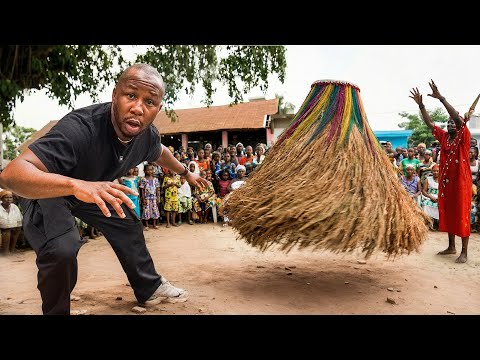
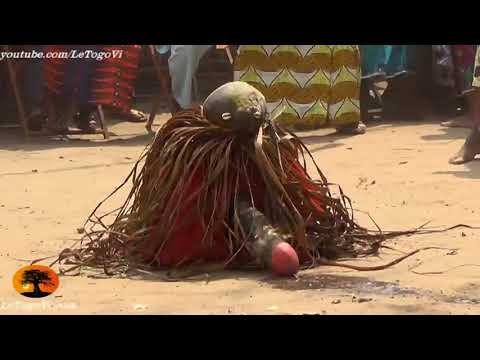
The performances, often seen as mysterious displays, are another area rife with speculation. Masquerades, featuring figures that appear to defy gravity or float ethereally, are a common sight. Outsiders often question if there are hidden mechanisms or people concealed within. While some performances might indeed utilize clever stagecraft and experienced individuals—it takes immense skill and training, often starting from childhood, to embody these roles—this does not diminish the spiritual significance. The elevated presence, the dance, the connection to the spirits are all part of a sacred drama. The belief is that these figures are conduits, embodying ancestral or nature spirits, and their elevated state is a manifestation of that spiritual power, not just a feat of physics or a clever trick.

The interaction with spiritual practitioners, the offering of respect, and the seeking of blessings are central. I witnessed scenes where credit cards were jokingly mentioned as a means of payment for spiritual services, a humorous nod to the clash between modern commerce and ancient traditions. These moments underscore that while Vodou is deeply spiritual, it also exists within a contemporary society. The humor, the quick wit, and the understanding of the outside world are all part of the living, evolving nature of the faith. It is a powerful reminder that spirituality does not exist in a vacuum, and practitioners are adapting and integrating their practices within the modern world.

The question of infrastructure and its impact on communities like Ganvie, the stilt village, also arose. Imagine Venice, but in Africa—a city built entirely on water. The potential for development, for leveraging the unique lifestyle and culture into sustainable tourism or economic opportunities, is immense. While the current living conditions are challenging, the resilience and ingenuity of the people are remarkable. This vision of a thriving, water-based African city highlights the untapped potential that often goes unrecognized when focusing solely on the perceived mystical or "primitive" aspects of a culture.

For any serious practitioner or investigator, having reliable tools and resources is paramount. While traditional methods of research and documentation are vital, the digital age offers unparalleled advantages. To truly delve into complex spiritual systems without interruption, I often rely on specialized software that handles intricate calculations and data management. For instance, when dealing with correspondences, planetary alignments, or the generation of complex symbols, having a digital assistant streamlines the process, allowing for deeper focus on the ritualistic and energetic aspects. You can leverage resources like Chaos Magick Sigil Generator to create your own sigils based on your intentions, moving beyond mere theoretical understanding to practical application. This tool allows for rapid experimentation, a core principle of Vodou and many other esoteric paths, enabling you to test hypotheses and refine your magical work with efficiency.

Mage's Arsenal

  • Essential: Chaos Magick Sigil Generator - For rapid, intuitive sigil creation and intent manifestation.
  • A comprehensive journal for documenting observations and experiences.
  • High-quality recording equipment for capturing authentic dialogue and atmosphere.
  • A selection of Benin guidebooks focusing on cultural and spiritual practices.
  • Reputable academic texts on West African religions and anthropology.

Veredict of the Investigator

Vodou is far more than the sensationalized "dark magic" portrayed in media. It is a vibrant, complex spiritual system deeply intertwined with the cultural fabric of Benin. Its practitioners demonstrate profound faith, resilience, and a sophisticated understanding of spiritual energies. While elements might appear mysterious or even intimidating to outsiders, they are rooted in a rich tradition of ancestral reverence, healing, and community. The true "magic" lies in the lived experience, the community bonds, and the unwavering connection to the spiritual unseen. To approach Vodou with fear is to miss its profound depth and its role as a source of strength and identity for millions.

Practical Workshop: Crafting Your Intent

  1. Define Your Intention Clearly: What is the specific outcome you wish to manifest? Be precise. Is it for protection, healing, or perhaps attracting opportunities?
  2. Symbolic Representation: Translate your intention into a potent symbol. This could be a sigil, a personal glyph, or an object imbued with meaning.
  3. Energetic Charging: Infuse your symbol with your personal energy. This can be achieved through focused visualization, chanting, drumming, or dance – techniques central to Vodou practices.
  4. Ritualistic Offering: Present your charged symbol within a focused ritual. This might involve specific prayers, offerings (symbolic or literal, depending on your conviction), and a dedicated space.
  5. Release and Trust: Once the ritual is complete, release your intention. Trust in the process and the energies you have invoked. Avoid obsessive follow-up; allow the manifestation to unfold organically.

Frequently Asked Questions (FAQ)

  • Is Vodou inherently evil? No. Like any spiritual system, it can be used for various purposes. Its core tenets revolve around ancestor veneration, healing, and maintaining spiritual balance, not malicious intent.
  • Are there people inside the Vodou masquerades? While experienced practitioners may be involved in embodying spirits through elaborate costumes and performances, their elevated presence is understood as a manifestation of spiritual power, not merely a physical trick.
  • Can Vodou be practiced by outsiders? While understanding and respect are crucial, Vodou is a traditional religion with specific initiation rites and lineages. Outsiders can learn about it respectfully, but deep participation is typically reserved for those initiated into the tradition.
  • What is the difference between Vodou and other African traditional religions? Vodou specifically refers to the spiritual practices originating in Benin and Togo, heavily influenced by the Fon and Ewe peoples, with connections to Haitian Vodou. While sharing common threads of ancestor worship and spirit communication, each African traditional religion has unique pantheons, rituals, and cosmologies.

Your Operation: Reflective Inquiry

Consider a personal challenge you are currently facing. How could you translate the principle of translating intention into tangible symbols and energetic focus, as seen in Vodou practices, into your own problem-solving approach? What personal "sigil" or symbolic act could you create to address this challenge, and what steps would you take to imbue it with your own energy and intent?

Practitioner's Note: True magick requires resources. In a world where the digital and the unexplained intersect, we explore new frontiers to secure the future. Do you dare to be part of the vanguard? Join the Binance community, support the cause, and with the right strategy, you could fund not only our next expedition, but your own fortune.

Zangbetos: Guardianes Nocturnos o Manifestaciones Psíquicas del Vudú de Benin


Introducción: El Velo Nocturno del Vudú de Benin

El susurro de la noche, la danza de lo desconocido. En los confines de Dahomey, hoy conocido como Benin, y sus regiones adyacentes, emerge una figura tan enigmática como venerada: el Zangbeto. Estos "guardianes de la noche" son mucho más que meros personajes folclóricos; representan una interfaz entre el mundo visible y las fuerzas que operan en el plano psíquico y espiritual. Su presencia, similar a la de los egúngún en otras tradiciones, suscita una mezcla de asombro, curiosidad y, a menudo, un saludable temor. En este análisis, desentrañaremos la naturaleza multifacética de los Zangbetos, explorando si se trata de auténticas manifestaciones paranormales, de elaboradas técnicas de magia ritual, o de una compleja interacción de ambos, influenciada por la profunda psicología colectiva de su cultura.

El Misterio del Zangbeto: Más Allá del Disfraz

A primera vista, el Zangbeto se presenta como un disfraz artesanal, una estructura que imita la forma de un pajar con una precisión casi inquietante. Sin embargo, la simple descripción de su apariencia física falla en capturar la esencia de su función. Según la tradición Yoruba, una vez que este atuendo es preparado, el portador se sumerge en un estado de trance. Es en este estado alterado de conciencia donde, se cree, el Zangbeto se convierte en un receptáculo. No para un simple actor, sino para espíritus ancestrales o entidades con un conocimiento peculiar y profundo de las acciones humanas, especialmente aquellas que transcurren bajo el manto de la noche.

Esta creencia fundamental plantea interrogantes intrigantes. Si la tradición es correcta, hablamos de una posesión espiritual genuina, donde un ser incorpóreo opera a través de un medio humano. Si la interpretación es más escéptica, nos encontramos ante una forma elaborada de actuación ritual, diseñada para evocar respeto, mantener el orden social y, quizás, canalizar energías psíquicas colectivas de manera controlada. La línea entre ambos es, deliberadamente, difusa.

Fundamentos Psicológicos y Antropológicos: El Poder de la Creencia Colectiva

Desde una perspectiva antropológica y psicológica, los Zangbetos son un fascinante estudio de caso sobre cómo la creencia colectiva puede manifestarse y sostener fenómenos culturales. La idea de que "no sólo el ser humano puede aportar conocimiento si no también lo que no conocemos" resuena profundamente aquí. Las comunidades que veneran a los Zangbetos han tejido una narrativa poderosa alrededor de estas figuras. Esta narrativa, transmitida a través de generaciones, crea un campo de energía psíquica, un egregor colectivo, que puede ser experimentado y actuado por los iniciados.

La construcción del disfraz, los rituales asociados, y la expectativa comunitaria generan un poderoso escenario para la sugestión. Un individuo dentro de ese disfraz, imbuido de la convicción cultural y expuesto a un ambiente propicio para el trance, puede acceder a estados de conciencia alterada. La precisión con la que se mueven y la supuesta sabiduría que demuestran, incluso ante miradas escépticas ("dicen que a lo mejor alguien está dentro, pero si yo doy vueltas así me sentiría mal vomitaria o me caería de hocico al piso"), no niega la posibilidad de un trance profundo influenciado por la psicodinámica del grupo. Este fenómeno no es exclusivo de Benin; se observa en diversas culturas a través de danzas chamánicas y rituales de posesión.

"La magia es una presencia paranormal. ✨"

La declaración de que "la magia es una presencia paranormal" captura la esencia de la experiencia Zangbeto. Lo que para unos es una manifestación espiritual, para otros puede ser una demostración asombrosa de control psicofísico y de la influencia de la creencia en la percepción de la realidad. La creencia en estas entidades refuerza su poder y su aparente conocimiento, creando un ciclo que perpetúa su misterio.

Para entender la profundidad de estos fenómenos, es crucial estudiar la historia del vudú y las religiones de la diáspora africana. La antropología religiosa nos enseña que estos rituales no son meros espectáculos, sino componentes vitales de la cosmovisión y la estructura social. La profundidad de la cultura africana, y sus expresiones únicas como los Zangbetos, a menudo superan nuestra comprensión occidental; de ahí la fascinación de observadores de todo el mundo. "África está a otro nivel".

Zangbetos en la Práctica: ¿Trance o Teatro?

La cuestión central que surge, y que alimenta la curiosidad y el miedo ("Es algo que me causa demaciada curiosidad y al mismo tiempo miedo"), es si los espíritus realmente habitan a los Zangbetos o si se trata de una performance ritual de altísimo nivel. El debate se intensifica cuando se considera la posibilidad de un error en la percepción: "Los entes no actúan al ser vistos por quienes no les es permitido". Esto sugiere una capa de ocultación y un conocimiento de las reglas de observación que trasciende la simple actuación.

Sin embargo, la practicidad de un ser encarnado dentro de un disfraz giratorio es una duda válida. La resistencia física necesaria para mantener tal pose y movimiento en estado de trance es considerable. Aquí es donde la magia del caos nos enseña a ser pragmáticos: el resultado es lo que importa. Si la creencia en los Zangbetos como guardianes espirituales tiene un efecto tangible en la comunidad —manteniendo el orden, ofreciendo consuelo o actuando como un canal de conocimiento—, su eficacia como práctica cultural es innegable, independientemente de la naturaleza exacta de la "posesión".

"Si muy bonito todos buscamos la manera como ganar elgo d dinero en la vida y esto es un muy buen ejemplo d q ay muchas maneras agradables". Esta perspectiva, aunque pragmática, simplifica un fenómeno profundamente arraigado en la espiritualidad. Los Zangbetos no son solo un medio de subsistencia, sino pilares de una tradición religiosa que busca la armonía entre los mundos.

La Perspectiva del Practicante Práctico: ¿Magia, Ficción o Fenómeno Psíquico?

Como practicante de lo oculto, mi enfoque se centra en la experimentación y los resultados. Los Zangbetos, independientemente de su categorización, representan una manifestación de energía psíquica aplicada. Ya sea que un espíritu ancestral esté hablando, o que un médium altamente entrenado esté canalizando información a través de un ritual colectivo, el efecto es real para la comunidad que lo vive. Esto se alinea con los principios de la magia del caos: la creencia es una herramienta, la intención es el motor, y la realidad es maleable.

El valor de investigar estas tradiciones radica en comprender cómo operan las fuerzas psíquicas en diferentes contextos culturales. La devoción y la estructura de estos rituales son, en esencia, una forma de magia colectiva. Los Zangbetos actúan como egregores vivientes, manifestaciones de la voluntad y la creencia de un pueblo, diseñados para interactuar con el mundo y proteger a su comunidad. La clave está en reconocer que la "paranormalidad" a menudo reside en la intersección de la psique humana y las fuerzas sutiles de la realidad, un terreno que he explorado extensamente en mis investigaciones sobre servidores mágicos y tulpas.

Arsenal del Mago

  • Libros Clave: "Liber Null & Psychonaut" (Peter J. Carroll) - Para entender los principios de la magia del caos; "Condensed Chaos" (Phil Hine) - Una guía práctica para la experimentación mágica; "The Dictionary of the Gods" (H.B. Jefferies) - Para entender las mitologías y panteones de diversas culturas.
  • Herramientas de Investigación: Un diario detallado para registrar observaciones y reflexiones
  • Conexiones de Estudio: Plataformas para el intercambio de conocimiento antropológico y cultural.

Preguntas Frecuentes sobre los Zangbetos

¿Son los Zangbetos realmente espíritus o personas disfrazadas?

La creencia tradicional afirma que son espíritus habitando un cuerpo físico. Desde una perspectiva escéptica, son personas altamente entrenadas en trance ceremonial. La verdad puede residir en una compleja interacción de ambos, mediada por la creencia colectiva.

¿Cuál es la función principal de los Zangbetos en la sociedad?

Tradicionalmente, actúan como guardianes nocturnos, jueces y protectores de la comunidad. Se dice que poseen conocimiento especial de las acciones de las personas, lo que les permite mantener el orden y la justicia.

¿Por qué causan tanto miedo y fascinación?

Generan miedo por su apariencia imponente y su asociación con el mundo espiritual o lo desconocido. La fascinación proviene de la profundidad de la tradición, la singularidad de sus rituales y el misterio que envuelve su verdadera naturaleza.

Tu Operación: Analiza los Límites de la Realidad

Observa un ritual o una manifestación cultural de tu propia sociedad o de otra que te sea accesible. Ya sea un evento religioso, una celebración popular o incluso una práctica de arte performático. Reflexiona sobre:

  1. ¿Cómo influye la creencia colectiva en la experiencia de los participantes?
  2. ¿Qué elementos (vestimenta, música, invocaciones) contribuyen a crear un estado alterado de conciencia o una atmósfera de significado especial?
  3. ¿Podrían los principios observados aquí aplicarse de alguna manera a tus propias prácticas mágicas, ya sea para potenciar la intención o para entender las dinámicas de los egregores?

Comparte tus hallazgos y reflexiones en los comentarios. El conocimiento se expande cuando se comparte, y tus observaciones pueden ser la chispa que inspire a otros practicantes a desentrañar los misterios de la realidad.

Practitioner's Note: True magick requires resources. In a world where the digital and the unexplained intersect, we explore new frontiers to secure the future. Do you dare to be part of the vanguard? Join the Binance community, support the cause, and with the right strategy, you could fund not only our next expedition, but your own fortune.