
Table of Contents
- CaosThe Genesis of Forbidden Arts: Defining the Yatu Within Ancient Persian Cosmology
- The Power of Twisted Words: Language, Curses, and the First Demons
- Legacy and Transmission: From Persia to the Western Occult Tradition
- The Enduring Shadow: Yatu Influence on Modern Occult Concepts
- The Yatu's Influence on the Yatu and beyond
- The Mage's Arsenal
- Frequently Asked Questions (FAQ)
- Exploring the Depths of the Occult: A Journey Rooted in Ancient Persia
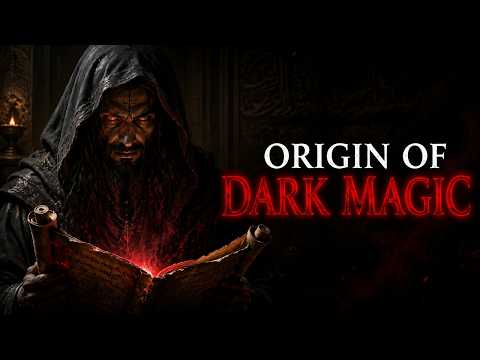
The tapestry of human history is woven with threads of light and shadow, of creation and destruction, and at its very inception, the concept of the "occult" finds its most ancient and potent origins not in dusty European grimoires, but in the sun-scorched lands of ancient Persia. Long before the familiar archetypes of Western sorcery took root, a forbidden lineage of practitioners known as the *Yatu* — the sorcerers of ancient Persia — emerged. These were not mere hedge-wizards or village wise-folk; they were masters of creation’s most sacred words, words they learned to twist into formidable weapons, forging the very foundations of what we now understand as dark magic. This is the genesis of the curse, the birth of the demon, the first whispers of the succubus, and the enduring shadow of a 3,000-year-old mystical tradition that, though often obscured, has never truly vanished. In the profound truth that where there is light, there is an inevitable counterpoint in darkness, the Yatu represent the primordial manifestation of the occult, a legacy that continues to resonate through the annals of spiritual and magical history. Their practices, though often demonized, reveal a complex understanding of cosmic forces and the human psyche’s capacity to wield them, challenging conventional narratives of magical evolution and offering a profound, albeit unsettling, glimpse into the birth of forbidden arts. Their story is not just about sorcery; it is about the human desire to transcend limitations, to manipulate the very fabric of existence, and in doing so, to confront the deepest fears and aspirations of the soul. The Yatu’s legacy, often shrouded in mystery and fear, stands as a testament to the enduring power of ancient wisdom and the eternal dance between the known and the unknown. This exploration into the Yatu aims to illuminate their crucial, yet often overlooked, role in shaping the historical trajectory of occult practices, demonstrating how their early manipulations of language and belief systems laid the groundwork for much of what would follow, centuries and millennia later, across diverse cultures and spiritual traditions. Their mastery over the "forbidden" was not born of malice, but of an advanced understanding of primordial energies and the power inherent in manipulating the sacred. This ancient Persian sorcery’s influence permeates esoteric traditions worldwide, a testament to its foundational significance in the development of occult thought.
CaosThe Genesis of Forbidden Arts: Defining the Yatu Within Ancient Persian Cosmology
To truly grasp the significance of the Yatu, one must first understand the spiritual and cosmological landscape of ancient Persia, particularly through the lens of Zoroastrianism, the dominant religion during their era. Zoroastrianism, founded by the prophet Zoroaster (or Zarathustra), presented a dualistic worldview, positing a cosmic struggle between *Ahura Mazda* (the benevolent creator spirit, also known as Ohrmazd) and *Angra Mainyu* (the destructive spirit, also known as Ahriman). This fundamental duality was not merely a philosophical concept but the very framework through which ancient Persians understood existence, morality, and the forces at play in the universe. Ahura Mazda represented truth, light, order, and creation, while Angra Mainyu embodied falsehood, darkness, chaos, and destruction. The cosmic battle between these two forces was ongoing, and humanity's role was to align themselves with Ahura Mazda through good thoughts, good words, and good deeds (*Humata, Hukhta, Hvarshta*).
Within this dualistic framework, the concept of *Yatu* and *Pairikā* emerged as the ancient Persian counterparts to the later Western notions of sorcerers and demons, representing the forces aligned with Angra Mainyu. The *Yatu* were individuals who actively sought to harness destructive energies, to pervert sacred knowledge, and to wield power for malevolent purposes. They were seen as practitioners of "the lie" (*druj*), working against the cosmic order championed by Ahura Mazda. Their magic was not about personal empowerment in the abstract sense of self-improvement; it was about corrupting the divine order, causing harm, and destabilizing the world. This is a crucial distinction from some later interpretations of magic, which might focus on personal growth or the manipulation of natural forces for self-benefit. For ancient Zoroastrians, the Yatu’s actions were inherently destructive and adversarial to the cosmic good.
The *Pairikā*, often translated as demons or evil spirits, were closely associated with the Yatu, sometimes depicted as their helpers or even as the corrupted forms of divine beings. These entities were believed to possess harmful powers and to actively tempt humans towards evil. The Zamyad Yasht in the Avesta, a collection of Zoroastrian hymns and prayers, frequently mentions both the Yatu and Pairikā, often in the context of their opposition to Ahura Mazda and the righteous. For example, Yasht 19.4-5 describes the Yatu as being struck down by divine power, and 19.29 maligns them for their wicked deeds and association with Angra Mainyu. Yasht 19.41 further elaborates on the destructive nature of the Yatu, portraying them as harbingers of chaos and falsehood. This direct textual evidence underscores the Yatu's position as the ur-examples of sorcerers within this ancient tradition, shaping a foundational understanding of forbidden practices that would resonate through centuries of occult thought. The very act of perverting sacred texts or divine pronouncements was central to their nefarious craft, a concept that would later echo in Western occultism's fascination with corrupted divine names and forbidden knowledge. The Yatu’s power was believed to stem from their ability to manipulate these cosmic forces, drawing strength from Angra Mainyu to enact their will upon the material world, demonstrating an early and sophisticated understanding of adversarial magic.
The concept of "dark magic" as understood by the Yatu was deeply intertwined with their belief system. It wasn't merely about casting spells; it was about actively participating in the cosmic battle on the side of destruction. This included practices like cursing, inflicting disease, causing famine, and corrupting the moral fabric of society. The Bundahishn, a Middle Persian cosmological text, provides further details on the entities associated with Angra Mainyu, such as *Jahi* (often translated as Jeh or Jayhi), a female demon often depicted as a primeval witch or a succubus, who actively conspires with Ahriman to spread impurity and corruption. The presence of such figures highlights the early articulation of archetypal dark feminine energies and their association with forbidden magical practices, prefiguring later developments in demonology and witchcraft lore. The Yatu’s methods were not abstract; they were concrete applications of malevolent intent aimed at disrupting the divinely ordained world, making their sorcery a palpable threat to the cosmic order. Their understanding of magic was intrinsically tied to the primal struggle between good and evil, making their practices not just forbidden, but cosmically adversarial. This deeply dualistic perspective provided a rich tapestry of archetypes and practices that would, over millennia, influence and permeate various esoteric traditions, even those seemingly distant from their Persian origins. The Yatu, therefore, represent not just early sorcerers, but the very embodiment of the adversarial impulse within the nascent stages of human spiritual and magical development, a powerful force that shaped the ancient world and left an indelible mark on the evolution of occult thought.
The Power of Twisted Words: Language, Curses, and the First Demons
One of the most profound ways in which the Yatu are understood to have laid the groundwork for the occult is through their manipulation of language. In ancient Zoroastrian cosmology, language was not merely a tool for communication; it was a potent force, imbued with creative and destructive potential. The very act of creation by Ahura Mazda was often understood to have occurred through divine utterance, a concept found in many creation myths across cultures. Conversely, Angra Mainyu and his agents, the Yatu, were believed to pervert this sacred power of language, using it to enact curses, spread falsehoods, and invoke destructive entities.
The Avesta, particularly passages within the Yashts, details the concept of *ax*- *druj*, meaning "falsehood" or "lie," which was intrinsically linked to the Yatu's power. Their magic often involved speaking words that were contradictory to truth, order, and divine will. This could manifest as cursing, a practice that involved uttering potent, malevolent pronouncements with the intent to inflict harm. These curses were not simply angry words; they were believed to have a tangible, magical effect, drawing upon the destructive energies of Angra Mainyu. The idea that words themselves could carry inherent magical power—that they could bind, curse, or destroy—is a cornerstone of many later occult traditions, from the use of divine names in ceremonial magic to the potent syllables of magical languages. The Yatu, in their ancient Persian context, were among the earliest known proponents of this linguistic sorcery.
The invocation of demons, or *Pairikā*, is another critical element of the Yatu's sorcery that directly foreshadows later occult practices. As mentioned earlier, these entities were seen as agents of Angra Mainyu, capable of influencing the material world and tempting humans. The Yatu were believed to have the knowledge and the power not only to interact with these beings but also to invoke them, to command them, or at the very least, to collaborate with them. The Zamyad Yasht, in various passages, describes the defeat of the Pairikā by divine forces, suggesting their active role in the cosmic struggle and their association with malevolent intent. This concept of invoking demonic entities for power or to enact harm is a recurring theme throughout the history of occultism, from the grimoires of the Renaissance to modern demonolatry. The Yatu’s practices likely involved specific incantations and rituals designed to draw forth these dark forces, perhaps even utilizing corrupted or inverted versions of divine names or sacred formulas. Their perceived ability to draw upon and direct these potent, inimical energies solidified their reputation as the original practitioners of dark magic, leaving a deep imprint on the evolving understanding of the occult.
Furthermore, the concept of the *succubus*, a demon in female form believed to lie upon sleepers, particularly men, to have sexual intercourse with them, and to drain their life force, can also find early roots in ancient Persian demonology. While the term "succubus" itself is a later Latin coinage, figures like *Jahi* described in the Bundahishn exhibit similar characteristics. Jahi is depicted as a demonic being, aligned with Angra Mainyu, who actively seeks to corrupt and defile, often through sexual impurity or the draining of life essence. Her association with Ahriman and her role in spreading impurity and falsehood suggest an ancient archetype of a seductive, life-draining demonic entity that predates many familiar Western demonological figures. These early representations of demonic entities and the practices associated with them by the Yatu demonstrate a sophisticated, albeit terrifying, understanding of the darker aspects of the spiritual realm and the human psyche’s capacity to interact with them. The Yatu’s mastery over invoked entities and corrupted language provided a blueprint for adversarial sorcery, a potent strain of occult practice that would continue to evolve and manifest across diverse mythologies and magical traditions for millennia, shaping our understanding of the forbidden and the demonic. Their influence, though often unacknowledged, forms a vital thread in the historical lineage of occult practices, reminding us that the fascination with and fear of forbidden knowledge has ancient, potent roots.
Legacy and Transmission: From Persia to the Western Occult Tradition
The influence of the Yatu and their practices, originating in ancient Persia, did not remain confined to their original cultural sphere. Over centuries, through trade, conquest, and the migration of ideas, their concepts and archetypes gradually filtered into other cultures, eventually impacting the development of Western occultism. While direct lines of transmission can be difficult to trace definitively, the pervasive nature of certain core ideas suggests significant cross-pollination.
One pathway for this transmission was through the Hellenistic period, where Greek culture absorbed elements from various Eastern traditions, including those of Persia. As Alexander the Great conquered the Persian Empire, cultural exchange intensified. Greek philosophers and mystics encountered Persian Zoroastrianism and its associated beliefs about dualism, good and evil spirits, and the manipulation of cosmic forces. These encounters likely contributed to the rich syncretism that characterized Hellenistic mysticism, where Egyptian, Persian, Jewish, and Greek esoteric traditions blended. While specific Persian sorcerous practices might not have been explicitly adopted, the foundational concepts of adversarial magic, spirit invocation, and the power of corrupted language likely influenced Greek magical papyri and Gnostic traditions, which later fed into both Western and Eastern esoteric lineages.
The later interactions between the Islamic world and the West also played a crucial role. During the medieval period, Arabic scholars preserved and expanded upon ancient knowledge, including magical and alchemical texts. Many of these texts, which dealt with demonology, talismans, and incantations, had their roots in earlier Near Eastern traditions, including Persian ones. As these Arabic texts were translated into Latin and other European languages during the Renaissance, they introduced a wealth of material that directly informed the development of Western grimoires. Books like the *Picatrix* (a 14th-century Arabic treatise on talismanic magic) and various texts attributed to Solomon, which deal extensively with the names and sealing of demons, bear the hallmarks of this long transmission of adversarial magical concepts originating from the Near East. Owen Davies’s book “Grimoires: A History of Magic Books” is a key resource for understanding how these texts were compiled and how they formed the basis for Western occultism. Davies highlights the crucial role of translation and transmission in shaping the grimoire tradition, tracing how ideas from diverse cultures, including those influenced by ancient Persian thought, coalesced into the magical handbooks that became central to Western esotericism. The fascination with commanding demons, the use of celestial alignments for malevolent purposes, and the detailed rituals for invoking spirits all echo the foundational adversarial magic practiced by the Yatu.
The concept of the "first curses" and the "first demons" finding their genesis in ancient Persia suggests that the very archetypes of evil and forbidden knowledge have deep, ancient roots. The Yatu’s adversarial role within the Zoroastrian dualistic framework provided a conceptual model for later understandings of cosmic opposition and the practice of magic that actively sought to challenge or subvert established orders. The idea of twisting "holy words" into "weapons" is particularly potent, reflecting a sophisticated understanding of sympathetic magic and the power of intent embedded within language. This act of inversion – taking sacred power and corrupting it – is a recurrent motif in occult traditions, representing a fundamental aspect of adversarial magical philosophy. The Yule goat, for instance, a symbol often associated with both fertility and dark magic in some Western traditions, can be seen as a later, albeit distantly related, echo of how figures initially neutral or even positive in one tradition could become associated with darker, adversarial roles in another, demonstrating the fluid and transmutable nature of symbolic meaning across cultural contexts. The Yatu's legacy, therefore, is not just about the creation of specific spells or demons, but about the establishment of a fundamental paradigm of adversarial magic—the idea that by understanding and manipulating the forces of darkness, one could gain potent, forbidden power. This paradigm, forged in the crucible of ancient Persian dualism, has proven remarkably resilient, continuing to inform and inspire occult practitioners across the globe, even millennia after its inception. The ongoing study of these ancient Persian sorcerers reveals a crucial, foundational layer to the history of the occult, one that challenges us to look beyond familiar texts and traditions to understand the deep, enduring roots of human engagement with the forbidden.
The Enduring Shadow: Yatu Influence on Modern Occult Concepts
The legacy of the Yatu, the primordial sorcerers of ancient Persia, extends its shadow far beyond their historical epoch, influencing a surprising array of modern occult concepts, even those seemingly detached from their origins. Their pioneering work in adversarial magic, their manipulation of language, and their interactions with dark entities have left an indelible mark on the esoteric landscape, subtly shaping practices and beliefs that continue to evolve today.
One of the most compelling continuities lies in the modern fascination with *demonology* and *spirit invocation*. While Western traditions often focus on angelic hierarchies or the Goetia, the fundamental concept of invoking, commanding, or at least interacting with powerful, often adversarial, entities can be traced back to practices like those attributed to the Yatu. Their association with *Pairikā* and figures like *Jahi* established an ancient precedent for engaging with beings from an "other" realm, entities understood to possess potent, often dangerous, powers. This early articulation of a structured cosmology with distinct realms of light and darkness, and beings associated with each, provided a foundational narrative that would be echoed and reinterpreted across millennia. Modern practices that involve working with demons, whether for power, knowledge, or self-transformation, can be seen as part of a long continuum that includes these ancient Persian sorcerers. Their techniques may differ wildly, but the core impulse—to engage with the "dark" or "forbidden" to achieve desired outcomes—finds a common ancestor in the Yatu.
The Yatu’s mastery over *curses* and *damaging spells* also echoes in modern practices of baneful magic, or malefic sorcery. Their intent was explicitly to bring harm, to pervert divine order, and to inflict suffering. While many modern magical practitioners eschew such practices due to ethical considerations or fear of retribution (karmic or otherwise), *baneful magic* still exists as a distinct branch within occultism. Whether it is through curses, hexes, or more subtle forms of energetic attack, the Yatu’s historical precedent for using magic with explicitly destructive intent remains a part of the occult's historical tapestry. The idea that magic can be used for personal gain at the expense of others, or to actively cause harm, is a concept vividly represented by the Yatu, and its presence in modern occult discourse reflects this ancient legacy. The very concept of turning sacred words into weapons, as described in the original sources, speaks to a sophisticated understanding of sympathetic resonance and the power of focused intent, concepts that are fundamental to many forms of magic, both constructive and destructive.
Furthermore, the Yatu’s manipulation of language, using corrupted or inverted sacred utterances, relates to the modern occult concept of *chaotic language* or *technomancy* that plays with the very structure of communication and belief. While not a direct comparison, the Yatu's practice of perverting divine language can be seen as an ancient precursor to modern attempts to utilize the inherent power within symbols, sounds, and even digital code for magical purposes. In chaos magic, for instance, the idea that belief itself is a tool, and that manipulating language and symbols can alter reality, finds a distant resonance with the Yatu's methods of twisting sacred words to align with destructive forces. The Yatu were not just casting spells; they were engaging in a form of reality-hacking, using language as their primary interface. This is a concept that, in its most extreme forms, finds parallels in modern discussions about memetic warfare and the power of pervasive narratives to shape perception and action. The Yatu understood, perhaps more profoundly than many cultures that followed, that controlling the narrative—whether divine or profane—was akin to controlling the world.
The concept of the *succubus* and its relation to the Yatu’s associated demons like *Jahi* also demonstrates a lasting archetypal influence. The Yatu’s early articulation of seductive, life-draining entities has resonated through centuries of folklore and demonology, contributing to the rich tapestry of figures that populate the modern occult imagination. These archetypes, representing primal fears and hidden desires, continue to be explored and integrated into contemporary magical practices, often reinterpreted through modern psychological or philosophical lenses. The enduring fascination with these figures speaks to their deep roots in the human psyche and their power as symbolic representations of forbidden energies and desires. The Yatu, therefore, provided some of the earliest archetypal representations of these dark forces, influencing how humanity would later conceptualize and seek to engage with the forbidden aspects of the spiritual and psychological realms.
Finally, the very notion of "dark magic" as a distinct category, as understood by the Yatu, has persisted. While many modern magical traditions seek to integrate all forces or focus on personal growth, the concept of actively embracing or working with what is considered "dark," "forbidden," or "adversarial" remains a significant current within occultism. The Yatu, by actively aligning themselves with Angra Mainyu, established a precedent for this path, demonstrating that power could be derived from the forces of destruction and chaos. This duality—the continuous interplay between light and shadow, creation and destruction—has become a fundamental aspect of understanding the occult, a legacy that can be traced back to the primordial sorcerers of ancient Persia. Their influence, though often hidden, underscores the enduring human quest to explore the boundaries of existence and consciousness, pushing against the limits of what is known and embracing the profound power that lies within the forbidden. The Yatu’s ancient practices continue to inform contemporary discussions about the nature of magic, morality, and the human engagement with the primordial forces of the cosmos.
The Yatu's Influence on the Yatu and beyond
The Yatu, the ancient Persian sorcerers, stand as pivotal figures in the genesis of occult practices, their influence resonating through millennia of esoteric thought. Their understanding of dualism, their mastery over language as a magical tool, and their engagement with adversarial entities laid crucial groundwork for concepts that would later permeate diverse magical traditions.
Historical Context and Zoroastrian Dualism
Founded by Zoroaster, Zoroastrianism presented a clear cosmic struggle between Ahura Mazda (good) and Angra Mainyu (evil). The Yatu operated within this framework, aligning with Angra Mainyu to wield destructive energies. Their practices, detailed in the Avesta and Bundahishn, involved perverting sacred words, casting curses, and invoking entities like *Pairikā* and *Jahi*, the ancient archetypes of demons and succubi. This adversarial magic predates many Western occult concepts, marking the Yatu as true pioneers of forbidden arts.Language as a Weapon and the First Demons
The Yatu understood language's potent force. They twisted sacred utterances into curses (*ax*-*druj*), not mere words but acts of magical intent. This concept of linguistic sorcery, where sounds and symbols hold inherent power, is a foundational element of many later occult traditions. Their invocation of *Pairikā* and figures like *Jahi* established archetypes of demonic invocation and adversarial spirits that would recur throughout the history of demonology, influencing later grimoires and practices of spirit conjuring. The Yatu's early articulation of these concepts provides a crucial historical link to the development of adversarial magic as a distinct practice within the occult. Their legacy highlights that the fascination with the forbidden and the exploration of adversarial forces are not modern inventions but have deep roots in ancient human spiritual and psychological development.Transmission and Enduring Legacy
Through cultural exchanges in the Hellenistic and Islamic periods, Persian magical concepts influenced Western esotericism. Texts like the *Picatrix* and medieval grimoires incorporated elements traceable to Near Eastern traditions, including those influenced by Zoroastrianism. The Yatu’s legacy lives on in modern *demonology*, *baneful magic*, and even in *technomancy*, where the manipulation of symbols and language for power finds an ancient echo. The concept of the *succubus*, possibly linked to figures like *Jahi*, also demonstrates a lasting archetype. The Yatu’s foundational work in adversarial magic continues to shape modern understandings of the occult, reminding us of history’s enduring shadows and the persistent human drive to explore forbidden knowledge and power.---
The Mage's Arsenal
* Essential: The *Yatu* were masters of ancient Persian sorcery. To delve deeper into their world and the origins of adversarial magic, consult the Avesta and Bundahishn. For understanding the transmission of these ideas into the West, Owen Davies's "Grimoires: A History of Magic Books" is indispensable. * Recommended Reading: * *The Avesta* (specifically the Zamyad Yasht, Hormazd Yasht) * *The Bundahishn* (Middle Persian cosmological text) * *Encyclopaedia Iranica* (online resources on "JEH", "PAIRIKĀ", "MAGIC i. Magical Elements in the Avesta") * Owen Davies - *Grimoires: A History of Magic Books* * Conceptual Tools for Practice: * A deep understanding of linguistic manipulation and *mantra* work. * An awareness of dualistic cosmologies and the power of adversarial forces. * The principle of *sympathetic resonance* in spellcraft. * A clear ethical framework for engaging with potentially destructive energies.
Frequently Asked Questions (FAQ)
What were the Yatu in ancient Persia?
The Yatu were the ancient Persian sorcerers, practitioners of forbidden arts who aligned themselves with Angra Mainyu, the destructive spirit in Zoroastrianism. They were believed to twist sacred words into weapons, cast curses, and invoke malevolent entities, laying the foundation for what would later be understood as dark magic.How did the Yatu’s magic differ from modern occult practices?
The Yatu’s magic was deeply embedded in a dualistic cosmic struggle, aiming to actively disrupt divine order and cause harm, rather than solely for personal growth or abstract spiritual exploration. Their focus was on perverting sacred forces for adversarial ends, a concept that informs but differs in specific application from many modern occult methodologies.Were the Yatu related to later demonology?
Yes, the Yatu were closely associated with entities like the *Pairikā* and figures such as *Jahi*, who are seen as ancient archetypes of demons and succubi. Their practices of invoking and working with these adversarial beings provided a historical precedent for later demonological traditions found in Western and other occult systems.How did Persian sorcery influence Western occultism?
Through historical interactions, particularly during the Hellenistic and medieval Islamic periods, Persian concepts regarding dualism, adversarial magic, and spirit invocation were transmitted. These ideas, filtered through various texts like the *Picatrix* and medieval grimoires, contributed significantly to the development of Western occultism, especially concerning demonology and adversarial magical practices.Is there evidence of the Yatu in Zoroastrian texts?
Yes, considerable evidence exists in Zoroastrian primary texts like the *Avesta* (Zamyad Yasht, Hormazd Yasht) and cosmological texts such as the *Bundahishn*. These texts detail the Yatu, their association with Angra Mainyu, their malevolent practices, and the entities they supposedly worked with, such as the *Pairikā* and *Jahi*.Did the Yatu invent the concept of "dark magic"?
While "dark magic" is a broad term, the Yatu represent one of the earliest and most clearly defined historical traditions that practiced magic with explicitly adversarial and destructive intent, deeply embedded within a robust theological and cosmological framework. Their practices significantly shaped the conceptualization of dark magic, influencing later traditions.---
Exploring the Depths of the Occult: A Journey Rooted in Ancient Persia
The quest for forbidden knowledge and the exploration of the occult is not a recent phenomenon. Its roots run deep, reaching back to the dawn of civilization and the earliest attempts to understand and influence the forces beyond the mundane. This search often leads us to ancient Persia, a land rich in spiritual and mystical traditions, where the very concept of adversarial magic, or what we might broadly term the occult, began to take discernible shape. The Yatu, the sorcerers of ancient Persia, represent a crucial, yet often overlooked, chapter in this ongoing human narrative. They were not merely practitioners of strange rituals; they were pioneers who navigated the liminal spaces between creation and destruction, light and shadow, divine order and the encroaching chaos. Their legacy, preserved in ancient texts like the Avesta and the Bundahishn, offers a profound glimpse into the origins of dark magic, the primordial understanding of curses, the genesis of demonic archetypes, and the enduring shadow cast by a 3,000-year-old mystical tradition. The persistence of their influence underscores a fundamental truth about the human condition: that where there is light, there is always an inevitable and potent counterpoint in darkness, a shadow that seeks to reveal the hidden, the forbidden, and the ultimately profound aspects of existence. Their story is a reminder that the occult is not solely a product of medieval European grimoires or modern digital explorations, but a deeply ingrained aspect of human history, woven into the very fabric of our earliest spiritual and cosmological understandings. By studying the Yatu, we gain a more nuanced and comprehensive understanding of the historical trajectory of occult practices, recognizing their ancient Persian origins and appreciating the lasting impact these primordial sorcerers have had on the esoteric traditions that continue to shape our world today. The Yatu’s profound exploration of adversarial magic and their manipulation of linguistic and spiritual forces serve as a compelling testament to the enduring power of ancient wisdom and the eternal human quest to understand and interact with the hidden forces that shape our reality. Their practices, shrouded in the mists of time, continue to offer profound insights into the nature of consciousness, symbolism, and the very essence of the occult.
The Yatu’s practices, as detailed in ancient Persian texts, serve as a testament to the foundational role of adversarial magic in the historical development of the occult. Their mastery over language as a tool for manipulation and their engagement with demonic archetypes provided a blueprint for much that followed. If you find yourself drawn to exploring the deeper currents of magical practice, understanding these ancient roots is paramount. For those seeking to integrate such profound ancient wisdom with modern technological tools, the Chaos Magick Sigil Generator is an invaluable resource. This application allows you to codify your intentions into potent digital symbols, mirroring the Yatu's intent to imbue concepts with power, but with the precision and speed demanded by the modern practitioner. When you are trying to manifest a complex desire, the last thing you need is the frustration of asymmetrical sigil creation or the hours spent on manual design. Instead, channel your will with efficiency and focus on what truly matters: the charge. The Chaos Magick Sigil Generator streamlines this process, allowing you to generate sigils quickly and focus on achieving the necessary gnosis. Try it today and start manifesting your intentions with the precision and power that ancient sorcerers only dreamed of.
About the author: Frater Alek0s is a veteran practitioner and researcher in the field of chaos magick. His work focuses on the practical and experimental application of occult techniques for self-development and reality exploration, demystifying esotericism for the modern practitioner.
Your Operation: Exploring the Yatu's Legacy
* Reflect on the concept of dualism: How does the ancient Persian understanding of good versus evil influence your own view of magical forces? * Experiment with linguistic magic: Try creating a simple affirmation and then inverting or altering its linguistic structure. Write it down and focus on the feeling it evokes—can you perceive a shift in its energetic charge? * Consider the archetype of the "adversary": How does this archetype manifest in your personal spiritual or magical practice, if at all? What can be learned from exploring it?
If this exploration into the primordial sorcerers of Persia has resonated with you, consider sharing this knowledge with fellow seekers. Understanding these ancient roots is vital for any serious student of the occult.
Referencias
- Carroll, P. J. (1987). Liber Null & Psychonaut. Weiser Books.
- Spare, A. O. (1913). The Book of Pleasure. Self-published.
- Hine, P. (1992). Condensed Chaos: An Introduction to Chaos Magic. New Falcon Publications.
- Crowley, A. (1904). The Book of the Law. Self-published.
- Sherwin, R. (2018). The Chaos Magic Handbook. CreateSpace.
- Kraig, D. M. (1988). Modern Magick: Eleven Lessons in the High Magickal Arts. Llewellyn Publications.
- Morrison, G. (2003). Pop Magic! The Art of Shaping Reality. Disinformation.
- DuQuette, L. M. (2003). The Chicken Qabalah of Rabbi Lamed Ben Clifford. Weiser Books.
- Webb, D. (2015). Chaos Magick: A Practical Guide. Self-published.
- Tyson, D. (2006). The Power of the Written Word. Llewellyn Publications.
No hay comentarios:
Publicar un comentario