
Table of Contents
- FolkThe Enchanted Landscape: New Mexico as a Magical Nexus
- Indigenous Roots and Spiritual Legacies
- The Influence of Spanish Colonialism and Folk Catholicism
- Modern Witchcraft and Esoteric Currents in New Mexico
- The Practical Application: Rituals, Tools, and Ethics
- Dispelling Myths: The Reality of Modern Witchcraft
- FAQ: Wisdom from the Land of Enchantment
- Your Operation: Embracing the Magic of New Mexico
New Mexico, often called the "Land of Enchantment," holds a mystique that extends far beyond its breathtaking landscapes and rich history. For centuries, this land has been a crucible for spiritual and magical practices, weaving together indigenous beliefs, colonial influences, and modern esoteric currents. Within this vibrant tapestry, witchcraft traditions in New Mexico stand out, not as a monolithic entity, but as a diverse collection of paths, each with its unique flavor and connection to the land. Whether you're a seasoned practitioner exploring new horizons or a curious newcomer seeking to understand the roots of enchantment, this deep dive into New Mexico's witchcraft traditions offers a glimpse into a living, breathing magical heritage.
If you want to put this into practice, Lunar Phase Calculator guides you step by step.
The very air in New Mexico seems to hum with an ancient energy. This is a place where the veil between worlds feels thin, where the desert whispers secrets and the mountains hold sacred power. Understanding witchcraft traditions in New Mexico requires looking beyond stereotypes and delving into the authentic experiences of those who practice it. This isn't about devil worship or Hollywood theatrics; it's about a profound connection to nature, spirit, and the potent forces that shape our reality. Through personal stories and immersive glimpses into actual practices, this exploration aims to foster unity and mutual respect, celebrating the diverse spiritual paths that call New Mexico home.
FolkThe Enchanted Landscape: New Mexico as a Magical Nexus
New Mexico's unique geography and history have made it a fertile ground for witchcraft traditions. The convergence of Native American spiritual practices, Spanish Catholic mysticism, and later European esoteric influences has created a powerful syncretism. The vast, open deserts, the towering Sangre de Cristo mountains, and the ancient pueblos all contribute to a palpable sense of magic. Indigenous communities, such as the Pueblo, Navajo, and Apache peoples, have long held deep spiritual connections to the land, their practices influencing the broader magical landscape. These traditions often involve reverence for nature, ancestral spirits, and cyclical energies, principles that resonate strongly within many forms of witchcraft.
Following the arrival of Spanish colonizers, Catholic traditions, including folk Catholicism and devotional practices, became deeply embedded in the cultural fabric. Figures like La Virgen de Guadalupe and various saints are often invoked alongside or within indigenous spiritual frameworks, blurring traditional religious lines. This fusion is particularly evident in traditions like Curanderismo, a form of folk healing that draws from herbal knowledge, spiritual cleansing, and a deep understanding of the interconnectedness of physical and spiritual well-being. Many practitioners today find themselves drawing inspiration from these historical layers, recognizing that witchcraft traditions in New Mexico are a living legacy, constantly evolving yet deeply rooted.
In the 20th and 21st centuries, New Mexico also became a haven for various esoteric movements and individuals seeking spiritual freedom or refuge. Its relatively remote and sparsely populated areas attracted artists, mystics, and seekers interested in exploring alternative spiritual paths, including various forms of modern witchcraft, Neopaganism, and ceremonial magick. This influx introduced new ideas and practices, further diversifying the already rich magical ecosystem. The legacy of figures like Mary Austin, who wrote extensively about the spiritual landscape of the Southwest, and the ongoing presence of communities dedicated to esoteric studies, contribute to New Mexico’s reputation as a place of unique spiritual significance. The very act of living in and engaging with this land fosters a unique approach to magic, one that is often practical, deeply connected to the earth, and imbued with a sense of ancient enchantment that defines New Mexico's witchcraft traditions.
Indigenous Roots and Spiritual Legacies
Before the arrival of Europeans, what is now New Mexico was home to numerous indigenous peoples, each with their distinct spiritual cosmology and magical practices. These traditions are ancestral and form the foundational layer of the land's spiritual energy. For the Pueblo peoples, like those of Taos, Acoma, and Zuni, their spiritual life is inextricably linked to the land, the seasons, and the cycles of nature. Their rituals, dances, and ceremonies are designed to maintain balance, honor the spirits of the earth and sky, and ensure the continuity of life. While specific details of their sacred practices are often kept within the community, the overarching principles of respecting natural forces, communing with ancestors, and maintaining harmony are central.
The Navajo (Diné) traditions, for example, emphasize Hózhó, a concept of balance, harmony, and beauty that permeates all aspects of life. Their ceremonies, such as the Blessingway, are designed to promote well-being and alignment with the natural order. Medicine people, or Hand Tremblers, use divination and spiritual healing to address ailments and restore balance. Similarly, the Apache people have rich traditions of spiritual practice, often centered around storytelling, respect for the natural world, and ceremonies that connect them to their ancestors and the spirit realm. These indigenous witchcraft traditions are not static relics of the past; they are living, dynamic pathways that continue to guide and sustain communities.
For practitioners of modern witchcraft in New Mexico, understanding and respecting these indigenous foundations is crucial. While direct adoption of sacred indigenous practices is generally inappropriate and unethical without proper lineage and community connection, the underlying philosophy of deep ecological connection, reverence for spirits, and cyclical living offers profound inspiration. Many contemporary witches in New Mexico draw upon the spirit of the land itself, the power of the desert flora and fauna, and the energy of the ancient sites. This engagement is often characterized by a deep respect for the original stewards of the land and an acknowledgment of the enduring spiritual power inherent in New Mexico's sacred geography. The legacy of these ancient traditions continues to inform and enrich the understanding of witchcraft traditions in New Mexico, offering a powerful connection to the earth and its inherent magic.
The Influence of Spanish Colonialism and Folk Catholicism
The arrival of Spanish colonizers in the 16th century brought with it a profound shift in the spiritual landscape of New Mexico. Catholicism was imposed as the dominant religion, but it did not erase the indigenous beliefs. Instead, a complex process of syncretism began, where indigenous deities and spirits were often reinterpreted or merged with Catholic saints and figures. This fusion created unique devotional practices and a distinct form of folk Catholicism that is characteristic of the region.
Within this context, practices that might be considered 'folk magic' or 'witchcraft' by some began to flourish, often operating at the fringes of orthodox religious doctrine. Figures like La Virgen de Guadalupe, while a religious icon, also embodies archetypal feminine power and protective energies that resonate with magical practitioners. Saints, such as San Juan Diego, Saint Francis, and Saint Anthony, are invoked not just for prayer but also for intercession in practical matters, healing, and protection. The veneration of Santa Muerte, though controversial and viewed with suspicion by the Catholic Church, represents another powerful example of syncretism, blending indigenous underworld deities with Catholic imagery to create a potent figure associated with death, protection, and passage. For many, Santa Muerte is a powerful intercessor, embodying a direct, unmediated connection to the divine, often invoked by those on the margins of society.
Curanderismo is a prime example of how these influences have intertwined. Curanderas and Curanderos, or folk healers, often utilize Catholic prayers, rosaries, and blessed objects alongside indigenous herbal remedies, spiritual cleansing techniques (like sweeping with an egg or branch), and energy work. They address a wide range of issues, from physical ailments and emotional distress to spiritual intrusions and 'mal de ojo' (the evil eye). This blend of traditions highlights the adaptability and resilience of spiritual practices in New Mexico. For contemporary witches, the legacy of folk Catholicism offers a rich source of symbolism, ritual structure, and archetypal energies that can be integrated into their own practices, demonstrating how distinct spiritual paths can coexist and even enrich one another. Exploring these historical influences is key to understanding the multifaceted nature of witchcraft traditions in New Mexico, showing how faith, magic, and everyday life have long been interwoven.
Modern Witchcraft and Esoteric Currents in New Mexico
New Mexico has long been a magnet for those seeking alternative spiritual paths, and modern witchcraft is no exception. Its reputation as a place of spiritual power, combined with its relative affordability and relaxed atmosphere in certain areas, has drawn practitioners from diverse backgrounds. This has led to the development of vibrant, albeit often decentralized, witchcraft communities across the state, from the urban centers of Albuquerque and Santa Fe to more rural and artistically inclined locales.
Contemporary witchcraft traditions in New Mexico are incredibly varied. You'll find solitary practitioners deeply immersed in nature-based practices, drawing power from the desert and mountains. There are covens and circles that may focus on Wiccan traditions, eclectic paths blending various magical systems, or those specifically exploring ancestral or folk magic. The influence of the internet and global esoteric movements has also brought new forms of witchcraft, such as technomancy, chaos magick, and the creation of digital sigils, into the fold. These modern approaches often emphasize personal experience, experimentation, and the belief that magic is a tool for personal empowerment and transformation.
The concept of "belief as a tool," central to chaos magick, finds fertile ground in New Mexico's eclectic spiritual landscape. Practitioners are often encouraged to explore different paradigms, take what resonances, and leave the rest, fostering a highly individualized approach to magic. This openness allows for a rich cross-pollination of ideas. For instance, a witch might incorporate elements of indigenous symbolism, folk Catholic prayers, and modern psychological insights into their practice. The community, while sometimes disparate, often shares a common thread of seeking deeper meaning, connection, and empowerment beyond mainstream societal norms. Events like the annual Bruja Fest aim to bring these diverse practitioners together, fostering a sense of community, dispelling misconceptions, and celebrating the vibrant spectrum of witchcraft traditions in New Mexico. This dynamic environment ensures that New Mexico remains a compelling place for anyone interested in the evolving landscape of modern magic.
The Practical Application: Rituals, Tools, and Ethics
For those actively engaged in witchcraft traditions in New Mexico, practice is deeply personal yet often informed by the land and its history. Rituals can range from elaborate ceremonies to simple, everyday acts of intentionality. The "Land of Enchantment" provides a unique backdrop for magical work. Many practitioners engage with the elemental energies of the desert—the intense sun, the vast night sky, the resilient desert plants, and the powerful winds. Full moon gatherings, solstice celebrations, and personal rituals are common, often held outdoors to connect with these natural forces.
Tools vary widely based on tradition and personal preference. While traditional items like athames, wands, chalices, and candles are used, New Mexico's practitioners might also incorporate items specific to the region: desert stones, desert plant materials (used responsibly and sustainably), found objects from the land, or even digitally created sigils for modern applications. The emphasis is often on what resonates with the practitioner and the specific magical goal. For instance, a witch might craft a protective amulet using local clay and desert herbs, imbuing it with the resilience of the desert landscape.
When it comes to modern tools, the integration of technology is also prevalent. For practitioners interested in creating powerful symbols quickly and efficiently, digital tools are invaluable. The problem with traditional sigil creation can be the time it takes to draw and refine a symbol perfectly. I've seen practitioners spend hours on a single sigil, only to feel that the intricate details might detract from the core intent. This is where digital tools come in handy. The Chaos Magick Sigil Generator, for example, allows you to encode your desire into a complex, unique symbol in mere moments. This frees up energy and focus for what truly matters: the gnosis and the release. It streamlines the process, allowing you to concentrate on the magical charge rather than the artistic execution, ensuring your sigils are potent and your energy is directed effectively. This approach mirrors the adaptable nature of New Mexico's witchcraft traditions—honoring the old ways while embracing new innovations.
Ethical considerations are paramount in all witchcraft traditions. The principle of "An it harm none, do what ye will" is widely followed, although interpretations can vary. Many New Mexican practitioners emphasize intent, responsibility, and the understanding that magical actions have consequences. This often translates into a focus on personal growth, healing, and working in harmony with natural and spiritual forces, rather than seeking to dominate or manipulate them unnaturally. The ethical framework encourages respect for all spiritual paths, recognizing the diversity of witchcraft traditions in New Mexico and fostering an environment of mutual respect and understanding.
Dispelling Myths: The Reality of Modern Witchcraft
One of the primary goals for many practitioners in New Mexico is to dispel the persistent myths and misconceptions surrounding witchcraft. The historical narrative, often fueled by fear and ignorance, has cast witches as malevolent figures engaged in dark rituals. This couldn't be further from the truth for the vast majority of modern practitioners.
At its core, modern witchcraft, particularly in a place like New Mexico, is often about connection—connection to nature, to spirit, to the divine (in whatever form that takes for the individual), to one's own inner power, and to community. Principles like living in harmony with nature, respecting the earth's cycles, and harnessing personal energy for positive intent are frequently central. Many witches identify as protectors of the environment, advocating for sustainable practices and working to heal the land. Their practices often involve celebrating the turning of the seasons, honoring the moon's phases, and using natural elements like herbs, crystals, and elements in their rituals.
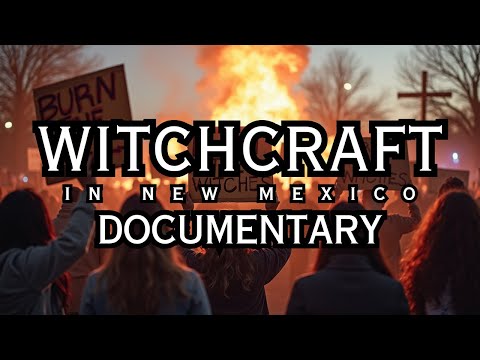
The idea that witches worship the devil is a persistent but inaccurate stereotype, largely stemming from historical persecutions and misinterpretations. For many modern witches, particularly those in Wiccan or Neo-Pagan traditions, their spirituality is earth-centered and may involve honoring a divine feminine principle, a horned god symbolizing nature's wildness and fertility, or simply the immanent divine present in all things. The focus is on personal empowerment, spiritual growth, and living a meaningful life connected to the natural world. The candid interviews featured in documentaries like the one that inspired this exploration often highlight these positive aspects, showing individuals who are peaceful, loving, and dedicated to personal and collective well-being. This is the reality of witchcraft traditions in New Mexico: a diverse, evolving, and deeply meaningful spiritual path rooted in respect, nature, and personal power.
FAQ: Wisdom from the Land of Enchantment
What are the primary witchcraft traditions found in New Mexico?
New Mexico hosts a diverse range of witchcraft traditions. These include indigenous spiritual practices, folk Catholicism with magical elements (like Curanderismo), traditional Wicca, eclectic witchcraft, chaos magick, and modern technological approaches like technomancy. The unique cultural fusion of the region means many practitioners blend multiple influences into their personal paths.
Are witches in New Mexico devil worshippers?
No, the common perception of witches as devil worshippers is a harmful myth. Most modern witches, especially those in New Mexico, do not worship or venerate figures like the devil. Their spiritual paths are often nature-based, focused on personal empowerment, honoring natural forces, or connecting with the divine feminine or masculine principles, rather than adhering to adversarial religious doctrines.
How does the New Mexico landscape influence witchcraft practices?
The unique geography of New Mexico—its deserts, mountains, and ancient sites—deeply influences local witchcraft. Practitioners often draw energy from the potent elemental forces of the land, incorporate desert plants and stones into their tools and rituals, and honor the cycles of nature as observed in the region. This connection fosters a sense of groundedness and respect for the earth.
Can I practice witchcraft in New Mexico if I'm not from a traditional background?
Absolutely. Many witchcraft traditions, especially modern ones like chaos magick and eclectic paths, emphasize personal experience and exploration. While respecting indigenous and historical traditions is vital, New Mexico's open spiritual environment often welcomes newcomers who are genuinely seeking knowledge and connection, encouraging them to find their own path through study, practice, and introspection.
What is Curanderismo and how does it relate to witchcraft?
Curanderismo is a traditional folk healing practice found in New Mexico and other parts of the Hispanic world. It combines elements of indigenous healing, folk Catholicism, and herbalism. While not strictly 'witchcraft' in all its forms, it shares many principles with magical practice, including the use of prayers, cleansing rituals, energy work, and a deep understanding of the spiritual and energetic dimensions of health and well-being. It represents a significant aspect of the region's spiritual and magical heritage.
Is it safe to publicly identify as a witch in New Mexico?
New Mexico tends to be more spiritually open and accepting than many other regions, partly due to its diverse cultural and religious landscape. Events like Bruja Fest demonstrate a growing visibility and community pride. However, as with any spiritual path outside the mainstream, individual experiences can vary. While threats are uncommon, maintaining discretion about intensely personal magical practices is always a wise personal choice for any practitioner.
About the author: Frater Alek0s is a veteran practitioner and researcher in the field of chaos magick. His work focuses on the practical and experimental application of occult techniques for self-development and reality exploration, demystifying esotericism for the modern practitioner.
Your Operation: Embracing the Magic of New Mexico
New Mexico's spiritual landscape offers a profound invitation to those seeking deeper connection and personal power. Whether you feel drawn to the ancient wisdom of indigenous traditions, the syncretic power of folk Catholicism, or the experimental freedom of modern magic, this land provides a potent backdrop for your journey. Don't let misconceptions hold you back from exploring the rich heritage of witchcraft traditions in New Mexico.
If you're looking to integrate modern tools into your practice, consider streamlining your sigil creation process. The problem of spending excessive time on the intricate details of sigil design can be a drain on creative energy. The frustration of a slightly off-kilter symbol can be distracting. That's why I highly recommend the Chaos Magick Sigil Generator. It takes your intention and swiftly transforms it into a unique, potent symbol, freeing you to focus on the crucial aspects of gnosis and release. It's an efficient tool that respects your time and energy, allowing you to experiment with sigil magic more effectively and integrate it seamlessly into your practice, honoring the adaptable spirit of New Mexico's own magical traditions.
The Lunar Phase Calculator tool, part of the cha0smagicklabs ecosystem, is built exactly for this kind of work.
Have you experienced or explored witchcraft traditions in New Mexico? What resonated most with you? Share your thoughts, experiences, or any misconceptions you'd like to clarify in the comments below. If this exploration of New Mexico's spiritual heart has sparked something within you, consider sharing it with fellow seekers who might benefit from this understanding.
witchcraft traditions new mexico new mexico paganism southwest witchcraft chaos magick new mexico curanderismo indigenous magic folk magic new mexico eclectic witchcraft land of enchantment magic spiritual paths new mexico magia del caos technomancy Chaos Magick Chaos Magick Sigil Generator sigilos curanderismo rituales creencia fe historia espiritualidad brujería wicca esoterismo magia misticismo ocultismo tradiciones magia práctica conocimiento poder naturaleza tierra conexión ancestros espíritus crecimiento personal transformación herramientas mágicas sigilos digitales technomancy herbolaria curación folk magic paganismo neo-paganismo eclectic witchcraft chaos magick magia ecléctica magia del caos bruja moderna practicante mago hechicero espiritual magia new mexico land of enchantment folk traditionsReferencias
- Cunningham, S. (1988). Wicca: A Guide for the Solitary Practitioner. Llewellyn Publications.
- Gardner, G. (1954). Witchcraft Today. Rider & Company.
- Valiente, D. (1962). Witchcraft for Tomorrow. Rider & Company.
- Starhawk (1979). The Spiral Dance. Harper & Row.
- Hutton, R. (1999). The Triumph of the Moon. Oxford University Press.
- Grimassi, R. (2000). Encyclopedia of Wicca & Witchcraft. Llewellyn Publications.
- Buckland, R. (1974). Buckland's Complete Book of Witchcraft. Llewellyn Publications.
- Farrar, J. (1981). Eight Sabbats for Witches. Robert Hale.
- Carroll, P. J. (1987). Liber Null & Psychonaut. Weiser Books.
- Spare, A. O. (1913). The Book of Pleasure. Self-published.
No hay comentarios:
Publicar un comentario