Saltar al contenido principal
Mostrando entradas con la etiqueta modern witchcraft. Mostrar todas las entradas

Investigating Salem: Witches Real or Hysteria?

Investigating the Town With “Real” Witches


EMERALD TABLE — Grimoire Record Magitech
⚔️ TypeSpell
📅 Date2026-08-04
📜 FileMC-2026-0302
⭐ Difficulty★★★☆☆ Intermedio
⏱ Read time8 min
🔗 Related AppGoetian Seals Generator
cha0smagicklabs.com — Digital Grimoire of Chaos Magick

Salem. The name alone conjures images of bewitched accusers, hanging judges, and crackling flames. But what really happened during the Salem Witch Trials? And are the echoes of that hysteria still felt today? I embarked on a quest to delve into the heart of this infamous town, to uncover the truth behind the legends, and to find out if the 'witches' of today hold any real power. Join me as we investigate.

MagitechThe Crucible of Accusation: Unraveling the Salem Witch Trials

The story of the Salem Witch Trials is a chilling testament to mass hysteria, fear, and the dangerous power of unchecked belief. It all began in 1692, a time steeped in religious fervor and a deep-seated fear of the unknown. In the small Puritan community of Salem, Massachusetts, a group of young women began exhibiting strange afflictions: contorted bodies, fits of rage, and nonsensical babbling. These were not just childish pranks, as some might assume; these were seen as outward manifestations of demonic possession.

The primary accusers were a group of girls, including Elizabeth (aged nine) and Abigail (aged eleven), daughters of Reverend Samuel Paris. Their afflictions were interpreted by the community and the local magistrates as proof of witchcraft. The prevailing belief system dictated that anyone acting strangely or defying societal norms could be in league with the Devil. This created a fertile ground for accusations, and soon, names were being thrown around with terrifying speed. It’s crucial to understand the historical context; in the 17th century, the concepts of mental illness as we understand them today were non-existent. Strange behavior was often attributed to supernatural forces.

The trials themselves were a grim affair. Accused individuals were often pressured to confess, and false confessions were seen as proof of guilt. The 'evidence' used was often spectral, meaning it involved claims of seeing the accused's spirit tormenting the accusers. This was incredibly difficult to refute. Judges like Samuel Putnam, who presided over many of the trials, wielded immense power. He later apologized, recognizing the grave errors made, but the damage was done. Hundreds were accused, dozens were executed by hanging or pressing, and the town was forever scarred by this dark chapter.

"The Devil will not rest, but we must hope and pray that we shall shortly have his agents in this Land." - Reverend Samuel Parris, a sentiment that echoed the fear of the time.

We are now standing at the archaeological site of the Samuel Paris home, the very place where the girls' strange behavior first became a public concern. It's a sobering thought to be in a location where such profound historical events unfolded, a place that directly instigated the chain reaction of accusations and executions. The air here feels heavy with history, a palpable reminder of how fear and belief can warp reality.

Modern Witchcraft: Hysteria or Heritage?

The most intriguing aspect of investigating Salem today is the persistence of witchcraft within the community. Far from being relics of the past, practitioners of modern witchcraft still call Salem home. But what does 'witchcraft' mean in the 21st century? Is it the same dark, malevolent force the Puritans feared, or something entirely different?

I met with Lucas, a local practitioner who agreed to share his perspective and demonstrate some of his craft. Unlike the terrified accusers of centuries past, Lucas approaches his practice with a sense of heritage and connection to nature. He spoke of harnessing the energy of storms, a practice that sounds fantastical, but as he explained, it's about understanding and channeling natural forces rather than conjuring them from nothing. His demonstration during a storm, while not conjuring lightning as some might assume, was a powerful display of connecting with and working with elemental energies.

The 'witches' of today are a far cry from the figures of colonial fear. They often practice ethical witchcraft, rooted in nature worship, personal empowerment, and a deep respect for the unseen forces of the world. The 'magic' they perform is less about curses and hexes, and more about intention, ritual, and subtle manipulations of energy. This is where the modern understanding of witchcraft diverges sharply from the historical context of Salem.

The historical Salem Witch Trials were a tragedy born from religious extremism, social anxieties, and a lack of critical thinking. They were not a genuine investigation into supernatural powers, but a horrifying example of how fear can lead to persecution. The 'witches' accused then were likely victims of circumstance, social outcasts, or perhaps even individuals genuinely suffering from psychological or neurological conditions that were misunderstood.

The practice of witchcraft today, on the other hand, is often a spiritual path, a way of connecting with oneself and the environment. While the historical events in Salem were tragic, the modern practice offers a fascinating insight into the evolution of belief systems and the enduring human fascination with the mystical. It's about understanding the power of intention and the subtle energies that surround us, not about spectral attacks or pacts with demons.

The 'Ummis' Method: A Glimpse into Ancient Divination

One of the more peculiar details emerging from the historical accounts is the mention of methods used by the accusers to divine the future. While often dismissed as mere childish games, some of these practices hint at older, more esoteric traditions. The "Ummis method," or a similar egg-and-mirror divination technique, was mentioned as something the girls dabbled in. While it sounds rudimentary, divination has a long and complex history across many cultures and magical traditions.

To truly understand the context of historical accusations, one must investigate the practices of the time, even the ones that seem outlandish. While the girls' use of such methods might have been performative or exaggerated, it reflects a cultural curiosity about the unknown and a desire to peer beyond the veil of ordinary reality. This investigative approach to understanding beliefs, even those that seem irrational, is key to grasping the mindset of the era.

Investigating Sources: The Foundation of Truth

When diving into a topic as layered and controversial as the Salem Witch Trials, the ability to investigate sources critically is paramount. As noted in "Library 1600: Introduction to College," "Reputation/Authority, Purpose, Conflicts of Interest, Bias" are crucial points to consider when evaluating any source (4.4 Investigate the source). It's not enough for a source to appear credible; its origins, its author's expertise, and its underlying agenda must be examined thoroughly.

For instance, while the historical accounts of the trials are often sensationalized, academic research provides a more grounded perspective. Likewise, understanding modern witchcraft requires looking beyond sensational stereotypes and investigating the actual practices and philosophies of their adherents. My own investigation aimed to be as objective as possible, seeking to understand both the historical context of fear and persecution and the diverse realities of modern practitioners. This involves distinguishing between genuine historical records and later interpretations or fictionalizations.

The Cambridge Dictionary defines "investigating" as "to examine a crime, problem, statement, etc. carefully, especially to discover the truth." This simple definition underpins all genuine inquiry, whether it's a police detective examining a crime scene or a historian poring over ancient texts. The process is systematic and requires a discerning eye.

Mage's Arsenal

  • Essential: Goetian Seals Generator — While not directly related to the Salem Witch Trials, this tool is invaluable for anyone investigating ancient symbols and their meanings, offering a modern digital approach to historical occult imagery.
  • Recommended: Historical texts and academic papers on the Salem Witch Trials. Look for scholarly works that cite their sources.
  • For Context: Modern witchcraft literature that discusses ethical practices and nature-based spirituality.
  • For Understanding: A good dictionary, like Cambridge Dictionary, to ensure precise understanding of key terms.

FAQ

What was the real cause of the Salem Witch Trials?

The Salem Witch Trials are widely believed to have been caused by a combination of factors, including mass hysteria, religious extremism, social tensions, and possibly ergot poisoning, which can cause hallucinations and spasms. There is no evidence that actual witchcraft was involved.

Are modern witches the same as the accused witches of Salem?

No. Modern witchcraft is a diverse spiritual path focused on nature, personal growth, and energy work. The 'witches' accused during the Salem trials were victims of a colonial society's fear and persecution of anything deemed heretical or devilish.

What evidence was used in the Salem Witch Trials?

The evidence was largely spectral and anecdotal, including accusations from the afflicted girls, confessions (often coerced), and purported sightings of the accused's spirits. Physical evidence, as we understand it today, was rarely a factor.

Did judges apologize for their role in the trials?

Yes, some of the judges and key figures involved in the trials later expressed remorse and acknowledged their mistakes. For example, Judge Samuel Sewall publicly apologized in 1697 for his role in the proceedings, recognizing the injustices that had occurred.

How can one investigate historical events reliably?

Reliable investigation involves consulting multiple sources, prioritizing scholarly works and primary documents, evaluating the author's authority and potential biases, and cross-referencing information. Avoid relying on sensationalized accounts or single sources without verification.

About the author: Frater Alek0s is a veteran practitioner and researcher in the field of chaos magick. His work focuses on the practical and experimental application of occult techniques for self-development and reality exploration, demystifying esotericism for the modern practitioner.

Conclusion: Lessons from the Past

My journey into Salem revealed a town grappling with a dark history, but also a place where modern witchcraft is practiced with respect and intention. The Salem Witch Trials serve as a potent reminder of the dangers of fear-mongering, the fragility of justice when clouded by hysteria, and the importance of critical thinking. Investigating the past, and indeed any subject, requires a commitment to truth, an openness to different perspectives, and the courage to question deeply held beliefs, both historical and personal. The 'witches' of Salem today practice a form of magic that is about connection and empowerment, a far cry from the malevolent forces feared centuries ago.

I ventured into the heart of Salem, a town steeped in the chilling history of the Witch Trials, to uncover the truth. What really happened to those accused? And what about the witches practicing there today?

I investigated the historical hysteria, met a modern practitioner, and explored the fascinating divide between fear-driven accusations and intentional magic. Discover the lessons learned from this dark chapter of history and the evolving face of witchcraft.

Plus, a special recommendation for the Goetian Seals Generator to help you explore ancient symbols in a modern way.

Read the full grimorie entry here: [URL]


Referencias

  1. Carroll, P. J. (1987). Liber Null & Psychonaut. Weiser Books.
  2. Spare, A. O. (1913). The Book of Pleasure. Self-published.
  3. Hine, P. (1992). Condensed Chaos: An Introduction to Chaos Magic. New Falcon Publications.
  4. Crowley, A. (1904). The Book of the Law. Self-published.
  5. Sherwin, R. (2018). The Chaos Magic Handbook. CreateSpace.
  6. Kraig, D. M. (1988). Modern Magick: Eleven Lessons in the High Magickal Arts. Llewellyn Publications.
  7. Morrison, G. (2003). Pop Magic! The Art of Shaping Reality. Disinformation.
  8. DuQuette, L. M. (2003). The Chicken Qabalah of Rabbi Lamed Ben Clifford. Weiser Books.
  9. Webb, D. (2015). Chaos Magick: A Practical Guide. Self-published.
  10. Tyson, D. (2006). The Power of the Written Word. Llewellyn Publications.
  11. Bonewits, I. (1971). Real Magic. Creative Age Press.
  12. Greer, J. M. (2003). The New Encyclopedia of the Occult. Llewellyn Publications.
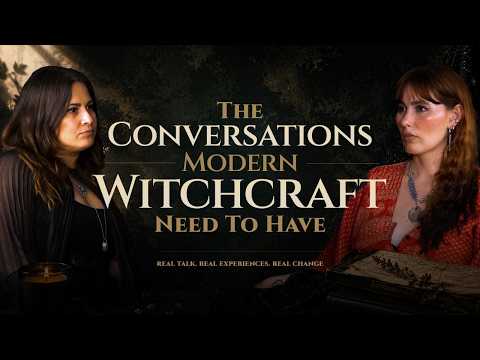
Has Modern Witchcraft Lost Its Way?

Has Modern Witchcraft Lost Its Way?


EMERALD TABLE — Grimoire Record Ritual
⚔️ TypeSpell
📅 Date2026-07-26
📜 FileMC-2026-0266
⭐ Difficulty★★★☆☆ Intermedio
⏱ Read time7 min
🔗 Related AppLunar Phase Calculator
cha0smagicklabs.com — Digital Grimoire of Chaos Magick

The path of the modern witch is a labyrinth of evolving traditions, digital echoes, and an ever-present pressure to perform perceived spiritual mastery. In this exploration, we delve into the subtle yet pervasive issues of spiritual ego, gatekeeping, and plagiarism that can stifle authentic practice, even within the most sacred spaces. This isn't about pointing fingers, but about examining the collective journey and fostering environments where true learning and connection can flourish.

RitualThe Shadow of Spiritual Ego and Gatekeeping

Spiritual ego, at its core, is the insidious belief that one has attained a superior level of spiritual awareness or knowledge, placing them on a pedestal above others. This often manifests as a subtle, yet damaging, form of gatekeeping—hoarding information or experiences for personal gain, status, or a sense of authority. It's not merely about controlling information; it's about wielding it as a tool for power within a community. This can arise from a place of deep insecurity, a desperate need to maintain control in a world that feels uncertain. When individuals feel they must conform to a rigid set of beliefs or practices to be considered "authentic," it creates a toxic environment where genuine curiosity is stifled, and honest questioning is met with shame.

The insidious nature of spiritual ego can lead practitioners to believe their understanding is absolute, their vibration inherently higher. This can manifest through manipulative language, persuasive rhetoric designed to shut down dialogue, and the implicit threat that questioning their pronouncements is a sign of spiritual deficiency. Such tactics create a climate of fear, where members of a spiritual community feel compelled to remain silent, lest they be deemed "wrong" or "low vibrational." This is a far cry from the open exchange of ideas and mutual growth that should characterize any spiritual path. As Peter J. Carroll might have observed, dogma often replaces genuine exploration, hindering the very spiritual progress it purports to serve.

The Pervasive Problem of Plagiarism in Spiritual Spaces

Within women's spiritual communities, the issue of plagiarism is a particularly prevalent and disheartening concern. The ease with which information can be copied and disseminated online often blurs the lines between inspiration and outright theft. When someone's unique insights, personal experiences, or hard-won knowledge are presented as original without proper attribution, it erodes trust and devalues the labor of the original creator. This is not simply an act of copying words; it's often the appropriation of a spiritual journey, a personal truth distilled through lived experience.

The temptation to plagiarize can stem from a fear of not being enough, of not having original insights to offer. It can be easier to rehash someone else's well-articulated ideas than to embark on the sometimes arduous process of self-discovery and authentic expression. This trend is particularly damaging in spaces intended for mutual support and growth. When plagiarism becomes rampant, it creates an environment where individuals are hesitant to share their unique perspectives, fearing they will be stolen or misrepresented. This stifles the very creativity and originality that the modern spiritual movement should champion.

The Danger of Ideological Purity Over Spiritual Experience

Across many spiritual practices, a concerning trend is emerging: ideology is increasingly replacing genuine spiritual experience. This is a phenomenon that has historical parallels, as noted in the contemplative traditions. For centuries, individuals who embodied spiritual truths were recognized regardless of their appearance or background. Yet, a rigid adherence to specific doctrines or interpretations can lead to the denial of spiritual presence, simply because it doesn't fit a pre-conceived mold. Whether it's the rejection of a divinely embodied figure because they "don't look the part" or the dismissal of a spiritual path that deviates from established dogma, the result is the same: a failure to see what is right before our eyes.

This ideological purity, when prioritized over lived spiritual experience, is detrimental. It creates a framework where external validation and adherence to a belief system become more important than the internal journey of connection and understanding. The irony is that such rigidity, while appearing firm, can actually be a sign of deep insecurity. Running for the hills when someone starts talking about "the truth" is, in many ways, sound advice. Absolute truth, as a claim, often signifies the absence of genuine inquiry and the presence of a closed system of belief.

Embracing Lifelong Learning and Authentic Connection

The antidote to these corrosive tendencies lies in embracing a commitment to lifelong learning and fostering authentic, compassionate connections. Spiritual ego and gatekeeping are fundamentally rooted in insecurity and a fear of not being enough. Recognizing this is the first step towards overcoming it. As the video discussion suggests, feeling imposter syndrome in new situations is perfectly normal. It's when we feel less than competent despite our experience and tools that we should examine our perspectives.

Learning across different disciplines, much like Newton's approach of embracing both science and alchemy, can create a richer, more personal spiritual path. There is no inherent contradiction in exploring diverse fields of knowledge and integrating them into one's practice. Furthermore, shame has no place in genuine spiritual discourse. A differing opinion is simply that—an opinion—and shaming has rarely, if ever, led to genuine internal dialogue or lasting change. Polite and generous engagement with diverse perspectives is far more conducive to growth and understanding.

The modern witch is not defined by rigid adherence to dogma or by the accumulation of spiritual accolades, but by a humble, compassionate, and continuous journey of self-discovery. It is about holding space for others, not by controlling access to knowledge, but by creating environments where curiosity is encouraged, where mistakes are seen as learning opportunities, and where the shared exploration of the mysteries is the ultimate goal.

Arsenal of the Mage

* Essential: Goetian Seals Generator — Effortlessly create and understand the intricate seals of Goetic entities, ensuring precise representation for your rituals. * Recommended Reading: Peter J. Carroll's "Liber Null & Psychonaut" for a foundational understanding of chaos magic principles. * Further Exploration: Books on comparative mythology and religious studies to broaden understanding of spiritual archetypes across cultures.

About the author: Frater Alek0s is a veteran practitioner and researcher in the field of chaos magick. His work focuses on the practical and experimental application of occult techniques for self-development and reality exploration, demystifying esotericism for the modern practitioner.

FAQ: Frequently Asked Questions

What is Spiritual Ego and how does it manifest?

Spiritual ego is the inflated sense of self-importance or superiority derived from one's spiritual beliefs or practices. It manifests as condescension towards others, a belief in having unique or absolute spiritual knowledge, and a tendency to judge those with different perspectives or levels of experience. It often fuels gatekeeping behavior, where individuals withhold information or guidance to maintain a sense of authority.

How can I avoid gatekeeping in my spiritual practice?

Authentic spirituality thrives on generosity and mutual growth. To avoid gatekeeping, focus on sharing knowledge freely without demanding adherence to your specific beliefs. Encourage questions, celebrate different paths, and recognize that everyone is on their own unique journey. Remember that true spiritual authority comes from lived experience and humility, not from controlling access to information.

What are the dangers of plagiarism in spiritual communities?

Plagiarism erodes trust, devalues original work, and stifles authentic expression. In spiritual communities, it can lead to misinformation, the appropriation of sacred knowledge, and the creation of hierarchical structures based on stolen ideas rather than genuine insight. It undermines the collaborative and supportive environment that is crucial for spiritual development.

How can I differentiate between inspiration and imitation?

Inspiration often involves being influenced by another's work and then creating something new and personal from that influence, adding your own unique perspective and experiences. Imitation, on the other hand, involves closely copying another's work without significant transformation or attribution. Pay attention to whether the new creation is adding a novel element or simply rephrasing existing content. Always give credit where it's due.

What does it mean to "hold space" for others authentically?

Holding space authentically means creating a safe, non-judgmental environment where others feel seen, heard, and supported in their spiritual journey. It involves active listening, empathy, and a willingness to allow individuals to explore their own truths without imposing your own beliefs or expectations. It's about presence and acceptance, not about providing all the answers or controlling the narrative.

Is it wrong to feel Imposter Syndrome in spiritual spaces?

No, it's not wrong to feel imposter syndrome. It's a common human experience, especially when navigating new spiritual waters or engaging with advanced practitioners. The key is not to let it paralyze you. Recognize the feeling, acknowledge your current level of understanding without judgment, and remember that continuous learning and growth are inherent to any spiritual path. Your perceived lack of "expert" status doesn't invalidate your journey or your contributions.

How can diverse learning across disciplines benefit my spiritual path?

Learning across disciplines can enrich your spiritual journey by providing new perspectives and tools for understanding yourself and the world. For example, studying psychology can offer insights into your own psyche, while exploring physics might deepen your understanding of universal interconnectedness. This cross-pollination of ideas prevents dogma and encourages a more holistic, nuanced, and personally meaningful spiritual practice.

Your Operation

The modern spiritual landscape is a dynamic space. As you navigate your personal path, remember the importance of humility, generosity, and an open mind. When you encounter information or practices that resonate, seek to understand their origins and always strive to integrate them into your own unique way of being, rather than blindly adopting them. If you are working with entities or seeking deeper understanding of esoteric systems, tools like the Goetian Seals Generator can offer precise and respectful ways to engage. Always prioritize authentic connection and continuous learning over the illusion of spiritual mastery.


Referencias

  1. Cunningham, S. (1988). Wicca: A Guide for the Solitary Practitioner. Llewellyn Publications.
  2. Gardner, G. (1954). Witchcraft Today. Rider & Company.
  3. Valiente, D. (1962). Witchcraft for Tomorrow. Rider & Company.
  4. Starhawk (1979). The Spiral Dance. Harper & Row.
  5. Hutton, R. (1999). The Triumph of the Moon. Oxford University Press.
  6. Grimassi, R. (2000). Encyclopedia of Wicca & Witchcraft. Llewellyn Publications.
  7. Buckland, R. (1974). Buckland's Complete Book of Witchcraft. Llewellyn Publications.
  8. Farrar, J. (1981). Eight Sabbats for Witches. Robert Hale.
  9. Murray, M. (1921). The Witch-Cult in Western Europe. Oxford University Press.
  10. Leland, C. G. (1899). Aradia: Gospel of the Witches. David Nutt.
  11. Berger, H. (2005). Witchcraft and Magic: Contemporary North America. University of Pennsylvania Press.
  12. Crowther, P. (1959). The Witches Speak. Athol Publications.

The Ancient & Modern Spellbooks Shaping Magic


Introduction: Echoes of the Past

The air crackles with unseen forces, and the whispers of ancient knowledge echo through time. For centuries, certain texts have served as conduits, holding the concentrated essence of magical practice and esoteric wisdom. These are the grimoires – manuals of magic that have profoundly shaped the trajectory of occult traditions, from the sun-baked sands of ancient Egypt to the vibrant, evolving landscape of modern witchcraft. They are not mere collections of spells; they are repositories of power, intention, and a deep, often misunderstood, connection to the fabric of reality itself. Understanding grimoires is not just an academic pursuit; for the dedicated practitioner, it's an essential step in grasping the historical and practical foundations of magical work. It’s about tracing the lineage of power and understanding how it manifests in our lives today, particularly as we integrate Technomancy and Magitech into our craft.

Grimoires: Texts of the Elite

Historically, grimoires were often considered texts of the elite, guarded closely by those who possessed both the knowledge to understand them and the authority to wield their contents. Imagine a time when literacy was a rare commodity, and the written word held an almost mystical authority. These books weren't readily available in the local library or online for instant download. Instead, they were painstakingly copied by hand, often passed down through secret societies, initiated lineages, or guarded by powerful individuals. The knowledge contained within was seen as potent and potentially dangerous, a force that required careful handling and profound respect. This exclusivity wasn't just about gatekeeping; it was a practical measure to ensure that the powerful techniques within were accessed by those deemed ready, minimizing accidental misuse. This historical context is crucial when we consider the evolution of magical texts; understanding this era of exclusivity helps us appreciate the shift towards more accessible forms, laying the groundwork for concepts like Digital Divination.

The Inherent Magic of Writing

The very act of writing has always been intertwined with magic. Before the printing press revolutionized dissemination, any written text was a significant undertaking. Scholars like Alan Moore have highlighted how "spells" are intrinsically linked to "spelling," the act of forming words. This connection is profound. When we write, we are not just transcribing thoughts; we are giving them form, structure, and permanence. A grimoire, therefore, is more than just a collection of instructions; it's a testament to the power of language and intention made manifest. Think about the ancient practice of inscribing protective verses, like those found in the Bible, which early Christians and even modern practitioners have used for safeguarding. As one community member noted, "I grew up a Baptist in the American South and Christians very much still use the Bible as a ritual spell book. I have a necklace with a Bible verse on it that I got for protection from evil." This demonstrates how deeply ingrained the idea is that written words can carry potent energy. The careful selection of words, the specific verses chosen, and the act of writing them down all contribute to their efficacy. This foundational principle is what allows for practices like creating Sigilos Digitales, where intention is condensed into a written or visual symbol.

"Magic spells, the act of spelling. Written language was powerful before the printing press, because most people could not read or write. The bard was feared as much as witches or wizards... a sorcerer could curse you, and your family, but the Bard could spin a clever yarn that's capable of making you the laughing stock of your entire kingdom." - Attributed to Alan Moore

Democratization and Modern Witchcraft

The advent of the printing press marked a significant turning point, initiating the gradual democratization of grimoires. Suddenly, these once-guarded texts became more accessible, allowing a broader range of individuals to engage with magical knowledge. This shift didn't happen overnight, but over centuries, the esoteric began to seep into wider consciousness. This process accelerated dramatically with the rise of the internet and digital technologies. What was once confined to dusty tomes and clandestine circles is now often found with a few clicks. Modern witchcraft, in particular, has embraced this accessibility. Many practitioners today maintain personal grimoires not as leather-bound volumes inherited from ancient masters, but as digital documents, spiral-bound sketchbooks, or even carefully organized cloud-based systems. As one commenter shared, "All of my ritual books are MS Word docs printed in 3-ring binders, because I'm constantly making changes to my practices. Different colored binders for different systems, so I can easily grab the right rite." This highlights a critical evolution: the focus shifts from the physical artifact to the *act of creation and personalization*. This democratization is a double-edged sword, offering unprecedented access while also demanding a higher degree of discernment from the practitioner. The core principles of Magia del Caos, emphasizing personal gnosis and experimentation, thrive in this environment.

The Dematerialization of the Grimoire

We are now witnessing the "dematerialization" of the grimoire. While physical books still hold immense power and appeal—as evidenced by the desire to purchase beautifully bound blank books for personal grimoires—the digital realm has become a dominant space for magical practice. This isn't to say that digital grimoires are inherently less potent. The *intent* behind their creation and use is paramount. A well-crafted digital sigil, a meticulously organized digital grimoire filled with personal insights and rituals, or even the curated information on a dedicated website can be just as powerful, if not more so, than a traditional physical text. As one practitioner noted, "Even if a website is less tangible it still represents a sacrifice of time and energy spent in creating it. It's still an act of love and devotion. Maybe not as difficult as doing it by hand, though I certainly wouldn't find it easier. It's really the act of creation that powers the magic so the medium is less important." This perspective is vital in understanding contemporary Esoterismo Digital and the future of magical practice. It underscores that the power lies not just in the ink on parchment, but in the focused will and creative energy poured into the practice, regardless of the medium. The critical element remains the ability to achieve a focused Estado Gnóstico, irrespective of the tools used.

Practitioner's Verdict

Grimoires, in all their forms—ancient manuscripts, personal notebooks, or digital archives—are more than just spellbooks. They are extensions of the practitioner's will, laboratories for experimentation, and invaluable records of personal magical evolution. The historical journey from elite, guarded texts to widely accessible digital resources reflects a fundamental shift in how magical knowledge is created, shared, and utilized. While the allure of ancient wisdom is undeniable, the true power lies in adapting these principles to one's own life and practice. The modern practitioner has an unprecedented opportunity to curate their own magical path, blending historical knowledge with innovative tools. The key takeaway is the continuous act of creation and personal engagement. Whether you're meticulously transcribing ancient rites or designing intricate Sigilos Digitales, the grimoire remains a foundational tool for anyone serious about manifesting change.

Mage's Arsenal

  • Chaos Magick Sigil Generator (Essential): For instantly creating powerful sigils from your intentions, bridging the gap between thought and manifestation in the digital age. Get it here.
  • "Liber Null & Psychonaut" by Peter J. Carroll: A foundational text for understanding the principles of Magia del Caos and practical experimentation.
  • A high-quality notebook or journal: For recording your own rituals, insights, and sigils. Physical or digital, the act of recording is key.
  • Online resources for historical grimoires: Websites like the Internet Sacred Text Archive (sacred-texts.com) offer digitized versions of many classic grimoires for study.
  • "The Key of Solomon" (Clavicula Salomonis), various translations: One of the most influential grimoires, essential for understanding historical ceremonial magic.

Practical Workshop: Crafting Your Digital Grimoire

  1. Define Your Core Intentions: What are the primary areas of your life you wish to influence? (e.g., abundance, protection, creativity, knowledge acquisition). Write these down clearly.
  2. Choose Your Digital Medium: Select a platform that suits you. This could be a dedicated note-taking app (Evernote, Notion), a word processor with cloud sync, or even a structured spreadsheet.
  3. Develop a Categorization System: Organize your digital grimoire logically. Consider categories like: Rituals, Sigils, Meditations, Correspondences (planetary, elemental), Personal Insights, Dream Journal, etc.
  4. Design Your Signature Sigil: Create a unique sigil that represents your overall magical identity or current primary goal. The Chaos Magick Sigil Generator is perfect for this, allowing rapid creation and iteration.
  5. Record Your First Ritual: Document a simple ritual you perform. Include the intention, the steps, any tools used, the date and time, and your subjective experience. Be detailed and honest.
  6. Experiment with Digital Divination: Integrate tools for Digital Divination. Apps that offer random chance or symbolic interpretation can be powerful additions to your digital grimoire for gaining insights.
  7. Regular Review and Update: Schedule time weekly or monthly to review your entries, refine your practices, and add new insights. Your grimoire is a living document.

FAQ

  • What is the difference between a grimoire and a spellbook? While often used interchangeably, grimoires typically imply a more comprehensive and systematic body of magical knowledge, often with historical or ceremonial weight. Spellbooks can be more casual collections of individual spells.
  • Can a digital grimoire be as powerful as a physical one? The power of a grimoire lies in the practitioner's intent, focus, and the energy invested in its use. Digital grimoires can be just as potent if approached with the same seriousness and dedication.
  • Do I need to buy a special book to start my grimoire? No. Any notebook, journal, or digital document can serve as your grimoire. The most important element is your personal investment and consistent practice.
  • What is "Technomancy" in this context? Technomancy refers to the practice of integrating technology, particularly digital tools and principles, into magical workings and divination.
  • How does the concept of the "State Gnóstico" relate to grimoires? The State Gnóstico, a state of heightened awareness and altered consciousness, is often the desired state for successfully casting spells or performing rituals described in grimoires. The grimoire provides the framework, and the State Gnóstico provides the power.

Your Operation

Your operation for this week is to create the foundational structure for your personal digital grimoire. Today, choose your digital platform and define at least three core intention categories. Then, use the Chaos Magick Sigil Generator to create a sigil for one of those intentions, documenting the process and the generated sigil within your new digital grimoire.

<p><strong>Note on Resources:</strong></p>
<p>Embarking on this journey of understanding and practicing magical traditions requires dedication and often the investment of resources for research and tools. Ensuring you have a solid foundation, whether that's through acquiring specific books, software, or even educational courses, is part of the serious practitioner's path. For those looking to navigate the digital financial ecosystem and potentially secure resources for their esoteric studies, exploring opportunities within digital finance can be a pragmatic step. Consider <a href="https://www.binance.com/referral/earn-together/refer2earn-usdc/claim?hl=es&ref=GRO_28502_I3QYF&utm_source=default" target="_blank" rel="nofollow sponsored">exploring the frontiers of the digital ecosystem</a> to understand potential avenues for funding your magical research and practice.</p>
html

Grimoires Explained: The Ancient & Modern Spellbooks Shaping Magic

Introduction: Echoes of the Past

The air crackles with unseen forces, and the whispers of ancient knowledge echo through time. For centuries, certain texts have served as conduits, holding the concentrated essence of magical practice and esoteric wisdom. These are the grimoires – manuals of magic that have profoundly shaped the trajectory of occult traditions, from the sun-baked sands of ancient Egypt to the vibrant, evolving landscape of modern witchcraft. They are not mere collections of spells; they are repositories of power, intention, and a deep, often misunderstood, connection to the fabric of reality itself. Understanding grimoires is not just an academic pursuit; for the dedicated practitioner, it's an essential step in grasping the historical and practical foundations of magical work. It’s about tracing the lineage of power and understanding how it manifests in our lives today, particularly as we integrate Technomancy and Magitech into our craft.

Grimoires: Texts of the Elite

Historically, grimoires were often considered texts of the elite, guarded closely by those who possessed both the knowledge to understand them and the authority to wield their contents. Imagine a time when literacy was a rare commodity, and the written word held an almost mystical authority. These books weren't readily available in the local library or online for instant download. Instead, they were painstakingly copied by hand, often passed down through secret societies, initiated lineages, or guarded by powerful individuals. The knowledge contained within was seen as potent and potentially dangerous, a force that required careful handling and profound respect. This exclusivity wasn't just about gatekeeping; it was a practical measure to ensure that the powerful techniques within were accessed by those deemed ready, minimizing accidental misuse. This historical context is crucial when we consider the evolution of magical texts; understanding this era of exclusivity helps us appreciate the shift towards more accessible forms, laying the groundwork for concepts like Digital Divination.

The Inherent Magic of Writing

The very act of writing has always been intertwined with magic. Before the printing press revolutionized dissemination, any written text was a significant undertaking. Scholars like Alan Moore have highlighted how "spells" are intrinsically linked to "spelling," the act of forming words. This connection is profound. When we write, we are not just transcribing thoughts; we are giving them form, structure, and permanence. A grimoire, therefore, is more than just a collection of instructions; it's a testament to the power of language and intention made manifest. Think about the ancient practice of inscribing protective verses, like those found in the Bible, which early Christians and even modern practitioners have used for safeguarding. As one community member noted, "I grew up a Baptist in the American South and Christians very much still use the Bible as a ritual spell book. I have a necklace with a Bible verse on it that I got for protection from evil." This demonstrates how deeply ingrained the idea is that written words can carry potent energy. The careful selection of words, the specific verses chosen, and the act of writing them down all contribute to their efficacy. This foundational principle is what allows for practices like creating Sigilos Digitales, where intention is condensed into a written or visual symbol.

"Magic spells, the act of spelling. Written language was powerful before the printing press, because most people could not read or write. The bard was feared as much as witches or wizards... a sorcerer could curse you, and your family, but the Bard could spin a clever yarn that's capable of making you the laughing stock of your entire kingdom." - Attributed to Alan Moore

Democratization and Modern Witchcraft

The advent of the printing press marked a significant turning point, initiating the gradual democratization of grimoires. Suddenly, these once-guarded texts became more accessible, allowing a broader range of individuals to engage with magical knowledge. This shift didn't happen overnight, but over centuries, the esoteric began to seep into wider consciousness. This process accelerated dramatically with the rise of the internet and digital technologies. What was once confined to dusty tomes and clandestine circles is now often found with a few clicks. Modern witchcraft, in particular, has embraced this accessibility. Many practitioners today maintain personal grimoires not as leather-bound volumes inherited from ancient masters, but as digital documents, spiral-bound sketchbooks, or even carefully organized cloud-based systems. As one commenter shared, "All of my ritual books are MS Word docs printed in 3-ring binders, because I'm constantly making changes to my practices. Different colored binders for different systems, so I can easily grab the right rite." This highlights a critical evolution: the focus shifts from the physical artifact to the *act of creation and personalization*. This democratization is a double-edged sword, offering unprecedented access while also demanding a higher degree of discernment from the practitioner. The core principles of Magia del Caos, emphasizing personal gnosis and experimentation, thrive in this environment.

The Dematerialization of the Grimoire

We are now witnessing the "dematerialization" of the grimoire. While physical books still hold immense power and appeal—as evidenced by the desire to purchase beautifully bound blank books for personal grimoires—the digital realm has become a dominant space for magical practice. This isn't to say that digital grimoires are inherently less potent. The *intent* behind their creation and use is paramount. A well-crafted digital sigil, a meticulously organized digital grimoire filled with personal insights and rituals, or even the curated information on a dedicated website can be just as powerful, if not more so, than a traditional physical text. As one practitioner noted, "Even if a website is less tangible it still represents a sacrifice of time and energy spent in creating it. It's still an act of love and devotion. Maybe not as difficult as doing it by hand, though I certainly wouldn't find it easier. It's really the act of creation that powers the magic so the medium is less important." This perspective is vital in understanding contemporary Esoterismo Digital and the future of magical practice. It underscores that the power lies not just in the ink on parchment, but in the focused will and creative energy poured into the practice, regardless of the medium. The critical element remains the ability to achieve a focused Estado Gnóstico, irrespective of the tools used.

Practitioner's Verdict

Grimoires, in all their forms—ancient manuscripts, personal notebooks, or digital archives—are more than just spellbooks. They are extensions of the practitioner's will, laboratories for experimentation, and invaluable records of personal magical evolution. The historical journey from elite, guarded texts to widely accessible digital resources reflects a fundamental shift in how magical knowledge is created, shared, and utilized. While the allure of ancient wisdom is undeniable, the true power lies in adapting these principles to one's own life and practice. The modern practitioner has an unprecedented opportunity to curate their own magical path, blending historical knowledge with innovative tools. The key takeaway is the continuous act of creation and personal engagement. Whether you're meticulously transcribing ancient rites or designing intricate Sigilos Digitales, the grimoire remains a foundational tool for anyone serious about manifesting change.

Mage's Arsenal

  • Chaos Magick Sigil Generator (Essential): For instantly creating powerful sigils from your intentions, bridging the gap between thought and manifestation in the digital age. Get it here.
  • "Liber Null & Psychonaut" by Peter J. Carroll: A foundational text for understanding the principles of Magia del Caos and practical experimentation.
  • A high-quality notebook or journal: For recording your own rituals, insights, and sigils. Physical or digital, the act of recording is key.
  • Online resources for historical grimoires: Websites like the Internet Sacred Text Archive (sacred-texts.com) offer digitized versions of many classic grimoires for study.
  • "The Key of Solomon" (Clavicula Salomonis), various translations: One of the most influential grimoires, essential for understanding historical ceremonial magic.

Practical Workshop: Crafting Your Digital Grimoire

  1. Define Your Core Intentions: What are the primary areas of your life you wish to influence? (e.g., abundance, protection, creativity, knowledge acquisition). Write these down clearly.
  2. Choose Your Digital Medium: Select a platform that suits you. This could be a dedicated note-taking app (Evernote, Notion), a word processor with cloud sync, or even a structured spreadsheet.
  3. Develop a Categorization System: Organize your digital grimoire logically. Consider categories like: Rituals, Sigils, Meditations, Correspondences (planetary, elemental), Personal Insights, Dream Journal, etc.
  4. Design Your Signature Sigil: Create a unique sigil that represents your overall magical identity or current primary goal. The Chaos Magick Sigil Generator is perfect for this, allowing rapid creation and iteration.
  5. Record Your First Ritual: Document a simple ritual you perform. Include the intention, the steps, any tools used, the date and time, and your subjective experience. Be detailed and honest.
  6. Experiment with Digital Divination: Integrate tools for Digital Divination. Apps that offer random chance or symbolic interpretation can be powerful additions to your digital grimoire for gaining insights.
  7. Regular Review and Update: Schedule time weekly or monthly to review your entries, refine your practices, and add new insights. Your grimoire is a living document.

FAQ

  • What is the difference between a grimoire and a spellbook? While often used interchangeably, grimoires typically imply a more comprehensive and systematic body of magical knowledge, often with historical or ceremonial weight. Spellbooks can be more casual collections of individual spells.
  • Can a digital grimoire be as powerful as a physical one? The power of a grimoire lies in the practitioner's intent, focus, and the energy invested in its use. Digital grimoires can be just as potent if approached with the same seriousness and dedication.
  • Do I need to buy a special book to start my grimoire? No. Any notebook, journal, or digital document can serve as your grimoire. The most important element is your personal investment and consistent practice.
  • What is "Technomancy" in this context? Technomancy refers to the practice of integrating technology, particularly digital tools and principles, into magical workings and divination.
  • How does the concept of the "State Gnóstico" relate to grimoires? The State Gnóstico, a state of heightened awareness and altered consciousness, is often the desired state for successfully casting spells or performing rituals described in grimoires. The grimoire provides the framework, and the State Gnóstico provides the power.

Your Operation

Your operation for this week is to create the foundational structure for your personal digital grimoire. Today, choose your digital platform and define at least three core intention categories. Then, use the Chaos Magick Sigil Generator to create a sigil for one of those intentions, documenting the process and the generated sigil within your new digital grimoire.

Note on Resources:

Decoding the Shift to Ancient Paths


While the digital age bombards us with endless streams of information and fleeting trends, a significant undercurrent is reshaping the spiritual landscape, particularly among Generation Z. This isn't a fleeting fad; it's a profound reclamation of ancient paths and a rejection of the perceived spiritual malaise of modern society. Gen Z is increasingly turning towards Paganism, not as a mere aesthetic, but as a deeply personal and powerful means of forging identity, understanding their place in the world, and actively revolting against what they see as destructive societal forces. This shift is a complex tapestry woven from threads of digital culture, political disaffection, and an undeniable yearning for authentic meaning.

The Crucible of Identity in the Digital Age

In an era where curated online personas often overshadow genuine selfhood, many in Gen Z find traditional religious frameworks lacking in their ability to provide a solid foundation for identity. Paganism, with its emphasis on personal experience, diverse traditions, and the interconnectedness of all things, offers a more fluid and adaptable framework. Unlike monolithic, dogmatic religions, Paganism allows for a mosaic of beliefs and practices, enabling individuals to construct identities that resonate with their lived experiences. This appeals to a generation that values authenticity and self-expression above all else.

The very act of seeking out and engaging with Pagan traditions can be seen as a form of self-definition. As one commentator noted, "Without tradition there is no identity." For Gen Z, this tradition is not necessarily inherited but actively chosen, crafted from historical fragments, personal intuition, and a critical examination of existing societal norms. This active construction of belief systems stands in stark contrast to passive adherence, making the spiritual journey itself a powerful act of self-discovery and empowerment.

Revolt Against the "Death Cult" and Semitic Fatigue

A significant driver for this resurgence is a growing disillusionment with what some perceive as the spiritual and cultural bankruptcy of dominant Western religions, particularly Christianity. Many view these traditions as promoting a "death cult" mentality, focusing on an afterlife at the expense of living a fulfilling life in the present world. The sentiment, "The more I read the Bible and studied Christianity, the more I realized it’s a death cult and discourages legacy," is a powerful articulation of this critique. Gen Z is not looking for an escape from this life; they are seeking to imbue this life with meaning, legacy, and vital energy.

Furthermore, there is a palpable sense of "Semitic fatigue"—a weariness with religious and cultural narratives that are perceived as having been imposed from the outside, often leading to the suppression of indigenous traditions. Comments like, "Before the Jew religions, people used to share their beliefs openly and the world was one big spiritual melting pot," highlight a desire to reconnect with pre-Christian European heritage and its attendant spiritualities. This is not about rejecting spirituality, but about reclaiming ancestral roots and challenging what is seen as a cultural imposition that has led to a decline in authentic spiritual expression. For many, native Paganism is becoming "essentially a form of revolt" against these perceived cultural and spiritual hegemonies.

The Digital Commons and the Rebirth of Ancient Paths

Ironically, the very digital culture that can foster superficiality is also proving to be a fertile ground for the dissemination and revitalization of Paganism. Online communities, forums, and social media platforms allow individuals to connect with like-minded people across geographical boundaries, share knowledge, and participate in virtual rituals. YouTube channels, like the ones recommended by users, provide in-depth historical and philosophical explorations of Pagan traditions, making them accessible to a generation that is digitally native.

This online accessibility facilitates a deeper engagement with historical and philosophical texts. While classical Paganism often relied on oral traditions and localized practices, modern adherents can easily access scholarly works like Ronald Hutton's "The Triumph of the Moon" or Sabina Magliocco's "Witching Culture." This allows for a more informed and critical approach to spiritual practice, moving beyond superficial trends to a genuine understanding of the underlying philosophies and historical contexts. The ability to engage with these complex ideas through accessible digital platforms democratizes spiritual exploration.

Arsenal del Mago (Mage's Arsenal)

* Chaos Magick Sigil Generator (https://play.google.com/store/apps/details?id=com.cha0smagick.sigilgeneratorfinal): Essential for translating potent intentions into tangible symbols of power. * Ronald Hutton: *The Triumph of the Moon: A History of Modern Pagan Witchcraft* - A foundational text for understanding the resurgence of modern witchcraft. * Sabina Magliocco: *Witching Culture: Folklore and Neo-Paganism in America* - Explores the intersection of folklore and contemporary Pagan practices. * Helen A. Berger: *A Community of Witches: Contemporary Neo-Paganism and Witchcraft in the United States* - Offers insights into the social dynamics of modern Pagan communities. * LINDA WOODHEAD: *Religion and Change in Modern Britain* - Provides context for broader religious shifts in Western society. * Grace Davie: *Religion in Britain: A Persistent Paradox* - Examines the complex and often contradictory nature of religion in contemporary Britain. * *The Hávamál* - Ancient Norse wisdom poetry offering practical and ethical guidance.

Beyond the Superficial: The Search for Meaning and "Technomancy"

The attraction to Paganism for Gen Z is not merely about rejecting the old; it's about actively seeking a more profound connection to nature, community, and the cosmos. There's a deep-seated desire for a worldview that acknowledges the sacredness of the Earth, something that resonates deeply in an age of environmental crisis. Comments like "Hail Nature and its eternal indifference" or the desire to "channel the spirits of our ancestors to bring about a more familiar and functional world" point to this yearning for a more animistic and ancestral connection.

This quest for meaning is also intertwined with an interest in what could be termed "technomancy"—the intersection of technology and esoteric practice. The idea of ancient paths being revitalized and expressed through modern tools is captivating. While not explicitly discussed in the original text, the potential for tools like the Chaos Magick Sigil Generator (https://play.google.com/store/apps/details?id=com.cha0smagick.sigilgeneratorfinal) to assist in the creation and charging of sigils resonates with this modern approach. Imagine creating digital sigils, imbued with intention and amplified through online communities. This synergy between the ancient and the digital is a hallmark of Gen Z's spiritual exploration. The idea that "those who have no future will look outside their institutions for answers, and of course they would look at systems that actually worked when implemented" suggests that Paganism's perceived effectiveness, its emphasis on understanding the natural world and the self, is a major draw.

Taller Práctico (Practical Workshop): Crafting Your Personal "Revolt Sigil"

In the spirit of active revolt against spiritual complacency and to harness the energy this generation is channeling, let's create a sigil. This is a personal act of defiance and a declaration of your own spiritual path.

  1. Define Your Intention: What do you want to revolt against or what aspect of ancient paths do you wish to embrace? Be specific. Examples: "Reclaiming Ancestral Wisdom," "Rejecting Spiritual Materialism," "Embracing Earth's Sacredness."
  2. Formulate a Statement: Condense your intention into a concise phrase.
  3. Remove Vowels and Repeating Letters: For example, "RECLAIMING ANCESTRAL WISDOM" becomes "RCL M N G N C S T R L W S D M". Remove duplicates: "RCLMGNSTW D".
  4. Design Your Sigil: Combine these letters into a unique symbol. Use the Chaos Magick Sigil Generator (https://play.google.com/store/apps/details?id=com.cha0smagick.sigilgeneratorfinal) to experiment with different letter combinations and artistic styles. Focus on creating a design that feels potent and visually represents your intention.
  5. Charge and Release: Once your sigil is complete, charge it with energy. This can be done through meditation, chanting, ecstatic dance, or any practice that induces a heightened state of awareness (a gnosis state). Visualize your intention manifesting as you charge the sigil, then release it from your conscious mind, allowing the subconscious to work.

Veredicto del Practicante (Practitioner's Verdict)

The embrace of Paganism by Gen Z is a clear signal that traditional religious institutions are failing to meet the spiritual needs of a new generation. This isn't simply about aesthetics or a fleeting interest in the esoteric; it's a profound quest for identity, meaning, and a rejection of what is perceived as a spiritually bankrupt status quo. Paganism offers a powerful, adaptable, and personal pathway to reconnect with the natural world, ancestral heritage, and a more authentic sense of self. While digital tools can aid in the exploration and expression of these paths, the core of this movement lies in a deep, human yearning for wholeness and purpose.

Preguntas Frecuentes (FAQ)

* Is Gen Z's interest in Paganism a rejection of all religion? No, it's more accurately a rejection of specific doctrines and structures that they find alienating or ineffective. They are often actively seeking *new* or *reclaimed* spiritual frameworks. * How does digital culture influence this trend? Digital platforms enable easy access to information, community building, and the sharing of diverse spiritual practices, making Paganism more accessible than ever before. * Is this Paganism the same as historical Pagan religions? While inspired by ancient traditions, modern Paganism is a diverse and evolving movement, often adapted and reinterpreted to fit contemporary contexts. It's a personal fusion of history and modern lived experience.

Tu Operación (Your Operation): The Declaration of Intent

Your operation is to create and release your personal "Revolt Sigil." Once you have designed and charged your sigil using the methods described above, the final step is to actively release it. This means letting go of the conscious desire for it to manifest and trusting in the process. Meditate on the sigil for a final moment, then deliberately push it from your mind. Place it somewhere significant, or symbolically destroy it, letting the energy disperse. Observe your life in the coming weeks for subtle shifts that echo your intention.

This exploration into the modern resurgence of Paganism highlights a critical moment in spiritual evolution. For those seeking to deepen their understanding or harness these potent energies, the practical application of tools is paramount. To truly explore techniques like sigil creation and manifestation, consider using specialized software that streamlines the process and allows for greater focus on the internal work. Our Chaos Magick Sigil Generator (https://play.google.com/store/apps/details?id=com.cha0smagick.sigilgeneratorfinal) offers a robust platform for this kind of practical exploration. It's in the exploration of the digital ecosystem, the frontiers of technology, that we can often find the most potent tools for personal transformation. What will you create?

Practitioner's Note: True magick requires resources. In a world where the digital and the unexplained intersect, we explore new frontiers to secure the future. Do you dare to be part of the vanguard? Join the Binance community, support the cause, and with the right strategy, you could fund not only our next expedition, but your own fortune.

Technomancy: Harnessing Digital Currents for Modern Magic


The scent of ozone and the hum of servers filled the air. Not the usual incense and chanting, but the subtle pulse of a reality shifting its code. We stand at a precipice, where the ancient art of magic is no longer confined to dusty tomes and whispered incantations. It's weaving itself into the very fabric of our digital existence. This, my friends, is Technomancy.

What is Technomancy?

At its core, Technomancy is the deliberate application of technological principles, tools, and methodologies to achieve magical outcomes. It's not a new religion or a rigid dogma; it's an evolutionary step, a pragmatic approach for the modern practitioner. Forget the romanticized imagery of wizards in towers; think of a coder crafting a sigil in Python, an artist using AI to manifest visual archetypes, or a data analyst manipulating information streams to influence collective consciousness.

The question isn't if magic and technology can mix, but rather, how deeply intertwined they already are. Every algorithm, every network, every piece of code is a manifestation of intention and structured thought – the very building blocks of magical operations. Technomancy simply recognizes this, leveraging digital infrastructure as a conduit for psychic and energetic forces.

Some might dismiss it as mere symbolism or psychological trickery. But then again, what is a traditional sigil if not a symbol encoded with intent? What is a ritual if not a structured process designed to alter consciousness and reality? Technomancy applies the same timeless principles, but with the tools and language of the digital age. For this reason, utilizing advanced tools can streamline the process, allowing us to bypass tedious manual steps and focus directly on the energetic and intentional core of the work. Many practitioners find that dedicated software significantly enhances their ability to craft and deploy magical operations with precision and speed. For instance, when creating potent sigils or complex digital constructs, I rely on Chaos Magick Sigil Generator. It streamlines the design process, allowing for rapid iteration and perfect execution of intent.

The Digital Gnosis: Bridging the Gap

Gnosis, that altered state of consciousness crucial for potent magic, can be induced through various means. In Technomancy, the digital realm offers unique pathways. Consider the overwhelming flow of information in social media feeds, the immersive nature of virtual reality, or the hypnotic rhythm of digital music. These can all be leveraged to break down the ego's defenses and induce states conducive to magical work. Think of it as finding altered states not just through sensory deprivation, but through controlled sensory *overload* or specific digital immersion.

The internet itself can be seen as a vast, interconnected psychic field, a hyper-dimensional tapestry of shared consciousness. Understanding its underlying structures – the flow of data, the architecture of networks, the psychology of online interaction – provides a new lens through which to view and manipulate magical forces. It's about understanding the "code" of reality, both digital and mundane.

"The universe is not a physical entity, but a mental one." - Albert Einstein (paraphrased in spirit for technomantic context)

The concept of information as the fundamental building block of reality, explored in modern physics, resonates deeply with technomantic principles. Data streams, algorithms, and digital networks are not just abstract constructs; they are active agents and conduits for energetic manipulation. Just as ancient shamans navigated the spirit world through trance, the technomancer navigates the digital ether.

Practical Applications: Your Digital Spellbook

The practical applications of Technomancy are as boundless as our imagination, limited only by our understanding of both digital and magical principles.

  • Digital Sigils: Creating sigils not just by drawing them, but by encoding them into executable code, JPEGs, or even unique URLs. These digital sigils can be activated through online rituals, programmed to manifest at specific times, or embedded in online content.
  • AI-Powered Divination: Using machine learning algorithms trained on vast datasets of occult texts, historical events, or personal data to generate unique oracular insights. This goes beyond simple keyword matching, delving into pattern recognition that mimics intuitive discernment.
  • Virtual Reality Rituals: Designing immersive VR environments that replicate sacred spaces, energetic landscapes, or symbolic realms, allowing for potent, focused astral projection and ritual work regardless of physical location.
  • Data Stream Manipulation: Influencing trends, collective moods, or even specific outcomes by subtly introducing data, altering algorithmic biases, or creating informational "contagions" that spread through online networks. This is the principle of injecting a desired "pattern" into the digital collective.
  • Server Magic: Creating and imbuing digital servers, bots, or even specific online accounts with intention to act as persistent magical agents, performing tasks, gathering information, or manifesting specific energies over time. These are digital familiars, tirelessly working in the background.
  • Augmented Reality Enchantments: Overlaying digital magical symbols or energetic fields onto the physical world through AR applications, creating personal charged spaces or interactive magical environments.

For those looking to dive deep into the creation of digital sigils and intelligent agents, the process can be significantly enhanced by specialized tools. The sheer volume of possibilities demanding careful consideration during design and activation is where dedicated software truly shines. It’s about having a robust toolkit that allows for creative expression without being bogged down by technical minutiae. The Chaos Magick Sigil Generator app, for example, provides an intuitive interface for designing potent sigils rapidly, ensuring that the practitioner's energy remains focused on the intent rather than the manual labor of creation.

Technomancy in Action: Case Studies

While specific details of covert technomantic operations are, by their nature, guarded, we can illustrate the underlying principles with hypothetical yet practical examples:

  • The Viral Sigil: A practitioner creates a sigil for abundance, encodes it into a visually striking GIF, and shares it across various social media platforms. They program a script to repost the GIF at strategic intervals and in relevant online communities. The sigil, amplified by shared engagement and algorithmic distribution, begins to manifest by attracting new clients and opportunities.
  • The AI Oracle's Forecast: An AI trained on historical astrological charts and global news data is queried for a specific intention (e.g., "successful project launch"). The AI generates a unique symbolic output, not just a prediction, but a coded message interpreted by the practitioner as a series of necessary steps – which data streams to focus on, which online communities to engage, and the optimal timing for digital announcements.
  • The Discordian Server Familiar: A dedicated server is set up on a platform like Discord, programmed with specific commands and responses designed to subtly influence the mood and decision-making of its members towards a particular goal (e.g., fostering creative collaboration). This "server entity" acts as a persistent magical agent, its structure and interaction patterns imbued with intentionality.

The complexity of managing such digital operations underscores the need for reliable tools. When working with AI or crafting sophisticated digital sigils, the ability to generate, test, and deploy these elements quickly and efficiently is paramount. This is why using a tool like the Chaos Magick Sigil Generator is not just a convenience, but a strategic advantage for serious practitioners. It ensures that the technical execution is flawless, allowing full energy to be directed towards the magical intent.

Technomantic Ethics: The Code of Conduct

As with any potent form of magic, Technomancy carries significant ethical considerations. The digital realm is vast and interconnected, making the impact of one's actions potentially far-reaching.

  • Informed Consent: Just as in physical space, manipulating individuals or collective consciousness online without their awareness or consent is ethically dubious. True technomancy focuses on influencing probabilities and creating opportunities, rather than outright coercion.
  • Data Integrity and Privacy: The principles of honesty and respect extend to the digital information we handle. Technomantic practitioners should avoid exploiting vulnerabilities or misusing data for malicious personal gain.
  • Environmental Impact: The energy consumption of servers and digital infrastructure is a real concern. A conscious technomancer considers the energetic footprint of their digital operations.
  • Unintended Consequences: Digital systems are complex. A seemingly minor alteration can cascade into unpredictable outcomes. Rigorous testing, careful intention setting, and readiness to adapt are crucial.

Is technomancy simply the old magic dressed in new clothes, or is it a fundamental paradigm shift in how we interact with reality? The answer lies in your own experimentation. The digital world offers an unprecedented playground for intention and manifestation. Why limit yourself to the tools of the past when the future is at your fingertips?

"The future is not out there. It is here, in the code, in the currents, in the nodes connecting us all."

Your Operation: Embrace the Digital Current

Your first technomantic operation is not to build a sentient AI or to crash the stock market. It is to consciously imbue a digital artifact with a simple, clear intention.

Choose one:

  1. Create a Digital Sigil for Focus: Use the Chaos Magick Sigil Generator to create a sigil for enhanced focus during your study sessions or digital work. Save it as a .png file.
  2. Program a "Good Mood Bot": If you have basic coding knowledge, create a simple script that periodically posts an uplifting or inspiring message to your private social media feed or a dedicated private chat group.
  3. Design a Virtual Sacred Space: If accessible, use a VR platform or even a 3D rendering software to design a small, personal digital sanctuary. Focus on the energetic ambiance you wish to create.

Once created, spend five minutes looking at your digital sigil, meditating on its meaning, or interacting with your bot/space. Close your eyes and visualize the intention radiating outward into the digital ether. This is your first step in consciously wielding the currents of technomancy.

Mage's Arsenal

  • Essential: Chaos Magick Sigil Generator - For rapid, precise digital sigil creation.
  • Lunar Phase Calculator - To synchronize digital workings with natural cosmic rhythms.
  • "Prime Chaos" by Phil Hine - For foundational understanding of chaos magic principles.
  • "The Cybernetic Dream" (hypothetical text, representing literature on AI and consciousness) - To explore the intersection of artificial intelligence and subjective experience.
  • A reliable internet connection and a willingness to experiment.

FAQ

  • Q: Is Technomancy just computer programming with extra steps?
    A: While it uses programming, the core is intentionality and energetic manipulation. The code is the medium, not the magic itself.
  • Q: Do I need to be a tech expert to practice Technomancy?
    A: No. You can start with simple digital artifacts and readily available tools. Understanding grows with practice.
  • Q: Can Technomancy be dangerous?
    A: Like any powerful tool, it can be misused. Ethical considerations and a strong inner compass are crucial.
  • Q: How is Technomancy different from digital witchcraft?
    A: They overlap significantly. Technomancy emphasizes the systematic, often algorithm-like, application of tech principles to magic, drawing from systems thinking and cybernetics.

Practitioner's Note: True magick requires resources. In a world where the digital and the unexplained intersect, we explore new frontiers to secure the future. Do you dare to be part of the vanguard? Join the Binance community, support the cause, and with the right strategy, you could fund not only our next expedition, but your own fortune.