
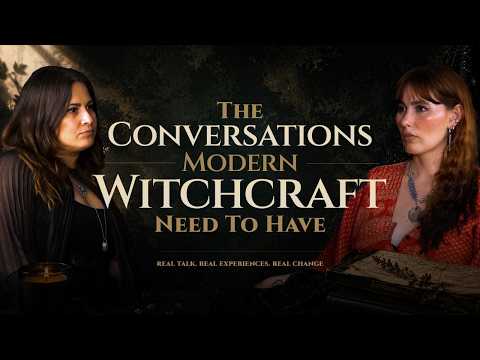
The path of the modern witch is a labyrinth of evolving traditions, digital echoes, and an ever-present pressure to perform perceived spiritual mastery. In this exploration, we delve into the subtle yet pervasive issues of spiritual ego, gatekeeping, and plagiarism that can stifle authentic practice, even within the most sacred spaces. This isn't about pointing fingers, but about examining the collective journey and fostering environments where true learning and connection can flourish.
RitualThe Shadow of Spiritual Ego and Gatekeeping
Spiritual ego, at its core, is the insidious belief that one has attained a superior level of spiritual awareness or knowledge, placing them on a pedestal above others. This often manifests as a subtle, yet damaging, form of gatekeeping—hoarding information or experiences for personal gain, status, or a sense of authority. It's not merely about controlling information; it's about wielding it as a tool for power within a community. This can arise from a place of deep insecurity, a desperate need to maintain control in a world that feels uncertain. When individuals feel they must conform to a rigid set of beliefs or practices to be considered "authentic," it creates a toxic environment where genuine curiosity is stifled, and honest questioning is met with shame.
Table of Contents
The insidious nature of spiritual ego can lead practitioners to believe their understanding is absolute, their vibration inherently higher. This can manifest through manipulative language, persuasive rhetoric designed to shut down dialogue, and the implicit threat that questioning their pronouncements is a sign of spiritual deficiency. Such tactics create a climate of fear, where members of a spiritual community feel compelled to remain silent, lest they be deemed "wrong" or "low vibrational." This is a far cry from the open exchange of ideas and mutual growth that should characterize any spiritual path. As Peter J. Carroll might have observed, dogma often replaces genuine exploration, hindering the very spiritual progress it purports to serve.
The Pervasive Problem of Plagiarism in Spiritual Spaces
Within women's spiritual communities, the issue of plagiarism is a particularly prevalent and disheartening concern. The ease with which information can be copied and disseminated online often blurs the lines between inspiration and outright theft. When someone's unique insights, personal experiences, or hard-won knowledge are presented as original without proper attribution, it erodes trust and devalues the labor of the original creator. This is not simply an act of copying words; it's often the appropriation of a spiritual journey, a personal truth distilled through lived experience.
The temptation to plagiarize can stem from a fear of not being enough, of not having original insights to offer. It can be easier to rehash someone else's well-articulated ideas than to embark on the sometimes arduous process of self-discovery and authentic expression. This trend is particularly damaging in spaces intended for mutual support and growth. When plagiarism becomes rampant, it creates an environment where individuals are hesitant to share their unique perspectives, fearing they will be stolen or misrepresented. This stifles the very creativity and originality that the modern spiritual movement should champion.
The Danger of Ideological Purity Over Spiritual Experience
Across many spiritual practices, a concerning trend is emerging: ideology is increasingly replacing genuine spiritual experience. This is a phenomenon that has historical parallels, as noted in the contemplative traditions. For centuries, individuals who embodied spiritual truths were recognized regardless of their appearance or background. Yet, a rigid adherence to specific doctrines or interpretations can lead to the denial of spiritual presence, simply because it doesn't fit a pre-conceived mold. Whether it's the rejection of a divinely embodied figure because they "don't look the part" or the dismissal of a spiritual path that deviates from established dogma, the result is the same: a failure to see what is right before our eyes.
This ideological purity, when prioritized over lived spiritual experience, is detrimental. It creates a framework where external validation and adherence to a belief system become more important than the internal journey of connection and understanding. The irony is that such rigidity, while appearing firm, can actually be a sign of deep insecurity. Running for the hills when someone starts talking about "the truth" is, in many ways, sound advice. Absolute truth, as a claim, often signifies the absence of genuine inquiry and the presence of a closed system of belief.
Embracing Lifelong Learning and Authentic Connection
The antidote to these corrosive tendencies lies in embracing a commitment to lifelong learning and fostering authentic, compassionate connections. Spiritual ego and gatekeeping are fundamentally rooted in insecurity and a fear of not being enough. Recognizing this is the first step towards overcoming it. As the video discussion suggests, feeling imposter syndrome in new situations is perfectly normal. It's when we feel less than competent despite our experience and tools that we should examine our perspectives.
Learning across different disciplines, much like Newton's approach of embracing both science and alchemy, can create a richer, more personal spiritual path. There is no inherent contradiction in exploring diverse fields of knowledge and integrating them into one's practice. Furthermore, shame has no place in genuine spiritual discourse. A differing opinion is simply that—an opinion—and shaming has rarely, if ever, led to genuine internal dialogue or lasting change. Polite and generous engagement with diverse perspectives is far more conducive to growth and understanding.
The modern witch is not defined by rigid adherence to dogma or by the accumulation of spiritual accolades, but by a humble, compassionate, and continuous journey of self-discovery. It is about holding space for others, not by controlling access to knowledge, but by creating environments where curiosity is encouraged, where mistakes are seen as learning opportunities, and where the shared exploration of the mysteries is the ultimate goal.
Arsenal of the Mage
* Essential: Goetian Seals Generator — Effortlessly create and understand the intricate seals of Goetic entities, ensuring precise representation for your rituals. * Recommended Reading: Peter J. Carroll's "Liber Null & Psychonaut" for a foundational understanding of chaos magic principles. * Further Exploration: Books on comparative mythology and religious studies to broaden understanding of spiritual archetypes across cultures.
About the author: Frater Alek0s is a veteran practitioner and researcher in the field of chaos magick. His work focuses on the practical and experimental application of occult techniques for self-development and reality exploration, demystifying esotericism for the modern practitioner.
FAQ: Frequently Asked Questions
What is Spiritual Ego and how does it manifest?
Spiritual ego is the inflated sense of self-importance or superiority derived from one's spiritual beliefs or practices. It manifests as condescension towards others, a belief in having unique or absolute spiritual knowledge, and a tendency to judge those with different perspectives or levels of experience. It often fuels gatekeeping behavior, where individuals withhold information or guidance to maintain a sense of authority.
How can I avoid gatekeeping in my spiritual practice?
Authentic spirituality thrives on generosity and mutual growth. To avoid gatekeeping, focus on sharing knowledge freely without demanding adherence to your specific beliefs. Encourage questions, celebrate different paths, and recognize that everyone is on their own unique journey. Remember that true spiritual authority comes from lived experience and humility, not from controlling access to information.
What are the dangers of plagiarism in spiritual communities?
Plagiarism erodes trust, devalues original work, and stifles authentic expression. In spiritual communities, it can lead to misinformation, the appropriation of sacred knowledge, and the creation of hierarchical structures based on stolen ideas rather than genuine insight. It undermines the collaborative and supportive environment that is crucial for spiritual development.
How can I differentiate between inspiration and imitation?
Inspiration often involves being influenced by another's work and then creating something new and personal from that influence, adding your own unique perspective and experiences. Imitation, on the other hand, involves closely copying another's work without significant transformation or attribution. Pay attention to whether the new creation is adding a novel element or simply rephrasing existing content. Always give credit where it's due.
What does it mean to "hold space" for others authentically?
Holding space authentically means creating a safe, non-judgmental environment where others feel seen, heard, and supported in their spiritual journey. It involves active listening, empathy, and a willingness to allow individuals to explore their own truths without imposing your own beliefs or expectations. It's about presence and acceptance, not about providing all the answers or controlling the narrative.
Is it wrong to feel Imposter Syndrome in spiritual spaces?
No, it's not wrong to feel imposter syndrome. It's a common human experience, especially when navigating new spiritual waters or engaging with advanced practitioners. The key is not to let it paralyze you. Recognize the feeling, acknowledge your current level of understanding without judgment, and remember that continuous learning and growth are inherent to any spiritual path. Your perceived lack of "expert" status doesn't invalidate your journey or your contributions.
How can diverse learning across disciplines benefit my spiritual path?
Learning across disciplines can enrich your spiritual journey by providing new perspectives and tools for understanding yourself and the world. For example, studying psychology can offer insights into your own psyche, while exploring physics might deepen your understanding of universal interconnectedness. This cross-pollination of ideas prevents dogma and encourages a more holistic, nuanced, and personally meaningful spiritual practice.
Your Operation
The modern spiritual landscape is a dynamic space. As you navigate your personal path, remember the importance of humility, generosity, and an open mind. When you encounter information or practices that resonate, seek to understand their origins and always strive to integrate them into your own unique way of being, rather than blindly adopting them. If you are working with entities or seeking deeper understanding of esoteric systems, tools like the Goetian Seals Generator can offer precise and respectful ways to engage. Always prioritize authentic connection and continuous learning over the illusion of spiritual mastery.
Referencias
- Cunningham, S. (1988). Wicca: A Guide for the Solitary Practitioner. Llewellyn Publications.
- Gardner, G. (1954). Witchcraft Today. Rider & Company.
- Valiente, D. (1962). Witchcraft for Tomorrow. Rider & Company.
- Starhawk (1979). The Spiral Dance. Harper & Row.
- Hutton, R. (1999). The Triumph of the Moon. Oxford University Press.
- Grimassi, R. (2000). Encyclopedia of Wicca & Witchcraft. Llewellyn Publications.
- Buckland, R. (1974). Buckland's Complete Book of Witchcraft. Llewellyn Publications.
- Farrar, J. (1981). Eight Sabbats for Witches. Robert Hale.
- Murray, M. (1921). The Witch-Cult in Western Europe. Oxford University Press.
- Leland, C. G. (1899). Aradia: Gospel of the Witches. David Nutt.
- Berger, H. (2005). Witchcraft and Magic: Contemporary North America. University of Pennsylvania Press.
- Crowther, P. (1959). The Witches Speak. Athol Publications.
No hay comentarios:
Publicar un comentario