
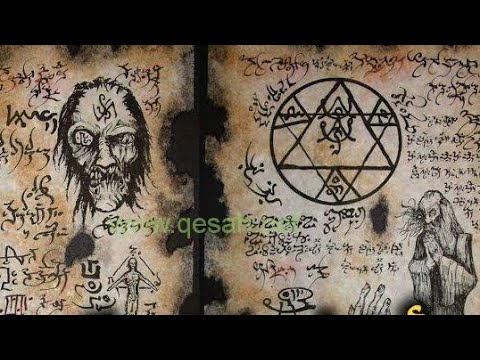
The grimoire, an ancient repository of arcane knowledge, often contains texts that whisper of forbidden paths and potent forces. Among these, few stir as much fear and fascination as *Shams al-Ma'arif* (The Sun of Gnosis), also known as *Ibn al-Arif*. This text, shrouded in mystery and legend, is often described as the most dangerous book in the world. But is this reputation deserved, or is it merely fear of the unknown amplified by rumor? Let's delve into the grim realities and practical applications that surround this notorious tome.
GoetiaUnveiling "Shams al-Ma'arif": A Deep Dive into Forbidden Lore
*Shams al-Ma'arif* holds a unique, and often terrifying, place in the history of magical literature and occult studies across the Islamic and Arab world. Some view it as a valuable text for spiritual practices and Sufism, offering insights into esoteric wisdom. Others, however, recoil from it, labeling it as the most dangerous book globally due to its alleged association with powerful, and potentially malevolent, entities and forbidden rituals. The very name conjures images of dark arts, whispered incantations, and encounters with forces beyond mortal comprehension.
Table of Contents
The core of *Shams al-Ma'arif*'s fearsome reputation lies in its purported content. It is said to contain detailed instructions for invoking jinn, understanding divine names for practical (and often manipulative) purposes, and performing rituals that could drastically alter one's reality. While some practitioners might seek these texts for spiritual enlightenment or the acquisition of hidden knowledge, the sheer power described within its pages has led to widespread apprehension. The potential for misuse, or for the practitioner to fall prey to the entities they attempt to control, is a constant, chilling undercurrent.
The text itself is often debated in terms of its authorship and authenticity. While attributed to Ahmad al-Buni, a renowned Persian scholar of magic and mysticism who lived around the 13th century, the *Shams al-Ma'arif* as we know it today is likely a compilation and revision by various hands over centuries. This layering of knowledge, combined with its esoteric nature, contributes to its enigmatic aura. The very act of seeking such knowledge is, for many, a step onto a perilous path.
The Perilous Path: Why This Grimoire is Not for the Faint of Heart
The fear surrounding *Shams al-Ma'arif* is not entirely unfounded. The grimoire delves into practices that, in many spiritual traditions, are considered taboo or outright dangerous. The primary concern often revolves around the invocation and manipulation of jinn or other entities. These beings, by their very nature, are considered to be beyond human understanding and control. Attempting to bind them or compel them to one's will is seen as an act of extreme hubris, with potentially catastrophic consequences for the practitioner.
The text allegedly details elaborate rituals, the use of specific seals and talismans, and the precise pronunciation of divine names and incantations designed to command these entities. The complexity and the inherent risks involved mean that a single misstep, a poorly understood phrase, or a wrongly drawn seal could have dire repercussions. These could range from psychological torment and spiritual entanglement to more severe afflictions, as suggested by some community comments describing ongoing suffering after engaging with the book.
Furthermore, the concept of "divine names" and their manipulation for worldly gain is a double-edged sword. While some traditions view the understanding and utilization of these names as a path to spiritual elevation, *Shams al-Ma'arif* is reputed to detail methods for using them for more mundane, and potentially selfish, purposes such as wealth, power, or influencing others. This utilitarian approach to sacred knowledge is often seen as corrupting and dangerous, inviting negative karmic consequences or attracting unwanted attention from darker forces.
However, it's crucial to differentiate between the fear-mongering and the practical application of such potent texts. Like any powerful tool, *Shams al-Ma'arif* could, in theory, be used for beneficial purposes if approached with immense wisdom, discipline, and a profound understanding of its underlying principles. Yet, the sheer volume of warnings and anecdotal evidence of negative outcomes cannot be ignored. The consensus, even among those fascinated by the occult, is that approaching this grimoire without extreme caution and adequate preparation is akin to playing with fire.
Practical Applications and Misconceptions
While the sensationalist aspects of *Shams al-Ma'arif* often dominate discussions, it's worth exploring what actual practical applications might exist, and separating them from common misconceptions.
1. Understanding Esoteric Symbolism and Numerology: Many ancient magical texts, including *Shams al-Ma'arif*, contain intricate systems of numerology, gematria, and symbolic correspondences. Studying these aspects can offer a deeper understanding of universal patterns and how different cultures have perceived hidden connections between the mundane and the divine. This analytical approach can be beneficial for any occult practitioner, regardless of their tradition.
2. The Study of Divine Names and Their Power: The concept of divine names holding inherent power is a cornerstone of many mystical traditions. *Shams al-Ma'arif* is said to catalog and explain the specific uses of these names. While the book may present methods that are considered dangerous or unorthodox by mainstream spiritual paths, the underlying principle of the power of the Word and focused intention is a potent magical concept. For instance, understanding how divine names are believed to correlate with specific forces or attributes can inform one's own practice of mantra or devotional prayer.
3. Historical and Anthropological Significance: From a scholarly perspective, *Shams al-Ma'arif* is an invaluable window into historical occult practices, beliefs, and the psychological landscape of the eras in which it was compiled and circulated. It offers insights into the societal anxieties and aspirations of the time, the prevalent understanding of cosmology, and the methods employed by those who sought to interact with the unseen.
4. The Dangers of Uncontrolled Energy and Intent: The warnings embedded within the lore surrounding *Shams al-Ma'arif* serve as a crucial reminder of the dangers of wielding powerful forces without proper control and ethical grounding. The community comments, while sometimes filled with hyperbole, also reflect a genuine fear and experience of negative consequences. This highlights a timeless principle in magic: intent is paramount, but so is the practitioner's ability to manage and direct the energies they channel.
Misconceptions: It is crucial to distinguish between the book's purported content and its actual tangible effects when handled without proper understanding. The idea that the book itself is inherently cursed, rather than the *practices* described within it being dangerous, is a common misconception. The power lies in the knowledge and the application of that knowledge, not in the paper and ink. However, the sheer potency of the rituals described means that engaging with them carries a significant risk.
The Goetian Seals Generator: A Modern Tool for Ancient Powers
Engaging with texts like *Shams al-Ma'arif*, even for historical study, requires a profound understanding of symbolic representation. The seals and talismans described within such grimoires are not mere drawings; they are complex conduits of energy, designed to represent specific entities or intentions. Attempting to replicate these intricate designs without precision can lead to significant misunderstandings and unintended consequences. This is where modern tools can offer a bridge between ancient knowledge and contemporary practice.
For those who wish to explore the symbolic language and potent energies associated with traditional grimoires, the Goetian Seals Generator is an invaluable resource. This application provides a precise and reliable way to generate and understand the complex seals of Goetia, the demonic hierarchy often discussed in occult literature. Rather than risking errors by hand-drawing intricate symbols, the generator ensures accuracy, allowing practitioners to focus on the intent and the energetic charge.
For example, if one is studying the entities mentioned in texts like *Shams al-Ma'arif* or the *Lesser Key of Solomon*, the Goetian Seals Generator can accurately depict the sigils associated with them. This allows for a safer and more informed approach to understanding or interacting with these forces, should one choose to do so after extensive study and preparation. The tool removes the potential for error in the critical step of symbol creation, which is a significant hurdle when dealing with such potent archetypes.
Conclusion: Respect the Power, Seek Understanding
*Shams al-Ma'arif* remains an object of significant debate and apprehension. It represents a potent intersection of spiritual inquiry and dangerous magical practice. While some may dismiss it as mere superstition, its enduring presence and the sheer volume of lore surrounding it suggest a deeper, albeit perilous, significance.
Whether viewed as a spiritual guide, a dangerous compendium of forbidden arts, or a historical artifact, *Shams al-Ma'arif* demands respect. The warnings are clear: this is not a text to be trifled with, nor is it a casual read. For those drawn to its mysteries, a path of rigorous study, ethical consideration, and profound humility is essential. The true danger often lies not in the book itself, but in the practitioner's readiness—or lack thereof—to confront the immense forces it purports to command.
---
Mage's Arsenal
* Essential: Goetian Seals Generator - Accurately generate and study intricate Goetic seals, ensuring precision in your symbolic work. * Recommended Reading: Peter J. Carroll's *Liber Null & Psychonaut* for a modern perspective on chaos magic principles. * Reference: Any scholarly works on Islamic occultism or history of magic for contextual understanding. * Caution: Extreme discretion and a solid foundation in magical ethics are advised.About the author: Frater Alek0s is a veteran practitioner and researcher in the field of chaos magick. His work focuses on the practical and experimental application of occult techniques for self-development and reality exploration, demystifying esotericism for the modern practitioner.
FAQ: Frequently Asked Questions
Is "Shams al-Ma'arif" the most dangerous book in the world?
While *Shams al-Ma'arif* is widely considered one of the most dangerous grimoires due to its alleged content and the risks associated with its practices, definitively labeling it "the most dangerous" is subjective. Danger in magical texts often stems from the potential for misuse or the practitioner's lack of preparedness, rather than inherent malevolence in the book itself. However, the power and nature of the entities and rituals described necessitate extreme caution.Can "Shams al-Ma'arif" be used for good?
In theory, any knowledge can be applied for beneficial purposes. If approached with immense wisdom, spiritual discipline, ethical grounding, and a deep understanding of its complex symbolism, some practitioners might find aspects of the text useful for esoteric study or certain spiritual practices. However, the prevailing consensus and numerous warnings suggest that the risks associated with its more potent rituals far outweigh potential benefits for most individuals.What are the main dangers associated with "Shams al-Ma'arif"?
The primary dangers are associated with the alleged rituals for invoking and controlling entities such as jinn. Miscalculations, incorrect pronunciations, or a lack of control can lead to severe psychological distress, spiritual entanglement, or other negative spiritual afflictions for the practitioner. The manipulation of divine names for selfish purposes is also considered spiritually hazardous.Do I need to be a Muslim to study "Shams al-Ma'arif"?
No, you do not need to be Muslim to study *Shams al-Ma'arif*. However, understanding the cultural, religious, and historical context from which the text emerged is crucial for a comprehensive and respectful study. The grimoire is deeply rooted in Islamic esoteric traditions, and a lack of awareness of this background can lead to misinterpretations.What modern tools can help with studying ancient grimoires?
Modern tools can assist in understanding the symbolic language and precise execution of magical practices described in ancient texts. For example, applications like the Goetian Seals Generator can ensure accuracy when dealing with complex sigils and seals found in related occult literature, mitigating the risk of errors in symbol replication.Referencias
- Carroll, P. J. (1987). Liber Null & Psychonaut. Weiser Books.
- Spare, A. O. (1913). The Book of Pleasure. Self-published.
- Hine, P. (1992). Condensed Chaos: An Introduction to Chaos Magic. New Falcon Publications.
- Crowley, A. (1904). The Book of the Law. Self-published.
- Sherwin, R. (2018). The Chaos Magic Handbook. CreateSpace.
- Kraig, D. M. (1988). Modern Magick: Eleven Lessons in the High Magickal Arts. Llewellyn Publications.
- Morrison, G. (2003). Pop Magic! The Art of Shaping Reality. Disinformation.
- DuQuette, L. M. (2003). The Chicken Qabalah of Rabbi Lamed Ben Clifford. Weiser Books.
- Webb, D. (2015). Chaos Magick: A Practical Guide. Self-published.
- Tyson, D. (2006). The Power of the Written Word. Llewellyn Publications.
- Bonewits, I. (1971). Real Magic. Creative Age Press.
- Greer, J. M. (2003). The New Encyclopedia of the Occult. Llewellyn Publications.
No hay comentarios:
Publicar un comentario