
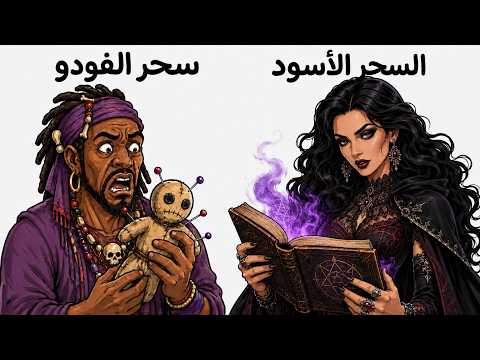
The arcane arts, often veiled in shadow and steeped in mystery, have captivated humanity for millennia. What truly lies behind rituals whispered in hushed tones, symbols etched into ancient stones, and practices that deviate from the mundane? This exploration delves into the heart of the world's most notorious and potent magical traditions, separating historical fact from sensationalized myth. We aim not to teach or incite, but to illuminate the historical and cultural significance of practices often labeled as the most dangerous types of magic worldwide.
Our journey will demystify practices from the Voodoo of New Orleans and its infamous poppet dolls to the shadowy realms of Black Magic, the enigmatic allure of Egyptian sorcery, the Kabbalistic dance with letters and numbers, the nature-focused paths of Wicca, the cosmic divinations of astrology, and the potent forces of Red Magic. We aim to provide context, separating documented historical practices and ancient beliefs from the exaggerated tales spun by fiction and film.
Table of Contents
Are you prepared to peer behind the curtain of the occult? Let us embark on this illuminating, and at times unsettling, expedition.
LunarThe Labyrinth of Magic: Understanding the Terms
Before we dissect each tradition, it's crucial to establish common ground regarding terminology. The very definition of "magic" is fluid, often encompassing rituals, spells, divination, and the manipulation of energies or entities for specific aims—ranging from healing and protection to influence and control. Terms like "Black Magic," "Voodoo," "Kabbalah," "Wicca," "Astrology," and "Red Magic" carry significant cultural weight and historical baggage, often misunderstood or sensationalized. This guide seeks to provide a clearer, more nuanced perspective on each.
The 7 Most Dangerous Types of Magic Explored
The following traditions are frequently cited when discussing potent or "dangerous" forms of magic, often due to their historical impact, the intensity of their practices, or the cultural perception surrounding them.
1. Voodoo: Beyond the Doll
Often misrepresented, Voodoo (or Vodou) is a complex religious and spiritual tradition with roots in West African Vodun, Haitian history, and elements of Catholicism. While its portrayal in popular culture is dominated by pins and dolls, the reality is far more profound.
Historical Context: Originating from enslaved Africans in Haiti, Vodou served as both a spiritual anchor and a means of cultural preservation. Its syncretic nature, blending African deities (Loa) with Catholic saints, allowed practitioners to maintain their spiritual heritage under oppressive regimes.
The 'Dangerous' Aspect: The Voodoo doll, or *figa*, is often depicted as a tool for inflicting harm—a malicious act of sympathetic magic. In reality, dolls can be used for various purposes, including healing, protection, or even to bind an individual's spirit for positive intent. The "danger" perception often stems from isolated instances of misuse or deliberate misrepresentation, rather than the core tenets of the faith. Misconceptions also arise from the concept of *zombification*, a practice historically tied to social control and fear within Haitian folklore, though its magical efficacy is debated and often viewed as distinct from mainstream Vodou practice.
Practitioner's Perspective: For a Hoodoo practitioner, or someone within the broader tradition, the focus is often on spiritual cleansing, petitioning spirits for aid, and working with natural energies. Misuse of any spiritual practice, including Voodoo, can lead to negative repercussions for the practitioner as well as the target.
2. Black Magic: The Shadow of Intentions
Black magic is perhaps the most universally feared category, often defined by its perceived malevolent intent. It is the umbrella term for magical practices believed to be used for selfish gain, harm, or manipulation of others against their will.
Defining the Boundaries: The line between what constitutes "black magic" and other forms of magic can be blurry and is often subjective. A ritual that one tradition deems necessary for protection might be considered aggressive by another. However, the common thread is the perceived intent to cause harm, exert undue control, or exploit spiritual forces for personal, unethical advantage.
Historical & Cultural Views: Across many religions and cultures, practices associated with Black Magic are forbidden and considered an offense against divine order or natural law. These can range from curses and hexes to necromancy (communication with the dead for malevolent purposes) and pacts with dark entities.
The practitioner's view: Many modern occultists, particularly those within Chaos Magic, reject the rigid dichotomy of "Black" and "White" magic. Peter J. Carroll, a key figure in Chaos Magic, often emphasized that belief itself is a tool, and intent dictates the outcome. However, even within these philosophies, there's an understanding of direct, harmful intent versus working with "darker" energies for self-empowerment or transformation. The "danger" here lies in the ethical implications and the potential for karmic or energetic backlash.
3. Kabbalah: The Mystical Geometry of the Divine
Kabbalah, a mystical tradition within Judaism, is often misunderstood as a form of magic. While it employs potent symbolism, numerology (Gematria), and meditative practices, its core is theological and deeply spiritual, focused on understanding the divine nature and the creation of the universe.
The Kabbalistic Tree of Life: At its heart is the Tree of Life, a diagram of 10 *sephiroth* (divine emanations) and 22 paths, representing the journey of the soul and the structure of reality. Kabbalists use this to understand God, creation, and the human soul.
Misconceptions as Magic: The emphasis on Hebrew letters, their numerical values (Gematria), and the complex permutations of divine names has led some to believe Kabbalah is a system for manipulating reality through arcane words and symbols—akin to a secret spellbook. While certain Kabbalistic techniques involve visualizations and affirmations intended to influence spiritual realms or manifest desires, the primary goal remains spiritual enlightenment and deeper connection with the Divine.
The 'Dangerous' Aspect: The danger, if any, arises from misapplication. Attempting to use Kabbalistic principles for purely selfish or manipulative ends, without the profound spiritual grounding intended, could be seen as a perversion of the tradition. Furthermore, delving into certain esoteric paths without proper guidance or preparation can lead to psychological imbalance.
4. Ancient Egyptian Sorcery: Echoes of the Nile
The mystique of Ancient Egypt, with its grand pyramids, enigmatic hieroglyphs, and powerful pharaohs, is intrinsically linked to notions of potent sorcery. The Egyptians possessed a complex understanding of the spiritual world, and their practices were deeply integrated into daily life and governance.
The Role of Magic (Heka): Magic, or *Heka*, was considered a fundamental force of creation, a divine power wielded by the gods and, by extension, by priests and pharaohs. It was used for healing, protection, divination, and ensuring the cosmic order (*Ma'at*). The Book of the Dead, for instance, contains spells and rituals designed to guide the deceased safely through the underworld and attain eternal life.
Perceptions of Danger: The "danger" in Egyptian sorcery often relates to curses and the perceived ability to manipulate life and death. The lore surrounding powerful spells, the wrath of gods like Sekhmet, and the enigmatic nature of their burial rituals contribute to this mystique. However, it's crucial to remember that *Heka* was an integral part of their religious and social fabric, aiming to maintain balance and cosmic order rather than simply cause chaos.
Practitioner's Interpretation: For those who study and practice based on ancient texts, the focus is on understanding this divine force, its relationship with the gods, and its role in maintaining harmony. It's about reverence for a profound spiritual system.
5. Wicca: The Witchcraft of the Modern Age
Wicca is a contemporary Neopagan religion that is often misunderstood as a singular form of witchcraft, when in fact it is one of many, albeit influential, witchcraft traditions. Its practice emphasizes the reverence of nature, the divine feminine and masculine, and the use of spells and rituals for personal growth, healing, and manifestation.
Core Tenets: Wiccans typically worship a Goddess and a God, celebrate seasonal festivals (Sabbats) and lunar phases (Esbats), and follow a code of ethics such as the Wiccan Rede: "An it harm none, do what ye will." This principle underscores a commitment to avoiding harm, both to oneself and to others.
The 'Witchcraft' Stigma: The term "witchcraft" itself carries centuries of negative association, often equated with malevolent magic and devil worship, largely due to historical persecution. While some modern witchcraft traditions may incorporate darker energies or explore shadow work, Wicca, in its core principles, is inherently nature-centric and rooted in positive intent and ethical conduct.
A Modern Practitioner's View: A practicing Wiccan would likely emphasize the spiritual connection to nature, the cycles of life, and the empowerment that comes from working with energy. The "danger" perception is a relic of historical fear and misunderstanding, not reflective of Wicca's actual practice, which prioritizes healing and well-being.
6. Astrology and Divination: Reading the Cosmic Threads
Astrology, the study of celestial bodies' influence on human affairs and the natural world, and various forms of divination (like Tarot or scrying) are practices aimed at understanding patterns, predicting future possibilities, and gaining insight.
Divination's Purpose: These practices are tools for introspection and guidance. Astrology charts can reveal personality traits, potential life paths, and periods of opportunity or challenge. Tarot cards, when read by a skilled practitioner, offer symbolic interpretations of current energies and potential outcomes. The aim is not predetermined fate, but an understanding of influences and probabilities.
The 'Danger' of Fatalism: The perceived danger lies in the potential for fatalism or disempowerment. If one believes their fate is entirely predetermined by the stars or a deck of cards, they might abdicate personal responsibility. Furthermore, misinterpretations or overly deterministic readings can induce anxiety or lead practitioners to make poor decisions based on fear rather than empowered choice.
The Practitioner's Stance: A modern mystic using astrology or Tarot sees these as tools for self-awareness and navigating life's journey. They provide a framework for understanding cycles and influences, empowering the individual to make informed choices rather than dictating an unchangeable destiny. The key is using these as guides, not gospel.
7. Red Magic: The Unseen Power of Love and Control
Red Magic, often referred to as love magic or enchantment, deals with influences related to attraction, passion, emotional bonds, and sometimes, control over others' affections. Its association with "danger" stems from the ethical considerations of manipulating free will.
Intent and Ethics: Historically, love spells and charms have been used across cultures to attract a desired partner, strengthen existing relationships, or influence emotions. The controversy arises when these practices veer into coercion or attempt to override genuine consent.
The Dark Side of Desire: While some traditions might differentiate between binding spells for existing relationships versus those forcing affection, any practice attempting to control another's free will is ethically fraught. The "danger" is not just in the potential for backlash if the spell is ethically unsound, but in the moral compromise of infringing upon another's autonomy.
The Modern Perspective: For many practitioners today, love magic focuses on attraction and enhancing one's own magnetic qualities, or on strengthening existing bonds through positive energy. It’s about drawing what you desire through your own energetic field and intention, rather than forcefully imposing it on another. Tools and practices associated with Red Magic, like the Goetian Seals Generator, can assist in focusing intent, but their ethical application is paramount. The true power lies in understanding and harnessing one's own attractive energies responsibly.
***
This overview is intended for educational purposes, offering a glimpse into practices that have shaped human belief and ritual across diverse cultures. Remember, the true "danger" often lies not in the practice itself, but in the intent behind it and the ethical framework of the practitioner.
For those interested in responsibly exploring the energetic principles behind certain symbols and their application, tools like the Goetian Seals Generator can be invaluable. They offer a structured way to focus intent and visualize complex sigils, providing a modern technological approach to ancient esoteric practices.
---
Mage's Arsenal
* Essential: Goetian Seals Generator - Generate and explore Goetic seals for focused intent and ceremonial practice. * Further Reading: Peter J. Carroll's works on Chaos Magic (e.g., *Liber Null & Psychonaut*) for a perspective on belief as a tool and the rejection of rigid magical disciplines. * Historical Context: Academic texts on Comparative Religion and Ancient Egyptian Mythology.
About the author: Frater Alek0s is a veteran practitioner and researcher in the field of chaos magick. His work focuses on the practical and experimental application of occult techniques for self-development and reality exploration, demystifying esotericism for the modern practitioner.
FAQ: Frequently Asked Questions
What is the difference between Voodoo and Black Magic?
Voodoo is a distinct religious tradition with its own pantheon of spirits (Loa) and practices, often focused on healing and spiritual connection, though it has been stereotyped and misrepresented. Black Magic is a broader, often subjective, term for any magic believed to be used with malicious intent to harm or control others. While Voodoo *can* be misused, it is not inherently "Black Magic."
Is Kabbalah truly magic, or is it purely spiritual?
Kabbalah is a profound mystical tradition within Judaism focused on understanding the Divine and creation. While it uses complex symbolism, numerology, and meditative practices that can be *applied* in ways that resemble magic (e.g., manifestation), its original and primary purpose is spiritual enlightenment and theological understanding, not manipulation of reality for selfish ends.
If Wicca is not harmful, why is witchcraft often feared?
The fear of witchcraft and Wiccans is largely a historical legacy of religious persecution, mass hysteria (like the witch trials), and the demonization of nature-based spiritual practices. Wicca's core ethic, "An it harm none, do what ye will," emphasizes responsible action and ethical conduct.
Can astrology really predict the future, or is it just patterns?
Astrology is generally viewed by practitioners as a system for understanding influences, probabilities, and potential life patterns based on celestial alignments. It's usually seen as a tool for guidance and self-awareness rather than a deterministic prediction of an unchangeable future. The interpretation of these patterns is key.
What makes "Red Magic" potentially dangerous?
The danger in Red Magic lies primarily in its potential ethical ramifications, specifically concerning the manipulation of another individual's free will and emotions. While it can be used for enhancing one's own attractiveness or strengthening loving bonds, attempting to force or control another's affections raises serious ethical questions and risks negative energetic consequences.
Referencias
- Carroll, P. J. (1987). Liber Null & Psychonaut. Weiser Books.
- Spare, A. O. (1913). The Book of Pleasure. Self-published.
- Hine, P. (1992). Condensed Chaos: An Introduction to Chaos Magic. New Falcon Publications.
- Crowley, A. (1904). The Book of the Law. Self-published.
- Sherwin, R. (2018). The Chaos Magic Handbook. CreateSpace.
- Kraig, D. M. (1988). Modern Magick: Eleven Lessons in the High Magickal Arts. Llewellyn Publications.
- Morrison, G. (2003). Pop Magic! The Art of Shaping Reality. Disinformation.
- DuQuette, L. M. (2003). The Chicken Qabalah of Rabbi Lamed Ben Clifford. Weiser Books.
- Webb, D. (2015). Chaos Magick: A Practical Guide. Self-published.
- Tyson, D. (2006). The Power of the Written Word. Llewellyn Publications.
- Bonewits, I. (1971). Real Magic. Creative Age Press.
- Greer, J. M. (2003). The New Encyclopedia of the Occult. Llewellyn Publications.
No hay comentarios:
Publicar un comentario