
H1: Saturnian Magick: Unveiling Ancient Wisdom
p: The influence of Saturn in magick is profound and ancient, often misunderstood and shrouded in fear. But for the practitioner, understanding the Saturnian archetype unlocks powerful keys to discipline, structure, and the deeper currents of the cosmos. This exploration delves into the practical application of Saturnian energies in your magickal work.
p: While many associate Saturn with restriction and limitation, its true power lies in its role as the great teacher, the architect of reality, and the keeper of cosmic law. For the modern magician, engaging with the Saturnian forces means embracing discipline, understanding consequence, and building enduring structures for manifestation.
h2: The Saturnian Archetype in Magick
p: Saturn, the sixth planet from the Sun, has been observed and revered since antiquity. Its slow, deliberate orbit and imposing presence in the night sky have led to its association with time, karma, responsibility, and the foundational structures of existence. In magickal traditions across the globe, Saturn embodies the principle of limitation necessary for form and manifestation. It is the sculptor's chisel that shapes raw potential into tangible reality.
p: Ancient cultures recognized Saturn's dual nature. The Greeks saw it as Kronos, the Titan father who devoured his children, symbolizing the cyclical nature of time where the old must be consumed for the new to emerge. The Romans identified it with Saturn, the god of agriculture and wealth, but also of time and its relentless passage. This duality is crucial for the practitioner: Saturn represents both the inevitable consequences of our actions and the potential for immense, enduring stability and wisdom gained through discipline.
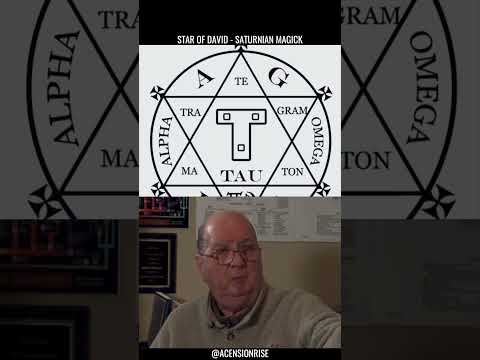
p: Within certain esoteric frameworks, the six-pointed star, often erroneously called the Star of David, is also linked to Saturnian geometry. However, historical and mystical interpretations suggest a more complex lineage. The star might represent the intersection of planetary forces, or, as some traditions propose, a symbol associated with figures and celestial bodies predating its common attribution. The cube, a symbol of Saturnian stability and manifestation, also appears in various spiritual contexts—from the Kaaba in Mecca to the conceptual "cube of Saturn" explored in certain esoteric studies. Understanding these geometric associations can provide a framework for working with Saturnian energies, whether through visualization or the creation of talismans.
p: The "Cube of Saturn" is a concept that surfaces in various esoteric discussions, often depicted as a black cube. This imagery is potent, representing solidity, immutability, and the manifestation of abstract principles into concrete form. For the magician, this means that Saturn governs the material plane and the laws that bind it. Working with Saturnian magick is not about circumventing these laws, but about understanding them deeply and using that understanding to manifest intentions with lasting impact. It is about building your magical reality on a foundation of unshakable structure.
p: The connection between certain symbols and specific planetary or spiritual entities can be subtle and often debated. For instance, the five-pointed star, also known as the pentagram, is widely used in Western esotericism and is often associated with Luciferian or Venusian energies, representing the microcosm or human influence. The six-pointed star, when examined in its historical and symbolic context beyond its modern religious association, can indeed point towards different cosmic influences, including the Saturnian. It's important to differentiate between religious symbolism and broader archetypal representations.
p: The concept of "controlled opposition" is one that frequently arises in discussions about public esoteric figures. Some theories suggest that individuals who disseminate certain types of spiritual or occult knowledge might be subtly guided or manipulated to present a partial or misleading picture, thereby controlling the narrative and directing seekers away from deeper truths. This perspective often questions whether the figure is genuinely unaware, deliberately misleading, or somewhere in between. When examining figures like Jordan Maxwell, such discussions often revolve around his interpretations of religious symbolism and their alleged connections to ancient astronomical or astrological principles. The caution might be to critically analyze all information, even from charismatic teachers, and cross-reference it with personal practice and other esoteric sources.
p: The anointed King David and the twelve tribes of Israel are central figures in Abrahamic traditions, and their symbolism is deeply rooted in ancient Hebrew scriptures. The absence of a specific star symbol directly representing David or the tribes in the earliest texts is significant. The star that does appear in later contexts and is cautioned against by Moses in the Hebrew Bible is Remphan (or Kaiwan/Chiun in different translations), identified with a pagan deity and star cult that the Israelites were warned against adopting. This highlights a critical distinction: not all stars in ancient symbolism represent divine or positive forces. Some are tied to forbidden practices or fallen spiritual influences, which the Saturnian archetype, in its most restrictive and karmic aspect, can represent.
p: The use of the letter "X" as a symbol is prevalent across various cultures and contexts. In the context of Elon Musk's venture, "X," it can be interpreted in multiple ways. Symbolically, "X" can represent an unknown variable, a crossroads, a point of intersection, or a placeholder. In some esoteric traditions, it can signify the intersection of opposing forces or even represent a form of 'hex' or enchantment. It also geometrically aligns with the Saturnian Cube and the six-pointed star, linking back to themes of cosmic structure and divine law. The recurring motif of the cube and the six-pointed star across different cultural and spiritual contexts invites deeper contemplation on their universal significance.
p: The practice of fire rituals, such as the Havan Yagya in Hinduism, is an ancient method of spiritual practice involving offerings into a sacred fire. These rituals are dedicated to various deities and cosmic principles. While the six-pointed star can appear in broader symbolic contexts, its specific association in Hinduism might differ. For instance, in Hindu iconography, symbols are often linked to specific deities like Lord Kartikeya (Skanda), the god of war and wisdom, whose emblem is a peacock and who wields a divine spear. The energy associated with such practices in Havan Yagya is often directed towards purification, well-being, and spiritual growth, which can be seen as a manifestation of cosmic order rather than solely a "Saturnian" aspect, though Saturnian energies can underpin such ordered rituals.
p: The symbol of the six-pointed star, when examined universally, carries a multitude of meanings across different cultures and spiritual traditions. In many Eastern philosophies and practices, such as within Hinduism, symbols are meticulously assigned specific meanings and are often deeply connected to particular deities or cosmic forces. The interpretation of the six-pointed star as representing Lord Kartikeya signifies a particular tradition's understanding. It's crucial to recognize that symbols are layered and can have different primary associations depending on the cultural or spiritual lens through which they are viewed. This does not necessarily negate a potential Saturnian connection in other symbolic systems, but rather highlights the rich, multifaceted nature of universal archetypes.
p: The planet Jupiter, known as "Jewiter" in a colloquial or perhaps playful mispronunciation, holds a very different energetic signature in astrology and magick than Saturn. Jupiter represents expansion, abundance, luck, and benevolent authority. While both planets are gas giants and significant celestial bodies, their magickal attributes are distinct. Jupiter's energy is expansive and fortunate, whereas Saturn's is contracting, structuring, and karmic. Understanding this differentiation is key to applying their influences correctly in your practice, ensuring you invoke the appropriate energy for your desired outcome without conflating their distinct powers.
p: The statement "Square you guys I go home" is a colloquial expression, often used humorously to signify leaving a situation or conversation, especially if it becomes too complex, confusing, or peculiar. In the context of discussions about Saturnian magick, complex symbolism, and esoteric theories, someone might say this to indicate they are withdrawing from an argument or a line of reasoning that has become too intricate or overwhelming. It’s a lighthearted way of disengaging, implying that the topic has reached a point of complexity that makes one feel like retreating.
h2: Practical Applications of Saturnian Magick
p: Working with Saturnian energies is about embracing structure, discipline, and the long-term manifestation of your will. It's not about instant gratification, but about building foundations that last.
h3: Discipline and Structure
p: One of the most direct ways to engage with Saturn is through personal discipline. This can involve setting strict routines for your magickal practice, observing fasts, adhering to specific dietary changes, or committing to a long-term magical goal with unwavering focus. Saturn rewards patience and perseverance. By imposing structure on your life and practice, you align yourself with Saturn's principle of form. This could mean dedicating a specific hour each day to meditation, or committing to a year-long project of building magical wards around your home. The key is consistency and intentionality.
h3: Building Enduring Manifestations
p: Saturn is the planet of manifestation, but of a particular kind: that which is built to last. If you wish to manifest wealth, think not of a lottery win, but of building a sustainable business or acquiring knowledge that leads to lasting financial security. For personal development, focus on acquiring skills and wisdom rather than fleeting emotional states. When crafting sigils or talismans with Saturnian intent, focus on goals that require time, effort, and a solid foundation. Visualize the end result as a solid, unshakeable edifice.
h3: Working with Saturnian Archetypes
p: You can invoke Saturnian energy through ritual, visualization, or meditation. During meditation, visualize yourself standing before a colossal, ancient stone structure representing Saturn. Feel its immense weight, its immutability, and its ancient wisdom. You might also work with Saturnian correspondences: the color black, lead, the cube, the scythe, or the owl can be used in your altar setup or talismans. Understanding the symbolic language of Saturn allows you to communicate with its energies more effectively.
h3: Understanding Consequence and Karma
p: Saturn is intrinsically linked to karma – the law of cause and effect. Engaging with Saturnian magick involves a deep understanding that your actions have consequences. This is not a punitive force, but a feedback mechanism of the universe. By embracing responsibility for your actions and intentions, you can harness Saturn's energy to learn and grow, integrating lessons rather than being bound by them. This perspective encourages ethical magick and a mindful approach to manifestation.
h2: Saturn and Time Management
p: Saturn's dominion over time is one of its most potent aspects for the magician. This isn't just about how long a ritual takes, but about aligning your magical work with cosmic cycles and understanding that true manifestation often requires patience.
h3: The Long Game in Magick
p: Many magical practitioners seek immediate results, often leading to frustration when plans don't materialize instantly. Saturn teaches the value of the long game. Your magical goals should be approached with a long-term strategy. This might involve setting up a series of smaller, Saturnian-aligned rituals leading up to a larger manifestation, or consistently working on a single, complex magical project over months or even years. The power is in the sustained effort and the building of momentum.
h3: Utilizing Saturnian Timing
p: While specific astrological timings for Saturnian influence can be complex, general principles apply. Periods of Saturnian influence are often best for tasks requiring precision, durability, and deep introspection. This could be initiating a complex magical structure, undertaking a rigorous period of spiritual study, or establishing binding agreements (magical or mundane) that require long-term commitment. Conversely, it might not be the ideal time for impulsive, quick-fix spells.
h2: Saturnian Correspondences
p: Understanding the correspondences associated with Saturn allows for more potent and focused magical workings. These are the symbolic elements that resonate with Saturn's core energies.
h3: Colors and Materials
p: The primary color associated with Saturn is black, symbolizing the void, the unmanifest, and the earth's foundation. Lead is its associated metal, known for its density and stability, though it also carries toxic properties, hinting at the need for caution and respect when working with Saturn. Other colors sometimes associated with Saturn include deep indigo, dark grey, and brown. When creating talismans or working on your altar, incorporating these colors and materials can help anchor the Saturnian energy.
h3: Symbols and Geometry
p: The cube is perhaps the most potent geometric symbol of Saturn, representing manifest reality, structure, and solidity. The six-pointed star, as discussed, also carries Saturnian associations in certain traditions, representing balance and the intersection of divine and earthly forces. Tools such as the scythe (representing time, harvest, and cutting away the non-essential) or symbols of owls (wisdom, night vision, patience) can also be used to invoke Saturnian energies.
h3: Incense and Aromas
p: Incense and aromas that evoke Saturn’s energy often include those that are grounding, ancient, and somewhat somber. Myrrh, frankincense (particularly darker varieties), patchouli, cypress, and hemlock (used with extreme caution and respect, often in symbolic form due to toxicity) are frequently cited. These scents help to create an atmosphere conducive to deep work, introspection, and the establishment of magical foundations.
h2: Caution and Respect
p: Saturn, the great teacher, can also be a stern one. Approaching Saturnian magick requires respect for its power and a willingness to face the consequences of your actions.
p: Working with Saturnian energies is not a path for those seeking instant gratification or superficial results. It demands commitment, discipline, and a profound sense of personal responsibility. Saturn governs karma, and its lessons, while ultimately transformative, can be challenging. When engaging with this archetype, be prepared to confront your limitations, your past actions, and the structures you have built, both internally and externally. This confrontation is where true growth occurs.
p: The symbol of the cube, often associated with Saturn, can also represent containment and restriction. This can be a metaphor for the boundaries and laws of the universe that even magick must respect. Attempting to bypass these laws through ill-considered spells can lead to unforeseen and often negative repercussions, the domain of Saturn's karmic influence.
p: For the practitioner, this means approaching Saturnian magick with clear intentions, a strong ethical framework, and a deep understanding of the potential outcomes. It is about building, not breaking, cosmic law. It is about learning from the steady, unwavering hand of time and consequence, rather than fighting against it. When approached with respect and a willingness to submit to its profound lessons, Saturnian magick can be a powerful force for creating lasting change and deep inner transformation.
h2: Integrating Saturn into Your Practice
p: How can you practically weave Saturnian energies into your daily magical life? It's not about grand rituals every day, but about infusing your existing practices with Saturnian principles.
h3: Daily Discipline
p: Start small. Commit to a daily practice, no matter how brief. This could be 15 minutes of meditation focusing on your breath and the concept of time, or a strict adherence to a health regimen. The goal is to build the muscle of self-discipline. Track your progress, note the challenges, and observe how this structure positively impacts other areas of your life. This forms the foundation for larger magical undertakings.
h3: Long-Term Goal Setting
p: For any significant magical goal, break it down into smaller, manageable steps. Identify the foundational elements required for that manifestation. If you want to create a prosperous business, what are the steps? Legal structure, marketing plan, product development, financial management. Dedicate specific, consistent magical workings to each of these Saturnian aspects. Use sigils or talismans designed for stability and endurance, not fleeting success.
h3: Ritualistic Approaches
p: When performing Saturnian rituals, focus on elements that represent time, structure, and consequence. Use black candles, lead-based talismans (handled with care or symbolic representations), and incense like myrrh or cypress. Your affirmations and visualizations should focus on building, establishing, and enduring. Consider performing rituals during Saturn's planetary hours or on a Saturday, its traditional day. The act of painstakingly drawing a Saturnian sigil or carefully constructing a magical cube can be a powerful ritual in itself.
h3: The Chaos Magick Sigil Generator
p: For those who wish to incorporate Saturnian symbolism or intents into their sigil work without the manual complexity of geometric construction, tools can be invaluable. The Chaos Magick Sigil Generator is designed to help practitioners codify desires into symbols efficiently. While not exclusively Saturnian, its ability to quickly generate unique sigils allows you to focus on the intent and the charging process, which are the core of any sigil magick, including those with Saturnian aims for structure and long-term manifestation.
h2: Saturnian Magick and Personal Responsibility
p: The ultimate lesson of Saturnian magick is accountability. It guides us to understand that our desires manifest within the framework of cosmic law.
p: Every action, every intention, ripples through the fabric of existence. Saturn is the planet that ensures these ripples eventually return to their source, teaching us about the interconnectedness of all things and the profound impact of our magical choices. This is not a punitive system, but a framework for growth. By embracing personal responsibility, we move from being subjects of karma to masters of our own destiny, harnessing Saturn's power to build a better future, brick by deliberate brick.
h2: FAQ: Saturnian Magick Questions Answered
h3: Is Saturnian magick inherently dark or negative?
p: Saturn's reputation for darkness stems from its association with restriction, time, and karma. However, these are essential forces for manifestation and growth. Saturn is the great teacher, and its lessons can be challenging, but they lead to profound wisdom, discipline, and enduring achievements. It is not inherently negative, but rather represents the inevitable consequences and structures of reality.
h3: How can I use Saturnian energy for wealth manifestation?
p: Saturnian wealth manifestation is about building sustainable prosperity rather than quick gains. Focus on developing skills, businesses, or investments that have long-term viability. Use Saturnian symbols like cubes or lead in your workings, and set intentions focused on steady growth, security, and lasting abundance. Patience and consistent effort are key.
h3: What is the "Cube of Saturn" and how is it used?
p: The "Cube of Saturn" is a symbolic representation of Saturn's foundational and structural energies. It can be visualized as a solid, immutable black cube, embodying cosmic law, order, and manifestation. In practice, it can be used in meditation to connect with Saturn's power, or symbolized on an altar through actual cubes or Saturnian sigils. It represents the concrete manifestation of will within established universal principles.
h3: Can Saturnian magick be used for protection?
p: Yes. Saturn's energy is excellent for establishing strong, enduring magical boundaries and protections. Think of Saturn as building an impenetrable fortress. Rituals focused on creating wards, establishing personal discipline against negative influences, or building protective structures around a home or project align well with Saturnian energies.
h3: Is Saturday the best time to perform Saturnian rituals?
p: Saturday is traditionally associated with Saturn and is often considered the most potent time for Saturnian workings. However, the energy of Saturn is present continuously. You can work with Saturnian energies at any time, but performing rituals on a Saturday, or during Saturn's planetary hours, can amplify their effectiveness by aligning your practice with the planet's natural energetic cycles.
h3: What are the risks of working with Saturnian magick?
p: The primary risk lies in disrespecting Saturn's principles. Attempting to circumvent karma or impose will without understanding consequences can lead to harsh lessons and limitations. Impatience with Saturn's slow, deliberate pace can lead to frustration. It demands maturity, responsibility, and a willingness to face reality, including one's own shadow aspects.
h3: How does Saturn relate to the concept of karma?
p: Saturn is intrinsically linked to karma, representing the principle of cause and effect. It governs the lessons we must learn from our past actions and their consequences. Working with Saturnian magick involves understanding and respecting this cosmic law, integrating its lessons for growth rather than being bound by its restrictive aspects. It's about mastering the lessons of time and consequence.
h3: Are there specific deities or spirits associated with Saturn?
p: In various traditions, Saturn is associated with deities representing time, law, agriculture, and wisdom. In Greco-Roman mythos, there's Kronos and Saturn. In other systems, figures embodying foundational principles, ancient lawgivers, or wise entities of the earth and underworld might be linked to Saturnian archetypes. These associations are often tied to the specific cultural interpretations of Saturn's immense power.
METADESC: Explore Saturnian Magick: practical applications, symbolism, and responsibilities. Understand the archetype of the great teacher for discipline, structure, and lasting manifestation. LABELS: saturn, magick, arcane, esotericism, occult, practical magick, jordan maxwell, occult symbolism, astral projection TELEGRAM: 🪐 Delve into the profound energies of Saturnian Magick with our latest grimoire entry. Discover how to harness its power for discipline, structure, and enduring manifestation. If you're looking to build lasting magical foundations, this is for you. Learn more and explore practical applications, including how the Chaos Magick Sigil Generator can aid your Saturnian workings: https://play.google.com/store/apps/details?id=com.cha0smagick.sigilgeneratorfinal
Referencias
- Carroll, P. J. (1987). Liber Null & Psychonaut. Weiser Books.
- Spare, A. O. (1913). The Book of Pleasure. Self-published.
- Hine, P. (1992). Condensed Chaos: An Introduction to Chaos Magic. New Falcon Publications.
- Crowley, A. (1904). The Book of the Law. Self-published.
- Sherwin, R. (2018). The Chaos Magic Handbook. CreateSpace.
- Kraig, D. M. (1988). Modern Magick: Eleven Lessons in the High Magickal Arts. Llewellyn Publications.
- Morrison, G. (2003). Pop Magic! The Art of Shaping Reality. Disinformation.
- DuQuette, L. M. (2003). The Chicken Qabalah of Rabbi Lamed Ben Clifford. Weiser Books.
- Webb, D. (2015). Chaos Magick: A Practical Guide. Self-published.
- Tyson, D. (2006). The Power of the Written Word. Llewellyn Publications.
- Bonewits, I. (1971). Real Magic. Creative Age Press.
- Greer, J. M. (2003). The New Encyclopedia of the Occult. Llewellyn Publications.
No hay comentarios:
Publicar un comentario