
Stepping beyond the shadows of vampire lore, Robert Eggers' 2024 reimagining of Nosferatu plunges deep into the primordial waters of the occult. This isn't merely a retelling; it's an excavation. While many lauded this cinematic achievement for its historical fidelity and chilling atmosphere, its true power—its raw, untamed magic—lies in the subtle yet potent infusion of esoteric traditions. If you're seeking the true occult origins of Nosferatu, you've come to the right place. We’re not just talking folklore; we’re delving into the very fabric of ancient magic that birthed and sustains the vampire mythos.
The film doesn't shy away from presenting Count Orlok as something more than just a blood-drinking fiend. He is an embodiment of primal hunger, a force of nature that has been shaped by, and exists within, the arcane currents of the world. Eggers, a director known for his meticulous research and almost obsessive attention to detail, weaves a tapestry where the supernatural feels tangible, rooted in practices that have echoed through centuries of human history and occult study. This exploration of the occult is precisely why this film resonates beyond a simple horror narrative.
Table of Contents
- FolkDeciphering Orlok's Esoteric Significance
- The Scholomance Connection and Other Arcane Influences
- The Art of the Esoteric Filmmaker
- Arsenal of the Modern Occultist
- FAQ: Unveiling the Occult Mysteries
- Thematic Threads: Alchemy, Folklore, and Arcane Practice
- Your Operation: Exploring the Arcane in Art
- Veredict
FolkDeciphering Orlok's Esoteric Significance
The keen eyes of practitioners will notice the layered symbolism woven throughout the film. Comments from viewers observing the use of divine names surrounding the Triangle of Art—a key component in Solomonic magic for constraining summoned entities—highlight the intentionality behind Eggers' choices. This isn't accidental; it's a deliberate nod to the grimoires and practices of ceremonial magic, suggesting that Orlok, or the forces he represents, operate within a framework of arcane laws and bindings. The film implies that Orlok himself might be a practitioner of black magic, a subtle distinction that elevates him from a mere monster to a figure steeped in forbidden arts.
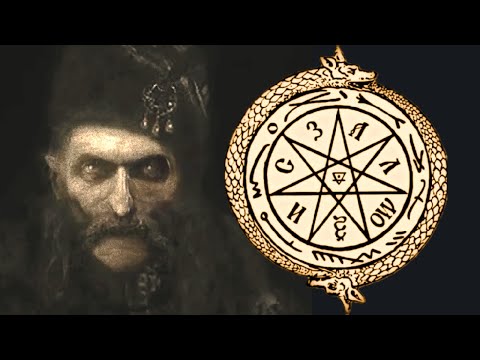
Furthermore, the ouroboros, the ancient symbol of a serpent eating its own tail, often appearing on Orlok's sigil, signifies not just life, death, and rebirth—common vampire themes—but also cyclical cosmic power and the totality of existence. This symbol, deeply embedded in Gnostic and Hermetic traditions, suggests that Orlok's existence is part of a larger, cyclical, and perhaps alchemical, process. This imbues his insatiable hunger with a far deeper meaning than simple predation; he is an engine of transformation, a catalyst for change, driven by an ancient, all-consuming appetite.
The Scholomance Connection and Other Arcane Influences
One of the most striking occult references in the film is the subtle, yet persistent, connection to the Scholomance, a mythical Romanian witchcraft school. While Eggers may not delve into the deepest lore of the Scholomance, its mention, alongside figures like an "occult doctor," grounds Orlok's presence in a very specific and potent form of European magic. The legend of the Scholomance, where students supposedly make pacts with the devil to gain knowledge, is a powerful archetype of forbidden learning and dark pacts, directly aligning with the vampire's own predatory nature. The question of whether the students who left the Scholomance were at the top or bottom of their class speaks to the ambiguity and danger inherent in such arcane pursuits—a danger mirrored in Orlok's very being.
The film also touches upon the broader genesis of vampire folklore, hinting at influences beyond Bram Stoker's famous count. The mention of Romanian folk tales and the concept of the Strigoi—an undead creature from Romanian mythology often considered a precursor to the modern vampire—further solidifies the film's roots in ancient, regional occult traditions. These tales, potentially influenced by alchemical origins and preserved through centuries of isolation, represent a deep wellspring of occult understanding that Eggers masterfully taps into. The idea that "Nosferatu is WHAT he is, not who!" is crucial; he is an archetype, a manifestation of these ancient fears and magical forces.
The Art of the Esoteric Filmmaker
Robert Eggers' approach to filmmaking is, in itself, a form of occult practice. His dedication to historical accuracy and esoteric detail transforms his movies into immersive rituals for the viewer. As many astute observers have noted, his talent seems almost "nauseatingly" potent, suggesting a filmmaker who doesn't just tell stories but imbues them with a palpable energy. The inclusion of obscure esotericism isn't just for show; it's about accessing a deeper layer of truth and resonance within the narrative. This care elevates his work beyond mere entertainment, making it art that speaks to the initiated and the curious alike.
The visual language of the film further enhances its occult undertones. The sigil on Nosferatu's coffin is not a random embellishment but a deliberate invocation of these older, darker traditions. It’s a symbol meant to be recognized by those familiar with the arcane, a beacon for practitioners of the occult. The film's success lies in its ability to conjure an atmosphere that feels genuinely ancient and powerfully magical, making the audience feel as though they are witnessing something profound and historically significant, connecting with the very essence of what makes vampire myths so enduringly terrifying and fascinating.
Arsenal of the Modern Occultist
- Essential: Goetian Seals Generator — For those seeking to understand or replicate the complex sigils and symbols used in ancient magical traditions, this app provides a powerful tool for study and creation.
- Recommended Reading: The Book of Pleasure by Austin Osman Spare. While not directly about vampires, Spare’s work on sigil creation and the power of intention is foundational for understanding the symbolic language used in occult practices.
- Further Study: Works on Solomonic magic and European folklore, particularly concerning demonology and early vampire myths (e.g., Strigoi, Ghouls).
FAQ: Unveiling the Occult Mysteries
What specific occult traditions influenced Nosferatu (2024)?
The film draws on a confluence of traditions, including Solomonic magic (Triangle of Art, divine names), general European folklore regarding vampires and witchcraft (Strigoi, Scholomance), and alchemical symbolism (ouroboros). The focus is on primal, ancient magic rather than a single, narrowly defined system.
Is Count Orlok a black magic user in the film?
The film heavily implies Orlok's connection to black magic, not just as a creature of the night, but as someone who actively wields arcane power. This is subtly conveyed through symbols and actions that reference forbidden arts, distinguishing him from a purely monstrous entity.
How does the Scholomance connect to the vampire lore in the movie?
The Scholomance, a mythical Romanian school of witchcraft, is referenced to ground the sorcery and dark pacts associated with Orlok and his origins. It represents a potent source of forbidden knowledge and arcane power, characteristic of figures like Orlok.
Are the sigils in the movie historically accurate?
Robert Eggers is known for his meticulous research. While artistic license is always present in film, the symbols and references used, such as the Triangle of Art and the ouroboros, are rooted in genuine historical occult practices, signifying a deep engagement with the subject matter.
What is the significance of the ouroboros sigil on Orlok's coffin?
The ouroboros symbolizes eternal recurrence, life, death, and rebirth—themes central to vampire mythology and many ancient esoteric traditions, including Gnosticism and Hermeticism. It suggests Orlok's existence is part of a larger, cosmic cycle of transformation and consumption.
Does the film suggest Ellen accidentally raised Orlok?
Yes, there is a strong implication that Ellen's actions or even her inherent nature may have inadvertently awakened or strengthened Orlok's presence and hunger at the beginning of the film, adding a layer of personal and potentially magical causation.
How does Eggers make Nosferatu more than just a Dracula adaptation?
Eggers achieves this by infusing the narrative with deep, often subtle, references to historical occultism, folklore, and ancient magical practices. This grounds the vampire myth in tangible esoteric traditions, making Orlok a more complex and archetypal figure beyond simple vampirism.
What is the meaning behind Orlok's insatiable hunger as an "appetite"?
Characterizing Orlok as a pure appetite, a primal force focused solely on consuming Ellen, elevates his hunger beyond mere physical need. It becomes a metaphor for a consuming, transformative, and perhaps alchemical, drive that is fundamental to his existence and purpose.
Can viewers interested in alchemy find connections within the film?
Absolutely. The cyclical nature symbolized by the ouroboros, the themes of transformation, consumption, and rebirth, and the idea of primal forces being harnessed or embodied are all concepts that resonate deeply within alchemical philosophy and practice.
Why is the study of obscure esotericism important in film?
Including obscure esotericism adds depth, authenticity, and a layer of hidden meaning that rewards attentive viewers. It taps into ancient archetypes and potent symbolism, making the narrative more resonant, thought-provoking, and ultimately, more like a true work of art that speaks to deeper truths.
Thematic Threads: Alchemy, Folklore, and Arcane Practice
The narrative presented in Nosferatu (2024) is a potent example of how folklore and ancient occult practices intertwine to create enduring myths. The film doesn't just depict a vampire; it conjures an entity deeply rooted in real-world esoteric traditions. Like the alchemists seeking transformation through symbolic processes, Eggers uses the medium of film to perform a kind of cinematic alchemy, transforming familiar tales into something potent and new. The suggestion that Romanian folk tales have alchemical origins and have persisted due to historical isolation speaks volumes about the power of preserved, ancient knowledge.
The very concept of "Nosferatu" as a title and a state of being, rather than a specific individual, further underscores its archetypal nature. This entity is a vessel for primal urges and ancient magics, a manifestation of what happens when the veil between worlds thins and the appetite for consumption takes hold. Its existence is a testament to the enduring power of the occult, a reminder that beneath the surface of modern life lie currents of ancient belief and practice that still hold sway. The film's success in capturing this essence is a triumph for those who appreciate cinema as an art form capable of exploring the deepest, darkest corners of human experience and belief.
The emphasis on Orlok as a pure appetite, a force of consumption, can be seen through an alchemical lens as a metaphor for the dissolution phase (*solve*)—the breaking down of form to prepare for regeneration. His desire to consume Ellen completely speaks to a desire for ultimate union or transformation, albeit through a dark and predatory path. This aligns with the alchemical pursuit of perfection through the destruction and reconstitution of matter, a process often shrouded in symbolic language and esoteric understanding.
The inclusion of the Scholomance reference, even if brief, connects the narrative to a specific lineage of European occultism. The legend of students gaining forbidden knowledge through dark pacts is a classic Faustian bargain archetype, highlighting the dangerous allure of power and the potential for such pursuits to birth monstrous manifestations. This adds a layer of narrative complexity, suggesting that Orlok's power might stem from such ancient, corrupted sources of knowledge. The mention of divine names surrounding the Triangle of Art further reinforces the idea that such entities operate within a cosmic order, even if that order is one of shadows and peril.
Ultimately, Eggers' Nosferatu is a masterclass in atmospheric storytelling and the subtle integration of esoteric themes. It’s a film that rewards patience and observation, inviting viewers to look beyond the surface and appreciate the deep roots of the lore it explores. For practitioners of the occult, the film serves as a potent reminder that the ancient symbols, rituals, and beliefs continue to shape our modern understanding of the world, manifesting in art and culture in ways that are both familiar and profoundly strange.
Your Operation: Exploring the Arcane in Art
This film is more than just entertainment; it's an invitation to explore the occult foundations of popular myth and art. Here’s how you can delve deeper:
- Research the Scholomance: Dive into the folklore surrounding this mythical academy. What were the specific legends about its curriculum, its pacts, and its students? Try visualizing the arcane lessons and inferring the kind of magic taught.
- Study the Ouroboros: Beyond its depiction on Orlok's coffin, research the ouroboros in different cultural and historical contexts. How does its symbolism of cycles, eternity, and self-consumption relate to vampiric themes?
- Explore Solomonic Magic: Familiarize yourself with the Triangle of Art and the divine names used in Solomonic grimoires. Understand their purpose in ritual magic—to invoke and control spirits. Consider how these elements are recontextualized in the film.
- Investigate Strigoi and Romanian Folklore: Look into the specific characteristics of the Strigoi and other related mythical beings from Romanian and Balkan folklore. How do these historical descriptions compare to Orlok's portrayal?
- Alchemical Symbolism: Connect the film's themes of consumption, transformation, and rebirth to core concepts in alchemy. How can processes like *solve et coagula* (dissolve and coagulate) be metaphorically applied to Orlok's nature and hunger?
- Create Symbolic Art: Inspired by the film's use of sigils and esoteric symbols, try creating your own sigils or symbolic artwork representing abstract concepts like 'primal hunger' or 'ancient transformation'. Use resources like the Goetian Seals Generator if you wish to explore complex sigil creation.
About the author: Frater Alek0s is a veteran practitioner and researcher in the field of chaos magick. His work focuses on the practical and experimental application of occult techniques for self-development and reality exploration, demystifying esotericism for the modern practitioner.
Veredict
Robert Eggers' Nosferatu (2024) is a triumph for practitioners of the occult and students of esoteric history. It masterfully weaves historical folklore, specific magical traditions like Solomonic ceremonial magic, and alchemical symbolism into a chilling and deeply resonant cinematic experience. While not a documentary, the film's commitment to authentic esoteric references provides fertile ground for study and contemplation. It serves as a potent reminder that the power of myth is often rooted in ancient, arcane practices, making this film a valuable piece of art for anyone interested in the deeper currents of the occult.
Referencias
- Carroll, P. J. (1987). Liber Null & Psychonaut. Weiser Books.
- Spare, A. O. (1913). The Book of Pleasure. Self-published.
- Hine, P. (1992). Condensed Chaos: An Introduction to Chaos Magic. New Falcon Publications.
- Crowley, A. (1904). The Book of the Law. Self-published.
- Sherwin, R. (2018). The Chaos Magic Handbook. CreateSpace.
- Kraig, D. M. (1988). Modern Magick: Eleven Lessons in the High Magickal Arts. Llewellyn Publications.
- Morrison, G. (2003). Pop Magic! The Art of Shaping Reality. Disinformation.
- DuQuette, L. M. (2003). The Chicken Qabalah of Rabbi Lamed Ben Clifford. Weiser Books.
- Webb, D. (2015). Chaos Magick: A Practical Guide. Self-published.
- Tyson, D. (2006). The Power of the Written Word. Llewellyn Publications.
- Bonewits, I. (1971). Real Magic. Creative Age Press.
- Greer, J. M. (2003). The New Encyclopedia of the Occult. Llewellyn Publications.
No hay comentarios:
Publicar un comentario