
Saltar al contenido principal

Anuncio Superior

Mostrando entradas con la etiqueta paranormal. Mostrar todas las entradas

Cueva de Brujería: Un Viaje a la Sombra con el Unicornio Negro

FUI A CUEVA MALDITA A HACER RITUAL CON BRUJO


TABLA ESMERALDA — Ficha del Grimorio Elemental
⚔️ TipoTradiciones Antiguas
📅 Fecha2026-08-04
📜 ExpedienteMC-2026-0290
Dificultad★★★☆☆ Intermedio
Lectura11 min
🔗 App relacionadaCalculadora de Fases Lunares
cha0smagicklabs.com — Grimorio Digital de Magia del Caos

Hay lugares que susurran secretos ancestrales, espacios donde la energía se condensa y las sombras del pasado parecen palpitar. Tuve la oportunidad de adentrarme en uno de ellos, una cueva de brujería, y la experiencia fue… reveladora. Acompáñenme en este viaje a lo profundo, donde la magia se siente palpable y las intenciones se manifiestan en la penumbra.

Lo primero que llama la atención al acercarse a un lugar como este es la atmósfera. No es solo el aire, es el peso en el ambiente, una especie de electricidad estática que te hace erizar la piel. ¿Te atreverías a cruzar el umbral de un lugar cargado de rituales y misterios?

ElementalEl Umbral de la Cueva: Energía y Presencia

La cueva maldita, como la llaman algunos, es más que una simple formación geológica; es un nexo. Un lugar donde, según las leyendas y las experiencias de quienes la conocen, las fuerzas arcanas se dan cita. Al entrar, sentí una mezcla de respeto y cautela. La oscuridad no era vacía, sino llena de una energía latente que se movía y respiraba a nuestro alrededor. El brujo, conocido como el 'Unicornio Negro', emanaba una calma profunda, una serenidad que contrastaba con la intensidad del lugar.

Las palabras de Peter J. Carroll en Liber Null resuenan aquí: "La creencia es una herramienta, no un dogma". En un lugar así, uno debe acercarse con una mente abierta, dispuesto a observar y sentir, más que a juzgar o imponer. La limpia que se realizó fue un testimonio de esta idea; no una imposición, sino una facilitación de energías.

Rituales y Energía: Más Allá de la Superficie

El ritual realizado en la cueva no fue un espectáculo. Fue una danza sutil de energías, un trabajo de armonización. El Unicornio Negro, con su porte elegante y su voz serena, guió el proceso. No se trataba de exorcizar demonios en el sentido popular, sino de comprender y rebalancear las fuerzas presentes. He visto practicantes, tanto en tradiciones antiguas como en la magia del caos, que trabajan de maneras similares, buscando siempre la comprensión y el equilibrio.

A veces, la gente busca enfrentamientos dramáticos, pero la magia más profunda se encuentra en la sutileza. Esa energía tranquilizadora que muchos comentaron y que el Unicornio Negro proyecta es fundamental. No es miedo lo que se siente, sino una profunda conexión con algo más grande. Como comentaba un colega practicante sobre un ritual similar: "La energía se movió de una forma que nunca había experimentado, no hostil, sino... antigua".

La confesión que me compartió una practicante sobre su abuela y los budus es un ejemplo crudo de cómo las intenciones y las energías pueden manifestarse, a veces de forma destructiva. Tocar un objeto cargado con mala intención, o estar en un lugar impregnado de ella, puede tener consecuencias. Es por eso que los rituales de limpia y protección son tan cruciales, y por qué la ayuda que brindamos a quienes han pasado por experiencias similares es tan vital. Es un recordatorio de que la maldad humana puede ser mucho más aterradora que cualquier entidad.

El Poder del Calendario Lunar y la Sincronicidad

Cuando trabajamos con energías de este tipo, cualquier herramienta que nos ayude a sintonizar con los ritmos naturales del universo es invaluable. La fase lunar, el momento astrológico, incluso la hora del día, pueden influir en la efectividad de un ritual. Para quienes no llevamos un calendario lunar en la cabeza, o necesitamos una consulta rápida entre reuniones, tener una herramienta fiable es clave. Por eso, para sincronizar mis propias prácticas y entender mejor los momentos propicios para ciertas operaciones, recurro al Lunar Phase Calculator. Permite saber exactamente en qué punto del ciclo estamos y planificar de forma más efectiva.

La sincronicidad, ese encuentro significativo de dos o más eventos, donde algo más que la casualidad está involucrado, se siente intensamente en lugares así. Como bien dice el comentario: "Se dice que las cosas llegan a su tiempo, solo es tener paciencia". Y las cosas llegan, a veces como advertencias, a veces como oportunidades de aprendizaje. La paciencia y la observación son los pilares de la verdadera comprensión mágica.

Unión de Fuerzas: El Mago y el Brujo

La colaboración entre diferentes practicantes, como la que se dio en esta visita con el Unicornio Negro, es fascinante. Él aporta una serenidad y una sabiduría ancestral, mientras que mi propia sensibilidad busca conectar con la experiencia de una manera más relatable para quienes están empezando o han pasado por situaciones difíciles. Hacemos un equipo, y en cada viaje, como este a la cueva de brujería, aprendemos, crecemos y esperamos poder ayudar a otros a encontrar su propio camino de sanación.

Hay quienes se preguntan si el Unicornio Negro canta, y sí, su voz es tan calmada y bella como su presencia. Es un caballero que aporta no solo conocimiento, sino una paz que reconforta. Como mencionaron varios, él y yo hacemos una buena mancuerna de trabajo, y espero que podamos seguir colaborando. Los videos que surgen de estas experiencias buscan desmitificar y ofrecer una perspectiva diferente sobre la magia y lo paranormal, mostrando que no todo es oscuridad y terror.

Los comentarios me recuerdan que todos llevamos nuestras propias cargas y energías. Ya sea una energía fuerte en casa, o situaciones que parecen conjuradas por el rencor de otros, el camino de la sanación es personal pero a menudo solitario. Mi intención al documentar estas experiencias es, precisamente, esa: ofrecer compañía, mostrar que hay herramientas y conocimientos para navegar estas aguas turbulentas, y que no están solos.

El Legado de la Cueva y la Magia Moderna

Salimos de la cueva con lecciones aprendidas. La principal: el poder reside tanto en la intención como en el lugar, pero sobre todo, en la acción consciente y la armonía. La magia no es solo invocar o conjurar; es comprender los flujos de energía y cómo interactuar con ellos de manera respetuosa y efectiva. Los rituales, las limpias, las palabras pronunciadas en el momento justo, todo tiene un propósito.

Incluso en la era de la technomancy, donde la magia se fusiona con la tecnología, la esencia permanece. Las herramientas cambian, pero la comprensión de la energía, la intención y el estado de conciencia son universales. La belleza de la magia del caos radica precisamente en esa adaptabilidad: tomar principios milenarios y aplicarlos en el contexto moderno, sea en una cueva ancestral o a través de una pantalla.

Gracias por acompañarme en esta aventura. Lugares como esta cueva nos recuerdan que el mundo es mucho más de lo que vemos a simple vista, y que la magia es una fuerza real, a menudo incomprendida, pero siempre presente.

Preguntas Frecuentes sobre la Cueva de Brujería

¿Qué tan peligrosa es realmente una cueva de brujería?

El peligro en un lugar así no reside en entidades sobrenaturales per se, sino en la energía acumulada de rituales, intenciones y, a veces, en las propias energías humanas. La clave está en el respeto, la protección y la intención clara al entrar. Si se aborda con miedo o irrespeto, la experiencia puede ser abrumadora. El Unicornio Negro, con su calma y conocimiento, actúa como un escudo y un guía, disipando cualquier energía negativa.

¿Por qué se dice que es una "cueva maldita"?

El término "maldita" suele ser una exageración popular o una advertencia sobre la intensidad de la energía del lugar. Puede haber sido escenario de rituales oscuros, o simplemente un sitio donde las energías telúricas se concentran de forma potente. La realidad es menos de una "maldición" y más de una carga energética que requiere manejo y respeto, como cualquier lugar de poder.

¿Qué tipo de rituales se realizan allí?

Los rituales varían según la intención y el practicante. En general, se busca armonizar energías, realizar limpiezas profundas, buscar guía o fortalecer intenciones. No son necesariamente actos de "magia negra", sino trabajos energéticos que pueden ser tanto para sanación como para canalizar fuerzas. La intervención del Unicornio Negro buscaba precisamente equilibrar y purificar.

¿Se sintió alguna presencia específica durante la visita?

La sensación es de una presencia colectiva, una amalgama de energías. No se identifica una entidad única y clara, sino una atmósfera cargada. Algunos describen sentir "guardianes" o "ecos" del pasado. Lo que se percibe es una fuerza, no necesariamente una consciencia individual. La calma que transmite el Unicornio Negro ayuda a discernir estas presencias sin sucumbir al miedo.

¿Qué consejo le darías a alguien que quiere visitar un lugar así?

Mi principal consejo sería: ve con respeto y una intención clara. No vayas buscando provocar o desafiar. Investiga sobre el lugar si es posible, pero prepárate para lo inesperado. Lleva herramientas de protección energética y, si es posible, ve acompañado de alguien con experiencia en manejo de energías, como un brujo o un practicante veterano. Y recuerda que la energía lunar puede potenciar o dificultar tu trabajo, así que infórmate sobre el ciclo lunar en el momento de tu visita.

¿Qué papel juega la creencia en la efectividad de estos rituales?

La creencia es fundamental, como herramienta. No se trata de creer ciegamente en dogmas, sino de la capacidad de tu mente para enfocar una intención y permitir que la energía fluya. Si crees que el ritual va a tener un efecto, y entras en un estado de gnosis adecuado, el efecto se manifestará. Carroll lo ponía de manifiesto: la creencia es lo que da forma y potencia a la voluntad mágica. Es un catalizador.

¿Cómo se relaciona esto con la espiritualidad Yoruba o la Santería?

Aunque este ritual se centró en las energías de la cueva y la práctica del Unicornio Negro, los principios subyacentes de conexión con fuerzas mayores, el uso de rituales de limpieza y armonización, y el respeto por la energía son transversales a muchas tradiciones espirituales, incluida la Yoruba. Ambas buscan un equilibrio entre el mundo material y el espiritual, y ambas reconocen la existencia de energías y entidades que influyen en nuestra realidad.

¿Es recomendable hacer limpiezas energéticas en lugares así?

Absolutamente. Lugares con alta concentración de energía, especialmente si ha sido utilizada para fines ambiguos o negativos, se benefician enormemente de una limpieza y armonización. Esto no solo purifica el espacio, sino que también lo hace más receptivo a energías positivas y puede ayudar a disipar cualquier influencia residual no deseada, creando un entorno más propicio para la meditación o el trabajo mágico constructivo.

Arsenal Mágico

  • Esencial: Lunar Phase Calculator — Sincroniza tus prácticas con los ciclos lunares para maximizar su efectividad.
  • Recomendado: Un compañero practicante experimentado, como el Unicornio Negro, para guiar y equilibrar energías.
  • Útil: Elementos de protección energética o de limpieza (hierbas, inciensos, amuletos), si sabes cómo usarlos.
  • Conocimiento: Libros de referencia como "Liber Null & Psychonaut" de Peter J. Carroll o textos sobre prácticas chamánicas y de brujería tradicional.

Veredicto Final

Visitar una cueva de brujería no es para los débiles de espíritu. Es una inmersión en la cruda fuerza de la naturaleza y las energías que la habitan. La experiencia, guiada por la serenidad del Unicornio Negro y documentada con mi propia sensibilidad, resultó ser un viaje de aprendizaje y conexión. Desmitificamos la idea del lugar 'maldito' para entender su verdadera naturaleza energética. La magia sigue viva, y lugares como este son su testimonio silencioso.

Tu Operación: Reflexión Energética

Ahora, después de leer sobre esta inmersión en la energía de una cueva, reflexiona: ¿Qué lugares en tu entorno sientes que tienen una "energía especial"? No tiene que ser una cueva; puede ser un bosque antiguo, un cruce de caminos, o incluso un espacio interior cargado de historia. ¿Cómo podrías acercarte a ese lugar con respeto y para aprender, en lugar de simplemente observar?

Considera cómo las fases lunares, que puedes rastrear con apps como Lunar Phase Calculator, podrían influir en la energía de ese lugar o en tu percepción del mismo. A veces, la clave para entender la magia está en observar los ritmos ocultos del universo.

Casos de Estudio y Experiencias

Me han llegado historias sobre lugares cargados, como la experiencia de una seguidora con budus en casa. Su abuelo murió tras tocar uno, y la presencia de otros objetos similares en la casa familiar sigue generando una energía densa y perturbadora. Siente presencias, altas figuras imposibles y duendes. Esta situación subraya la importancia de la limpia y la protección, no solo en lugares remotos, sino en nuestro propio hogar, donde la maldad puede manifestarse a través de la envidia o el rencor de personas cercanas, como la ex amante mencionada en los comentarios.

Otra experiencia compartida hablaba de un video similar al mío, donde se sentía una "energía más bonita". Esto demuestra que, incluso en el contexto de lo paranormal o la brujería, la intención y la actitud del practicante pueden cambiar radicalmente la experiencia del espectador y la energía que se canaliza. El respeto mutuo entre practicantes, como la camaradería entre el Unicornio Negro y yo, parece resonar positivamente.

Conexiones Interdisciplinarias

La exploración de lugares sagrados o cargados energéticamente, como esta cueva, toca fibras de la antropología, al estudiar los sitios rituales y su importancia cultural; la psicología, al analizar nuestras percepciones de lo sagrado y lo temeroso; y la física, al considerar las teorías sobre la energía sutil y los campos energéticos que podrían explicar la "atmósfera" de estos lugares. La brujería y las prácticas chamánicas, a menudo vistas como esotéricas, interactúan con conceptos que la ciencia empieza a explorar.

Sobre el autor: Frater Alek0s es un veterano practicante e investigador en el campo de la magia del caos. Su trabajo se centra en la aplicación práctica y experimental de técnicas ocultas para el autodesarrollo y la exploración de la realidad, desmitificando el esoterismo para el practicante moderno.

Referencias

  1. Carroll, P. J. (1987). Liber Null & Psychonaut. Weiser Books.
  2. Spare, A. O. (1913). The Book of Pleasure. Self-published.
  3. Hine, P. (1992). Condensed Chaos: An Introduction to Chaos Magic. New Falcon Publications.
  4. Crowley, A. (1904). The Book of the Law. Self-published.
  5. Sherwin, R. (2018). The Chaos Magic Handbook. CreateSpace.
  6. Kraig, D. M. (1988). Modern Magick: Eleven Lessons in the High Magickal Arts. Llewellyn Publications.
  7. Morrison, G. (2003). Pop Magic! The Art of Shaping Reality. Disinformation.
  8. DuQuette, L. M. (2003). The Chicken Qabalah of Rabbi Lamed Ben Clifford. Weiser Books.
  9. Webb, D. (2015). Chaos Magick: A Practical Guide. Self-published.
  10. Tyson, D. (2006). The Power of the Written Word. Llewellyn Publications.
  11. Autor desconocido (1986). Carmen G. de la Cueva - Wikipedia. . https://en.wikipedia.org/wiki/Carmen_G._de_la_Cueva
  12. Oxford University (2022). Cueva - Oxford Reference. . https://www.oxfordreference.com/abstract/10.1093/acref/9780190245115.001.0001/acref-9780190245115-e-16224
Hoodoo Magic: From Cult Escapes to Paranormal Encounters

Hoodoo Magic, Vampires, and a Secret Black Supremacy Cult | HORRORble Podcast


EMERALD TABLE — Grimoire Record Folk
⚔️ TypeSpell
📅 Date2026-07-26
📜 FileMC-2026-0271
Difficulty★★★☆☆ Intermedio
Read time9 min
🔗 Related AppGoetian Seals Generator
cha0smagicklabs.com — Digital Grimoire of Chaos Magick

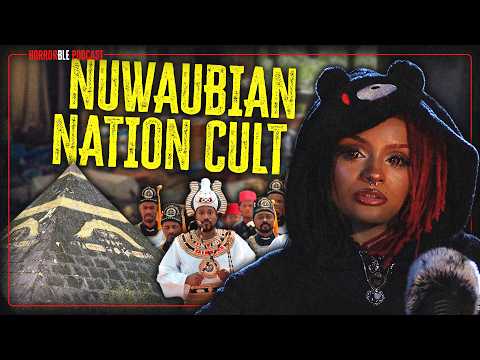
Exploring the depths of hoodoo magic, cult survivor Wensday the Vampire shares her extraordinary journey, blending chilling paranormal experiences with profound insights into authenticity.

This isn't just a tale of dark arts; it's a testament to resilience. From the restrictive confines of a secret black supremacy cult to the untamed power of manifestation and hoodoo, Wensday’s story unfolds a unique tapestry of belief systems and personal liberation.

FolkThe Shadow of Malachi Z. York's Cult

Wensday’s childhood was far from ordinary. Raised within Malachi Z. York's Nuwaubian Nation, she was steeped in doctrines that spoke of alien rescues and apocalyptic prophecies. This intense upbringing, characterized by strict practices and pervasive restrictions, left an indelible mark. The journey to unlearn these deeply ingrained beliefs was arduous, a path many cult survivors navigate with profound courage. Escaping the psychological programming required a conscious dismantling of imposed realities, a process that often involves confronting the very foundations of one's worldview.

The Nuwaubian Nation, founded by Malachi Z. York, propagated a complex mythology involving extraterrestrial involvement in human history and a distinct eschatology centered on the salvation of Black people. York himself presented a multifaceted persona, claiming various spiritual and scientific credentials. Practices within the community were often regimented, dictating not only spiritual observances but also aspects of daily life. For individuals like Wensday, emerging from such an environment meant a significant period of deconstruction and rebuilding of personal identity and belief systems. This process is rarely straightforward, often necessitating support and a deliberate re-engagement with the outside world, free from the cult's pervasive influence.

The concept of "unlearning" is central to the experience of cult survivors. It involves questioning and discarding doctrines that were presented as absolute truths, often through coercive means. This can include challenging notions of chosenness, divine intervention, and the prescribed roles individuals were expected to play within the group. The psychological impact of such intense belief systems can be substantial, leading to difficulties in forming independent thought and trusting one's own judgment. Reclaiming agency involves a step-by-step process of critical evaluation and the gradual acceptance of alternative perspectives and personal truths.

Hoodoo Magic and Manifestation Practices

In stark contrast to the rigid dogma she grew up with, Wensday found liberation and power in hoodoo magic and manifestation. She details the practice of creating magical jars, a core element of rootwork, where ingredients are imbued with specific intentions. These practices, often misunderstood and sensationalized, represent a powerful tradition of spiritual folk magic deeply rooted in African diaspora culture. The intent behind these workings is crucial; whether it’s for protection, prosperity, or personal growth, the energy invested is what drives the manifestation.

Hoodoo, also known as rootwork, is a spiritual system that emerged in the Southern United States from West African magical traditions and folk Catholicism. It combines elements of divination, spellcasting, and the use of natural elements like herbs, roots, and oils to influence events. Making magical jars, often referred to as "mojo bags" or "gris-gris," is a common practice. These jars are carefully constructed with symbolic items corresponding to the practitioner's desire. For instance, a jar intended for financial gain might contain coins, cinnamon, and herbs associated with prosperity, sealed with intention and often consecrated or charged through ritual.

Manifestation, a concept that resonates across various spiritual paths, is the practice of bringing something tangible into your life through the focused power of your thoughts, beliefs, and emotions. It’s believed that by aligning one’s energy with a desired outcome, one can attract it. This can involve visualization techniques, affirmations, and the aforementioned spellcasting. Wensday's experience highlights how these practices can serve as tools for personal empowerment, offering a sense of control and agency, particularly for those who have felt disempowered by past experiences.

The practice of selling "jars of spit" for $300, as mentioned, points to the more esoteric and potentially controversial aspects of certain magical traditions. While some practitioners might view this as a form of energetic exchange or a highly specialized ritual, others might question its efficacy or ethics. This highlights the diverse interpretations and applications within magical practices, where intent, cultural context, and personal belief play significant roles in defining the perceived value and power of a working.

Paranormal Encounters and Haunted Houses

Beyond the realm of conscious magic, Wensday recounts terrifying experiences of living in a haunted house. These encounters blur the lines between folklore and genuine paranormal phenomena, adding a layer of chilling reality to her narrative. The fear of clowns, a seemingly common phobia, is also explored, connecting personal anxieties to broader cultural symbols of unease. Her insights into negative magic and her stance on its use offer a reflective perspective on the darker aspects of spiritual work, emphasizing the importance of intention and ethical considerations.

Living in a haunted house often involves a series of unexplained events, such as unexplained noises, moving objects, apparitions, or feelings of being watched. These experiences can be deeply unsettling and have been documented across various cultures and historical periods. From a psychological perspective, such phenomena can sometimes be attributed to infrasound, electromagnetic fields, or psychological suggestion. However, for those who experience them, the feeling of a paranormal presence is often undeniable and deeply impactful. Wensday's sharing of these stories adds a visceral element to her narrative, showcasing a different dimension of the supernatural that intersects with her broader spiritual journey.

The fear of clowns, or coulrophobia, is a well-documented phobia that often stems from the uncanny nature of their exaggerated features and concealed identities. This fear can be amplified by fictional portrayals in horror media, where clowns are frequently depicted as malevolent figures. Wensday’s personal fear suggests a deep-seated aversion that may be linked to childhood experiences or a subconscious perception of concealed danger. Exploring this phobia within the context of her other experiences highlights the multifaceted nature of individual fears and anxieties.

Her discussions around negative magic and her views on its use are particularly significant. Many magical traditions include protocols for protection and warding against unwanted energetic influences. The ethical debate surrounding offensive versus defensive magic, or the intentional infliction of harm versus protection, is a longstanding one within occult philosophy. Wensday’s perspective, likely shaped by her experiences, offers a valuable viewpoint on navigating these complex ethical landscapes within magical practice.

Finding Authenticity After Cult Programming

The overarching theme of Wensday’s journey is the profound process of finding authenticity after escaping cult programming. Her reflections offer a message of self-acceptance, encouraging others to embrace their true selves, regardless of their past or the labels society might impose. This pursuit of authenticity is a powerful undercurrent, guiding her from a life dictated by external dogma to one of self-discovery and personal empowerment, blending the esoteric with the deeply human struggle for identity and freedom.

The path to authenticity after escaping a cult is often a journey of reclaiming one's narrative and personal agency. It involves critically examining the beliefs and behaviors that were instilled during the cult experience and consciously choosing which ones to retain, adapt, or discard. This process can be challenging, as cults often foster dependency and discourage independent thought. Reconnecting with one's intuition, personal desires, and inherent sense of self is paramount. It often requires creating a safe space for self-exploration, where individuals can experiment with new beliefs, perspectives, and ways of being without fear of judgment or reprisal.

Self-acceptance is intrinsically linked to this journey. Cults can distort an individual's self-perception, leading to feelings of shame, guilt, or inadequacy. Relearning to accept oneself, flaws and all, is a crucial step towards healing and integration. This involves acknowledging past experiences without allowing them to define one's entire identity. It means recognizing one's own worth and capacity for growth, independent of the cult's ideology or external validation. Wensday’s message emphasizes that true freedom comes not just from escaping external control, but from achieving internal liberation and embracing one's unique path.

Arsenal of the Mage

  • Essential: Goetia Seals Generator - Effortlessly create and charge Goetic seals for your magical workings.
  • Recommended: Research into Hoodoo and Rootwork traditions for practical understanding.
  • Useful: Journals for tracking manifestation efforts and paranormal observations.
  • Insightful: Works by authors exploring cult dynamics and recovery (e.g., Steven Hassan's "Combating Cult Mind Control").

FAQ: Frequently Asked Questions

What are the core principles of Hoodoo magic?

Hoodoo magic, or rootwork, is a practical spiritual system focused on influencing outcomes through spellcasting, divination, and the use of natural elements. It emphasizes personal agency and the power of intention to bring about desired changes in one's life, often drawing from West African spiritual traditions and adapted to the context of the American South.

How does manifestation work in conjunction with Hoodoo?

Manifestation is the act of bringing desires into reality through focused thought and belief. In Hoodoo, this is often achieved through detailed spellwork, the creation of magical jars, and prayers, all imbued with a clear intention. The spells and rituals serve as tangible tools to focus energy and direct it towards a specific outcome, amplifying the practitioner's intent.

Is it common for people to transition from cults to practicing Hoodoo?

While not universally common, the transition from restrictive religious or cultic environments to more autonomous spiritual practices like Hoodoo can occur. For some, after experiencing rigid dogma, the practical, results-oriented, and adaptable nature of Hoodoo offers a sense of personal empowerment and a direct connection to their spiritual heritage and agency.

What are the ethical considerations when practicing Hoodoo, especially regarding "negative magic"?

Ethical considerations are paramount in Hoodoo, as in any magical practice. While defenses against negative influences are common, the intentional use of magic to harm others is often debated. Many practitioners emphasize the importance of maintaining spiritual balance, adhering to personal ethics, and understanding the potential karmic repercussions of one's actions. The focus is often on personal empowerment and protection rather than aggression.

Can experiences in a haunted house be linked to spiritual practices?

Paranormal experiences in haunted locations are often investigated through spiritual and magical lenses. Some believe such activity is residual energy, spirits of the deceased, or even spiritual entities. For practitioners, these locations might be seen as places where the veil between worlds is thin, offering unique opportunities for spiritual work, or conversely, posing risks that require protective measures.

About the author: Frater Alek0s is a veteran practitioner and researcher in the field of chaos magick. His work focuses on the practical and experimental application of occult techniques for self-development and reality exploration, demystifying esotericism for the modern practitioner.

Your Operation

Wensday's story underscores the power of personal narrative and the resilience of the human spirit. Her journey from the confines of a cult to the empowering practice of hoodoo magic and manifestation is a profound example of reclaiming one's life and identity. The experiences she shares, from paranormal encounters to the intentional creation of magical tools, invite us to consider the diverse ways we engage with the unseen forces that shape our reality.

If you are drawn to the idea of harnessing intention and exploring powerful spiritual tools, consider how the ancient wisdom of Hoodoo traditions could intersect with your personal path. Whether it’s through the creation of protective charms or dedicated manifestation rituals, understanding these practices can be a step towards your own empowerment.

For those interested in exploring the symbolic language of spirits and entities, the Goetia Seals Generator app offers a modern gateway into a complex and ancient system of magical seals. It allows practitioners to delve into the intricate world of Goetia, generating and visualizing seals with focused intention, thus facilitating a deeper connection to this tradition.


Referencias

  1. Carroll, P. J. (1987). Liber Null & Psychonaut. Weiser Books.
  2. Spare, A. O. (1913). The Book of Pleasure. Self-published.
  3. Hine, P. (1992). Condensed Chaos: An Introduction to Chaos Magic. New Falcon Publications.
  4. Crowley, A. (1904). The Book of the Law. Self-published.
  5. Sherwin, R. (2018). The Chaos Magic Handbook. CreateSpace.
  6. Kraig, D. M. (1988). Modern Magick: Eleven Lessons in the High Magickal Arts. Llewellyn Publications.
  7. Morrison, G. (2003). Pop Magic! The Art of Shaping Reality. Disinformation.
  8. DuQuette, L. M. (2003). The Chicken Qabalah of Rabbi Lamed Ben Clifford. Weiser Books.
  9. Webb, D. (2015). Chaos Magick: A Practical Guide. Self-published.
  10. Tyson, D. (2006). The Power of the Written Word. Llewellyn Publications.
  11. Bonewits, I. (1971). Real Magic. Creative Age Press.
  12. Greer, J. M. (2003). The New Encyclopedia of the Occult. Llewellyn Publications.

The "Black Magic Church" of Clophill: Unveiling the Darkness

The Black Magic Church: The Dark History of Clophill


EMERALD TABLE — Grimoire Record Ritual
⚔️ TypeSpell
📅 Date2026-07-26
📜 FileMC-2026-0267
Difficulty★★★☆☆ Intermedio
Read time9 min
🔗 Related AppLunar Phase Calculator
cha0smagicklabs.com — Digital Grimoire of Chaos Magick

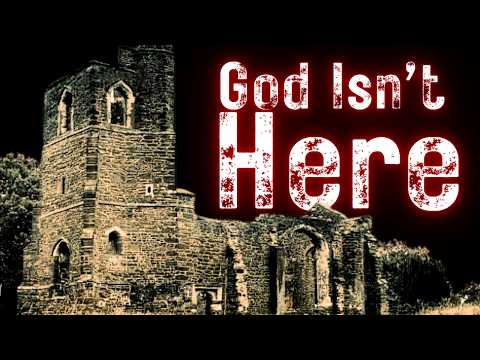
The ruins of St. Mary's Church, standing sentinel above the village of Clophill, have long been a focal point for unsettling whispers and chilling tales. For decades, this site has been shrouded in disturbing rumors—stories of black magic rituals, desecrated graves, spectral figures, and unsettling encounters lurking in the shadows. Locals, with a mixture of fear and morbid fascination, began to refer to it as "The Black Magic Church."

But the eerie reputation of Clophill is more than just folklore; it's rooted in real, albeit sensationalized, events and enduring mysteries. In the early 1960s, the parish, then overseen by Reverend Lewis Barker, found itself at the center of national headlines. Investigators discovered human remains arranged within the ruins of St. Mary's Church, believed by many to be part of an occult ritual. This discovery ignited a wave of fear and captivated public imagination, a fascination that has never truly waned.

This page delves into the actual occurrences, the haunting legends, and the lingering enigmas behind the notoriety of "The Black Magic Church."

RitualOrigins of the "Black Magic Church" Legend

The seeds of Clophill's dark reputation were sown long before the sensational events of the 1960s. Abandoned and decaying, the medieval church provided fertile ground for local folklore and speculative narratives. Its isolated position and ruined state naturally drew attention, and as stories began to circulate, the site became a magnet for those interested in the occult or simply seeking a thrillingly spooky destination. The discovery of human remains, whether truly ritualistic or a sensationalized interpretation, served to solidify these burgeoning narratives into a persistent legend.

The transition from a derelict church to "The Black Magic Church" wasn't instantaneous but a gradual accretion of rumor, speculation, and genuine, albeit unusual, occurrences. The very isolation that made the church a place of worship also made it a perfect canvas for darker interpretations once its sacred function ceased.

The 1963 Incident: Ritual or Rumor?

The pivotal moment that cemented Clophill's infamous status occurred in the early 1960s. Human remains were discovered within the ruins of St. Mary's Church in a configuration that investigators suspected might be part of an occult ritual. This discovery catapulted the quiet village and its decaying church into the national spotlight.

While the official interpretation leaned towards a ritualistic arrangement, the sensationalism surrounding the event often overshadowed factual reporting. The media at the time, eager for a sensational story, likely amplified the occult angle, contributing to the widespread belief that nefarious magic was at play. The details of the discovery are often debated, with some suggesting careless teenagers and others insisting on genuine occult activity. Regardless of the definitive cause, the incident acted as a powerful catalyst, transforming local whispers into a widespread legend of a "black magic" site.

Beyond the Headlines: Reports of the Unexplained

The notoriety generated by the 1963 incident meant that Clophill, and specifically the ruined church, became a site for paranormal investigation and anecdotal accounts. Over the years, visitors and locals have reported a consistent pattern of strange phenomena:

* Hooded Figures: Numerous accounts describe seeing cloaked or hooded figures moving silently among the gravestones, often appearing and disappearing without explanation. These figures are frequently associated with the church's darker legends. * Unexplained Lights: Lights have been reported emanating from within the ruined church tower, flickering and shifting in ways that defy logical explanation. Some believe these are residual energies or spectral manifestations. * The Mysterious Monk: Perhaps one of the most persistent tales is the apparition of a mysterious monk seen on nearby roads. This figure is often described as solemn and ancient, adding a layer of historical spiritual unrest to the area.

These reports, while often dismissed as misinterpretation or imagination, contribute to the pervasive atmosphere of the uncanny that surrounds Clophill. They suggest a lingering presence or energy that continues to manifest in subtle, unsettling ways.

The Shadow of the A6 Murder

Adding another layer of grim notoriety to the Clophill area is its proximity to Deadman's Hill, the site of the infamous A6 murder. This notorious crime, one of the most controversial in British history, occurred not far from the church ruins. The chilling connection, even if geographical, amplifies the sense of dread associated with the Clophill landscape.

The A6 murder, involving the brutal killing of a young woman, preyed on the public's imagination and left a scar on the local psyche. When juxtaposed with the "black magic" rumors surrounding the church, it created an environment where dark interpretations were readily accepted. The area, already steeped in tales of occult rituals, now also bore the weight of a horrific violent crime, making it a potent symbol of malevolence in many people's minds.

Exploring the "Black Magic Church" in Practice

While the historical incidents and sensational headlines are well-documented, the true nature of Clophill remains a subject of debate. Is it a place truly haunted by dark energies and spirits? Or is it a site where folklore, sensationalism, and a vivid imagination have coalesced to create "The Black Magic Church"?

From a practical occult perspective, places that have experienced intense emotional events (fear, anger, devotion, or despair) can retain residual energies. The intense focus on supposed ritual, coupled with the notoriety of the A6 murder, could indeed create a potent psychic environment. Whether this manifests as genuine hauntings or merely perceived phenomena is a matter of individual experience and interpretation.

For practitioners interested in the darker aspects of ritual or exploring locations with strong residual energy, Clophill presents a fascinating case study. It highlights how belief and narrative can shape the perceived reality of a place. The very act of labeling it "The Black Magic Church" imbues it with that perceived energy.

Practical Considerations for Practitioners

If one were to visit Clophill with an intention of exploring its energies, several considerations are paramount:

* Respect the Site: Even in its ruined state, Clophill is a former place of worship and a historical site. Approach with respect, and avoid any actions that could be construed as desecration or disrespect. * Observe and Record: Instead of imposing beliefs, focus on observation. Document any unusual sensations, sights, or sounds. Journaling is crucial for tracking personal experiences and identifying patterns. * Safety First: Abandoned sites can be dangerous. Be aware of structural integrity, uneven terrain, and potential hazards. The legends of strange encounters should also be a reminder to practice caution and, ideally, not to visit alone, especially at night. * Intentionality: If you choose to perform any form of practical magical work, be clear about your intent. Is it to understand the energies present, to cleanse the site, or to engage in personal workings? Clarity of intention is key in any magical endeavor.

For those seeking to explore the potent symbolism and energies associated with ritualistic practices, tools can greatly enhance the experience. The Goetian Seals Generator app provides a direct avenue for creating and exploring the intricate seals of Goetic entities. These seals are not mere symbols but often serve as conduits or focal points for specific energies. By understanding and utilizing these tools, practitioners can engage with the deeper currents that may exist in places like Clophill, grounding their experiences in tangible magical practice rather than succumbing solely to folklore.

What Really Happened?

The definitive "what" of Clophill's dark history remains elusive, veiled by time, sensationalism, and the enduring power of legend. Was it a nexus of genuine black magic rituals, fueled by teenage rebellion or darker intentions? Was it a site where intense human tragedy, like the A6 murder, left an indelible psychic scar on the landscape? Or is it simply a place where a particularly compelling story took root and grew, fed by imagination and the natural human fascination with the macabre?

The truth, as is often the case with such legends, likely lies somewhere in between. The documented events, the persistent anecdotal evidence, and the sheer power of the narrative all contribute to the mystique. Clophill stands as a potent reminder of how places can become imbued with meaning, how stories can take on a life of their own, and how, for some, the shadows of the past can feel chillingly present.

Arsenal of the Modern Occultist

In navigating the complexities of occult history, ritual, and personal practice, the right tools can make a significant difference. While Clophill's history is steeped in tradition and rumor, modern practitioners have access to resources that can aid their exploration and practice.

* Essential: Goetian Seals Generator — For those interested in the symbolic language of ritual and entities, this app allows for the precise creation and exploration of Goetian seals, grounding practice in accurate representation. * Recommended Reading: *The Black Arts* by Richard Cavendish — A comprehensive exploration of historical occult practices, offering context to the traditions that might have influenced or been associated with such sites. * Investigative Tool: A high-quality digital voice recorder and camera — For documenting personal experiences and environmental anomalies during exploration. * Journal: A dedicated grimoire or notebook — Essential for recording observations, rituals, and personal insights.

FAQ: Navigating the Darkness of Clophill

Is Clophill Church genuinely haunted?

The question of whether Clophill is "haunted" is subjective and depends on one's definition of haunting. There are numerous anecdotal reports of spectral figures, unexplained lights, and unsettling phenomena. These could be attributed to residual energy from past events, mass suggestion, or genuine paranormal activity. From a magical perspective, places with strong historical narratives and intense emotional events can develop potent psychic imprints.

What constitutes "black magic" in the context of Clophill?

In the context of Clophill's legend, "black magic" typically refers to alleged occult rituals involving rituals, grave desecration, and malevolent intent. Historically, the term "black magic" has been applied broadly to practices deemed unorthodox or harmful by mainstream society. Whether the events at Clophill truly involved such practices or were simply sensationalized interpretations is debated; however, the label itself has profoundly shaped the site's reputation.

Are the stories of grave desecration true?

Reports of grave desecration at Clophill have been a significant part of its notoriety, particularly concerning the discovery of human remains in the ruins. While the exact circumstances and motivations behind these events are often unclear or debated, the incidents themselves are historically documented and contributed heavily to the site's dark reputation and the fear it instilled locally.

Can I visit Clophill Church ruins?

Yes, the ruins of St. Mary's Church at Clophill are accessible to visitors, though it's important to note that it is an abandoned and potentially hazardous site. It is advisable to visit during daylight hours and to proceed with caution. Respect for the historical and spiritual nature of the site is paramount.

How did the A6 murder connect to Clophill's reputation?

The proximity of Deadman's Hill, the site of the notorious A6 murder, to Clophill Church added another layer of dark association to the area. While not directly related to occult activities, the heinous nature of the crime intensified the perception of the surrounding landscape as a place of malevolence and tragedy, further cementing its sinister reputation in the public imagination.

About the author: Frater Alek0s is a veteran practitioner and researcher in the field of chaos magick. His work focuses on the practical and experimental application of occult techniques for self-development and reality exploration, demystifying esotericism for the modern practitioner.

Does the Goetian Seals Generator app relate to Clophill's history?

The Goetian Seals Generator app is not directly tied to the historical events of Clophill. However, it relates to the broader context of ritualistic symbolism and the exploration of energies that sites like Clophill are often associated with. For practitioners interested in the symbolic languages of magic and summoning, the app provides tools for accurate representation of seals, which can be a focus in personal workings or explorations of powerful locations.


Referencias

  1. Frazer, J. G. (1890). The Golden Bough: A Study in Comparative Religion. Macmillan.
  2. Eliade, M. (1958). Patterns in Comparative Religion. Sheed & Ward.
  3. Thomas, K. (1971). Religion and the Decline of Magic. Oxford University Press.
  4. Cohn, N. (1975). Europe's Inner Demons. Basic Books.
  5. Ginzburg, C. (1966). The Night Battles: Witchcraft and Agrarian Cults in the Sixteenth and Seventeenth Centuries. Johns Hopkins University Press.
  6. Hutton, R. (1999). The Triumph of the Moon. Oxford University Press.
  7. Kieckhefer, R. (1989). Magic in the Middle Ages. Cambridge University Press.
  8. Russell, J. B. (1972). Witchcraft in the Middle Ages. Cornell University Press.
  9. Ankarloo, B. (2002). Witchcraft and Magic in Europe: The Middle Ages. Athlone Press.
  10. Berger, H. (2005). Witchcraft and Magic: Contemporary North America. University of Pennsylvania Press.
  11. Caro Baroja, J. (1961). The World of the Witches. University of Chicago Press.
  12. Decker, R. (2008). The Witches of Warboys. Self-published.