
Tabla de Contenidos
- Introduction: The Unseen Battlefields of Technology
- Archetype Analysis: Ritual vs. Reality
- The Litany of Percussive Maintenance
- The Machine Spirit and Its Whims
- The Unforgivable Sin of the USB Port
- The Sacred Rites of USB Insertion
- Ancient Tech vs. Modern Flaws
- Practical Application: The Techno-Shaman's Toolkit
- Arsenal of the Techno-Shaman
- Veredict of the Practitioner: Embracing the Chaos
- Preguntas Frecuentes
- Your Operation: Embracing Technological Imperfection
Introduction: The Unseen Battlefields of Technology
The hum of ancient machinery, the scent of ozone, the glint of metal on flesh – these are the sensory cues that define the Adeptus Mechanicus. But beneath the veneer of divine technology lies a truth as old as invention itself: the exasperating, infuriating, and often hilarious struggle with malfunctioning equipment. In the grim darkness of the 41st millennium, the battle for the Imperium is fought not only with bolters and chainswords but also with the seemingly mundane, yet critically important, task of making devices work. This isn't just about faulty hardware; it's a deep dive into the psychology of problem-solving, the nature of belief, and yes, the universal frustration of a stubborn USB port.
Archetype Analysis: Ritual vs. Reality
The Adeptus Mechanicus, particularly the figures often referred to as Tech-Priests or Cybernetica Datasmiths, embody a fascinating blend of the pragmatic and the mystical. They are engineers, scientists, and priests rolled into one, tasked with maintaining and understanding the sacred technologies that keep the Imperium functioning. Their methods, often steeped in ritualistic invocation and arcane incantations addressed to the 'Machine Spirit,' can appear bizarre to the uninitiated. Yet, at their core, these rituals are often a formalized, culturally ingrained response to troubleshooting. The difference between a Tech-Priest wrestling with a faulty data-slate and a civilian cursing at a frozen laptop is largely one of context, language, and the perceived sanctity of the device. This post will explore the mechanics behind such struggles, bridging the gap between the arcane and the everyday.
The Litany of Percussive Maintenance
One recurring sentiment from the community is the question: "Why didn't the Tech Priest invoke the Litany of Percussive Maintenance?" This, in essence, is the universal human response to a non-responsive device – a firm, often frustrated, tap or thump. It's a primal, almost instinctive, action born from countless hours of dealing with temperamental technology. While the Adeptus Mechanicus might formalize this into a specific 'Litany,' the underlying principle remains: sometimes, a physical jolt is all that's needed to temporarily realign internal components, reset a frozen circuit, or simply shock a stubborn system back into some semblance of operational order. It’s a testament to how fundamental, non-technical interventions can sometimes yield surprising results. For those seeking to master their own technological challenges, understanding the power of a well-timed tap is a crucial first step. While not a formalized ritual in most modern contexts, it’s a practical technique worth remembering when all else fails, much like consulting the best online astrology readings can offer a fresh perspective on complex life issues.
The Machine Spirit and Its Whims
"I don't know what the tech priest did to displease the machine spirit and I'm too scared to ask," one commenter mused. This highlights a key aspect of the Mechanicus worldview: the belief in a sentient 'Machine Spirit' inhabiting every technological artifact. While from a purely scientific standpoint, this might be seen as personification, it also serves as a deeply effective framework for diagnosing and addressing complex problems. When a device malfunctions, it's not just a 'bug'; it's a Machine Spirit that has been 'displeased' or has become 'obstinate.' This anthropomorphic approach can make troubleshooting less about confronting a logical failure and more about appeasing a willful entity. This can be surprisingly efficient, as it encourages a thorough examination of all potential failure points, from the most obvious physical connection to the most subtle software anomaly. The 'offense' could be anything from a corrupted data stream to a physical obstruction, mirroring the way a complex software issue might arise from a tiny error in the code.
The Unforgivable Sin of the USB Port
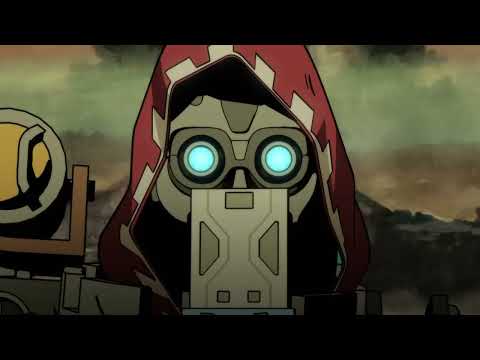
The particular plight depicted – the inability to correctly insert a USB drive – is a universal source of agony. As one astute observer noted, "Weakness of flesh is bad but weakness of faulty USB port is unforgivable." This sentiment is amplified by the common experience of needing to flip the connector multiple times. The animation's portrayal of this struggle, even with a Tech-Priest at the helm, underscores that some technological interfaces are inherently flawed or at least, incredibly unintuitive. The humor derived from this situation, often amplified by Dark Souls-esque music, stems from recognizing a shared, deeply frustrating experience. It's a stark reminder that even in a technologically advanced future, basic design flaws can lead to critical operational failures. Imagine the implications if these basic principles of usability were ignored in the development of advanced reiki courses; the results would be equally chaotic.
The Sacred Rites of USB Insertion
The community’s jokes about "The Sacred Ritual of Rotating the USB 180 Degrees, Inserting And Removing, Rotating 180 Degrees Once More" perfectly encapsulate the common user experience. It’s a dance of trial and error, a desperate attempt to coerce a stubborn piece of technology into compliance. The playful mention of "Blue Unto the Device" also hints at the common fallback of restarting or reapplying power, akin to the modern practice of power cycling. The idea that these sequences are 'sacred' and that the Tech-Priest might have forgotten them is a humorous jab at the often-unspoken, ad-hoc methods we employ when faced with a technical impasse. It’s this shared understanding of such rituals that makes the content so relatable and the humor so effective.
Ancient Tech vs. Modern Flaws
There's an ironic observation that "old human tech is remarkable... that it doesn't have these issues." This points to a fascinating paradox: as technology advances, sometimes its fundamental usability decreases. While the Adeptus Mechanicus deals with hyper-advanced, often esoteric systems, the struggle depicted is with a simple, ubiquitous interface. This suggests that complexity doesn't necessarily equate to robustness. The focus on the USB port as a point of failure is a commentary on how even the most advanced systems can be crippled by their most basic components or interfaces. The humor derived from the Tech-Priest’s predicament is amplified by the contrast between their presumed mastery and their inability to perform such a seemingly simple task.
Practical Application: The Techno-Shaman's Toolkit
The core of understanding the Adeptus Mechanicus is recognizing their role as techno-shamans. They bridge the gap between raw mechanics and the user's intent, often through ritualistic understanding. When faced with a malfunctioning data-slate or a stubborn servitor, their process, while couched in religious dogma, often mirrors effective troubleshooting techniques:
- Diagnosis: Observing the symptoms and correlating them with known failure modes (e.g., a 'displeased machine spirit').
- Intervention: Applying specific procedures, whether a specific sequence of button presses, a physical adjustment, or a software reset.
- Appeasement: Sometimes, the 'fix' involves more than just mechanical action; it's about ensuring the system is in a 'correct' state, which might involve ritualistic cleansing or reaffirmation of purpose.
Arsenal of the Techno-Shaman
- Grimoires & Tomes: Think of the Mechanicus's sacred texts as the ultimate technical manuals. For the modern practitioner, this translates to well-researched books on technology, coding, or the esoteric. Essential reading includes texts like 'Liber Null & Psychonaut' for understanding chaos magic, and 'Condensed Chaos' for practical application.
- Diagnostic Tools: Beyond the physical tools of the Tech-Priest, modern equivalent tools are vital. For digital troubleshooting, this includes diagnostic software, system monitors, and even advanced astrology software for understanding cyclical influences on performance.
- Ritualistic Components: What the Mechanicus uses as holy oils and blessed circuits, we might use as high-quality cables, surge protectors, or even specific types of data storage for critical backups. Ensuring you have reliable infrastructure is paramount.
- Dedicated Workspaces: A clean, organized workspace, free from distractions, is as important for a modern tech practitioner as a fortified workshop is for a Tech-Priest. Consider investing in a comfortable setup, perhaps with ambient music that aids focus, like the meditative music often used in deep work sessions.
Veredict of the Practitioner: Embracing the Chaos
Preguntas Frecuentes
¿Son los rituales del Tech-Priest inútiles si no creen en el espíritu de la máquina?
No necesariamente. Incluso si el 'espíritu de la máquina' fuera una metáfora, los rituales mismos a menudo implican pasos lógicos de diagnóstico y solución de problemas que pueden ser efectivos en sí mismos. La creencia actúa como un amplificador de la intención y la concentración del practicante.
¿Por qué los Orkos se acercarían para arreglar el dispositivo?
En el contexto de Warhammer 40,000, los Orkos son particularmente destructivos pero también tienen una afinidad por la tecnología, que a menudo 'funciona' a través de su creencia colectiva. Podrían estar interesados en arreglarlo para poder destruirlo o simplemente por una extraña curiosidad.
¿Es realista que un Tech-Priest olvide un procedimiento tan básico?
En la narrativa de Warhammer 40,000, sí. Los Tech-Priests, a pesar de su conocimiento, operan dentro de una estructura rígida y a menudo su práctica está más influenciada por la tradición y el dogma que por la pura lógica pragmática. Los errores ocurren, incluso entre los más devotos.
¿Qué significa la pantalla final "You Died" en binario?
Es una referencia directa a la serie de videojuegos "Dark Souls", conocida por su alta dificultad y mensajes crípticos. Al mostrarlo en binario, se añade una capa de complejidad tecnológica, haciendo eco del tema del post sobre la lucha con la tecnología.
Your Operation: Embracing Technological Imperfection
Tu desafío esta semana no es invocar un espíritu de máquina, sino confrontar una imperfección tecnológica en tu propia vida. Identifica un dispositivo o sistema que te cause frustración. En lugar de desecharlo o ignorarlo, aplícale un enfoque metódico, inspirado en los principios del Tech-Priest. Documenta tus intentos de "aplacamiento" y observación. ¿Qué sucede si cambias tu enfoque, tu lenguaje, o incluso tu entorno? ¿Puedes encontrar una solución inesperada al tratar el problema no como un fallo lógico, sino como una interacción con un sistema complejo y "obstinado"? Comparte tus hallazgos o tus fracasos más hilarantes en los comentarios.
Practitioner's Note: True magick requires resources. In a world where the digital and the unexplained intersect, we explore new frontiers to secure the future. Do you dare to be part of the vanguard? Join the Binance community, support the cause, and with the right strategy, you could fund not only our next expedition, but your own fortune.
No hay comentarios:
Publicar un comentario