
Table of Contents
- Introduction: The Unseen Migration
- Historical Context: Faith in the Digital Age
- Expert Analysis: Teresa Berger's Insights
- The Mechanics of Digital Liturgy
- Challenges and Opportunities in Online Faith
- Technomancy and Digital Devotion
- Arsenal of the Digital Practitioner
- FAQ
- Practitioner's Verdict
- Your Operation
Introduction: The Unseen Migration
The digital revolution has fundamentally reshaped how we interact, work, and consume information. Yet, its impact on the sacred, on ancient liturgical practices, often remains a blind spot. We marvel at the speed of online communication and the vastness of digital marketplaces, but how has this shift affected the way faith is expressed and experienced? The migration of liturgical practices into cyberspace is not a fringe phenomenon; it's an ongoing, powerful transformation that redefines community, ritual, and devotion. This exploration delves into this unseen migration, moving beyond the surface to understand the deeper currents of technomancy at play.Historical Context: Faith in the Digital Age
Throughout history, faith communities have adapted to new technologies, from the printing press enabling wider distribution of religious texts to the advent of radio and television bringing sermons into homes. Each technological leap has altered the landscape of religious practice. The internet, however, represents a paradigm shift. It’s not merely a broadcast medium; it’s an interactive, global, and deeply personal space. As communities grapple with evolving demographics and the transient nature of modern life, online platforms have become crucial for maintaining cohesion and facilitating spiritual engagement. This ongoing evolution is a testament to the enduring human need for connection and meaning, a need that finds new avenues for expression in the digital spirituality landscape. The growth of online faith communities, as noted by many observers, highlights how pervasive this transition has become, blurring the lines between physical and virtual sacred spaces."The early days of the internet felt like a frontier, and religious communities were quick to stake their claims, creating virtual cathedrals and digital congregations that mirrored their offline counterparts, yet offered new dimensions of accessibility and connection."
Expert Analysis: Teresa Berger's Insights
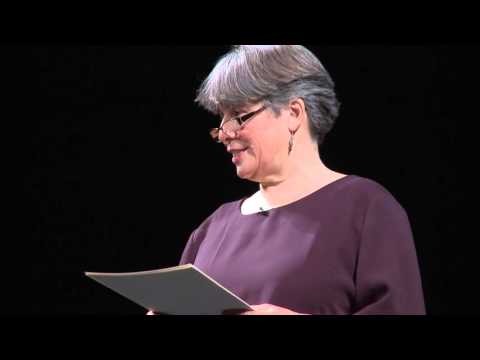
Teresa Berger, a distinguished Professor of Liturgical Studies and Theology at the Yale Institute of Sacred Mission and Yale Divinity School, has extensively researched this fascinating intersection. Her work meticulously documents how traditional liturgical practices are not just surviving but actively migrating into the digital realm. This migration isn't simply about replicating church services online; it involves adapting rituals, fostering new forms of online community, and exploring the theological implications of virtual devotion. Berger's scholarly interests, lying at the nexus of theological studies, cultural analysis, and gender theory, provide a rich framework for understanding these complex shifts. Her research emphasizes that this is a profound cultural phenomenon, not merely a technological convenience. Many observers of faith communities are increasingly recognizing the profound impact of this digital migration, a trend that predates recent global events but has been accelerated by them. For anyone seeking to understand the future of religious practice, her insights are invaluable, offering a clear-eyed view of a world where sacred and secular are increasingly intertwined through the lens of cybermancy. Understanding these movements is crucial for anyone interested in the evolution of human belief systems.The Mechanics of Digital Liturgy
The adaptation of liturgical practices online involves a nuanced understanding of both tradition and technology. Websites dedicated to faith communities often serve as virtual gathering spaces, hosting streamed services, digital prayer groups, and forums for theological discussion. This allows for participation regardless of geographical location, offering solace and community to those who are isolated, homebound, or simply seeking a different mode of engagement. The creation of online sacred spaces demands an innovative approach to ritual design. Think of virtual communion during lockdowns, online confessionals, or even digital prayer chains that rapidly disseminate intentions across networks. These digital adaptations, while sometimes appearing unconventional, aim to preserve the core functions of liturgical practice: fostering community, facilitating prayer and worship, and providing spiritual guidance. This requires a deliberate application of magitech principles, where technology is harnessed not just for communication but to assist in spiritual operations. The key is maintaining the intention behind the ritual, even as the medium transforms. This is where the concept of digital divination begins to take root, as tools are developed to aid spiritual exploration.Challenges and Opportunities in Online Faith
The migration of liturgical practices online presents a dual landscape of significant challenges and profound opportunities. On one hand, there's the inherent limitation of mediated experience. The tactile, communal, and sensory aspects of traditional worship—the shared physical space, the palpable energy of a congregation, the scent of incense—are difficult to replicate digitally. Critics often question whether online faith can truly foster the same depth of connection or spiritual intensity as in-person gatherings. The question of authenticity arises: can virtual prayer hold the same weight as prayers offered in a dedicated sacred space? Furthermore, issues of digital access, privacy, and the potential for superficial engagement are ongoing concerns.However, the opportunities are equally compelling. Online platforms democratize access to religious teachings and communities, reaching individuals who might otherwise be excluded due to disability, location, or personal circumstances. They facilitate global connections, allowing people from diverse backgrounds to share their faith journeys and learn from one another. The digital space also offers a fertile ground for innovation in spiritual practice. Experimentation with AI rituals, interactive prayer apps, and virtual reality sacred sites are pushing the boundaries of what it means to worship and connect spiritually. This digital frontier is where classic occult principles meet modern technology, creating new forms of spiritual engagement. As more people engage with these digital spiritual tools, the understanding of chaos magick principles in a technological context deepens.
"The challenge for faith communities is not to resist the digital tide, but to learn how to navigate it, harnessing its power to foster spiritual growth without losing the essence of what makes their traditions meaningful."
Technomancy and Digital Devotion
The fusion of technology and spiritual practice, often termed technomancy, is at the heart of this digital liturgical migration. It’s about understanding how digital tools can be intentionally used to amplify spiritual intent and facilitate connection. This isn't about replacing traditional practices wholesale, but about augmenting them. Consider the role of social media in organizing prayer vigils or spreading messages of hope. Think about apps that provide daily scripture readings, guided meditations, or interactive spiritual exercises. These tools, when used with conscious intention, become extensions of the practitioner's will, bridging the gap between the physical and digital realms. The development of sophisticated tools for digital sigils or online oracles represents a significant evolution in how individuals engage with spiritual forces in the modern age. This integration necessitates a deeper understanding of how intention can be encoded and transmitted through digital mediums, a core tenet explored by figures like Austin Osman Spare.Arsenal of the Digital Practitioner
To effectively navigate the digital landscape of faith and spirituality, a curated selection of tools can be invaluable. These are not substitutes for personal conviction or practice, but enhancers for those seeking to explore the intersection of technology and the sacred.* Essential: Chaos Magick Sigil Generator (https://play.google.com/store/apps/details?id=com.cha0smagick.sigilgeneratorfinal): For anyone looking to translate their intentions into potent digital symbols, this tool is indispensable. It allows for the rapid creation and refinement of sigils, a cornerstone of modern magical practice, enabling users to focus on the core intent rather than the manual design process. * Recommended: Lunar Phase Calculator (https://play.google.com/store/apps/details?id=com.lunarapp.app): Understanding celestial cycles can add a powerful layer of synchronicity to any spiritual practice, digital or otherwise. Timing rituals and intentions with lunar phases can amplify their impact. * For Deeper Insight: I Ching Oracle (https://play.google.com/store/apps/details?id=com.app.ichingoracle): For those seeking profound guidance and a deeper understanding of transitional phases, the ancient wisdom of the I Ching, accessible through digital means, offers invaluable perspective. * Historical/Esoteric Reference: Books on Liturgical Studies and Digital Theology: While not a single item, a curated library of scholarly works on the history of liturgy, the sociology of religion, and the philosophy of technology is crucial for a grounded understanding. Look for works that bridge theological inquiry with cultural studies.
FAQ
Is online worship as valid as in-person worship?
The validity of online worship is a deeply personal and theological question. While it offers accessibility and new forms of community, it may not replicate the full sensory and communal experience of physical gatherings for everyone. Its effectiveness often depends on the individual's intention and the community's ability to foster genuine connection online.How can I ensure my intentions are strong when using digital tools for prayer or ritual?
The strength of your intention lies within you, not the tool. Digital tools are conduits. Focus on clarity of purpose, visualization, and emotional resonance. Treat digital practices with the same seriousness and commitment you would a physical ritual. The practice of gnostic state, often engaged with through focused attention, is key regardless of the medium.Are there ethical considerations for practicing faith online?
Yes, absolutely. Privacy, digital access equity, intellectual honesty in sharing information, and respectful engagement with diverse beliefs are paramount. Just as in physical spaces, the online spiritual world requires ethical conduct and mindfulness.Can technology truly foster a sense of sacredness?
Technology can certainly facilitate experiences that are perceived as sacred. By creating focused environments, connecting people across distances, and offering new avenues for contemplation and devotion, digital tools can absolutely play a role in fostering a sense of the sacred. The perception of sacredness is ultimately an internal one, influenced by context and intention.Practitioner's Verdict
The migration of liturgical practices into cyberspace is an undeniable and evolving phenomenon. While it presents inherent challenges in replicating the full spectrum of traditional worship, its potential for expanding access, fostering new communities, and driving innovative spiritual expression is immense. From a practical standpoint, embracing these digital shifts is not merely an option but a necessity for organizations and individuals seeking relevance and reach in the contemporary world. The research by figures like Teresa Berger provides a critical academic grounding, but the true understanding comes from active engagement and thoughtful experimentation with these evolving digital sacred spaces. Investing in understanding these dynamics is paramount for anyone serious about the future of spiritual practice.Your Operation
Your operation is to choose one traditional prayer or meditation practice you regularly engage in. Now, consider how you might translate this practice into a digital format. What specific technological tools could you use (e.g., a dedicated app, a timed alarm, a shared online document for journaling)? How would you maintain the core intention and efficacy of the practice in this new medium? Document your thoughts and any experiments you undertake in a secure digital journal. For those truly committed to exploring the potential of focused intention amplified by technology, consider utilizing tools like the Chaos Magick Sigil Generator to codify your intentions as potent digital symbols. Remember that exploring the frontiers of the digital ecosystem is vital, and for ongoing research and operations, ensuring you have access to resources is key. can provide the necessary support for such endeavors.Practitioner's Note: True magick requires resources. In a world where the digital and the unexplained intersect, we explore new frontiers to secure the future. Do you dare to be part of the vanguard? Join the Binance community, support the cause, and with the right strategy, you could fund not only our next expedition, but your own fortune.
No hay comentarios:
Publicar un comentario