
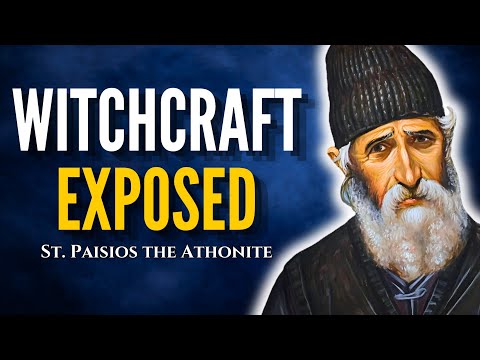
The allure of witchcraft, spells, amulets, and mediums is a siren song that has lured countless souls into spiritual peril. While often masked in mystery or presented as benign, the reality is far more terrifying. This exploration delves into the genuine forces at play, revealing the spiritual dangers inherent in such practices and the stark contrast between demonic deception and true divine power. We will examine the profound testimony of St. Paisios the Athonite, whose insights offer a chillingly clear perspective on the true nature of these occult arts.
St. Paisios, an elder known for his profound spiritual wisdom, often spoke of heavenly realms and divine figures. However, he also recognized the necessity of understanding the darker aspects of the spiritual war we are engaged in. To comprehend the forces we must resist, he shared accounts of hell, demons, and the terrifying truths behind witchcraft and sorcery. This knowledge is not for morbid curiosity, but for spiritual benefit – a shield against deception and a guide toward genuine spiritual liberation.
Table of Contents
- RitualThe Tibetan Sorcerer's Encounter: A Glimpse into Demonic Power
- The Deception of "Christian" Witchcraft
- Demonic "Healings" and Transferred Suffering
- The Power of the Cross: A Spiritual Fortress
- Spiritual Danger of Amulets, Spells, and Mediums
- The Role of Repentance and Confession
- Understanding the Terrifying Nature of Spiritual Warfare
- FAQ: Addressing Common Concerns
- Mage's Arsenal
- Your Operation: Practical Steps to Spiritual Liberation
- Veredicto: The Unseen Battle
RitualThe Tibetan Sorcerer's Encounter: A Glimpse into Demonic Power
St. Paisios recounts the extraordinary story of a young Tibetan sorcerer who had reached the eleventh degree of sorcery. At just sixteen years old, this young man, after extensive initiation by a group of 30 high-ranking sorcerers, encountered an Orthodox priest. What unfolded was a dramatic display of demonic power and an even more profound revelation of divine authority. The sorcerer, eager to showcase his abilities, summoned a chief demon named Mina.
The narrative vividly describes the demon's obedience: a glass rose from the kitchen, moved itself to the tap, the tap turned on, the glass filled with water, passed through a closed glass door, and entered the room. The sorcerer then drank from it. This was followed by a display of further sorcery, moving through the fourth degree and advancing to the eleventh, showing the priest the entire world, the sky, and the stars. The sorcerer's intent was to impress, yet the priest's reaction was not awe, but a readiness to confront the darkness he witnessed.
The Deception of "Christian" Witchcraft
A crucial element of demonic deception, as explained by St. Paisios, is the perversion of holy things. Sorcerers often misuse sacred objects and practices to mislead people. The description notes how these individuals may outwardly appear Christian, utilizing crosses, icons, Psalms, sacred prayers, and blessed candles. However, inwardly, these practices conceal blasphemy, spells, and a sinister cooperation with demonic powers.
This tactic exploits the human desire for spiritual connection and protection. By superficially mimicking holy rituals, demonic forces create a false sense of security and legitimacy, drawing individuals deeper into practices that ultimately serve them. The priest's unwavering Orthodox faith served as a stark contrast to this perversion, highlighting the true spiritual authority that repels demonic influence.
Demonic "Healings" and Transferred Suffering
The question of why the devil might appear to "heal" someone is a complex one, often misunderstood. St. Paisios clarifies that such interventions are never truly good or beneficial in the ultimate sense. These are often acts of deception, aimed at further entrenching the individual in demonic influence or creating a false sense of divine favor.
These apparent "healings" are not acts of true restoration or spiritual well-being. Instead, they may involve the transfer of suffering from one person to another, or a temporary alleviation of symptoms designed to foster dependence on demonic power. The underlying spiritual condition remains unaddressed, and the soul continues to be vulnerable. Genuine healing, from an Orthodox perspective, comes through repentance, confession, prayer, and a return to Christ, leading to true spiritual wholeness.
The Power of the Cross: A Spiritual Fortress
The Tibetan sorcerer's story takes a decisive turn when the priest presents him with a Cross. The reaction of the demons was instantaneous and telling: they trembled and refused to approach. This is not merely a symbolic gesture; it represents the profound spiritual reality of the Cross as a potent symbol of Christ's victory over death and demonic powers.
For those who genuinely believe and are protected by the grace of Christ, the Cross serves as an impenetrable shield. It signifies the defeat of the dark powers and acts as a constant reminder of the dominion of God. The demons' inability to approach the Cross underscores the fundamental weakness of their influence when confronted by true divine authority rooted in faith and obedience to God's commandments.
Spiritual Danger of Amulets, Spells, and Mediums
The proliferation of amulets, spells, mediums, and various occult practices in modern society masks a terrifying spiritual reality. St. Paisios warns that these are not harmless diversions but dangerous gateways to demonic influence. Engaging with these practices is like inviting darkness into one's life, creating pathways for spiritual corruption and enslavement.
Amulets, often imbued with supposed protective or beneficial properties, may carry hidden curses or invoke demonic entities. Spells, by their very nature, seek to manipulate spiritual forces, bypassing God’s will and inviting intervention from malevolent beings. Mediums, claiming to communicate with the departed or other spirits, often act as conduits for deceptive entities, masquerading as benevolent spirits while leading individuals astray.
The Role of Repentance and Confession
The path to liberation from the clutches of witchcraft and demonic influence lies in sincere repentance and confession. St. Paisios emphasizes that these spiritual practices, when undertaken with genuine contrition and a desire to return to God, have the power to break demonic spells and sever negative spiritual ties. The act of confessing one's sins, particularly those related to occult practices, is an acknowledgement of error and a turning away from darkness towards the light of Christ.
Through prayer, adherence to God's commandments, and participation in the holy sacraments, individuals can reclaim their spiritual freedom. The protective power of the Cross, combined with sincere faith, creates an environment where demonic powers cannot thrive. The powers of darkness are inherently weak; they gain strength only when individuals distance themselves from God and grant them a foothold in their lives.
Understanding the Terrifying Nature of Spiritual Warfare
The teachings shared by St. Paisios serve as a stark reminder of the terrifying reality of spiritual warfare. It is a struggle not against flesh and blood, but against principalities and powers, against spiritual wickedness in high places. The effectiveness of these dark forces is directly proportional to humanity's turning away from God. When individuals embrace occult practices, they are, in essence, choosing to empower the very forces that seek their eternal ruin.
The story of the Tibetan sorcerer is a powerful illustration: the demon's ability to manipulate objects and perceive the world was astounding, yet it was utterly powerless against the divine authority represented by the Cross and the priest's faith. This highlights the fundamental truth: true spiritual power does not lie in summoning or controlling spirits, but in aligning oneself with the divine will and embracing the protective grace of God. The true terror lies not in the demons themselves, but in humanity’s potential to willingly surrender to their deceptive influence.
FAQ: Addressing Common Concerns
What is the essence of witchcraft according to St. Paisios?
According to St. Paisios, witchcraft, spells, amulets, and mediumship are fundamentally practices that invite demonic influence and deception into a person's life. They are not benign activities but dangerous spiritual engagements that lead individuals away from God and into peril. The core of these practices involves seeking power or knowledge from sources other than the divine, often through the manipulation of dark spiritual forces, disguised as legitimate spiritual pursuits.
How do demons misuse holy items like crosses and icons?
Demons misuse holy items by creating a false imitation or by attempting to exploit them for deceptive purposes. They might mimic prayers or rituals associated with these items to mislead individuals into believing they are engaging in something sacred, while actually serving demonic aims. This is a form of spiritual deception, where the outward appearance of holiness conceals an inner blasphemy or a pact with dark powers. The goal is to confuse and corrupt, making people believe that their actions are acceptable within a spiritual framework, when in reality, they are furthering demonic agendas.
Can demonic "healings" truly be good for a person?
No, demonic "healings" are never truly good or beneficial in the long term, according to St. Paisios. While they might offer temporary relief from physical ailments, they do not address the underlying spiritual state and often come at a great spiritual cost. These supposed healings are frequently acts of deception, designed to foster dependence on demonic powers, to build trust in false spiritual sources, or to mask a deeper spiritual malady. True healing, in the Orthodox tradition, is holistic, encompassing spiritual, mental, and physical well-being, and is achieved through a relationship with God.
Why were the demons unable to approach the Cross?
The demons were unable to approach the Cross because it represents the ultimate victory of Christ over the powers of darkness, sin, and death. The Cross is a sacred symbol imbued with divine power and authority. For those who hold sincere faith in Christ and are protected by His grace, the Cross acts as a spiritual fortress, repelling demonic influence. The demons tremble before it because it signifies their defeat and their lack of authority over those who are truly aligned with God. It is a tangible manifestation of divine power that they cannot overcome.
What is the spiritual danger of amulets and spells?
The spiritual danger of amulets and spells lies in their direct invocation of forces outside of God's will and divine protection. Amulets can be imbued with curses or act as conduits for demonic entities, offering a false sense of security while inviting spiritual harm. Spells, by their nature, attempt to manipulate spiritual energies and outcomes, often through pacts or agreements with dark forces, bypassing divine providence. Engaging with these practices creates a spiritual vulnerability, opening a person to harmful influences and potentially enslaving them to demonic powers.
How can one break free from spells and occult practices?
Freedom from spells and occult practices is achieved through sincere repentance, confession, fervent prayer, and a firm return to Christ. Repentance means acknowledging the error of engaging in such practices and turning away from them with a contrite heart. Confession, especially when done with genuine remorse, allows for the direct cleansing of these spiritual transgressions. Prayer, particularly the prayer to Jesus Christ and the use of the Sign of the Cross, invokes divine protection. Ultimately, it is a commitment to living according to God's commandments and relying on His grace that breaks the power of occult influences.
Why do the powers of darkness become strong?
The powers of darkness gain strength primarily when people turn away from God and give them a foothold in their lives. This turning away can occur through various means, including deliberate rejection of faith, engagement in sinful practices, or participation in occult activities. When individuals distance themselves from divine influence and protection, they create spiritual voids that dark forces are eager to fill. Their strength is not inherent but is derived from human choice and the subsequent absence of God’s presence and protection in a person’s life.
Mage's Arsenal
- Essential: Goetian Seals Generator — This app is invaluable for those exploring the complex world of demonic seals. It helps in accurately generating and understanding the intricate designs of Goetic seals, ensuring precision which is crucial when dealing with such potent symbolism. The app provides a way to engage with these entities or symbols with a degree of structured understanding, reducing the risk of error that could lead to unintended consequences.
- Key Text: Spiritual Counsels (Volume III: Spiritual Struggle) by St. Paisios the Athonite.
- Reference: Insights on the nature of demonic deception and spiritual warfare.
Your Operation: Practical Steps to Spiritual Liberation
- Acknowledge the Truth: Understand that witchcraft and occult practices are not harmless. Recognize them as dangerous engagements with deceptive spiritual forces that lead away from God.
- Examine Your Practices: Honestly assess if you have engaged in any form of sorcery, spellcasting, amulet use, or contacted mediums. Self-reflection is the first step towards change.
- Sincere Repentance: if you find yourself involved in these practices, make a firm decision to turn away from them. Express your sincere regret before God: "Lord, I have erred by engaging in [mention specific practice]. I repent and turn away from this path. Forgive me and protect me."
- Confession: Seek out a trusted Orthodox priest and confess your involvement in these spiritual matters. A thorough confession, accompanied by genuine contrition, is a powerful tool for breaking spiritual ties.
- Embrace the Cross: Make the Sign of the Cross devoutly and frequently. Keep a blessed Cross with you. Understand its power as a symbol of Christ's victory and a shield against demonic influence.
- Prayer and Holy Objects: Engage in consistent prayer, especially the Jesus Prayer. Read the Psalms and the Gospels. Use blessed icons and candles in your prayer space. Surround yourself with holy objects that represent God's presence and authority.
- Seek Authentic Spiritual Guidance: Consult spiritual fathers or elders within a traditional faith community (like the Orthodox Church) for guidance and support. Avoid seeking advice from those involved in or sympathetic to occult practices.
- Live a Godly Life: Cultivate virtues such as humility, obedience, love, and faith. By living in accordance with God's commandments, you build a strong spiritual foundation that dark forces cannot penetrate.
About the author: Frater Alek0s is a veteran practitioner and researcher in the field of chaos magick. His work focuses on the practical and experimental application of occult techniques for self-development and reality exploration, demystifying esotericism for the modern practitioner.
Veredicto: The Unseen Battle
The terrifying truth about witchcraft, as illuminated by St. Paisios, is its foundation in deception and its ultimate aim to separate humanity from divine grace. The sorcerer's power, while outwardly impressive, is borrowed from weakened, malevolent forces that thrive on human turning away from God. True spiritual strength and liberation are found not in manipulating unseen energies, but in aligning with the supreme power of the divine through faith, repentance, and adherence to His commandments. The choice is stark: the fleeting, deceptive power of the dark, or the eternal, liberating power of the light.
Referencias
- Cunningham, S. (1988). Wicca: A Guide for the Solitary Practitioner. Llewellyn Publications.
- Gardner, G. (1954). Witchcraft Today. Rider & Company.
- Valiente, D. (1962). Witchcraft for Tomorrow. Rider & Company.
- Starhawk (1979). The Spiral Dance. Harper & Row.
- Hutton, R. (1999). The Triumph of the Moon. Oxford University Press.
- Grimassi, R. (2000). Encyclopedia of Wicca & Witchcraft. Llewellyn Publications.
- Buckland, R. (1974). Buckland's Complete Book of Witchcraft. Llewellyn Publications.
- Farrar, J. (1981). Eight Sabbats for Witches. Robert Hale.
- Murray, M. (1921). The Witch-Cult in Western Europe. Oxford University Press.
- Leland, C. G. (1899). Aradia: Gospel of the Witches. David Nutt.
- Berger, H. (2005). Witchcraft and Magic: Contemporary North America. University of Pennsylvania Press.
- Crowther, P. (1959). The Witches Speak. Athol Publications.
No hay comentarios:
Publicar un comentario